
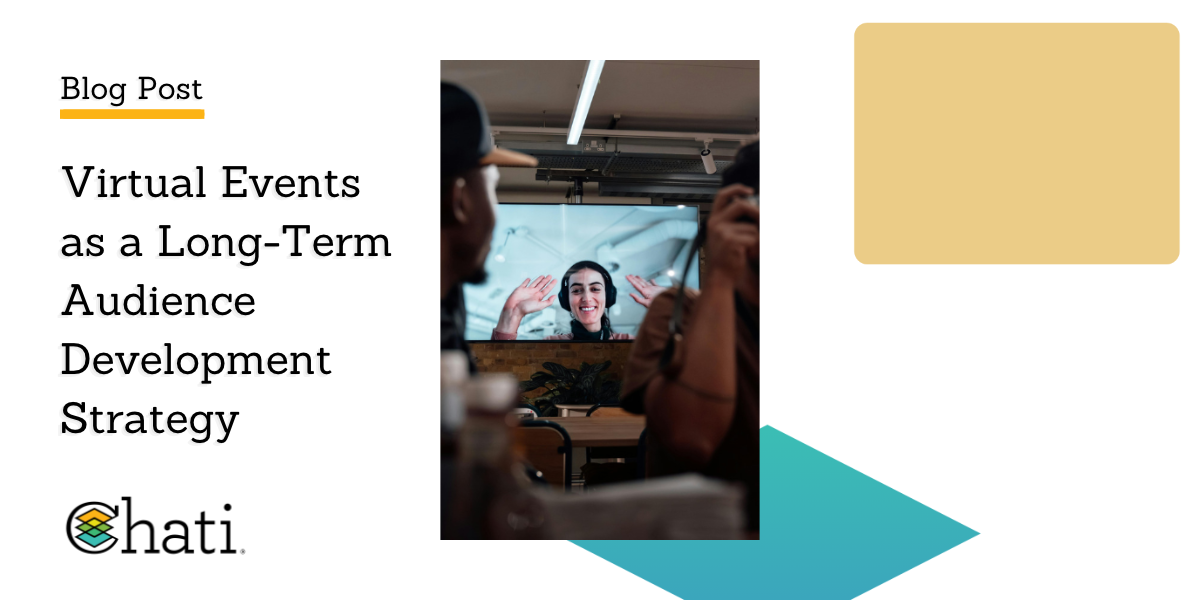
Treating virtual events as throwaway, single-use marketing campaigns creates a major structural headache instead of encouraging ongoing audience growth and retention. When organizers start from zero for every webinar or broadcast, audience acquisition costs quickly skyrocket. However, focusing on long-term audience growth could provide a cost-effective measure while ensuring virtual events are treated as long-term trends, as opposed to one-time events.
Here, we will discuss a core framework for shifting away from transactional hosting toward building a sustainable, subscriber-driven audience flywheel that compounds long-term value. Through this, you will have the tools and resources to host a successful virtual event while focusing on long-term audience retention and growth.
From One-Time Attendees to Lifetime Subscribers
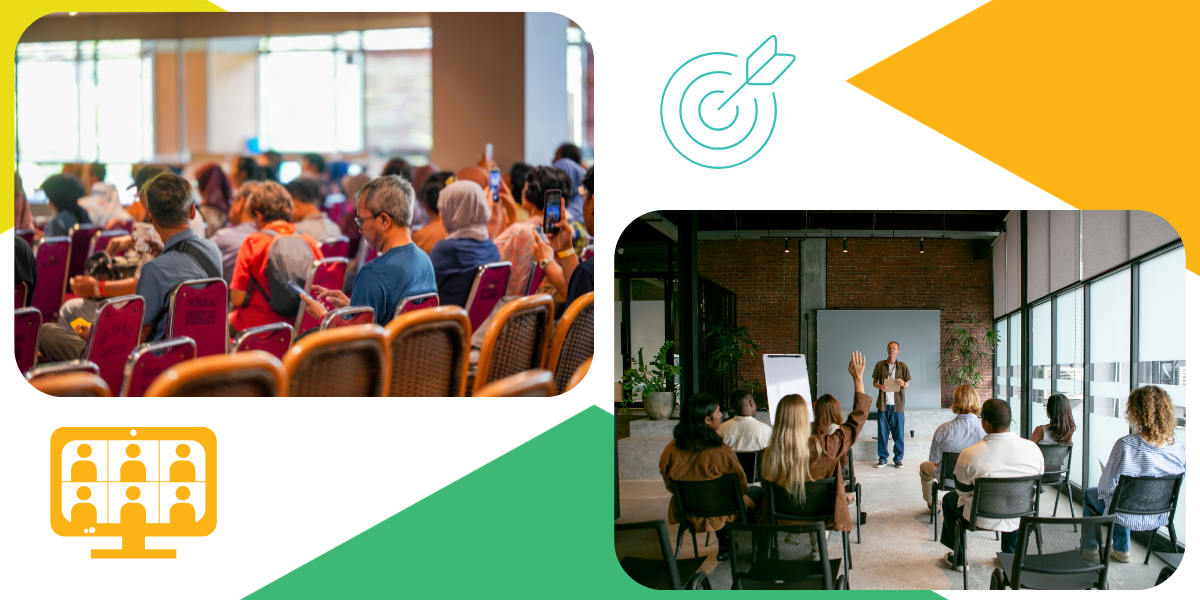
Focusing on long-term relationships rather than one-off sign-ups turns occasional attendees into a loyal, engaged community. When your events are part of a connected strategy rather than standalone broadcasts, each virtual session naturally sparks ongoing discussion, gives you material for fresh content, and builds momentum for future turnout. Over time, nurturing that direct connection with your audience pays off, ultimately cutting down your reliance on costly paid ads and unpredictable third-party media channels to fill seats.
Designing a Recurring Cadence That Builds Habitual Engagement

Finding the right rhythm, like pairing monthly micro-workshops with quarterly deep-dives and an annual summit, helps your programming fit naturally into busy attendee calendars without overwhelming them. You can build real momentum by sticking to recognizable series branding, consistent time slots, and familiar session formats so people know what to expect. When you pace your live events thoughtfully, your audience stops seeing them as random calendar interruptions and starts looking forward to them as regular, can't-miss industry touchpoints.
Turning Live Events into Always-On Assets

A smart post-production workflow lets you take a single live presentation and easily turn it into an on-demand video portal, a searchable resource hub, or a cohesive blog series. Beyond the main recording, your team can mine Q&A transcripts, chat highlights, and live poll results to create engaging newsletters and punchy social clips that keep the conversation going. By making your flagship deep-dive assets into gated content for lead capture while leaving foundational summaries open to search engines, you can extend the life of every event and keep steady organic traffic flowing in all year round.
Data-Driven Audience Segmentation and Personalization
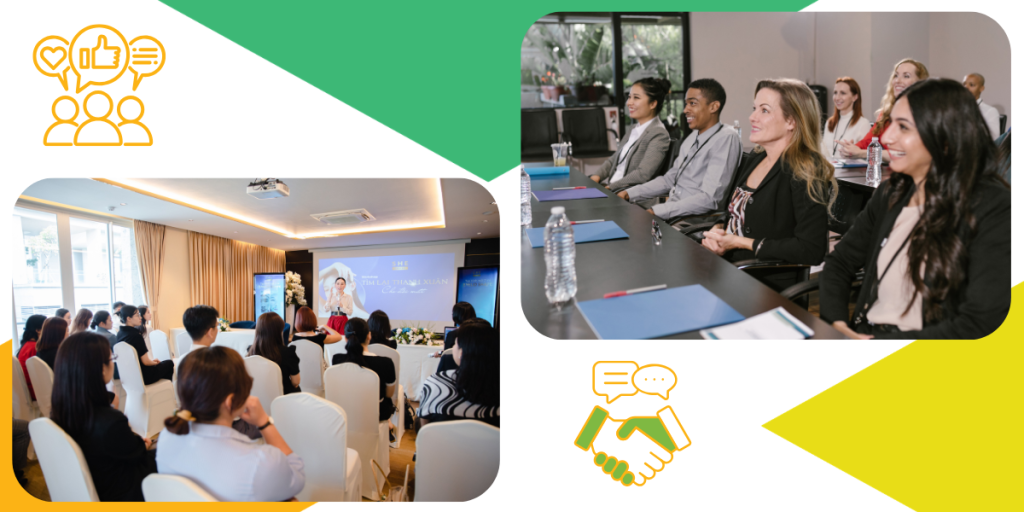
Capturing behavioral data during live broadcasts, including session watch times, poll votes, and resource downloads, helps organizers accurately profile specific attendee interests. Teams can then segment registrants using these intent signals to deliver highly tailored post-event follow-up campaigns. Delivering personalized content streams keeps subscribers actively engaged between broadcasts while effectively preventing list burnout and unsubscribe fatigue.
Empowering Your Audience to Drive the Agenda

Incorporating audience feedback, pre-event surveys, and live topic voting directly into future session designs ensures programming stays relevant. Organizers can further deepen engagement by elevating top attendees into guest panelists, breakout room moderators, or community spotlight speakers. Giving participants genuine ownership over the content ecosystem dramatically strengthens long-term retention and fuels organic word-of-mouth growth.
Measuring Long-Term Strategy Success

Evaluating event ROI solely through initial registration numbers or immediate post-event surveys fails to capture true strategic impact. Instead, teams must track long-term indicators like repeat attendance rates, subscriber growth velocity, and cross-channel engagement scores. Using this clean measurement framework allows marketers to clearly demonstrate sustained audience development value and pipeline influence to executive leadership.
Summary
Here, we discussed how shifting away from transactional hosting toward building a sustainable, subscriber-driven audience flywheel could result in compounding long-term value. You now have the tools and resources to host a successful virtual event while focusing on long-term audience retention and growth.

Building a lasting virtual event strategy requires consistent programming, continuous asset repurposing, smart data segmentation, and active community co-creation. To start improving your virtual event strategy, platforms like Chati can be used to teach you how you can focus on virtual event audience retention. Please contact Chati if you’re interested in learning how you can host a successful virtual event while focusing on long-term strategies for audience development.