
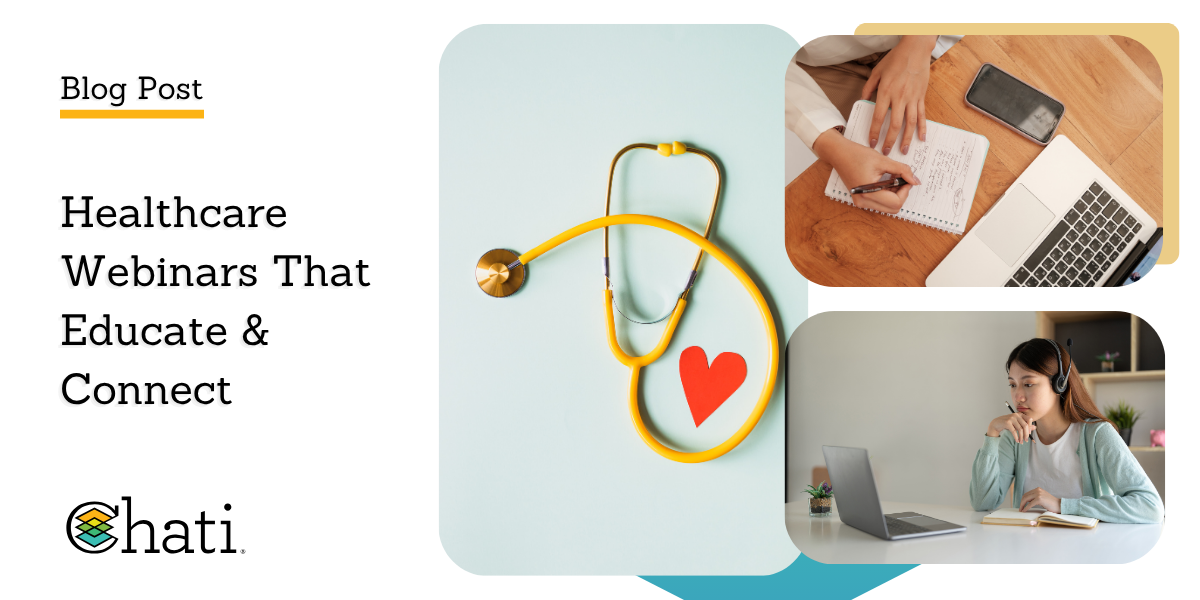
Webinars play a growing role in healthcare education, training, and outreach. They provide major benefits for medical professionals, patients, and organizations by improving accessibility, boosting engagement, and streamlining knowledge sharing. Here, we discuss how healthcare webinars effectively educate audiences while fostering meaningful connections across the medical community. Through this, you will have the knowledge and tools to host a successful healthcare webinar designed to educate and connect to worldwide audiences.
Educating Healthcare Professionals
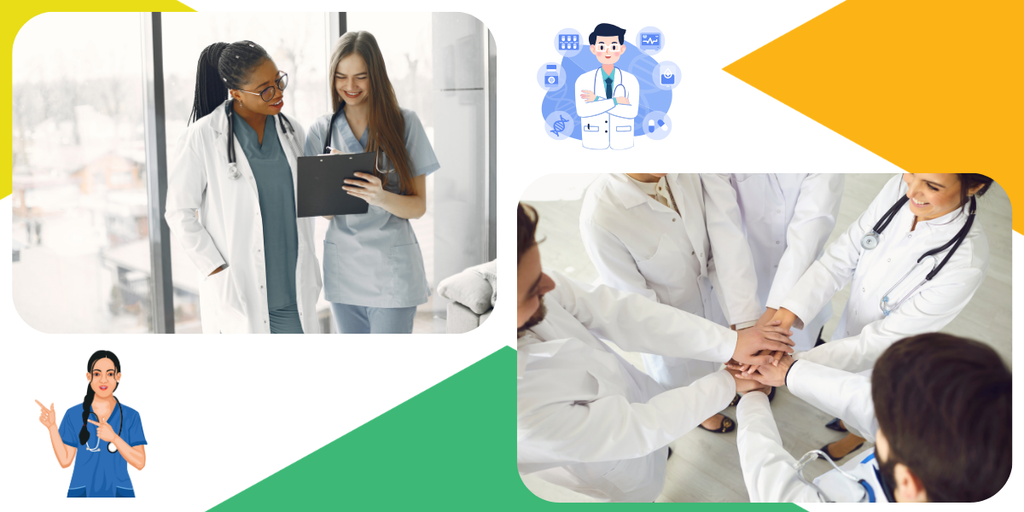
Webinars streamline medical training, Continuing Medical Education (CME), and research updates. Presenters use live case studies, clinical demonstrations, and interactive Q&A sessions to deliver effective learning. Key benefits include continuing ongoing education without travel, maintaining cost-effective training, and offering flexible scheduling for busy medical professionals.
Patient Education and Engagement
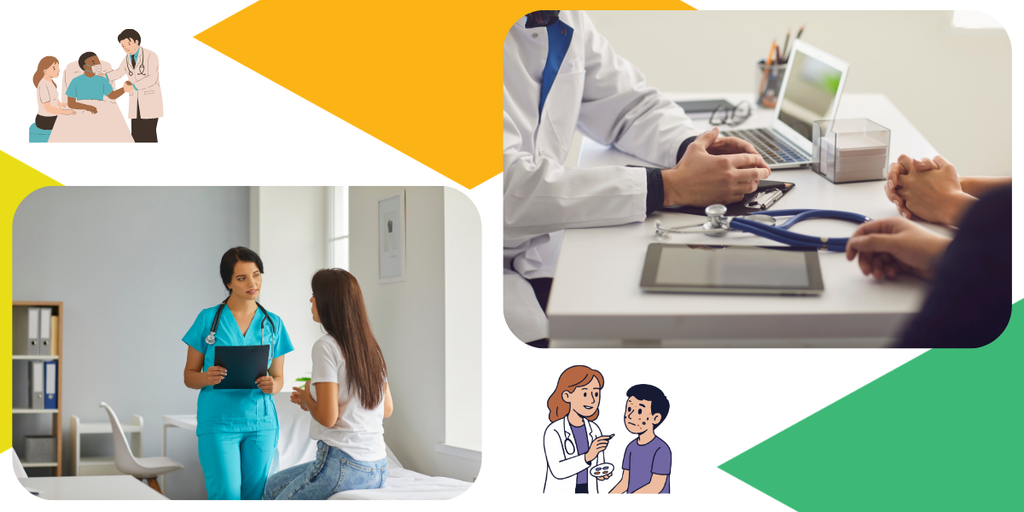
Webinars help teach patients about health conditions, treatments, and wellness programs. Presenters incorporate interactive tools such as polls, Q&A sessions, and live demonstrations of exercises or care procedures. Providing accessible education through these virtual channels builds trust and empowers patients to take an active role in their health.
Community Outreach and Awareness
Healthcare organizations use webinars for public health initiatives, awareness campaigns, and support communities. These virtual events offer high scalability, reaching local, regional, or global audiences efficiently. By eliminating physical boundaries, virtual events foster active engagement and long-term collaboration across broader healthcare networks.
Interactivity and Engagement Strategies
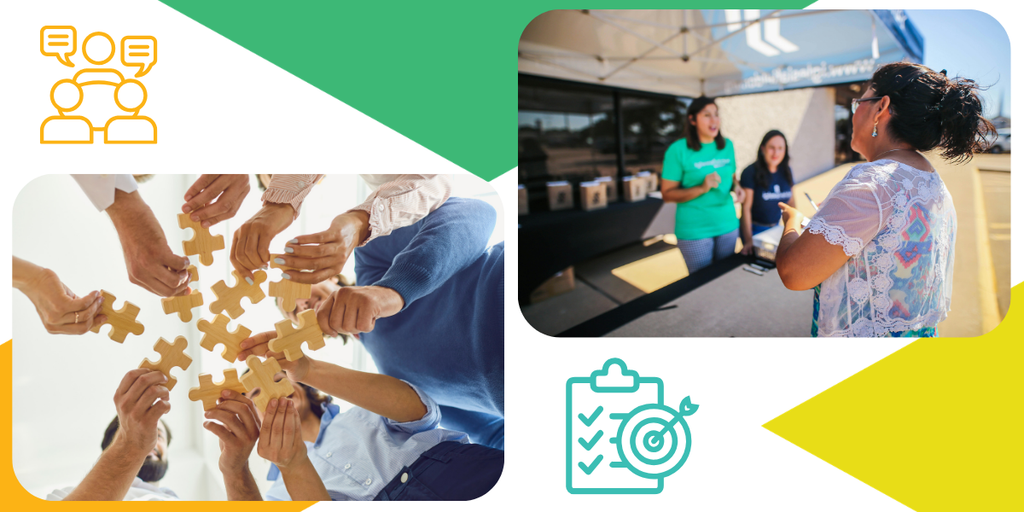
Interactive tools like polls, chat, Q&A, and breakout sessions increase participant involvement. Presenters can also incorporate gamification to improve retention of medical information or patient education guidelines. Additionally, gathering real-time feedback during the session allows speakers to tailor content and improve overall learning outcomes.
Measuring Impact and Outcomes
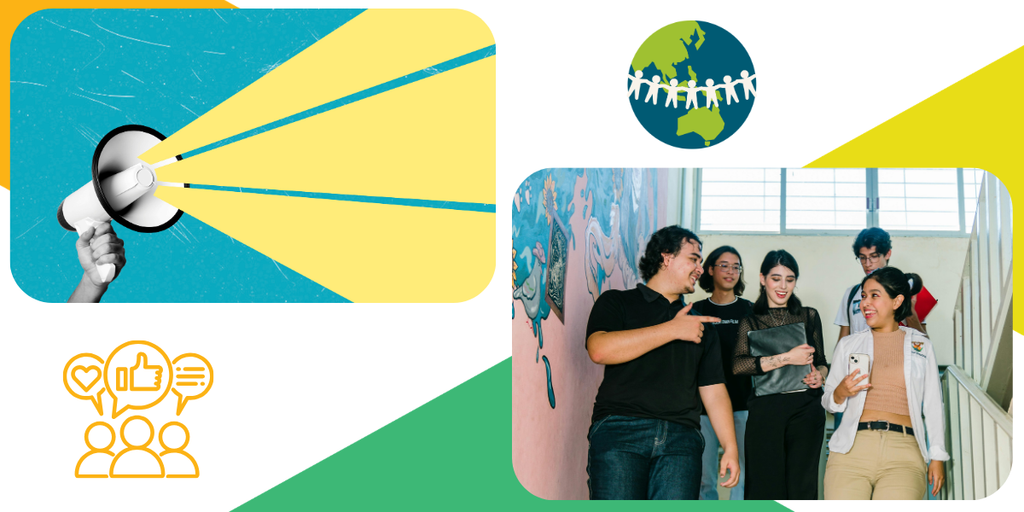
Organizers can track attendance, engagement metrics, and learning outcomes for CME or professional development. Utilizing post-event surveys and feedback helps assess patient comprehension and satisfaction. Ultimately, evaluating these metrics demonstrates ROI and the overall impact of webinars for internal reporting and strategic planning.
Accessibility and Inclusivity
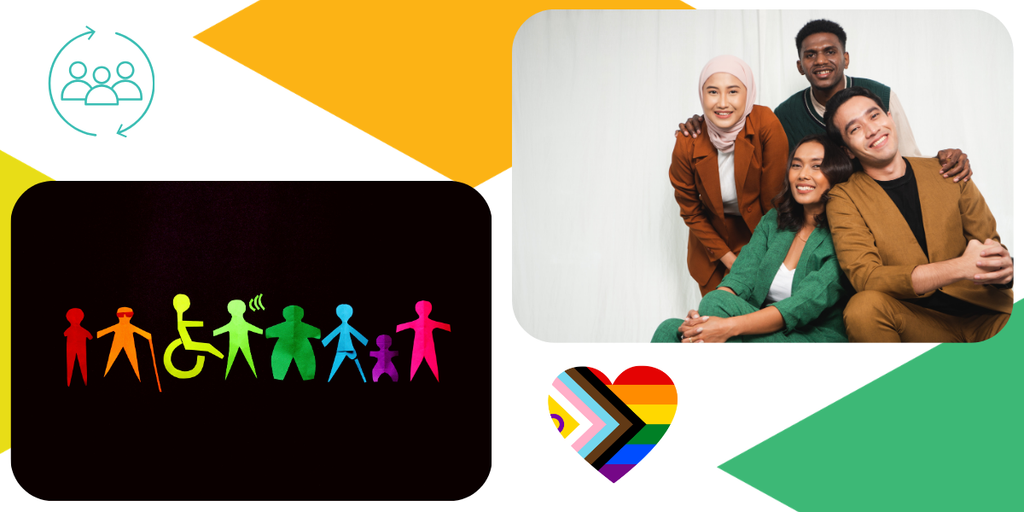
Organizers must ensure webinars are accessible by offering closed captions, screen-reader compatibility, and multilingual support. Scheduling sessions across various time zones accommodates global professional audiences. Emphasizing inclusive design ultimately broadens event reach and maximizes overall participation.
Summary
Here, we discuss how healthcare webinars effectively educate audiences while fostering meaningful connections across the medical community. Through this, you will have the knowledge and tools to host a successful healthcare webinar designed to educate and connect to worldwide audiences.

Healthcare webinars successfully educate professionals, engage patients, and connect communities. They play an essential role in modern healthcare delivery, training, and outreach. To achieve maximum impact, leverage platforms like Chati to host professional, highly interactive healthcare webinars. Please contact Chati if you would like to hear how we can help you host a successful healthcare-based webinar.