Discover how Chati's self-service licenses give you full control - build, update, and launch virtual events on your terms. Register for our free webinar today!
Webinars are vital for tech companies to scale marketing, educate users on complex features, and convert high-quality leads. They allow brands to reach global audiences instantly, demonstrate intricate software live, and establish undeniable thought leadership. Tech companies are responsible for some of the most innovative breakthroughs in history that impact everyday lives.
Here, we will discuss ten actionable best practices for hosting highly successful webinars that engage viewers and drive real business growth, including defining goals, knowing your audience, promotion, choosing platforms, prepping content, rehearsing, engaging, follow-ups, analyzing, and repurposing. Through this, you will have the tools and resources to host a successful webinar focused on helping tech companies build their brands while connecting attendees worldwide.

The first step is to define your webinar's core purpose, specifically a product demo, lead generation, thought leadership, or user training. This is followed by establishing measurable goals, including registration targets, attendance rates, and audience engagement metrics with the goal of accurately tracking your success and ensuring alignment across your team.

Segment your attendees by role, industry, or specific interests to maximize relevance. Use these insights to tailor your presentation, directly addressing their unique pain points and highlighting the most compelling use cases. This targeted approach transforms a generic presentation into a high-converting, personalized experience for every viewer.

Promote your webinar across email campaigns, social media, and partner networks to maximize registrations. Pair this outreach with engaging landing pages featuring frictionless sign-up forms and implement an automated reminder sequence to keep the event top-of-mind and drive higher day-of attendance rates.

Choose a reliable, scalable webinar platform that is seamless for attendees to join. It must support interactive features like real-time polls, live Q&A, and chat to keep your audience engaged, alongside robust on-demand recording capabilities to extend your content's shelf life long after the live event.

Build your presentation around concise messaging, dynamic slides, and engaging videos to maintain focus. Incorporate live product demonstrations to break up static content and visually bring abstract concepts to life. This multimedia approach enhances viewer understanding and keeps your audience locked in from start to finish.

Conduct a full dry-run with all presenters to iron out pacing and transitions. Run thorough technical checks to test audio clarity, video feeds, and smooth screen sharing. Verifying your interactive features beforehand prevents live glitches, ensuring a seamless, professional experience for your audience.

Maintain high audience attention by breaking up your content with real-time polls, chat prompts, and structured Q&A sessions. Actively encouraging participation transforms passive viewers into engaged participants, creating a truly interactive session that reinforces your message and keeps your crowd hooked throughout the presentation.

Follow up promptly with thank-you emails, on-demand recording links, and relevant resources. To maximize conversions, segment your audience based on their actual attendance and engagement during the live event. This allows marketing teams to deploy hyper-targeted nurture campaigns that effectively guide prospects down the sales funnel.

Track key metrics like registration versus attendance rates, audience engagement scores, and final conversion numbers. Analyzing these data points provides actionable insights into what truly resonated with your viewers, allowing you to continually optimize content, timing, and promotional strategies to improve the performance of all future webinars.

Repurpose your webinar into on-demand videos, detailed blog posts, short social media clips, or comprehensive eBooks. This strategic content recycling vastly extends your reach to individuals who missed the live broadcast, maximizing the total return on investment from a single, well-executed production.
Summary
Here, we discussed ten actionable best practices for hosting highly successful webinars that engage viewers and drive real business growth, including defining goals, knowing your audience, promotion, choosing platforms, prepping content, rehearsing, engaging, follow-ups, analyzing, and repurposing.

Careful planning and execution are vital to increasing engagement, generating quality leads, and building brand authority. Ready to scale? Leverage platforms like Chati to host professional, highly interactive, and high-impact tech webinars that drive real business growth. Please contact Chati if you would like to know how you can use our webinars to promote your tech company.
Webinars are powerful tools for marketing, training, and thought leadership, enabling organizations to share expertise at scale. When executed effectively, they drive lead generation, deepen client engagement, and build brand authority. Here, we will explore best practices for businesses in webinars, including high-quality content, promotion strategies, attendee engagement, and much more. Through this, you will have the tools and resources to successfully organize and host a webinar that focuses on best practices for businesses.

Successful webinars start with clear, measurable goals and a well-defined target audience. Setting objectives such as lead generation, brand awareness, or training completion allows content to be purpose-built. Aligning goals with audience needs increases relevance, drives engagement, and improves conversion outcomes.

Effective webinars rely on well-structured presentations that deliver clear, actionable insights. Incorporating multimedia elements such as slides, videos, demos, and graphics helps sustain audience interest. Interactive features like live polls, Q&A sessions, and breakout discussions further boost engagement and participation.

Choosing the right webinar platform is essential for success. Compare options based on scalability, engagement tools, analytics, and CRM or marketing integrations. Key features include registration management, live chat, screen sharing, and automated reminders, while reliability and cross-device accessibility ensure a seamless attendee experience.

Driving webinar registrations requires a strategic promotional approach using email campaigns, social media, and partner networks. Compelling titles, clear descriptions, and strong calls-to-action to communicate value, while well-timed reminder emails and notifications help reduce no-shows and maximize live attendance.

Thorough preparation is critical for smooth webinar delivery. Conduct dry runs to test technology and rehearse presenters, while assigning clear roles for hosts, moderators, and technical support. Developing contingency plans for technical issues or unexpected challenges helps ensure a professional, uninterrupted experience.

Maximizing engagement requires active audience participation throughout the webinar. Polls, chat discussions, and live Q&A encourage interaction, while gamification and incentives boost involvement. Monitoring engagement metrics in real time allows presenters to adapt to delivery, maintain focus, and sustain audience interest.

Post-webinar follow-up extends value beyond the live event. Sharing recordings, slides, and supplemental resources reinforces key messages. Gathering feedback through surveys and reviewing engagement metrics enables analysis of conversions, retention, and ROI, helping organizations refine strategies and improve the effectiveness of future webinars.
Summary
Here, we explored the best practices for businesses in webinars, including high-quality content, promotion strategies, attendee engagement, and much more. Armed with this knowledge, you have the skills to successfully organize and host a webinar focused on best practices for businesses.

When executed well, webinars generate high-quality leads, educate clients, and strengthen brand authority. Consider Chati to host scalable, data-driven business webinars designed to deliver measurable, real-world results for modern organizations worldwide today. Please contact Chati if you would like to know more about how we can promote the best practices for businesses in our webinars.
Webinars allow individuals worldwide to learn about a single topic or from a single speaker to enhance their knowledge about a particular subject. Successful webinars provide impactful presentations, also called "slide decks," that showcase pertinent information for attendees while being prepared for Q&A sessions if needed.
Here, we will discuss the best practices for designing compelling slide decks for webinars, including simplicity, clear messaging, persuasive storytelling, engagement, feedback, and much more. Through this, you will be able to provide impactful and lasting slide decks that your attendees can use to achieve their personal and professional goals.

Understanding your audience and objectives is an essential first step in developing a successful webinar slide deck, as this provides a solid foundation for presenting the most pertinent information. This is accomplished with audience research, persona development, and goal setting that give the correct data to understand better what information you should present in your slide decks. Through this, you highlight the benefits of tailoring slide decks to meet audience needs and achieve objectives.

Regarding the style of your slide decks, simplicity and visuals in slide design are essential so your attendees can avoid being overwhelmed with fluff and unimportant information during the webinar. This is accomplished with minimal text, high-quality images, and consistent branding designed to provide the most pertinent information for your attendees and enable your guest speakers to discuss the most relevant information. Through this, you highlight the benefits of visual communication for enhancing audience engagement and retention while providing impactful slide decks for individuals worldwide.

Clear and concise messaging in slide deck content is essential for delivering the most pertinent information and data for your attendees while enabling them to stay engaged and focused throughout the webinar. This is accomplished with techniques such as bulleted lists, short sentences, and headline statements that deliver sound and quality messaging while maintaining the structure and functionality of the webinar. Through this, you highlight the benefits of concise messaging for keeping audiences focused and interested while empowering them to engage with individuals worldwide.

Visual hierarchy and structure in slide layouts are essential for showcasing the most pertinent information and data while maintaining consistent messaging throughout the webinar. This is accomplished through techniques such as headings, subheadings, and color contrasts designed to be visually appealing while optimized for viewing by the entire audience. Through this, you highlight the benefits of visual organization for guiding audience attention and understanding while enabling them to engage and connect with guest speakers throughout the webinar.
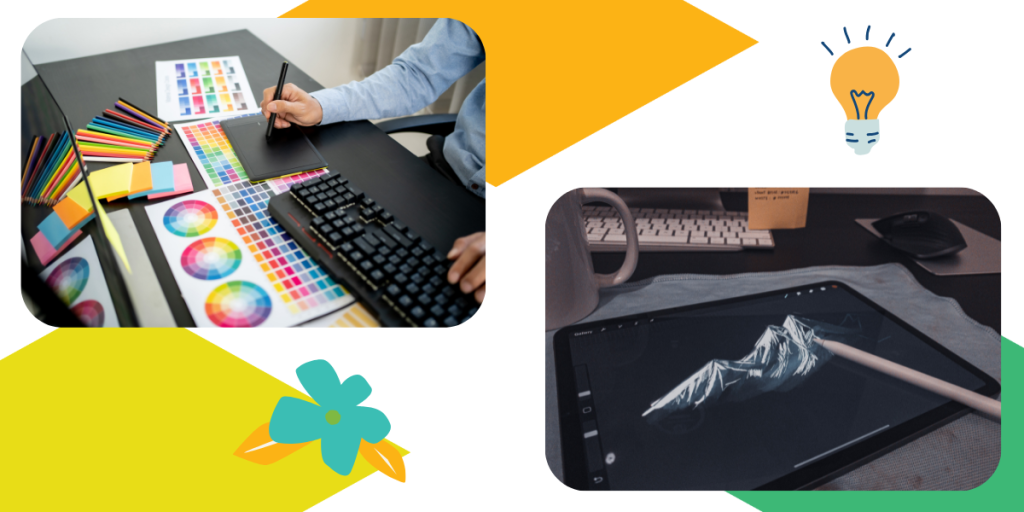
Engaging graphics and charts in slide deck design is essential for visualizing pertinent information while maintaining audience attention and focus throughout the webinar. This is accomplished through infographics, data visualizations, and animated charts designed to showcase key material and information for your audience. We suggest providing a diverse mixture of videos, charts, and graphics to keep your audience attentive, as showing the same types of graphics over and over could lead to viewer fatigue. Through this, you highlight the benefits of visualizing data and concepts to enhance comprehension and interest while empowering your audience to achieve their personal and professional goals.

Telling a compelling story through slide decks is essential to keep your audience focused and attentive and enable them to understand the reasons behind your webinar and the goals you're trying to achieve. This is accomplished through techniques such as narrative structure, story arcs, and visual storytelling designed to convey the primary message of the webinar while empowering your audience to build their own story. Through this, you highlight the benefits of capturing the audience's attention and emotion through storytelling while enabling them to achieve their personal and professional goals and connect with individuals worldwide.

Providing context and relevance in slide deck content is an essential aspect of webinar slide decks, as it gives your audience background information regarding the goals of the webinar while maintaining audience focus and attentiveness. This is accomplished through examples, case studies, and real-world scenarios that provide your audience with historical, scientific, and professional context regarding the webinar. Through this, you highlight the benefits of connecting slide content to audience needs and experiences while empowering them to engage and connect with individuals worldwide.

Encouraging interaction and engagement through slide decks is vital for enabling your audience to connect and guest speakers throughout the webinar. This is accomplished through polls, quizzes, and other interactive elements to promote impactful discussions among attendees and guest speakers. These can be tailored to challenge audiences on slide deck content or enable them to ask questions through the interactive elements. Through this, you highlight the benefits of stimulating audience participation and feedback, resulting in meaningful and impactful engagement and connectivity for everyone.

Practicing and rehearsing your presentation with your slide deck is essential to adjust your presentation before the webinar. This is accomplished through timing, delivery, and audience engagement strategies to provide your audience with the most pertinent information and data while ensuring focus and attention throughout the presentation. We suggest practicing and rehearsing your presentation at least two to three times and a few weeks before the webinar to ensure you have everything in place beforehand. Through this, you highlight the benefits of improving presentation skills and confidence through rehearsal while providing your audience with the most impactful presentation.

Seeking feedback and iterating on your slide decks is a final but essential aspect of slide deck presentations for webinars, as it enables you to gather necessary information and data regarding the impact of your presentation on your audience. This is accomplished through post-webinar surveys, audience Q&A, and analytics, enabling you to tweak specific aspects for future presentations. We suggest conducting this within a few days after the webinar while the information is still fresh with the audience so they can provide the most accurate information and data available. Through this, you highlight the benefits of continuous improvement and adaptation based on audience input, thus empowering you with the tools and resources to deliver even more impactful presentations in the future.
Summary
Here, we discussed the best practices for designing compelling slide decks for webinars, including simplicity, clear messaging, persuasive storytelling, engagement, feedback, and much more. With this knowledge, you can deliver impactful and lasting webinar presentations for worldwide audiences while helping them achieve their personal and professional goals. We emphasize the importance of audience-centric and engaging design principles to empower the audience to engage and connect with guest speakers while leveraging slide decks to enhance webinar effectiveness.

We encourage readers to implement the best practices in slide deck design for their webinars so they can provide the most impactful presentations possible. We invite feedback and comments on slide deck strategies from readers and how Chati can improve slide deck preparation for our presenters, and we encourage readers to contact Chati regarding further inquiries.
Webinars are the online versions of seminars while offering the same great value for all parties, including the hosting organization and attendees. Webinars have become powerful methods for audience engagement and education, as it is currently estimated that webinars can increase audience engagement by as much as 90 percent compared to standard videos. This is primarily because webinar attendees can participate in many ways, including live chat, polls, and Q&A sessions.
For a successful webinar, it’s essential to have the right pieces in place to achieve maximum engagement and participation, which will only help you set the stage for mastering webinar artistry for both the short- and long-term. This is done in many ways, including choosing the right team to help organize and run the webinar, selecting the most effective webinar format, arranging the right visuals, finding the right space and equipment, and promoting your webinar well in advance.
Like all events, identifying target audiences and gauging their expectations is key to hosting a successful webinar. This can be done through questionnaires before the webinar but can also be accomplished with artificial intelligence (AI) matchmaking software. Additionally, monitoring attendee behavior trends and engagement metrics during and after the webinar will improve your chances of success.
A key component for any webinar is to define clear objectives to achieve the most value-driven webinar experience for both the organizers and the attendees. This provides all parties with a clear framework for what they can expect from the webinar, leading to greater inclusivity and community.
Webinars are driven by engagement and participation, and structuring engaging storylines and presentations will only lead to success for all parties. When engaged, attendees aspire to learn more from other aspects of the webinar, which leads to fostering inclusivity and community, along with building lasting connections.
Like all events, incorporating visuals, multimedia, and data to enhance the value of your webinar can lead to a more successful and captivating experience for all parties. This will lead to a more engaging experience and instill a sense of excitement for your attendees. However, too many visuals and multimedia could have the opposite effect, so finding a happy medium is also crucial.
The goal of any webinar is to achieve maximum engagement and participation, and this can be accomplished through interactive polls, quizzes, real-time Q&A sessions, and live chat. These tools will provide an engaging and captivating experience for your attendees and get them excited for future webinars.
One method to increase engagement and participation is leveraging gamification, which offers your attendees a chance to win prizes and rewards through the polls above and quizzes. By completing specific tasks, attendees can win badges or certificates while also fostering friendly competition amongst your attendees. Setting clear goals beforehand will give your attendees the necessary expectations to achieve the most successful gamification experience.
Social media has become entangled in our everyday lives, and leveraging this media along with email campaigns is an excellent way to conduct outreach for your webinar. You can accomplish this by creating social media pages and specified email addresses, giving a more professional appeal and providing valuable information leading up to your webinar.
When seeking attendees for your webinar, the registration should be as streamlined and professional as possible, and this can be accomplished by designing compelling registration landing pages that will provide an engaging experience for your potential attendees, resulting in increased excitement for the actual webinar.
All successful webinars start with the right platforms to host them. This is determined by several factors including the goal of the webinar, the number of potential attendees, the level of interaction and engagement you anticipate, and what you will do with the media, such as videos, at the end of the webinar. Some traditional platform recommendations include Adobe Connect, YouTube, Google Meet, and Zoom, but others include eWebinar, Demio, BlueJeans, and, of course, Chati.
Regardless of the platform, ensuring technical reliability for a smooth experience is vital for a successful webinar for organizers and attendees. This includes monitoring all webinar features, such as the polls, live chats, and Q&A sessions, and ensuring they function properly so your attendees receive the most engaging and interactive experience.
To ensure the most successful webinar possible, tracking participant engagement metrics and attendance rates will allow you to make real-time adjustments and host even more engaging webinars in the future. This can be accomplished through AI-driven metrics or real people monitoring the metrics.
Analyzing post-webinar surveys and feedback from your attendees will ensure that your webinar was successful, along with having the tools to build even more successful webinars in the future. This can be accomplished within a few days after the webinar so the information is still fresh in your attendees’ minds by allowing them to fill out short surveys and/or forms where they can provide meaningful feedback.
With these tools in hand, your ability to master webinars and captivate audiences by delivering valuable content will be much more successful for both the short- and long-term. Utilizing visuals, leveraging the right technology and platforms, social media, and insightful feedback will allow you to host countless webinars for individuals worldwide to engage and interact, which will only foster relationships and build lasting connections. Webinars are more than just an opportunity to showcase your brand; they are a chance to elevate virtual education to greater heights for everyone involved.
Sources: LinkedIn, Sequel, Wise App, Kinsta, eWebinar, Demio, BlueJeans

