Discover how Chati's self-service licenses give you full control - build, update, and launch virtual events on your terms. Register for our free webinar today!
The shift from static video conferencing to immersive 3D environments, powered by virtual reality and augmented reality (VR/AR), is reshaping attendee expectations and event outcomes. Increasingly accessible, these technologies now enhance engagement at events of all sizes. Here, we will discuss how to incorporate immersive VR/AR into your virtual events, including why they work, best strategies, measuring engagement, and more. With this, you will have the tools and resources to organize impactful virtual events for worldwide audiences.
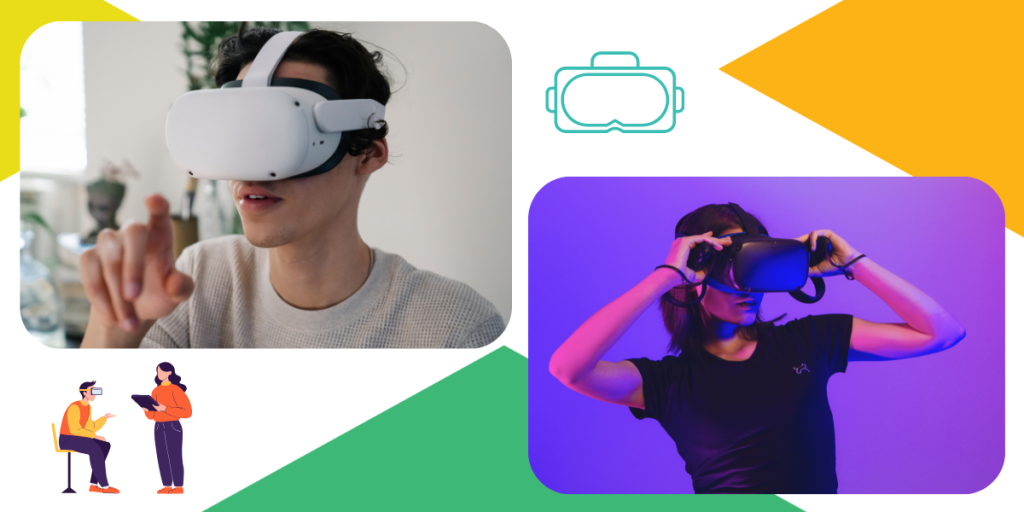
Immersive experiences boost attendee engagement and content retention through hands-on learning, creating emotional connections and memorable “wow” moments. These benefits extend across industries like education, healthcare, manufacturing, and marketing, transforming how people learn and connect.
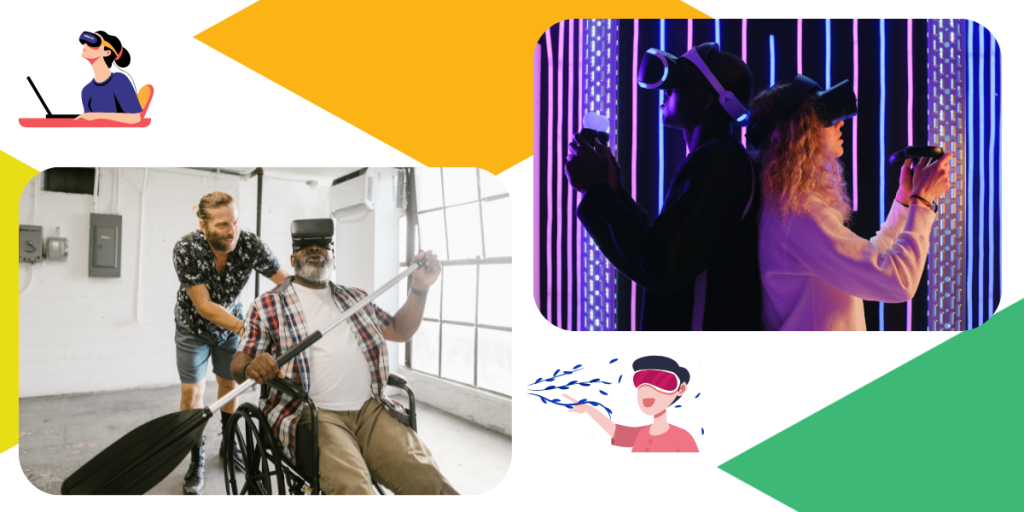
1. Virtual Trade Shows and Expo Halls
Fully navigable 3D booths features interactive product displays and holographic demonstrations, offering immersive exploration. Advanced attendee tracking and engagement analytics provide valuable insights, enabling exhibitors to understand visitor behavior and optimize interactions for greater event success.
2. Virtual Venue Tours
VR enables attendees and clients to virtually walk through real-world locations, enhancing hospitality, real estate, and event planning showcases by providing immersive, detailed tours that improve decision-making and elevate the overall experience.
3. Immersive Training and Workshops
AR overlays and VR environments offer hands-on learning experiences, enhancing training and skill development. These technologies are especially popular in healthcare, manufacturing, and technical fields, where immersive practice improves accuracy, safety, and knowledge retention.
4. AR-Powered Presentations and Keynotes
Augmented infographics, interactive slides, and visual storytelling create dynamic presentations that engage audiences more deeply than traditional slide decks or pre-recorded videos, transforming passive viewing into active participation for better understanding and lasting impact.
5. Networking in Virtual Reality
Avatar-based interactions in digital social lounges use realistic movement, spatial audio, and a strong sense of presence to simulate face-to-face conversations, creating immersive, natural social experiences that enhance virtual networking and connection.
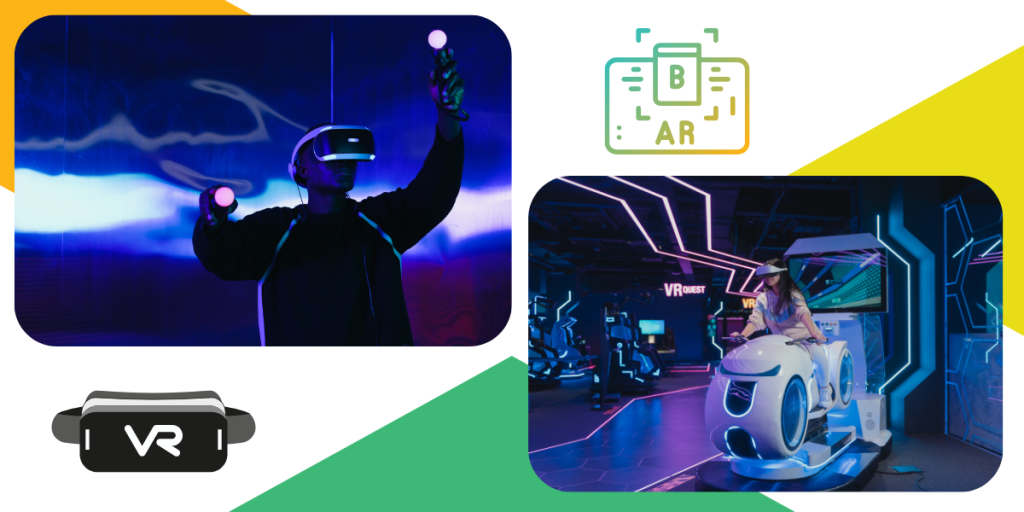
Leading immersive platforms like Virbela, MootUp, Spatial, and Engage offer diverse virtual experiences. Key considerations include headset compatibility, browser-based access, and real-time interaction support to ensure seamless, engaging participation for all users.
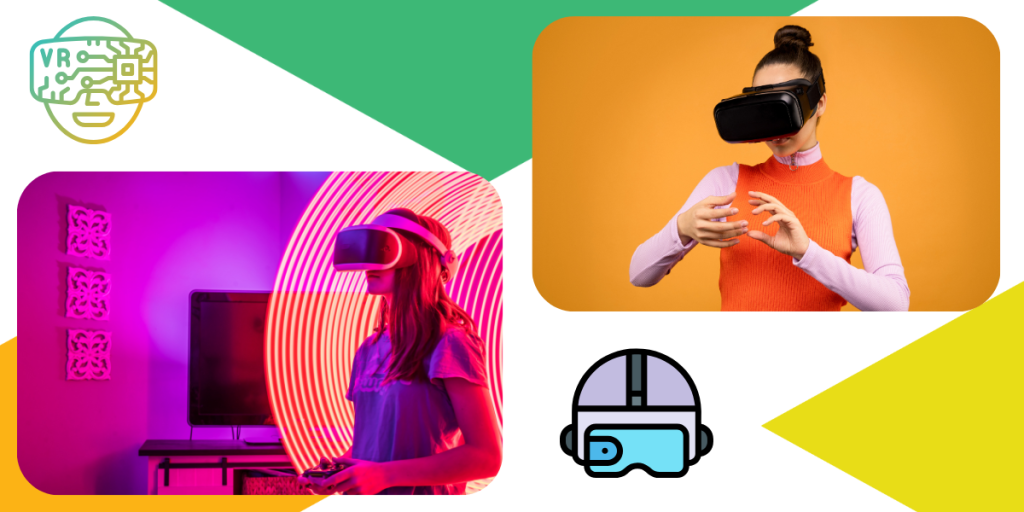
Understanding your audience’s tech readiness—whether VR headsets or mobile AR—is essential. Keep experiences intuitive and optional, providing tutorials and support for first-time users to ensure smooth adoption and maximize engagement across diverse participants.
Key metrics like session time, booth dwell time, interaction rates, and feedback surveys provide valuable event insights. Heatmaps and movement tracking further reveal attendee behavior patterns, helping organizers optimize layouts and enhance overall engagement effectiveness.
Prioritize accessibility and device compatibility across headsets, mobile, and desktops while managing costs and avoiding tech fatigue. Focus on creating immersive content that delivers meaningful impact rather than relying solely on novelty to engage audiences effectively.
Summary
Here, we discussed how to incorporate immersive VR/AR into your virtual events, including why they work, best strategies, measuring engagement, and more. Now armed with this knowledge, you have the tools and resources to organize impactful virtual events, enabling worldwide audiences to achieve their personal and professional goals.

We encourage organizers to pilot immersive elements to boost engagement and differentiation, resulting in increased diversity, inclusivity, and connectivity for audiences worldwide. Please contact Chati for more information about incorporating VR and AR into your next virtual event, as VR and AR are no longer niche, they’re essential tools in the modern virtual event toolbox.
Augmented reality and virtual reality (AR/VR) are immersive technologies that are increasingly shaping the future of virtual events. These technologies are becoming vital tools for enhancing engagement and interactivity, offering attendees more dynamic and memorable experiences. From virtual trade shows and product launches to interactive conferences and networking sessions, AR/VR are transforming how events are hosted and experienced. Here, we will discuss how AR/VR are impacting virtual event experiences, including boosting engagement, benefits, and the future of AR/VR.

AR/VR offer distinct yet complementary experiences in virtual events. AR enhances real-world environments by overlaying digital elements through devices like smartphones or AR glasses, making it ideal for live product demos or guided tours. In contrast, VR fully immerses users in a simulated environment, often via headsets, allowing for completely virtual conferences, expos, or training sessions. Both technologies elevate attendee engagement by creating interactive, visually rich experiences.
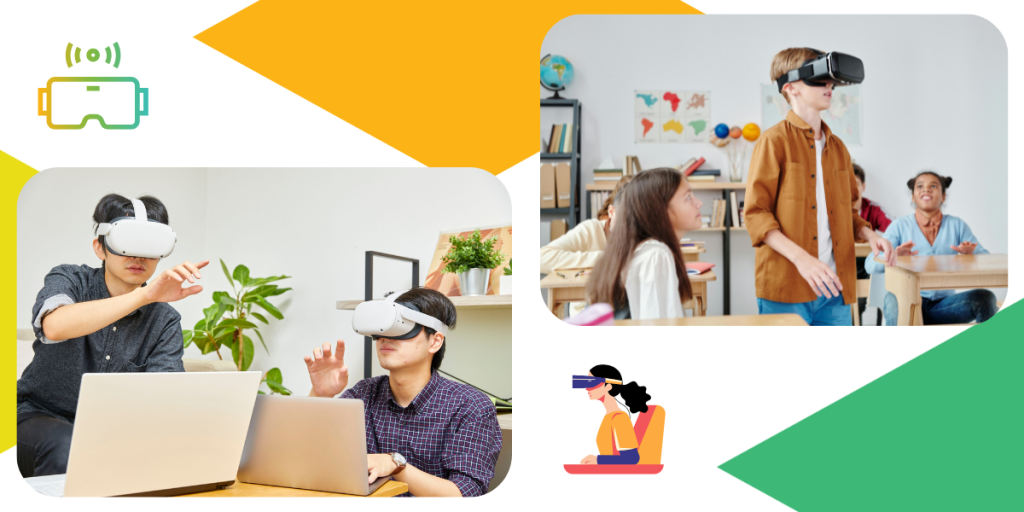
AR is a powerful tool for creating interactive displays and live product demonstrations, allowing attendees to visualize and engage with products in real-time through smartphones or AR-enabled devices. VR, on the other hand, enables fully immersive experiences such as virtual tours of facilities, hands-on interactive training sessions, and in-depth product explorations that transport users into a simulated environment. Both technologies also support gamification, incorporating game-like elements into events making the experience more engaging, enjoyable, and memorable for participants.
AR/VR technologies are transforming virtual events by delivering personalized and memorable experiences tailored to individual attendees. These immersive tools encourage greater interaction between speakers and participants through features like virtual Q&A sessions, real-time polls, and interactive 3D content. They also enhance networking opportunities by creating shared virtual spaces where attendees can connect, collaborate, and engage more naturally, simulating the spontaneity of in-person interactions in a dynamic digital environment.
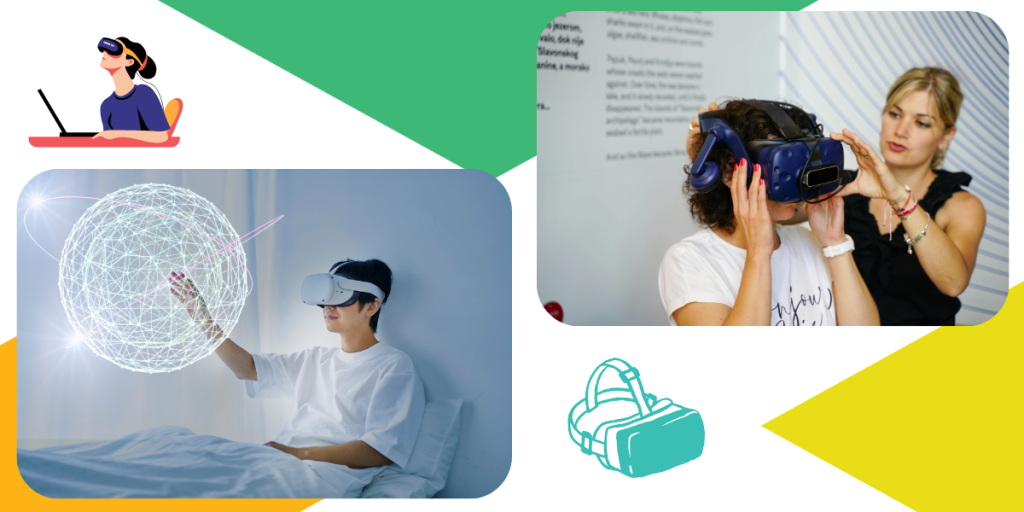
Emerging trends in AR/VR technologies are opening new possibilities for event planners, from AI-driven personalization to fully immersive hybrid formats. By integrating AR/VR with artificial intelligence and machine learning, events can offer seamless, adaptive experiences. Additionally, the combination of VR environments with live streaming is enabling innovative hybrid event formats, where remote participants can explore virtual venues in real time while engaging with live sessions and in-person attendees, creating a truly unified and interactive experience.
Summary
Here, we discussed how AR/VR can enhance virtual events, including boosting engagement, benefits, and the future of AR/VR. From personalized content and real-time collaboration to gamified environments and virtual networking, these technologies are reshaping how events are designed and experienced.

Event planners are encouraged to explore the vast potential of AR and VR to elevate their future events, and now is the time to discover AR and VR-enabled virtual event platforms that can bring these transformative experiences to life. We encourage readers to learn how they can incorporate AR/VR into their virtual events, and please contact Chati if you would like to know more about how we incorporate AR/VR into our virtual events.

