Discover how Chati's self-service licenses give you full control - build, update, and launch virtual events on your terms. Register for our free webinar today!
Virtual events are successful due to their myriads of features that help enhance attendee engagement throughout the event, with gamification becoming one of the cornerstone features designed to promote safe and friendly competition while building lasting relationships for individuals worldwide.
Here, we will discuss the various gamification strategies that you can implement for your next virtual event to promote friendly competition among your attendees. These strategies include using relevant gamification elements, trivia, providing incentives and rewards, integrating into your virtual event platform, and much more. By doing so, you increase diversity, inclusivity, and connectivity for everyone.
All endeavors begin with a solid foundation, and defining clear objectives for incorporating gamification in your virtual event is an essential first step in building an effective gamification strategy. This is accomplished during the planning stages of your virtual event, which often begins months before the event itself, as this provides ample time to adjust based on trends and other factors.

These factors include aligning gamification strategies with event goals and audience preferences, as gamification aims to promote attendee engagement. Therefore, gaining attendee insight before the virtual event via email surveys or other means is an excellent way to establish the types of gamification features that will maximize engagement throughout the virtual event.
Additionally, establishing key performance indicators (KPIs) for measuring gamification success is vital for determining which gamification features hit your engagement goals and which can be discarded during virtual or future virtual events.
Selecting gamification elements that align with your event theme and content will help you maintain continuity throughout the virtual event, enabling your attendees to stay engaged while building your brand. This is accomplished through establishing your event theme during the planning stages of the virtual event, which is recommended to occur months in advance.

Consider gamification mechanics such as points, badges, leaderboards, and challenges to incentivize participation among your attendees. This can be accomplished publicly or privately, but determining the best approach should be established before the virtual event when gauging audience preferences through email surveys or other means, along with informing your attendees beforehand.
Determining which gamification features resonate most with your attendees is essential for hosting a successful virtual event. Through this, you build camaraderie while fostering lasting relationships with individuals from all over the world.
When planning your virtual event, you should focus on creating engaging, gamified activities that encourage participation and interaction. This is accomplished by informing attendees about your gamification features leading up to the event and establishing a framework that enables them to come prepared to participate and engage throughout the virtual event.
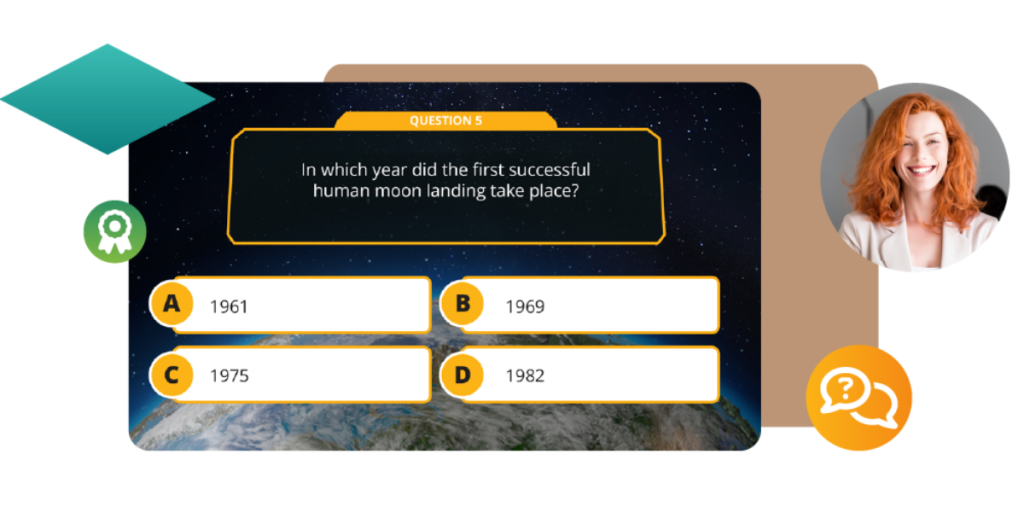
Developing challenges, quizzes, trivia, or scavenger hunts relevant to your event topic will help establish continuity throughout the virtual event while building your brand among your attendees. As mentioned above, this is accomplished during the planning phase of your virtual event, where you can use audience preferences combined with your theme to build every aspect of the gamification features down to the smallest detail.
Incorporating gamified elements throughout your event agenda and content will help maximize engagement while enabling attendees to foster lasting relationships. This will increase diversity, inclusivity, and connectivity for individuals from all over the world.
Offering incentives and rewards to motivate attendees to participate in gamified activities is a surefire way to get attendees excited about your virtual event. This can be accomplished via pre-event emails or texts, providing one to two examples of rewards while keeping the rest for the virtual event.
Examples of incentives and rewards include providing prizes, discounts, or exclusive access to high-scoring participants, which can be redeemable once the virtual event has concluded. This allows your attendees to maximize their participation in a safe and competitive environment while fostering relationships with individuals from all over the world.
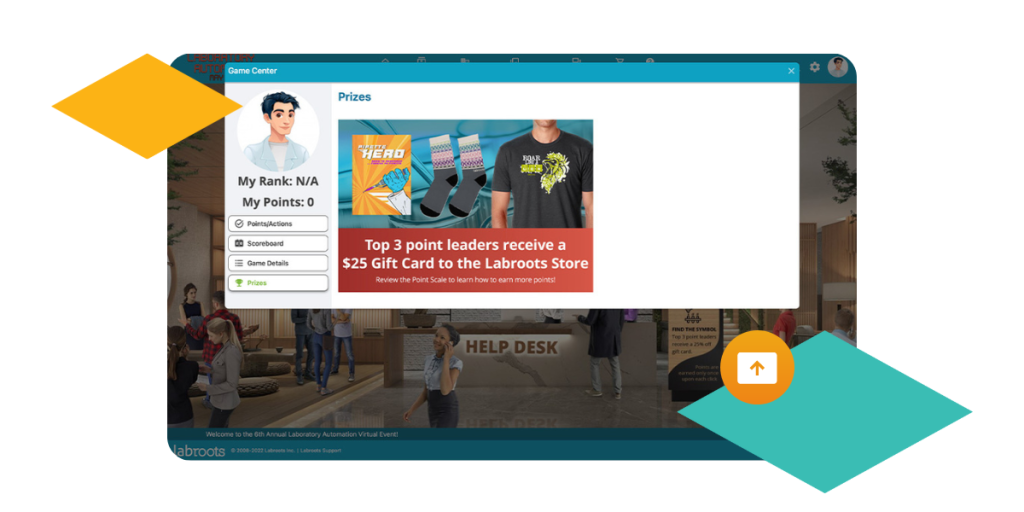
It cannot be understated how important it is to create a sense of achievement and recognition for participants who engage with gamification during your virtual event. This enables your attendees to foster lasting relationships while increasing diversity, inclusivity, and connectivity with individuals from all over the world.
Fostering healthy competition among attendees through leadership and rankings is another crucial aspect of your gaming experience that could maximize your attendees' participation throughout the virtual event. As noted above, this can be accomplished either publicly or privately, but it should be established during the planning phases of the virtual event and informed to your attendees beforehand.
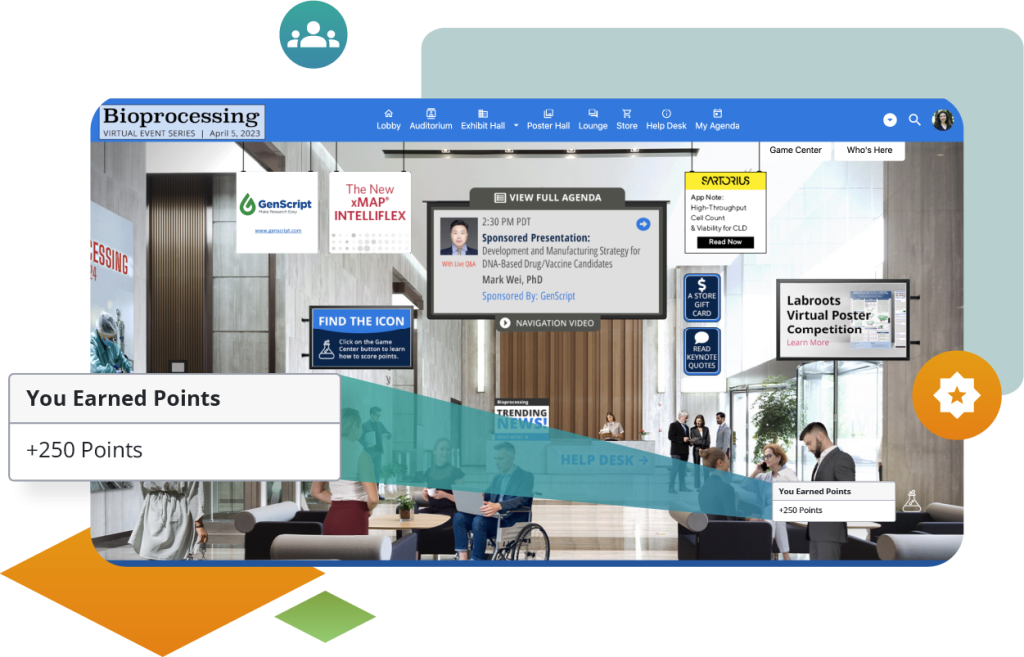
Additionally, encouraging collaboration and teamwork through group challenges and collaborative activities is an excellent way to maximize attendee participation throughout the virtual event. This can be accomplished via pre-event email reminders and periodic reminders throughout the virtual event. This increases diversity, inclusivity, and connectivity for individuals from across the globe while enabling them to foster lasting relationships.
Providing opportunities for attendees to connect and interact through gamified elements cannot be understated. This enables individuals from all personal and professional backgrounds to engage and connect while building your brand and helping them build their virtual networking skills.
Integration is essential for a successful virtual event and attendee experience. You can accomplish this by utilizing gamification features built into your virtual event platform or software prior to the event. You should test every aspect of the integrations several weeks to months in advance to ensure that everything is fully functional without flaws or bugs that could hinder your virtual event.

Also, exploring third-party gamification tools and platforms for enhanced engagement could serve as a primary or backup method for gamification should your integration strategies fail. As stated above, this can be accomplished during the virtual event's planning stages to ensure whether integration or a third party is more appropriate for your gamification needs.
Finally, it is recommended that you seamlessly integrate gamification elements into your event registration, sessions, and networking areas to maximize attendee engagement. This will help build your brand while enabling your attendees to develop their virtual networking skills.
As noted above, it is recommended to establish gamification elements and features during the virtual event's planning stages. Pre-event marketing can also generate excitement and anticipation for gamification. This can be accomplished via pre-event emails and surveys, along with creating social media accounts strictly for the virtual event itself.
Providing clear instructions and expectations for participating in gamified activities is essential to achieve a seamless experience for your attendees. As noted above, this can be accomplished during the planning stages of the virtual event via pre-event emails and texts, which will keep your attendees up to date with the latest information about your virtual event gaming experience.

It cannot be understated how important it is to use event communication channels to remind attendees about gamification opportunities throughout the event. This will ensure that both the event organizers and the attendees are on the same page regarding the gamification features, ensuring a seamless experience throughout the virtual event's duration.
During the virtual event, it is recommended that you track and analyze data related to gamification performance and engagement metrics to ascertain attendee participation and make on-the-fly changes for the current event or even for future events. This will maximize attendee engagement while helping them build their virtual networking skills.

This includes monitoring participation rates, points earned, and feedback from gamification participants to improve the gamification experience for everyone. This can be accomplished with support personnel and artificial intelligence software. This will ensure a constant dialogue between attendees and event organizers while increasing diversity, inclusivity, and connectivity for everyone.
Using data insights to identify successful gamification strategies and areas for improvement is vital for not only the current virtual event but also future virtual events. This ensures constant dialogue between event organizers and attendees while striving to improve gamification features in the short and long term.

Feedback is essential for improving future events, and gathering feedback from participants on their gamification experience is vital to improving both current and future virtual event engagement. We also recommended that you consistently experiment with new gamification ideas and adjust based on attendee preferences to ensure maximized engagement and improvement for those strategies.
The planning stages of a virtual event set the foundation for the event's goals. Evaluating gamification success based on key performance indicators (KPIs) and objectives will ensure you maximize attendee participation while building your brand and helping attendees achieve their goals.

This includes determining the return on investment (ROI) and impact of gamification on attendee engagement and event satisfaction. This will help ascertain what gamification strategies worked and which ones didn't achieve your goals. This will allow you to use insights to inform future event planning and gamification strategies, which will lead to increased diversity, inclusivity, and connectivity for everyone.
Here, we discussed strategies for incorporating gamification into your virtual event, including establishing clear goals and objectives, providing incentives and rewards, promoting the gamification experience before the event, and much more. We emphasize the importance of engagement and interaction in virtual events to create memorable and impactful virtual experiences for everyone through gamification.

We encourage our readers to implement gamification strategies in their virtual events to maximize attendee engagement and participation, build your brand, and enhance the attendees' virtual networking skills. Additionally, we invite readers' feedback and comments on how Chati can improve our gamification experience for our attendees. Contact Chati for further information regarding our gamification features and schedule a demo today!
The last few years have seen the rise of virtual events that have come to the forefront of networking and connecting with individuals worldwide, primarily due to the COVID-19 pandemic. This has allowed researchers, academics, students, and industry professionals to break down geographic barriers to share knowledge and ideas on scales never seen before by enabling them to engage and connect almost seamlessly while decreasing carbon footprints from the reduced travel.
This is why the importance of hosting impactful virtual events cannot be understated. Virtual events provide many tools and resources for event organizers to develop immersive and lasting experiences for their attendees, regardless of their personal or professional goals in attending the event.
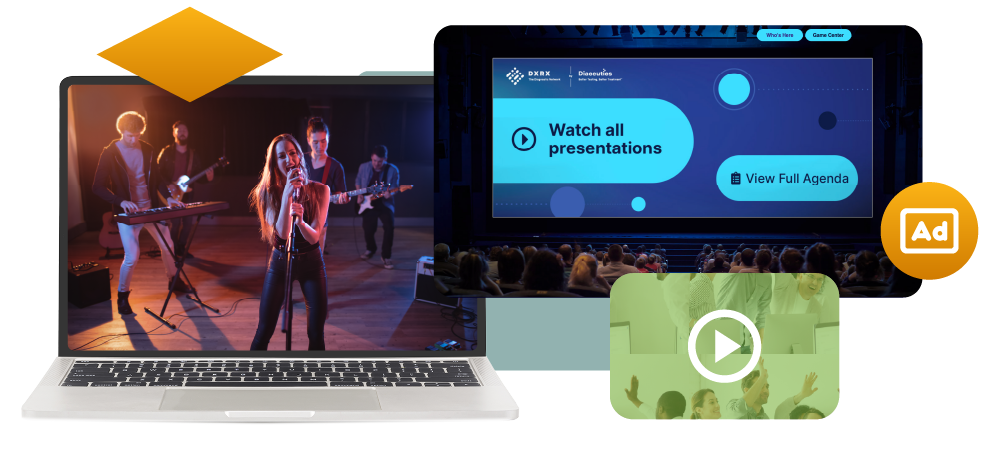
Virtual events substitute for a myriad of in-person events, including conferences, trade shows, expos, concerts, career/job fairs, company onboarding, university fairs, malls, benefits fairs, and so much more. This allows individuals from all over the world to seamlessly participate and build their networking portfolio, which results in increased diversity, inclusivity, and connectivity for everyone.
Virtual events have many benefits for businesses and participants, including breaking down geographic barriers and enabling individuals from all over the world to engage like never before. This means growing their brand while improving recruiting and company morale for businesses. For participants, this means expanding their networking portfolio while gaining the necessary knowledge to achieve their personal and professional goals.

Prior to the event, it’s paramount for both organizers and attendees to set clear objectives for the virtual event. For organizers, are you just trying to build your brand, recruit new employees, or simply wish to share knowledge? For attendees, are you trying to build your networking portfolio, find a career path, or simply attend to gain knowledge? These are important questions to ask before attending a virtual event, and having clear objectives beforehand will make your virtual event experience much more successful.
For event organizers, identifying your target audience and their needs is vital to hosting a successful event virtual event. Are you catering to prospective students/employees? Current students/employees? Attendees outside your field of expertise? Understanding your target audience will allow you to deliver the necessary tools and resources for a successful virtual event.
Choosing the proper virtual event format is also vital for a successful experience for both event organizers and attendees. Examples of different virtual event formats include the aforementioned trade shows and conferences, but can also include award ceremonies, happy hours, holiday parties, town halls, and product launches. Determining your virtual event format beforehand will allow you to develop the necessary elements for increasing everyone's engagement and connectivity.
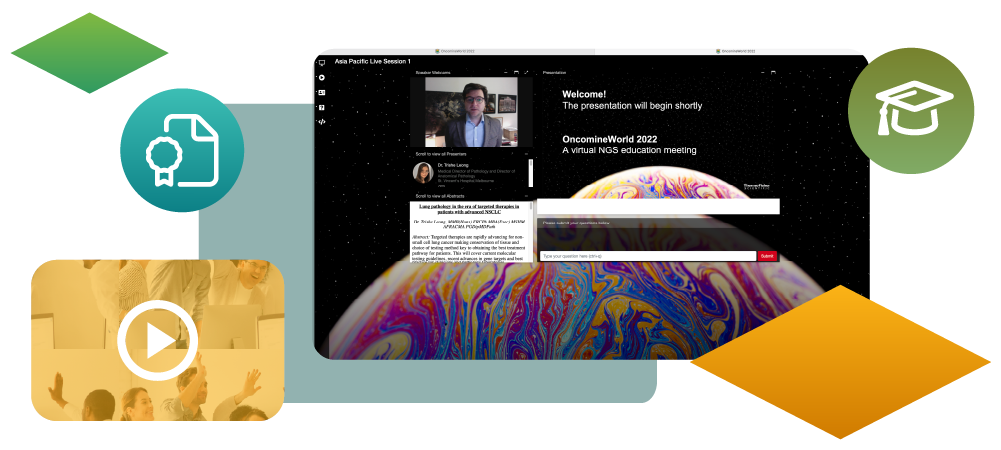
When designing your virtual event, crafting compelling content for virtual audiences will enhance the immersive experience for your attendees and have them come back for more. Examples include inviting expert speakers to discuss the latest research and news in the field while providing educational insights. The more compelling the content, the more engaged and immersed your attendees will be in your virtual event.
Utilizing interactive tools to enhance engagement is vital for hosting a successful virtual event, which includes features like gamification, chat networking, exhibit halls, templates & 3D spaces, and much more. The more interactive your virtual event, the more engaged your attendees will be with each other and your event monitors, which only results in increased diversity, inclusivity, and connectivity for individuals worldwide.
Other ways to improve virtual event content are to incorporate live Q&A sessions and polls, which add another level of engagement and immersion for your attendees. These allow your attendees to engage with expert speakers after their talk while gaining knowledge on a particular topic. With polls, you can enhance attendee engagement while collecting real-time data, enabling you to improve your virtual event in real-time or for a future event.
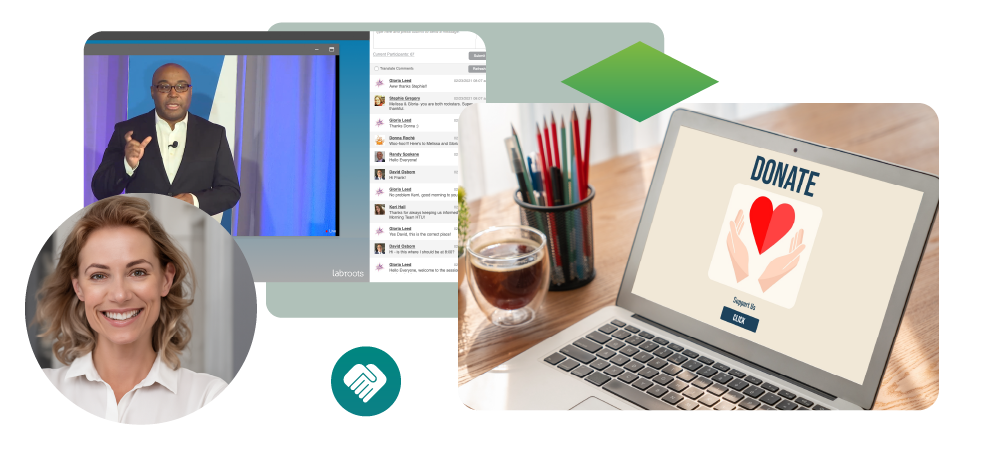
Selecting the right virtual event platform takes time and research, and finding the right one will ensure your virtual event's success. Specifically, this means finding a platform that meets the event’s objectives for your brand and attendees. Every platform offers unique tools and resources designed to enhance the attendees’ experience, which results in increased diversity, inclusivity, and connectivity for everyone.
Integrating multimedia and visual elements into your virtual event will enable extra engagement and immersion for your attendees. These include interactive videos, breakout rooms, and live chats, allowing your attendees to engage and interact in a nonformal environment.
Through these steps, you are ensuring a seamless user experience and accessibility for individuals from all over the world and all personal and professional backgrounds and disciplines, which only increases diversity, inclusivity, and connectivity for everyone.
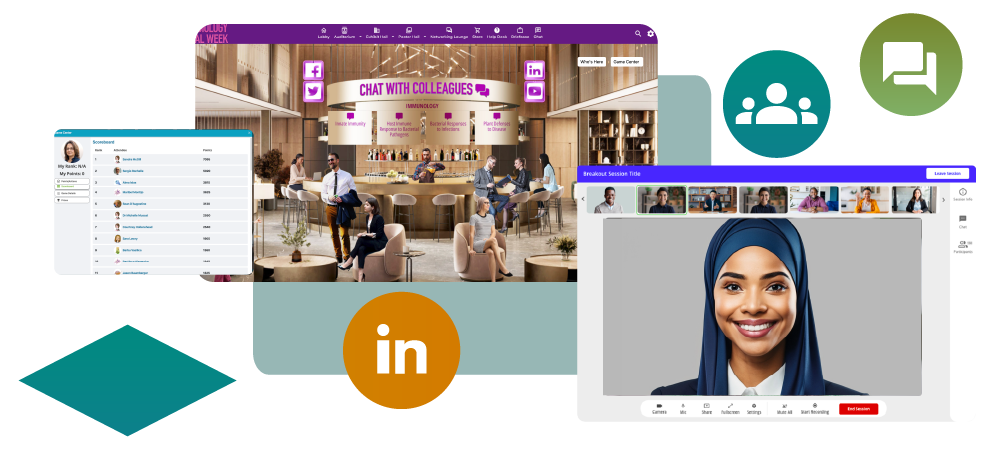
All successful virtual events have a solid marketing strategy, and creating a comprehensive promotional strategy is essential for not only your current virtual event but also future events. This strategy involves timeliness, as you don’t want to promote your event too soon or too close to the event. Additionally, it involves the right amount of promotion, as you don’t want to turn away potential attendees through too much promotion.
Social media has become entrenched in our everyday lives, and harnessing social media and email marketing will enable a global reach and effective promotion of your virtual event for individuals from all over the world. One option is to create a customized email address for your virtual event, along with similar customized social media accounts, as well.
Virtual events foster innovation and connectivity, and collaborating with influencers and partners provides an excellent opportunity to promote your virtual event as they can share details of the event with their colleagues, business partners, and friends.

Preparing speakers and presenters is essential to success when executing your virtual event, as your attendees will undoubtedly be prepared for all scheduled talks on the agenda. Speaker and presenter preparation includes ensuring their internet connection is solid and receiving notes about their talk ahead of time that you can share with your attendees beforehand.
Since virtual events are online, managing technical aspects and support is vital for event success. Faulty internet connections will result in an unsuccessful event. This entails ensuring seamless connections on your end while having redundancies in place in case connections shut down during the event.
Your event's goal is to facilitate networking opportunities for individuals from all over the world and from all personal and professional backgrounds and disciplines. With solid promotion and execution, you can ensure your attendees’ networking opportunities are met head-on.

Like all events, virtual events are only successful through constant improvement, accomplished through sending post-event surveys and feedback to your attendees. This can be achieved both immediately after the event and anywhere from a few weeks to a few months after the event, enabling your attendees to provide valuable feedback on improvements that can be made for future events.
Another method to ensure future events' success is by evaluating key performance metrics, specifically attendee engagement, which is the cornerstone of all virtual events. Through this, you can ensure your attendees are satisfying their own networking goals while engaging with individuals worldwide.
The success of virtual events hinges on constant improvement. Through these methods, you leverage insights for future virtual events, which will only lead to increased diversity, inclusivity, and connectivity for event organizers and attendees.
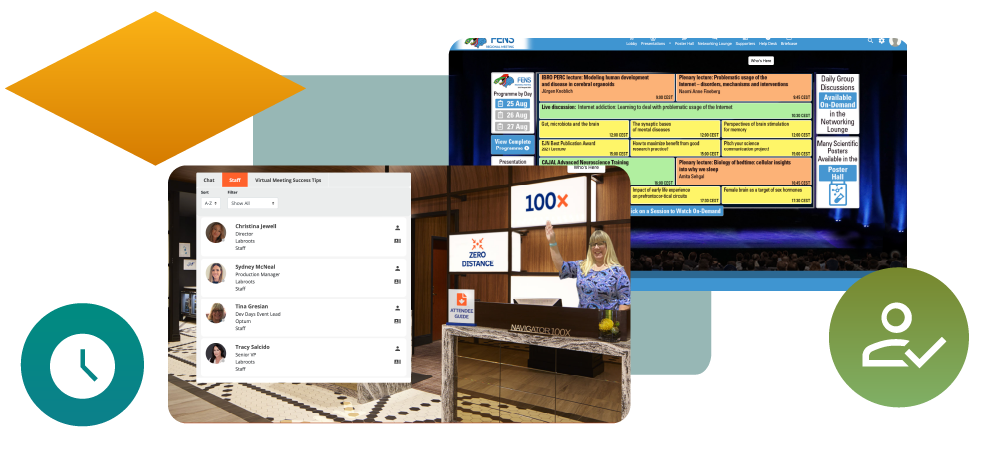
There are a myriad of companies from all over the world that have hosted successful virtual events, including Google, AWS, Salesforce, Adobe, SBC, NBA, and Dreamforce, just to name a few. These companies are successful in hosting virtual events through constant growth and improvement while understanding that it takes time to build their brand for a global audience.

Embracing the future of virtual events will ensure a brighter future for everyone, as virtual events enable individuals from all over the world to engage and contribute to the sharing of knowledge and ideas. This is accomplished through careful and timely promotion, along with successful execution for all facets of your event, leading to increased engagement and connectivity for event organizers and attendees.
Your path to hosting impactful virtual events begins with the right objectives while constantly improving and growing. This will help you help your attendees achieve their personal and professional goals while increasing diversity, inclusivity, and connectivity for individuals from across the globe.

