Discover how Chati's self-service licenses give you full control - build, update, and launch virtual events on your terms. Register for our free webinar today!
High-quality webinars require strategic promotion to succeed. Effective marketing significantly boosts registrations, audience engagement, and overall ROI. Here, we will discuss strategies to promote your webinar, including ensuring your content reaches its target audience and achieves maximum impact through proven, multi-channel tactics designed to drive visibility and measurable results. Through this, you will have the tools and resources to host an impactful webinar that enables your audience to achieve their personal and professional goals.

Identify your ideal attendees by pinpointing their specific professional interests and pain points. Use these insights to tailor messaging across email campaigns, social media, and landing pages. Finally, segment your audience to deliver personalized invitations, significantly increasing conversion rates by addressing the unique needs of different viewer groups.

Craft attention-grabbing titles and descriptions that emphasize clear benefits and key takeaways. Highlight expert speakers, trending topics, or exclusive insights to entice potential attendees. Finally, incorporate strong, clear calls-to-action (CTAs) that simplify the process and encourage immediate registration, ensuring your high-quality content achieves the visibility and impact it deserves.

Maximize your reach through multi-channel promotion. Use email marketing for invitations and reminders and leverage social media like LinkedIn and Instagram to target broader audiences. Feature banners and forms on your website or blog and tap into partner networks or industry groups to expand your webinar's visibility and drive registrations.

Boost registration by sharing teaser clips, sneak peeks, or speaker highlights that build anticipation. Conduct pre-event polls or surveys to spark interest and gather valuable audience insights. Finally, encourage social sharing of your webinar announcement to expand your reach and ensure your high-quality content achieves maximum visibility and impact.

Ensure easy registration with minimal steps to maximize conversions. Include essential details: clear topics, date/time, speakers, and tangible benefits. Finally, highlight social proof through testimonials, past webinar success, or expert endorsements to build trust, ensuring your high-quality content receives the visibility and impact it deserves through these strategic tactics.

Schedule timely reminders, one week, one day, and one hour before your webinar, to boost attendance. Utilize SMS or push notifications for immediate impact. Include direct calendar invites and easy-access joining links to minimize friction, ensuring your high-quality content reaches its audience effectively through these essential, strategic follow-up tactics.

Share recorded sessions with registrants and wider audiences to extend impact. Repurpose webinar content into blogs, infographics, or social media snippets to drive long-term engagement. Finally, collect feedback to refine future promotion campaigns, ensuring your high-quality content achieves the visibility and ROI it deserves through these strategic tactics.
Summary
Here, we discussed strategies for promoting your webinar, including targeted messaging, multi-channel promotion, pre-engagement, optimized registration, and reminders. Effective promotion is key to turning webinars into measurable business outcomes.

Use platforms like Chati to streamline your registration, promotion, and audience engagement, ensuring your high-quality content achieves the visibility and impact it deserves through these strategic tactics. Please contact Chati if you would like to know more about how you can promote your webinar in the future.
Virtual events enable countless individuals worldwide to engage and connect on a global scale, helping them achieve their personal and professional goals. However, virtual events also provide opportunities for businesses to generate revenue, particularly through sponsorship and ticket sales.
Here, we will discuss the importance of sponsorship and ticketing as key revenue streams in virtual events, including types of sponsorships, types of ticketing, maximizing return on investment (ROI), and the benefits of hybrid events. This will emphasize the growing trend of virtual events and how organizers can maximize their profits through effective sponsorship and ticketing strategies.

Understanding virtual event sponsorship involves defining its benefits for both organizers and sponsors while exploring the types of sponsorships. This entails examining different sponsorship levels, such as title sponsors, as well as gold, silver, and bronze packages, along with bespoke sponsorships tailored to specific event segments.
Additionally, sponsor visibility and branding opportunities involve how to offer sponsors prominent visibility through event platforms, such as branded sessions, booths, virtual lounges, and product placements, and value of data and analytics for sponsors involve offering valuable attendee data to sponsors (e.g., session views, engagement rates, demographic information) as part of sponsorship packages.
Finally, creating attractive sponsorship packages involves building tiered sponsorship packages with clear, measurable benefits to attract potential sponsors and engage sponsors before, during, and after the event. It consists of creating year-round value for sponsors, including pre-event promotions, in-event visibility, and post-event reports.

Types of virtual event tickets involve offering different ticket categories (e.g., general admission, VIP access, group discounts) to cater to diverse audiences. Pricing strategies, on the other hand, involve determining how to price tickets based on event value, content exclusivity, speaker lineup, and audience demand.
Additionally, early bird and discounted tickets utilize limited-time pricing strategies, such as early bird discounts or special offers for members, to drive early ticket sales. Bundling and upselling opportunities involve offering bundled tickets (e.g., access to multiple sessions) or VIP upgrades to increase revenue.
Finally, creating exclusive content involves offering exclusive content, such as workshops, private Q&A sessions, or downloadable materials, to add value and justify ticket prices. Free vs. paid events also involve considering the pros and cons of offering free events versus paid ticketing models, as well as assessing what works best for your audience.

Hybrid event monetization strategies involve combining virtual and in-person event elements to expand revenue streams. Selling virtual access to in-person events involves offering virtual access to in-person conferences or exhibitions to increase reach and revenue.
Additionally, exclusive access for virtual attendees involves creating special content, such as behind-the-scenes footage or virtual networking opportunities, to encourage ticket purchases. Revenue from exhibitors and vendors can be generated by providing virtual booths or expos where exhibitors can sell products or services, thereby generating revenue for your event.

Measuring ROI for sponsors includes how to demonstrate the return on investment to sponsors, including metrics like engagement rates, brand visibility, and lead generation; tracking attendee engagement for better marketing includes using event data to showcase how sponsors and exhibitors can interact with and engage attendees, driving future marketing decisions, and long-term relationship building includes creating opportunities for ongoing partnerships with sponsors by delivering measurable results and engagement for each event.
Summary
Here, we discussed the importance of sponsorship and ticketing as key revenue streams in virtual events, including types of sponsorships, types of ticketing, maximizing return on investment (ROI), and the benefits of hybrid events. Through this, we encourage event organizers to focus on creating value for sponsors and attendees, maximizing revenue potential without sacrificing the attendee experience.

The future of monetizing virtual events and the continued importance of flexible and innovative pricing and sponsorship models cannot be understated. Please contact Chati for inquiries about how they can monetize their virtual events while helping attendees achieve their personal and professional goals.
Virtual events have become one of the most popular and ideal methods for polishing your networking skills and fostering new connections with individuals worldwide. Along with these attributes, virtual events are also excellent ways to build your brand through virtual event sponsorship. This is when a company (or companies) directly supports a virtual event through funding or other means. The virtual event returns the favor by mentioning their brand through brand exposure throughout the virtual event.
Here, we will discuss the top 10 benefits of virtual event sponsorship for brands and how you can use the next virtual event to help build your brand. So, let's get into it!
Virtual event sponsorship increases brand visibility and exposure, including swag bags, sponsored polls, surveys, logos, and banners displayed throughout the virtual event, and pre-event exposure through guest blogs, logo placement, brand mentions, and sponsored sessions. However, sponsoring virtual events that correspond with your brand is vital to maximize exposure. For example, if you are a biotechnology company, then focusing on biotech-related virtual events should be your goal to ensure you're reaching the right target audience.
The benefits of increased exposure to targeted audiences cannot be understated. Using virtual events to increase brand exposure is a win-win scenario for everyone. You increase brand awareness while increasing diversity, inclusivity, and connectivity for individuals worldwide.
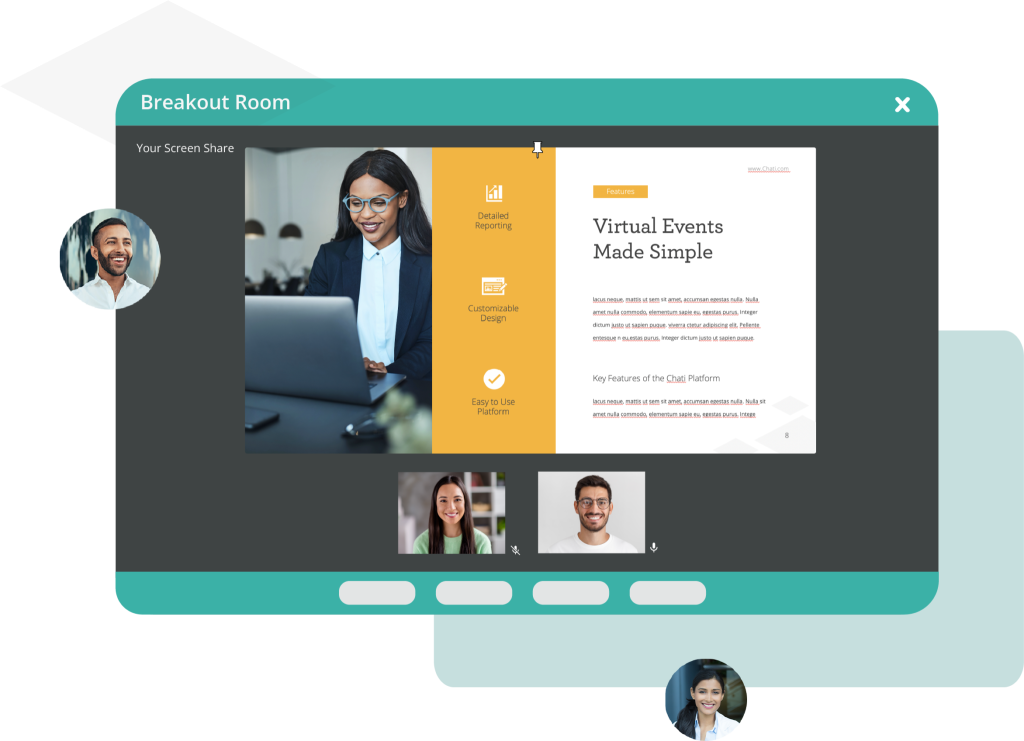
Virtual event sponsorship facilitates targeted audience engagement and lead generation by exposing your brand to potential future employees or clients. This results in lead generation for recruiting and other facets as well. This is one of the most crucial aspects of virtual event sponsorship, as it provides your company with the opportunity to generate leads for future employees or clients while requiring only a small investment on your part.
This is accomplished through sponsored contests, interactive booths, and virtual networking, which provides you with brand exposure while contributing to increased virtual networking opportunities for attendees and event organizers. This increases diversity, inclusivity, and connectivity for individuals worldwide.
The benefits of engaging with high-quality leads in virtual environments cannot be understated. These environments generate leads for potential future employees and clients while enabling virtual event attendees to improve their virtual networking skills with individuals from around the world.

Thought leadership is becoming a cornerstone of virtual events. Virtual event sponsorship positions brands as thought leaders and industry authorities through brand exposure and visibility. This makes virtual event attendees trustworthy, increasing the likelihood of them turning to your brand for future endeavors.
This is accomplished through sponsored speaking opportunities, panel discussions, and workshops, where individuals showcasing your brand can contribute to meaningful and impactful talks designed to share knowledge and ideas among attendees throughout the virtual event.
The benefits of establishing credibility and expertise in virtual event spaces cannot be understated. These spaces provide ample opportunities for thought leadership contributions while increasing diversity, inclusivity, and connectivity for individuals worldwide.
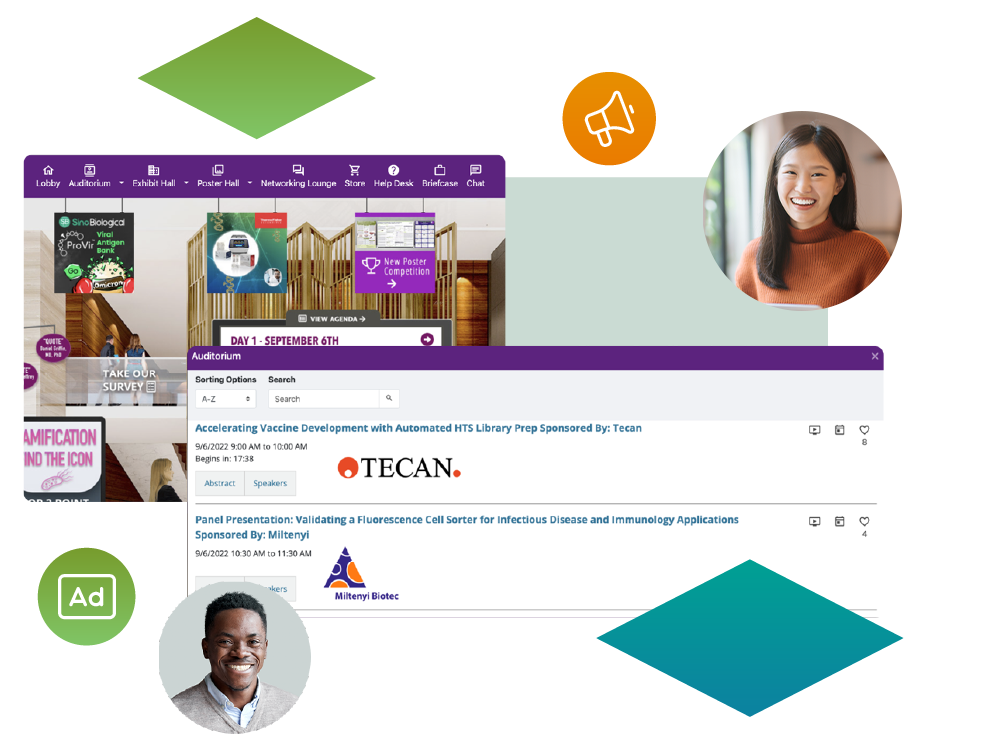
Virtual event sponsorship facilitates relationship-building and networking opportunities for individuals around the world, as they provide attendees with opportunities to chat with industry leaders and experts that lead to impactful discussions for everyone.
This is accomplished through features such as virtual lounges, one-on-one meetings, and networking events that take place throughout the virtual event. These provide attendees with ample networking opportunities to chat with each other and industry experts from the sponsored organization.
The benefits of building meaningful connections with attendees and industry peers cannot be understated. This helps improve networking opportunities for attendees while building brand awareness for the sponsor. In turn, this increases diversity, inclusivity, and connectivity for everyone.

Virtual event sponsorship offers cost-effective marketing and brand promotion for companies seeking to raise brand awareness or further establish their brand as a trustworthy brand. Additionally, this small investment in sponsoring a virtual event could increase marketing return on investment (ROI) through recruitment or future sponsorship opportunities.
Features such as lower sponsorship costs, reduced travel expenses, and digital marketing opportunities are ample ways to help build brand awareness. These provide virtual event incentives to sponsor your company for multiple virtual events.
The benefits of maximizing marketing ROI in virtual environments cannot be understated. Virtual event sponsorship allows companies to increase their brand awareness while making a small investment in the short and long term.
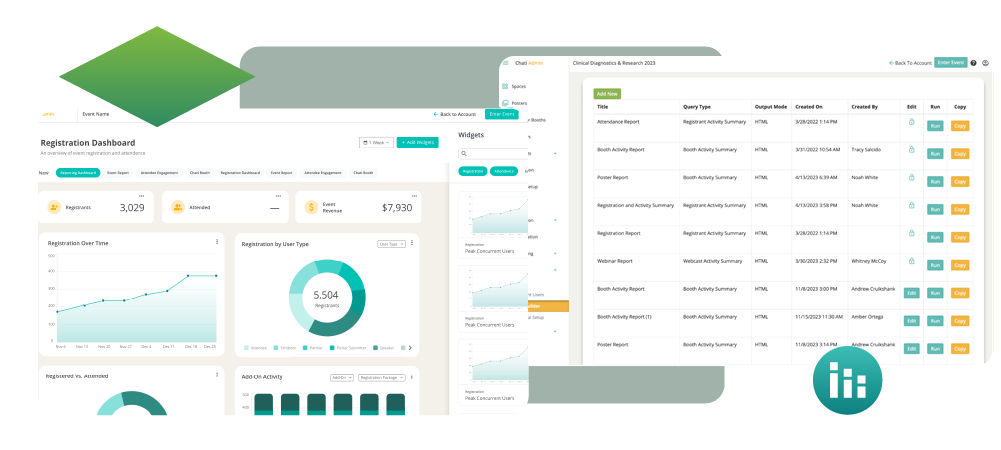
Virtual event sponsorship provides valuable data insights and analytics that enable sponsoring companies to monitor how well their sponsorship is contributing to the virtual event experience for everyone. This enables companies to ascertain what adjustments need to be made either during the current virtual event or future virtual events.
Features such as attendee engagement metrics, lead scores, and conversion tracking are excellent methods for tracking how well your sponsorship is impacting the virtual event. This enables companies to make on-the-spot adjustments or adjustments for future virtual events.
The benefits of data-driven decision-making for optimizing sponsorship strategies cannot be understated. Data-driven decision-making provides companies with the tools they need to make the best-informed decisions regarding their brand promotion, both during and after the virtual event.
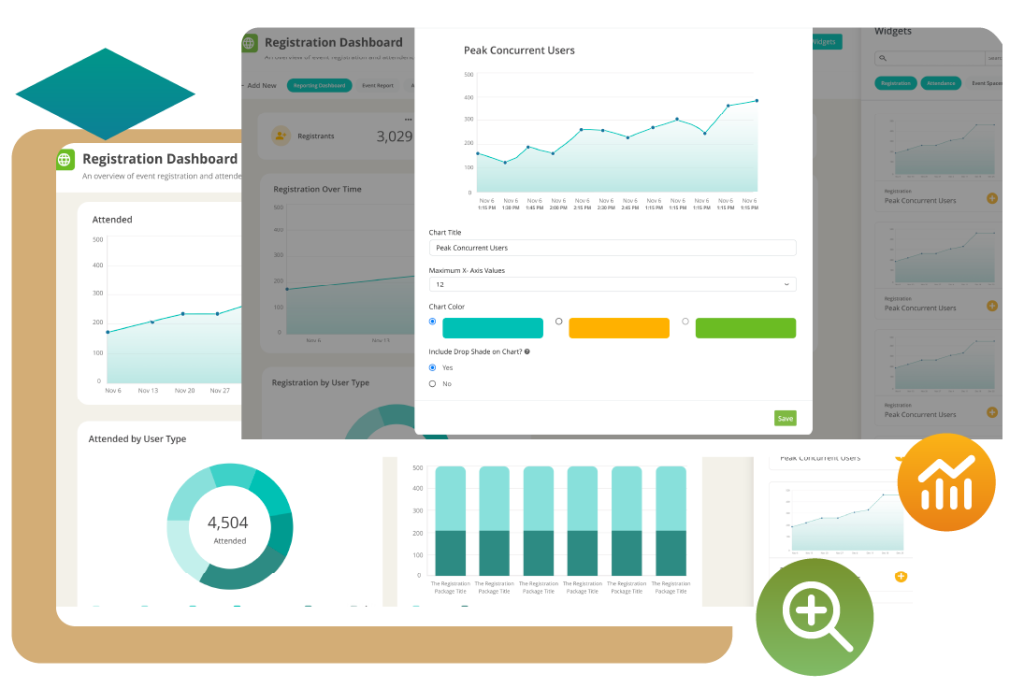
Virtual event sponsorship offers brands flexibility and customization options, enabling companies to prioritize brand promotion strategies leading up to and throughout the virtual event. This provides options for developing your sponsorship strategies that you can tweak and adjust along the way to provide the most impactful virtual event experience for everyone.
Features such as tailored sponsorship packages, branded virtual spaces, and custom content integration are vital strategies for achieving the most impactful brand promotion. They provide incentives for virtual event organizers to sponsor your brand for multiple virtual events.
The benefits of customizing sponsorship opportunities to fit brand objectives cannot be understated. These opportunities provide options for both current and future virtual events. In addition, this builds successful long-term relationships with virtual event organizers and attendees.
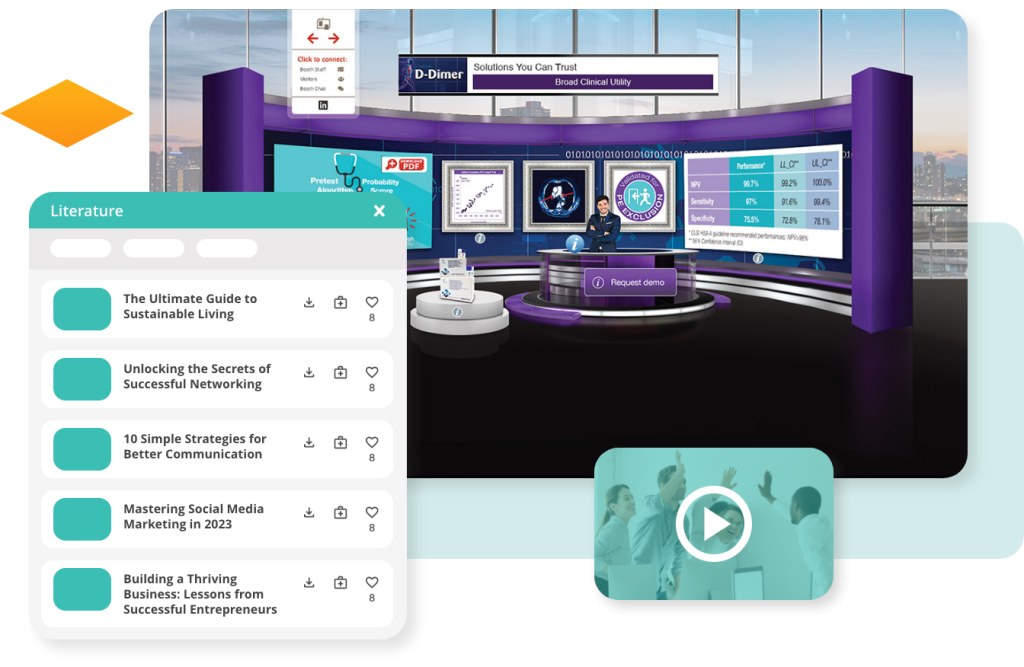
Virtual event sponsorship generates long-term brand awareness and recall by enabling virtual event organizers and attendees to rely on your brand for their future needs, whether for employment or sponsorship opportunities in other virtual events.
Features such as on-demand content, post-event marketing, and follow-up campaigns are vital to brand promotion strategies beyond the virtual event for individuals worldwide. By doing so, you maintain lasting relationships while building brand awareness for both the short and long term.
The benefits of sustained brand exposure and recall among attendees cannot be understated. This provides both attendees and virtual event organizers with the tools, resources, and strategies to make the best-informed decisions regarding brand promotion designed to last well beyond the sponsored virtual event.

Virtual event sponsorship delivers measurable ROI and performance metrics designed to maximize brand promotion and awareness while providing meaningful content for attendees to use to improve their virtual networking skills in the short and long term.
Features such as ROI tracking, attribution modeling, and performance dashboards are vital strategies for brand promotion and awareness that can be tailored to meet the needs of current and future virtual events, thus allowing for adjustments along the way.
The benefits of demonstrating tangible results and value to stakeholders cannot be understated. ROI and results lead to future virtual event sponsorships and increased brand awareness while also providing valuable means for attendees to improve their virtual networking skills.
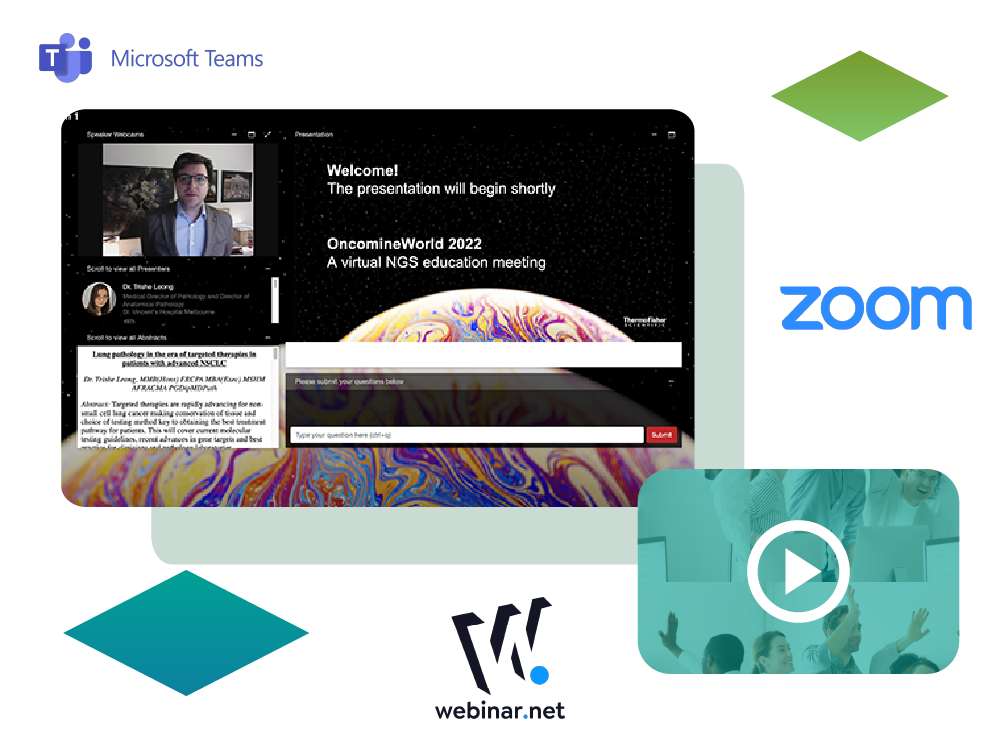
Virtual event sponsorship facilitates brand alignment and partnerships by establishing and building long-term relationships with both virtual event companies and other sponsors. This leads to successful brand promotion and awareness while building lasting relationships with both virtual event companies and other sponsors.
Features such as co-branded events, strategic alliances, and joint marketing campaigns are excellent methods to build brand awareness and partnerships during and after the sponsorship. Through this, you maintain successful long-term relationships that enable future sponsorship opportunities with multiple virtual event sponsors.
The benefits of aligning with complementary brands to amplify reach and impact cannot be understated. Partnerships provide the means to build lasting relationships with individuals worldwide, which increases diversity, inclusivity, and connectivity for everyone.
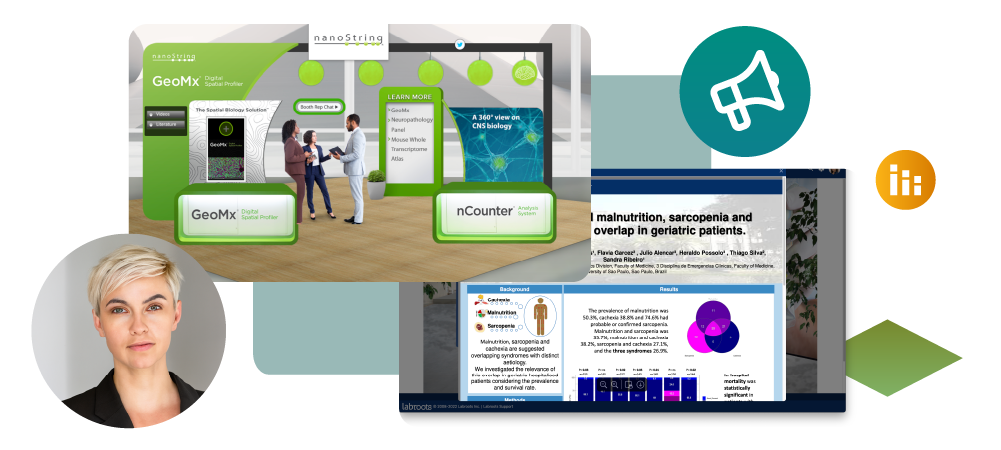
Here, we discussed the top 10 benefits of virtual event sponsorship for brands that you can use to increase brand promotion and awareness while helping virtual event attendees improve their virtual networking skills. This includes cost-effective marketing, data and analytics, and partnerships.
We emphasize the importance of strategic sponsorship for brand growth and success, which can be used to build your brand and provide impactful virtual event experiences for individuals worldwide. Through this, you increase diversity, inclusivity, and connectivity for everyone.
Every company's goal is to build its brand, and virtual event sponsorship opportunities are excellent methods for accomplishing this while helping individuals worldwide build their own brands.

This blog encourages readers to explore virtual event sponsorship opportunities for their brands, enabling them to build and foster lasting relationships with companies and individuals worldwide.
We invite readers' feedback and comments on sponsorship strategies to improve current and future strategies designed to build brand awareness while helping attendees improve their virtual networking skills.
Please feel free to contact Chati for any questions and information regarding virtual event sponsorship strategies. We hope this blog was helpful in helping you develop your own strategies, as well.
The last few years have seen the rise of virtual events that have come to the forefront of networking and connecting with individuals worldwide, primarily due to the COVID-19 pandemic. This has allowed researchers, academics, students, and industry professionals to break down geographic barriers to share knowledge and ideas on scales never seen before by enabling them to engage and connect almost seamlessly while decreasing carbon footprints from the reduced travel.
This is why the importance of hosting impactful virtual events cannot be understated. Virtual events provide many tools and resources for event organizers to develop immersive and lasting experiences for their attendees, regardless of their personal or professional goals in attending the event.
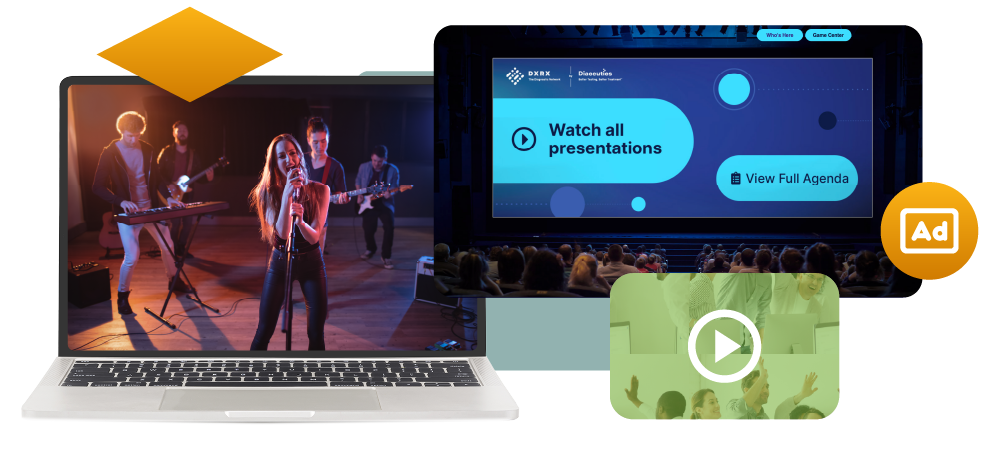
Virtual events substitute for a myriad of in-person events, including conferences, trade shows, expos, concerts, career/job fairs, company onboarding, university fairs, malls, benefits fairs, and so much more. This allows individuals from all over the world to seamlessly participate and build their networking portfolio, which results in increased diversity, inclusivity, and connectivity for everyone.
Virtual events have many benefits for businesses and participants, including breaking down geographic barriers and enabling individuals from all over the world to engage like never before. This means growing their brand while improving recruiting and company morale for businesses. For participants, this means expanding their networking portfolio while gaining the necessary knowledge to achieve their personal and professional goals.
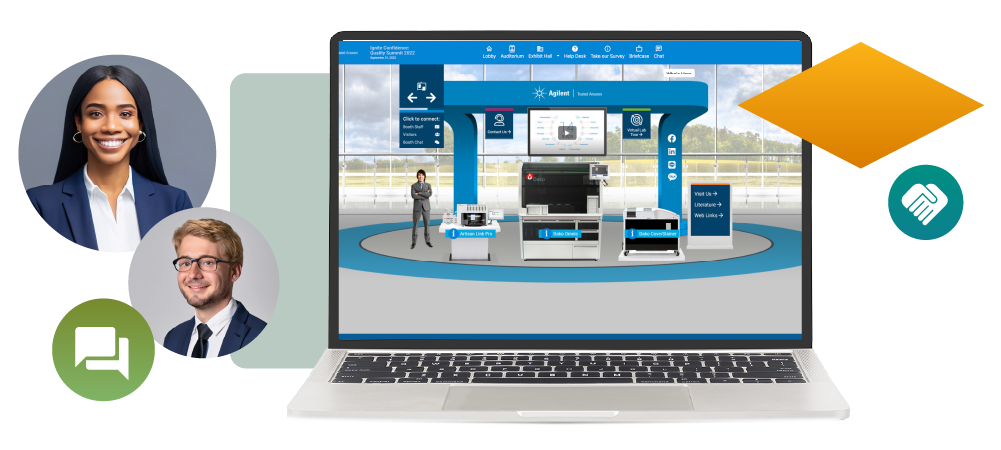
Prior to the event, it’s paramount for both organizers and attendees to set clear objectives for the virtual event. For organizers, are you just trying to build your brand, recruit new employees, or simply wish to share knowledge? For attendees, are you trying to build your networking portfolio, find a career path, or simply attend to gain knowledge? These are important questions to ask before attending a virtual event, and having clear objectives beforehand will make your virtual event experience much more successful.
For event organizers, identifying your target audience and their needs is vital to hosting a successful event virtual event. Are you catering to prospective students/employees? Current students/employees? Attendees outside your field of expertise? Understanding your target audience will allow you to deliver the necessary tools and resources for a successful virtual event.
Choosing the proper virtual event format is also vital for a successful experience for both event organizers and attendees. Examples of different virtual event formats include the aforementioned trade shows and conferences, but can also include award ceremonies, happy hours, holiday parties, town halls, and product launches. Determining your virtual event format beforehand will allow you to develop the necessary elements for increasing everyone's engagement and connectivity.
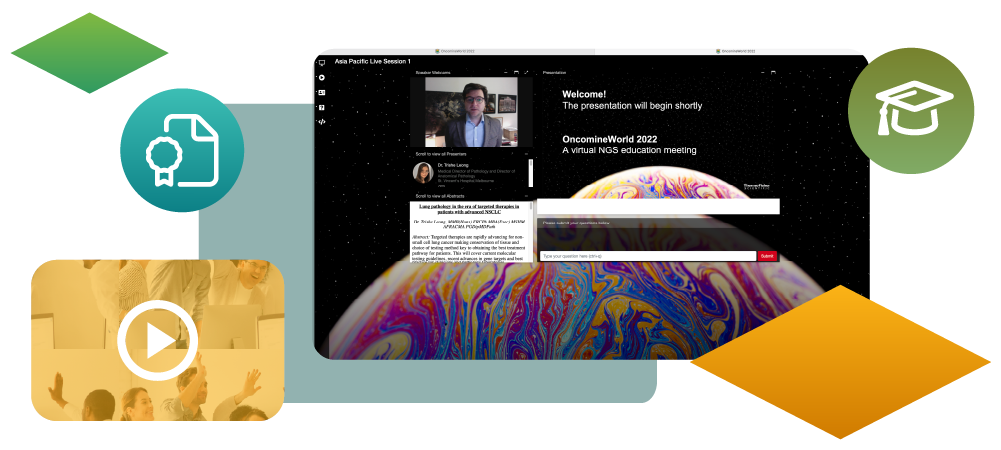
When designing your virtual event, crafting compelling content for virtual audiences will enhance the immersive experience for your attendees and have them come back for more. Examples include inviting expert speakers to discuss the latest research and news in the field while providing educational insights. The more compelling the content, the more engaged and immersed your attendees will be in your virtual event.
Utilizing interactive tools to enhance engagement is vital for hosting a successful virtual event, which includes features like gamification, chat networking, exhibit halls, templates & 3D spaces, and much more. The more interactive your virtual event, the more engaged your attendees will be with each other and your event monitors, which only results in increased diversity, inclusivity, and connectivity for individuals worldwide.
Other ways to improve virtual event content are to incorporate live Q&A sessions and polls, which add another level of engagement and immersion for your attendees. These allow your attendees to engage with expert speakers after their talk while gaining knowledge on a particular topic. With polls, you can enhance attendee engagement while collecting real-time data, enabling you to improve your virtual event in real-time or for a future event.
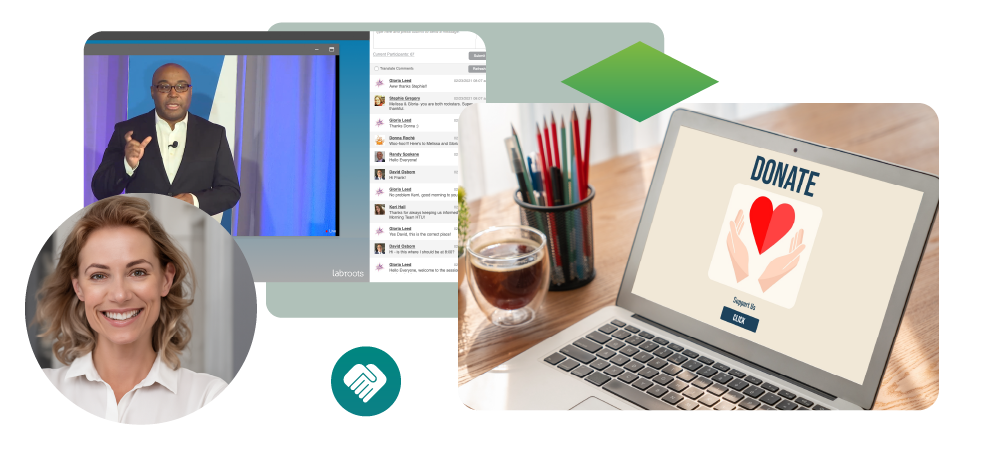
Selecting the right virtual event platform takes time and research, and finding the right one will ensure your virtual event's success. Specifically, this means finding a platform that meets the event’s objectives for your brand and attendees. Every platform offers unique tools and resources designed to enhance the attendees’ experience, which results in increased diversity, inclusivity, and connectivity for everyone.
Integrating multimedia and visual elements into your virtual event will enable extra engagement and immersion for your attendees. These include interactive videos, breakout rooms, and live chats, allowing your attendees to engage and interact in a nonformal environment.
Through these steps, you are ensuring a seamless user experience and accessibility for individuals from all over the world and all personal and professional backgrounds and disciplines, which only increases diversity, inclusivity, and connectivity for everyone.
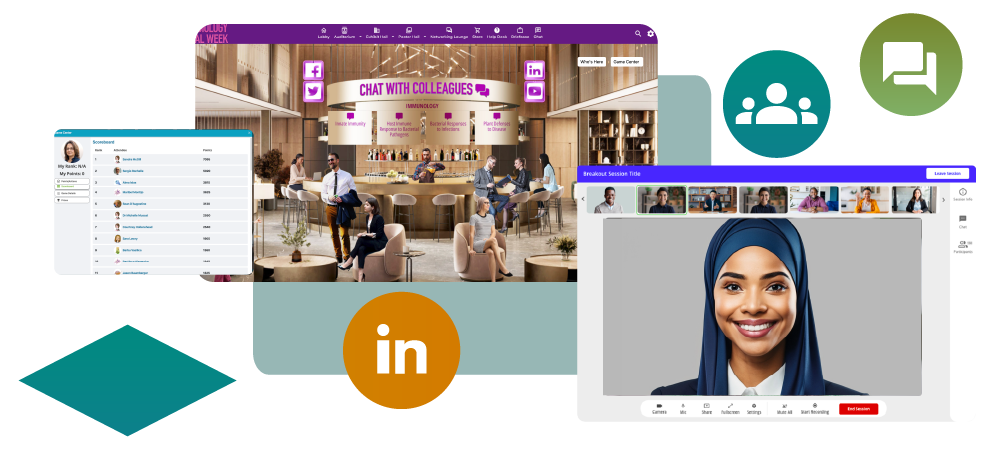
All successful virtual events have a solid marketing strategy, and creating a comprehensive promotional strategy is essential for not only your current virtual event but also future events. This strategy involves timeliness, as you don’t want to promote your event too soon or too close to the event. Additionally, it involves the right amount of promotion, as you don’t want to turn away potential attendees through too much promotion.
Social media has become entrenched in our everyday lives, and harnessing social media and email marketing will enable a global reach and effective promotion of your virtual event for individuals from all over the world. One option is to create a customized email address for your virtual event, along with similar customized social media accounts, as well.
Virtual events foster innovation and connectivity, and collaborating with influencers and partners provides an excellent opportunity to promote your virtual event as they can share details of the event with their colleagues, business partners, and friends.
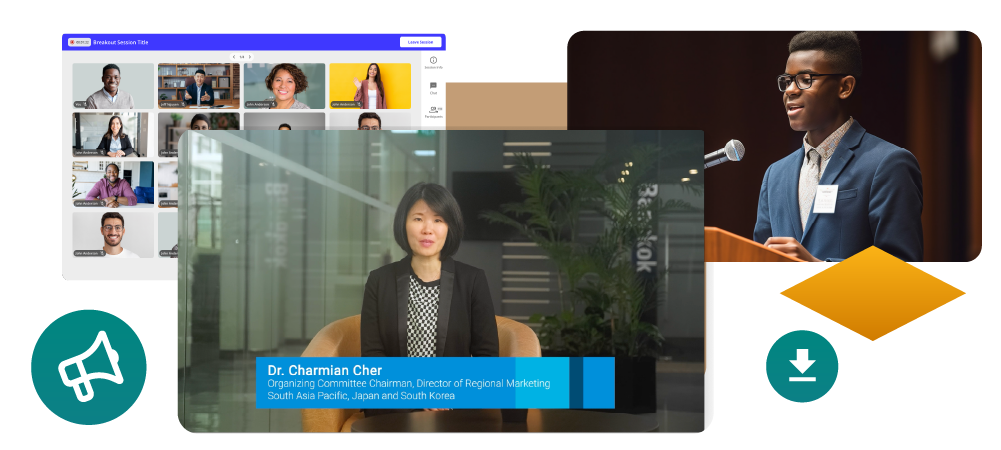
Preparing speakers and presenters is essential to success when executing your virtual event, as your attendees will undoubtedly be prepared for all scheduled talks on the agenda. Speaker and presenter preparation includes ensuring their internet connection is solid and receiving notes about their talk ahead of time that you can share with your attendees beforehand.
Since virtual events are online, managing technical aspects and support is vital for event success. Faulty internet connections will result in an unsuccessful event. This entails ensuring seamless connections on your end while having redundancies in place in case connections shut down during the event.
Your event's goal is to facilitate networking opportunities for individuals from all over the world and from all personal and professional backgrounds and disciplines. With solid promotion and execution, you can ensure your attendees’ networking opportunities are met head-on.
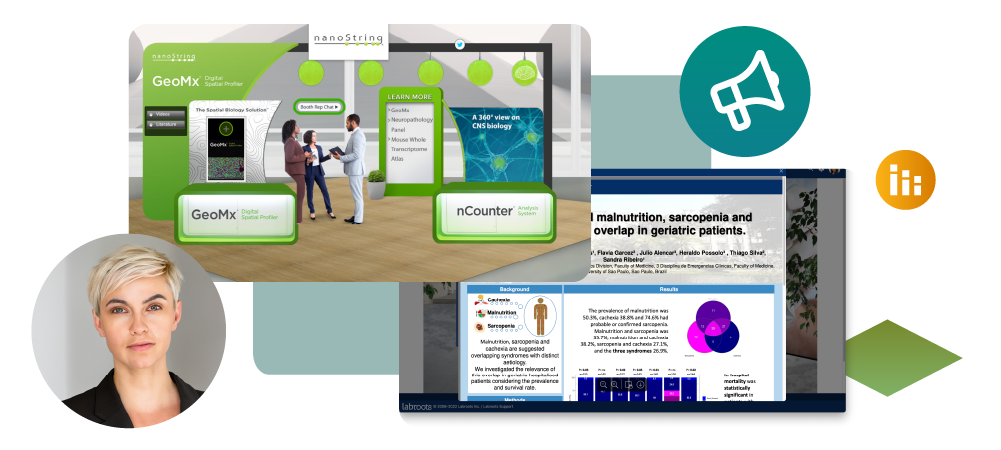
Like all events, virtual events are only successful through constant improvement, accomplished through sending post-event surveys and feedback to your attendees. This can be achieved both immediately after the event and anywhere from a few weeks to a few months after the event, enabling your attendees to provide valuable feedback on improvements that can be made for future events.
Another method to ensure future events' success is by evaluating key performance metrics, specifically attendee engagement, which is the cornerstone of all virtual events. Through this, you can ensure your attendees are satisfying their own networking goals while engaging with individuals worldwide.
The success of virtual events hinges on constant improvement. Through these methods, you leverage insights for future virtual events, which will only lead to increased diversity, inclusivity, and connectivity for event organizers and attendees.
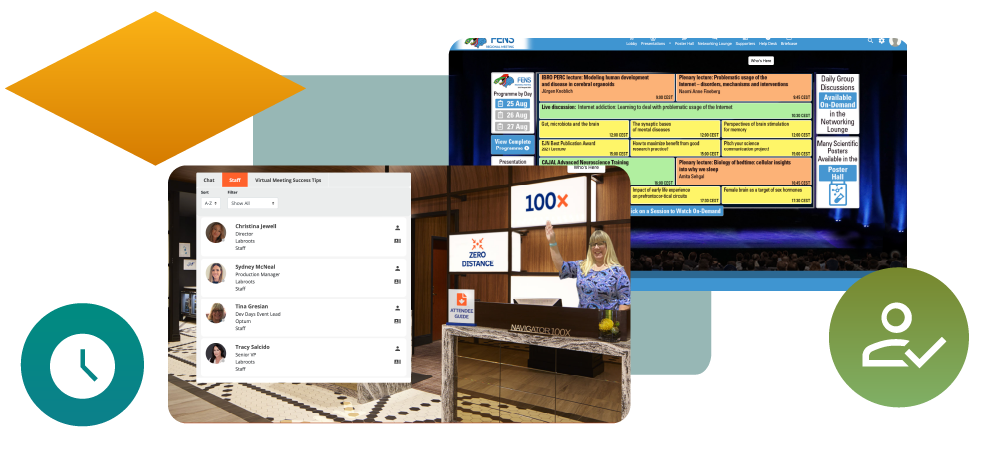
There are a myriad of companies from all over the world that have hosted successful virtual events, including Google, AWS, Salesforce, Adobe, SBC, NBA, and Dreamforce, just to name a few. These companies are successful in hosting virtual events through constant growth and improvement while understanding that it takes time to build their brand for a global audience.

Embracing the future of virtual events will ensure a brighter future for everyone, as virtual events enable individuals from all over the world to engage and contribute to the sharing of knowledge and ideas. This is accomplished through careful and timely promotion, along with successful execution for all facets of your event, leading to increased engagement and connectivity for event organizers and attendees.
Your path to hosting impactful virtual events begins with the right objectives while constantly improving and growing. This will help you help your attendees achieve their personal and professional goals while increasing diversity, inclusivity, and connectivity for individuals from across the globe.
Virtual event integrations enhance virtual event experiences for both event organizers and attendees by providing features that increase not only aesthetics but also engagement and connectivity for individuals from all personal and professional backgrounds worldwide.
The importance of choosing the right virtual event integration must be considered. Each integration is designed to meet specific needs, whether to enhance engagement, aesthetics, networking, or other strategies.
Here, we will discuss the top 10 virtual event integration platforms you can use to enhance your next virtual event and improve your brand and networking capabilities with individuals worldwide. Each platform provides unique integrations designed to meet your virtual event and networking needs, which only increases diversity, inclusivity, and connectivity for everyone.
Salesforce is one of the leading customer-oriented companies in the world. It emphasizes connecting companies with customers in a myriad of ways. This includes free on-demand webinars, community events, developer events, and customer success events, which enable companies to strengthen connectivity with their customers from all personal and professional backgrounds and disciplines.
Regarding integration features for seamless event management, Salesforce offers salesforce+, which enables companies to share exclusive content via on-demand or live streaming for a variety of sessions and topics, including artificial intelligence, data, customer relationships, and automation.

Walls.io is a leading digital content provider that prides itself on using social walls to enhance connectivity and inclusivity for individuals worldwide. Their platform offers a myriad of tools and resources designed to motivate marketers and attendees to engage and connect across several industries, including government, healthcare, sports, and education.
Walls.io enhances engagement during virtual events with their UGC platform, designed to magnify a company's narrative and enhance the attendee experience. To accomplish this, UGC collects posts from several social media platforms into one location to enhance engagement and connectivity for individuals worldwide.

Eventbrite is a self-service platform for users to create, search, and attend live events worldwide. Utilizing Eventbrite for virtual registration and ticketing allows companies to expand their global reach, thus expanding diversity, inclusivity, and connectivity for individuals from all personal and professional backgrounds and all over the world. In 2022, Eventbrite commandeered approximately 5 million worldwide events across 180 countries, including approximately 798,000 free and paid creators and approximately 284 million total tickets sold.
Features for managing virtual events on the Eventbrite platform include marketing, a mobile ticket app, a check-in app, an app marketplace, event registration software, event planning, a payment system, and so much more. With Eventbrite, companies and individuals can create and market their next live event seamlessly and quickly.

Calendly is a meeting scheduling automation platform that has successfully connected more than 20 million employees and customers from companies worldwide, including DoorDash, Lyft, and BBitly. Streamlining virtual event scheduling with Calendly will enable companies to increase diversity, inclusivity, and connectivity for their customers and employees while breaking down geographic barriers.
Integrating Calendly with virtual event platforms enables event organizers and attendees to engage and collaborate on new ideas and up-to-date information regarding their respective fields, including education, finance, and technology.

Snapbar is a photo services platform designed to enhance images through artificial intelligence and custom filters for headshots or group photos. It includes features like Snapshot, Snapshot AI, and Studio that companies can use for virtual event solutions.
Enhancing virtual events with Snapbar's photo booth and interactive features enables companies to improve the visuals and aesthetics of their employees and customers. Snapbar has a long list of successful company integrations, including Chati, 6Connex, Goldcast, and Hubilo.

Webinar.net is a leading webinar platform designed to provide live and on-demand webinars and hybrid events with seamless setup and execution. It includes a 60-second and 5-step setup wizard, transparent and simple pricing, and plug-in-free, meaning attendees aren't required to download apps or additional platforms to attend the virtual event.
Key features for hosting engaging virtual events on webinar.net include The Lab and On Stage, which provide event organizers and attendees the power to create immersive and interactive videos that take attendees' engagement to new heights.

GlobalMeet is a leading webcasting solutions platform that provides companies with a myriad of tools and resources for hosting virtual and hybrid events on a global scale. With its self-service or full-service capabilities, GlobalMeet can host events with 50 attendees to more than 100,000, resulting in increased diversity, inclusivity, and connectivity for individuals from all over the world.
Features for hosting large-scale virtual conferences and meetings include GlobalMeet's ability to host in countless languages and automated reply captioning designed for the deaf and hard-of-hearing communities.
GoTo is a leading business communications platform designed to enhance employee and customer engagement through virtual meetings, webinars, and training software, along with additional products and solutions designed to increase diversity, inclusivity, and connectivity for individuals worldwide.
Hosting webinars and virtual events with the GoTo platform enables companies to offer safe, simple, scalable, and seamless experiences for their employees and customers. This results in enhanced engagement and connectivity for over 2.8 million events per year.
WorkCast is a leading webinar, virtual event, and hybrid event platform designed to provide seamless, straightforward, and scalable events for companies and individuals worldwide, including those in finance, publishing, technology, and life sciences.
Benefits of using WorkCast for hosting interactive virtual events include utilizing the WorkCast Creator & Studio, template marketplace, integrations marketplace, and live online event support from their team of experts.
Wordly.ai is a leading artificial intelligence (AI) captioning and translation platform designed to provide simplicity, accuracy, security, and affordability for in-person, virtual, and hybrid events, meeting the networking needs of individuals worldwide.
Improving accessibility and global reach with Wordly.ai includes providing services for more than 50 languages and 2,000 language pairs with captions, subtitles, transcripts, and high-quality audio that break down geographic barriers and increase inclusivity for the seeing—and hearing-impaired.
Here, we shared our top 10 virtual event integrations. These integrations are designed to meet the virtual event engagement and networking needs for individuals and companies from all professional backgrounds. Each platform provides unique tools to meet specific virtual event goals to increase diversity, inclusivity, and connectivity for individuals worldwide. As noted, the importance of choosing the right integrations for successful virtual events cannot be understated or overlooked, simply because every integration is uniquely designed to meet specific goals, and a better understanding of your goal will help guide you towards the appropriate integration, resulting in a more immersive and engaging event experience for all parties.

