Discover how Chati's self-service licenses give you full control - build, update, and launch virtual events on your terms. Register for our free webinar today!
Virtual events are now essential for business outreach, remote learning, and telehealth. Their impact is significant, but even minor mistakes can significantly reduce engagement, attendance, and ROI. Here, we will discuss the most common pitfalls in planning and execution and offer straightforward strategies to avoid them and deliver consistently compelling virtual experiences. Through this, you will be prepared to address mistakes before they happen, resulting in an impactful and engaging virtual event for everyone.

Unclear objectives, missing timelines, and uncoordinated sessions weaken any virtual event by creating confusion and disrupting flow. A detailed agenda, clearly assigned roles, and a well-structured production schedule keep the team aligned from planning to execution. Early platform testing and full rehearsals reveal problems before they affect attendees, helping to ensure a smooth, confident, and reliable event experience.

Passive, low-interaction virtual events tend to lose audiences quickly and reduce their overall impact. Keeping participants engaged requires intentional design that utilizes polls, Q&A sessions, breakout rooms, and simple gamified activities to foster steady involvement. Collecting live feedback throughout the event enables you to adjust the pacing, clarify confusing points, and tailor the content in real-time, which strengthens attention, improves learning, and delivers a more dynamic and practical experience.

Technical issues such as poor audio or video quality, platform crashes, and login problems can interrupt momentum and frustrate attendees. Careful platform vetting, thorough dry runs, and real-time tech support reduce the chance of disruption. For mission-critical sessions, having clear backup plans ensures continuity even if something fails, thereby protecting the event’s professionalism, participant experience, and overall impact, while maintaining confidence among speakers and viewers alike.

Excessively long sessions or dense presentations drain focus and reduce retention during virtual events. Keeping each segment concise, visually engaging, and interactive helps maintain energy and attention. Mixing formats, such as keynotes, panels, demos, and short networking breaks, provides natural pacing, prevents fatigue, and gives attendees multiple ways to stay engaged, creating a more dynamic and memorable overall experience.

Overlooking accessibility limits on who can attend lowers overall engagement. Inclusive design enhances reach, so consider adding closed captioning, multilingual support, and screen reader compatibility to remove barriers. Plan schedules with global audiences in mind by offering sessions at varied times or providing quality on-demand access. These steps create a more welcoming and flexible environment that boosts participation and enhances event impact.

Post-event communication is essential for sustaining value after a virtual event. Sharing recordings, resources, and short surveys reinforces learning and keeps attendees engaged. Thoughtful follow-up also helps you track ROI by showing what resonated and where attention dipped. Utilize analytics derived from participation data, survey responses, and content views to gauge success. These insights strengthen relationships and planning.
Summary
Successful virtual events rely on avoiding common mistakes through precise planning, intense engagement, and dependable technology. Organizers should set focused goals, create structured schedules, and design interactive, accessible sessions. Careful preparation, innovative tools, and consistent follow-up strengthen impact.

To streamline everything from planning to delivery, consider using platforms like Chati, which simplifies logistics, improves reliability, and helps teams execute polished, high-performing events. Please contact Chati to learn how we mitigate mistakes in our virtual events, as well.
Since the pandemic, virtual events have evolved from a temporary solution into a cornerstone of modern communication. In 2025, they’re shifting toward more innovative, more immersive, and audience-centered experiences. This article explores the latest trends driving that transformation, focusing on innovation, inclusivity, and the seamless integration of advanced technologies that shape the future of digital engagement. Here, we will discuss the virtual event trends that are shaping 2025, including AI engagement, hybrid events, accessibility, and more. With this, you will know how to organize and execute an impactful virtual event while striving to meet your attendees’ personal and professional goals.

AI is revolutionizing virtual events by personalizing attendee experiences—from customized content suggestions to intelligent networking matches. Smart chatbots now offer real-time support, while AI-driven analytics provide instant insights into engagement. Together, these innovations create highly tailored experiences that boost attendee satisfaction, strengthen retention rates, and set a new standard for event personalization.

3D environments, virtual reality (VR), and augmented reality (AR) are rapidly transforming virtual events into interactive, lifelike experiences. Immersive settings foster deeper engagement and make online gatherings feel tangible and memorable. Examples include virtual trade show booths, interactive product demonstrations, and digital campuses—each redefining how participants explore, connect, and engage in dynamic event spaces.

Organizations are increasingly embracing hybrid event models that combine virtual and in-person experiences for greater reach and impact. These blended formats enhance accessibility, reduce environmental impact, and foster inclusive participation. Success relies on robust technology—seamless live streaming, synchronized engagement tools, and integrated platforms that ensure audiences everywhere can connect, interact, and engage in real time.

Virtual and hybrid events significantly cut travel emissions and on-site waste, making them vital to sustainable event strategies. As eco-conscious practices become central to corporate social responsibility, organizers are adopting greener approaches—such as offering digital swag, implementing carbon offset programs, and using paperless engagement tools—to reduce environmental impact while maintaining meaningful attendee experiences.

Advanced analytics are empowering organizers to fine-tune content and audience targeting with precision. By tracking key metrics such as session duration, engagement rates, and conversion performance, event teams can better understand attendee behavior. Post-event data analysis then drives more innovative strategies, enabling continuous improvement and more impactful, data-informed virtual and hybrid event experiences.

Closed captioning, multi-language support, and screen-reader optimization are making virtual events more accessible than ever. These inclusivity features expand audience reach, foster equitable participation, and enhance brand reputation. By adopting tools that prioritize accessibility, organizers ensure every attendee—regardless of ability or language—can fully engage in a seamless, inclusive event experience.
Summary
Here, we discussed the virtual event trends that are shaping 2025, including AI engagement, hybrid events, accessibility, and more. Armed with this knowledge, you can now organize and execute engaging virtual events that meet your attendees’ personal and professional goals while ensuring a return on investment.

The trends defining 2025 reflect a maturing digital event ecosystem driven by innovation and engagement. Successful virtual events now blend advanced technology, creative design, and authentic human connection. To stay ahead, organizers should explore modern platforms like Chati, which embody these evolving trends and empower truly immersive, inclusive, and data-driven event experiences. Please contact Chati if you have any questions regarding how we can improve virtual event trends for the future.
Gamification uses game-like elements to make virtual events more interactive and rewarding, boosting attendee engagement and participation. As audience expectations rise, simply presenting content isn’t enough—gamified experiences capture attention, improve knowledge retention, and enhance satisfaction. This increased engagement ultimately drives stronger ROI for organizers through higher participation and lasting impact.
Here, we will discuss the top ways to gamify your virtual event content, including elements, integrations, rewards, and more. Through this, you will be able to organize a successful virtual event while using gamification to enhance your attendees’ experience.

Gamification in online events applies game mechanics like points, rewards, and challenges to boost interaction. Rooted in psychology, it taps into competition, achievement, and dopamine-driven motivation to sustain interest. Unlike basic engagement tactics, structured gamification systems use clear goals and feedback loops to create immersive, rewarding participant experiences.

Gamification elements include points, badges, and leaderboards (PBL) to spark competition, quizzes and trivia for learning, scavenger hunts for exploration, and raffles or spin-the-wheel for excitement. Selecting the right mix depends on audience demographics and event goals, ensuring activities resonate, motivate participation, and align with desired engagement outcomes.
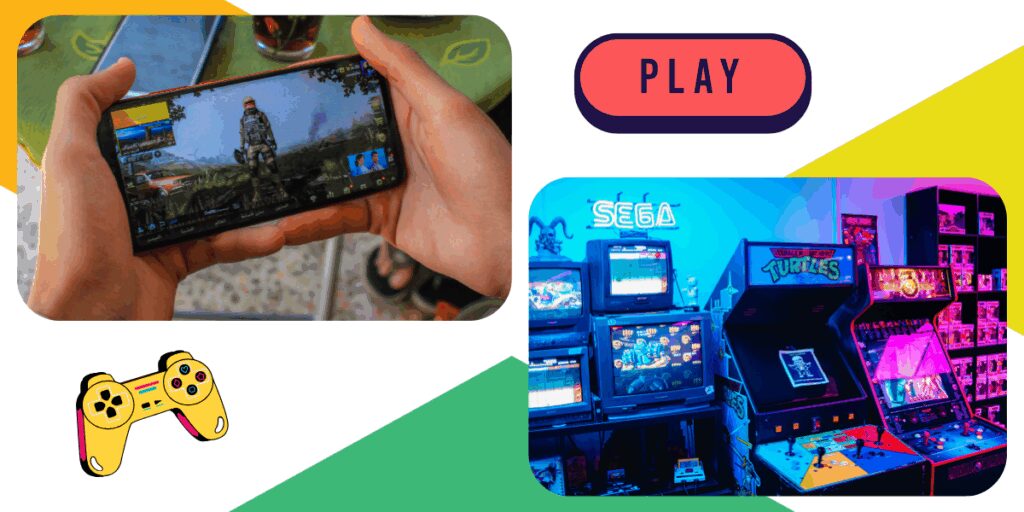
Choose event software with robust, built-in gamification tools that fit your goals. Embed games seamlessly to enhance engagement without interrupting sessions. Prioritize platforms that integrate smoothly with mobile apps and hybrid event technologies, enabling interactive features, real-time participation, and a cohesive experience across in-person and virtual audiences.

Rewards like digital badges, gift cards, exclusive content, and networking perks motivate participants by tapping into achievement and recognition psychology. Incentives trigger positive emotions and drive continued engagement. Effective reward structures balance instant gratification with meaningful benefits, encouraging active participation, sustained interest, and a stronger connection to the event experience.

Leaderboards and team challenges boost motivation and friendly competition while fostering networking through collaboration. Social gamification strategies, like team-based contests, successfully build community, increase engagement, and create memorable shared experiences that strengthen participant connections and event impact.

Tracking engagement metrics like participation rates, dwell time, and conversions provides valuable insights into attendee behavior. Real-time analytics help refine gamified experiences during events, while post-event analysis identifies strengths and gaps to optimize strategies for future engagement and success.
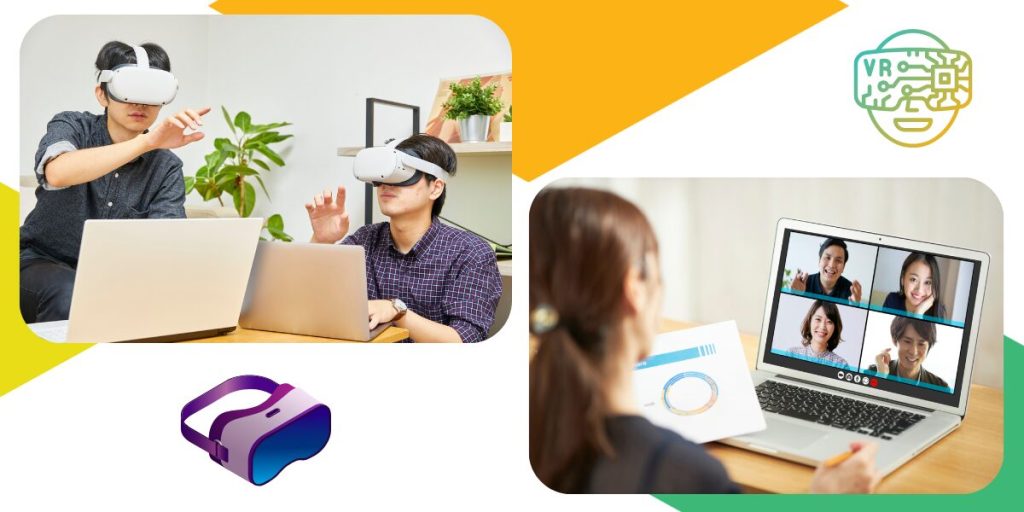
Common gamification mistakes include overcomplicating game structures, which can confuse participants, neglecting inclusivity and accessibility, which limits engagement, and prioritizing rewards over overall experience, which can undermine meaningful interaction and long-term attendee satisfaction. Simplicity, inclusivity, and balance drive success.

Brands using gamification report higher engagement, improved attendee satisfaction, and increased conversions. Success stories show how interactive strategies drive measurable results, proving gamification’s effectiveness in creating memorable, goal-driven virtual event experiences.
Summary
Here, we discussed the top ways to gamify your virtual event content, including elements, integrations, rewards, and more. Armed with this knowledge, you now have the tools and resources to host a successful virtual event while prioritizing gamification to enhance your attendees’ experience.
We encourage readers to incorporate gamification into their next virtual event, and please contact Chati if you have any ideas how we can do the same.
Virtual events enable audiences worldwide to engage and connect while striving to achieve their personal and professional goals. Artificial intelligence (AI) is playing an increasingly vital role in the virtual events industry, transforming how organizers plan, manage, and deliver experiences. One of AI’s most powerful contributions is enabling personalized interactions, which are essential for boosting attendee engagement and improving retention by catering to individual preferences and behaviors.
Here, we will discuss how AI-based personalization can be used to enhance virtual events, including why it matters, personalization strategies, measuring success, challenges, and more. Through this, you will have the tools and resources to use AI for enhancing your virtual event experience for everyone.

Traditional personalization in virtual events has often been limited by manual processes, generic content, and a lack of real-time insights, making it difficult to tailor experiences for large and diverse audiences effectively. AI overcomes these challenges by rapidly analyzing data to deliver content that is more relevant, timely, and accurate for each attendee. This not only enhances individual satisfaction by meeting specific interests and needs but also significantly boosts overall event ROI by increasing engagement, participation, and long-term value.

1. Smart Agenda Recommendations
AI curates personalized event schedules by analyzing user interests, past behavior, and real-time interactions to recommend sessions that align with each attendee’s preferences. This intelligent scheduling leads to higher session attendance. It encourages participants to stay engaged for more extended periods, as they are more likely to find content that is relevant and compelling to them.
2. Dynamic Content Curation
AI enables event platforms to deliver tailored content—such as videos, resources, and sessions—to different attendees based on their profiles and interactions. This dynamic delivery ensures each participant receives the most relevant and valuable information, enhancing their overall experience.
3. AI-Driven Networking Suggestions
AI enhances virtual networking by intelligently matching attendees based on job roles, shared interests, or behavior patterns observed during the event. This targeted approach powers features like speed networking, personalized 1:1 matchmaking, and timely follow-up reminders, making interactions more relevant and impactful. As a result, attendees are more likely to form valuable connections, contributing to a more prosperous and more productive event experience.
4. Behavior-Based Notifications
AI-driven automated nudges and reminders, triggered by attendee actions such as abandoned sessions or periods of inactivity, play a key role in maintaining engagement throughout virtual events. By delivering timely prompts tailored to user behavior, these real-time interventions help re-engage participants, guiding them back to relevant sessions or content and ensuring a smoother, more continuous experience.
5. Personalized Exhibit Hall Experiences
AI enhances virtual exhibitor booths by tailoring content, product displays, and interactions to each visitor’s profile, including their interests, industry, and past behavior. This personalized approach captures attendee attention more effectively, resulting in more extended booth visits and higher-quality leads. For sponsors and exhibitors, this means increased visibility, more meaningful engagements, and a more substantial return on investment.

Leading virtual event platforms like Swapcard, Chati, Webex Events, and ON24 are integrating advanced AI capabilities to enhance user experiences and event performance. These platforms offer powerful features such as real-time analytics to track engagement, audience segmentation for targeted content delivery, and recommendation engines that personalize sessions and networking opportunities. Together, these tools help organizers create smarter, more dynamic events that drive deeper engagement and better outcomes.

Tracking key metrics such as engagement rates, content views, networking interactions, and satisfaction scores provides valuable insights into attendee behavior and preferences. By analyzing this post-event data, organizers can refine personalization strategies for future events, delivering more targeted content, improving matchmaking, and enhancing overall user experience. This continuous feedback loop helps drive greater engagement and higher ROI over time.

As AI personalization becomes more prevalent in virtual events, it’s essential to address privacy and ethical considerations surrounding data collection and usage. Ensuring transparent data practices and offering opt-in experiences helps build trust with attendees while respecting their autonomy. Striking the right balance between automated personalization and the human touch is also key, leveraging AI to enhance, not replace, authentic, meaningful interactions.
Summary
Here, we discussed how AI-based personalization can be used to enhance virtual events, including why it matters, personalization strategies, measuring success, challenges, and more. Through this, you now have the knowledge to use AI personalization for enhancing your virtual event experience for audiences worldwide while helping them achieve their personal and professional goals.

We encourage event organizers to experiment with at least one AI-based personalization strategy in their next virtual event to enhance engagement and overall experiences. Please contact Chati to explore how AI-powered tools can deliver smarter, more engaging virtual event experiences for everyone.
Virtual events are built on attendees engaging and connecting while striving to achieve their personal and professional goals. They are also built on the significance of data in enhancing event engagement and maximizing return on investment (ROI) for event organizers and attendees.
The role of event data in providing actionable insights that help event organizers optimize attendee experiences and increase return on investment is essential for hosting a successful virtual event.
Here, we will discuss how data-driven strategies are becoming integral to event success, both for virtual and in-person events, including understanding their importance, driving better engagement, optimizing event ROI, and actionable strategies. Through this, you will know how to host a successful virtual event while maximizing ROI for everyone.

The first step in understanding event data is to define it, including metrics such as attendee behavior, session engagement, registration trends, and post-event feedback. Another aspect of understanding event data is recognizing the various types of event data, including the distinction between qualitative and quantitative data, such as survey responses versus behavior tracking. Ultimately, understanding the importance of data involves recognizing why tracking event data is essential for enhancing engagement, meeting audience needs, and maximizing ROI.

Tracking attendee engagement involves key metrics, including session views, participation in live Q&A sessions, interactions in networking spaces, and poll responses. Personalizing the experience involves segmenting data based on attendee demographics and behaviors to offer personalized content and recommendations.
Real-time data utilization includes the benefit of using real-time data to adjust event experiences on the fly, such as changing session formats or promoting under-attended sessions. Gamification and interactivity involve leveraging data on attendee preferences to create more engaging experiences, such as offering rewards or interactive features based on engagement patterns.

Measuring ROI beyond attendance involves assessing ROI by analyzing key metrics, such as lead generation, conversion rates, and post-event sales. Tracking sponsor and exhibitor performance involves using event data to demonstrate the value provided to sponsors and exhibitors, ensuring they see a positive return on their investment.
Cost efficiency includes how data can help streamline event processes and reduce costs, such as identifying areas where resources can be optimized. Ultimately, long-term ROI entails evaluating how data collected from multiple events over time can inform and refine future event strategies, ultimately enhancing overall ROI.

The first step in establishing actionable strategies is setting clear objectives, which involves defining specific goals for your events (e.g., lead generation, attendee engagement, brand awareness) and tracking data relevant to these objectives. Additionally, monitoring engagement in real-time involves using live analytics to track attendee behavior and adjust strategies during the event, such as offering additional networking opportunities or adjusting session schedules.
Post-event follow-up involves leveraging post-event surveys and content consumption data to follow up with leads, converting interest into sales, and gathering valuable feedback. Ultimately, optimizing marketing strategies involves utilizing data to assess the effectiveness of pre-event marketing campaigns, including registration rates and attendee demographics, in order to refine future promotions.
Summary
Here, we discussed how data-driven strategies are becoming integral to event success, both for virtual and in-person events, including understanding their importance, driving better engagement, optimizing event ROI, and actionable strategies. You now have the tools and resources to host and organize a successful virtual event while maximizing engagement and ROI.

We encourage event organizers to incorporate data-driven strategies into their planning and execution to achieve improved outcomes. Additionally, we invite you to contact Chati to discuss how we can further evolve event data and its impact on future event success.
Virtual events allow individuals worldwide to engage and connect with each other while achieving their personal and professional goals. But its virtual event features provide extra fun and excitement, with gamification offering attendees opportunities to challenge each other in a safe environment while enabling them to build lasting relationships.
Gamification is a powerful tool for boosting attendee engagement by integrating game-like activities while enhancing motivation, competition, and achievement during the virtual event. This is accomplished through features such as points, badges, leaderboards, and awards where attendees can challenge each other in friendly competition.
Here, we will discuss how gamification can enhance virtual events, including why it works, strategies, tools, benefits, and the future of gamification in virtual events. Through this, you will know how to enhance your next virtual event experience for attendees while helping them achieve their personal and professional goals.

Gamification enables virtual events to turn event elements into a game, thus enhancing attendees’ experience and helping them connect with individuals in a fun and exciting way. This enables attendees to engage in an informal environment while utilizing teamwork and fair play to help build camaraderie they can share outside of the virtual event.
This is due to the psychological benefits of gamification, including motivation, competition, and rewards, as creating incentives for attendees to participate is an essential part of increasing engagement and connectivity throughout the virtual event.
As a result, gamification fosters a more engaging and interactive event environment while empowering attendees to connect and engage with each other in a fun and safe environment.

One of the most vital gamification strategies is having a points system that rewards attendee participation and engagement, as this provides the most significant incentive for attendee participation and engagement.
This includes challenges and quizzes to encourage interaction and learning regarding topics relevant to the virtual event or based on pre-event surveys where attendees may have requested specific topics to be gamified.
Finally, leaderboards and rankings to create friendly competition among attendees are essential for encouraging healthy competition and engagement while providing incentives or rewards for attendees to earn throughout the virtual event. These can be certificates, gift cards, or personal recognition from the virtual event moderators.

Virtual event platforms with built-in gamification features are essential for providing the ultimate gamification experience, as integrated gamification enables a seamless experience while giving everyone the same level of fun and excitement. This includes providing digital badges, certificates, and rewards for completing event tasks but can also be in the form of gift cards or other items that can be used outside of the virtual event. Finally, interactive polls, live voting, and trivia for real-time engagement give attendees even more incentives to engage and connect while striving to meet their personal and professional goals.

One of the most significant benefits of gamification in virtual events is increased attendance participation and attention during sessions, as gamification provides attendees with incentives to participate throughout the virtual event. This is because gamification enables attendees to engage and connect and provides an incentive to continue that participation beyond gamification. This results in higher networking and interaction rates among attendees while empowering them to meet their personal and professional goals for both the short and long term. In the end, this creates memorable event experiences with lasting impacts for everyone.
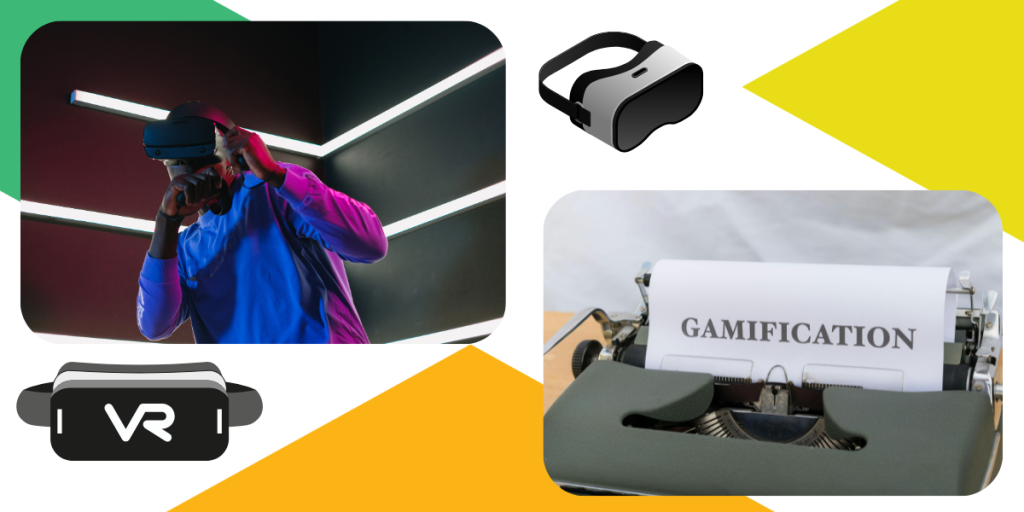
While virtual event gamification has made incredible advancements in recent years, there’s always room for improvement, as AI and data analytics aspire to further enhance gamified experiences for individuals worldwide. This includes developing trends in integrating gamification with augmented reality and virtual reality (AR/VR) for deeper immersion and enabling attendees to have a more in-depth experience. Finally, the role of gamification in hybrid events provides attendees and guests with twice the engagement as hybrid events balance online and in-person interaction, thus creating an even greater level of engagement and excitement for everyone.
Summary
Here, we discussed how gamification can enhance virtual events, including why it works, strategies, tools, benefits, and the future of gamification in virtual events. You are now empowered to provide peak-level gamification at your next virtual event or participate in gamification sessions while connecting and engaging with individuals worldwide.

We encourage event planners to explore how gamification strategies could enhance their next virtual event, as we are confident that gamification can provide attendees with incentives to participate and engage, as well as how Chati can improve our gamification for future virtual events. Please contact Chati regarding how you can implement gamification in your next virtual event to increase attendee engagement.
Virtual events have transformed how people connect and collaborate by enabling a safe and inclusive environment that fosters innovation and engagement, regardless of geographic location. Some of the many features that make virtual events effective in connecting people include matchmaking, exhibit halls, networking features, and breakout rooms.
Here, we will discuss the role of breakout rooms as a critical feature in enhancing engagement, fostering collaboration, and adding depth to virtual events, including the importance, value, key features, and tips for breakout rooms. Through this, we are confident you will have the tools and resources needed to host impactful virtual events highlighted by impactful breakout rooms.

Virtual events typically comprise large numbers of attendees, making it challenging to maximize engagement and connectivity with each other. Breakout rooms offer smaller, private meeting spaces with a more significant virtual event to optimize engagement and connectivity on a micro-scale. Breakout rooms work in virtual event platforms like Chati by emphasizing connection and collaboration, specifically with ChatiConnect, providing seamless chat room management, small group discussions, brainstorming sessions, and much more.

Breakout rooms provide active participation and interaction opportunities through smaller environments where attendees won’t feel as pressured to engage and collaborate. Breakout rooms offer personalized experiences as attendees can introduce themselves to only a few people at a time and learn from individuals worldwide while striving to achieve their personal and professional goals. Through this, breakout rooms allow for scalable networking by providing tailored discussions and activities while enabling effective group interactions, even in large-scale virtual events.

A primary practical use of breakout rooms is brainstorming sessions, which enable participants to collaborate in smaller, focused groups while maximizing engagement and innovation for attendees. This includes workshops and training sessions, which provide hands-on, interactive learning environments, enabling networking opportunities for attendees to facilitate meaningful connections through targeted group discussions. Additionally, breakout rooms provide team-building activities that encourage collaboration and relationship-building through group exercises that encourage problem-solving discussions that enable attendees to break complex issues into manageable group discussions.

Breakout rooms are not just limited to specific types of virtual events, as they can be tailored and personalized to meet the needs of event organizers and attendees. These include corporate meetings and conferences aimed at enhancing productivity and focus for managers and employees while focusing on the future through collaboration and innovation from everyone. Additional types include educational webinars that support deeper learning and student engagement, trade shows and expos that provide private spaces for exhibitor-participant interactions, and virtual networking events that enable structured and casual conversations designed to foster lasting relationships.

Breakout rooms offer key technological features that enhance the attendee experience while maximizing connectivity and engagement for everyone. This includes customization options where event organizers can discuss room size, session timing, and participant control; integration with other event features that emphasize seamless transitions between the main event and breakout rooms; interactive tools that mention polls, whiteboards, and screen sharing capabilities; and data tracking and analytics that provide insights on participation and engagement so event organizers can provide the most impactful virtual events going forward.

Chati is proud to offer breakout rooms in our virtual events to maximize engagement and collaboration for individuals worldwide. Chati’s breakout rooms stand out from other virtual event platforms through ease of use, robust customization, and rich interactive tools. Through this, Chati continues demonstrating its premier and high-performing cadence for delivering impactful virtual event experiences for individuals worldwide.

Breakout rooms are successful because objectives are defined, and clear goals are set for each breakout session, which lays the foundation for hosting successful breakout rooms. This also includes proper planning and preparation where organizers share best practices for organizing and moderating breakout rooms, encouraging participation that offers strategies to engage all participants effectively, and following up with attendees while emphasizing the importance of recapping and integrating breakout room discussions into the main event.
Summary
Here, we discussed the role of breakout rooms as a critical feature in enhancing engagement, fostering collaboration, and adding depth to virtual events, including the importance, value, key features, and tips for breakout rooms. In the future, you will have the tools and resources to use breakout rooms to create impactful and meaningful experiences for attendees worldwide.

We invite readers to explore how Chati can enhance their virtual events with breakout rooms, specifically through ChatiConnect, and we encourage readers to contact Chati for further information about how breakout rooms can enhance virtual event experiences for attendees, organizers, employees, and guest speakers.
Virtual events allow individuals worldwide to engage and participate in meaningful discussions, thus providing them with the necessary tools and resources to build their virtual networks and achieve their personal and professional goals.
Here, we will discuss 10 creative ideas for virtual networking sessions that you can use to connect with great people and grow your network, including virtual networking games, roundtable discussions, coaching sessions, and interactive surveys, to name a few. Through this, we are confident you will have the necessary tools to connect with individuals worldwide while building your virtual network for both the short and long term.
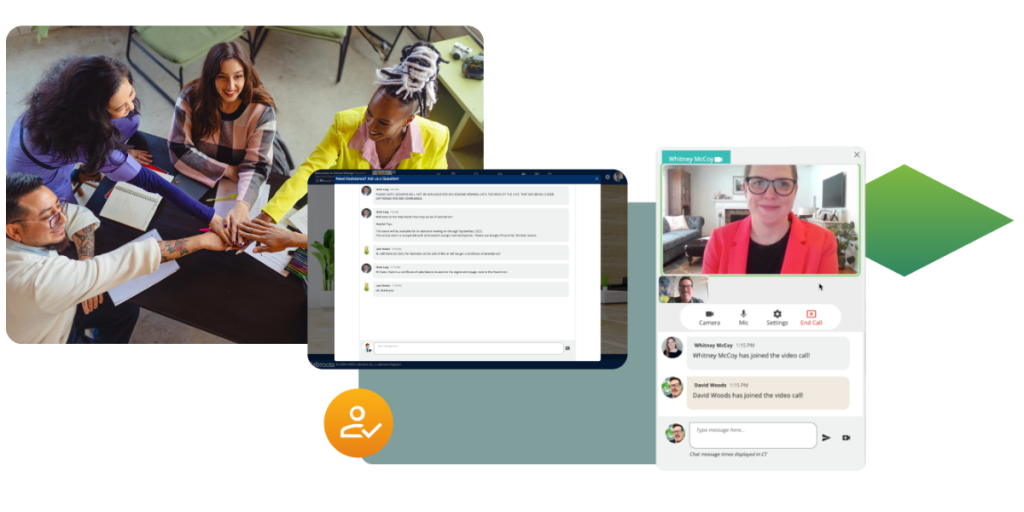
Speed networking is a concept developed to meet great people in pairs or small groups for short periods. This enables attendees to briefly introduce themselves, share bits, exchange contact information, and move on. While brief, these interactions can open the doors for lasting relationships with individuals worldwide.
We also recommend exploring techniques like rotating breakout rooms, timed introductions, and icebreaker questions, providing attendees with additional opportunities to briefly introduce themselves and enabling them to create those connections and build their virtual network.
The benefits of facilitating quick and meaningful connections among attendees cannot be understated, as these brief interactions can lead to lasting relationships without requiring them to engage for prolonged periods.

Using virtual networking games and gamification to foster engagement is an excellent way to connect with great people, as this provides a safe and fun environment designed to promote healthy competition among attendees. These can be done individually or in teams, providing even more opportunities to connect with other attendees in an informal atmosphere.
Explore games like trivia challenges, scavenger hunts, and bingo to diversify your attendees’ experience and enable them to build their virtual network in myriad ways. Additionally, designing these games around the theme of the virtual event will allow your attendees to share something in common while fostering lasting relationships for years to come.
The benefits of adding gamification elements to networking sessions for increased interaction and fun cannot be understated, as this provides attendees with a safe and fun environment promoting healthy competition where they can build their virtual network with individuals worldwide.

Taking breaks is essential in life, and themed networking breaks to spark conversation is another excellent way to connect with other attendees in an informal setting away from the chaos of the virtual event. These breaks can be between 10-15 minutes, where attendees can relax and share their thoughts on the virtual event, along with sharing information about themselves.
These themes can include industry trends, career development, and personal interests, where attendees can share their common interests. For example, industry trends consist of the latest research highlights, career development can include more efficient job applications, and personal interests might include hobbies outside the field.
The benefits of tailoring networking sessions to attendee preferences and interests are limitless, as they allow attendees to engage with each other in an informal setting where they can share knowledge and ideas outside of the chaos of the virtual event.

For more formal settings, expert-led roundtable discussions for knowledge sharing are an excellent way for attendees to engage while a field expert leads a predetermined discussion. This enables attendees to engage in a structured environment to discuss topics like industry insights, best practices, and emerging trends in academia or industry. Additionally, this provides attendees with the opportunity to ask questions about the expert’s career path, which enables attendees to make better-informed decisions about their own careers, as well.
The benefits of facilitating thoughtful discussions and peer learning opportunities cannot be understated, as they allow attendees to engage with each other and experts in a formal and structured setting. Through this, they can share and gain knowledge about their careers while building their virtual network with individuals worldwide.

Everyone loves coffee, and virtual events are an excellent way to have informal virtual coffee chats for networking among your attendees where they can share research insights, career advice, and personal information in a safe and fun environment. Additionally, they can share their favorite coffee and how they take it, too!
These coffee breaks can be done through random pairings, casual conversations, and coffee-themed icebreakers where attendees can engage and share knowledge about their lives and careers, enabling them to build virtual networks in informal settings.
The benefits of creating a relaxed environment for building relationships and connections cannot be understated, as they provide attendees with safe and fun atmospheres where knowledge sharing and impactful engagement can be achieved away from the chaos of the virtual event.

Mentorship and coaching sessions in virtual networking are excellent ways to provide your attendees with career advice from industry experts, enabling them to gain impactful knowledge about job applications, career paths, and how they can achieve their goals. These can include one-on-one meetings, group workshops, and panel discussions where attendees can engage in live Q&As while sharing knowledge.
Providing attendees with guidance, support, and learning opportunities is ideal for personal and professional growth and helps them build virtual networks with individuals worldwide. Through this, you increase diversity, inclusivity, and connectivity with everyone.

Virtual networking lounges for informal conversations are a surefire way to spark engagement among attendees, where they can share career insights, personal information, and professional goals away from the chaos of the virtual event. These can be accomplished with open spaces, lounge music, and virtual backgrounds that promote a healthy and fun atmosphere where engagement and impactful discussions lead to building virtual networks with individuals worldwide.
Dedicated casual networking and socializing spaces are excellent ways to keep your attendees engaged while helping them achieve their personal and professional goals. They provide an informal setting while promoting healthy conversations where attendees can share knowledge and learn from each other.

Interactive polls and surveys to spark engagement are excellent ways to keep your attendees engaged throughout the virtual event. These can be accomplished individually or in groups, with the latter being the ideal way to spark engagement among attendees. This can include topics like event feedback, industry trends, and audience preferences, which can be established during the planning process before the virtual event, and attendees can be informed about them via periodic emails or reminders throughout the virtual event.
Gathering insights and generating discussion through real-time feedback are excellent ways to keep your attendees engaged while obtaining information regarding the virtual event and how future events can be improved. Your virtual event will grow and flourish like your attendees’ careers and goals through this.

To complement the aforementioned speed networking sessions, speed mentoring sessions for skill development are excellent ways for attendees to meet and briefly engage with field experts regarding career advice and how to achieve their personal and professional goals. This can be accomplished through rotating mentorship pairings, quick advice sessions, and skill-based matchmaking, which can also be established during the planning process of the virtual event so the right attendees can be matched with the right experts to achieve maximum engagement and impact.
The benefits of offering mentorship opportunities for professional growth and networking are plentiful, as they provide attendees with the tools and insights needed to achieve their personal and professional goals while connecting with individuals worldwide.

To complement the gamification above, virtual networking challenges to encourage participation are an excellent way to spark engagement among attendees designed to promote healthy competition in a safe and fun environment. These challenges can include networking bingo, connection quizzes, and social media sharing, where attendees can engage in an informal setting while sharing knowledge and personal information.
Adding a competitive element to networking sessions for increased engagement is an excellent way to maintain engagement and participation among your attendees in an informal setting while promoting healthy competition. Through this, your attendees can build their virtual network while connecting with individuals worldwide.
Conclusion
Here, we discussed the top 10 creative ideas for virtual event networking sessions, including speed networking, roundtable discussions, gamification, networking lounges, mentoring sessions, and much more. Through this, you will have the tools and resources to engage with attendees at your next virtual event while building your virtual network with individuals worldwide.
We emphasize the importance of creating meaningful connections and building relationships in virtual environments, as these provide attendees ample opportunities to connect with great people and develop their virtual networks while fostering lasting relationships with individuals worldwide.
Finally, leveraging creative networking ideas to enhance virtual events is also an excellent way to provide fun and exciting engaging experiences for attendees in formal and informal settings and a fun and safe environment for everyone.

We encourage readers to implement creative networking ideas in their virtual events to spark meaningful discussions among your attendees, enable them to build their virtual networks, and achieve their personal and professional goals.
We invite readers to contact Chati for feedback and comments on networking strategies and to determine if Chati fits your networking needs.
Please get in touch with Chati for further inquiries, networking strategies, and information regarding how our platform can help you achieve your virtual networking needs.
Virtual events are successful due to their myriads of features that help enhance attendee engagement throughout the event, with gamification becoming one of the cornerstone features designed to promote safe and friendly competition while building lasting relationships for individuals worldwide.
Here, we will discuss the various gamification strategies that you can implement for your next virtual event to promote friendly competition among your attendees. These strategies include using relevant gamification elements, trivia, providing incentives and rewards, integrating into your virtual event platform, and much more. By doing so, you increase diversity, inclusivity, and connectivity for everyone.
All endeavors begin with a solid foundation, and defining clear objectives for incorporating gamification in your virtual event is an essential first step in building an effective gamification strategy. This is accomplished during the planning stages of your virtual event, which often begins months before the event itself, as this provides ample time to adjust based on trends and other factors.

These factors include aligning gamification strategies with event goals and audience preferences, as gamification aims to promote attendee engagement. Therefore, gaining attendee insight before the virtual event via email surveys or other means is an excellent way to establish the types of gamification features that will maximize engagement throughout the virtual event.
Additionally, establishing key performance indicators (KPIs) for measuring gamification success is vital for determining which gamification features hit your engagement goals and which can be discarded during virtual or future virtual events.
Selecting gamification elements that align with your event theme and content will help you maintain continuity throughout the virtual event, enabling your attendees to stay engaged while building your brand. This is accomplished through establishing your event theme during the planning stages of the virtual event, which is recommended to occur months in advance.

Consider gamification mechanics such as points, badges, leaderboards, and challenges to incentivize participation among your attendees. This can be accomplished publicly or privately, but determining the best approach should be established before the virtual event when gauging audience preferences through email surveys or other means, along with informing your attendees beforehand.
Determining which gamification features resonate most with your attendees is essential for hosting a successful virtual event. Through this, you build camaraderie while fostering lasting relationships with individuals from all over the world.
When planning your virtual event, you should focus on creating engaging, gamified activities that encourage participation and interaction. This is accomplished by informing attendees about your gamification features leading up to the event and establishing a framework that enables them to come prepared to participate and engage throughout the virtual event.
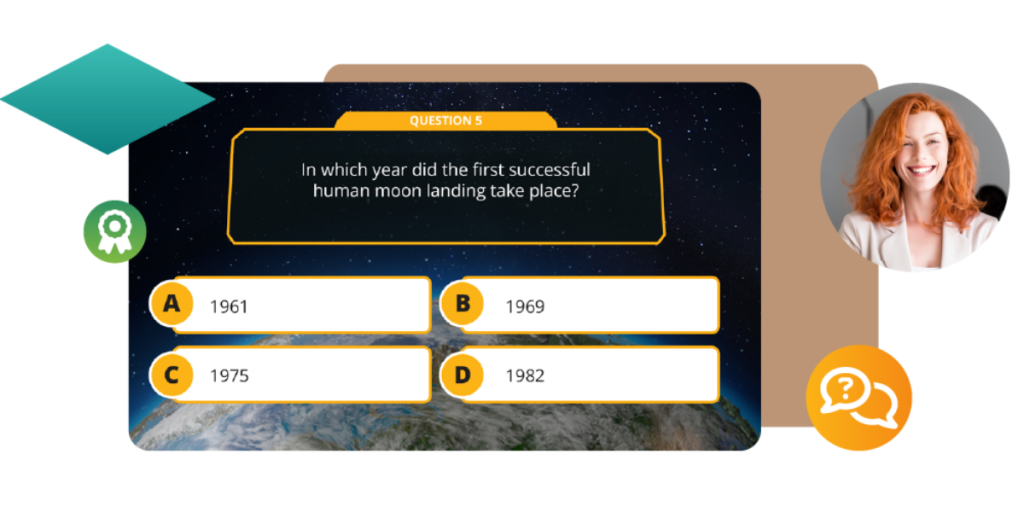
Developing challenges, quizzes, trivia, or scavenger hunts relevant to your event topic will help establish continuity throughout the virtual event while building your brand among your attendees. As mentioned above, this is accomplished during the planning phase of your virtual event, where you can use audience preferences combined with your theme to build every aspect of the gamification features down to the smallest detail.
Incorporating gamified elements throughout your event agenda and content will help maximize engagement while enabling attendees to foster lasting relationships. This will increase diversity, inclusivity, and connectivity for individuals from all over the world.
Offering incentives and rewards to motivate attendees to participate in gamified activities is a surefire way to get attendees excited about your virtual event. This can be accomplished via pre-event emails or texts, providing one to two examples of rewards while keeping the rest for the virtual event.
Examples of incentives and rewards include providing prizes, discounts, or exclusive access to high-scoring participants, which can be redeemable once the virtual event has concluded. This allows your attendees to maximize their participation in a safe and competitive environment while fostering relationships with individuals from all over the world.
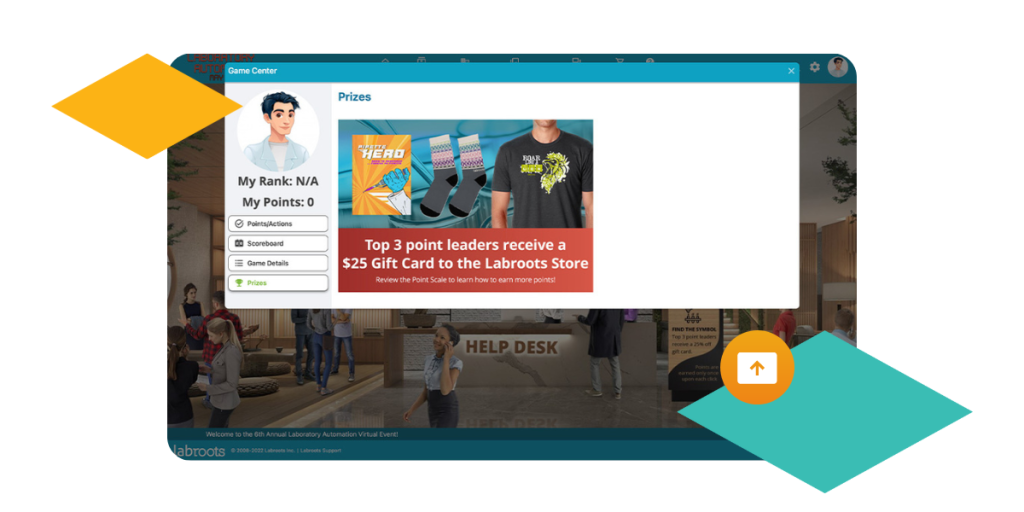
It cannot be understated how important it is to create a sense of achievement and recognition for participants who engage with gamification during your virtual event. This enables your attendees to foster lasting relationships while increasing diversity, inclusivity, and connectivity with individuals from all over the world.
Fostering healthy competition among attendees through leadership and rankings is another crucial aspect of your gaming experience that could maximize your attendees' participation throughout the virtual event. As noted above, this can be accomplished either publicly or privately, but it should be established during the planning phases of the virtual event and informed to your attendees beforehand.
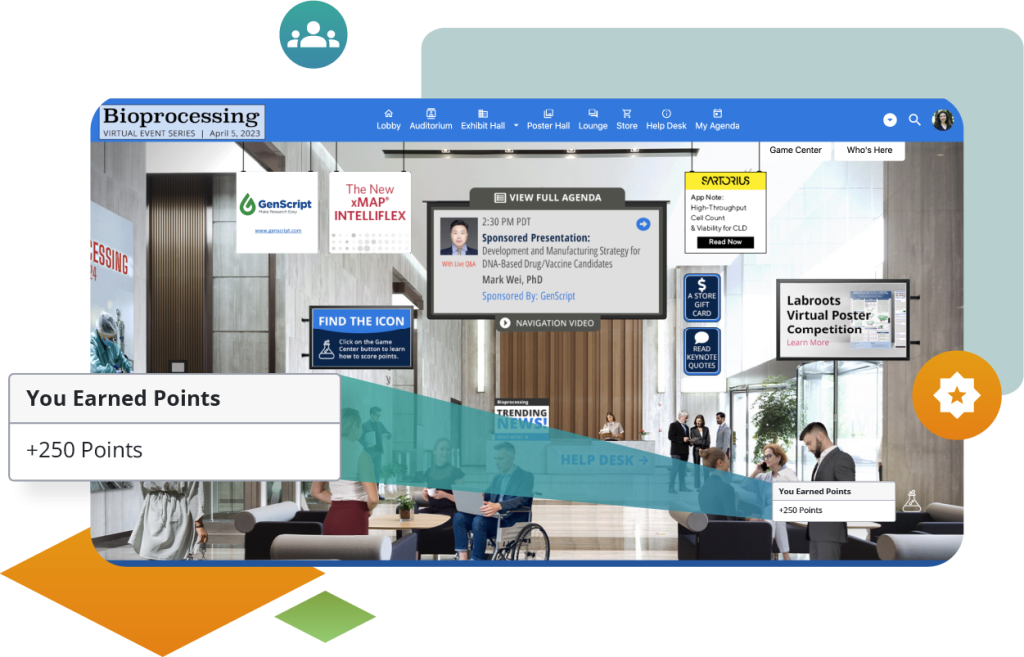
Additionally, encouraging collaboration and teamwork through group challenges and collaborative activities is an excellent way to maximize attendee participation throughout the virtual event. This can be accomplished via pre-event email reminders and periodic reminders throughout the virtual event. This increases diversity, inclusivity, and connectivity for individuals from across the globe while enabling them to foster lasting relationships.
Providing opportunities for attendees to connect and interact through gamified elements cannot be understated. This enables individuals from all personal and professional backgrounds to engage and connect while building your brand and helping them build their virtual networking skills.
Integration is essential for a successful virtual event and attendee experience. You can accomplish this by utilizing gamification features built into your virtual event platform or software prior to the event. You should test every aspect of the integrations several weeks to months in advance to ensure that everything is fully functional without flaws or bugs that could hinder your virtual event.

Also, exploring third-party gamification tools and platforms for enhanced engagement could serve as a primary or backup method for gamification should your integration strategies fail. As stated above, this can be accomplished during the virtual event's planning stages to ensure whether integration or a third party is more appropriate for your gamification needs.
Finally, it is recommended that you seamlessly integrate gamification elements into your event registration, sessions, and networking areas to maximize attendee engagement. This will help build your brand while enabling your attendees to develop their virtual networking skills.
As noted above, it is recommended to establish gamification elements and features during the virtual event's planning stages. Pre-event marketing can also generate excitement and anticipation for gamification. This can be accomplished via pre-event emails and surveys, along with creating social media accounts strictly for the virtual event itself.
Providing clear instructions and expectations for participating in gamified activities is essential to achieve a seamless experience for your attendees. As noted above, this can be accomplished during the planning stages of the virtual event via pre-event emails and texts, which will keep your attendees up to date with the latest information about your virtual event gaming experience.

It cannot be understated how important it is to use event communication channels to remind attendees about gamification opportunities throughout the event. This will ensure that both the event organizers and the attendees are on the same page regarding the gamification features, ensuring a seamless experience throughout the virtual event's duration.
During the virtual event, it is recommended that you track and analyze data related to gamification performance and engagement metrics to ascertain attendee participation and make on-the-fly changes for the current event or even for future events. This will maximize attendee engagement while helping them build their virtual networking skills.

This includes monitoring participation rates, points earned, and feedback from gamification participants to improve the gamification experience for everyone. This can be accomplished with support personnel and artificial intelligence software. This will ensure a constant dialogue between attendees and event organizers while increasing diversity, inclusivity, and connectivity for everyone.
Using data insights to identify successful gamification strategies and areas for improvement is vital for not only the current virtual event but also future virtual events. This ensures constant dialogue between event organizers and attendees while striving to improve gamification features in the short and long term.

Feedback is essential for improving future events, and gathering feedback from participants on their gamification experience is vital to improving both current and future virtual event engagement. We also recommended that you consistently experiment with new gamification ideas and adjust based on attendee preferences to ensure maximized engagement and improvement for those strategies.
The planning stages of a virtual event set the foundation for the event's goals. Evaluating gamification success based on key performance indicators (KPIs) and objectives will ensure you maximize attendee participation while building your brand and helping attendees achieve their goals.

This includes determining the return on investment (ROI) and impact of gamification on attendee engagement and event satisfaction. This will help ascertain what gamification strategies worked and which ones didn't achieve your goals. This will allow you to use insights to inform future event planning and gamification strategies, which will lead to increased diversity, inclusivity, and connectivity for everyone.
Here, we discussed strategies for incorporating gamification into your virtual event, including establishing clear goals and objectives, providing incentives and rewards, promoting the gamification experience before the event, and much more. We emphasize the importance of engagement and interaction in virtual events to create memorable and impactful virtual experiences for everyone through gamification.

We encourage our readers to implement gamification strategies in their virtual events to maximize attendee engagement and participation, build your brand, and enhance the attendees' virtual networking skills. Additionally, we invite readers' feedback and comments on how Chati can improve our gamification experience for our attendees. Contact Chati for further information regarding our gamification features and schedule a demo today!
Virtual events have become one of the most popular and ideal methods for polishing your networking skills and fostering new connections with individuals worldwide. Along with these attributes, virtual events are also excellent ways to build your brand through virtual event sponsorship. This is when a company (or companies) directly supports a virtual event through funding or other means. The virtual event returns the favor by mentioning their brand through brand exposure throughout the virtual event.
Here, we will discuss the top 10 benefits of virtual event sponsorship for brands and how you can use the next virtual event to help build your brand. So, let's get into it!
Virtual event sponsorship increases brand visibility and exposure, including swag bags, sponsored polls, surveys, logos, and banners displayed throughout the virtual event, and pre-event exposure through guest blogs, logo placement, brand mentions, and sponsored sessions. However, sponsoring virtual events that correspond with your brand is vital to maximize exposure. For example, if you are a biotechnology company, then focusing on biotech-related virtual events should be your goal to ensure you're reaching the right target audience.
The benefits of increased exposure to targeted audiences cannot be understated. Using virtual events to increase brand exposure is a win-win scenario for everyone. You increase brand awareness while increasing diversity, inclusivity, and connectivity for individuals worldwide.
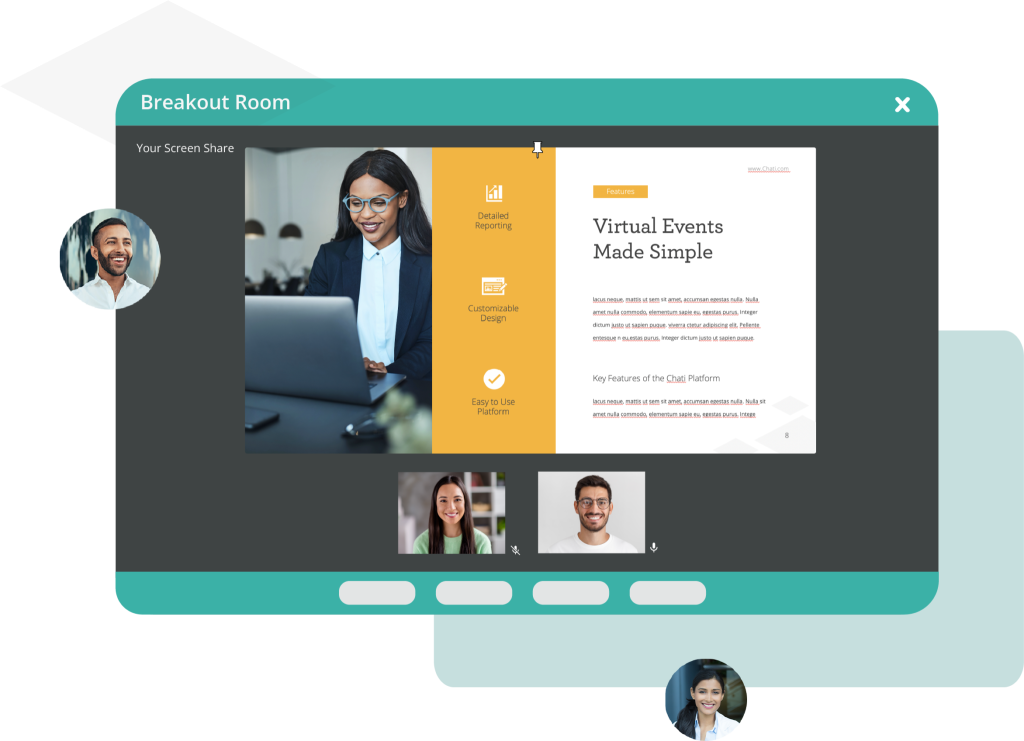
Virtual event sponsorship facilitates targeted audience engagement and lead generation by exposing your brand to potential future employees or clients. This results in lead generation for recruiting and other facets as well. This is one of the most crucial aspects of virtual event sponsorship, as it provides your company with the opportunity to generate leads for future employees or clients while requiring only a small investment on your part.
This is accomplished through sponsored contests, interactive booths, and virtual networking, which provides you with brand exposure while contributing to increased virtual networking opportunities for attendees and event organizers. This increases diversity, inclusivity, and connectivity for individuals worldwide.
The benefits of engaging with high-quality leads in virtual environments cannot be understated. These environments generate leads for potential future employees and clients while enabling virtual event attendees to improve their virtual networking skills with individuals from around the world.

Thought leadership is becoming a cornerstone of virtual events. Virtual event sponsorship positions brands as thought leaders and industry authorities through brand exposure and visibility. This makes virtual event attendees trustworthy, increasing the likelihood of them turning to your brand for future endeavors.
This is accomplished through sponsored speaking opportunities, panel discussions, and workshops, where individuals showcasing your brand can contribute to meaningful and impactful talks designed to share knowledge and ideas among attendees throughout the virtual event.
The benefits of establishing credibility and expertise in virtual event spaces cannot be understated. These spaces provide ample opportunities for thought leadership contributions while increasing diversity, inclusivity, and connectivity for individuals worldwide.
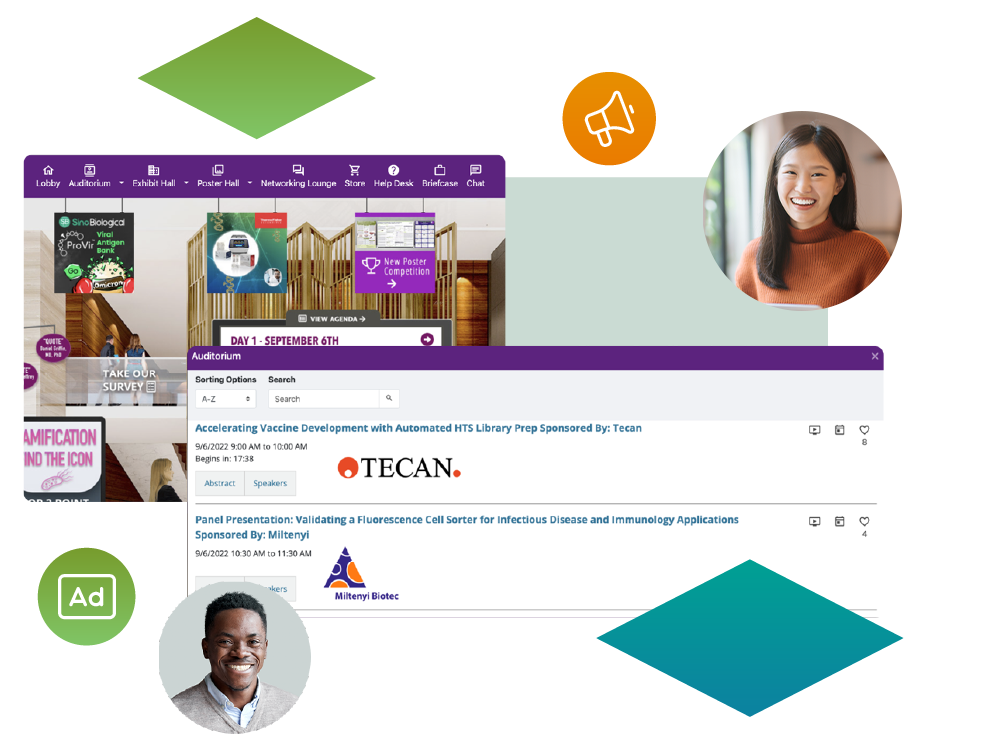
Virtual event sponsorship facilitates relationship-building and networking opportunities for individuals around the world, as they provide attendees with opportunities to chat with industry leaders and experts that lead to impactful discussions for everyone.
This is accomplished through features such as virtual lounges, one-on-one meetings, and networking events that take place throughout the virtual event. These provide attendees with ample networking opportunities to chat with each other and industry experts from the sponsored organization.
The benefits of building meaningful connections with attendees and industry peers cannot be understated. This helps improve networking opportunities for attendees while building brand awareness for the sponsor. In turn, this increases diversity, inclusivity, and connectivity for everyone.

Virtual event sponsorship offers cost-effective marketing and brand promotion for companies seeking to raise brand awareness or further establish their brand as a trustworthy brand. Additionally, this small investment in sponsoring a virtual event could increase marketing return on investment (ROI) through recruitment or future sponsorship opportunities.
Features such as lower sponsorship costs, reduced travel expenses, and digital marketing opportunities are ample ways to help build brand awareness. These provide virtual event incentives to sponsor your company for multiple virtual events.
The benefits of maximizing marketing ROI in virtual environments cannot be understated. Virtual event sponsorship allows companies to increase their brand awareness while making a small investment in the short and long term.
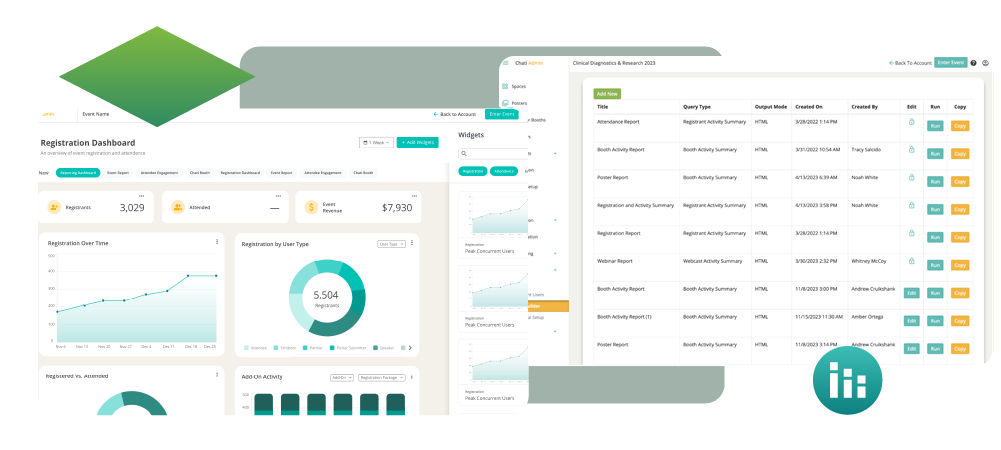
Virtual event sponsorship provides valuable data insights and analytics that enable sponsoring companies to monitor how well their sponsorship is contributing to the virtual event experience for everyone. This enables companies to ascertain what adjustments need to be made either during the current virtual event or future virtual events.
Features such as attendee engagement metrics, lead scores, and conversion tracking are excellent methods for tracking how well your sponsorship is impacting the virtual event. This enables companies to make on-the-spot adjustments or adjustments for future virtual events.
The benefits of data-driven decision-making for optimizing sponsorship strategies cannot be understated. Data-driven decision-making provides companies with the tools they need to make the best-informed decisions regarding their brand promotion, both during and after the virtual event.
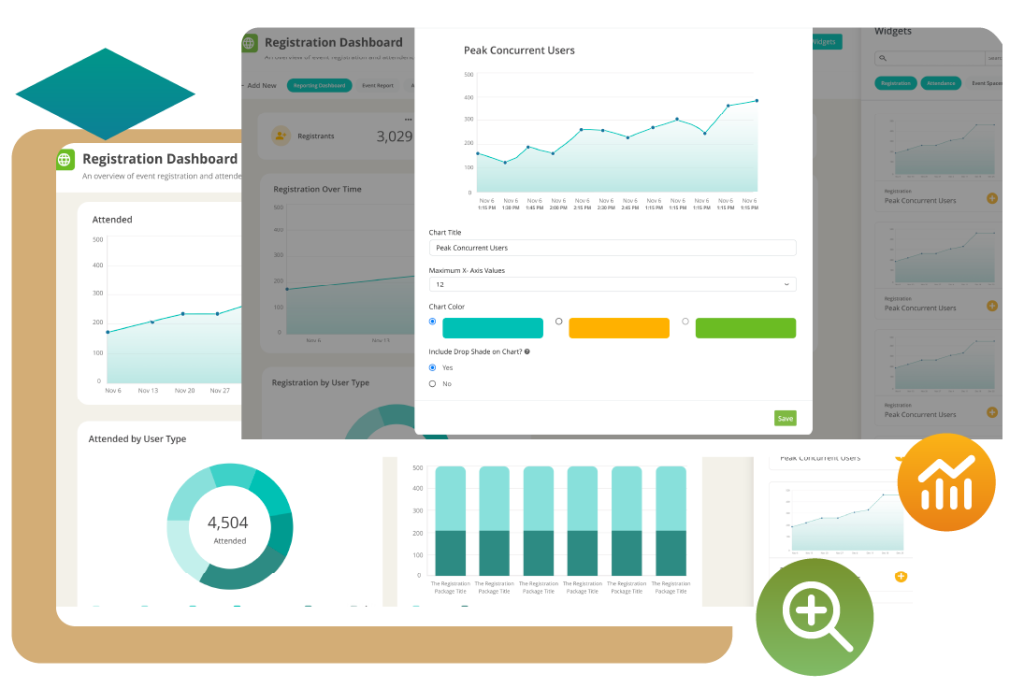
Virtual event sponsorship offers brands flexibility and customization options, enabling companies to prioritize brand promotion strategies leading up to and throughout the virtual event. This provides options for developing your sponsorship strategies that you can tweak and adjust along the way to provide the most impactful virtual event experience for everyone.
Features such as tailored sponsorship packages, branded virtual spaces, and custom content integration are vital strategies for achieving the most impactful brand promotion. They provide incentives for virtual event organizers to sponsor your brand for multiple virtual events.
The benefits of customizing sponsorship opportunities to fit brand objectives cannot be understated. These opportunities provide options for both current and future virtual events. In addition, this builds successful long-term relationships with virtual event organizers and attendees.
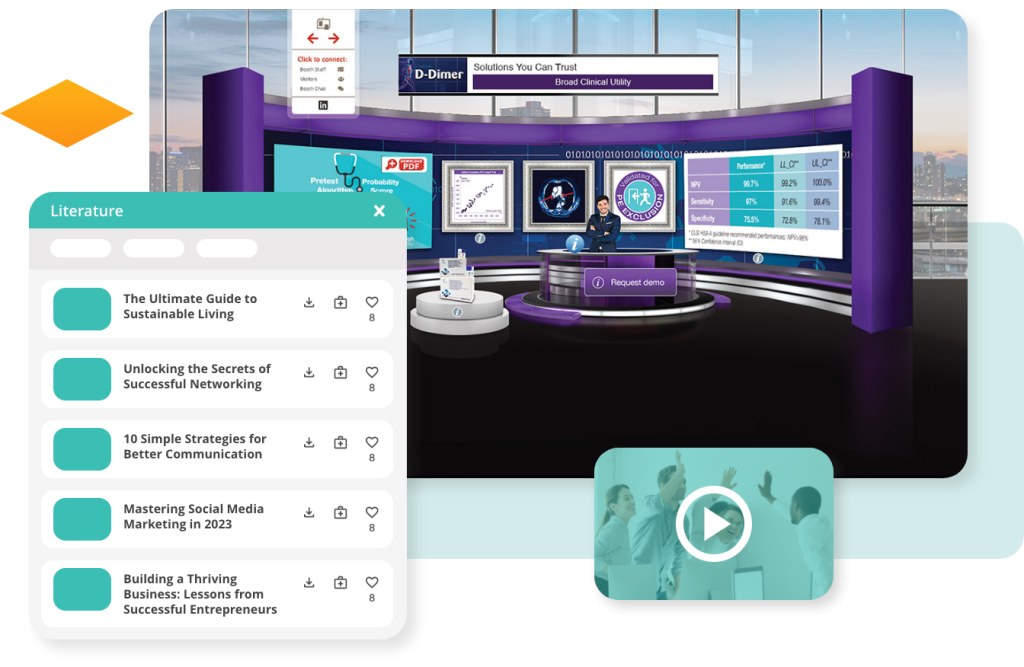
Virtual event sponsorship generates long-term brand awareness and recall by enabling virtual event organizers and attendees to rely on your brand for their future needs, whether for employment or sponsorship opportunities in other virtual events.
Features such as on-demand content, post-event marketing, and follow-up campaigns are vital to brand promotion strategies beyond the virtual event for individuals worldwide. By doing so, you maintain lasting relationships while building brand awareness for both the short and long term.
The benefits of sustained brand exposure and recall among attendees cannot be understated. This provides both attendees and virtual event organizers with the tools, resources, and strategies to make the best-informed decisions regarding brand promotion designed to last well beyond the sponsored virtual event.

Virtual event sponsorship delivers measurable ROI and performance metrics designed to maximize brand promotion and awareness while providing meaningful content for attendees to use to improve their virtual networking skills in the short and long term.
Features such as ROI tracking, attribution modeling, and performance dashboards are vital strategies for brand promotion and awareness that can be tailored to meet the needs of current and future virtual events, thus allowing for adjustments along the way.
The benefits of demonstrating tangible results and value to stakeholders cannot be understated. ROI and results lead to future virtual event sponsorships and increased brand awareness while also providing valuable means for attendees to improve their virtual networking skills.
Virtual event sponsorship facilitates brand alignment and partnerships by establishing and building long-term relationships with both virtual event companies and other sponsors. This leads to successful brand promotion and awareness while building lasting relationships with both virtual event companies and other sponsors.
Features such as co-branded events, strategic alliances, and joint marketing campaigns are excellent methods to build brand awareness and partnerships during and after the sponsorship. Through this, you maintain successful long-term relationships that enable future sponsorship opportunities with multiple virtual event sponsors.
The benefits of aligning with complementary brands to amplify reach and impact cannot be understated. Partnerships provide the means to build lasting relationships with individuals worldwide, which increases diversity, inclusivity, and connectivity for everyone.
Here, we discussed the top 10 benefits of virtual event sponsorship for brands that you can use to increase brand promotion and awareness while helping virtual event attendees improve their virtual networking skills. This includes cost-effective marketing, data and analytics, and partnerships.
We emphasize the importance of strategic sponsorship for brand growth and success, which can be used to build your brand and provide impactful virtual event experiences for individuals worldwide. Through this, you increase diversity, inclusivity, and connectivity for everyone.
Every company's goal is to build its brand, and virtual event sponsorship opportunities are excellent methods for accomplishing this while helping individuals worldwide build their own brands.

This blog encourages readers to explore virtual event sponsorship opportunities for their brands, enabling them to build and foster lasting relationships with companies and individuals worldwide.
We invite readers' feedback and comments on sponsorship strategies to improve current and future strategies designed to build brand awareness while helping attendees improve their virtual networking skills.
Please feel free to contact Chati for any questions and information regarding virtual event sponsorship strategies. We hope this blog was helpful in helping you develop your own strategies, as well.

