Discover how Chati's self-service licenses give you full control - build, update, and launch virtual events on your terms. Register for our free webinar today!
Virtual events are successful due to their myriads of features that help enhance attendee engagement throughout the event, with gamification becoming one of the cornerstone features designed to promote safe and friendly competition while building lasting relationships for individuals worldwide.
Here, we will discuss the various gamification strategies that you can implement for your next virtual event to promote friendly competition among your attendees. These strategies include using relevant gamification elements, trivia, providing incentives and rewards, integrating into your virtual event platform, and much more. By doing so, you increase diversity, inclusivity, and connectivity for everyone.
All endeavors begin with a solid foundation, and defining clear objectives for incorporating gamification in your virtual event is an essential first step in building an effective gamification strategy. This is accomplished during the planning stages of your virtual event, which often begins months before the event itself, as this provides ample time to adjust based on trends and other factors.

These factors include aligning gamification strategies with event goals and audience preferences, as gamification aims to promote attendee engagement. Therefore, gaining attendee insight before the virtual event via email surveys or other means is an excellent way to establish the types of gamification features that will maximize engagement throughout the virtual event.
Additionally, establishing key performance indicators (KPIs) for measuring gamification success is vital for determining which gamification features hit your engagement goals and which can be discarded during virtual or future virtual events.
Selecting gamification elements that align with your event theme and content will help you maintain continuity throughout the virtual event, enabling your attendees to stay engaged while building your brand. This is accomplished through establishing your event theme during the planning stages of the virtual event, which is recommended to occur months in advance.

Consider gamification mechanics such as points, badges, leaderboards, and challenges to incentivize participation among your attendees. This can be accomplished publicly or privately, but determining the best approach should be established before the virtual event when gauging audience preferences through email surveys or other means, along with informing your attendees beforehand.
Determining which gamification features resonate most with your attendees is essential for hosting a successful virtual event. Through this, you build camaraderie while fostering lasting relationships with individuals from all over the world.
When planning your virtual event, you should focus on creating engaging, gamified activities that encourage participation and interaction. This is accomplished by informing attendees about your gamification features leading up to the event and establishing a framework that enables them to come prepared to participate and engage throughout the virtual event.
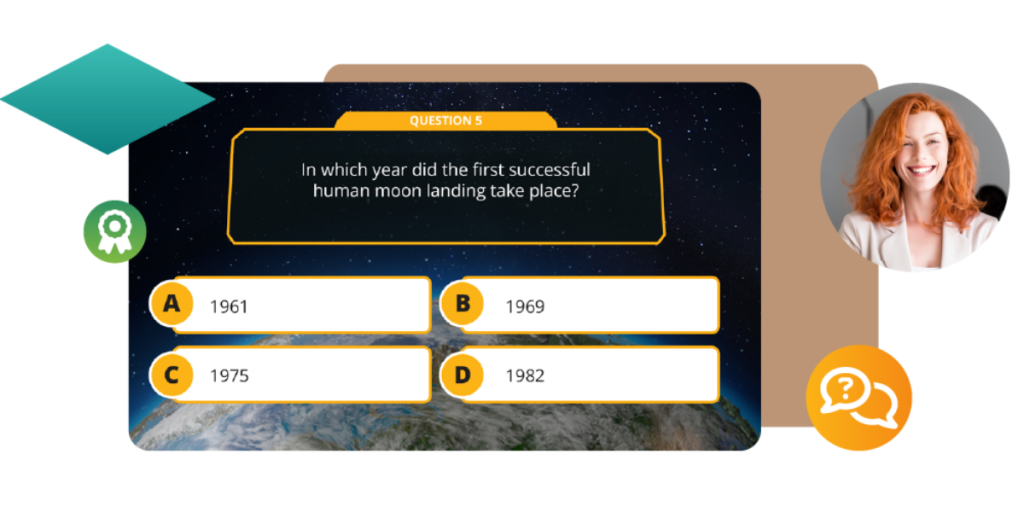
Developing challenges, quizzes, trivia, or scavenger hunts relevant to your event topic will help establish continuity throughout the virtual event while building your brand among your attendees. As mentioned above, this is accomplished during the planning phase of your virtual event, where you can use audience preferences combined with your theme to build every aspect of the gamification features down to the smallest detail.
Incorporating gamified elements throughout your event agenda and content will help maximize engagement while enabling attendees to foster lasting relationships. This will increase diversity, inclusivity, and connectivity for individuals from all over the world.
Offering incentives and rewards to motivate attendees to participate in gamified activities is a surefire way to get attendees excited about your virtual event. This can be accomplished via pre-event emails or texts, providing one to two examples of rewards while keeping the rest for the virtual event.
Examples of incentives and rewards include providing prizes, discounts, or exclusive access to high-scoring participants, which can be redeemable once the virtual event has concluded. This allows your attendees to maximize their participation in a safe and competitive environment while fostering relationships with individuals from all over the world.
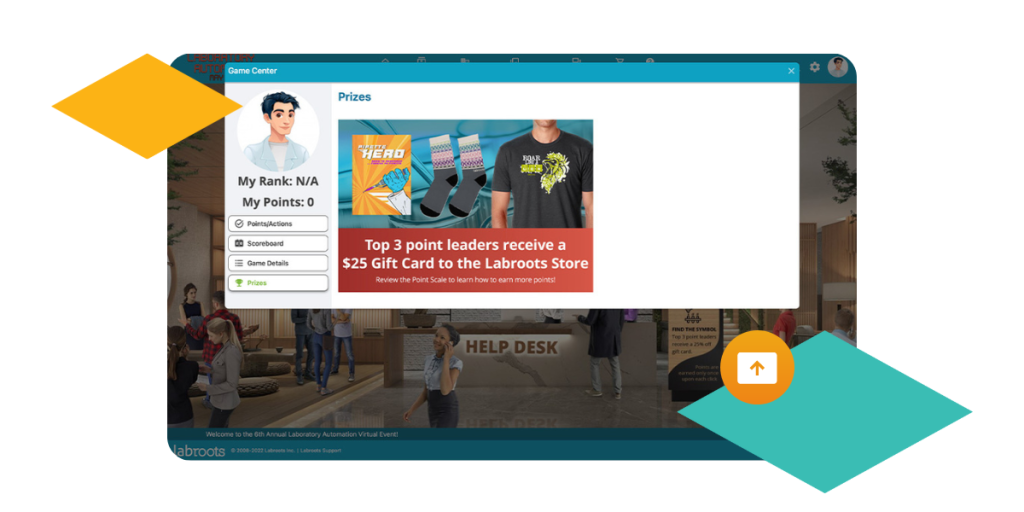
It cannot be understated how important it is to create a sense of achievement and recognition for participants who engage with gamification during your virtual event. This enables your attendees to foster lasting relationships while increasing diversity, inclusivity, and connectivity with individuals from all over the world.
Fostering healthy competition among attendees through leadership and rankings is another crucial aspect of your gaming experience that could maximize your attendees' participation throughout the virtual event. As noted above, this can be accomplished either publicly or privately, but it should be established during the planning phases of the virtual event and informed to your attendees beforehand.
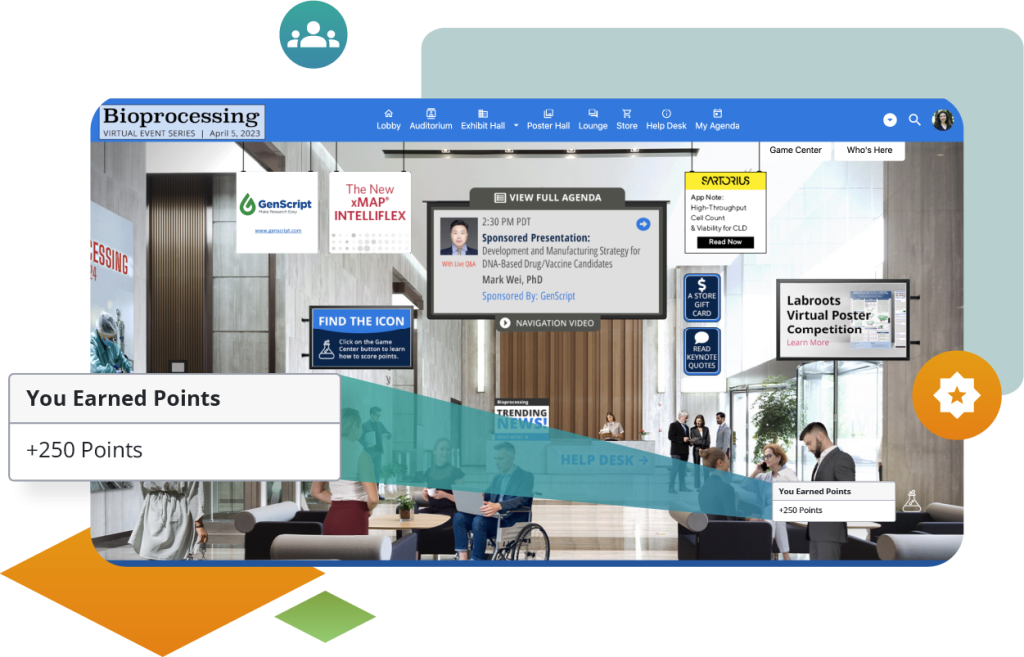
Additionally, encouraging collaboration and teamwork through group challenges and collaborative activities is an excellent way to maximize attendee participation throughout the virtual event. This can be accomplished via pre-event email reminders and periodic reminders throughout the virtual event. This increases diversity, inclusivity, and connectivity for individuals from across the globe while enabling them to foster lasting relationships.
Providing opportunities for attendees to connect and interact through gamified elements cannot be understated. This enables individuals from all personal and professional backgrounds to engage and connect while building your brand and helping them build their virtual networking skills.
Integration is essential for a successful virtual event and attendee experience. You can accomplish this by utilizing gamification features built into your virtual event platform or software prior to the event. You should test every aspect of the integrations several weeks to months in advance to ensure that everything is fully functional without flaws or bugs that could hinder your virtual event.

Also, exploring third-party gamification tools and platforms for enhanced engagement could serve as a primary or backup method for gamification should your integration strategies fail. As stated above, this can be accomplished during the virtual event's planning stages to ensure whether integration or a third party is more appropriate for your gamification needs.
Finally, it is recommended that you seamlessly integrate gamification elements into your event registration, sessions, and networking areas to maximize attendee engagement. This will help build your brand while enabling your attendees to develop their virtual networking skills.
As noted above, it is recommended to establish gamification elements and features during the virtual event's planning stages. Pre-event marketing can also generate excitement and anticipation for gamification. This can be accomplished via pre-event emails and surveys, along with creating social media accounts strictly for the virtual event itself.
Providing clear instructions and expectations for participating in gamified activities is essential to achieve a seamless experience for your attendees. As noted above, this can be accomplished during the planning stages of the virtual event via pre-event emails and texts, which will keep your attendees up to date with the latest information about your virtual event gaming experience.

It cannot be understated how important it is to use event communication channels to remind attendees about gamification opportunities throughout the event. This will ensure that both the event organizers and the attendees are on the same page regarding the gamification features, ensuring a seamless experience throughout the virtual event's duration.
During the virtual event, it is recommended that you track and analyze data related to gamification performance and engagement metrics to ascertain attendee participation and make on-the-fly changes for the current event or even for future events. This will maximize attendee engagement while helping them build their virtual networking skills.

This includes monitoring participation rates, points earned, and feedback from gamification participants to improve the gamification experience for everyone. This can be accomplished with support personnel and artificial intelligence software. This will ensure a constant dialogue between attendees and event organizers while increasing diversity, inclusivity, and connectivity for everyone.
Using data insights to identify successful gamification strategies and areas for improvement is vital for not only the current virtual event but also future virtual events. This ensures constant dialogue between event organizers and attendees while striving to improve gamification features in the short and long term.

Feedback is essential for improving future events, and gathering feedback from participants on their gamification experience is vital to improving both current and future virtual event engagement. We also recommended that you consistently experiment with new gamification ideas and adjust based on attendee preferences to ensure maximized engagement and improvement for those strategies.
The planning stages of a virtual event set the foundation for the event's goals. Evaluating gamification success based on key performance indicators (KPIs) and objectives will ensure you maximize attendee participation while building your brand and helping attendees achieve their goals.

This includes determining the return on investment (ROI) and impact of gamification on attendee engagement and event satisfaction. This will help ascertain what gamification strategies worked and which ones didn't achieve your goals. This will allow you to use insights to inform future event planning and gamification strategies, which will lead to increased diversity, inclusivity, and connectivity for everyone.
Here, we discussed strategies for incorporating gamification into your virtual event, including establishing clear goals and objectives, providing incentives and rewards, promoting the gamification experience before the event, and much more. We emphasize the importance of engagement and interaction in virtual events to create memorable and impactful virtual experiences for everyone through gamification.

We encourage our readers to implement gamification strategies in their virtual events to maximize attendee engagement and participation, build your brand, and enhance the attendees' virtual networking skills. Additionally, we invite readers' feedback and comments on how Chati can improve our gamification experience for our attendees. Contact Chati for further information regarding our gamification features and schedule a demo today!
The importance of engagement in virtual events cannot be understated. Virtual events are designed to connect individuals worldwide while sharing knowledge and ideas to build a better tomorrow. Additionally, engaging in virtual events provides ample opportunities for you to grow both personally and professionally. You can potentially enhance your career while improving your virtual networking skills along the way.
Here, we will discuss a list of dos and don'ts for improving engagement in your virtual events. These will help your attendees achieve their maximum potential in building their virtual networks and meeting great people from all over the world. These include strategies for content, gamification, technical considerations, and much more.

Offering various engagement channels, such as live Q&As, polls, and chat rooms, enables greater interaction and connectivity between your attendees, creating meaningful and impactful discussions throughout the virtual event. This increases diversity, inclusivity, and connectivity for individuals worldwide.
Additionally, encouraging attendees to participate through interactive elements is a surefire way to start meaningful and impactful conversations throughout the virtual event. This can be accomplished through pre-event email reminders and periodic reminders throughout the virtual event.
Facilitating networking opportunities to foster meaningful connections between attendees, event organizers, and guest speakers allows everyone to share knowledge and ideas, resulting in a more diverse and inclusive world.
Delivering high-quality and relevant content to keep attendees engaged is a must for any virtual event. It provides avenues to start meaningful and impactful discussions that have the potential to continue long after the virtual event has concluded.
Offering educational workshops, thought-provoking discussions, and inspiring keynotes is another vital avenue for value-added content, as it enables your attendees to engage with each other and potential guest speakers throughout the virtual event. Through this, you help your attendees improve their virtual networking experience and skills, resulting in increased job opportunities and personal growth that could extend long after the virtual event.
Tailoring content to address attendee needs and interests enables you to create a structured virtual environment built around producing meaningful and impactful discussions that could extend long after the virtual event has concluded, which increases diversity, inclusivity, and connectivity for individuals worldwide.
Introducing gamification to make engagement fun and rewarding allows your attendees to engage in an informal setting while encouraging healthy competition for everyone. It is encouraged to inform your attendees about the gamification features before the virtual event through pre-event emails so they can better prepare for them.
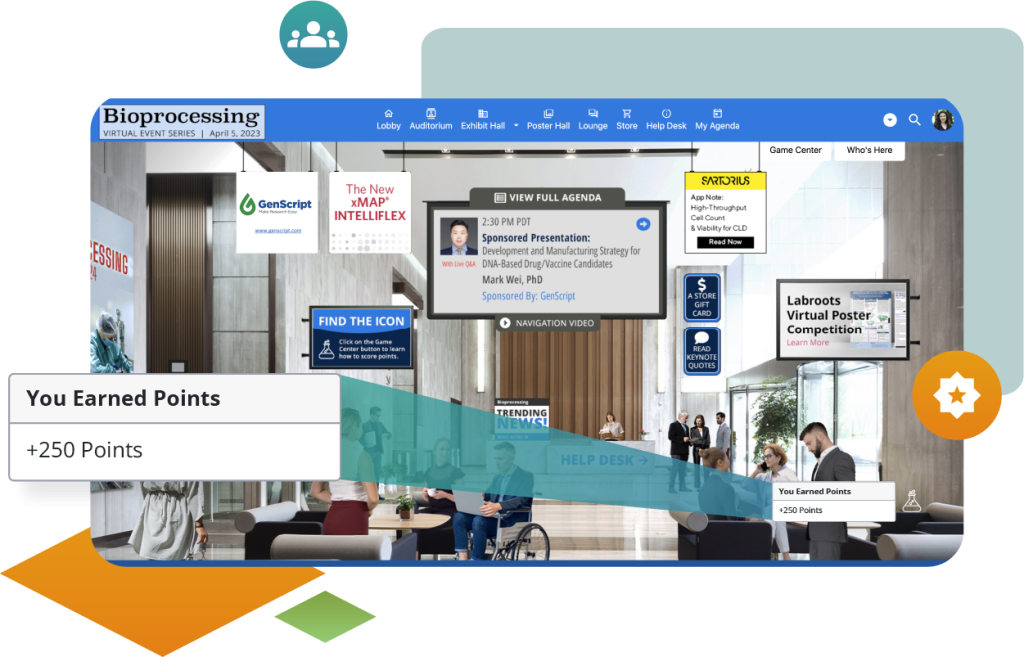
Implementing challenges, competitions, and leaderboards to encourage participation enables your attendees to engage with each other, specifically if the gamification is team-oriented. This helps increase diversity, inclusivity, and connectivity for everyone.
Offering prizes and incentives to motivate attendees to engage is a surefire way to keep them motivated throughout the virtual event. These can include gift cards, online discounts, or merchandise your attendees can redeem immediately after the virtual event.
The cornerstone of virtual events is creating opportunities for attendees to connect and build relationships. These events provide individuals worldwide with opportunities to develop their virtual networking skills to help build a better tomorrow. This is accomplished with breakout rooms, one-on-one chat rooms, the aforementioned live Q&As, and gamification, which aim to create impactful discussions and engagement for everyone.
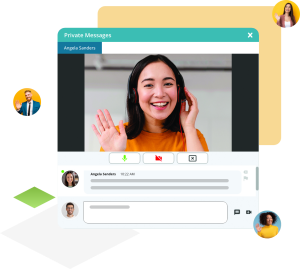
Improving attendee engagement can be accomplished through facilitating virtual networking sessions, group discussions, and social activities through pre-event emails or periodic reminders throughout the virtual event.
Encouraging collaboration and idea sharing among attendees helps start meaningful and impactful discussions that will last long after the virtual event has concluded. This fosters lasting relationships between attendees while enabling them to improve their virtual networking skills.
Promoting attendee interaction throughout the virtual event can be accomplished through the aforementioned periodic reminders and by beginning discussions organically in chat rooms or live Q&As. This ensures your attendees stay engaged and interact with other attendees, which provides opportunities to help them improve their virtual networking skills and experience.
Additionally, prompting attendees to ask questions, share insights, and provide feedback throughout the virtual event enables them to stay engaged with each other and the event organizers.
Recognizing and appreciating attendees' contributions and engagement is vital to not only hosting a successful virtual event but also building a better tomorrow. The discussions you create during your virtual event will resonate long after the virtual event has concluded. Through this, you help build a more diverse, inclusive, and connected world for everyone.

Virtual events are information hubs designed to help individuals worldwide achieve their personal or professional goals, but you still want to avoid overloading attendees with too much content or data. This prevents potentially turning away attendees who might have planned to stay for the entire event, so keeping content or data to bite-sized amounts is recommended to avoid over saturation.
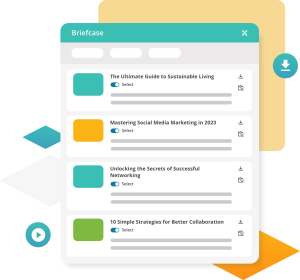
This leads to prioritizing quality over quantity when planning sessions and presentations, as the impact of the content far outweighs the amount of content being delivered to your attendees. While most keynote speakers are scheduled for 60 minutes, if you can provide enough content for your attendees to achieve their goals with a 30-minute keynote, the former is recommended.
Finally, providing opportunities for attendees to digest and reflect on information is vital to their personal and professional growth. This means providing breaks during the virtual event while also encouraging them to process everything once the virtual event has concluded so they can ascertain the best course of action regarding the next steps once they processed their experience.
Ensuring a smooth and seamless technical experience for attendees will guarantee everyone a more meaningful and immersive experience. Through this, your attendees can stay focused on the virtual event content and their virtual networking goals without unnecessary distractions that could occur throughout the virtual event.
Testing technology and equipment to identify and address potential issues before the event helps alleviate concerns for attendees, event organizers, and keynote speakers regarding whether they can deliver and receive valuable content. This includes double-checking all content and internet connections to ensure all glitches have been addressed, and you should encourage your attendees to double-check their internet connections as well.

Before the virtual event, providing clear instructions and support channels for attendees facing technical challenges will also help alleviate concerns regarding the delivery and reception of vital content. This can be accomplished with pre-event emails and periodic reminders throughout the event that attendees can access should technical problems arise.
To maximize inclusion for your virtual event, it is strongly recommended that you consider accessibility requirements for attendees with disabilities. This can be accomplished through pre-event emails and surveys that enable you to gain appropriate feedback on attendee preferences.
Providing closed captioning, interpretation services, and other accommodations as needed will ensure attendees have the same impactful experience. This can be accomplished through artificial intelligence software or by having support personnel provide the captions of interpretations. Additionally, gathering information on other accommodations is vital to providing your attendees with the help they need to maximize their experience.
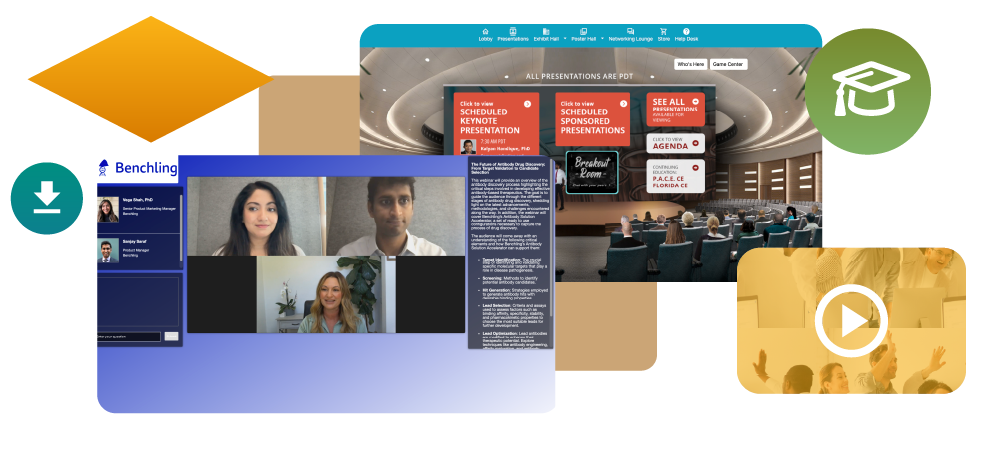
During the virtual event, content and communication channels are accessible to all attendees, ensuring they have the help they need should any problems arise, whether technical glitches or other concerns. This ensures your attendees have the most impactful experience possible while helping them grow their virtual network and connect with individuals worldwide.
When building your virtual event, engagement should be a priority throughout the event planning process, as your goal is to enable your attendees to build their virtual network while achieving personal and professional growth.
This includes allocating sufficient resources and efforts to promote engagement and interaction, such as pre-event emails and surveys and periodic reminders throughout the virtual event. This ensures your attendees remain focused on engaging with each other, enabling them to grow their virtual network while achieving personal and professional growth.
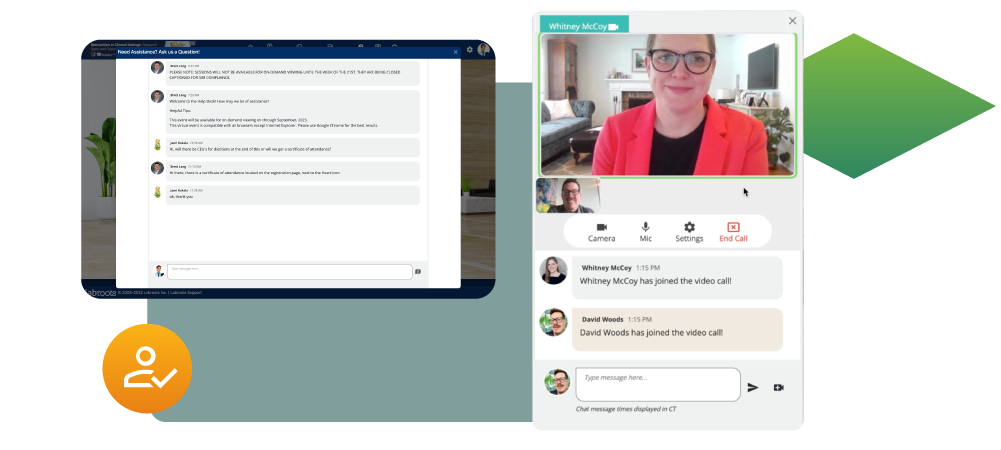
Continuously monitoring engagement metrics and adjusting strategies as needed will help demonstrate adaptability should any problems arise. Through this, you avoid negatively impacting your attendees from maximizing their engagement experience and can be accompanied by artificial intelligence or support personnel available throughout the virtual event.
Gathering feedback and insights from attendees throughout the virtual event is vital to ensuring they maximize their experience. This can be accomplished with open support channels or periodically asking your attendees about their experience.

Using feedback to identify areas for improvement and innovation is crucial not only for the current virtual event but also for the success of future virtual events. This can be accomplished during the virtual event or through post-event emails and surveys, where your attendees can share insights on their experiences.
While feedback is essential for improvement, demonstrating responsiveness to attendee input and suggestions instills confidence in your attendees that you take their suggestions seriously. Thank you emails that identify their concerns and steps that have been taken can also accomplish this.
Here, we discussed the dos and don'ts of virtual event engagement to provide suggestions for hosting meaningful and impactful experiences for individuals worldwide. From content to technical considerations to feedback, this list will enable you to host an engaging and insightful virtual event from which individuals worldwide can learn and grow.
We wish to emphasize the importance of effective engagement strategies for event success. Virtual events have become the cornerstone of connecting with individuals worldwide while enabling them to expand their virtual networks and grow personally and professionally.
As noted, virtual events aim to create meaningful and memorable events experiences through engagement, and we are confident that you will come away from this with a new sense of purpose and vigor to host the most impactful virtual events possible.

We strongly encourage readers to implement engagement best practices in their virtual events. This will enable attendees to achieve their virtual networking goals while also achieving personal and professional growth.
We invite feedback and comments from readers to share their ideas and experiences regarding virtual events, enabling everyone to grow and learn from each other and building a more diverse, inclusive, and connected world.
Please contact Chati if you have any questions or further inquiries regarding virtual events. We encourage you to share your ideas with us anytime.

