Discover how Chati's self-service licenses give you full control - build, update, and launch virtual events on your terms. Register for our free webinar today!
Virtual events allow individuals worldwide to engage and participate in meaningful discussions, thus providing them with the necessary tools and resources to build their virtual networks and achieve their personal and professional goals.
Here, we will discuss 10 creative ideas for virtual networking sessions that you can use to connect with great people and grow your network, including virtual networking games, roundtable discussions, coaching sessions, and interactive surveys, to name a few. Through this, we are confident you will have the necessary tools to connect with individuals worldwide while building your virtual network for both the short and long term.
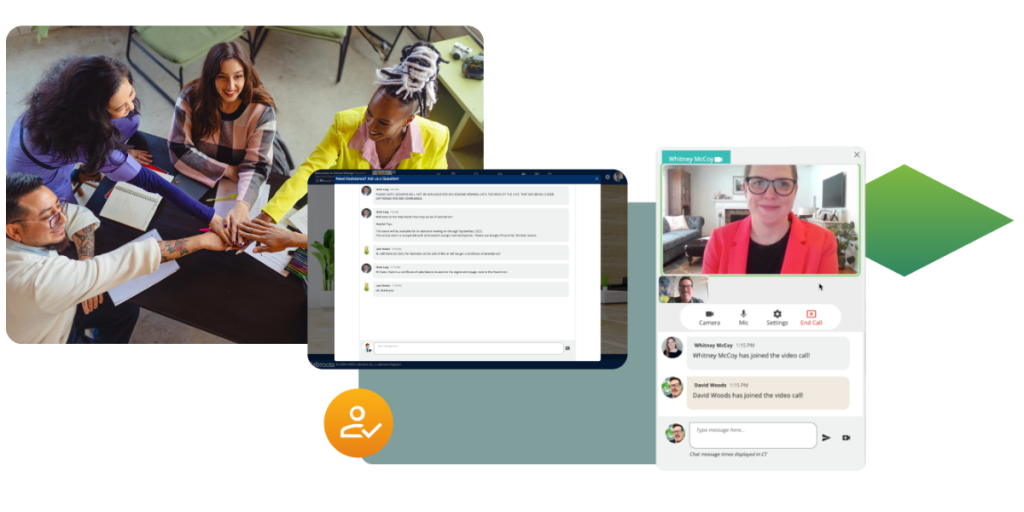
Speed networking is a concept developed to meet great people in pairs or small groups for short periods. This enables attendees to briefly introduce themselves, share bits, exchange contact information, and move on. While brief, these interactions can open the doors for lasting relationships with individuals worldwide.
We also recommend exploring techniques like rotating breakout rooms, timed introductions, and icebreaker questions, providing attendees with additional opportunities to briefly introduce themselves and enabling them to create those connections and build their virtual network.
The benefits of facilitating quick and meaningful connections among attendees cannot be understated, as these brief interactions can lead to lasting relationships without requiring them to engage for prolonged periods.
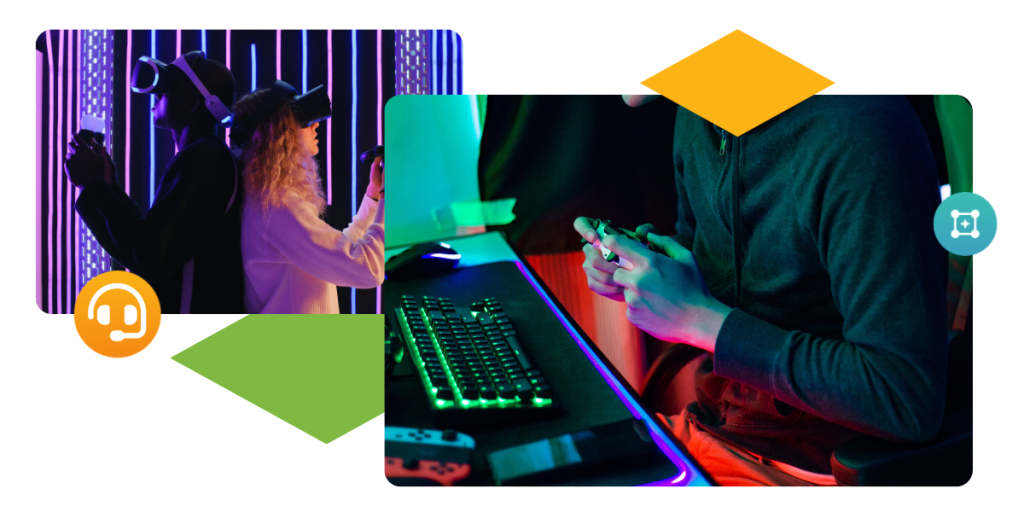
Using virtual networking games and gamification to foster engagement is an excellent way to connect with great people, as this provides a safe and fun environment designed to promote healthy competition among attendees. These can be done individually or in teams, providing even more opportunities to connect with other attendees in an informal atmosphere.
Explore games like trivia challenges, scavenger hunts, and bingo to diversify your attendees’ experience and enable them to build their virtual network in myriad ways. Additionally, designing these games around the theme of the virtual event will allow your attendees to share something in common while fostering lasting relationships for years to come.
The benefits of adding gamification elements to networking sessions for increased interaction and fun cannot be understated, as this provides attendees with a safe and fun environment promoting healthy competition where they can build their virtual network with individuals worldwide.

Taking breaks is essential in life, and themed networking breaks to spark conversation is another excellent way to connect with other attendees in an informal setting away from the chaos of the virtual event. These breaks can be between 10-15 minutes, where attendees can relax and share their thoughts on the virtual event, along with sharing information about themselves.
These themes can include industry trends, career development, and personal interests, where attendees can share their common interests. For example, industry trends consist of the latest research highlights, career development can include more efficient job applications, and personal interests might include hobbies outside the field.
The benefits of tailoring networking sessions to attendee preferences and interests are limitless, as they allow attendees to engage with each other in an informal setting where they can share knowledge and ideas outside of the chaos of the virtual event.

For more formal settings, expert-led roundtable discussions for knowledge sharing are an excellent way for attendees to engage while a field expert leads a predetermined discussion. This enables attendees to engage in a structured environment to discuss topics like industry insights, best practices, and emerging trends in academia or industry. Additionally, this provides attendees with the opportunity to ask questions about the expert’s career path, which enables attendees to make better-informed decisions about their own careers, as well.
The benefits of facilitating thoughtful discussions and peer learning opportunities cannot be understated, as they allow attendees to engage with each other and experts in a formal and structured setting. Through this, they can share and gain knowledge about their careers while building their virtual network with individuals worldwide.
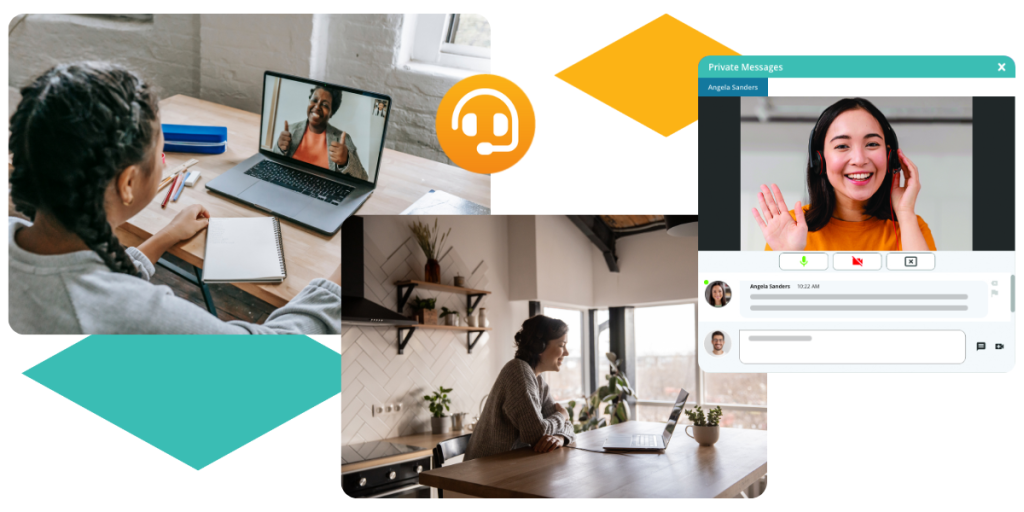
Everyone loves coffee, and virtual events are an excellent way to have informal virtual coffee chats for networking among your attendees where they can share research insights, career advice, and personal information in a safe and fun environment. Additionally, they can share their favorite coffee and how they take it, too!
These coffee breaks can be done through random pairings, casual conversations, and coffee-themed icebreakers where attendees can engage and share knowledge about their lives and careers, enabling them to build virtual networks in informal settings.
The benefits of creating a relaxed environment for building relationships and connections cannot be understated, as they provide attendees with safe and fun atmospheres where knowledge sharing and impactful engagement can be achieved away from the chaos of the virtual event.

Mentorship and coaching sessions in virtual networking are excellent ways to provide your attendees with career advice from industry experts, enabling them to gain impactful knowledge about job applications, career paths, and how they can achieve their goals. These can include one-on-one meetings, group workshops, and panel discussions where attendees can engage in live Q&As while sharing knowledge.
Providing attendees with guidance, support, and learning opportunities is ideal for personal and professional growth and helps them build virtual networks with individuals worldwide. Through this, you increase diversity, inclusivity, and connectivity with everyone.

Virtual networking lounges for informal conversations are a surefire way to spark engagement among attendees, where they can share career insights, personal information, and professional goals away from the chaos of the virtual event. These can be accomplished with open spaces, lounge music, and virtual backgrounds that promote a healthy and fun atmosphere where engagement and impactful discussions lead to building virtual networks with individuals worldwide.
Dedicated casual networking and socializing spaces are excellent ways to keep your attendees engaged while helping them achieve their personal and professional goals. They provide an informal setting while promoting healthy conversations where attendees can share knowledge and learn from each other.

Interactive polls and surveys to spark engagement are excellent ways to keep your attendees engaged throughout the virtual event. These can be accomplished individually or in groups, with the latter being the ideal way to spark engagement among attendees. This can include topics like event feedback, industry trends, and audience preferences, which can be established during the planning process before the virtual event, and attendees can be informed about them via periodic emails or reminders throughout the virtual event.
Gathering insights and generating discussion through real-time feedback are excellent ways to keep your attendees engaged while obtaining information regarding the virtual event and how future events can be improved. Your virtual event will grow and flourish like your attendees’ careers and goals through this.

To complement the aforementioned speed networking sessions, speed mentoring sessions for skill development are excellent ways for attendees to meet and briefly engage with field experts regarding career advice and how to achieve their personal and professional goals. This can be accomplished through rotating mentorship pairings, quick advice sessions, and skill-based matchmaking, which can also be established during the planning process of the virtual event so the right attendees can be matched with the right experts to achieve maximum engagement and impact.
The benefits of offering mentorship opportunities for professional growth and networking are plentiful, as they provide attendees with the tools and insights needed to achieve their personal and professional goals while connecting with individuals worldwide.

To complement the gamification above, virtual networking challenges to encourage participation are an excellent way to spark engagement among attendees designed to promote healthy competition in a safe and fun environment. These challenges can include networking bingo, connection quizzes, and social media sharing, where attendees can engage in an informal setting while sharing knowledge and personal information.
Adding a competitive element to networking sessions for increased engagement is an excellent way to maintain engagement and participation among your attendees in an informal setting while promoting healthy competition. Through this, your attendees can build their virtual network while connecting with individuals worldwide.
Conclusion
Here, we discussed the top 10 creative ideas for virtual event networking sessions, including speed networking, roundtable discussions, gamification, networking lounges, mentoring sessions, and much more. Through this, you will have the tools and resources to engage with attendees at your next virtual event while building your virtual network with individuals worldwide.
We emphasize the importance of creating meaningful connections and building relationships in virtual environments, as these provide attendees ample opportunities to connect with great people and develop their virtual networks while fostering lasting relationships with individuals worldwide.
Finally, leveraging creative networking ideas to enhance virtual events is also an excellent way to provide fun and exciting engaging experiences for attendees in formal and informal settings and a fun and safe environment for everyone.

We encourage readers to implement creative networking ideas in their virtual events to spark meaningful discussions among your attendees, enable them to build their virtual networks, and achieve their personal and professional goals.
We invite readers to contact Chati for feedback and comments on networking strategies and to determine if Chati fits your networking needs.
Please get in touch with Chati for further inquiries, networking strategies, and information regarding how our platform can help you achieve your virtual networking needs.
Virtual events have become the mainstream method of building your virtual network, which involves connecting with individuals worldwide. With chat sessions, live Q&As, gamification, and other interactive features connecting remote event attendees like never before. However, as with everything in the virtual sphere, the importance of security and data privacy in virtual events cannot be understated. Knowing you’ve covered all your virtual security bases ensures that event organizers and attendees can remain focused on engagement and connectivity without worrying about infringement by outside parties.
Here, we will discuss the best practices regarding security and data privacy in virtual events, including risk management, access controls, encryption, educational tools, incident response, regulations, and financial transactions. This will help virtual event organizers and attendees take the appropriate steps to ensure their virtual experiences are protected and secured long before and long after the virtual event has started.
The first step is assessing potential security risks and threats to your virtual events, accomplished during the planning stages several months before the virtual event. These threats are caused by cybercriminals aiming to obtain sensitive information, including personal information, payment credentials, intellectual property, etc.

Identifying vulnerabilities in event platforms, communication channels, and data storage is essential to understanding your security weaknesses and what steps need to be taken to mitigate threats. Take care of this several months before your event during the planning stages, allowing virtual event organizers ample time to address all vulnerabilities before the event.
It is vital to prioritize security measures based on risk assessment findings as soon as possible, ensuring the most appropriate strategies are formulated to address the highest vulnerabilities to organizers and attendees. This includes identifying the data or information that will be exchanged the most, whether personal, financial, or company information.
It is essential to require strong passwords and multi-factor authentication for attendee access to ensure that several entrance safeguards are needed to attend the virtual event. Additionally, attendees must access certain features of the virtual event that could result in high data exchange. This ensures that your attendees feel safe and confident that their information is secure throughout the entire virtual event.

Additionally, limiting access to event platforms and features based on user role and permissions is essential to ensure safety and security throughout the virtual event. For example, certain features might only be accessible for event organizers and administrators to conduct behind-the-scenes fixes during the live portion of the virtual event.
Finally, monitoring and auditing user activity is vital to detect unauthorized access attempts by outside parties, specifically cybercriminals. This ensures people access the right areas and features, thus maintaining peak security.
Encrypting data transmission and storage to protect against unauthorized access is vital for ensuring event organizers and attendees' data privacy and security throughout the entire virtual event. This enables extra levels of protection against cybercriminals who wish to target personal information, and encryption strategies are recommended to be implemented during the virtual event's planning stages.

We recommend using secure communication channels and encryption protocols for event communication for event organizers and attendees throughout the entire virtual event to ensure extra data privacy for everyone.
Remember, it’s vital to ensure compliance with data encryption standards and regulations outlined by federal and state authorities to ensure the data encryption you are using for your virtual event contains the appropriate safeguards and security measures to keep your data safe throughout the virtual event.
It’s important to choose virtual event platforms and technologies with strong security features for all your virtual events. This includes choosing a platform that has the necessary data encryption and security protocols in place to provide your attendees with the safest virtual environment possible.
Keeping software and systems updated with security patches and updates is essential to ensure maximum security for your virtual event. This keeps you one step ahead of cybercriminals adapting to current software, and potentially accessing personal information from either the organizers or attendees.
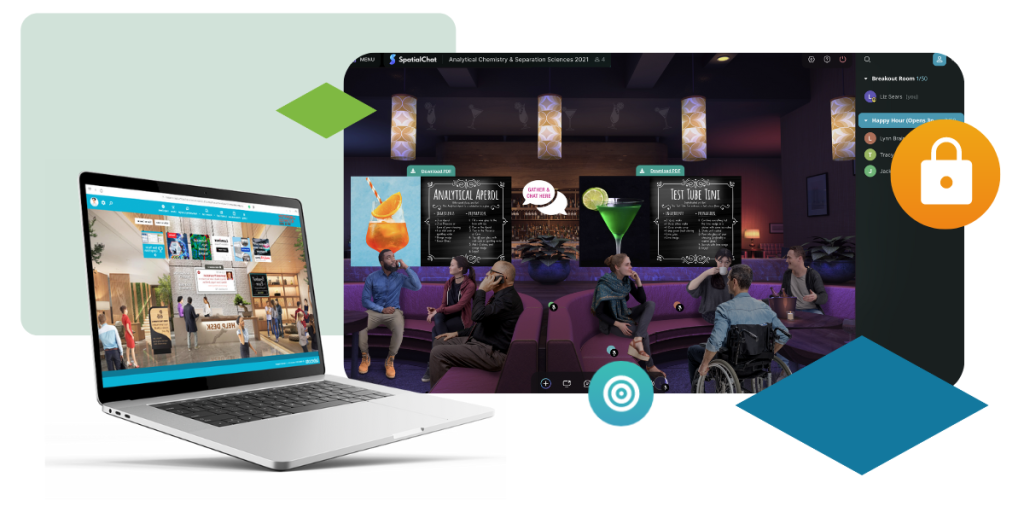
Like all software, it is vital to regularly test and audit event platforms for security vulnerabilities to ensure your software can withstand many attacks from cybercriminals. This includes performing regular exercises in the event of a cyberattack, so you know what strategies need to be implemented to mitigate all threats.
Educating all personnel on data security is essential for a successful virtual event, which includes providing training and awareness programs on security risks and prevention measures. Through this, all parties are on the same page regarding implemented strategies in the event of a cyberattack and ensure extra safety in case one occurs.

This also includes educating staff and attendees on phishing scams, social engineering tactics, and cybersecurity threats, ensuring they have the necessary tools and knowledge to combat cyber threats of all kinds before, during, and after the virtual event.
This way, you promote vigilance and accountability for security practices among event participants throughout the event, ensuring your attendees remain steadfast in sharing their data and information to prevent it from falling into the wrong hands.
In a security incident, it is vital to implement incident response plans and procedures for security breaches to ensure a seamless virtual event and no interruptions that might cause concern among attendees and organizers. These security procedures can be outlined several months in advance during the planning stages of the virtual event while ensuring they are implemented by the appropriate individuals should an incident occur during the virtual event.

This includes monitoring event activity and network traffic for anomalies and suspicious behavior throughout the virtual event, either by artificial intelligence or support personnel overseeing the virtual event.
Establishing clear communication channels and protocols for reporting security incidents cannot be understated. The goal is to maintain a seamless virtual event experience for everyone without interrupting pertinent features and engagement activities.
Regulations help keep things in order, so it's vital to ensure compliance with data protection laws and regulations, such as the General Data Protection Regulation (GDPR) or California Consumer Privacy Act (CCPA), to ensure you are maintaining appropriate safeguards and strategies designed to protect your virtual event from outside cyber threats.
Obtaining consent for data collection, processing, and usage from event participants before the virtual event is essential and ensuring that everyone is on the same page regarding security protocols is a necessary step to take. This can generally be accomplished before the virtual event through email reminders and periodic reminders throughout the virtual event.

Implementing data retention and deletion policies to safeguard attendee privacy is paramount for a successful virtual event. This ensures that both organizers and attendees are aware of strategies and protocols for protecting data privacy throughout the virtual event.
Online payments, whether registration, ticketing, or merchandise, have become commonplace in virtual events. Therefore, secure payment gateways and encryption protocols for processing transactions are paramount for mitigating cyberattacks against your attendees and their personal information.
Focus on protecting attendee financial data and payment information from unauthorized access by outside sources, including cybercriminals who will try and sell that information to third parties. This can be accomplished either through artificial intelligence software or support personnel throughout the virtual event, thus ensuring an extra level of safeguards against privacy breaches.

Consider compliance with Payment Card Industry Data Security Standard (PCI DSS) standards and payment security regulations an essential part of ensuring your protocols are current and can mitigate any cyber threats that could negatively impact your virtual event.
Like the software tests mentioned above, regular security audits and penetration testing to identify vulnerabilities are essential for maintaining readiness for any cyber threat during your virtual event. We recommend that you perform such audits several times before the virtual event to ensure they are operating at maximum capacity.

Additionally, assessing event security controls and measures for effectiveness and compliance is vital for ensuring a safe and secure virtual event. This can be accomplished both before and during the virtual event to ensure all operations are functioning normally.
By making continuous improvements to event security based on audit findings and recommendations you'll ensure maximum safeguards are in place during a potential security breach. This way, your attendees feel safe about sharing their data with individuals from all over the world.
Transparency is vital in any relationship, and providing information to attendees on security measures and data privacy practices is essential for maintaining trust between virtual event organizers and attendees throughout the virtual event.

Communicate proactively about security incidents, breaches, or data privacy concerns that might arise during the virtual event with your staff and attendees. By doing so, you maintain open dialogue with your attendees while ensuring that all security breaches are appropriately handled quickly and effectively.
Building trust and confidence among attendees through transparent and open communication is essential for maintaining lasting relationships with individuals worldwide, resulting in increased diversity, inclusivity, and connectivity for everyone.
Here, we discussed the best practices for ensuring virtual event security and data privacy remain at the forefront for event organizers and attendees. This included risk assessment, encryption, monitoring threats, transparency, and regulations, just to name a few. This will maintain trust between event organizers and attendees, which helps foster lasting relationships for individuals from all over the world.
We emphasize the importance of proactive security measures and compliance for your virtual events to avoid attendees having their personal and financial information stolen by cybercriminals. Therefore, safeguarding attendee information should be at the forefront of maintaining virtual event integrity for everyone. Through this, you help instill an environment built on safety and security where your attendees are free to share data and information without fear of it getting stolen by outside sources.

We encourage readers to implement security best practices in their virtual events, thus safeguarding against cybercriminals who wish to steal personal information for their gain. We invite feedback and comments from readers regarding their own data privacy strategies and protocols that could potentially be used to help safeguard future virtual events from cyber criminals.
Please feel free to contact Chati for further inquiries regarding data privacy and security for virtual events. We are always available to discuss such topics in detail and the steps Chati has taken to maintain data privacy throughout our virtual events.
Virtual events are successful due to their myriads of features that help enhance attendee engagement throughout the event, with gamification becoming one of the cornerstone features designed to promote safe and friendly competition while building lasting relationships for individuals worldwide.
Here, we will discuss the various gamification strategies that you can implement for your next virtual event to promote friendly competition among your attendees. These strategies include using relevant gamification elements, trivia, providing incentives and rewards, integrating into your virtual event platform, and much more. By doing so, you increase diversity, inclusivity, and connectivity for everyone.
All endeavors begin with a solid foundation, and defining clear objectives for incorporating gamification in your virtual event is an essential first step in building an effective gamification strategy. This is accomplished during the planning stages of your virtual event, which often begins months before the event itself, as this provides ample time to adjust based on trends and other factors.

These factors include aligning gamification strategies with event goals and audience preferences, as gamification aims to promote attendee engagement. Therefore, gaining attendee insight before the virtual event via email surveys or other means is an excellent way to establish the types of gamification features that will maximize engagement throughout the virtual event.
Additionally, establishing key performance indicators (KPIs) for measuring gamification success is vital for determining which gamification features hit your engagement goals and which can be discarded during virtual or future virtual events.
Selecting gamification elements that align with your event theme and content will help you maintain continuity throughout the virtual event, enabling your attendees to stay engaged while building your brand. This is accomplished through establishing your event theme during the planning stages of the virtual event, which is recommended to occur months in advance.

Consider gamification mechanics such as points, badges, leaderboards, and challenges to incentivize participation among your attendees. This can be accomplished publicly or privately, but determining the best approach should be established before the virtual event when gauging audience preferences through email surveys or other means, along with informing your attendees beforehand.
Determining which gamification features resonate most with your attendees is essential for hosting a successful virtual event. Through this, you build camaraderie while fostering lasting relationships with individuals from all over the world.
When planning your virtual event, you should focus on creating engaging, gamified activities that encourage participation and interaction. This is accomplished by informing attendees about your gamification features leading up to the event and establishing a framework that enables them to come prepared to participate and engage throughout the virtual event.
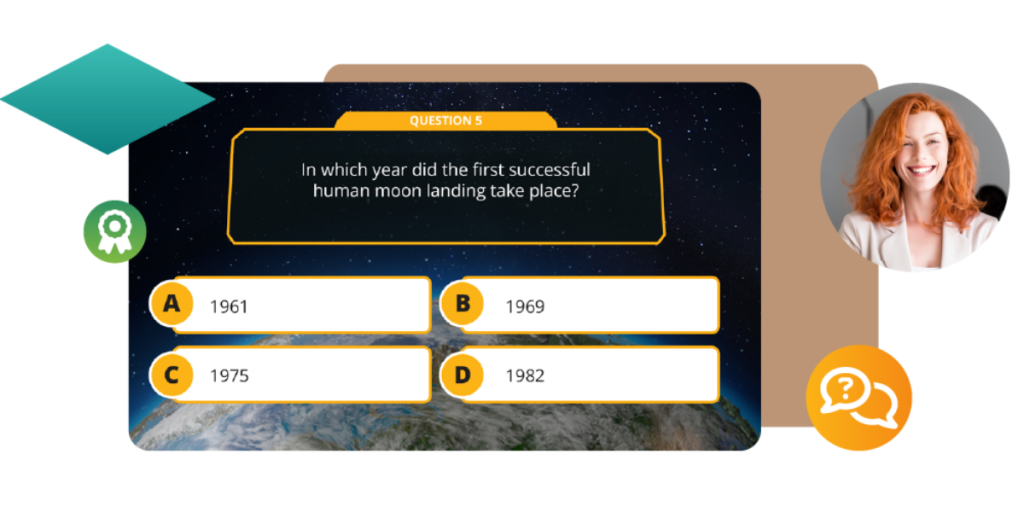
Developing challenges, quizzes, trivia, or scavenger hunts relevant to your event topic will help establish continuity throughout the virtual event while building your brand among your attendees. As mentioned above, this is accomplished during the planning phase of your virtual event, where you can use audience preferences combined with your theme to build every aspect of the gamification features down to the smallest detail.
Incorporating gamified elements throughout your event agenda and content will help maximize engagement while enabling attendees to foster lasting relationships. This will increase diversity, inclusivity, and connectivity for individuals from all over the world.
Offering incentives and rewards to motivate attendees to participate in gamified activities is a surefire way to get attendees excited about your virtual event. This can be accomplished via pre-event emails or texts, providing one to two examples of rewards while keeping the rest for the virtual event.
Examples of incentives and rewards include providing prizes, discounts, or exclusive access to high-scoring participants, which can be redeemable once the virtual event has concluded. This allows your attendees to maximize their participation in a safe and competitive environment while fostering relationships with individuals from all over the world.
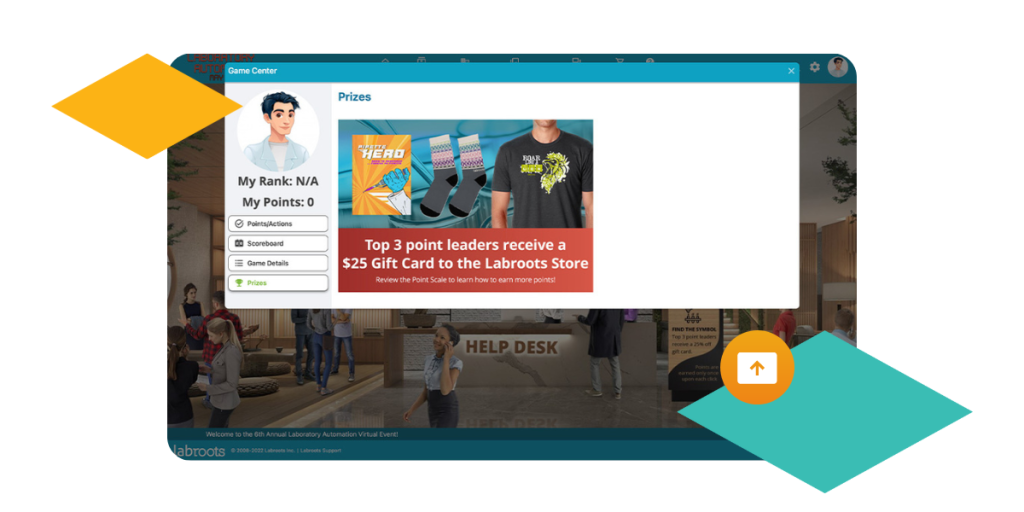
It cannot be understated how important it is to create a sense of achievement and recognition for participants who engage with gamification during your virtual event. This enables your attendees to foster lasting relationships while increasing diversity, inclusivity, and connectivity with individuals from all over the world.
Fostering healthy competition among attendees through leadership and rankings is another crucial aspect of your gaming experience that could maximize your attendees' participation throughout the virtual event. As noted above, this can be accomplished either publicly or privately, but it should be established during the planning phases of the virtual event and informed to your attendees beforehand.
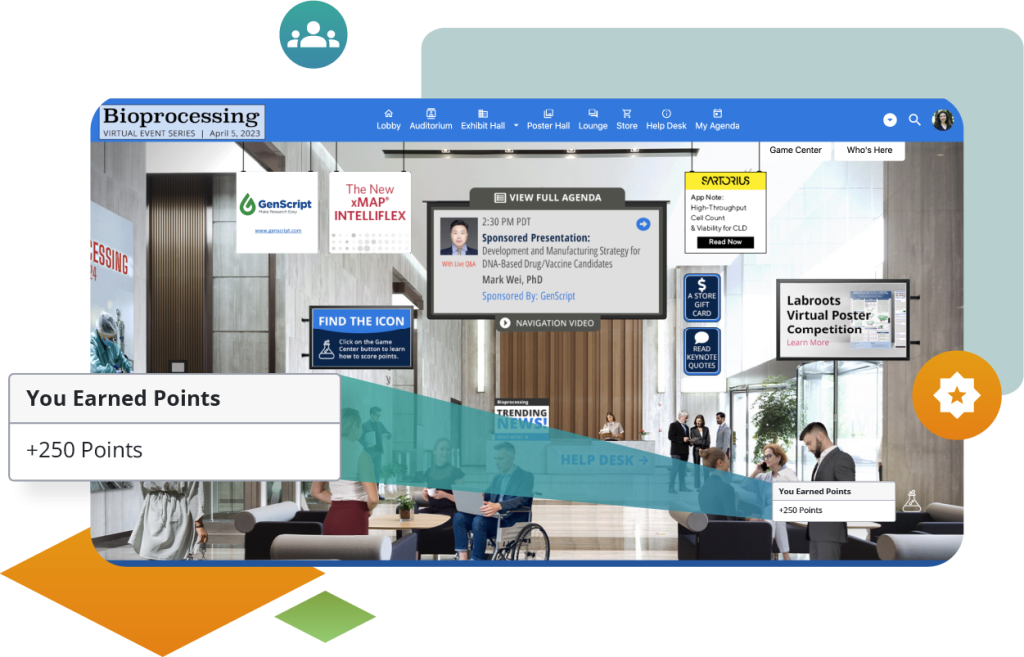
Additionally, encouraging collaboration and teamwork through group challenges and collaborative activities is an excellent way to maximize attendee participation throughout the virtual event. This can be accomplished via pre-event email reminders and periodic reminders throughout the virtual event. This increases diversity, inclusivity, and connectivity for individuals from across the globe while enabling them to foster lasting relationships.
Providing opportunities for attendees to connect and interact through gamified elements cannot be understated. This enables individuals from all personal and professional backgrounds to engage and connect while building your brand and helping them build their virtual networking skills.
Integration is essential for a successful virtual event and attendee experience. You can accomplish this by utilizing gamification features built into your virtual event platform or software prior to the event. You should test every aspect of the integrations several weeks to months in advance to ensure that everything is fully functional without flaws or bugs that could hinder your virtual event.

Also, exploring third-party gamification tools and platforms for enhanced engagement could serve as a primary or backup method for gamification should your integration strategies fail. As stated above, this can be accomplished during the virtual event's planning stages to ensure whether integration or a third party is more appropriate for your gamification needs.
Finally, it is recommended that you seamlessly integrate gamification elements into your event registration, sessions, and networking areas to maximize attendee engagement. This will help build your brand while enabling your attendees to develop their virtual networking skills.
As noted above, it is recommended to establish gamification elements and features during the virtual event's planning stages. Pre-event marketing can also generate excitement and anticipation for gamification. This can be accomplished via pre-event emails and surveys, along with creating social media accounts strictly for the virtual event itself.
Providing clear instructions and expectations for participating in gamified activities is essential to achieve a seamless experience for your attendees. As noted above, this can be accomplished during the planning stages of the virtual event via pre-event emails and texts, which will keep your attendees up to date with the latest information about your virtual event gaming experience.

It cannot be understated how important it is to use event communication channels to remind attendees about gamification opportunities throughout the event. This will ensure that both the event organizers and the attendees are on the same page regarding the gamification features, ensuring a seamless experience throughout the virtual event's duration.
During the virtual event, it is recommended that you track and analyze data related to gamification performance and engagement metrics to ascertain attendee participation and make on-the-fly changes for the current event or even for future events. This will maximize attendee engagement while helping them build their virtual networking skills.

This includes monitoring participation rates, points earned, and feedback from gamification participants to improve the gamification experience for everyone. This can be accomplished with support personnel and artificial intelligence software. This will ensure a constant dialogue between attendees and event organizers while increasing diversity, inclusivity, and connectivity for everyone.
Using data insights to identify successful gamification strategies and areas for improvement is vital for not only the current virtual event but also future virtual events. This ensures constant dialogue between event organizers and attendees while striving to improve gamification features in the short and long term.

Feedback is essential for improving future events, and gathering feedback from participants on their gamification experience is vital to improving both current and future virtual event engagement. We also recommended that you consistently experiment with new gamification ideas and adjust based on attendee preferences to ensure maximized engagement and improvement for those strategies.
The planning stages of a virtual event set the foundation for the event's goals. Evaluating gamification success based on key performance indicators (KPIs) and objectives will ensure you maximize attendee participation while building your brand and helping attendees achieve their goals.

This includes determining the return on investment (ROI) and impact of gamification on attendee engagement and event satisfaction. This will help ascertain what gamification strategies worked and which ones didn't achieve your goals. This will allow you to use insights to inform future event planning and gamification strategies, which will lead to increased diversity, inclusivity, and connectivity for everyone.
Here, we discussed strategies for incorporating gamification into your virtual event, including establishing clear goals and objectives, providing incentives and rewards, promoting the gamification experience before the event, and much more. We emphasize the importance of engagement and interaction in virtual events to create memorable and impactful virtual experiences for everyone through gamification.

We encourage our readers to implement gamification strategies in their virtual events to maximize attendee engagement and participation, build your brand, and enhance the attendees' virtual networking skills. Additionally, we invite readers' feedback and comments on how Chati can improve our gamification experience for our attendees. Contact Chati for further information regarding our gamification features and schedule a demo today!
Virtual events are driven by engagement and connectivity, so the importance of interactive content cannot be understated. This is accomplished through interactive displays via artificial intelligence or virtual reality, which enables your attendees to engage with an avatar or a real person while providing them with an immersive experience that they can share with others.
Here, we will present a myriad of strategies and best practices for producing interactive content that we are confident will take your next virtual event to new heights of engagement and allow your attendees to immerse themselves like never before. These strategies include knowing your audience, interactive workshops, live demos, gamification, and more. Through this, your next virtual event will help increase diversity, inclusivity, and connectivity for individuals worldwide.
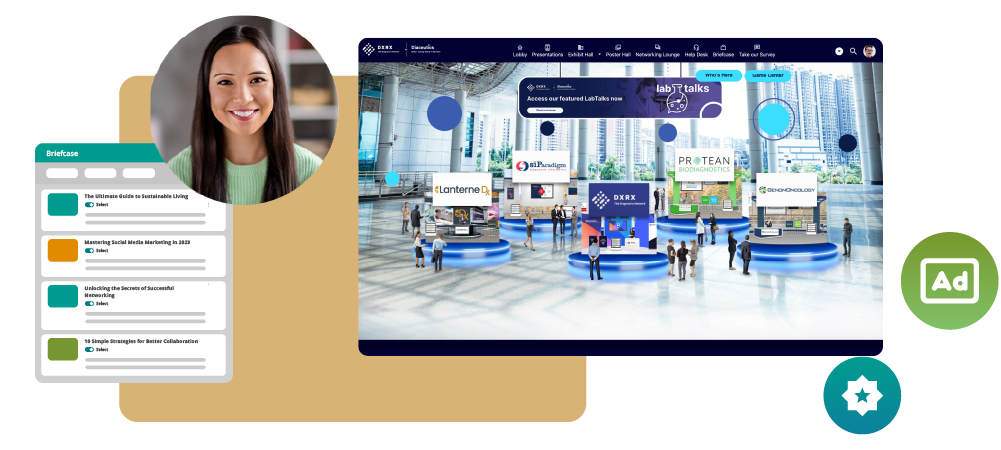
All public engagement requires knowing your audience, including understanding attendee preferences and expectations. You can get this level of understanding through pre-event surveys and emails asking your attendees their personal and professional goals for attending your upcoming virtual event, which will provide you with the necessary tools and resources to craft compelling content to suit their needs. Through this, you are tailoring content to address audience needs and interests by gathering feedback and insights to inform content creation, leading to increased diversity, inclusivity, and connectivity for everyone.

Interactive content includes multimedia elements like videos, animations, and slideshows. These provide your attendees with next-level immersion through visuals, enabling them to stay engaged throughout the virtual event and want more.
Other examples of interactive content include utilizing interactive polls, quizzes, and surveys to engage attendees. This provides attendees with various opportunities to increase their interactivity and multimedia content.
Finally, encouraging audience participation through Q&A sessions and discussions is an excellent strategy to keep your audience engaged and interacting with each other throughout the virtual event. This is accomplished through pre-event emails, periodic posts, and reminders throughout the virtual event, as Q&A sessions are excellent ways for your attendees to engage with speakers and each other. Through this, you increase diversity, inclusivity, and connectivity for everyone.

Providing hands-on learning experiences for attendees enables them to improve engagement and interaction while providing attendees with the necessary educational opportunities to build their virtual network.
Facilitating group collaboration and problem-solving activities throughout your virtual event allows your attendees to enhance their abstract thinking skills while engaging with other attendees, potential guests, and speakers.
Incorporating interactive tools and software for virtual workshops is an excellent strategy for enhancing interactive workshops and breakout sessions. These provide your attendees with the opportunity to enhance their engagement skills while building their virtual network with individuals worldwide.

Along with providing engagement opportunities, your virtual event enables you to demonstrate products or services in real-time, enabling your attendees to learn about your brand throughout the event. However, it’s vital that you showcase your products sparingly throughout the virtual event so your attendees can stay focused on engaging with other attendees and guests since their goal is to build their virtual network.
Allowing attendees to interact with demonstrators and ask questions is a vital component of enhancing their engagement skills while building their virtual network. This will encourage a safe environment of active learning and cohesiveness while enabling your attendees to build their virtual network with demonstrators and guest speakers.
Finally, providing opportunities for attendees to try out features or tools is an excellent strategy to keep them engaged and ask what else your virtual event offers. This allows you to learn more about your attendees’ preferences and expectations for future virtual events in real-time, thus saving time on post-event surveys and questionnaires.
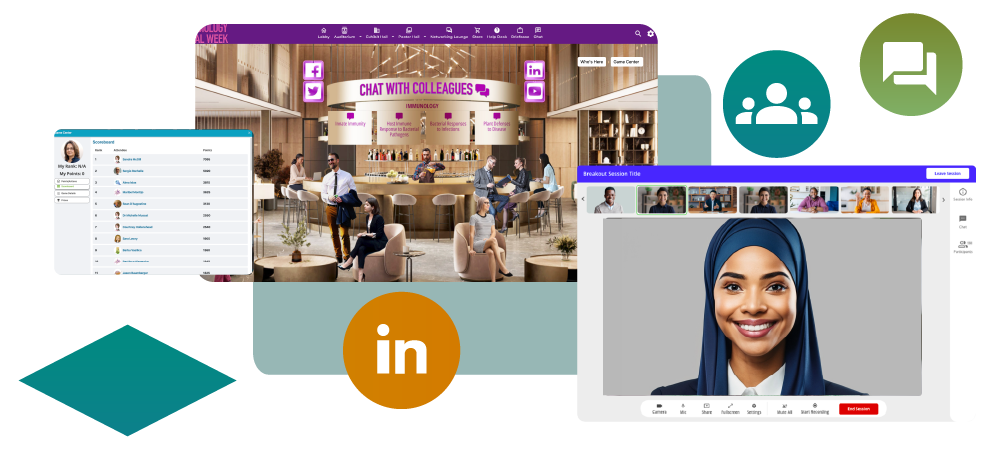
Virtual events are designed for attendees to enhance their virtual networking skills, and creating virtual networking lounges and breakout rooms allows them to engage with other attendees and guests one-on-one and in real-time. This enhances the virtual event experience while increasing diversity, inclusivity, and connectivity for individuals worldwide.
Another example of facilitating networking opportunities is offering structured networking activities and icebreakers that your attendees can use to engage with other attendees and guests in real time. With icebreakers, you can begin the discussion by asking your attendees to introduce themselves and share something interesting, which increases diversity, inclusivity, and connectivity for everyone. This provides a safe and secure learning environment while enabling your attendees to build their virtual network.
Finally, encouraging attendees to connect and exchange contact information is an excellent strategy for helping them build their virtual network beyond the virtual event. Through this, they can share knowledge and ideas in an informal capacity, which leads to enhanced career opportunities while improving their engagement skills.
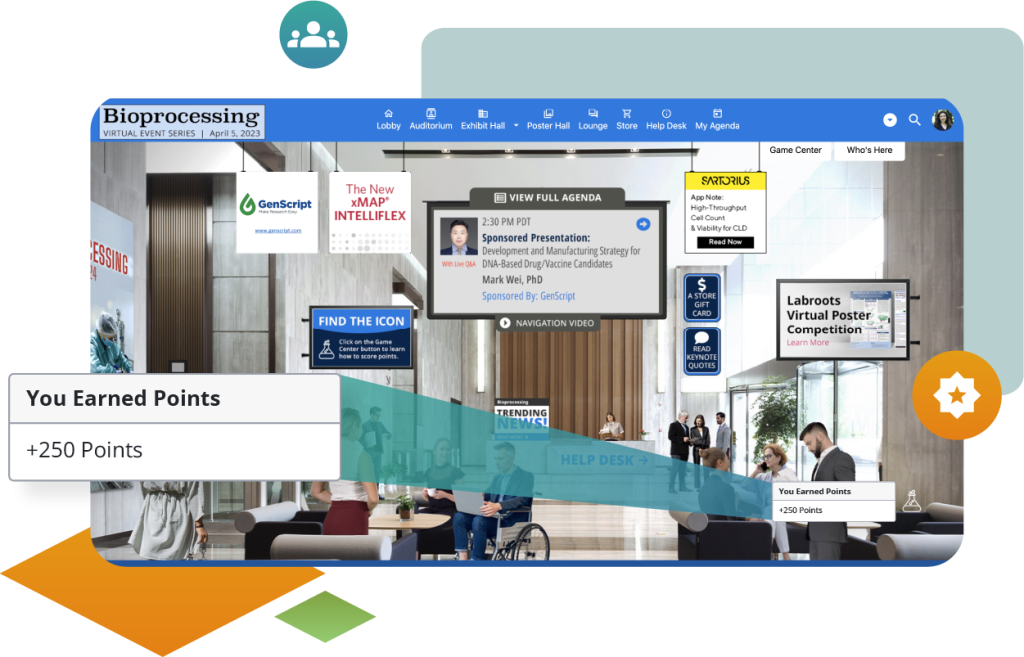
There is a myriad of strategies for making your virtual event fun and engaging, including incorporating gamification elements such as challenges, leaderboards, and rewards. This will encourage a safe learning environment while providing healthy competition for your attendees to build their virtual networks with individuals worldwide.
Gamification provides excellent opportunities for your attendees to engage in an informal capacity, and encouraging attendee participation through gamified activities is an excellent strategy for helping them build their virtual network. This can be accomplished through pre-event emails, surveys, and periodic notes and reminders throughout the virtual event.
With gamification, you are creating a sense of competition and achievement among attendees in a safe and secure manner. Thus, you are improving their engagement skills and enabling them to build their virtual network with individuals from all personal and professional backgrounds worldwide.
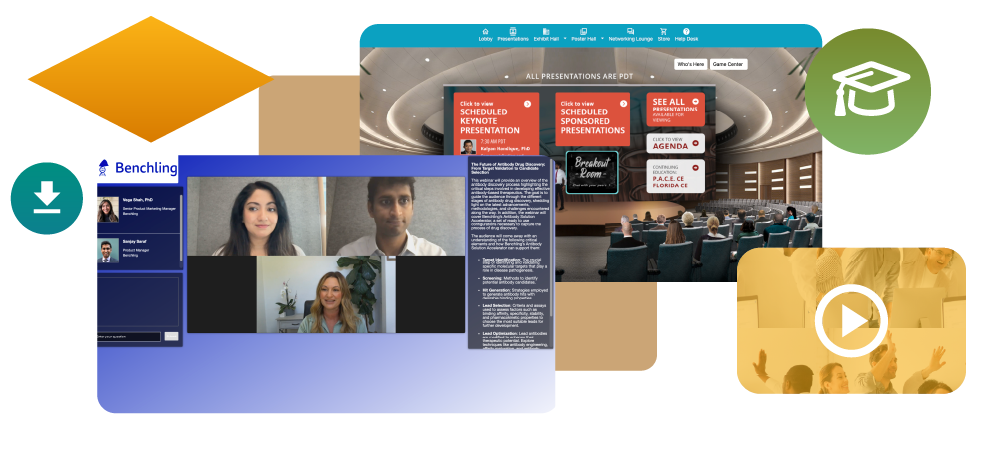
While virtual events provide an excellent opportunity for attendees to engage in real-time with individuals worldwide, offering recorded sessions and workshops for on-demand viewing is an excellent strategy for attendees from different time zones who can’t attend in real-time and wish to view sessions later. Through this, you’re still providing excellent content while enabling them to build their virtual network.
An example of keeping your attendees engaged with on-demand content is integrating interactive elements, such as quizzes and surveys, into the content. This enables attendees to stay engaged throughout the experience. For example, every 5-10 minutes, have a quiz or survey that asks questions about the content, enabling your on-demand attendees to learn in a safe and secure manner.
Finally, on-demand content is successful because it allows attendees to access content at their convenience. This enables them to learn at their own pace while staying up to date with the latest information that will allow them to improve their career opportunities. In addition, they can contact guest speakers outside of the virtual event in an informal setting.

Virtual events are loaded with tools and resources to enhance engagement and interaction among attendees and guests, and utilizing virtual event platforms with built-in interactive features is an excellent strategy to make this happen. This will encourage your attendees to improve their engagement skills while helping them grow their virtual network with individuals worldwide.
Additionally, exploring third-party tools and software for creating interactive content is an excellent strategy for enhancing your virtual event. This allows you to provide a variety of content based on your attendees’ needs and preferences, enabling them to enhance their engagement skills and build their virtual networks with individuals worldwide.
Finally, partnering with technology providers to enhance the event experience is an excellent strategy for improving engagement opportunities for your attendees. Like third-party tools, technology providers enable you to offer a variety of content based on attendee preferences, which increases diversity, inclusivity, and connectivity for individuals worldwide.
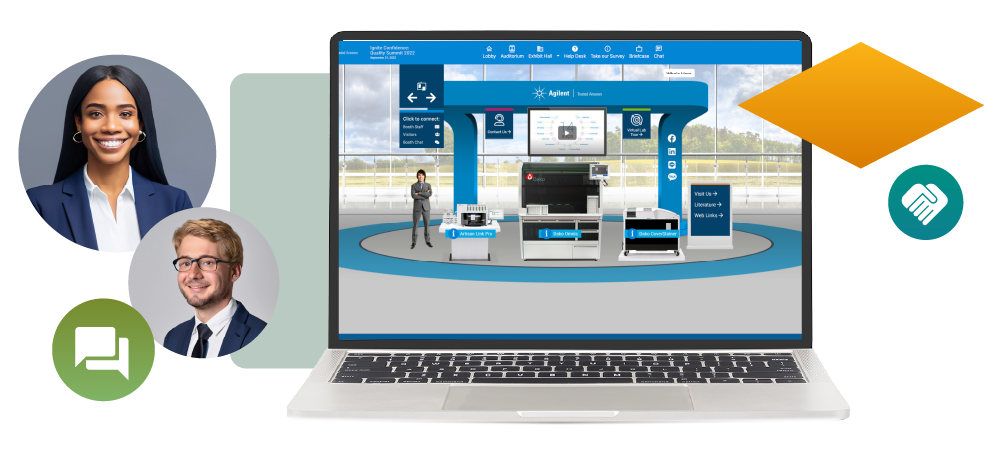
Like all endeavors, virtual events are successful due to their two-way engagement, and this can be accomplished by soliciting contributions from attendees, such as questions, ideas, or feedback that enables them to become immersed in your virtual event beyond just being there to learn and build their virtual network.
Additionally, incorporating user-generated content into presentations or sessions allows your attendees to engage with guest speakers and share their thoughts and ideas in a safe learning environment. Through this, you encourage two-way engagement that helps your attendees enhance their engagement skills and build their virtual network.
Finally, fostering a sense of community and collaboration among attendees is a sure-fire strategy for helping them enhance their engagement skills both during the virtual event and beyond. This can be accomplished through periodic notes and reminders throughout the virtual event, but it can also be accomplished with pre-event reminders and surveys.

The success of virtual events hinges on gathering feedback, both during and after the event. This can be accomplished by tracking key performance indicators (KPIs) for content engagement. This ensures that your attendees are well-engaged and learning from other attendees and guests, enabling them to build their virtual network while learning from individuals worldwide.
Additionally, analyzing data and insights to identify successful content strategies is another important method for ensuring your attendees stay engaged and interact with each other throughout the virtual event and beyond. This can be accomplished through artificial intelligence or real-time feedback from support personnel.
Finally, making data-driven adjustments to improve content engagement over time is an excellent way to ensure the success of your recent and successful virtual events in the future. Through this, you encourage an environment built on diversity, inclusivity, and connectivity with individuals worldwide.
Here, we presented best practices for creating interactive virtual event content that will not only enable your attendees to enhance their engagement skills but also provide them with the tools and resources to help enhance their virtual experience and grow their virtual network with individuals worldwide.
Our goal is to emphasize the importance of engagement and interaction in virtual events. We are confident that the above strategies will provide both virtual event organizers and attendees with the necessary tools and resources to enhance engagement while building virtual networks for individuals worldwide. Through proper engagement, you help increase diversity, inclusivity, and connectivity with individuals from all personal and professional backgrounds.
Chati strongly encourages virtual event organizers to implement interactive content strategies in their virtual events, as this promotes an environment built on learning and engagement with individuals worldwide.

