Discover how Chati's self-service licenses give you full control - build, update, and launch virtual events on your terms. Register for our free webinar today!
Remote work has become increasingly prevalent today, and mastering the art of virtual team building is paramount for fostering effective collaboration and maintaining team cohesion. In this blog post, we delve into the significance of virtual team building and unveil innovative strategies to enhance remote team engagement. At the forefront of this discussion is the pivotal role played by the Chati platform, a versatile tool designed to streamline communication and facilitate seamless collaboration among distributed teams. Join us as we explore how leveraging Chati can revolutionize how teams interact, driving productivity and fostering a sense of unity across geographically dispersed members.
Unlocking the full potential of virtual team building hinges on how you leverage the features of your virtual event platform. Below, we offer a comprehensive overview of Chati's features that specifically enhance team dynamics and foster a sense of unity among remote collaborators. From real-time messaging to file sharing and video conferencing, Chati provides a versatile toolkit to streamline communication and drive effective collaboration. Additionally, we delve into the power of virtual icebreakers and engagement activities facilitated by Chati, empowering teams to forge meaningful connections and break down the barriers inherent in remote work environments.
Chati's gamification features are game changers in elevating participation and increasing motivation among attendees. Through gamified challenges and competitions, the Chati platform introduces excitement and interactivity into virtual events, enticing participants to immerse themselves fully.
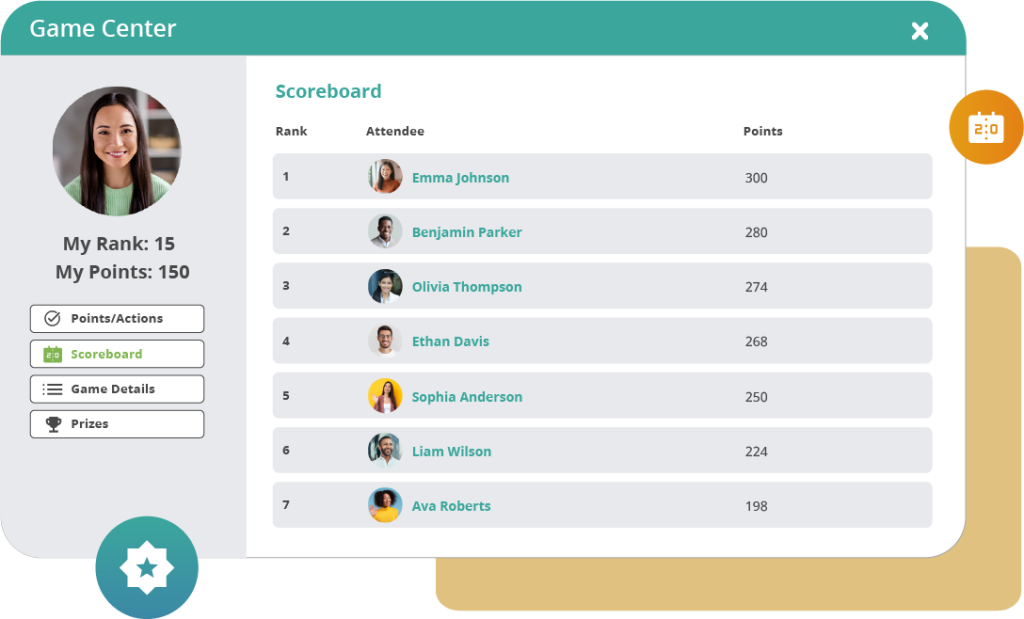
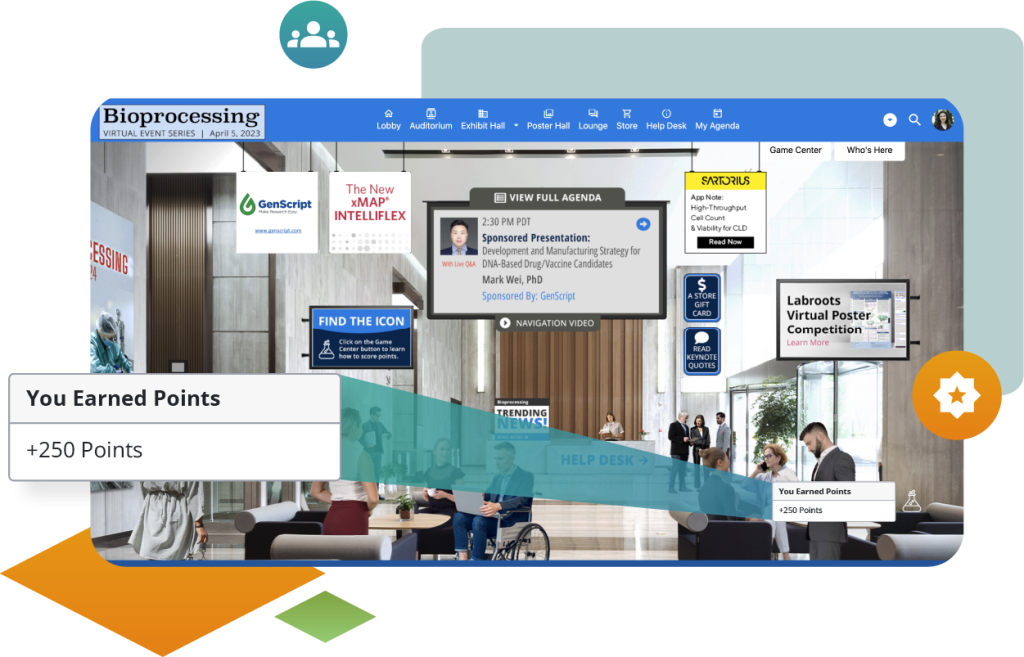
Scavenger hunts inject excitement and interactivity into virtual events, transforming mundane gatherings into thrilling adventures. Attendees are encouraged to explore event spaces virtually, embarking on quests to complete tasks and discover hidden treasures. This interactive activity entertains and fosters a sense of community and collaboration among participants as they work together to conquer challenges and achieve objectives.
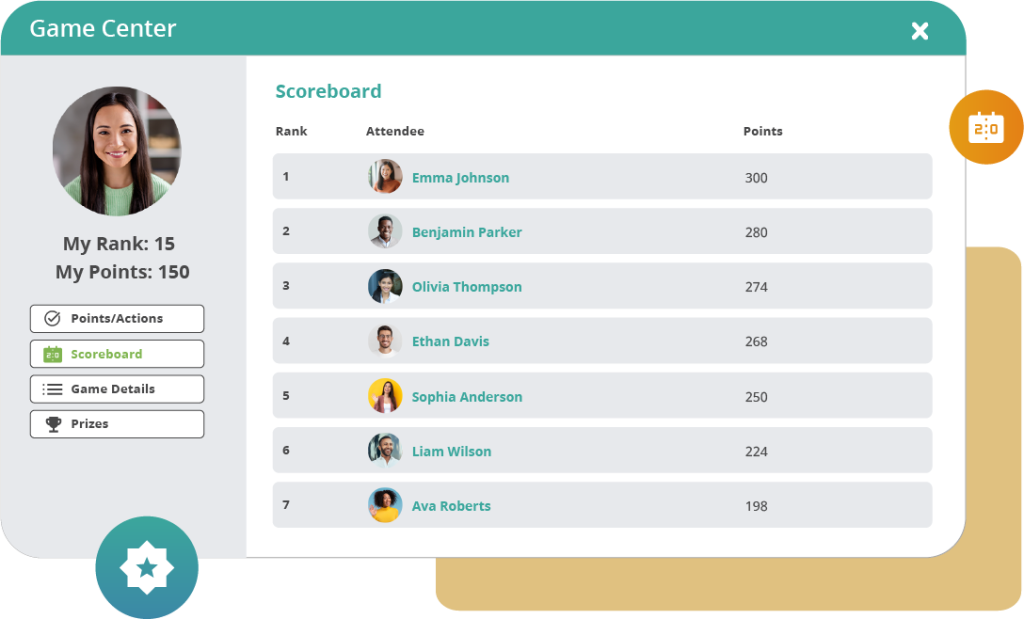
Leaderboards and rewards drive friendly competition and incentivize participation. These dynamic elements amplify attendee engagement and foster a sense of achievement and recognition. By assigning points for various actions such as attending sessions, visiting virtual booths, or engaging in networking activities, Chati transforms every interaction into an opportunity for advancement. Real-time leaderboards showcase the top participants, fueling motivation and inspiring others to strive for excellence. Additionally, rewards such as prizes or special recognition further incentivize engagement, turning virtual events into thrilling competitions where everyone has a chance to shine.

Customizable avatars empower participants to personalize their virtual presence, fostering a more profound sense of identity and belonging within the event environment. With diverse customization options, attendees can tailor their avatars to reflect their unique personalities, preferences, and styles. From choosing hairstyles and outfits to selecting accessories and unique features, every detail is customizable, allowing individuals to stand out and make their mark truly. By embracing customizable avatars, Chati creates a dynamic and immersive event space where attendees feel empowered to connect authentically with others while showcasing their creativity.
In the virtual team-building landscape, leveraging virtual event platforms' capabilities is pivotal in facilitating creative sessions and idea sharing. These platforms are invaluable tools for bringing remote teams together in a collaborative digital environment, where ideas can be exchanged seamlessly regardless of geographical barriers. Virtual event platforms provide a dynamic space for teams to brainstorm, innovate, and problem-solve collectively through features like real-time messaging, video conferencing, and interactive whiteboards. With the right virtual event platform, teams can engage in immersive experiences that foster creativity and drive effective collaboration. When paired with innovative strategies, virtual event platforms amplify the impact of virtual team-building efforts, empowering teams to thrive in today's remote work landscape. With Chati, you can connect spontaneously with team members, share content, and analyze real-time data to brainstorm new ideas and products.
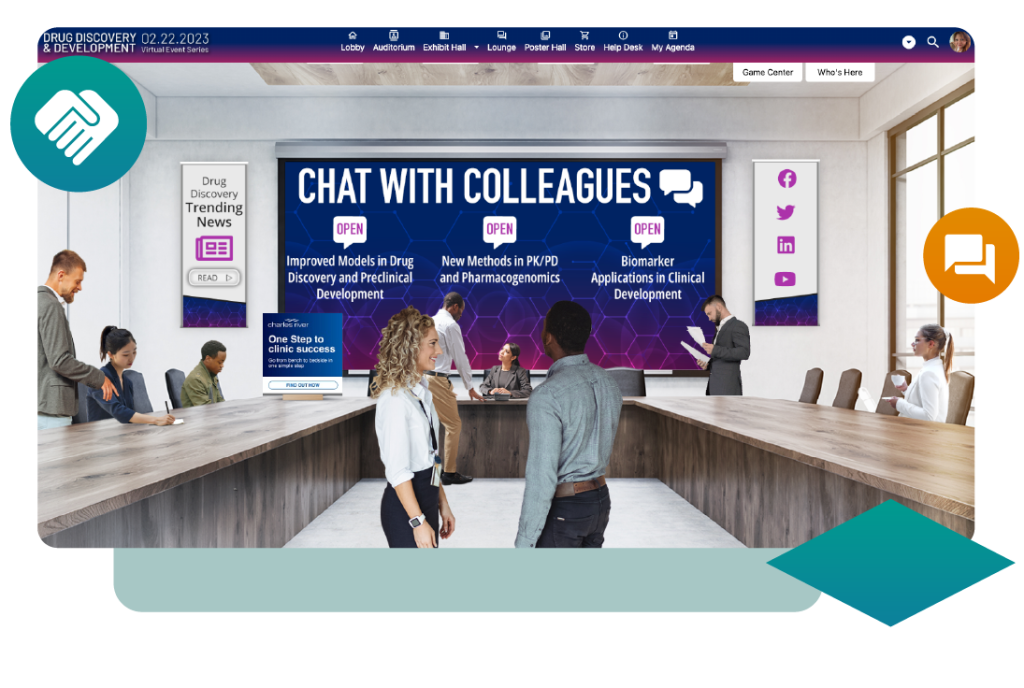
Virtual networking is essential to modern remote team dynamics, offering a space to build connections and foster team bonding. With features like interactive networking lounges and topic-based breakout rooms, virtual event platforms can replicate the experience of in-person gatherings, enabling attendees to engage in organic conversations and discussions. Whether through text chat or video calls, virtual networking provides a versatile space for attendees to connect with peers, industry experts, and thought leaders, regardless of geographical barriers. By embracing virtual networking, teams can foster informal interactions and strengthen relationships, ultimately enhancing collaboration and camaraderie within the organization.
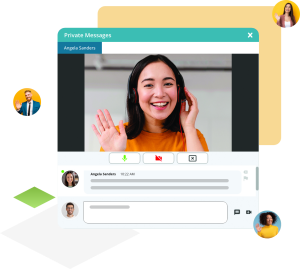
Chati creates inviting spaces for attendees to connect, collaborate, and engage in real-time conversations, fostering organic interactions reminiscent of physical networking events. ChatiConnect video chat and text chat further enhance the networking experience, allowing attendees to communicate in formats that suit their preferences and comfort levels. Additionally, topic-based breakout rooms provide a focused environment for attendees to engage in discussions tailored to their interests, fostering team bonding and informal interactions that transcend geographical barriers.
Virtual event analytics serve as a guiding light, providing invaluable insights into attendee behavior, content performance, and overall event effectiveness. Platforms like Chati offer advanced analytics features to empower event organizers with real-time data and actionable insights. By harnessing these insights, organizers can make informed decisions, refine strategies, and optimize future events to meet attendee needs better and drive meaningful engagement. Some examples of Chati's advanced analytics include:
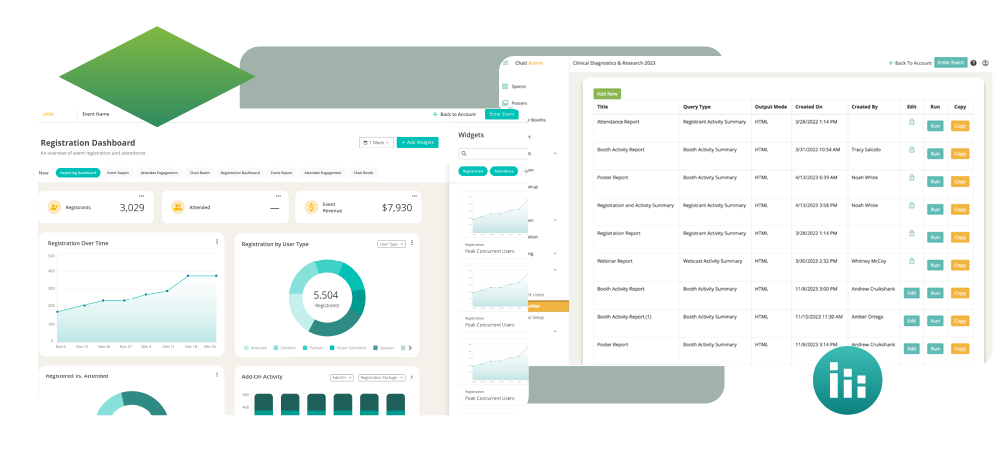
Chati's real-time event dashboard is not just comprehensive, but also incredibly easy to use. It offers event organizers a clear view of attendee engagement, content consumption, and session attendance as events unfold. With its intuitive navigation and user-friendly design, Chati's dashboard is a breeze to use, empowering organizers to make informed decisions and real-time adjustments to enhance the overall event experience.

Chati's attendee behavior tracking feature is not just a tool, but a treasure trove of insights. It provides organizers with invaluable data on attendee engagement, networking interactions, and content consumption throughout the event. By analyzing key metrics such as session attendance and engagement levels, Chati empowers organizers to tailor future event offerings to align more closely with attendee preferences and interests, thereby improving the overall event experience.
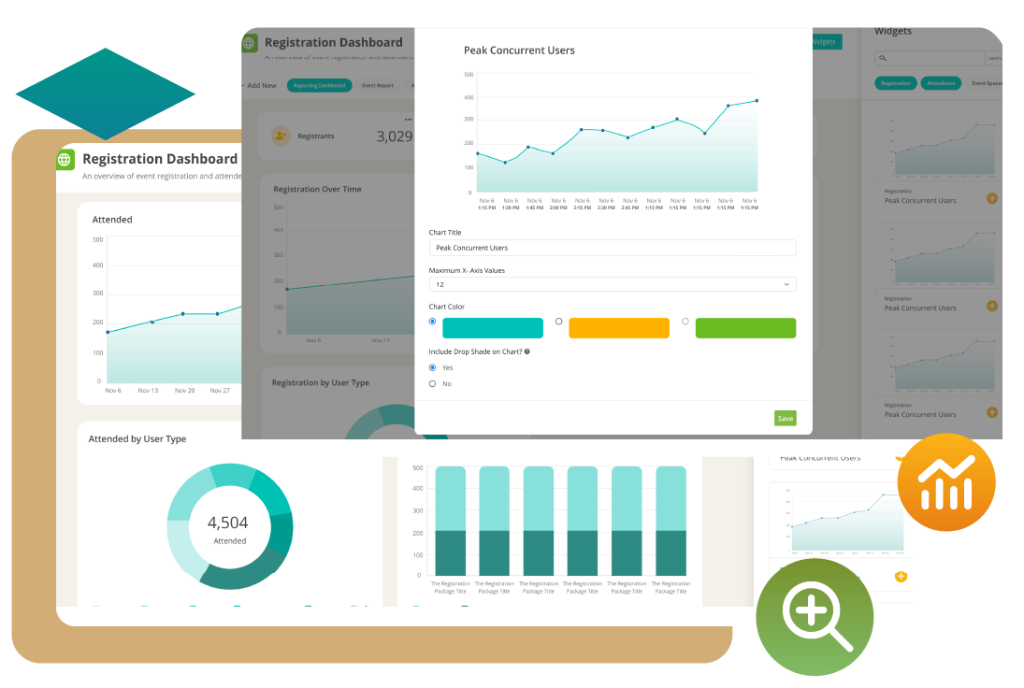
With a range of predefined report templates or the option to create customized reports, organizers can focus on gaining the most relevant attendee insights for their event goals. This customization capability enables organizers to make more informed decisions and strategically plan for future events based on personalized insights.
Analytics come in all shapes and sizes. When choosing your virtual event platform, explore their real-time and post-event analytics options. In addition to the above, you can learn more about Chati's vast analytics offerings here.
As the virtual team-building landscape evolves, embracing future trends and staying ahead of the curve is paramount for organizational success. With the support of innovative platforms like Chati, teams can quickly adapt to these evolving strategies. Chati's versatile features, such as virtual networking lounges, topic-based breakout rooms, and attendee behavior tracking, provide invaluable tools for fostering collaboration and engagement in remote environments. By harnessing advanced analytics and personalized insights offered by Chati's platform, organizations can continuously refine their virtual team-building initiatives, ensuring they remain effective and impactful.
Staying ahead in the virtual team-building landscape requires embracing innovative technologies and leveraging them to cultivate meaningful connections and drive organizational success. With Chati's support, organizations can confidently navigate these changes, forging stronger bonds and achieving greater heights in the virtual realm. Encouraging the implementation of innovative strategies, like leveraging virtual event platforms to enhance team building for remote teams, is essential for fostering engagement, collaboration, and success in today's digital landscape.
Hybrid events have become significant in connecting individuals from all personal and professional backgrounds worldwide. They provide the best of both worlds by enabling attendees to participate virtually or in person. This eliminates geographic barriers for both demographics while increasing diversity, inclusivity, and connectivity for everyone.
While hybrid events provide ample opportunities for worldwide connectivity, the challenge of balancing engagement in dual environments arises since attendees participate both in person and virtually. Therefore, attendees from both audiences must receive the same level of engagement and connectivity to ensure the most impactful hybrid event.
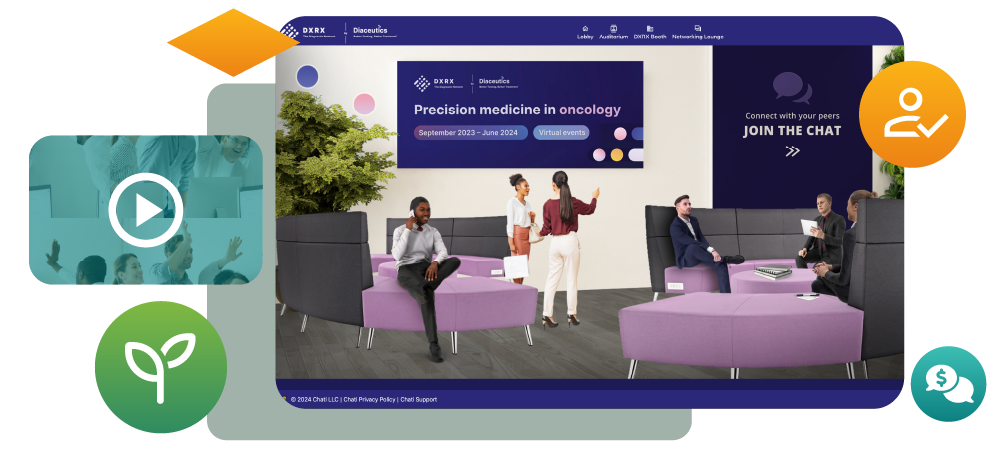
Hybrid events combine physical and digital engagement into a single streamlined event, enabling individuals from all over the world to share knowledge and ideas more effectively than simply through an in-person or virtual event alone.
Navigating the unique engagement landscape of hybrid formats can be fun and challenging, as attendees from either audience must determine the best course of action to achieve the most impactful and engaging experience. When successful, hybrid events can be enriching regarding their educational and professional goals.
When it comes to either hosting or attending a hybrid event, leveraging technology for seamless audience interaction will enable maximum engagement from both in-person and virtual audiences. This includes choosing the right event platform, interactive features, social media, and email to help broaden your range of engagement and connectivity.
Another strategy for a successful hybrid event is crafting content to engage both in-person and virtual audiences, as this enables maximum impact for engagement and interaction for both audiences while increasing diversity, inclusivity, and connectivity for everyone.
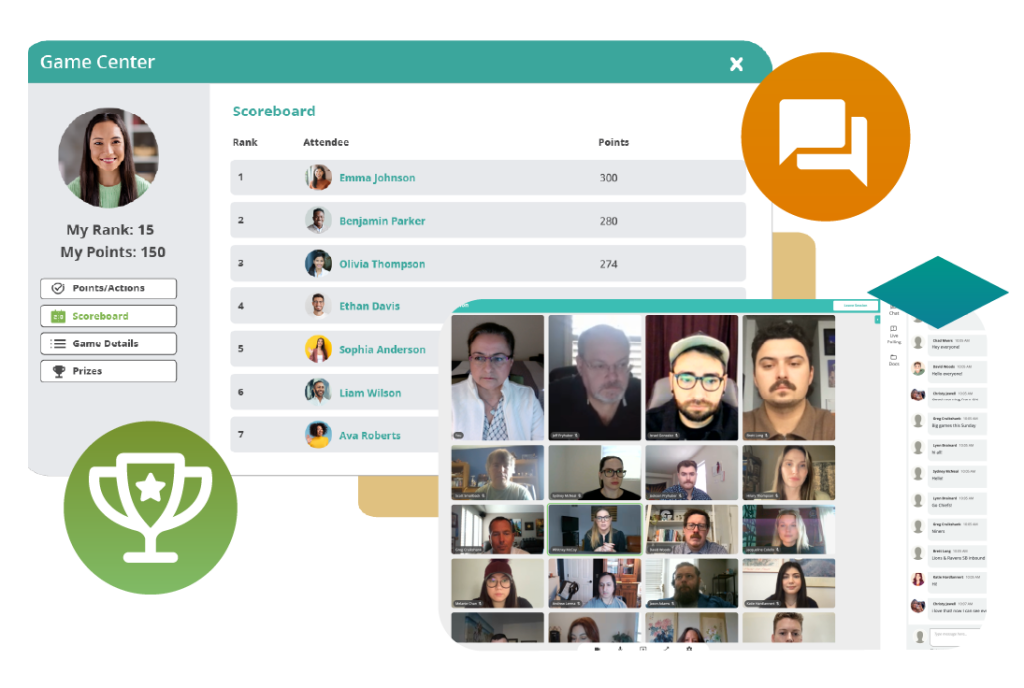
Since hybrid events cater to two audiences, adapting content to resonate with different engagement preferences is vital for maximum engagement and interaction. This is accomplished by obtaining feedback before the hybrid event, so you know your audience’s engagement preferences and plan accordingly. However, it can also be performed during the event.
Successful hybrid events involve strategies for maximizing participation across both worlds. These include the right features, such as gamification, Q&A sessions, and live Q&A, but they can also include breakout rooms, 3D virtual environments, and chat sessions.
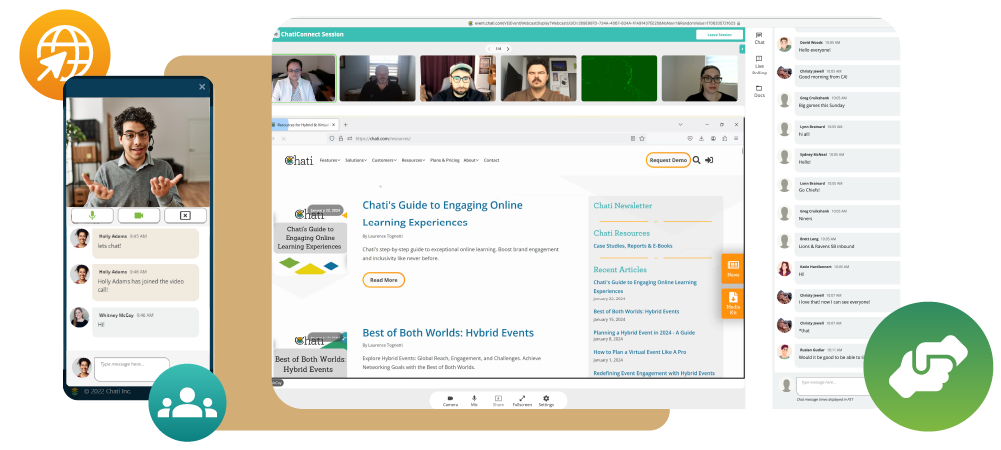
Elevating networking opportunities for hybrid attendees is vital for a successful hybrid event. It is accomplished through seamless engagement and interaction between in-person and virtual attendees while promoting engagement after the event has concluded.
The primary goal of hybrid events is bridging the gap between in-person and virtual interaction since they encompass audiences from both worlds. This increases diversity, inclusivity, and connectivity for individuals from all over the world.
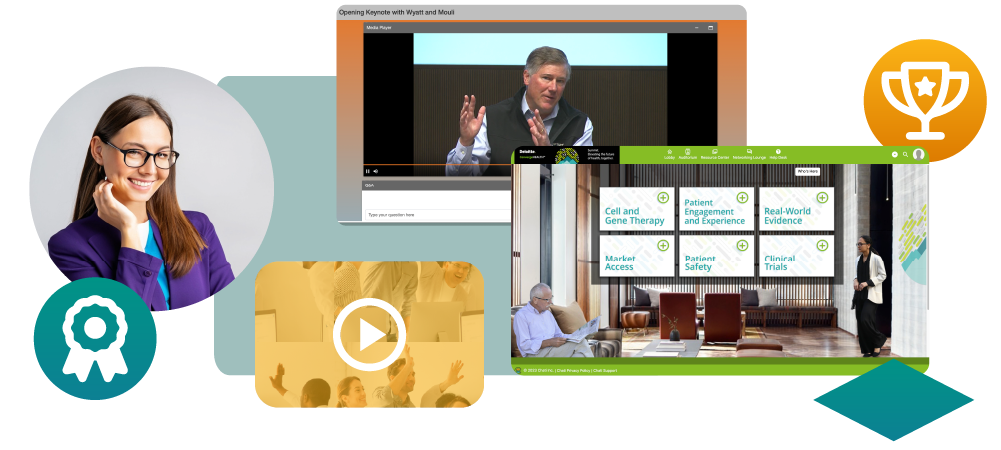
Hybrid events are only as successful as their features, accomplished through gamification and interactive elements to boost engagement. Gamification provides real-time scoring, rewards, and fun for both audiences. This increases diversity, inclusivity, and connectivity for individuals from all over the world.
Another method to ensure a successful hybrid event is to ensure participation and interaction in both event formats. Both in-person and virtual audiences need to receive the same level of engagement, interaction, and knowledge-sharing throughout the entire event.
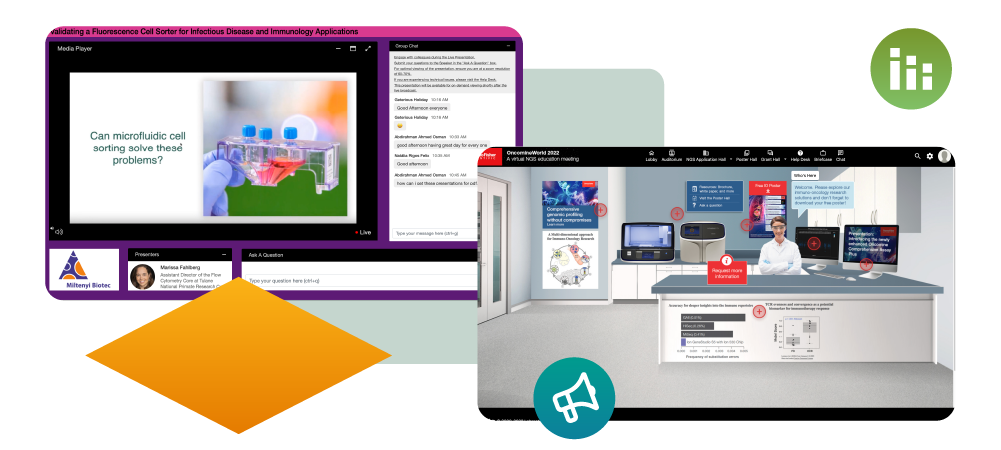
Since hybrid events incorporate in-person and virtual audiences, personalizing experiences for diverse attendee preferences is vital to ensure successful levels of engagement and interaction. This includes gaining feedback before the event with surveys or artificial intelligence and even greeting your attendees when they arrive, either in-person or virtually.
Customization for both physical and virtual audiences is essential for a successful hybrid event, as this enables greater diversity, inclusivity, and connectivity for individuals worldwide.
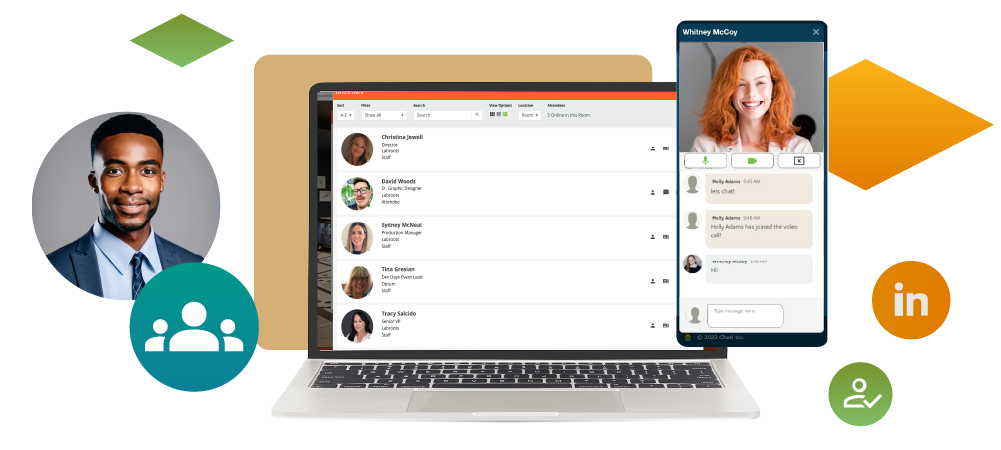
Both audiences must have seamless engagement during hybrid events, which is accomplished through overcoming technical challenges and operational considerations, including uninterrupted internet connections and seamless engagement features.
Through this, you are ensuring a cohesive experience across in-person and virtual elements, thus increasing diversity, inclusivity, and connectivity for individuals worldwide.
Hybrid events are only as successful as attendee engagement, and tracking engagement metrics across physical and digital spaces is a vital strategy for ensuring your attendees have the most impactful experiences. This can be accomplished through artificial intelligence or real-time support teams.
Additionally, analyzing attendee interaction and feedback for improvement is vital for hosting future successful hybrid events, which is accomplished through post-event surveys, both immediately after the event and a short time later.

Predicting the evolution of engagement strategies is vital to providing successful hybrid events in the future. This can be accomplished through thorough research on new hybrid event platforms and features and by staying up to date with attendee expectations for hybrid events.
Embracing continuous improvement and innovation is the hallmark of successful hybrid events, both in the short and long term. This enables growth while increasing diversity, inclusivity, and connectivity for individuals from all over the world.
Unlocking the potential of hybrid event engagement is essential for a more diverse and connected future. With the right tools and strategies, hybrid events can help break down geographic barriers and bring together in-person and virtual audiences for years.
Balancing engagement for unveiling exceptional hybrid experiences will ensure that in-person and virtual audiences receive the same seamless interaction and information while providing a better and more diverse future.
Chati believes in embracing the digital age through the power of virtual networking beyond borders as we strive to build a more connected and inclusive world for individuals from all personal and professional backgrounds. With Chati, you can use our myriad of features to help share knowledge and create new ideas like never before.
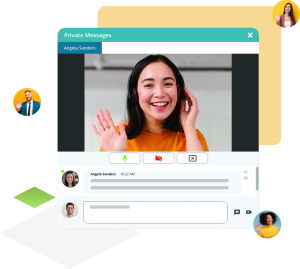
Here, we will introduce Chati’s innovative solutions for expanding your network, including webinars, virtual events, hybrid events, virtual training, education, internal events, human relations/job fairs, conferences, and virtual team building. With Chati, the sky is the limit regarding how you can expand your virtual network globally.
Embracing the digital age includes defining virtual networking’s role in crossing geographical boundaries. This involves expanding the global reach for companies, employees, and virtual event attendees. This can increase connectivity, diversity, and inclusivity for individuals from all personal and professional backgrounds.
Additionally, recognizing the global opportunities for building online relationships is essential for building your virtual network. This includes leveraging social media, creating engaging websites, online fundraising, email marketing, and so much more. Through this, you can create a more inclusive global community, leading to the sharing of knowledge and ideas from individuals worldwide.
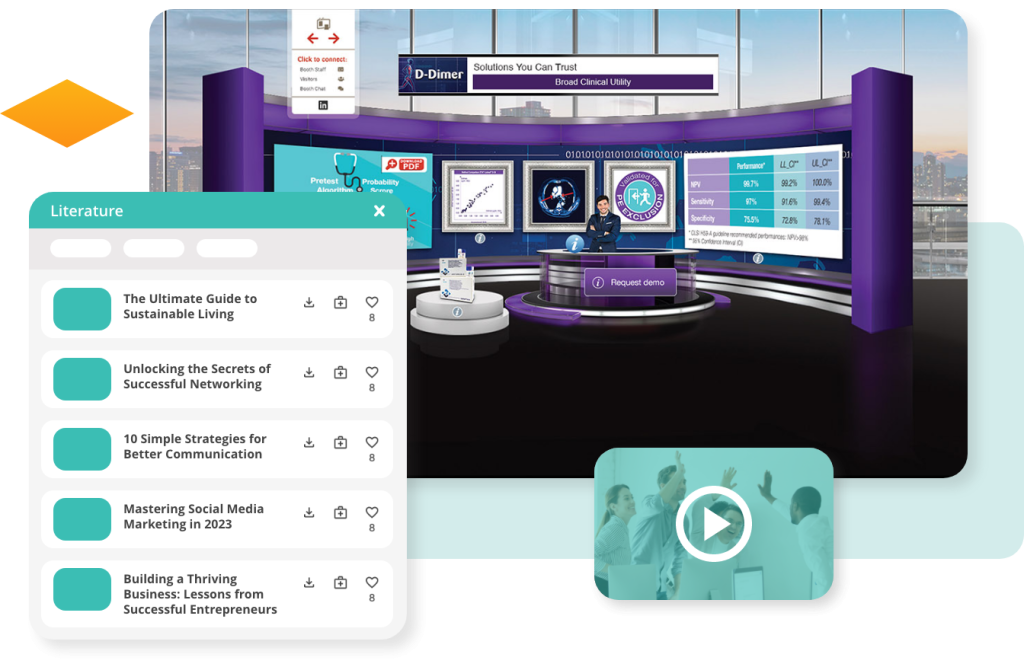
With these goals in mind, we are proud to introduce Chati’s cutting-edge networking platform, designed to meet the virtual networking needs of many customers, including healthcare, academia, retail, nonprofits, finance, government, and many others. Companies and employees can expand their global reach by enhancing engagement and solutions across various industries and professions.
Chati has a proud history of highlighting features designed to foster cross-border connections, including exhibit halls, gamification, content management, analytics & reporting, event integrations, and templates & 3D spaces. Additionally, Chati is proud to offer ChatiConnect, which enables event organizers and attendees to create original and inventive video experiences that foster connectivity and collaboration for individuals worldwide.
Breaking geographical barriers for an expanded network is essential for enhancing global community and connectivity. This is accomplished through meaningful and impactful engagement. Companies, employees, and professionals from all backgrounds can share their insights and knowledge to expand their virtual networking portfolio while enhancing global communication.
Another advantage of global networking is leveraging technology for international connection-building. This is accomplished through the aforementioned social media, websites, and email marketing, but it can also be accomplished through online collaboration tools such as Google Drive, Zoom, ChatiConnect, and AI-powered chatbots. Through this, you can expand your global reach while improving connectivity and inclusivity for everyone.
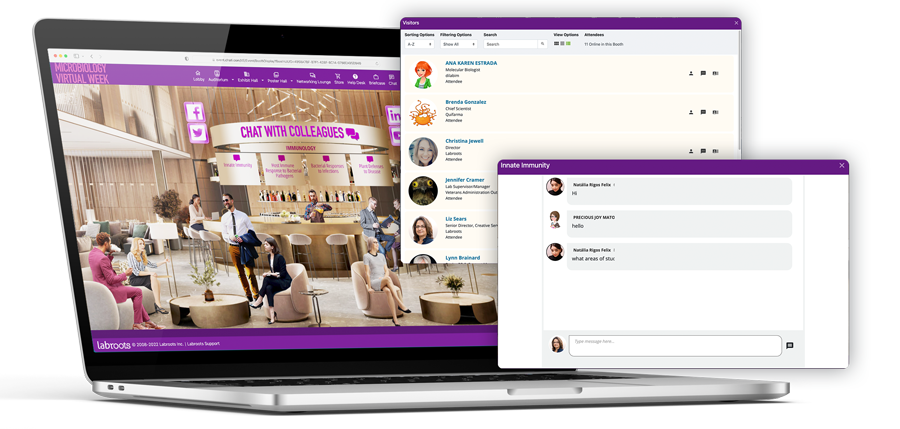
Crafting a global networking strategy for diverse audiences is essential for building your virtual networking portfolio while contributing to the worldwide community. This can be accomplished by providing personalized and engaging content tailored to your attendees’ needs, including language barriers, image captions, subtitles for video chats, and even accommodations for the seeing- and hearing-impaired. Through this, you improve diversity, inclusivity, and connectivity for individuals from all over the world.
Utilizing Chati’s tools to create meaningful international connections is paramount for growing your virtual networking portfolio and increasing your global reach. These tools include the features above and solutions like ChatiConnect, but they also include our in-depth resources like our blog, news and events, and case studies that can help keep you up to date with the latest in our products and services.
Navigating cultural nuances for effective global networking is essential for expanding your virtual networking portfolio and international reach. You can accomplish this by conducting cultural awareness training, learning basic phrases in other languages, being cognizant of different time zones, and active listening.
Additional strategies for building authentic connections across borders include knowing your audience, demonstrating interest in their background and goals, building trust, and continuously being flexible and adaptable in every situation. By doing so, you help contribute to long-term, global relationships, which leads to increased diversity, inclusivity, and connectivity for everyone.
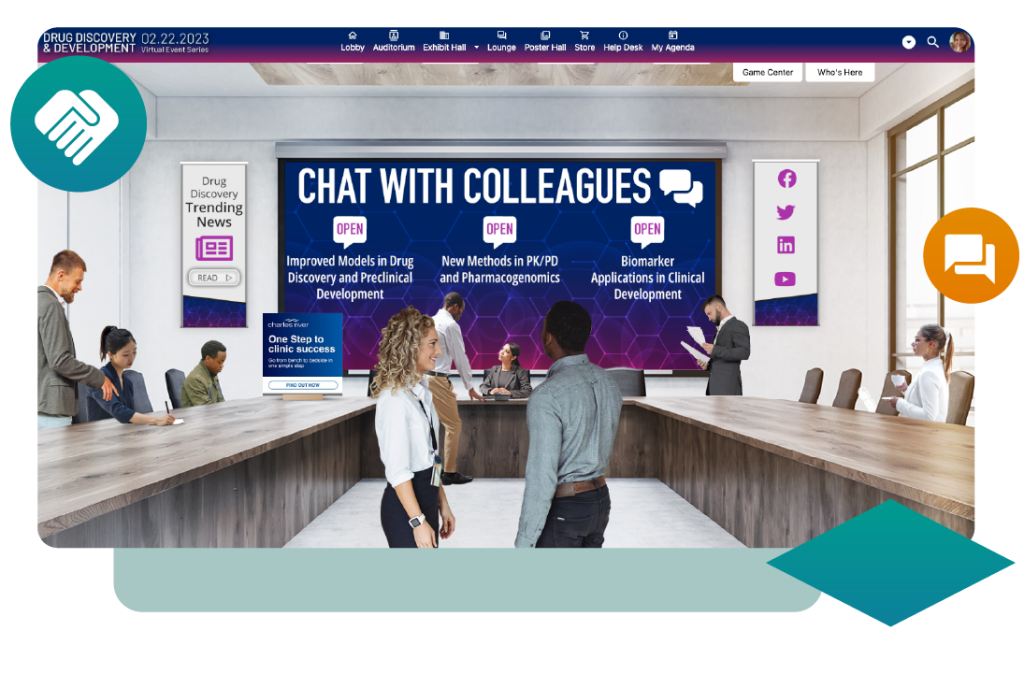
The digital landscape provides ample opportunities for expanding your virtual networking portfolio and global reach for everyone. This is accomplished through hosting webinars, virtual conferences, and digital roundtables designed to promote engagement, discussion, and innovation while breaking down geographic barriers.
By utilizing Chati’s interactive elements for cross-border engagement, you successfully contribute to increased diversity, inclusivity, and connectivity for individuals from all personal and professional backgrounds worldwide. These elements include the aforementioned ChatiConnect, breakout rooms, and a one-on-one chat feature.
All relationships require trust, and establishing trust and authenticity in international connections is essential for building a more diverse and inclusive future for everyone. This is accomplished through maintaining dialogue with individuals in your virtual network while maintaining the same customs and courtesies you exhibited to establish the connection.
Additional techniques for sustaining relationships beyond borders include understanding cultural definitions of trust, understanding the other person’s expectations, building transparency, and being responsive to their professional needs in maintaining the relationship.
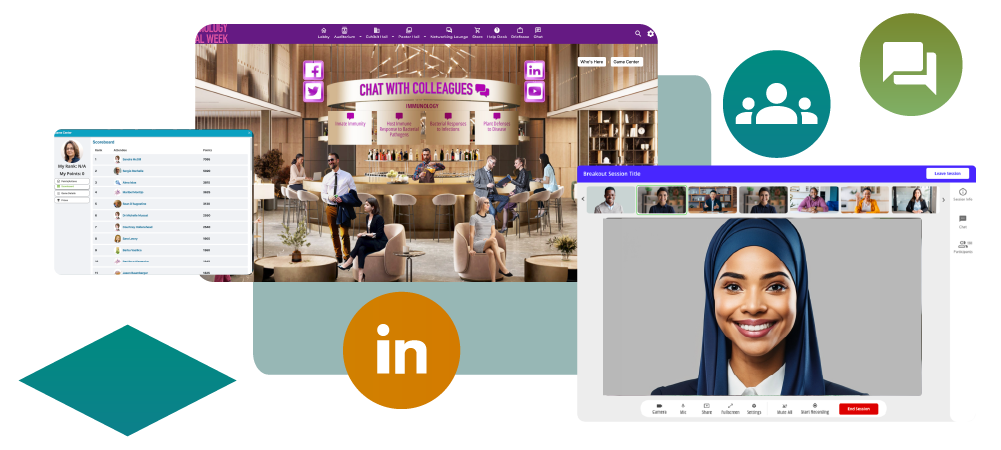
Building trust when maintaining your worldwide virtual networking portfolio includes following etiquette guidelines for building respectful cross-border relationships. This includes addressing the aforementioned language barriers and time zones, but it also includes proper greetings, titles, punctuality, and occasional negotiating skills.
Understanding how to maintain cross-border relationships is essential for creating a positive and inclusive online presence for individuals worldwide. By doing this, you can expand your own virtual networking portfolio while working to expand portfolios for other individuals as well.
Chati is proud to have served many customers and clients across several industries for their virtual event needs, including ThermoFisher Scientific, U.S. Department of Transportation, GenScript, Federal Bureau of Investigation, and Millipore Sigma, to name a few.
Successfully collaborating with countless companies and businesses has enabled Chati to learn and grow into the thriving virtual event platform it is today. Through this, we can allow individuals from all over the world to connect and engage in new and exciting ways while building long-term, cross-border relationships.
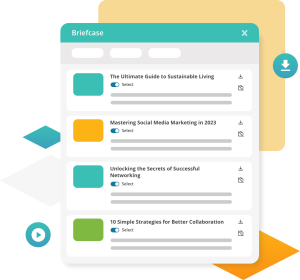
All endeavors are successful through constant and appropriate feedback, which is accomplished through tracking engagement metrics, reach, and international connections. Through this, you enable growth for both your brand and virtual networking portfolio with individuals worldwide.
Analyzing the effectiveness of your global networking efforts is essential for maintaining long-term, cross-border relationships. This process constantly teaches you new and exciting ways to engage and share knowledge while expanding your cultural awareness with individuals across the globe.
To maintain your cross-border relationships, predicting trends and innovations in cross-border networking will enable you to stay up to date with cultural customs and courtesies, leading to increased diversity, inclusivity, and connectivity for individuals across the globe.
Additionally, embracing technological advancements for enhanced global engagement will allow you to maintain relationships with your virtual networking portfolio. This is accomplished through staying up to date with the latest technological trends and platforms that promote innovation and discussion for everyone, including chat and video software, personalization, research and development, and business models.
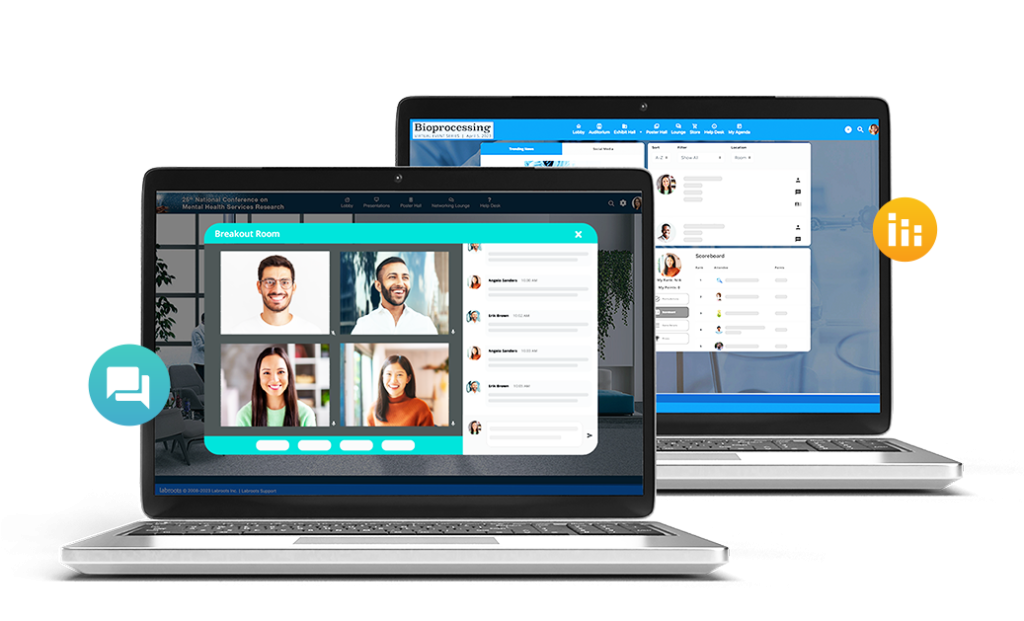
Unlocking the power of global networking through Chati will enable you to expand your virtual networking experience and portfolio globally by establishing cross-border relationships with individuals from various personal and professional backgrounds.
With Chati's solutions, you build a more robust and diverse network while increasing diversity, inclusivity, and connectivity with individuals from across the globe. With Chati’s myriad of tools and resources, you can create engaging and exciting new ways to share ideas and collaborate with countless industries, with the goal of expanding your virtual networking portfolio and global reach.
Going hybrid has become a beacon of innovation and adaptability in the ever-evolving events landscape. The hybrid advantage highlights the seamless integration of physical and virtual elements, fostering a dynamic experience for attendees that transcends geographical boundaries. It signifies a paradigm shift in conceptualizing gatherings, enabling broader participation while retaining the tangible essence of face-to-face interactions. In the modern event landscape, where flexibility and accessibility are critical, harnessing the power of hybrid elements is no longer just a choice but a necessity. It embodies inclusivity, allowing diverse audiences to engage with content and each other in ways previously unimagined. Going hybrid not only revolutionizes event planning but also democratizes access to knowledge, networking, and shared experiences on a global scale.
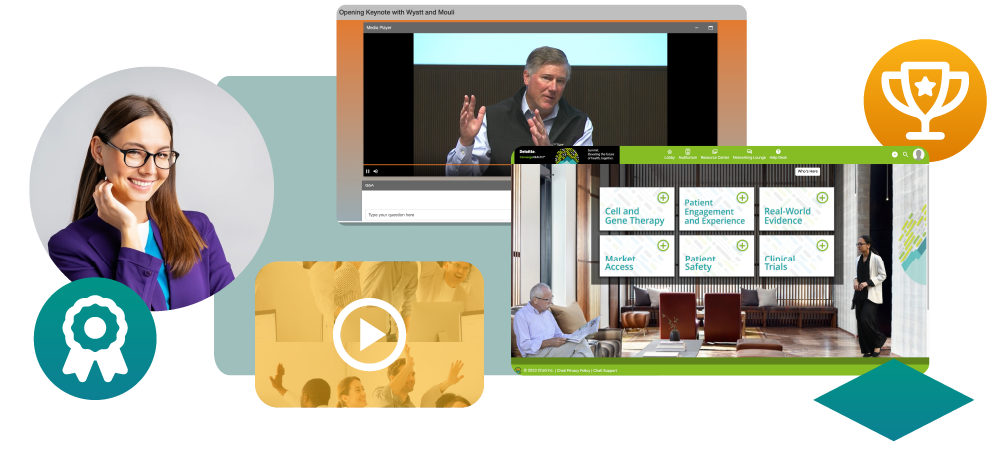
Exploring the intricacies of the hybrid advantage reveals a tapestry of unique benefits that enrich event experiences on multifaceted levels. By seamlessly intertwining physical and virtual elements, hybrid events transcend the limitations of traditional gatherings, offering a blend of versatility, accessibility, and engagement. Attendees are no longer bound by geographical constraints, as virtual components open doors to participation from across the globe, fostering a diverse and inclusive audience. Moreover, integrating digital platforms enhances interactivity, enabling real-time engagement through chat forums, live polls, and virtual networking sessions. This fusion of physical and virtual realms creates a dynamic ecosystem where attendees can tailor their experience to suit their preferences, whether immersing themselves in on-site interactions or navigating the event from their homes. Thus, the hybrid advantage represents a paradigm shift in event design, revolutionizing how we connect, learn, and engage in the modern era, fostering a sense of community and belonging among attendees.
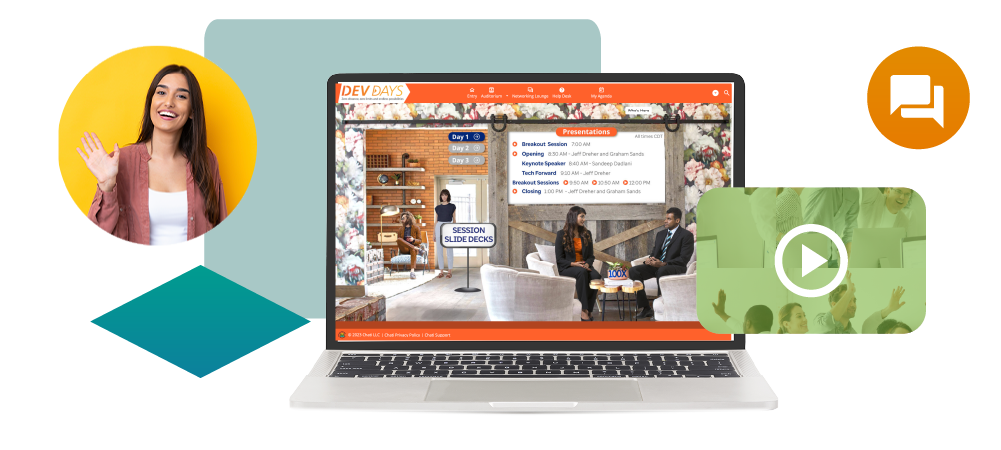
Designing engaging event formats catering to physical and virtual audiences requires careful consideration of various factors to ensure inclusivity and maximize participation. One approach involves leveraging technology to facilitate real-time interaction and engagement between attendees in different locations. This could include incorporating interactive features such as live polls, Q&A sessions, and virtual breakout rooms that actively allow participants to contribute and collaborate, regardless of their physical location. Additionally, organizers can employ creative content delivery methods, such as multimedia presentations, immersive experiences, and gamification elements, to capture the attention and interest of both physical and virtual attendees. Moreover, providing opportunities for networking and socializing, both in-person and virtually, can enhance the overall event experience and foster connections among participants. By adopting a holistic approach to event design that prioritizes engagement and inclusivity, organizers can create dynamic and memorable experiences that resonate with all attendees, regardless of their mode of participation.
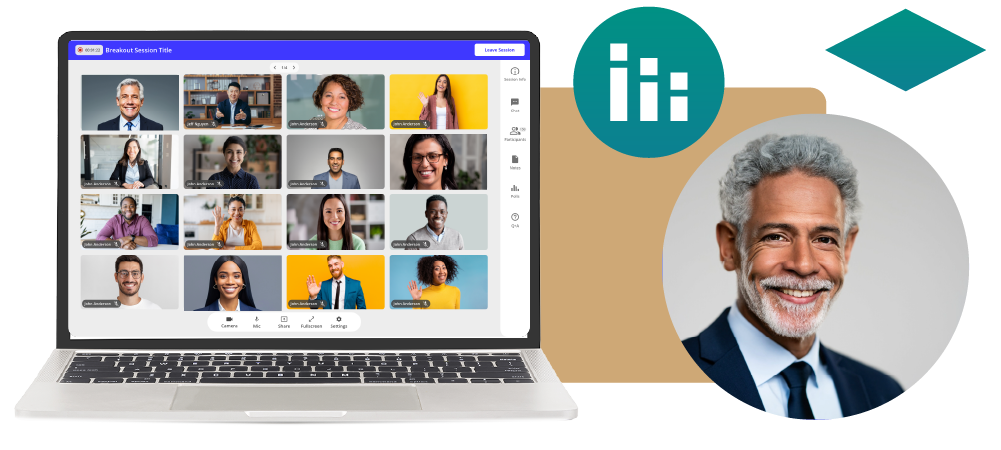
Hybrid events present a remarkable opportunity to amplify engagement and expand reach beyond the confines of geographical limitations. By seamlessly integrating physical and virtual components, organizers can transcend traditional barriers, extending invitations to participants from around the globe. This audience reach expansion fosters diversity and injects vibrancy into event communities, enriching discussions with many perspectives. Moreover, the hybrid format facilitates interactive engagement, empowering in-person and virtual attendees to participate actively in meetings, workshops, and networking sessions. Through innovative features like live polls, Q&A sessions, and virtual breakout rooms, individuals from diverse backgrounds can connect and collaborate, enhancing the event experience for all involved. By embracing hybridity, organizers unlock the potential to cultivate vibrant, inclusive communities that thrive on engagement and transcend geographical boundaries.
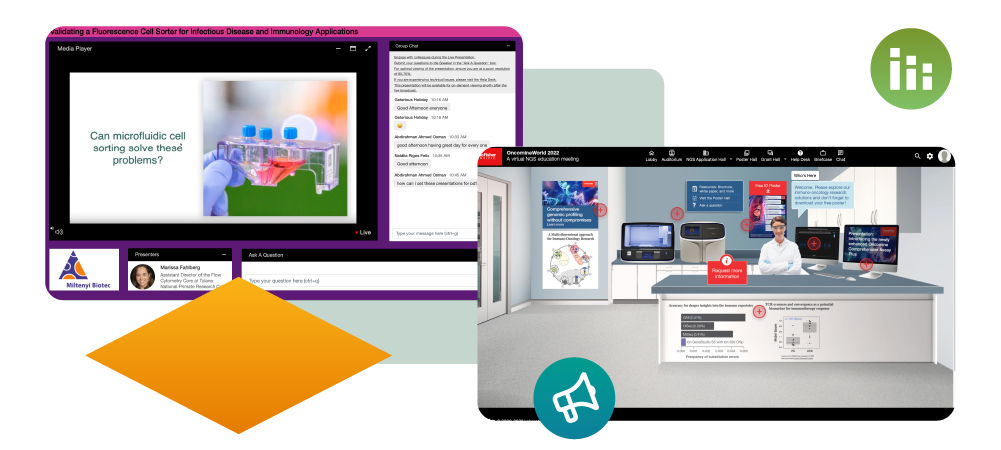
Innovative strategies are essential for ensuring the success of hybrid events, as they present a unique blend of challenges and opportunities. Navigating the complexities of hybrid implementation requires careful planning and execution to integrate physical and virtual elements seamlessly. Organizers must leverage technology as a cornerstone for elevated interaction and participation, harnessing its capabilities to bridge the gap between in-person and remote attendees. Organizers can create immersive environments that facilitate meaningful engagement and participation across both physical and virtual realms by incorporating interactive features such as live streaming, virtual reality experiences, and collaborative digital platforms. Moreover, technology enables organizers to overcome logistical hurdles and enhance event accessibility, ensuring a seamless and inclusive experience for all attendees, regardless of their mode of participation. Through strategic utilization of technology, hybrid events can transcend traditional boundaries and emerge as dynamic, interactive experiences that leave a lasting impact on participants.
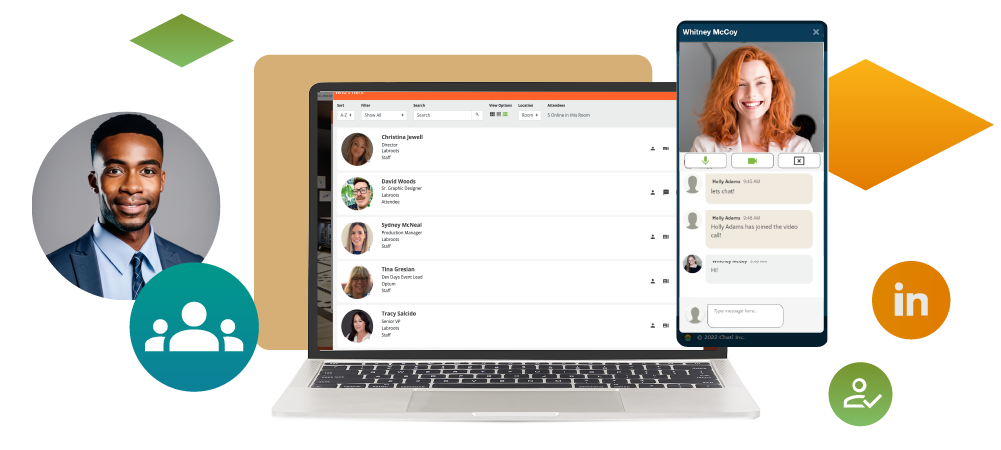
Seamless networking and collaboration across formats are imperative for the success of hybrid events, demanding innovative approaches to bridge the gap between physical and digital networking. By embracing innovations in hybrid networking opportunities, organizers can foster connections and facilitate meaningful interactions among attendees regardless of their mode of participation. Organizers can use digital platforms equipped with virtual networking features to recreate the spontaneity and serendipity of in-person networking in a virtual environment. Through features such as matchmaking algorithms, virtual meet-and-greet sessions, and online networking lounges, attendees can forge new connections, share insights, and collaborate on ideas, transcending the limitations of physical proximity. Moreover, hybrid events offer the unique advantage of blending physical and digital networking seamlessly, enabling participants to seamlessly transition between in-person and virtual interactions, thereby enriching the overall networking experience and fostering lasting connections beyond the confines of the event.
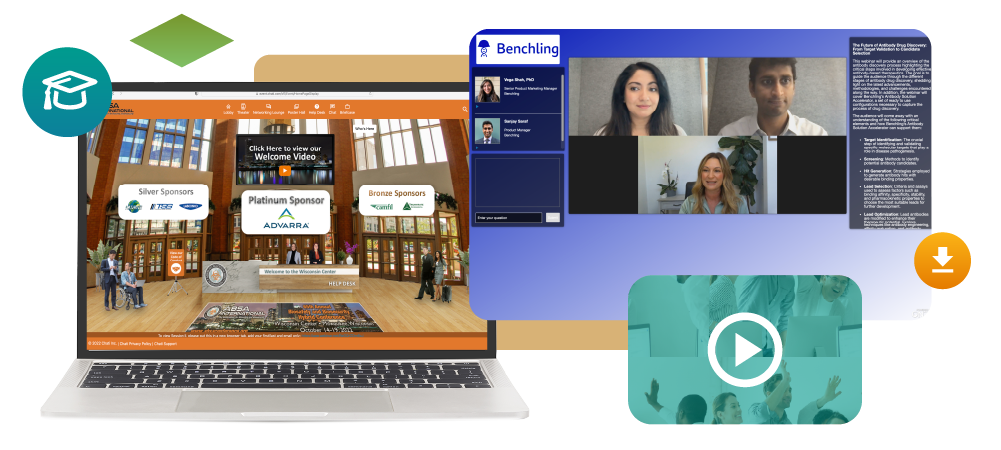
Overcoming challenges in hybrid integration necessitates a meticulous approach to addressing technical, operational, and logistical considerations, ensuring consistency and seamlessness across formats. Organizers must navigate the complexities of integrating physical and virtual components, from ensuring robust internet connectivity to coordinating equipment setup and troubleshooting technical issues in real time. Operational challenges, such as managing hybrid event logistics, coordinating schedules, and accommodating diverse attendee needs, require careful planning and coordination to ensure a smooth and seamless experience for all participants. Moreover, maintaining consistency across formats is paramount for creating a cohesive event experience that resonates with in-person and virtual attendees. Organizers can mitigate potential challenges by establishing clear communication channels, implementing standardized procedures, and conducting thorough rehearsals, and ensuring that the hybrid integration process runs seamlessly, ultimately delivering an exceptional event experience for all involved.
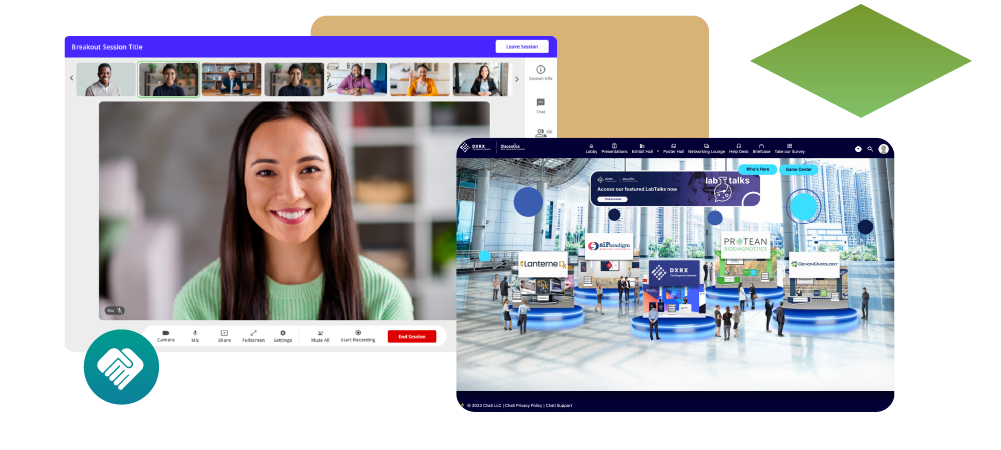
The future of elevated events is poised to be defined by the widespread adoption of hybrid formats, where integrating virtual elements into in-person gatherings becomes the norm. As we navigate an increasingly interconnected world, the convergence of physical and virtual experiences offers unparalleled opportunities for engagement and accessibility. Organizers recognize hybrid events' inherent advantages, from expanding audience reach to facilitating seamless interaction among participants regardless of their location. This shift towards hybridity signifies more than a temporary adaptation; it represents a fundamental transformation in how events are conceptualized and executed. Embracing this trend is not merely an option but a necessity for organizers seeking to stay relevant and competitive in an evolving landscape. Thus, the future of elevated events lies in embracing the Hybrid Advantage, where the integration of virtual elements into in-person gatherings becomes a trend and the standard practice, ushering in a new era of innovation and connectivity in event experiences.
Virtual events have helped thousands, if not millions, of people from around the world engage and connect in fun and interactive ways. While virtual events have been around for years, they are still new for a lot of people, so we've pulled together our most frequently asked questions into one place to help figure out if a virtual event is right for you. These address some of the most basic questions pertaining to virtual events, including the purpose of virtual events, cost, interactivity and engagement, watching it live or recorded, and engaging with attendees after the event. We are confident you will walk away from this FAQ list prepared for your first, or next, virtual event, which you can use to help others, as well.
Virtual events aim to provide the same level of engagement and connectivity as in-person events without the need for significant travel and lodging costs. They help break down geographic barriers by enabling individuals from all over the world to share ideas and knowledge, which only increases diversity, inclusivity, and connectivity for everyone.
Virtual events offer many benefits compared to in-person events, including cost-savings, logistical streamlining for event organizers and attendees, and significant reductions in carbon footprints from decreased travel and resources. Additionally, virtual events are excellent ways for individuals with limited mobility or unfortunate health conditions to attend while still getting the same engagement levels as they would in person.

The cost depends on the company hosting the virtual event. Larger companies typically charge registration fees, while smaller companies offer their virtual events for free; you only need to register with your email address.
Virtual events take great pride in saving their talks and sessions for on-demand viewing by anyone later. This enables those who could not attend the virtual event to access vital information that could help them achieve their networking goals.
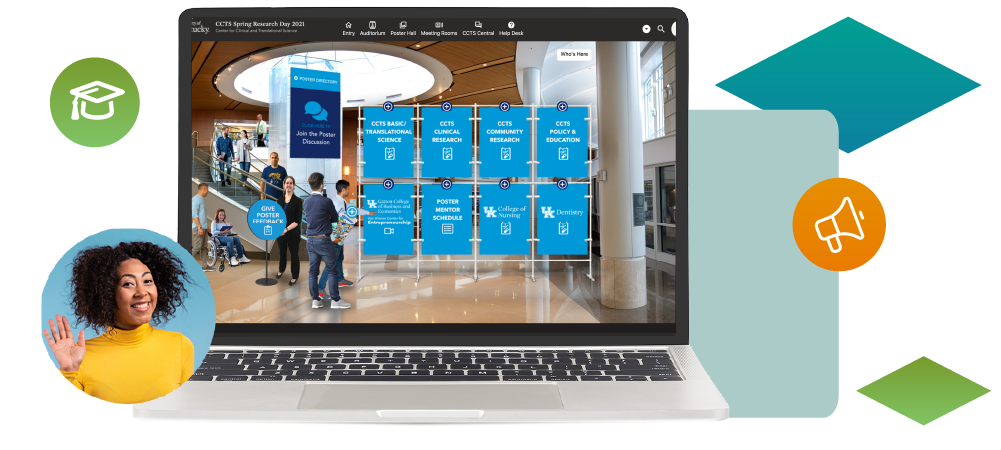
Virtual events offer many sessions and activities, including multiple talks with live Q&A, chat rooms, 3D spaces, exhibit halls, panel discussions, and more. These sessions and activities aim to foster engagement and connectivity with individuals from all over the world and all professional backgrounds.
Virtual events have many interactive elements, including gamification, live sessions, polls, Q&A sessions, breakout rooms, etc. These elements can be personalized for event organizers and attendees while providing the same engagement and connectivity level.

The only requirement for attending virtual events is to bring a sense of excitement and curiosity, as virtual events provide an opportunity for individuals from all over the world to collaborate and innovate on the latest research, news, and ideas with the goal of fostering connections and increasing diversity, inclusivity, and connectivity.
Exhibitors and sponsors are the cornerstones of virtual events, as they provide excellent networking opportunities for event organizers and attendees worldwide. Additionally, sponsorships provide virtual events with an extra level of engagement through gamification, workshops, and breakout rooms.
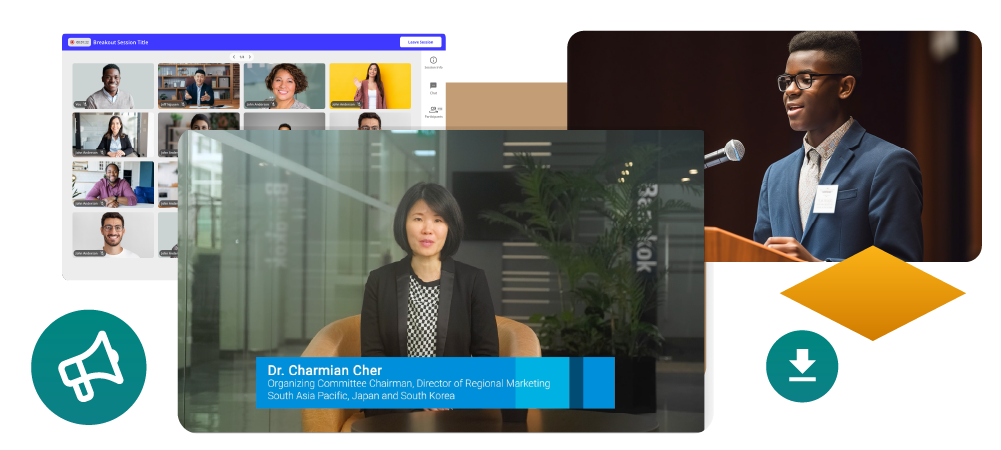
Connecting with other attendees is why virtual events exist, and we encourage you to use social media or email to continue these connections. However, getting permission from them during the event is always good before reaching out to them outside of the event, which helps build a more positive rapport.
The duration of virtual events ranges from a few hours to a few days, depending on the size of the event and how many talks/sessions are on the agenda. These agendas are typically put together months in advance, if not much longer, and event organizers provide event agendas several weeks before the virtual event to allow attendees to prepare and collaborate beforehand.
We've previously covered the rise of virtual events over the past few years due to the COVID-19 pandemic, which forced people to stay home and away from attending in-person conferences and events. This shift in how people attend events has made virtual events more mainstream, allowing individuals worldwide to engage and connect without the cumbersome logistical headaches of travel and cost.
How people attend events has changed, requiring a similar shift in how they network within this newer event format, which is more complex than it seems.
Virtual events enable new levels of virtual networking and can increase accessibility, diversity, inclusivity, and connectivity for individuals from all personal and professional backgrounds. Here, we will discuss tips for successful virtual event networking, which will help companies and attendees expand their networking reach while embracing virtual events as the mainstream method of building connections and fostering lasting relationships.

Virtual events are online events that allow individuals worldwide to engage, connect, and network in an online environment to achieve personal or professional goals. Examples of virtual events include conferences, trade shows, educational showcases, and so much more.
Some advantages of virtual events over in-person gatherings include drastically reducing the cost of travel, lodging, and food expenses, resulting in environmental savings due to the reduced carbon footprint. The cost-savings aspect also impacts event planners since they can use the additional funds to invite expert speakers and panelists and improve the entertainment aspect of the virtual event. Additionally, virtual events offer increased accessibility, time flexibility, and interactivity that in-person events might not be able to provide for everyone.
While virtual events offer many advantages, some challenges include time zones, poor internet connections, security lapses, and inadequate attendee engagement. Like all endeavors, virtual events are constantly evolving to meet the needs of both event planners and attendees, so feedback is essential for improving the quality of virtual events for everyone.
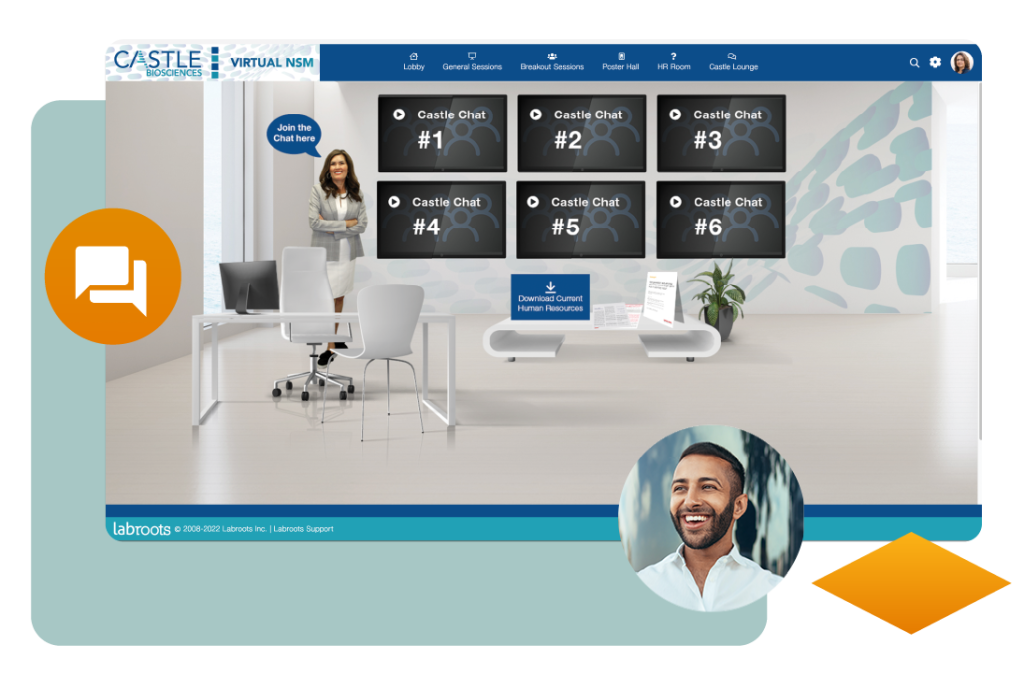
Virtual events have become essential for achieving networking goals, so online engagement in virtual events cannot be understated. With virtual events, individuals worldwide can engage and connect by breaking down geographic barriers, resulting in increased diversity, inclusivity, and connectivity for everyone.
Utilizing digital platforms for networking helps enhance virtual event experiences, which can be accomplished via email, social media, and virtual event apps. Additionally, companies continue improving and enhancing their virtual event platforms by providing interactive features, including gamification, Q&A sessions, breakout rooms, and much more.
This will allow event planners and attendees to continue building meaningful connections in a virtual environment through enhanced engagement tools and resources. Providing necessary feedback will also continue to improve virtual events for everyone.

Attending virtual events requires sufficient planning and preparation, beginning with setting objectives and goals for networking. Are your networking goals personal or professional? Short-term or long-term? Do you want to engage with attendees or speakers, as well? Understanding your objectives beforehand will enable you to attend virtual events with a focused mindset and avoid distractions when they occur.
Researching attendees and speakers will allow you to come prepared with necessary questions and goals as part of your preparation. Are the attendees from your professional background? What could their goals and objectives be? Are the speakers familiar with your background? What do you hope to acquire through their talks?
A final preparatory step includes optimizing your online presence and ensuring your social media accounts contain updated information. Most notably, LinkedIn has become one of the most popular virtual networking tools for building connections and achieving networking goals.
Participating actively in sessions and discussions is the most important aspect of attending virtual events, as this allows people to get to know you personally and professionally. However, it's also essential to strike a balance between active and passive engagement, as you want to allow other attendees to engage, as well. Sharing the virtual floor with other attendees will demonstrate humility and selflessness that will likely help you more than being constantly active.

During your virtual event, utilizing chat features and virtual breakout rooms will allow you to engage with attendees, speakers, and event organizers one-on-one and ask questions that you might have come up with during the event. The virtual breakout rooms are specifically designed for this, and they will allow you to improve your engagement skills while gaining and sharing knowledge with individuals from all over the world.
To go with active participation, initiating conversations with fellow participants will help break the ice since nearly all attendees will be nervous upon first attending the event. Additionally, this will demonstrate your ability to take charge and seize the moment, which will get the attention of attendees, speakers, and event organizers.
While engaging during the event is vital for achieving your networking goals, following up with contacts made will enable you to foster those connections and relationships for the long term. Continuing social media and email engagement within a few days after the event will allow you to leverage connections for future opportunities.
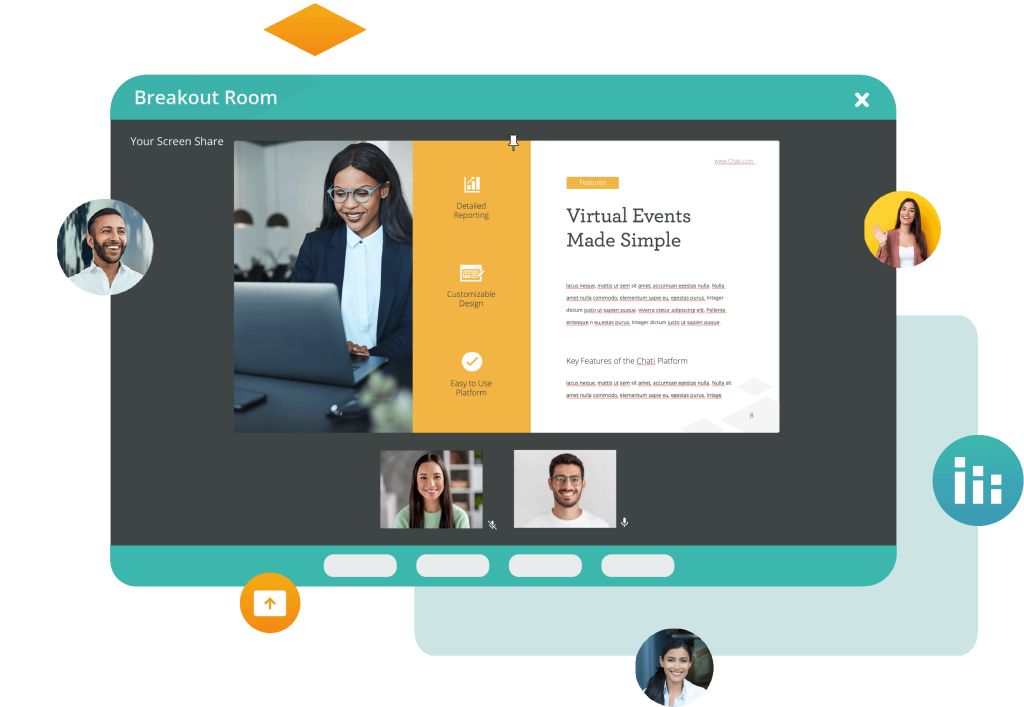
The most vital tip for successful online engagement is being authentic and approachable in virtual interactions, which will establish a solid first impression for other attendees, speakers, and event organizers.
Virtual events continue to evolve to enhance experiences for everyone, and utilizing multimedia content to enhance engagement is vital to achieving your networking goals. This includes the chat above features and breakout rooms but can also include Q&A sessions and gamification sessions.
Finally, staying proactive and consistent in networking efforts is vital to achieving long-term goals, whether personal or professional. If you make connections at a virtual event, stay with them as long as possible while also making strides in building more connections. Proactivity and consistency are keys to success in work and life, and virtual events can help you enhance these traits for both the short and long term.
Here, we discussed critical tips for virtual networking, which involve proper preparation, successfully optimizing your online presence, and actively participating in discussions with all parties throughout the virtual event. Also, following up with contacts made during the virtual event will help you achieve your networking goals and foster connections and relationships for the long term. Emphasizing the importance of adapting to virtual networking strategies is also vital for long-term networking success.
Virtual event integrations enhance virtual event experiences for both event organizers and attendees by providing features that increase not only aesthetics but also engagement and connectivity for individuals from all personal and professional backgrounds worldwide.
The importance of choosing the right virtual event integration must be considered. Each integration is designed to meet specific needs, whether to enhance engagement, aesthetics, networking, or other strategies.
Here, we will discuss the top 10 virtual event integration platforms you can use to enhance your next virtual event and improve your brand and networking capabilities with individuals worldwide. Each platform provides unique integrations designed to meet your virtual event and networking needs, which only increases diversity, inclusivity, and connectivity for everyone.

Salesforce is one of the leading customer-oriented companies in the world. It emphasizes connecting companies with customers in a myriad of ways. This includes free on-demand webinars, community events, developer events, and customer success events, which enable companies to strengthen connectivity with their customers from all personal and professional backgrounds and disciplines.
Regarding integration features for seamless event management, Salesforce offers salesforce+, which enables companies to share exclusive content via on-demand or live streaming for a variety of sessions and topics, including artificial intelligence, data, customer relationships, and automation.

Walls.io is a leading digital content provider that prides itself on using social walls to enhance connectivity and inclusivity for individuals worldwide. Their platform offers a myriad of tools and resources designed to motivate marketers and attendees to engage and connect across several industries, including government, healthcare, sports, and education.
Walls.io enhances engagement during virtual events with their UGC platform, designed to magnify a company's narrative and enhance the attendee experience. To accomplish this, UGC collects posts from several social media platforms into one location to enhance engagement and connectivity for individuals worldwide.

Eventbrite is a self-service platform for users to create, search, and attend live events worldwide. Utilizing Eventbrite for virtual registration and ticketing allows companies to expand their global reach, thus expanding diversity, inclusivity, and connectivity for individuals from all personal and professional backgrounds and all over the world. In 2022, Eventbrite commandeered approximately 5 million worldwide events across 180 countries, including approximately 798,000 free and paid creators and approximately 284 million total tickets sold.
Features for managing virtual events on the Eventbrite platform include marketing, a mobile ticket app, a check-in app, an app marketplace, event registration software, event planning, a payment system, and so much more. With Eventbrite, companies and individuals can create and market their next live event seamlessly and quickly.

Calendly is a meeting scheduling automation platform that has successfully connected more than 20 million employees and customers from companies worldwide, including DoorDash, Lyft, and BBitly. Streamlining virtual event scheduling with Calendly will enable companies to increase diversity, inclusivity, and connectivity for their customers and employees while breaking down geographic barriers.
Integrating Calendly with virtual event platforms enables event organizers and attendees to engage and collaborate on new ideas and up-to-date information regarding their respective fields, including education, finance, and technology.

Snapbar is a photo services platform designed to enhance images through artificial intelligence and custom filters for headshots or group photos. It includes features like Snapshot, Snapshot AI, and Studio that companies can use for virtual event solutions.
Enhancing virtual events with Snapbar's photo booth and interactive features enables companies to improve the visuals and aesthetics of their employees and customers. Snapbar has a long list of successful company integrations, including Chati, 6Connex, Goldcast, and Hubilo.

Webinar.net is a leading webinar platform designed to provide live and on-demand webinars and hybrid events with seamless setup and execution. It includes a 60-second and 5-step setup wizard, transparent and simple pricing, and plug-in-free, meaning attendees aren't required to download apps or additional platforms to attend the virtual event.
Key features for hosting engaging virtual events on webinar.net include The Lab and On Stage, which provide event organizers and attendees the power to create immersive and interactive videos that take attendees' engagement to new heights.

GlobalMeet is a leading webcasting solutions platform that provides companies with a myriad of tools and resources for hosting virtual and hybrid events on a global scale. With its self-service or full-service capabilities, GlobalMeet can host events with 50 attendees to more than 100,000, resulting in increased diversity, inclusivity, and connectivity for individuals from all over the world.
Features for hosting large-scale virtual conferences and meetings include GlobalMeet's ability to host in countless languages and automated reply captioning designed for the deaf and hard-of-hearing communities.
GoTo is a leading business communications platform designed to enhance employee and customer engagement through virtual meetings, webinars, and training software, along with additional products and solutions designed to increase diversity, inclusivity, and connectivity for individuals worldwide.
Hosting webinars and virtual events with the GoTo platform enables companies to offer safe, simple, scalable, and seamless experiences for their employees and customers. This results in enhanced engagement and connectivity for over 2.8 million events per year.
WorkCast is a leading webinar, virtual event, and hybrid event platform designed to provide seamless, straightforward, and scalable events for companies and individuals worldwide, including those in finance, publishing, technology, and life sciences.
Benefits of using WorkCast for hosting interactive virtual events include utilizing the WorkCast Creator & Studio, template marketplace, integrations marketplace, and live online event support from their team of experts.
Wordly.ai is a leading artificial intelligence (AI) captioning and translation platform designed to provide simplicity, accuracy, security, and affordability for in-person, virtual, and hybrid events, meeting the networking needs of individuals worldwide.
Improving accessibility and global reach with Wordly.ai includes providing services for more than 50 languages and 2,000 language pairs with captions, subtitles, transcripts, and high-quality audio that break down geographic barriers and increase inclusivity for the seeing—and hearing-impaired.
Here, we shared our top 10 virtual event integrations. These integrations are designed to meet the virtual event engagement and networking needs for individuals and companies from all professional backgrounds. Each platform provides unique tools to meet specific virtual event goals to increase diversity, inclusivity, and connectivity for individuals worldwide. As noted, the importance of choosing the right integrations for successful virtual events cannot be understated or overlooked, simply because every integration is uniquely designed to meet specific goals, and a better understanding of your goal will help guide you towards the appropriate integration, resulting in a more immersive and engaging event experience for all parties.
Virtual conferencing, often called online or web conferencing, is a method of digital communication that allows individuals or groups to meet, interact, and collaborate in real time. It encompasses a range of technologies and tools, including video conferencing, audio conferencing, instant messaging, and file sharing, all integrated into a single virtual platform. This innovative approach transcends geographical limitations, enabling participants from different locations -and time zones- to connect and engage in meetings, presentations, training sessions, and more as if they were in the same physical space.
Emerging trends and advancements are propelling the evolution of virtual conferencing, reshaping the way individuals and businesses connect and collaborate online. Adding augmented reality (AR) and virtual reality (VR) technologies can enhance the immersive experience of virtual meetings and conferences, creating lifelike environments that simulate face-to-face interactions.
Additionally, artificial intelligence (AI) can optimize aspects of virtual conferencing platforms with AI-powered features such as language translation, automated transcription, and intelligent meeting scheduling, streamlining communication and enhancing accessibility for participants worldwide.
Moreover, the growing emphasis on customization and personalization drives the development of tailored virtual conferencing solutions that cater to specific industries, preferences, and objectives, giving users more flexibility and control over their virtual meeting experiences. As these trends evolve, virtual conferencing is poised to become even more immersive, efficient, and accessible, revolutionizing how people collaborate and conduct business in the digital age.
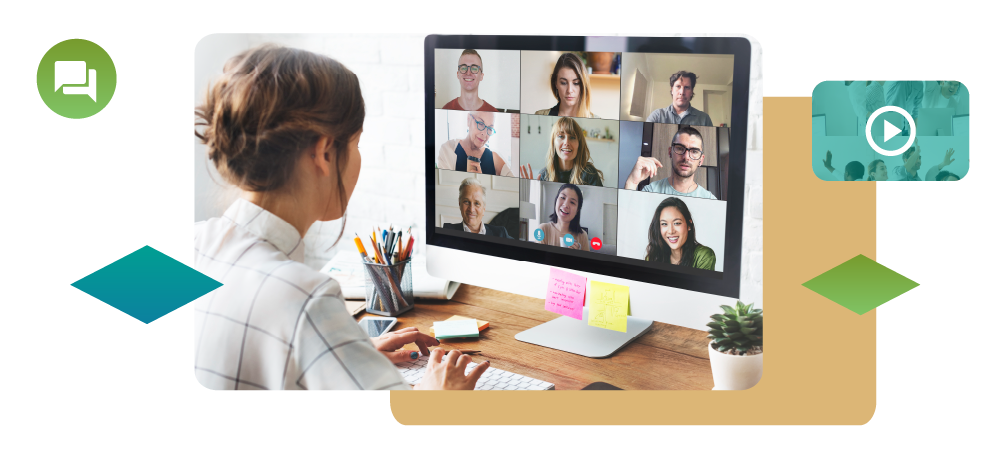
The exponential rise of virtual event platforms like Chati signifies a transformative shift in the conference hosting and management landscape. Virtual event and conference platforms offer a versatile array of tools and functionalities tailored to the demands of remote collaboration. In 2020, this format experienced a dramatic rise in popularity out of necessity due to the global pandemic. While some assumed that the industry would shrink in the post-pandemic world, the opposite slowly emerged. The advantages of the virtual conference became clear to both event attendees and planners alike, highlighting connectivity and accessibility at a global level.
These platforms are comprehensive hubs for seamless virtual conferencing, providing organizers with the means to orchestrate engaging and interactive events irrespective of geographical boundaries. By amalgamating features like real-time communication, customizable virtual environments, and robust networking capabilities, these platforms have become indispensable facilitators of virtual conferences, enabling participants to connect, collaborate, and exchange ideas with unprecedented ease and efficiency. The demand for remote connectivity grows as technology advances, and virtual event platforms are poised to play a pivotal role in shaping the future of conferencing, driving innovation, accessibility, and engagement to new heights.

Event technology is fundamentally reshaping the virtual conference landscape. With the exponential advancement of virtual event platforms over the past four years, organizers can now access innovative tools and features designed to enhance the attendee experience and streamline event management processes. The seamless integration of video conferencing, live streaming, interactive chat functionalities, and virtual breakout rooms creates immersive and engaging virtual environments for participants.
Moreover, the emergence of AI-driven solutions is revolutionizing virtual conferencing by automating tasks such as attendee registration, content personalization, and audience engagement analysis. By leveraging event technology, organizers can overcome logistical challenges, reach broader audiences, and deliver dynamic and interactive virtual conferences that rival in-person events. As technology continues to evolve and innovate, it will undoubtedly play a central role in shaping the future of virtual and hybrid conferencing, driving efficiency, accessibility, and engagement.
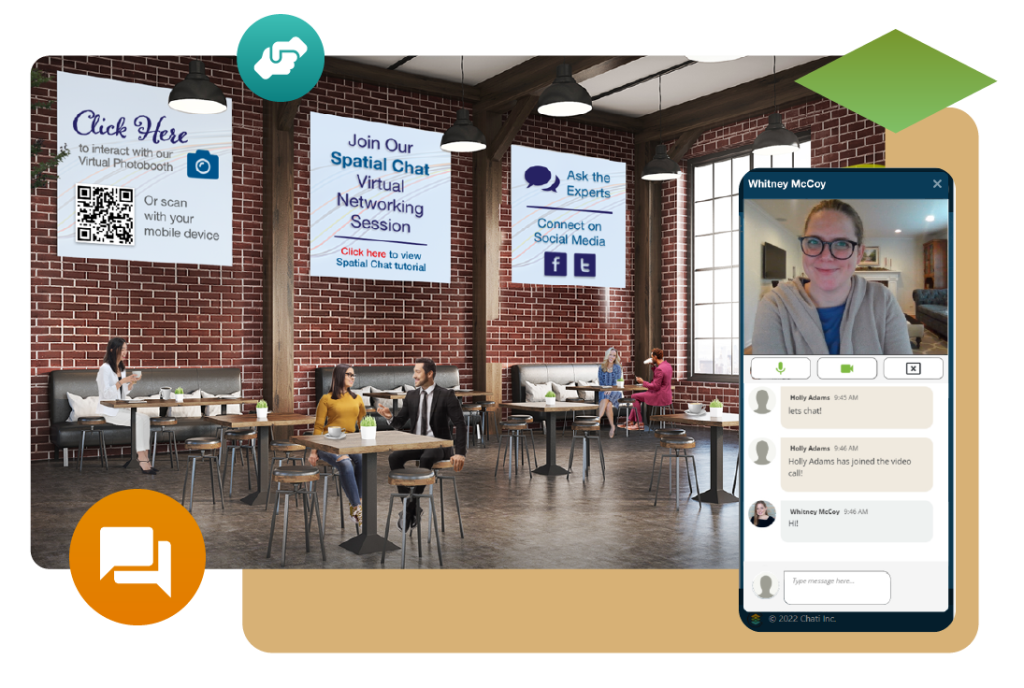
Virtual conferencing fundamentally alters traditional event planning and management approaches, specifically, how organizers conceptualize, execute, and evaluate events. Unlike traditional in-person gatherings, virtual conferences eliminate geographical constraints and logistical complexities, offering greater flexibility and accessibility to organizers and attendees. This shift has prompted a reimagining of event formats, with organizers leveraging digital platforms to deliver engaging and interactive experiences tailored to remote audiences.
Additionally, virtual conferencing has democratized event participation, allowing individuals from diverse backgrounds and locations to join discussions, network with industry peers, and access valuable content without travel or accommodation costs. Furthermore, the data-rich nature of virtual conferences enables organizers to gather real-time insights into attendee behavior, preferences, and engagement levels, empowering them to make informed decisions and optimize future events for maximum impact.
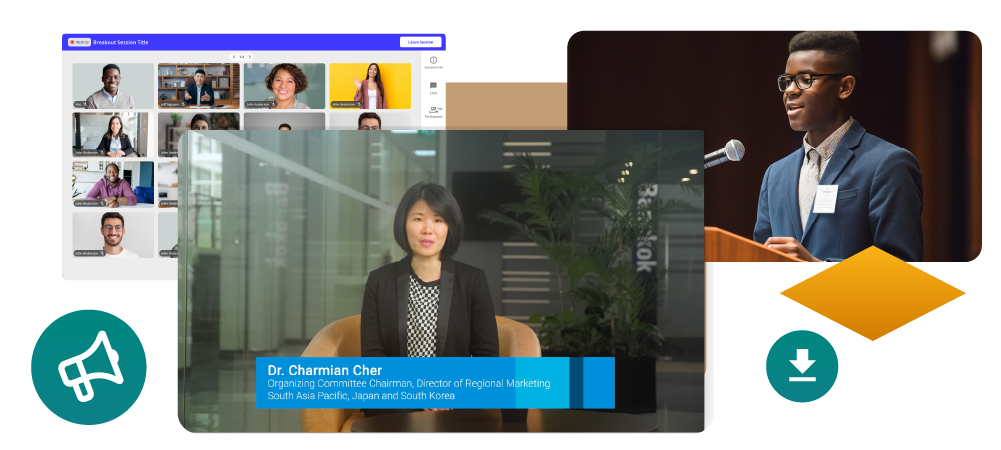
Leveraging social media platforms can enhance the visibility and engagement of virtual conferences. With billions of users worldwide, social media offers the opportunity to connect with attendees, create anticipation, and foster ongoing interaction before, during, and after the event. Utilizing strategic approaches can amplify the conference's reach, drive attendee participation, and cultivate a vibrant online community around the event. Below are some effective strategies for leveraging social media to optimize virtual conference visibility and engagement:
Generating high-quality leads from virtual conferences is a unique challenge that requires innovative solutions. Organizations can effectively overcome these hurdles and maximize lead-generation opportunities by employing strategic approaches. Here are three proven solutions to address these challenges:
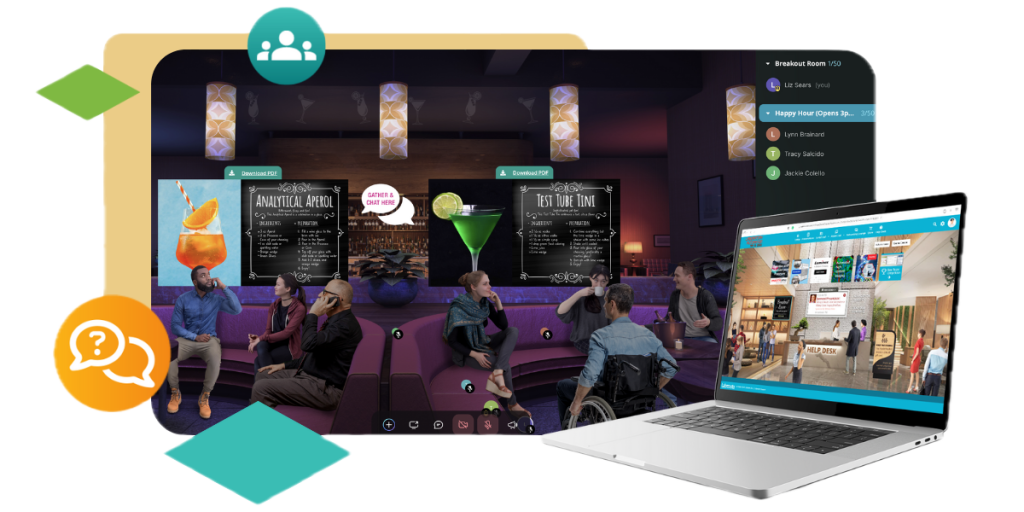
Maintaining attendee interest and participation is a common problem for virtual event organizers and managers. Organizers can employ various strategies to engage and captivate participants in these situations. Diversifying content formats, including interactive workshops, presentations, panel discussions, and Q&A sessions, ensures attendees remain intrigued and actively involved.
Gamification elements such as polls, quizzes, and challenges enhance engagement by transforming passive observation into interactive participation. Cultivating a sense of community through networking opportunities and group activities fosters connections among attendees, fostering a vibrant virtual environment. Encouraging real-time interaction through live chat sessions and audience-driven Q&A sessions empowers attendees to engage with speakers and peers actively, driving dynamic discussions and feedback. Finally, optimizing technical infrastructure and providing reliable support ensures seamless participation, minimizes disruptions, and enables attendees to focus on the conference content. By implementing these strategies effectively, organizers can create engaging and immersive virtual conference experiences that maximize attendee participation and satisfaction.
Everything listed above is vital for a successful virtual conference, and these reasons are magnified for large-scale virtual conferences since they are typically on a global scale. Therefore, it is crucial to adhere to best practices for effectively managing and executing large-scale virtual conferences, including recognizing your target audience, marketing and promoting your event, pre-conference preparations, recruiting lead event host, aka "master of ceremonies," enabling networking opportunities for your attendees, monitoring attendee engagement throughout the event, and receiving appropriate feedback from your attendees as soon as the event ends or a short time later.
During your preparations, emphasize to your attendees that feedback from your team members during the event might take a little longer than usual due to the size of the event but that you will adhere to their requests as soon as possible. Large-scale events typically encompass numerous time zones and geographic locations, so recording sessions are vital to ensure attendees worldwide can contribute later.
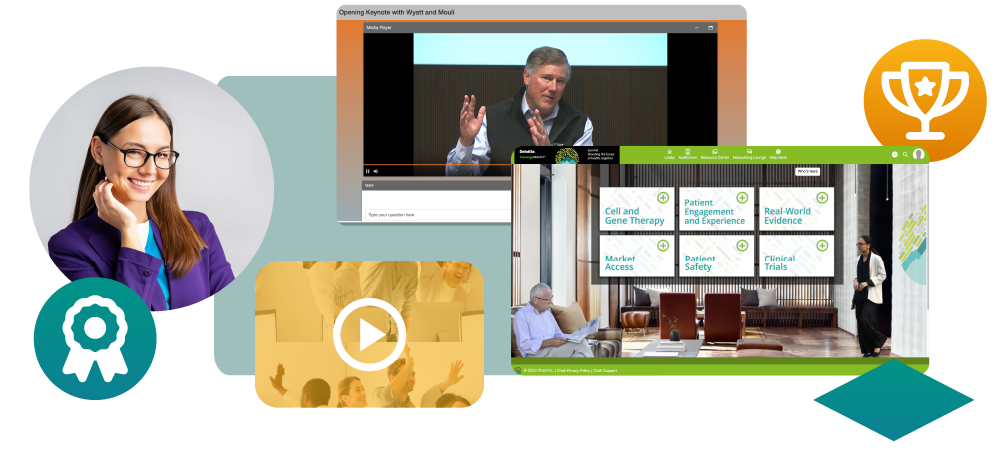
Virtual conferences will continue to evolve to meet the needs of individuals from all professions and backgrounds for years to come, and a large reason will be due to hybrid events, which bridge the gap between in-person and virtual conferences in one package. As noted, your attendees will hail from several time zones and geographic locations, and hybrid events offer them many opportunities to seamlessly engage with individuals in their field without needing to attend in person. Hybrid events offer cost-effective and environmentally friendly methods to unite people, enabling you to host large-scale events with smaller in-person venues since most of your attendees will be online. This will result in a reduced carbon footprint from less travel and local resources needed for the event. Overall, hybrid events increase reach and attendance while offering greater participant flexibility.
Hybrid events offer unique opportunities for increased attendee engagement, primarily from your event's larger—most often global—reach, which only improves diversity, inclusivity, and connectivity for individuals from all over the world. Like virtual conferences, hybrid events offer diverse content, including gamification, polls, quizzes, interactive workshops, and Q&A sessions. Additionally, breakout rooms offer your attendees from both in-person and virtual audiences the opportunity to engage with each other, helping to break down geographic barriers for individuals from all backgrounds and professions. With hybrid events, your virtual conference can be taken to the next level, enabling you to enhance engagement and foster lasting connections for everyone.
Successful hybrid events leverage virtual conference software to create seamless hybrid events experiences, including user-friendly interfaces and systems, mobile apps, successful integrations with other systems, and advanced proficiencies. The best software packages also provide supplemental tools, including secure payments, several registration/ticket options, guest speaker info and images, virtual spaces for one-on-one interactions, and post-event feedback surveys. With hybrid events, the successful integration of virtual conference software is essential because it enables increased diversity, inclusivity, and connectivity for individuals worldwide.
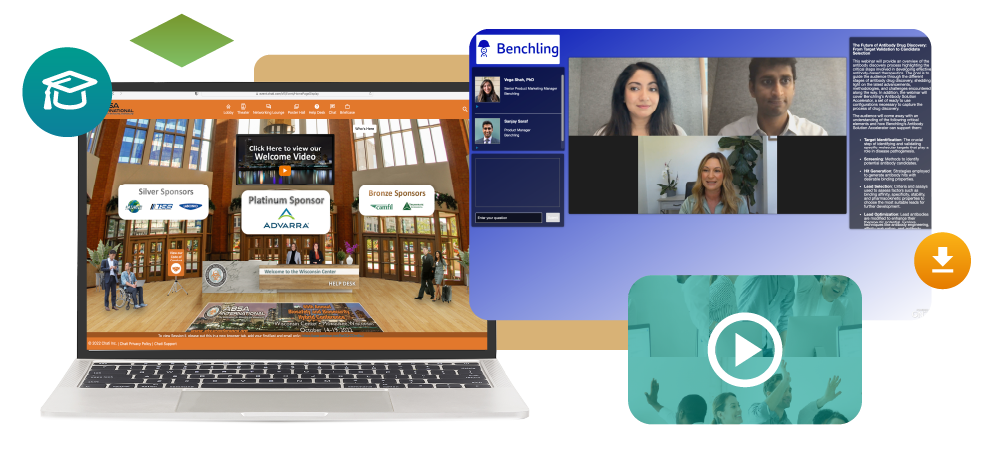
Virtual conferencing enables individuals from all personal and professional backgrounds to seamlessly share new ideas and engage with others in their field. The expansion of VR technologies and AI enables event organizers and attendees to engage in new and exciting ways while offering myriad tools that allow attendees to seamlessly engage with each other through the event, including gamification, breakout rooms, and live chat sessions. Additionally, hybrid events can enhance virtual conferences, which offer the best in-person and virtual experiences for individuals worldwide.
With this blog, we are making a call to action for embracing innovation and adapting to the changing landscape of virtual conferencing. We have highlighted many key trends and insights into how event organizers and attendees can use virtual conferencing to maximize engagement and connectivity for individuals from all professions and geographic locations. Virtual conferencing will continue to evolve and improve, and we are confident you will come away with this better preparation for your next virtual conference.
Regarding virtual networking, webinars have become one of the most mainstream methods of sharing ideas and building connections, and embracing the power of webinars in modern marketing and engagement will help you do just that.
Webinars help unveil the triple impact of virtual networking and building your brand: leads, relationships, and education, which all work together to foster inclusivity and connections for everyone. Leads help you build your network, which results in building relationships and gaining an education by sharing knowledge and ideas with people from different backgrounds and disciplines.
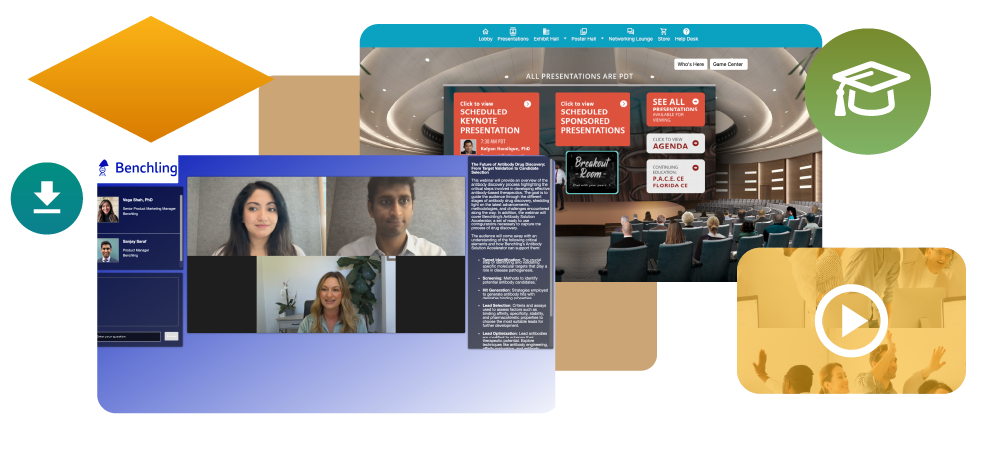
Defining the role of webinars in lead generation and education is vital to help build your brand and foster lasting connections. Webinars provide a valuable opportunity for attendees to share knowledge and ideas through their ability to learn at their own pace while effectively delivering quality information from various sources, including speakers and videos that attendees can use to build their virtual network.
Webinars provide an incredible opportunity to recognize the value of building relationships through virtual events. This is because you can engage and interact with individuals from all over the world for an in-person event instead of a limited number of individuals. Additionally, they provide many tools to help you share ideas and knowledge, including Q&A sessions, breakout rooms, and much more.
An important first step in building webinars with the goal of lead generation is identifying target audiences and their pain points, which involves adhering to their challenges and concerns. You can accomplish this through emails, social media, surveys, and additional feedback.
Designing webinars that address audience needs and offer solutions is critical to finding your audience and gathering high-quality leads. These needs might include disability accommodations for the seeing- and hearing-impaired but also might include tailoring the webinar content based on the audience’s goals, whether they’re personal, professional, or educational. If your audience desires content to build their virtual network, a solution could be to provide speakers who can help them achieve that goal.

One way to generate leads is to utilize webinars to nurture prospects along the sales pipeline, a common tactic in sales designed to convert leads into relationships. The first step is to successfully promote your webinar through social media, emails, and your website. The second step is to thank your audience for attending while confirming their attendance. Finally, you need to host a great webinar! Maintain high levels of engagement and present content that compels your audience and gets them excited for more.
Another way to generate leads is by incorporating follow-up strategies to maximize lead conversion, which can be accomplished using targeted attendee emails and social media strategies. A clear follow-up system lets you keep track of your leads; an automatic reporting system is ideal for keeping your leads organized. However, like any endeavor, it’s vital to remember that most leads will be “cold”, and you could end up with very few good or “hot” leads. It’s okay to dump cold leads and nurture the good ones long-term.
Possibly the most notable aspect of webinars is fostering audience interaction and connection, which is accomplished with creative and educational content designed to keep audience members engaged and interacting both during and after the webinar, which will only result in building and fostering relationships and connections for both the short- and long-term.
Several of the same techniques for establishing trust and building stronger relationships in the real world also exist in webinars, including effective communication, honesty, transparency, setting boundaries, active listening, integrity, and consistency, to name a few.
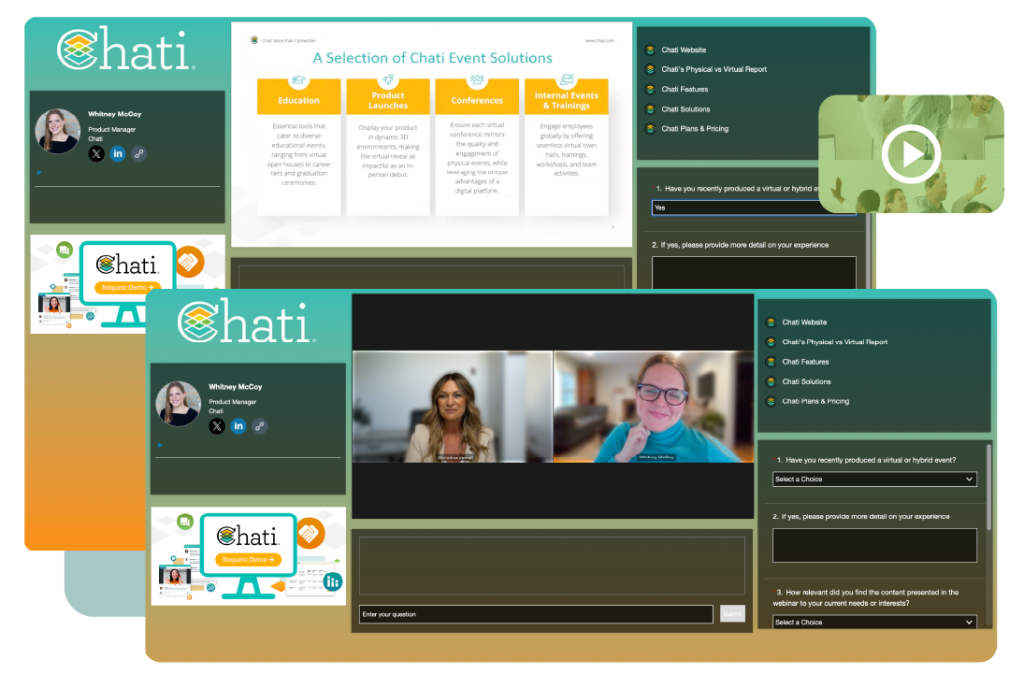
A webinar’s success comes from designing educational content that provides value, with that value being the ability for your audience members to generate leads, build connections, and foster relationships for both the short- and long-term. This is accomplished through tailoring to your audience’s goals, surprising your audience with new content, and keeping the same tone and pitch throughout the webinar.
Additional content strategies include creating webinars that combine information and engagement, accomplished through captivating invitations, powerful openings, and inspiring graphics, to name a few.
Successful webinars keep their audiences engaged, and this is accomplished with interactive polls, Q&A sessions, and discussions, which are also designed to break up any monotony your audience might experience throughout the webinar. Additionally, using gamification to enhance participation and learning is also an excellent technique, which is an excellent way to enable your audience to generate leads and build connections throughout the webinar.
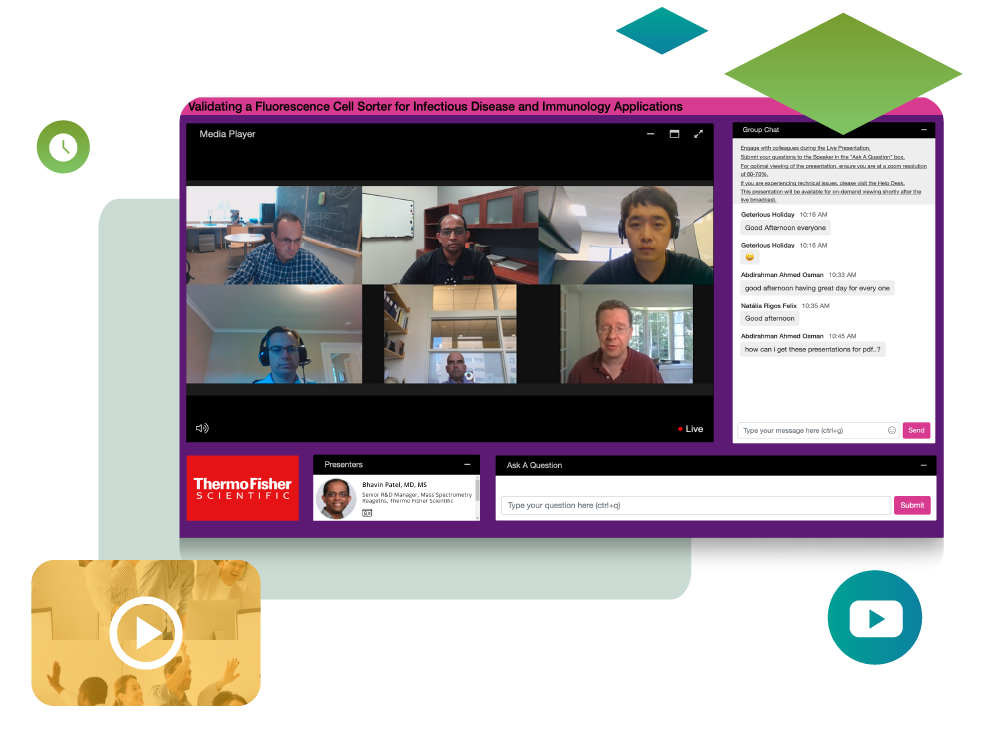
Successful webinars and nearly all online events begin with choosing the right webinar platform and tools that will demonstrate quality performance while enabling your audience to engage and interact with each other seamlessly. Examples of platforms include Zoom Events, Zoho, Livestorm, Contrast, and Webex, which can be used based on your requirements and audience needs.
At Chati, we believe in enhancing engagement through interactive features, and we Are proud to offer a myriad of them, including content management, templates and 3D spaces, gamification, integrations, ChatiConnect, analytics and reporting, and so much more!
All successful webinars incorporate successful promotion strategies, including leveraging social media, email, and many networks to excite your audience for the upcoming webinar. While email could be the primary method, you can create custom social media accounts and websites just for the webinar, which gives it an extra professional appeal for your audience.
Another method involves crafting compelling registration pages to boost attendance, as they also offer a more professional appeal designed to attract attendees who might have yet to consider attending your webinar.
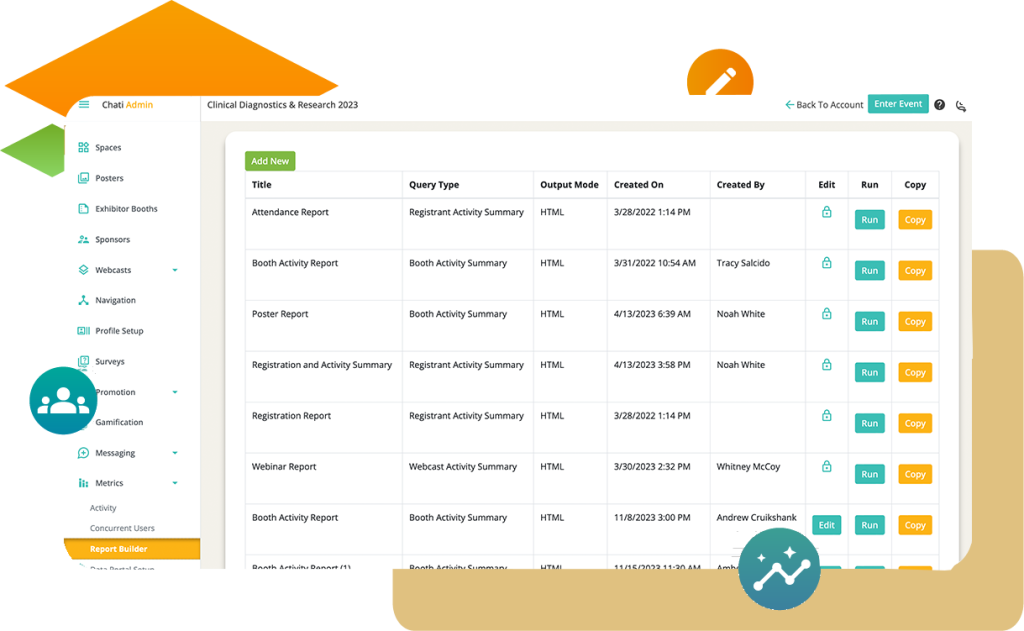
Successful webinars ensure your audience is engaged and achieves their lead generation goals. This is accomplished by tracking attendance and engagement throughout the webinar. This can be accomplished through artificial intelligence or one-on-one support from your hosting team, where your audience can interact with a real person and provide real-time feedback on their experience throughout the webinar.
Additionally, analyzing lead generation metrics for continuous improvement is an important method for ensuring future webinars are even more successful than the one you just hosted. These metrics not only allow for continuous improvement but also provide you with the necessary feedback and tools to enable future audiences to achieve their networking goals.
Predicting trends and innovations in webinar practices is vital to ensure the long-term success of webinars. This is accomplished through receiving appropriate and timely feedback from your audience during and after the webinar. Through this feedback, you can gauge your future audience needs and establish what new and exciting innovations need to be made to ensure successful webinars in the future.
Additionally, embracing new technologies for enhanced impact is another method for ensuring a successful future for webinars. Research what platforms or technical innovations other webinars have embraced the technologies that interest you and consider how these might be integrated into your webinar presentations.
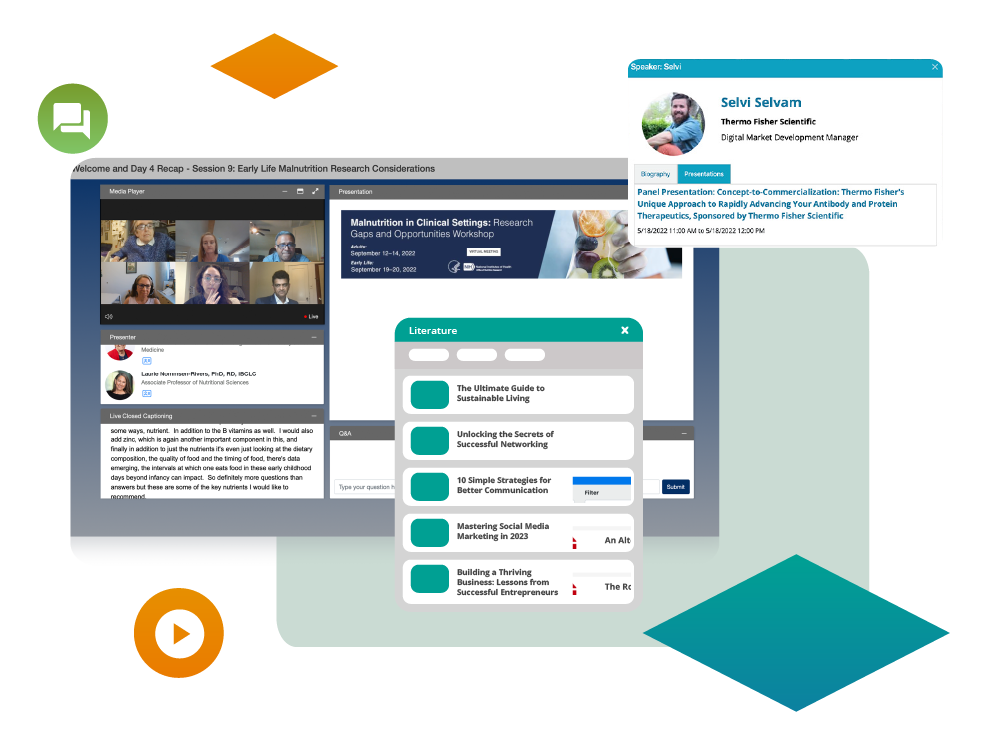
Webinars offer a holistic approach to lead generation, relationship building, and education for individuals worldwide. With the proper promotion, platform, and content, your audience will achieve their networking and lead-generation goals for both the short- and long-term. Additionally, webinars help by elevating your virtual events to drive results and engagement that will allow everyone to build relationships and foster connections with individuals worldwide.
Sources: LinkedIn, Flow, Corefactors, PositivePsychology.com, Rock Content, Banzai International, Contrast
One of the impacts of the COVID-19 pandemic was the rise of virtual networking. While born from necessity, virtual networking created new and exciting ways for individuals to grow and learn from each other like never before. With virtual networking, you can take your ideas and talent to new heights by building connections and fostering relationships for both the short- and long-term.
Here, Chati outlines a guide to mastering effective virtual networking skills. We discuss the importance of virtual networking, tests, and strategies for reaching networking goals.

Virtual networking, or digital networking, is a professional connection and engagement method where people can share ideas and build relationships. Effective virtual networking is essential for increasing inclusivity and connectivity and fostering professional relationships in the short and long term.
One of the most difficult tasks in digital networking is transitioning from in-person to virtual, as this new environment comes with different sets of guidelines and protocols, which will be discussed further below. There are many benefits of going digital in networking, with the primary benefit being your reach, as virtual networking allows you to engage with professionals in your field from all over the world in a fraction of the time as in-person networking. The level of online tools at your disposal also far surpasses in-person networking, including social media, email, and Google, to name a few.
One of the most essential virtual networking tools is crafting an effective elevator pitch, which means keeping ideas short and direct. When you're meeting in person, you can share your ideas slowly and naturally within a conversation. However, since virtual networking often involves interacting with a larger number of people at a faster pace, reformatting your thoughts and ideas into bite-sized formats allows everyone to share.
Additional strategies for building successful digital relationships include the same strategies for building in-person relationships, including knowing your audience and being able to address the group's goals in addition to your own. However, virtual networking is different because you're utilizing additional digital tools, such as social media, for your networking needs.
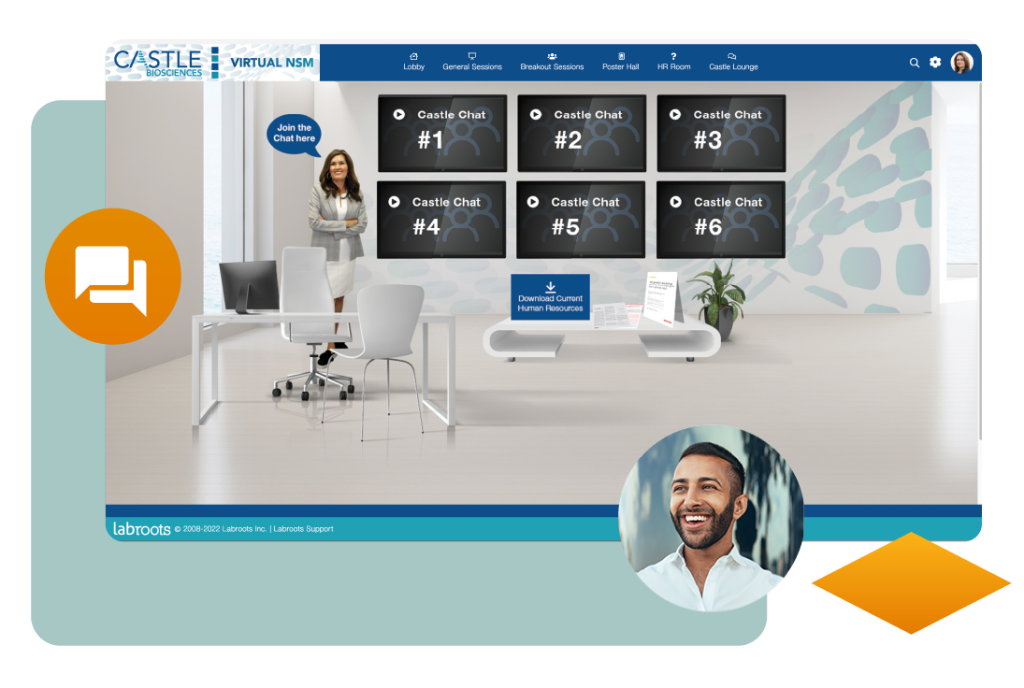
Another critical aspect of virtual networking is maximizing the potential of social media platforms to share your ideas and build your brand. This doesn't necessarily mean using the most popular platforms but focusing on those that will maximize the range of your ideas and reach instead. For example, using platforms where you've had accounts for a while will work best since you're familiar with the layout and flow. You may also have a longer history on the platform, making your profile appear more organic and natural. You can create alternative accounts for your brand while linking it to your personal account so everyone knows it's you.
When using social media for networking, it's vital to remember the dos and don'ts. This includes keeping your posts short and direct while managing the number of posts, as you don't want to scare people off with too much "spam." Additionally, while engaging with people is strongly encouraged, it's important to pick your battles and not engage with negative users, as you want to avoid getting dragged into a heated debate where everyone can see what you're saying.
With digital networking, as with face-to-face, every minute counts. An elevator pitch is a condensed version of your vision, and social media can help create the building blocks for your brand, but real time interaction is the key to success. Authentic conversations in real-time can create a genuine connection between you and your audience, making them feel valued and heard. To engage in real time digital networking, research virtual events with dedicated networking sessions and set up informative interviews with professionals working in your chosen field. Informative interviews are informal conversations where you can learn about job responsibilities and professional experiences.
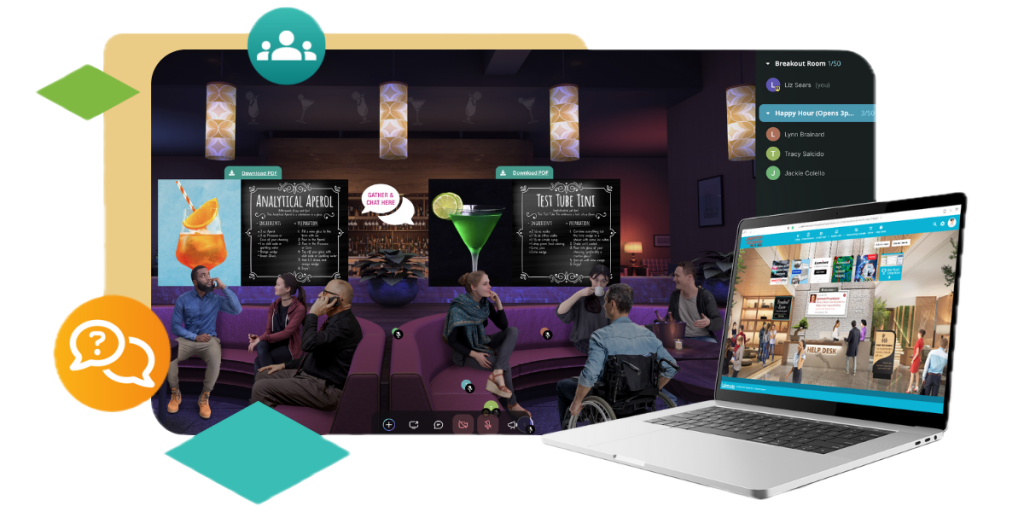
As mentioned above, you can find dedicated virtual networking sessions within a wide range of virtual events, but you may also see breakout sessions called ‘Virtual Happy Hours’. These breakout sessions typically have a less formal feel and encourage conversations outside of the typical professional development topics. While this may sound counter intuitive, these informal conversations can lead to memorable experiences for attendees. You’re more likely to remember a conversation with someone that makes you laugh!
Speed networking is exactly what it sounds like. Within a speed networking event you are paired with others in your field to quickly and effectively connect. Remember that elevator pitch? It’ll really come in handy here. Be on the lookout for speed networking events to make multiple new contacts in a short period of time.
A common critique of virtual events is the lack of face-to-face spontaneous conversations that are the bread and butter of in-person events. However, video conferencing has come a long way in this department, and there are now options to recreate that spontaneous face-to-face experience. When attending a virtual event for networking purposes, check and see what platform they are using to promote face-to-face interaction. For example, with Chati, we have ChatiConnect. The video chat tool allows for small breakout groups and both planned and spontaneous conversations.

Virtual networking has many benefits, but sharing your contact information safely and effectively is important. This starts with trust, as you don't want to share your contact information with someone who could use it against you. Online scammers are paid to steal contact information and then sell it to third parties, so you must have complete confidence in the person you're interacting with before you share contact information.
Another vital tip is managing and organizing contact information privately or publicly. Either method means providing a short, detailed list of your most pertinent contact information, which will garner a sense of professionalism for your network. This includes email signatures, your LinkedIn profile, and social media pages, to name a few.
Pay attention to the importance of continuous improvement. While your goal is to build your virtual network, you are also looking for ways to improve yourself personally and professionally. This can be accomplished through a simple conversation or over the long-term through countless conversations you will have while building your network.
It's vital to stay ahead of the curve in virtual networking. This includes keeping your information up to date on social media platforms, specifically LinkedIn, where your entire CV/résumé is publicly available. You can regularly update your other social media platforms to reflect title changes, new positions, promotions, accolades, awards, and more!

At Chati, we pride ourselves on building connections and fostering professional relationships for both the short and long term. Within a Chati event, our internal virtual networking platform, ChatiConnect, helps facilitate meaningful connections throughout the event and in small group breakout sessions. Chat messaging is also effective, but video chats like ChatiConnect give those interested in networking that personal touch often lost in translation from in-person to virtual events.
Whether your goals are to build your brand or your network, it's vital to understand the importance of virtual networking and its benefits and strategies to achieve your networking goals. Additionally, it's vital to remember that you're here to learn, grow, and improve, both personally and professionally, while sharing ideas and fostering connections for both the short- and long-term, which includes safely sharing your contact information while keeping it up to date. At Chati, you can accomplish your networking goals with our myriad of tools and resources, and we hope you come away from this feeling more confident than ever that you can meet your networking goals!
Sources: Chati, Digital Road, Forum One, Princeton University, HubSpot, Government of Canada, Chati (1), Chati (2)

