Discover how Chati's self-service licenses give you full control - build, update, and launch virtual events on your terms. Register for our free webinar today!
Virtual events are transforming education through online lectures, workshops, and conferences that promote flexibility, accessibility, and engagement. They benefit students, educators, and administrators by removing physical barriers and enhancing participation. This article aims to simplify the planning and hosting of impactful virtual events, empowering educational institutions to create dynamic, inclusive, and compelling learning experiences.
Here, we will discuss how to simplify virtual events for educational purposes, including event types, strategies, measuring success, and more. Through this, you will have the knowledge and resources to host a successful virtual event while prioritizing educational activities for attendees.
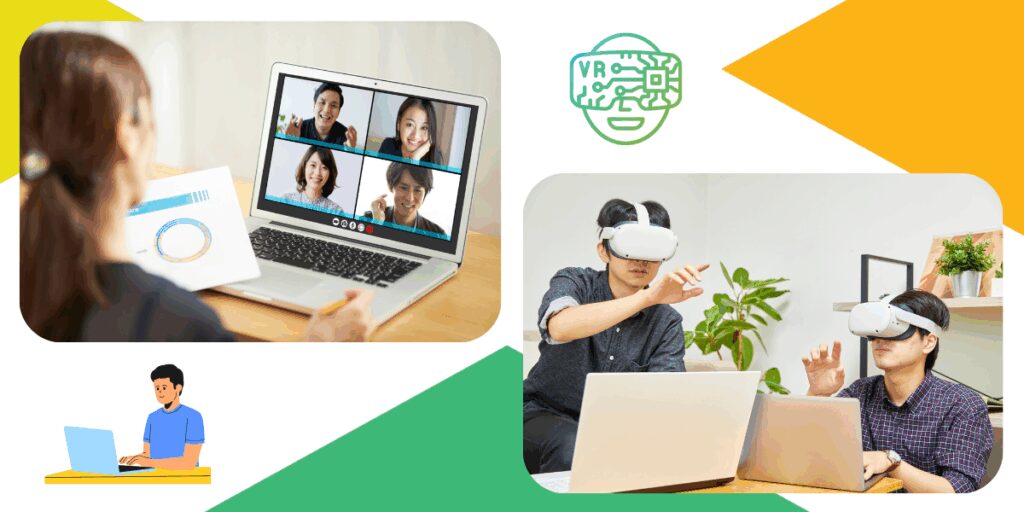
Educational institutions now host a variety of virtual events, including online lectures and seminars accessible to global audiences; interactive workshops and labs that use digital tools for hands-on learning; and virtual career fairs that connect students with employers and alums. Open houses and orientations are also held online to engage prospective students and parents. Each format adapts seamlessly through live streaming, breakout rooms, chat features, and interactive platforms that enhance accessibility and participation.

Successful virtual education relies on user-friendly, secure platforms with integrated engagement tools such as live chat, Q&A, polls, breakout rooms, and on-demand content. These features enhance interaction and accessibility while ensuring scalability, enabling institutions to host anything from large lectures to campus-wide events and multi-session academic conferences with ease.

Virtual education thrives on interactive elements like quizzes, polls, and live discussions that sustain attention and engagement. Personalized experiences—such as tailored session tracks, recommended content, and adaptive learning paths—enhance learning outcomes. Collaboration is fostered through breakout groups, discussion forums, and peer-to-peer networking, creating dynamic, connected virtual learning environments.

To ensure full participation, virtual events should include closed captioning, multilingual support, and screen reader compatibility. Inclusive scheduling accommodates students across time zones, promoting equitable access for international or remote learners. Additionally, offering diverse resources—such as visual, auditory, and interactive materials—supports various learning styles and fosters an inclusive educational experience.

Measuring success in virtual education involves tracking attendance, engagement scores, feedback surveys, and content interaction. Analyzing these metrics helps educators refine future events for greater impact. Post-event strategies—such as sharing session recordings, supplementary materials, or follow-up surveys—extend learning opportunities and strengthen engagement beyond the live experience.
Summary
Here, we discussed how to simplify virtual events for educational purposes, covering event types, strategies, measuring success, and more. In the future, you will have the tools and resources to organize a successful virtual event while enabling your attendees to engage in educational activities to help them achieve their personal and professional goals.
Virtual events offer educational institutions unmatched accessibility, engagement, flexibility, and global reach. Schools can start small—such as hosting online lectures or workshops—and gradually expand to larger events. Please contact Chati to learn how you can host professional, interactive, and scalable virtual experiences that enhance learning and community connection.
Virtual events have transformed how we meet and connect with individuals worldwide to achieve our personal and professional goals. They help businesses recruit new employees, attract new clients, and showcase new products. However, virtual events have also shown promise in transforming education through the rise of online learning and digital classrooms while offering flexibility and accessibility. Here, we will discuss how virtual events can be the future of learning, including the benefits, key technologies, enhancing student engagement, and the future of virtual education.

One of the significant benefits of virtual events in education is increased accessibility for students and educators worldwide, as virtual events tear down geographic barriers, enabling millions of individuals from all personal and professional backgrounds to learn and grow together.
Additionally, educational virtual events are a cost-effective alternative to in-person education, as they save money on travel, lodging, food, and fuel while still providing the same level of education as in-person options. As a result, you get greater flexibility in learning schedules and formats, enabling individuals worldwide to learn independently and at their own pace.
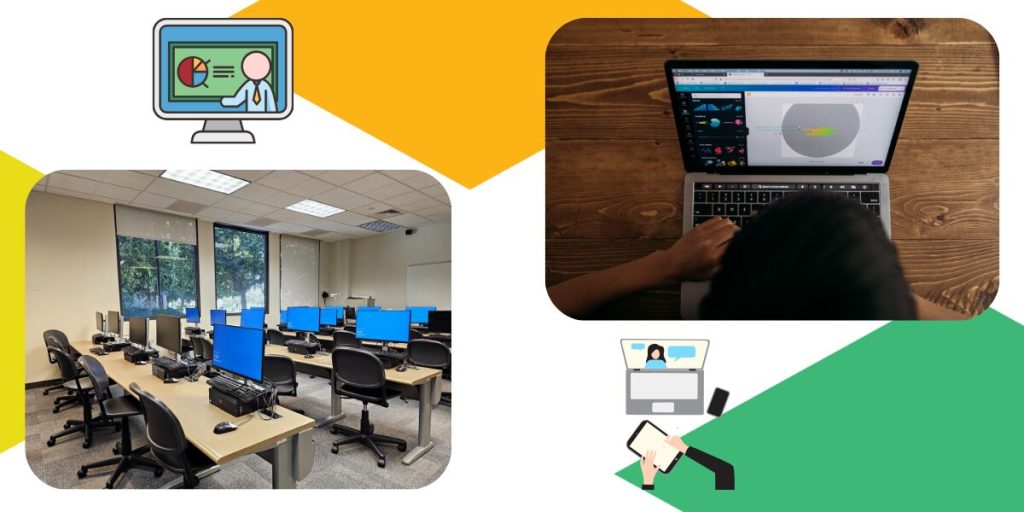
Virtual event platforms are designed for learning, given their technological prowess and accessibility for individuals worldwide. One of these key technologies is AI-driven personalization for tailored learning experiences, enabling individuals with learning, sight, or hearing disabilities to get educated at the same level as everyone else. This includes using interactive tools such as live Q&A, polls, breakout rooms, and gamification to enhance the learning experience and enable individuals of all backgrounds to engage and connect with each other while achieving their personal and professional goals.
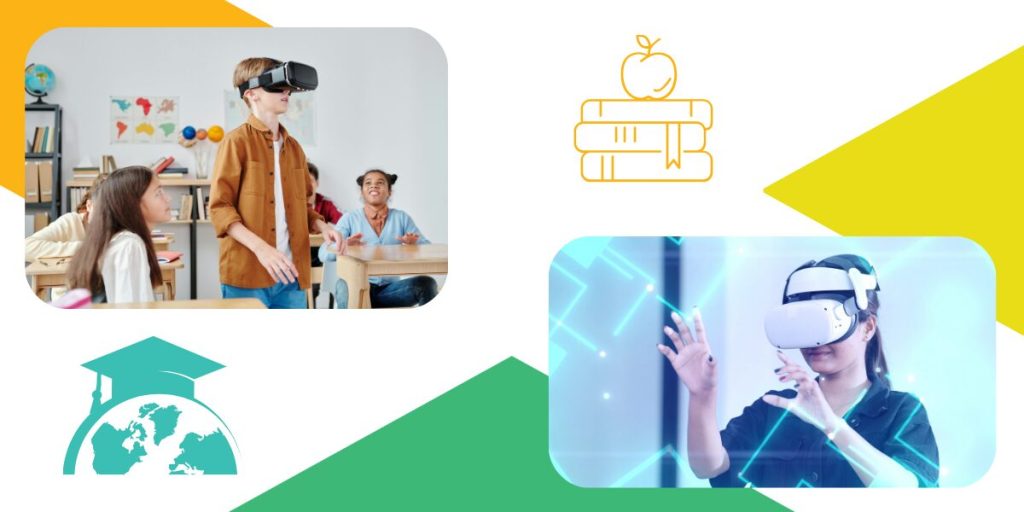
Using virtual events for educational purposes offers a myriad of strategies to keep learners actively involved throughout the process, enabling them to stay focused on the tasks and gain as much knowledge as possible. This is primarily accomplished through immersive experiences like virtual reality (VR) and augmented reality (AR) in education, as this provides learners with an extra level of participation while keeping them actively engaged. Through this, you highlight the importance of networking and peer collaboration in virtual classrooms while building connections and fostering lasting relationships.

Like all endeavors, education through virtual events is successful through constant feedback and improvement, and this includes a shift toward hybrid learning models combining online and in-person education. This is accomplished through AI-driven tutors and personalized learning pathways designed to provide the same level of education and training across the board and cater to everyone’s needs. Through this, you highlight the importance of how institutions and businesses are embracing virtual learning solutions to create a more connected and educated tomorrow.
Summary
Here, we discussed how virtual events are shaping the future of education, including the benefits, key technologies, enhancing student engagement, and the future of virtual learning. We encourage educators and institutions to adopt virtual learning strategies to enable individuals worldwide, and from all walks of life, to earn an education while striving to achieve their personal and professional goals.
We invite feedback and comments from readers regarding how Chati can improve our virtual event education strategies to help advance the goals and objectives of individuals worldwide. Feel free to contact Chati for further information regarding incorporating educational materials into your virtual event.

