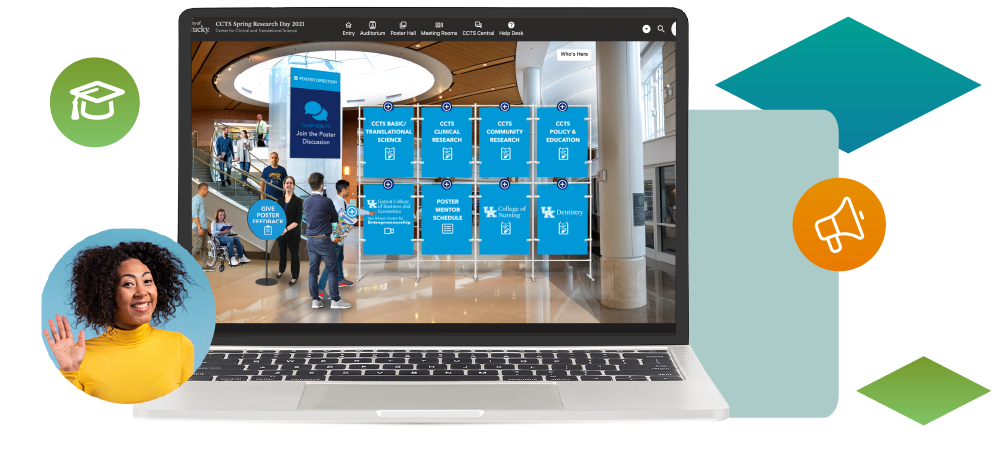
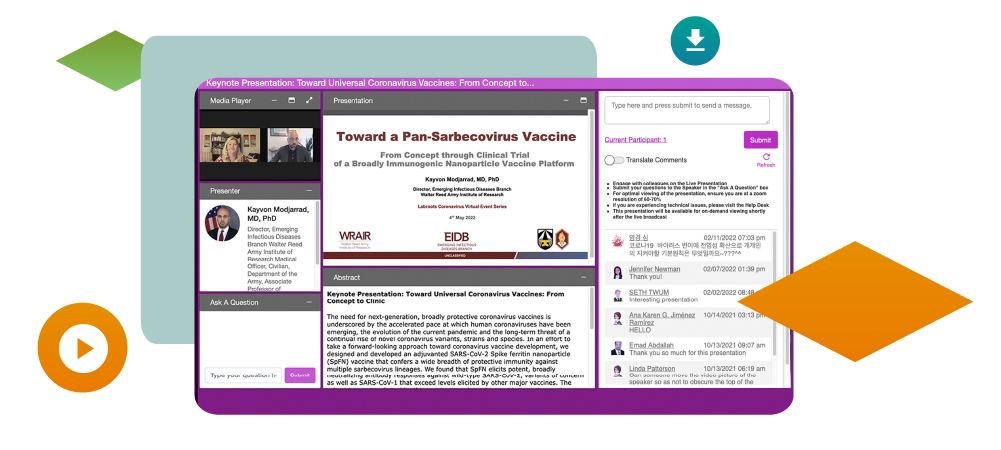
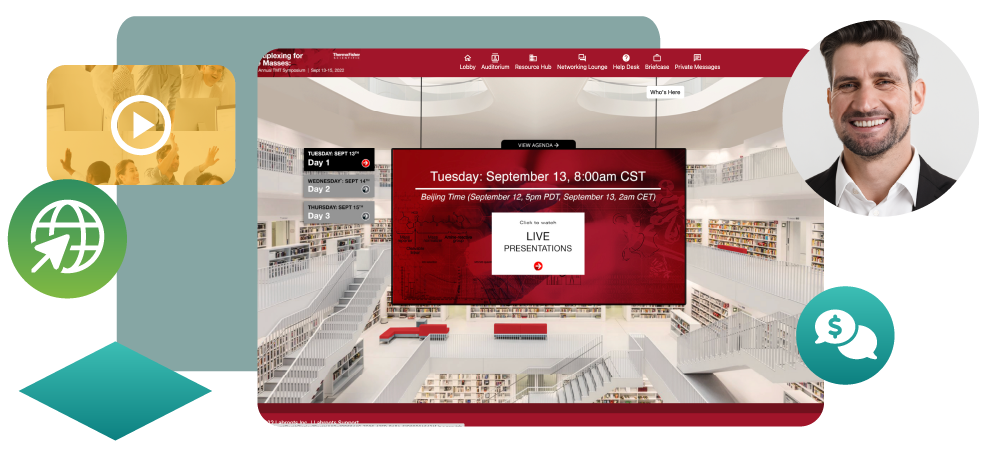
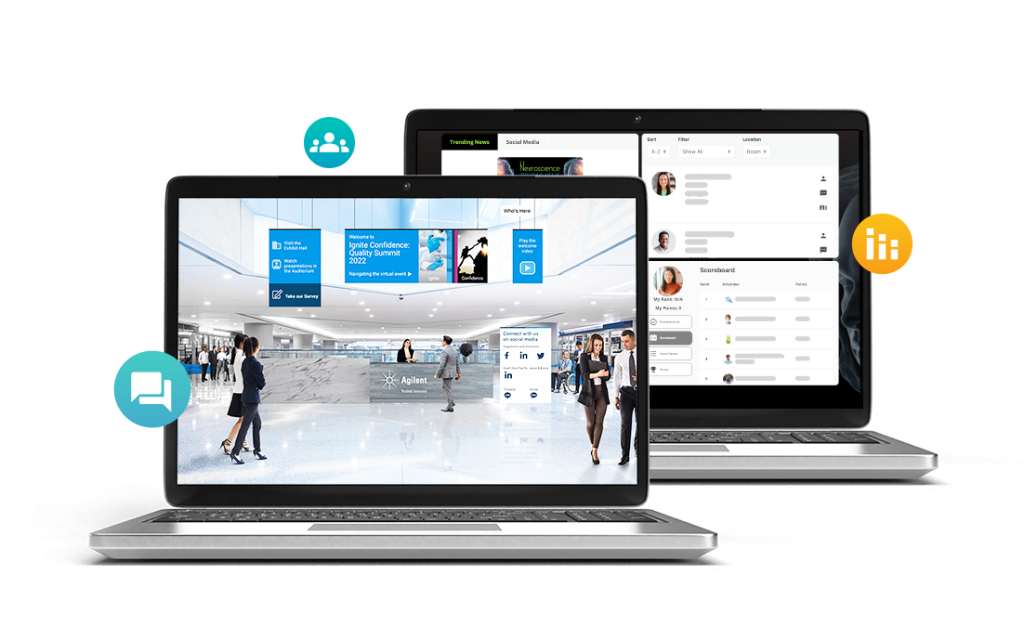
Discover how Chati's self-service licenses give you full control - build, update, and launch virtual events on your terms. Register for our free webinar today!
The importance of virtual events in today's business landscape, both in-person and digital, cannot be understated, including healthcare, education, technology, government, sports and entertainment, and nonprofit organizations, to name a few. Virtual events not only enable individuals from all backgrounds and disciplines to collaborate and engage, but they also provide cost-saving opportunities, as well. Here, we will discuss myriad ways that virtual events can benefit numerous industries across the globe while fostering diversity and inclusion and building lasting relationships.
II. Benefits of Virtual Events in Healthcare
Virtual events in healthcare offer enhanced accessibility, enabling medical professionals worldwide to participate in conferences and training sessions without geographical constraints. They provide continuous medical education opportunities, fostering knowledge exchange and collaboration among specialists. Virtual events reduce costs and optimize resources by eliminating the need for travel, ultimately improving patient care by disseminating cutting-edge medical practices globally. Notable benefits and virtual event applications in healthcare include:
Accessibility to Medical Professionals and Experts - Virtual events enhance accessibility by connecting medical professionals and experts worldwide, facilitating knowledge exchange and collaboration without geographical constraints.
Continuing Medical Education (CME) Opportunities - Virtual events expand (CME) opportunities by providing convenient access to a diverse range of educational resources and expert-led sessions, enabling medical professionals to stay updated on the latest advancements and best practices in their fields from anywhere in the world.
Virtual Conferences for Medical Research and Innovation - Virtual events extend opportunities for medical research and innovation through virtual conferences, fostering collaboration among researchers and experts worldwide, thereby accelerating the dissemination of groundbreaking discoveries and driving advancements in healthcare.
Telemedicine and Virtual Consultations - Virtual events amplify the reach of telemedicine and virtual consultations, offering convenient platforms for medical professionals to connect with patients remotely, expand access to healthcare services, and improve patient outcomes through timely and efficient consultations regardless of physical location.
Health Webinars and Online Symposia - Virtual events can broaden the scope of health webinars and online symposia, providing accessible platforms for medical professionals to engage in educational discussions, share insights, and exchange knowledge on emerging trends and critical topics.
III. Advantages of Virtual Events in Education
Virtual educational events provide increased opportunities for students, educators, and administrators worldwide to collaborate on new and exciting ideas while breaking down geographic barriers. Additionally, virtual events enable diversity and inclusion for individuals from all backgrounds by mitigating travel costs, including airfare and hotel accommodations. Notable advantages and virtual events applications in education include:
Remote Learning and Virtual Classrooms – Virtual events advance remote learning and virtual classrooms by advancing opportunities for independent and innovative learners worldwide, along with the teachers who instruct the courses.
Academic Conferences and Research Symposiums – Virtual events enlarge academic conferences and research symposiums by bringing together academics, researchers, administrative leaders, and scientists worldwide to collaborate and innovate on new ideas for improving their respective fields.
Virtual Campus Tours and Student Recruitment – Virtual events transform virtual campus tours and student recruitment, providing extensive opportunities for upcoming students to engage with teachers and other students at their target institutions.
Hybrid Learning Models and Blended Education – Virtual events combine hybrid learning models and blended education by providing enhanced levels of affordability and flexibility for both teachers and students while maintaining the core elements of traditional learning and eLearning that hybrid and blended learning are known for.
Virtual Workshops and Professional Development Seminars – Virtual events expand virtual workshops and professional development seminars, providing employee and leadership sessions where ideas can be shared and growth is achieved.
IV. Leveraging Virtual Events for Technology Companies
Virtual events for technology companies can bring together engineers, managers, administrators, and investors to collaborate on novel strategies regarding company cohesiveness while fostering diversity and inclusion for individuals worldwide. The cost-saving benefits from virtual events could also be used to bolster other aspects of the industry. Notable leverages and virtual events applications include:
Product Launches and Demonstrations – Virtual events transform product launches and demonstrations, allowing industry leaders and innovators to share how their products will achieve customer satisfaction and fulfillment in the short and long term.
Tech Conferences and Developer Summits – Virtual events ignite tech conferences and developer summits, enabling engineers, innovators, and business leaders to discuss advancements in tech growth, including new software, hardware, and recent breakthroughs.
Virtual Hackathons and Innovation Challenges – Virtual events capture virtual hackathons and innovation challenges in a new light, providing programmers worldwide to collaborate and innovate on exciting new technologies, ideas, and solutions for the programming world.
Virtual Reality (VR) and Augmented Reality (AR) Showcases – Virtual events bolster VR and AR showcases by connecting individuals from academia and industry to share new ideas on immersive experiences and innovative opportunities for engineers, customers, and stakeholders.
Virtual IT Training and Certification Programs – Virtual events enhance virtual IT training and certification programs by providing the leaders of tomorrow with the tools of today, enabling them to grow personally and professionally.
Webinars on Emerging Technologies and Trends – Virtual events strengthen webinars on emerging technologies and trends, empowering them to showcase the latest innovative research and development models and strategies for a better future.
V. Virtual Events for Corporate Communications
Virtual events in corporate communications enable employees at all levels to share their thoughts, concerns, and ideas with managers and administrators, which fosters inclusivity and connectivity for individuals from across the globe. Additionally, virtual events allow investors to learn more about future products and services and make better-informed investment decisions. Notable benefits and virtual event applications in corporate communications include:
Town Hall Meetings and All-Hands Gatherings - Virtual events promote town hall meetings and all-hands gatherings, enabling the sharing of company-oriented ideas and knowledge for the betterment of the group, for both the short and long term.
Virtual Sales Kickoffs and Team Building Events – Virtual events direct virtual sales kickoffs and team building events, achieving goals for profits and customer and employee satisfaction across the board.
Internal Training Programs and Workshops – Virtual events accelerate internal training programs and workshops, enabling employees and managers to collaborate and innovate on new ideas to achieve company-oriented objectives.
Employee Recognition Events and Awards Ceremonies – Virtual events empower employee recognition events and awards ceremonies, promoting workplace diversity and inclusion by recognizing employees' and leaders' hard work and dedication.
Brand Activation Campaigns and Customer Engagement Events – Virtual events empower brand activation campaigns and customer engagement events, amplifying your global reach and engagement strategies.
VI. Virtual Events for Government Outreach and Engagement
Virtual events for government outreach and engagement enable citizens and policymakers to engage and collaborate on new and exciting strategies for improving the quality of life, diversity, and inclusion of individuals from all personal and professional backgrounds. Virtual events put transparency at the forefront of policymaking while potentially using the cost savings from virtual events for the greater good. Notable advantages and virtual event applications in government outreach and engagement include:
Public Town Halls and Community Forums – Virtual events enhance public town halls and community forums, providing an outlet for citizens and elected officials to share ideas and knowledge for the betterment of the community.
Virtual Conferences on Policy Discussions – Virtual events bolster virtual conferences on policy discussions, promoting constructive conversations about the betterment of society for both the short and long term.
Online Training for Government Employees – Virtual events improve online training for government employees, enabling them to receive up-to-date information so they can perform their duties and responsibilities at the highest level.
Virtual Public Services and Civic Engagement – Virtual events amplify virtual public services and civic engagement, providing community leaders, activists, and organizers to share knowledge and new ideas to improve public life for everyone.
VII. Transforming Event Planning with Virtual Platforms
Virtual events strengthen event planning and virtual platforms by enabling event organizers and attendees to have myriad options for bringing together individuals from all backgrounds and all over the world, fostering diversity and inclusion to new heights. Virtual events provide cost-saving opportunities for all parties, which could be used to improve virtual platforms, benefitting everyone. Notable transformative benefits and virtual event applications include:
Virtual Event Planning and Execution Strategies – Virtual events embolden virtual event planning and execution strategies, empowering event organizers to host meaningful and impactful events for individuals worldwide.
Community Management and Social Media Integration – Virtual events strengthen community management and social media integration, encouraging collaboration and innovation across various social media platforms.
Engaging Virtual Experiences and Interactive Sessions – Virtual events foster engaging virtual experiences and interactive sessions, harnessing the power of the digital world for personal and professional growth.
Target Audience Engagement and Lead Generation – Virtual events magnify target audience engagement and lead generation, enabling event organizers to gather data on audience preferences for current and future events.
VIII. Virtual Events for Associations and Professional Societies
Virtual events in professional societies furnish connectivity and inclusion across many industries and workplaces, including training, networking, and panels for individuals worldwide. Additionally, virtual events provide cost-saving benefits that could be used for membership fees while building lasting relationships for all parties. Notable benefits and virtual event applications for associations and professional societies include:
Virtual Conferences and Annual Meetings – Virtual events bolster virtual conferences and annual meetings, maximizing collaboration and innovation from event organizers and attendees worldwide.
Online Workshops and Training Sessions – Virtual events modernize online workshops and training sessions, empowering leaders, employees, educators, and many more to collaborate and innovate new ideas for improving their workplaces, for both the short and long term.
Virtual Networking Opportunities and Community Building – Virtual events reinforce networking opportunities and community building, encouraging the next generation of leaders and employees with the tools and services they need to build a better workplace.
Thought Leadership Webinars and Industry Panels – Virtual events simplify thought leadership webinars and industry panels, revitalizing the need for leaders to hear their employees' concerns and build a more impactful workplace.
IX. Virtual Events for Retail Sales and Marketing
Virtual events in retail and marketing provide opportunities for employees, managers, administrators, and stakeholders to collaborate and innovate on novel strategies for improving employee well-being and customer relationships. Virtual events offer cost savings that could be used for employee bonuses or mental health programs. Notable benefits and virtual event applications for retail and marketing include:
Virtual Product Launches and Demonstrations – Virtual events stimulate virtual product launches and demonstrations, synchronizing managers and employees to achieve maximum profits and customer satisfaction.
Online Sales Events and Shopping Festivals – Virtual events transform online sales events and shopping festivals, empowering marketing professionals to promote their products to their maximum potential.
Virtual Store Tours and Customer Experience Events – Virtual events spearhead virtual store tours and customer experience events, enabling sales and marketing representatives to share their company's ideas and knowledge with customers and stakeholders.
Virtual Pop-Up Shops and Brand Activations – Virtual events reinforce virtual pop-up shops and brand activations, empowering customers with the knowledge to ensure they purchase the product that will suit their needs, personally and professionally.
X. Virtual Events in the Financial Industry
Virtual events in finance give employees, specialists, managers, administrators, and investors the necessary tools and resources to increase profit margins while improving diversity and inclusion for individuals worldwide. The cost-saving benefits from virtual events could be used for improved employee relations and additional investment opportunities. Notable benefits and virtual event applications for the financial industry include:
Virtual Investor Conferences and Roadshows – Virtual events revamp virtual investor conferences and roadshows, providing investors with the tools and resources necessary to make the most informed decisions.
Online Financial Education Workshops – Virtual events pioneer online financial education workshops, expediting the knowledge they receive to make the best-informed investment decisions.
Virtual Banking and Finance Seminars – Virtual events empower virtual banking and finance seminars, establishing rules and protocols designed to ensure the most efficient banking strategies for everyone.
Virtual Trading Competitions and Investment Challenges – Virtual events cultivate virtual trading competitions and investment challenges, demonstrating increased awareness for making the best-informed financial decisions.
Virtual Economic Forums and Market Insight Sessions – Virtual events transform virtual economic forums and market insight sessions, encouraging collaboration and innovation for a more robust economy.
XI. Leveraging Virtual Events in Manufacturing
Virtual events in manufacturing enable employees, engineers, managers, business leaders, and investors to collaborate on exciting novel strategies for advancing manufacturing technologies that could result in more efficient products and services while increasing profits. Virtual events offer seamless training and trade show opportunities for individuals from around the world that could improve product quality control and employee safety. Notable benefits and virtual event applications in manufacturing include:
Virtual Factory Tours and Product Demonstrations – Virtual events enlarge virtual factory tours and product demonstrations, emphasizing transparency and clarity regarding all product specifications for customers and stakeholders.
Online Supplier Conferences and Trade Shows – Virtual events bolster online supplier conferences and trade shows, empowering suppliers with the tools and resources to make the best-informed decisions.
Virtual Training for Manufacturing Professionals – Virtual events empower virtual training for manufacturing professionals, facilitating knowledge-sharing and collaboration to improve manufacturing strategies.
Virtual Quality Control and Supply Chain Management – Virtual events expand virtual quality control and supply chain management, emboldening managers, employees, and stakeholders to produce the safest and most efficient products.
Virtual Sustainability Initiatives and Environmental Awareness – Virtual events expedite virtual sustainability initiatives and environmental awareness, fashioning collaboration and innovation for conservationists, legislators, scientists, and the public to mitigate environmental concerns.
XII. Virtual Events for Nonprofit Fundraising and Advocacy
Virtual events for nonprofit organizations enable seamless engagement for employees, managers, and stakeholders to collaborate on exciting new strategies regarding training, fundraising campaigns, and awards programs for all parties. The cost-saving benefits from virtual events could also be used to assist in these endeavors. Notable benefits and virtual event applications for nonprofit organizations include:
Virtual Charity Galas and Benefit Concerts – Virtual events expedite virtual charity galas and benefit concerts, exploring new fundraising strategies across all industries and services.
Online Fundraising Campaigns and Giving Days – Virtual events enforce online fundraising campaigns and giving days, establishing new fundraising protocols and procedures while ensuring employees and leaders are on the same page.
Virtual Volunteer Training and Engagement Events – Virtual events bolster virtual volunteer training and engagement events, empowering tomorrow's leaders with the tools and resources they need to make the best fundraising decisions.
Virtual Awareness Campaigns and Advocacy Events – Virtual events energize virtual awareness campaigns and advocacy events, expanding the fundraising footprint for all industries and endeavors.
Virtual Donor Appreciation Events and Recognition Programs – Virtual events promote virtual donor appreciation events and recognition programs, fostering connectivity, inclusivity, and diversity for individuals from various industries and backgrounds.
XIII. Virtual Events in Sports and Entertainment
Virtual events in the sports and entertainment industries provide ample opportunities for athletes, entertainers, managers, agents, and fans to engage and collaborate on novel strategies for improved fan experiences and athlete well-being. Virtual events provide cost-saving opportunities that can be used for enhanced in-game experiences and fan appreciation days. Notable benefits and virtual event applications in sports and entertainment include:
Virtual Sports Conferences and Industry Summits – Virtual events embolden virtual sports conferences and industry summits, empowering leaders, athletes, and stakeholders with the global reach to encourage safety, quality control, and training tools for a better industry.
Online Sports Clinics and Training Camps – Virtual events strengthen online sports clinics and training camps, promoting player safety and well-being for athletes, coaches, and team leaders across the sports industry.
Virtual Fan Engagement Events and Q&A Sessions – Virtual events bolster virtual fan engagement and Q&A sessions, allowing fans to learn the latest trends and news for their favorite teams and players.
Virtual Esports Events and Gaming Tournaments – Virtual events harness esports events and gaming tournaments, raising awareness for sports gambling practices and how to mitigate gambling concerns.
Virtual Athlete Interviews and Panel Discussions – Virtual events bolster virtual athlete interviews and panel discussions, enabling fans to engage with their favorite players and coaches while fostering inclusivity for a better fan experience.
XIV. Conclusion
Virtual events provide versatile experiences across all industries and disciplines, enabling employees, managers, business leaders, and others to collaborate and innovate novel strategies for a better future. With virtual events, both companies and individuals can save time and money on travel costs that can be used for improved workplaces and well-being. Adopting virtual event strategies for business growth cannot be understated, as virtual events enable companies to unite while fostering connectivity, diversity, and inclusion for everyone.
With virtual events becoming one of the mainstream ways to network and build connections worldwide, setting the stage for successful virtual events is vital to ensuring the highest levels of engagement and connection-building for both the organizers and attendees.
Here, we will discuss the importance of planning a virtual event like a pro, from event planning and promotion to event design to execution to feedback. Understanding these steps will ensure you achieve the highest levels of engagement, connectivity, and inclusivity for everyone.
II. Defining Your Virtual Event Objectives
When planning your virtual event, identifying goals and objectives is critical to achieving the highest level of success for everyone. Asking questions like, what are we trying to accomplish for the short and long term, how will we achieve it, and what impact will we make will not only ensure a successful virtual event but will help you achieve the maximum possible engagement levels and connectivity for everyone.
A primary starting point is understanding the purpose of your event. Are you trying to help your attendees improve their networking skills, advance their careers, or provide valuable information or education that could help them personally or professionally? Once you understand your event's purpose, you can plan and promote it more easily.
Once you identify goals and objectives and understand the event's purpose, the next step is determining the scale of the event, which will allow you to establish how many attendees you will be hosting. This ensures that you target the right audience with the necessary level of engagement and promotion without going overboard on the logistics before, during, and after the event.
III. Assembling Your Virtual Event Team
All successful events have successful teams behind the scenes, and this begins with establishing the role of a project manager, sometimes known as the virtual event planner, whose role is to ensure everything runs smoothly from start to finish. This includes ensuring all team members are on the same page and carefully documenting all aspects of the planning and implementation of the virtual event, as well. The most essential characteristic of the project manager is to stay in constant communication with all team members to ensure that everything stays on track from start to finish.
Once a project manager is assigned, the next step is building a well-rounded team assigned to different aspects of the virtual event, from promotion and planning to event design and execution to how feedback will be collected and documented. No matter how small the task, a well-rounded team will successfully contribute to the success of the virtual event from start to finish.
IV. Engaging Content and Activities
Virtual events aim to achieve the highest level of engagement and connectivity for everyone; you can accomplish this by designing engaging team-building activities to create camaraderie among your attendees. Team-building activities allow your attendees to network and build connections through interpersonal engagement and interaction, which can foster connections and build inclusive relationships for everyone.
Incorporating real-time interactions is another method to develop engaging content and activities, as this offers your attendees the opportunity for live discussions and knowledge-sharing, which will only achieve the highest level of engagement and inclusivity for everyone. Through these real-time interactions, your attendees can hone their networking skills while learning from many individuals worldwide.
One strategy for a successful virtual event is leveraging happy hours and face-to-face moments with your attendees, which will allow them to engage and interact with each other in a more personal and relaxed setting. Face-to-face communication also offers attendees increased knowledge-sharing and enables them to learn from each other more personally.
V. Effective Event Promotion
While the project manager's job is to ensure all team members are on the same page through the planning and execution of the virtual event, the marketing manager's role is essential in promoting the event. This includes ensuring they target the right audience, streamlined registration, and sending invites to all attendees leading up to the event.
Successful event promotions ensure you are maximizing brand awareness both leading up to the event and through the event, as the goal is to build connections among your attendees while building your brand, which will ensure your attendees will return for future events you might host.
Social media has become a part of our daily lives, and harnessing the power of social media for promoting your virtual event cannot be understated. This includes using company social media pages, such as X, Instagram, or Facebook, to promote your event and even having a social media account solely dedicated to your virtual event, especially if the event is part of a series.
VI. Measuring Engagement and Success
Throughout the virtual event, monitoring and gathering data on attendee engagement and audience interaction is paramount for achieving the most impactful and successful virtual event. This can be accomplished either by your team members or through artificial intelligence and will ensure your attendees achieve the highest level of engagement and connectivity possible.
Another way to ensure a successful virtual event is by evaluating the impact of the team-building activities to ensure everyone has the highest level of engagement and connectivity. Determining which activities are the most and least impactful will ensure your attendees are engaged while setting the stage for successful virtual events.
VII. Post-Event Reflection and Improvement
A significant step to ensure you continue to have successful virtual events is analyzing post-event data and feedback from your team and attendees. Feedback surveys sent via email or within your event platform are an excellent way to collect feedback immediately following the event. It's best to do this quickly following your event so the information is fresh in everyone's minds and you receive the most valuable information as fast as possible.
One area to focus on is identifying areas for improvement; this includes everything from event planning and promotion to targeting audiences to event management and even how you collect feedback. Concentrating on improvement will ensure you build the best team and host the most impactful event in the future, ensuring more significant levels of engagement and connection-building for everyone.
VIII. Conclusion
When planning a virtual event like a pro, having the right team and objectives in place will ensure a smoother and more successful virtual event, from event planning and promotion to event design to execution to feedback. Through this, you ensure the maximum level of engagement and interaction for your attendees and allow them the best opportunity for networking and connectivity with individuals from all over the world. We encourage event planners to embrace these best practices when planning a virtual event like a pro, which will ensure connectivity and inclusivity remain a top priority for everyone.