Discover how Chati's self-service licenses give you full control - build, update, and launch virtual events on your terms. Register for our free webinar today!
The importance of virtual events in today's business landscape, both in-person and digital, cannot be understated, including healthcare, education, technology, government, sports and entertainment, and nonprofit organizations, to name a few. Virtual events not only enable individuals from all backgrounds and disciplines to collaborate and engage, but they also provide cost-saving opportunities, as well. Here, we will discuss myriad ways that virtual events can benefit numerous industries across the globe while fostering diversity and inclusion and building lasting relationships.

Virtual events in healthcare offer enhanced accessibility, enabling medical professionals worldwide to participate in conferences and training sessions without geographical constraints. They provide continuous medical education opportunities, fostering knowledge exchange and collaboration among specialists. Virtual events reduce costs and optimize resources by eliminating the need for travel, ultimately improving patient care by disseminating cutting-edge medical practices globally. Notable benefits and virtual event applications in healthcare include:
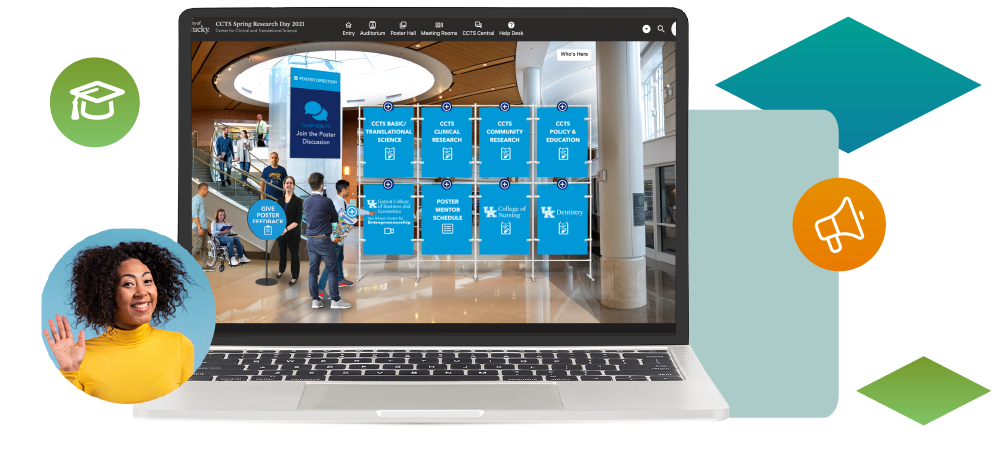
Virtual educational events provide increased opportunities for students, educators, and administrators worldwide to collaborate on new and exciting ideas while breaking down geographic barriers. Additionally, virtual events enable diversity and inclusion for individuals from all backgrounds by mitigating travel costs, including airfare and hotel accommodations. Notable advantages and virtual events applications in education include:

Virtual events for technology companies can bring together engineers, managers, administrators, and investors to collaborate on novel strategies regarding company cohesiveness while fostering diversity and inclusion for individuals worldwide. The cost-saving benefits from virtual events could also be used to bolster other aspects of the industry. Notable leverages and virtual events applications include:

Virtual events in corporate communications enable employees at all levels to share their thoughts, concerns, and ideas with managers and administrators, which fosters inclusivity and connectivity for individuals from across the globe. Additionally, virtual events allow investors to learn more about future products and services and make better-informed investment decisions. Notable benefits and virtual event applications in corporate communications include:
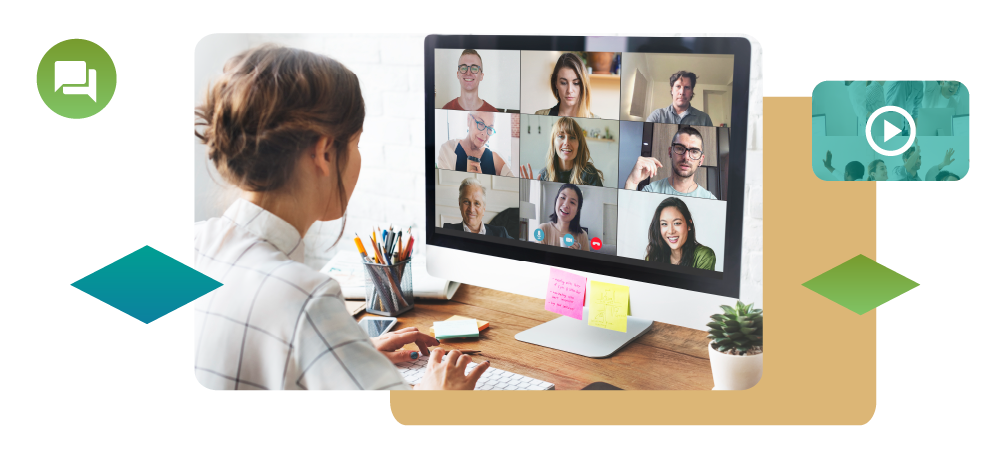
Virtual events for government outreach and engagement enable citizens and policymakers to engage and collaborate on new and exciting strategies for improving the quality of life, diversity, and inclusion of individuals from all personal and professional backgrounds. Virtual events put transparency at the forefront of policymaking while potentially using the cost savings from virtual events for the greater good. Notable advantages and virtual event applications in government outreach and engagement include:
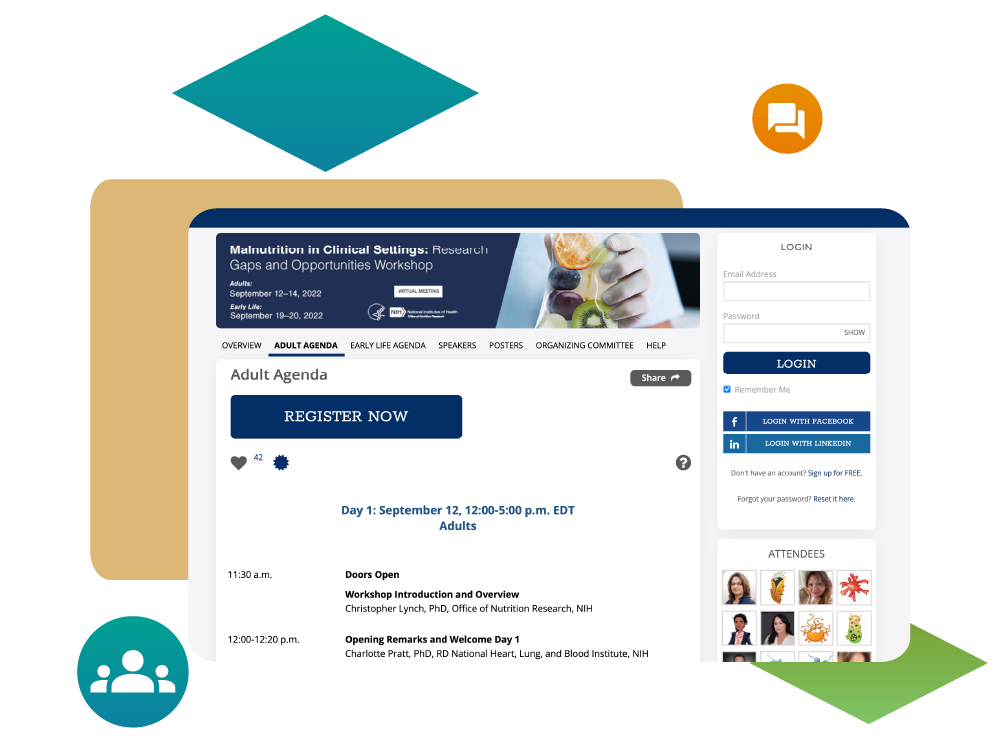
Virtual events strengthen event planning and virtual platforms by enabling event organizers and attendees to have myriad options for bringing together individuals from all backgrounds and all over the world, fostering diversity and inclusion to new heights. Virtual events provide cost-saving opportunities for all parties, which could be used to improve virtual platforms, benefitting everyone. Notable transformative benefits and virtual event applications include:
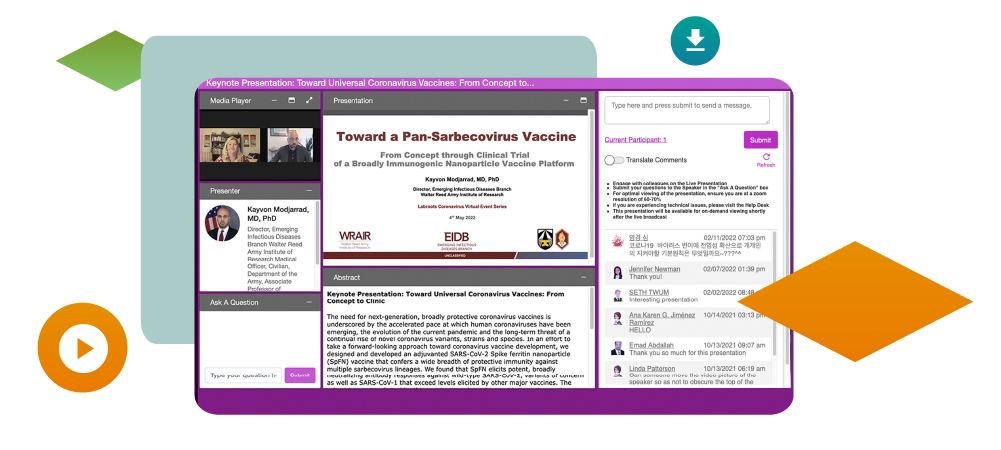
Virtual events in professional societies furnish connectivity and inclusion across many industries and workplaces, including training, networking, and panels for individuals worldwide. Additionally, virtual events provide cost-saving benefits that could be used for membership fees while building lasting relationships for all parties. Notable benefits and virtual event applications for associations and professional societies include:

Virtual events in retail and marketing provide opportunities for employees, managers, administrators, and stakeholders to collaborate and innovate on novel strategies for improving employee well-being and customer relationships. Virtual events offer cost savings that could be used for employee bonuses or mental health programs. Notable benefits and virtual event applications for retail and marketing include:

Virtual events in finance give employees, specialists, managers, administrators, and investors the necessary tools and resources to increase profit margins while improving diversity and inclusion for individuals worldwide. The cost-saving benefits from virtual events could be used for improved employee relations and additional investment opportunities. Notable benefits and virtual event applications for the financial industry include:
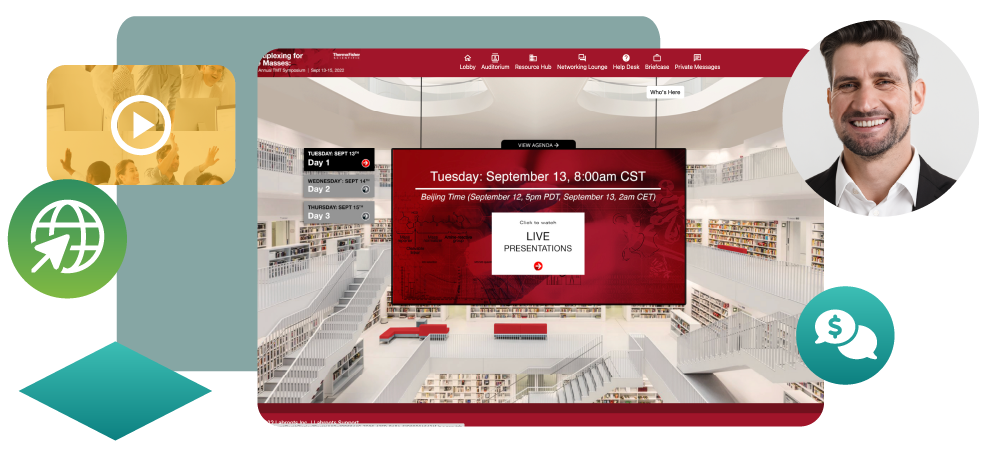
Virtual events in manufacturing enable employees, engineers, managers, business leaders, and investors to collaborate on exciting novel strategies for advancing manufacturing technologies that could result in more efficient products and services while increasing profits. Virtual events offer seamless training and trade show opportunities for individuals from around the world that could improve product quality control and employee safety. Notable benefits and virtual event applications in manufacturing include:
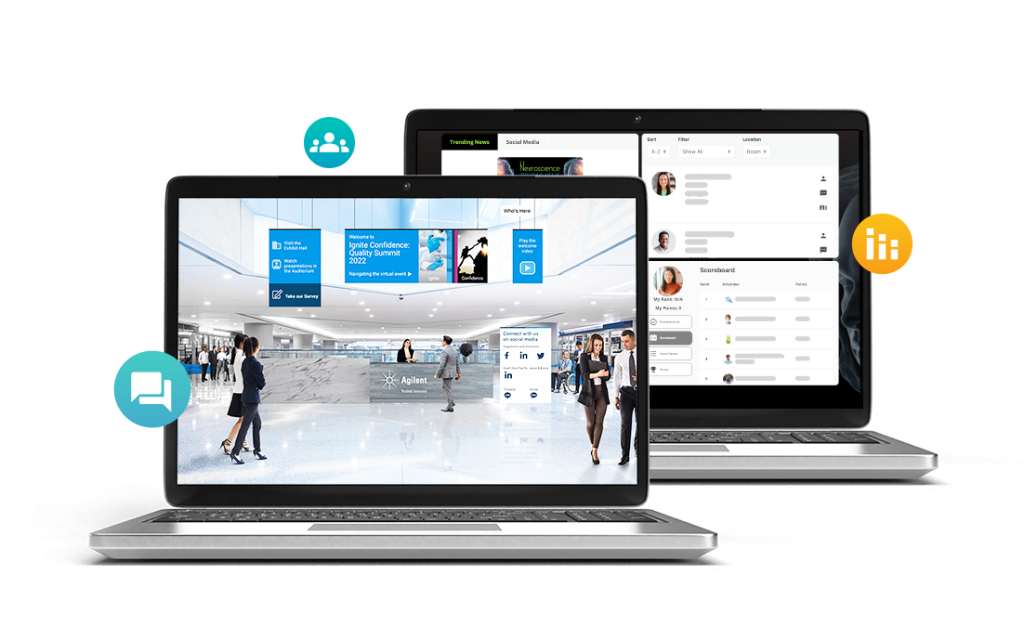
Virtual events for nonprofit organizations enable seamless engagement for employees, managers, and stakeholders to collaborate on exciting new strategies regarding training, fundraising campaigns, and awards programs for all parties. The cost-saving benefits from virtual events could also be used to assist in these endeavors. Notable benefits and virtual event applications for nonprofit organizations include:
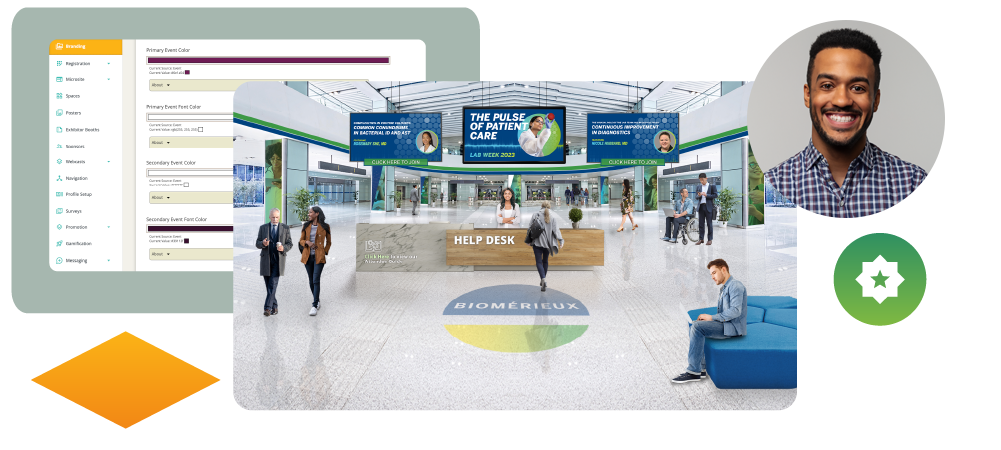
Virtual events in the sports and entertainment industries provide ample opportunities for athletes, entertainers, managers, agents, and fans to engage and collaborate on novel strategies for improved fan experiences and athlete well-being. Virtual events provide cost-saving opportunities that can be used for enhanced in-game experiences and fan appreciation days. Notable benefits and virtual event applications in sports and entertainment include:
Virtual events provide versatile experiences across all industries and disciplines, enabling employees, managers, business leaders, and others to collaborate and innovate novel strategies for a better future. With virtual events, both companies and individuals can save time and money on travel costs that can be used for improved workplaces and well-being. Adopting virtual event strategies for business growth cannot be understated, as virtual events enable companies to unite while fostering connectivity, diversity, and inclusion for everyone.
Regarding virtual networking, webinars have become one of the most mainstream methods of sharing ideas and building connections, and embracing the power of webinars in modern marketing and engagement will help you do just that.
Webinars help unveil the triple impact of virtual networking and building your brand: leads, relationships, and education, which all work together to foster inclusivity and connections for everyone. Leads help you build your network, which results in building relationships and gaining an education by sharing knowledge and ideas with people from different backgrounds and disciplines.
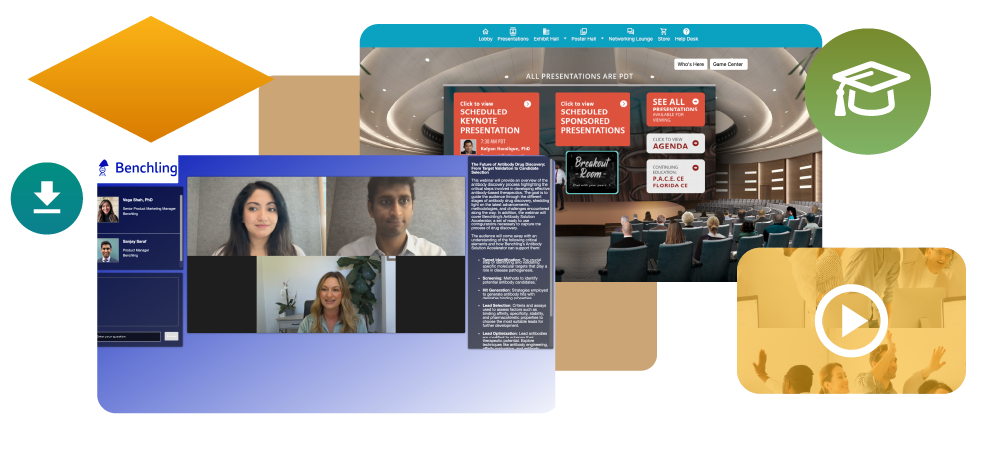
Defining the role of webinars in lead generation and education is vital to help build your brand and foster lasting connections. Webinars provide a valuable opportunity for attendees to share knowledge and ideas through their ability to learn at their own pace while effectively delivering quality information from various sources, including speakers and videos that attendees can use to build their virtual network.
Webinars provide an incredible opportunity to recognize the value of building relationships through virtual events. This is because you can engage and interact with individuals from all over the world for an in-person event instead of a limited number of individuals. Additionally, they provide many tools to help you share ideas and knowledge, including Q&A sessions, breakout rooms, and much more.
An important first step in building webinars with the goal of lead generation is identifying target audiences and their pain points, which involves adhering to their challenges and concerns. You can accomplish this through emails, social media, surveys, and additional feedback.
Designing webinars that address audience needs and offer solutions is critical to finding your audience and gathering high-quality leads. These needs might include disability accommodations for the seeing- and hearing-impaired but also might include tailoring the webinar content based on the audience’s goals, whether they’re personal, professional, or educational. If your audience desires content to build their virtual network, a solution could be to provide speakers who can help them achieve that goal.

One way to generate leads is to utilize webinars to nurture prospects along the sales pipeline, a common tactic in sales designed to convert leads into relationships. The first step is to successfully promote your webinar through social media, emails, and your website. The second step is to thank your audience for attending while confirming their attendance. Finally, you need to host a great webinar! Maintain high levels of engagement and present content that compels your audience and gets them excited for more.
Another way to generate leads is by incorporating follow-up strategies to maximize lead conversion, which can be accomplished using targeted attendee emails and social media strategies. A clear follow-up system lets you keep track of your leads; an automatic reporting system is ideal for keeping your leads organized. However, like any endeavor, it’s vital to remember that most leads will be “cold”, and you could end up with very few good or “hot” leads. It’s okay to dump cold leads and nurture the good ones long-term.
Possibly the most notable aspect of webinars is fostering audience interaction and connection, which is accomplished with creative and educational content designed to keep audience members engaged and interacting both during and after the webinar, which will only result in building and fostering relationships and connections for both the short- and long-term.
Several of the same techniques for establishing trust and building stronger relationships in the real world also exist in webinars, including effective communication, honesty, transparency, setting boundaries, active listening, integrity, and consistency, to name a few.
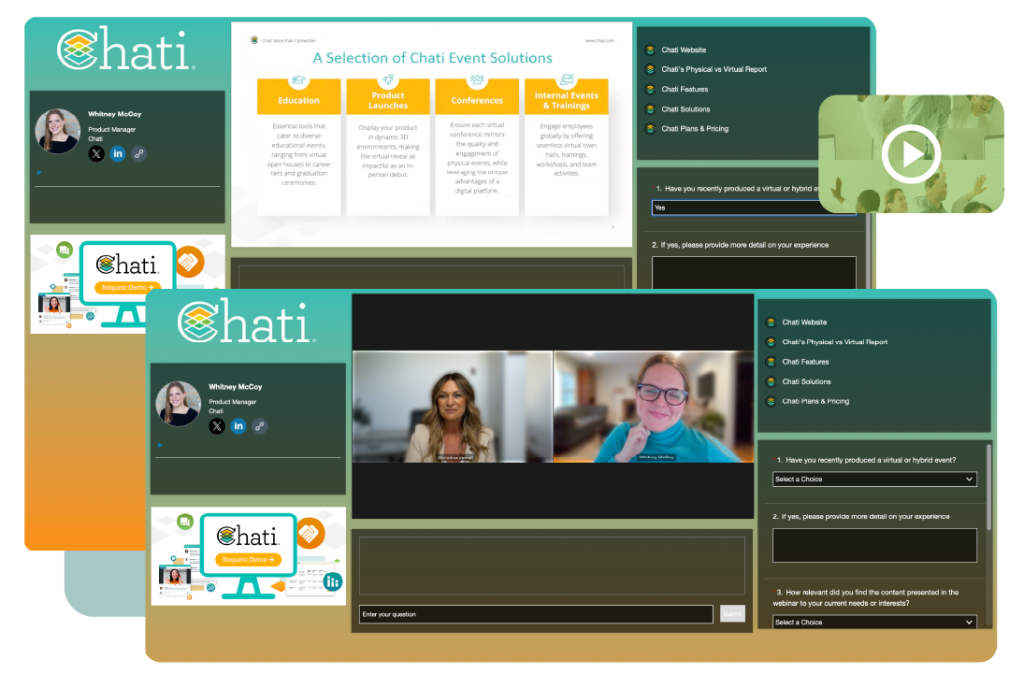
A webinar’s success comes from designing educational content that provides value, with that value being the ability for your audience members to generate leads, build connections, and foster relationships for both the short- and long-term. This is accomplished through tailoring to your audience’s goals, surprising your audience with new content, and keeping the same tone and pitch throughout the webinar.
Additional content strategies include creating webinars that combine information and engagement, accomplished through captivating invitations, powerful openings, and inspiring graphics, to name a few.
Successful webinars keep their audiences engaged, and this is accomplished with interactive polls, Q&A sessions, and discussions, which are also designed to break up any monotony your audience might experience throughout the webinar. Additionally, using gamification to enhance participation and learning is also an excellent technique, which is an excellent way to enable your audience to generate leads and build connections throughout the webinar.
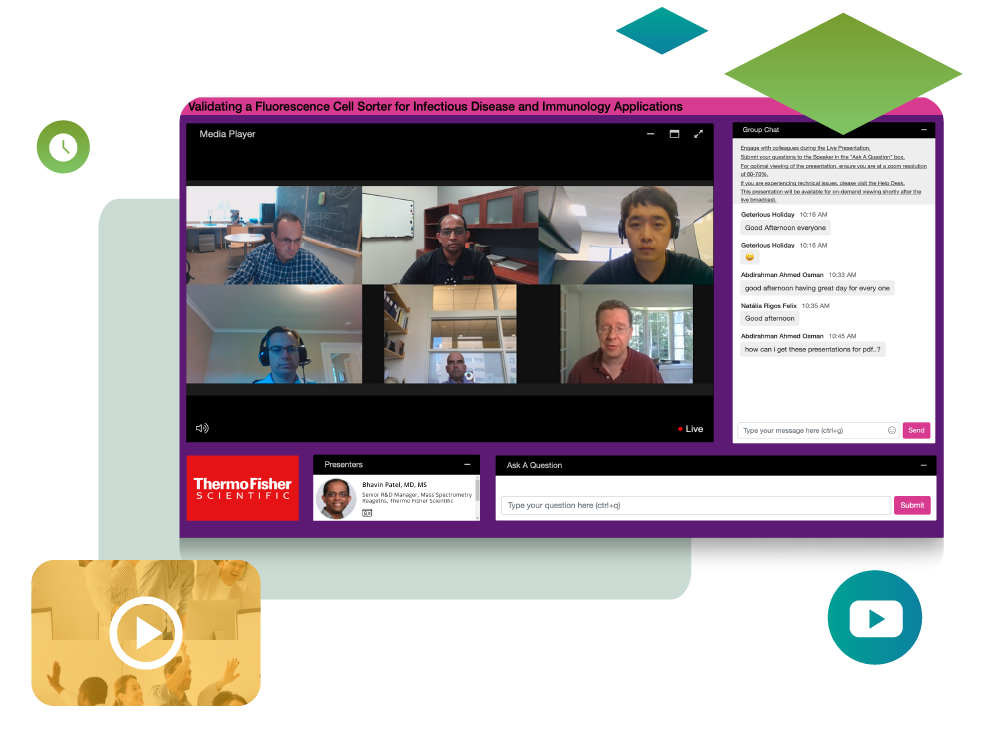
Successful webinars and nearly all online events begin with choosing the right webinar platform and tools that will demonstrate quality performance while enabling your audience to engage and interact with each other seamlessly. Examples of platforms include Zoom Events, Zoho, Livestorm, Contrast, and Webex, which can be used based on your requirements and audience needs.
At Chati, we believe in enhancing engagement through interactive features, and we Are proud to offer a myriad of them, including content management, templates and 3D spaces, gamification, integrations, ChatiConnect, analytics and reporting, and so much more!
All successful webinars incorporate successful promotion strategies, including leveraging social media, email, and many networks to excite your audience for the upcoming webinar. While email could be the primary method, you can create custom social media accounts and websites just for the webinar, which gives it an extra professional appeal for your audience.
Another method involves crafting compelling registration pages to boost attendance, as they also offer a more professional appeal designed to attract attendees who might have yet to consider attending your webinar.
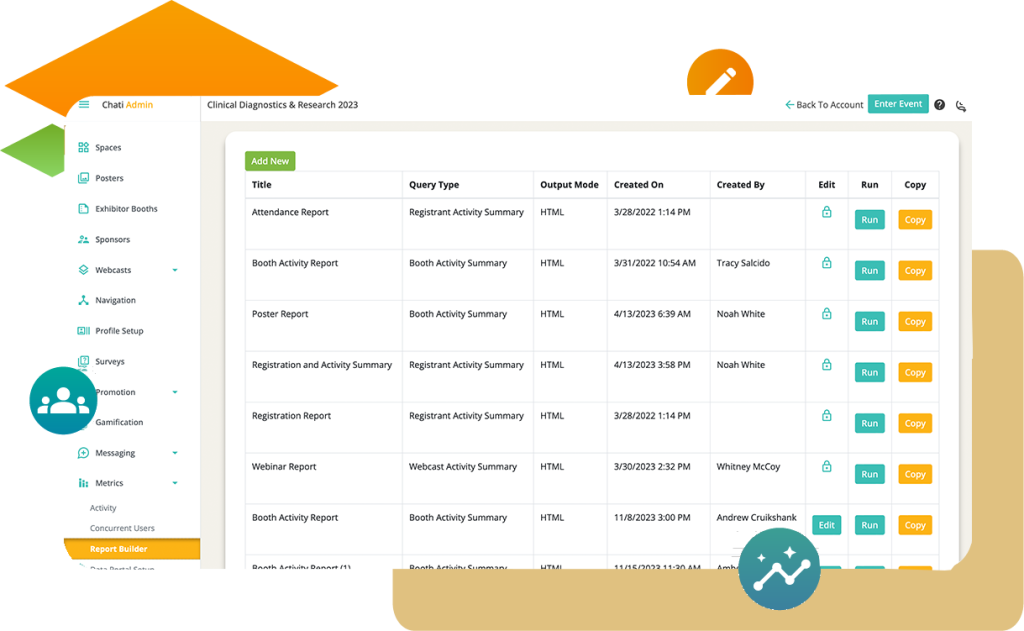
Successful webinars ensure your audience is engaged and achieves their lead generation goals. This is accomplished by tracking attendance and engagement throughout the webinar. This can be accomplished through artificial intelligence or one-on-one support from your hosting team, where your audience can interact with a real person and provide real-time feedback on their experience throughout the webinar.
Additionally, analyzing lead generation metrics for continuous improvement is an important method for ensuring future webinars are even more successful than the one you just hosted. These metrics not only allow for continuous improvement but also provide you with the necessary feedback and tools to enable future audiences to achieve their networking goals.
Predicting trends and innovations in webinar practices is vital to ensure the long-term success of webinars. This is accomplished through receiving appropriate and timely feedback from your audience during and after the webinar. Through this feedback, you can gauge your future audience needs and establish what new and exciting innovations need to be made to ensure successful webinars in the future.
Additionally, embracing new technologies for enhanced impact is another method for ensuring a successful future for webinars. Research what platforms or technical innovations other webinars have embraced the technologies that interest you and consider how these might be integrated into your webinar presentations.
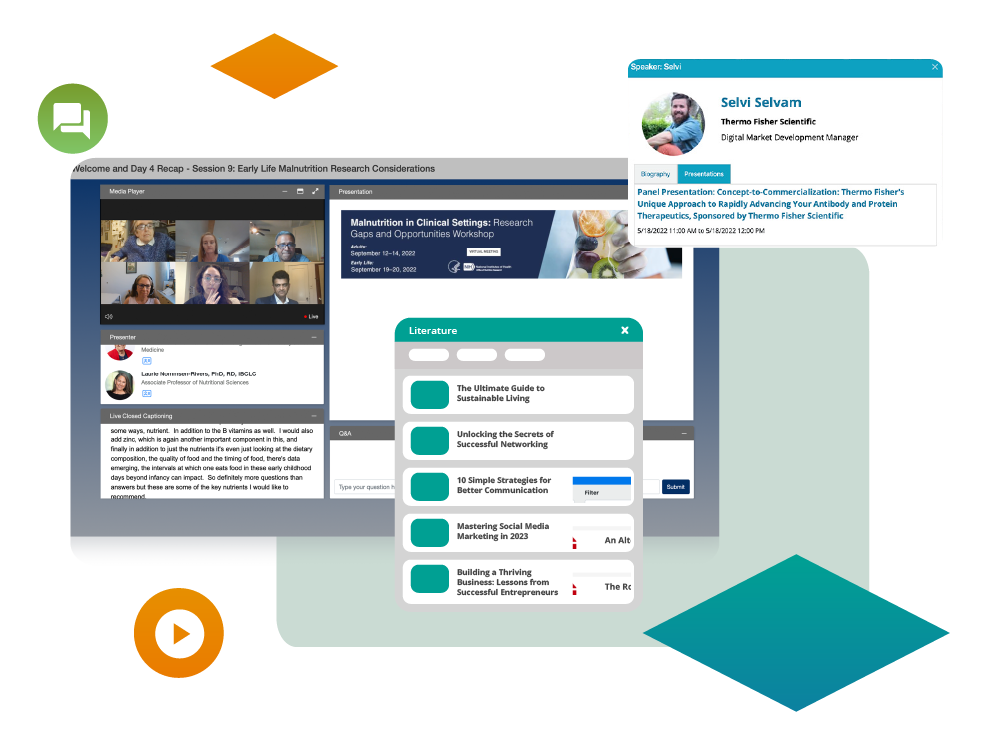
Webinars offer a holistic approach to lead generation, relationship building, and education for individuals worldwide. With the proper promotion, platform, and content, your audience will achieve their networking and lead-generation goals for both the short- and long-term. Additionally, webinars help by elevating your virtual events to drive results and engagement that will allow everyone to build relationships and foster connections with individuals worldwide.
Sources: LinkedIn, Flow, Corefactors, PositivePsychology.com, Rock Content, Banzai International, Contrast

