Discover how Chati's self-service licenses give you full control - build, update, and launch virtual events on your terms. Register for our free webinar today!
Accessibility in virtual events ensures inclusivity, enhances participant engagement, and supports compliance with legal standards. Prioritizing accessible design empowers diverse audiences, fosters equitable experiences, and strengthens event impact while meeting organizational responsibilities and broadening overall reach. Here, we will discuss the top ways to design virtual events with accessibility in mind, including event platforms, visual design, engagement tools, and more. With this, you will have the tools and resources to organize and execute a successful virtual event while putting accessibility at the forefront for your attendees.
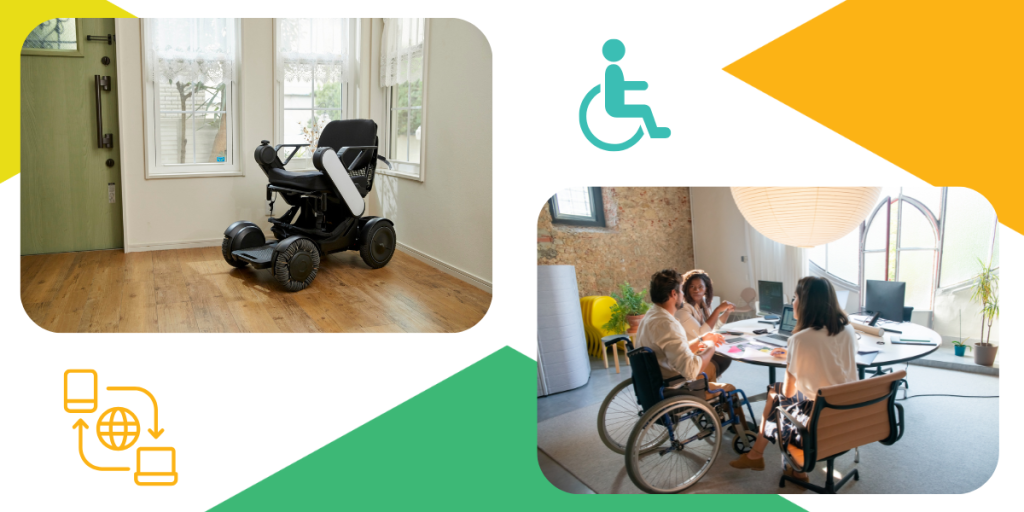
When selecting virtual event software, prioritize accessibility features like closed captioning, screen reader compatibility, and keyboard navigation. Testing platforms before the event ensures smooth functionality, enhances inclusivity, and guarantees all participants can fully engage and benefit from the experience.
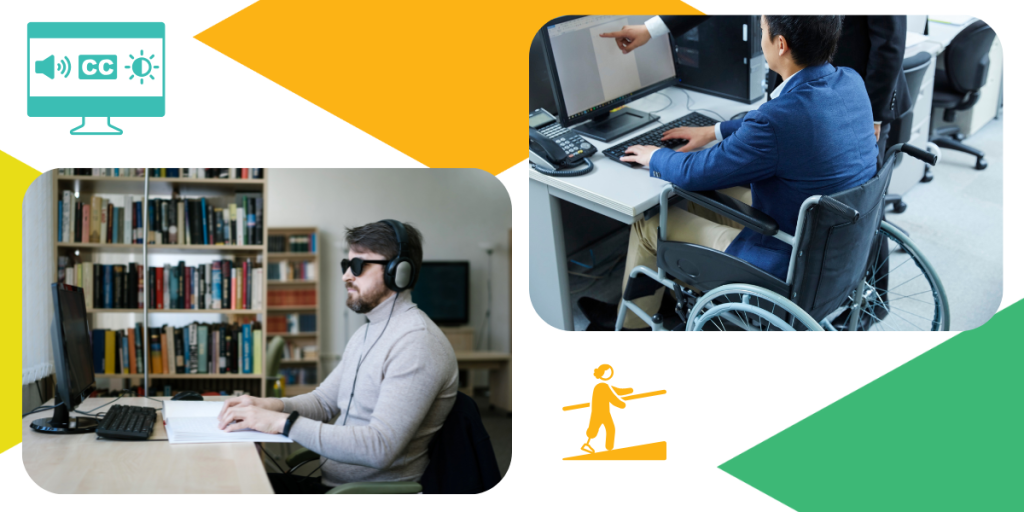
Live and AI-generated captions, paired with downloadable transcripts, significantly improve accessibility for virtual events. These tools support deaf and hard-of-hearing attendees, ensure inclusive communication, and provide lasting resources that enhance engagement, understanding, and participation during and after sessions.
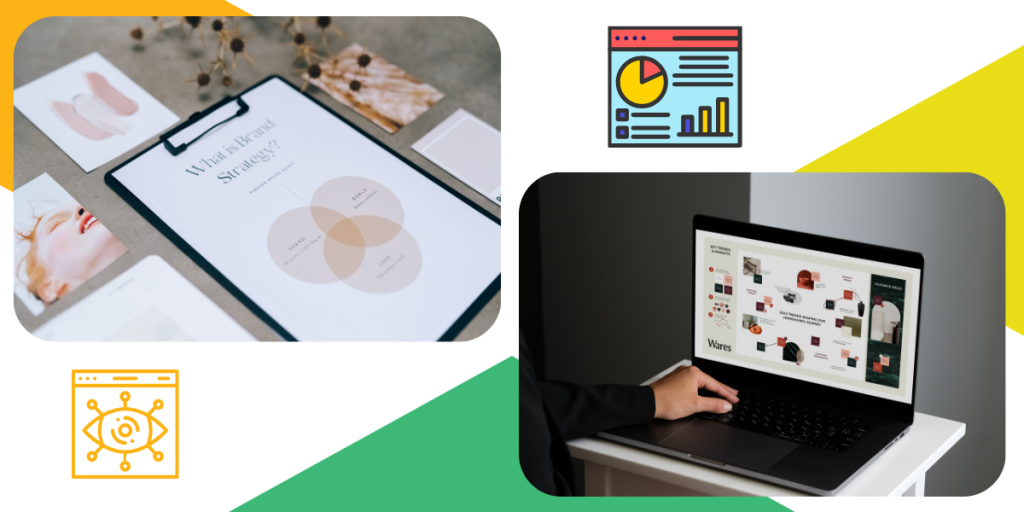
Use high-contrast colors and readable fonts, avoid cluttered or text-heavy slides, and include descriptive alt text for images and graphics. These strategies improve accessibility, readability, and engagement, ensuring presentations are clear, inclusive, and visually effective for all audiences.
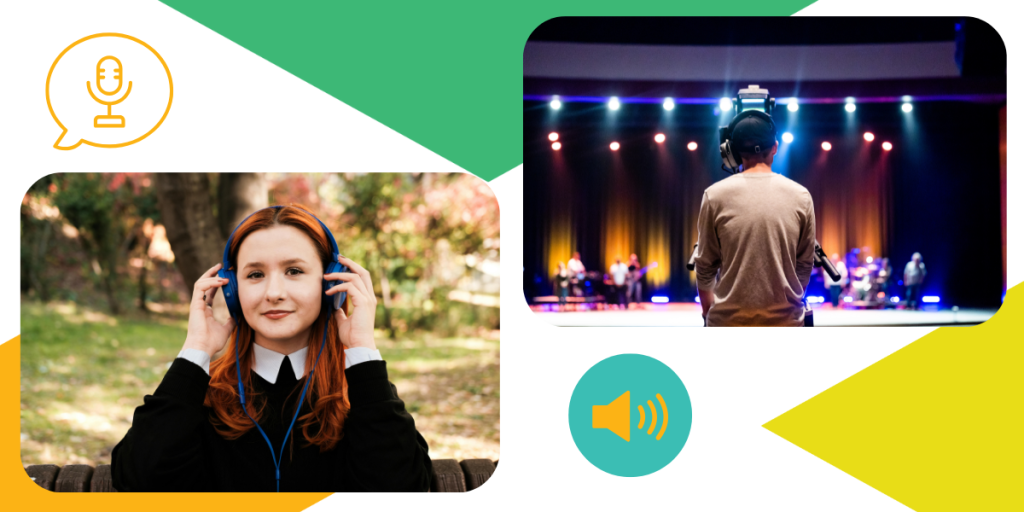
Presentations should include sign language interpretation, clear audio with minimal background noise, and audio descriptions for visual elements. These practices enhance accessibility, ensuring participants with hearing or vision impairments can fully engage, understand, and benefit from the presented content inclusively.
Accessible polls, chats, and Q&A platforms, combined with WCAG-compliant forms and tools, foster inclusivity. By encouraging diverse participation, events become more engaging, equitable, and meaningful, ensuring that all attendees can contribute, interact, and benefit from the shared experience.
Providing on-demand recordings supports global audiences across time zones, while adjustable playback speeds and screen customization enhance flexibility. Incorporating accessibility features in breakout rooms ensures all participants can fully engage, creating an inclusive, adaptable, and user-friendly virtual event experience.

Training presenters in inclusive communication, promoting slower pacing with clear articulation, and avoiding jargon while using diverse examples ensures accessibility. These practices foster understanding, respect, and engagement, enabling all participants to connect meaningfully with content in an inclusive environment.

Conducting accessibility checks before launch, gathering post-event survey feedback on accessibility, and committing to continuous improvement ensures events remain inclusive. These practices identify barriers, highlight participant needs, and guide meaningful enhancements for more accessible and engaging future experiences.
Summary
Here, we discussed the top ways to design virtual events with accessibility in mind, including event platforms, visual design, engagement tools, and more. Armed with this knowledge, you can now host impactful and educational virtual events while enhancing accessibility and helping your attendees achieve their personal and professional goals.

We emphasize that event organizers prioritize inclusive design in all virtual events, and we encourage readers to contact Chati to see how we can improve our accessibility features. Through this, you not only improve your attendee turnout, but you enable them to achieve their personal and professional goals.
Virtual events enable individuals worldwide to share ideas and collaborate while achieving personal and professional goals. However, this can be difficult for some individuals due to a lack of access to the overall or specific aspects of the virtual event, including presentations, group discussions, live Q&A, and more. This is why the importance of making virtual events accessible to all attendees is paramount for a successful experience for everyone.
Here, we will discuss the benefits of accessibility, inclusivity, compliance, and broadening audience reach for virtual events, including key accessibility features, virtual event tools, best practices, ensuring compliance, along with legal requirements, like Americans with Disabilities Act (ADA) compliance, that make accessibility a must for virtual events. Through this, you will have the necessary resources to host fully accessible virtual events while maximizing engagement and enabling your attendees to achieve their personal and professional goals.
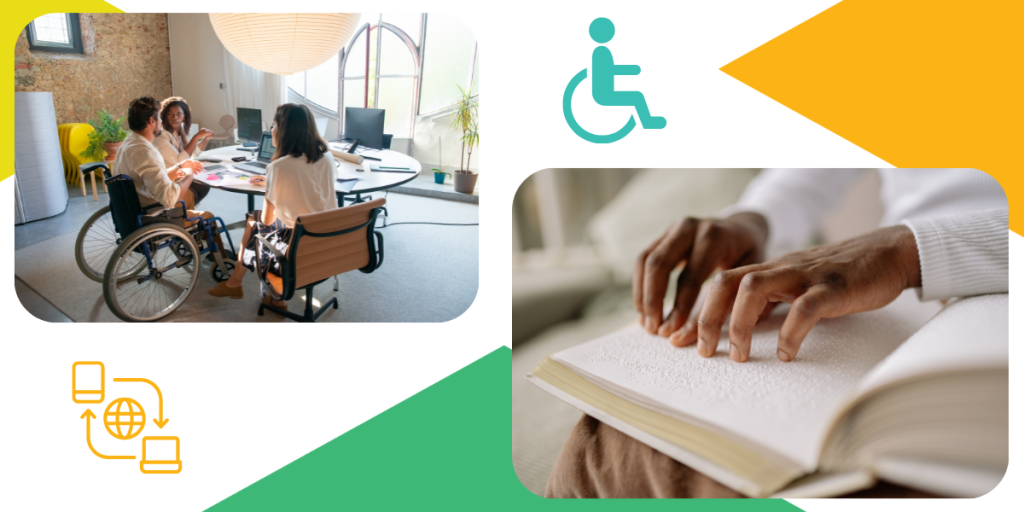
There are many legal and ethical reasons for ensuring accessibility in virtual events, including ADA and Section 508 of the Rehabilitation Act. The ADA became federal law in 1990 and blocks discrimination against disabled individuals in many areas, including employment, public accommodations, transportation, telecommunications, and government services. To complement this, Section 508 of the Rehabilitation Act ensures federal government electronic information is accessible to disabled individuals.
Virtual event accessibility enormously impacts attendees with disabilities, ensuring they have equal experience, ranging from the virtual exhibit hall to the speaker presentations to the live Q&A to breakout rooms. Providing an equal virtual event experience ensures they have equal opportunities for success.
Finally, accessibility features improve overall attendee engagement and satisfaction by ensuring attendees with disabilities can contribute to meaningful and impactful discussions throughout the virtual event.

There are several key features to ensure maximum accessibility for your virtual event, including one of the most common accessibility features, which is closed captioning and subtitles, by providing real-time captions for audio content. Additionally, screen reader compatibility ensures event platforms are compatible with assistive technologies; audio descriptions provide narration of non-verbal elements for attendees with visual impairments; sign language interpretation provides live sign language interpreters during sessions, and customizable user interfaces allow attendees to adjust text sizes; colors and fonts to meet personal need.
Virtual event platforms provide several built-in accessibility features, including integrating third-party tools for accessibility, like closed captioning services and sign language apps. Additionally, the role of AI in real-time translations, voice recognition, and automatic transcription ensures greater accessibility. Through this, you highlight the importance of technological integration into your virtual event, thus providing greater accessibility for individuals with disabilities and other needs.
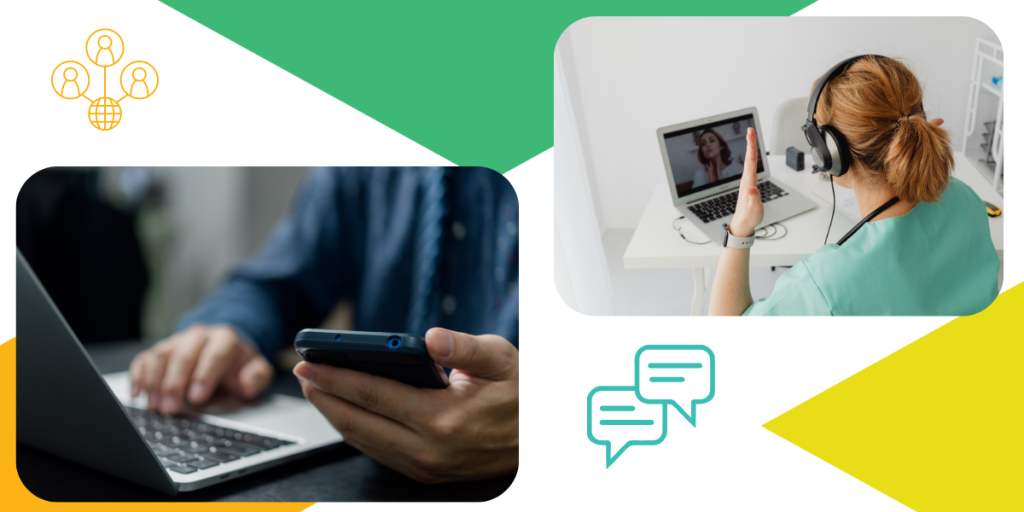
Designing inclusive event content is crucial to ensuring all visual elements, text, and audio are accessible to everyone, including attendees and guest speakers. Additionally, offering multiple communication formats like text, audio, and video to cater to different needs and ensuring that registration forms, event navigation, and live chats are accessible to all is vital for providing a seamless experience. Finally, testing event accessibility, like running tests and gathering feedback from attendees with disabilities, ensures everything operates at peak capacity and backup plans are in place for technical glitches.
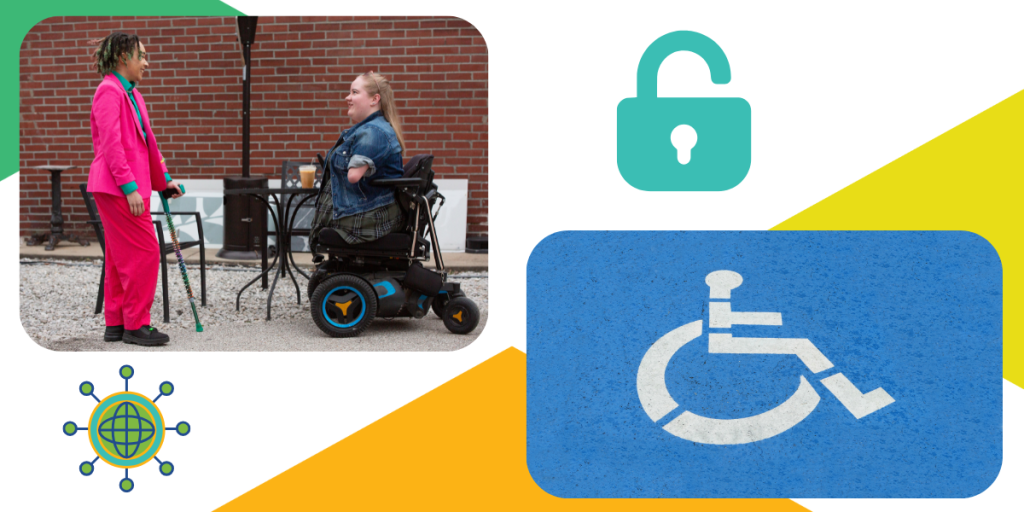
Understanding and implementing legal requirements (ADA, WCAG, and Section 508) are essential for ensuring maximum compliance for accessibility features for your virtual events, resulting in maximum engagement and connectivity for attendees and guest speakers. Additionally, the importance of accessibility audits before, during, and after the virtual event ensures seamless compliance with legal requirements and can be accomplished by partnering with accessibility consultants to ensure full compliance and inclusivity.

Technology like AI, virtual reality and augmented reality (VR/AR), and smart devices are enhancing accessibility by providing additional avenues for attendees with disabilities and other needs to engage, connect, and collaborate with each other throughout the virtual event. As a result, predictions for more seamless and innovative solutions for accessibility in virtual events include increased attendance and engagement, which contribute to growing awareness and the increasing demand for accessibility in the events industry.
Summary
Here, we discussed the benefits of accessibility, inclusivity, compliance, and broadening audience reach for virtual events, including key accessibility features, virtual event tools, best practices, ensuring compliance, along with legal requirements, like Americans with Disabilities Act (ADA) compliance, that make accessibility a must for virtual events.

We encourage event planners to prioritize accessibility in their event design and stay updated on how Chati can improve our goal of providing virtual events that are accessible to everyone. Through this, we ensure individuals with disabilities or other needs can equally contribute to the virtual event in all aspects, resulting in a more impactful experience for everyone. Feel free to contact Chati while exploring how accessibility features in virtual events can help create a more diverse and inclusive future.

