Discover how Chati's self-service licenses give you full control - build, update, and launch virtual events on your terms. Register for our free webinar today!
Going hybrid has become a beacon of innovation and adaptability in the ever-evolving events landscape. The hybrid advantage highlights the seamless integration of physical and virtual elements, fostering a dynamic experience for attendees that transcends geographical boundaries. It signifies a paradigm shift in conceptualizing gatherings, enabling broader participation while retaining the tangible essence of face-to-face interactions. In the modern event landscape, where flexibility and accessibility are critical, harnessing the power of hybrid elements is no longer just a choice but a necessity. It embodies inclusivity, allowing diverse audiences to engage with content and each other in ways previously unimagined. Going hybrid not only revolutionizes event planning but also democratizes access to knowledge, networking, and shared experiences on a global scale.

Exploring the intricacies of the hybrid advantage reveals a tapestry of unique benefits that enrich event experiences on multifaceted levels. By seamlessly intertwining physical and virtual elements, hybrid events transcend the limitations of traditional gatherings, offering a blend of versatility, accessibility, and engagement. Attendees are no longer bound by geographical constraints, as virtual components open doors to participation from across the globe, fostering a diverse and inclusive audience. Moreover, integrating digital platforms enhances interactivity, enabling real-time engagement through chat forums, live polls, and virtual networking sessions. This fusion of physical and virtual realms creates a dynamic ecosystem where attendees can tailor their experience to suit their preferences, whether immersing themselves in on-site interactions or navigating the event from their homes. Thus, the hybrid advantage represents a paradigm shift in event design, revolutionizing how we connect, learn, and engage in the modern era, fostering a sense of community and belonging among attendees.

Designing engaging event formats catering to physical and virtual audiences requires careful consideration of various factors to ensure inclusivity and maximize participation. One approach involves leveraging technology to facilitate real-time interaction and engagement between attendees in different locations. This could include incorporating interactive features such as live polls, Q&A sessions, and virtual breakout rooms that actively allow participants to contribute and collaborate, regardless of their physical location. Additionally, organizers can employ creative content delivery methods, such as multimedia presentations, immersive experiences, and gamification elements, to capture the attention and interest of both physical and virtual attendees. Moreover, providing opportunities for networking and socializing, both in-person and virtually, can enhance the overall event experience and foster connections among participants. By adopting a holistic approach to event design that prioritizes engagement and inclusivity, organizers can create dynamic and memorable experiences that resonate with all attendees, regardless of their mode of participation.
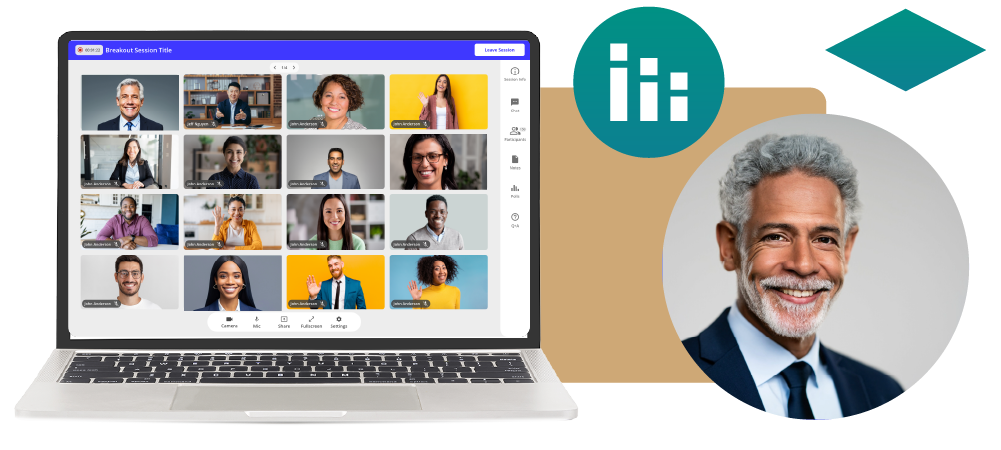
Hybrid events present a remarkable opportunity to amplify engagement and expand reach beyond the confines of geographical limitations. By seamlessly integrating physical and virtual components, organizers can transcend traditional barriers, extending invitations to participants from around the globe. This audience reach expansion fosters diversity and injects vibrancy into event communities, enriching discussions with many perspectives. Moreover, the hybrid format facilitates interactive engagement, empowering in-person and virtual attendees to participate actively in meetings, workshops, and networking sessions. Through innovative features like live polls, Q&A sessions, and virtual breakout rooms, individuals from diverse backgrounds can connect and collaborate, enhancing the event experience for all involved. By embracing hybridity, organizers unlock the potential to cultivate vibrant, inclusive communities that thrive on engagement and transcend geographical boundaries.
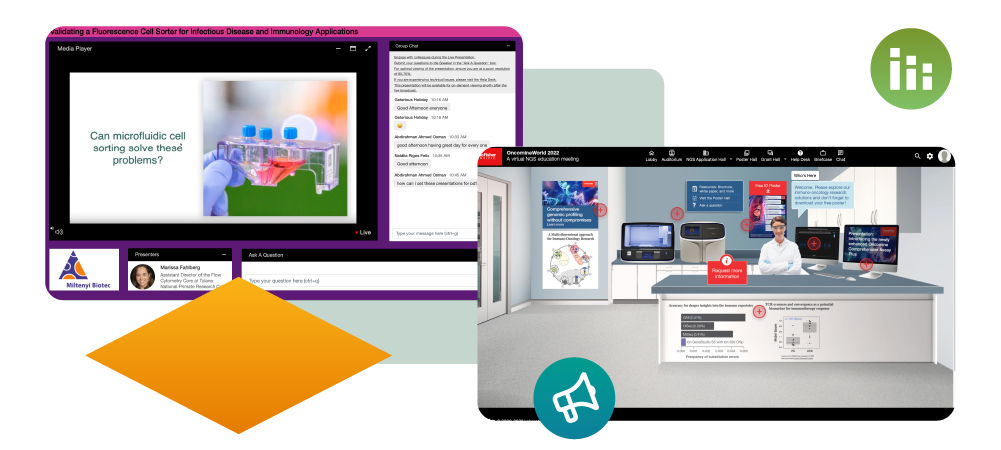
Innovative strategies are essential for ensuring the success of hybrid events, as they present a unique blend of challenges and opportunities. Navigating the complexities of hybrid implementation requires careful planning and execution to integrate physical and virtual elements seamlessly. Organizers must leverage technology as a cornerstone for elevated interaction and participation, harnessing its capabilities to bridge the gap between in-person and remote attendees. Organizers can create immersive environments that facilitate meaningful engagement and participation across both physical and virtual realms by incorporating interactive features such as live streaming, virtual reality experiences, and collaborative digital platforms. Moreover, technology enables organizers to overcome logistical hurdles and enhance event accessibility, ensuring a seamless and inclusive experience for all attendees, regardless of their mode of participation. Through strategic utilization of technology, hybrid events can transcend traditional boundaries and emerge as dynamic, interactive experiences that leave a lasting impact on participants.

Seamless networking and collaboration across formats are imperative for the success of hybrid events, demanding innovative approaches to bridge the gap between physical and digital networking. By embracing innovations in hybrid networking opportunities, organizers can foster connections and facilitate meaningful interactions among attendees regardless of their mode of participation. Organizers can use digital platforms equipped with virtual networking features to recreate the spontaneity and serendipity of in-person networking in a virtual environment. Through features such as matchmaking algorithms, virtual meet-and-greet sessions, and online networking lounges, attendees can forge new connections, share insights, and collaborate on ideas, transcending the limitations of physical proximity. Moreover, hybrid events offer the unique advantage of blending physical and digital networking seamlessly, enabling participants to seamlessly transition between in-person and virtual interactions, thereby enriching the overall networking experience and fostering lasting connections beyond the confines of the event.
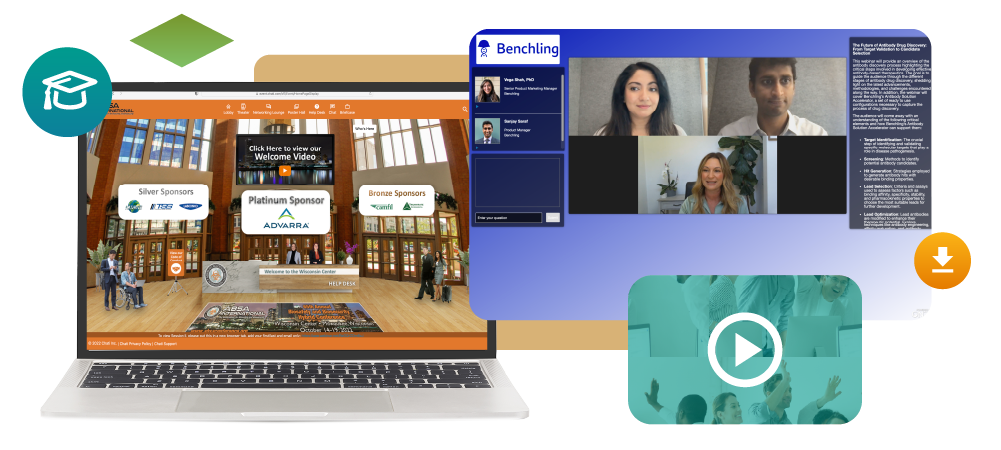
Overcoming challenges in hybrid integration necessitates a meticulous approach to addressing technical, operational, and logistical considerations, ensuring consistency and seamlessness across formats. Organizers must navigate the complexities of integrating physical and virtual components, from ensuring robust internet connectivity to coordinating equipment setup and troubleshooting technical issues in real time. Operational challenges, such as managing hybrid event logistics, coordinating schedules, and accommodating diverse attendee needs, require careful planning and coordination to ensure a smooth and seamless experience for all participants. Moreover, maintaining consistency across formats is paramount for creating a cohesive event experience that resonates with in-person and virtual attendees. Organizers can mitigate potential challenges by establishing clear communication channels, implementing standardized procedures, and conducting thorough rehearsals, and ensuring that the hybrid integration process runs seamlessly, ultimately delivering an exceptional event experience for all involved.
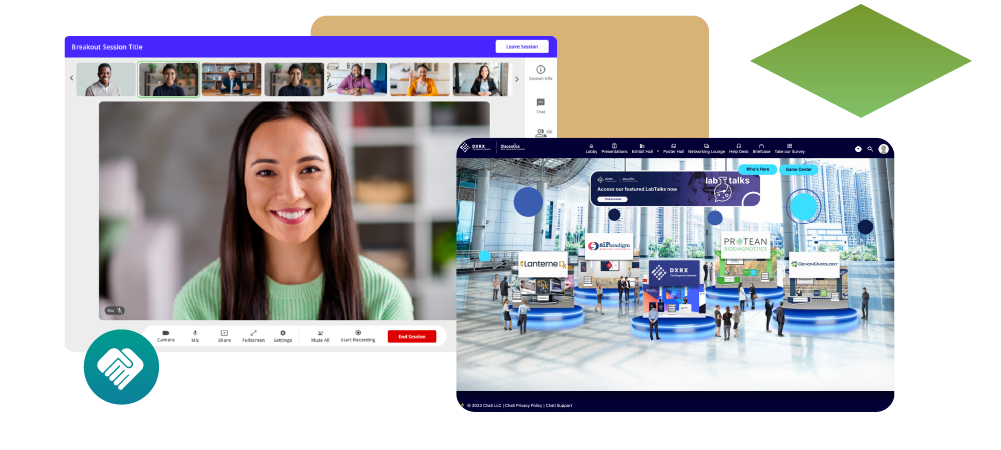
The future of elevated events is poised to be defined by the widespread adoption of hybrid formats, where integrating virtual elements into in-person gatherings becomes the norm. As we navigate an increasingly interconnected world, the convergence of physical and virtual experiences offers unparalleled opportunities for engagement and accessibility. Organizers recognize hybrid events' inherent advantages, from expanding audience reach to facilitating seamless interaction among participants regardless of their location. This shift towards hybridity signifies more than a temporary adaptation; it represents a fundamental transformation in how events are conceptualized and executed. Embracing this trend is not merely an option but a necessity for organizers seeking to stay relevant and competitive in an evolving landscape. Thus, the future of elevated events lies in embracing the Hybrid Advantage, where the integration of virtual elements into in-person gatherings becomes a trend and the standard practice, ushering in a new era of innovation and connectivity in event experiences.
While virtual and in-person events have their respective advantages, the fusion of physical and virtual events in what are known as hybrid events offers the quintessential definition of seamless integration, as both your brand and attendees can foster lasting connections through both worlds simultaneously.
In this post-Covid world, the networking landscape is very dynamic, as students and employees are embracing a myriad of platforms and services to accomplish their networking needs. Therefore, enabling your brand to unleash the power of memorable hybrid events will only lead to positive outcomes, including fostering lasting connections. With hybrid events, you get the best of both worlds wrapped into one.
Like all events, designing hybrid events that adapt to attendee preferences is vital for a successful and impactful experience for both in-person and virtual attendees. Additionally, this enables a greater level of inclusivity for individuals all over the world. Preferences include:
It’s vital to offer flexibility while maintaining cohesive experiences for everyone. Along with the above preferences, other preferences might include enabling more significant levels of engagement and interaction through live chats, Q&A sessions, and polls.
Utilizing advanced event platforms for integration will enable your attendees to have the most impactful and meaningful experience possible and help you achieve the most successful hybrid event. These advanced platforms enable in-person and virtual attendees to engage and interact seamlessly with all parties.
The purpose of hybrid events is to get the best of both worlds, and incorporating interactive tools to bridge physical and virtual engagement will allow for greater engagement and interaction for your team, attendees, speakers, and additional guests.
To create the most impactful experiences for everyone, tailoring content to resonate with in-person and virtual attendees will allow maximum engagement and interaction between all parties, including the attendees, hosts, speakers, and additional guests.
Some strategies for maximizing engagement across all channels include making all features available to in-person and virtual attendees. This includes polls, live chats, Q&A sessions, talks, and additional features. This will ensure your attendees will achieve the maximum possible engagement while fostering lasting connections with all parties.
When hosting a hybrid event, it’s vital to achieve seamless transitions between in-person and virtual sessions. This will enable attendees from either audience to achieve maximum engagement and interaction with all parties while staying actively immersed in the event until the end.
A vital part of a successful hybrid event is balancing timing and logistics for both in-person and virtual audiences. This is especially important since most of your attendees will hail from different time zones, and some even across the globe. Ensuring that schedules can match those of your attendees will ensure maximum engagement and interaction, which will not only foster lasting connections but increase inclusivity, as well.
Like all events, tracking attendee interaction and engagement metrics throughout the hybrid event is essential to achieve maximum engagement and foster lasting connections. The challenge comes with monitoring in-person and virtual attendees, but tracking such engagement can be achieved through constant communication and even artificial intelligence.
While hybrid events encompass the best of both worlds, this means ensuring all attendees are achieving the maximum engagement possible. To accomplish this, analyzing feedback and insights for future engagements from both in-person and virtual attendees will ensure more successful hybrid events in the future.
Hybrid events offer the best of the world in-person and virtual events and can help elevate your events through seamless integration. Hybrid events are here to stay, and taking advantage of many features and platforms will ensure you, your attendees, and your speakers will have the most engaging and interactive experience possible.
With the increasing dynamics of the digital landscape, embracing flexibility and impact will ensure you not only achieve the most successful hybrid events but also foster lasting connections for your brand and your attendees. By utilizing both in-person and virtual events simultaneously, you enable the possibility of breaking down geographic barriers and improving inclusivity for everyone.
Sources: Freeman, TalkingTree Creative, Brella, Stova, Goldcast

