Discover how Chati's self-service licenses give you full control - build, update, and launch virtual events on your terms. Register for our free webinar today!
Since the pandemic, virtual events have evolved from a temporary solution into a cornerstone of modern communication. In 2025, they’re shifting toward more innovative, more immersive, and audience-centered experiences. This article explores the latest trends driving that transformation, focusing on innovation, inclusivity, and the seamless integration of advanced technologies that shape the future of digital engagement. Here, we will discuss the virtual event trends that are shaping 2025, including AI engagement, hybrid events, accessibility, and more. With this, you will know how to organize and execute an impactful virtual event while striving to meet your attendees’ personal and professional goals.
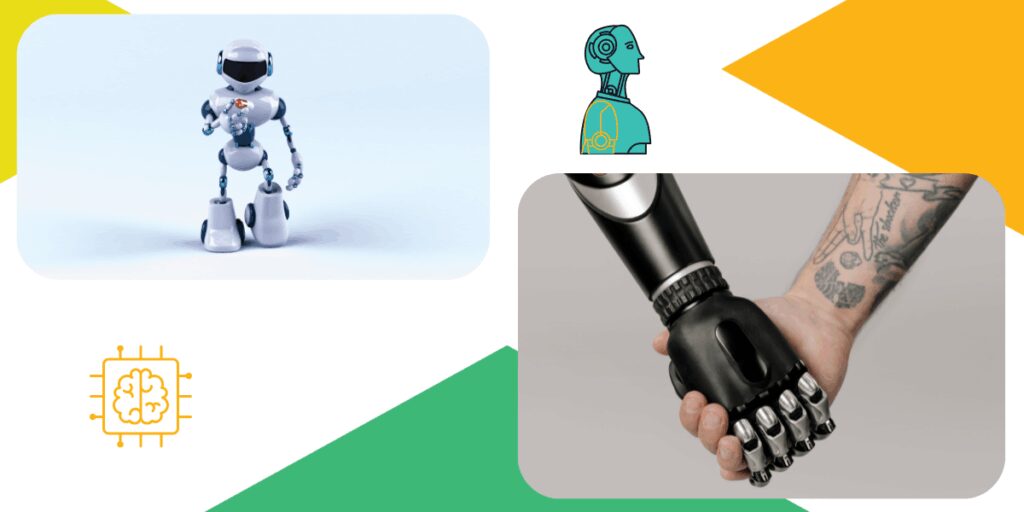
AI is revolutionizing virtual events by personalizing attendee experiences—from customized content suggestions to intelligent networking matches. Smart chatbots now offer real-time support, while AI-driven analytics provide instant insights into engagement. Together, these innovations create highly tailored experiences that boost attendee satisfaction, strengthen retention rates, and set a new standard for event personalization.

3D environments, virtual reality (VR), and augmented reality (AR) are rapidly transforming virtual events into interactive, lifelike experiences. Immersive settings foster deeper engagement and make online gatherings feel tangible and memorable. Examples include virtual trade show booths, interactive product demonstrations, and digital campuses—each redefining how participants explore, connect, and engage in dynamic event spaces.

Organizations are increasingly embracing hybrid event models that combine virtual and in-person experiences for greater reach and impact. These blended formats enhance accessibility, reduce environmental impact, and foster inclusive participation. Success relies on robust technology—seamless live streaming, synchronized engagement tools, and integrated platforms that ensure audiences everywhere can connect, interact, and engage in real time.

Virtual and hybrid events significantly cut travel emissions and on-site waste, making them vital to sustainable event strategies. As eco-conscious practices become central to corporate social responsibility, organizers are adopting greener approaches—such as offering digital swag, implementing carbon offset programs, and using paperless engagement tools—to reduce environmental impact while maintaining meaningful attendee experiences.

Advanced analytics are empowering organizers to fine-tune content and audience targeting with precision. By tracking key metrics such as session duration, engagement rates, and conversion performance, event teams can better understand attendee behavior. Post-event data analysis then drives more innovative strategies, enabling continuous improvement and more impactful, data-informed virtual and hybrid event experiences.

Closed captioning, multi-language support, and screen-reader optimization are making virtual events more accessible than ever. These inclusivity features expand audience reach, foster equitable participation, and enhance brand reputation. By adopting tools that prioritize accessibility, organizers ensure every attendee—regardless of ability or language—can fully engage in a seamless, inclusive event experience.
Summary
Here, we discussed the virtual event trends that are shaping 2025, including AI engagement, hybrid events, accessibility, and more. Armed with this knowledge, you can now organize and execute engaging virtual events that meet your attendees’ personal and professional goals while ensuring a return on investment.

The trends defining 2025 reflect a maturing digital event ecosystem driven by innovation and engagement. Successful virtual events now blend advanced technology, creative design, and authentic human connection. To stay ahead, organizers should explore modern platforms like Chati, which embody these evolving trends and empower truly immersive, inclusive, and data-driven event experiences. Please contact Chati if you have any questions regarding how we can improve virtual event trends for the future.
Event management has evolved from basic coordination to strategic planning, now essential for success. This post explores its transformation, highlights the value of strategy, and offers readers practical insights to plan and execute impactful events. Here, we will explore proven strategies for successful event management, including key phases, must-have tools, navigating logistics, common challenges, and more. Through this, you will have the tools and resources to plan and execute successful event management strategies with the goal of helping your audience achieve their personal and professional goals.
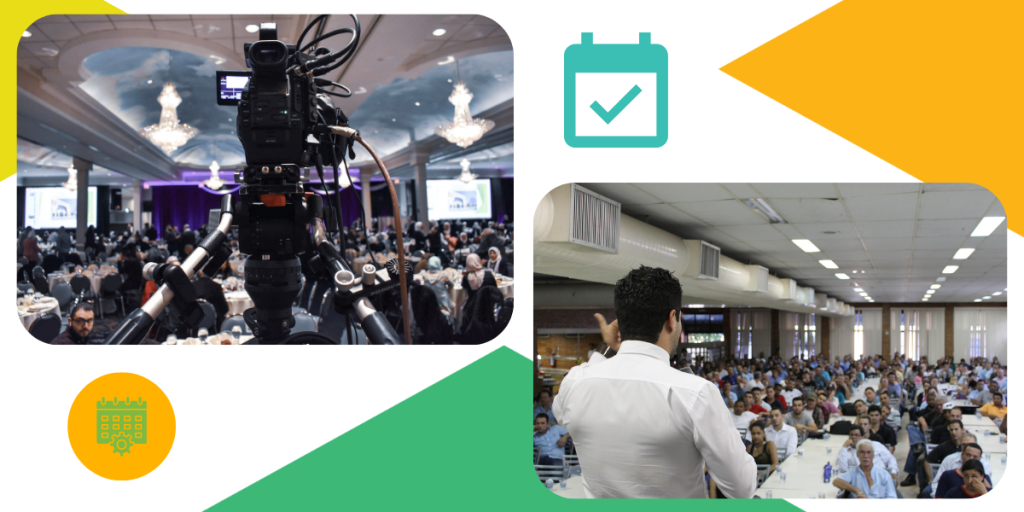
From corporate events to virtual and hybrid experiences, conferences, trade shows, weddings, and galas, today’s events embrace diverse formats, each designed to connect people, foster engagement, and create lasting memories for businesses, organizations, and individuals alike.

Successful events require thoughtful conceptualization and goal setting, precise budgeting, and efficient resource allocation. From venue selection and vendor coordination to marketing, on-site logistics, and post-event evaluation, each stage plays a crucial role in delivering impactful, well-executed experiences.

Modern events thrive by incorporating technology like AR/VR, event apps, and live streaming, while personalizing attendee experiences. Leveraging data analytics, feedback tools, and prioritizing accessibility and inclusivity ensures every participant feels engaged, valued, and seamlessly connected to the event’s purpose.

Event success is enhanced through event management software platforms, CRM and registration tools, live polling, and engagement apps. Combined with project management software, these technologies streamline planning, boost attendee interaction, and ensure seamless coordination from concept to post-event evaluation.

Effective event promotion leverages social media campaigns, targeted email marketing workflows, and influencer or speaker partnerships. By creating buzz with engaging pre-event content, organizers can maximize visibility, build anticipation, and drive strong attendance for a memorable, impactful experience.

Successful events rely on clear vendor contracts and contingency plans, detailed timelines and run-of-show, and seamless staff and volunteer coordination. Prioritizing guest management and safety protocols ensures smooth execution, minimized risks, and a positive experience for all attendees.

Sustainable events embrace eco-friendly practices like digital invitations and zero-waste initiatives, while integrating DEI considerations into programming. By prioritizing local sourcing and community engagement, organizers create inclusive, responsible experiences that positively impact both attendees and the surrounding environment.

Event success requires anticipating challenges like budget constraints, last-minute cancellations, venue or technology issues, and low attendance. Proactive planning, contingency strategies, and targeted promotion help mitigate risks, ensuring smooth execution and strong participation despite unexpected obstacles.
Summary
Here, we discussed essential event strategies and tools for event management, including key phases, must-have tools, navigating logistics, common challenges, and more. Armed with this knowledge, you now have the tools and resources to host successful events that enables strong attendee engagement.

We encourage readers to stay agile and innovative in their planning involving event management. To deepen your expertise, please contact Chati regarding how you can incorporate these strategies into your next virtual event.
Hybrid events are becoming increasingly popular as organizations seek to expand reach and accessibility. To keep audiences engaged across both formats, delivering a seamless and unified experience is essential. Here, we will discuss the best practices for seamless hybrid event experiences, including planning considerations, technology implementation, bridging the gap between in-person and virtual experiences, common challenges, and the future of hybrid events. Through this, you will have the tools and resources to launch a successful hybrid event while enabling attendees to achieve their personal and professional goals.

Successful hybrid events start with choosing the right virtual event platform and tools that support high-quality streaming, interactive features, and seamless integration with in-person components. Additionally, it's also essential to set clear goals that address the needs and expectations of both in-person and virtual audiences, ensuring that each group finds value in the experience. Through this, you highlight the importance of crafting an engaging agenda that works for both formats, helping to maintain attention and encourage meaningful participation across the board.

Delivering a successful hybrid event involves following live-streaming best practices that ensure high-quality broadcasts, including maintaining strong internet connections, utilizing professional audio-visual setups, and implementing redundancy. Incorporating interactive tools, such as live polls, Q&A sessions, and real-time chat, keeps both virtual and in-person attendees actively engaged. Additionally, leveraging AI-powered networking and matchmaking tools can help attendees connect based on shared interests, enhancing the overall event experience and fostering meaningful interactions across formats.

Encouraging engagement between in-person and virtual attendees is essential to creating an impactful hybrid event experience. This includes strategies such as shared chat channels, cross-platform team activities, and joint Q&A sessions that can help bridge the gap between both groups. Using breakout rooms and roundtable discussions enables deeper, more focused conversations and can be tailored to accommodate mixed-format participants. Gamification techniques can further boost participation by making engagement fun and rewarding for everyone involved.

Managing technical difficulties and ensuring smooth streaming is essential for maintaining the flow of a hybrid event, which means having strong IT support, testing all equipment beforehand, and preparing contingency plans. To keep remote attendees engaged throughout the event, organizers should provide interactive content, offer real-time support, and provide opportunities for virtual networking. Ultimately, balancing content delivery for both online and in-person audiences necessitates thoughtful planning to ensure that all participants feel equally valued and involved.

Emerging trends in hybrid event technology are rapidly transforming the way audiences connect, with platforms becoming more immersive, interactive, and data-driven. Innovations like AI, augmented reality (AR), and virtual reality (VR) are enhancing hybrid event experiences by enabling personalized content, realistic virtual environments, and more intelligent networking. As these technologies continue to evolve, hybrid events are proving to be a flexible and inclusive format that meets the diverse needs of modern audiences.
Summary
Here, we discussed the best practices for seamless hybrid event experiences, including planning considerations, technology implementation, bridging the gap between in-person and virtual experiences, common challenges, and the future of hybrid events. We encourage event planners to implement best practices for hybrid events, ensuring a seamless experience for attendees and organizers while enabling them to achieve their personal and professional goals.

Please contact Chati for inquiries about exploring hybrid event solutions for future success, which can lead to a more diverse and inclusive world where individuals from all backgrounds can connect and engage with one another, regardless of geographic location.
Planning a successful virtual or hybrid event comes with a lot of planning. One key metric of success is stakeholder engagement, do people come away from your event feeling connected, engaged and inspired? It might feel a daunting goal to reach for, but today we want to outline how the humble swag bag, reimagined for the digital age, is a great tool to utilise.
A swag bag is a familiar give-away from all kinds of in-person events. Standing for Something We All Get, the swag contained is usually branded freebies from event owners and sponsors, aiming to keep their organisation in delegates minds, even after the event day buzz has worn off.
A digital swag bag takes the same concept but instead of a branded tote bag, a digital platform serves as the bag, which is loaded with digital items to giveaway. Your digital Swag bag can be filled with whatever content you choose, discounts, downloads, competitions, e-learning resources or even physical swag order forms, are just some examples of great digital swag.
There are so many reasons to upgrade your swag bag offering from physical to digital!
With a physical swag bag, you need to physically attend to collect your freebies. This means that virtual audience members are totally missed out. A bad deal for virtual attendees and a missed opportunity for marketeers. With a virtual swag bag, you can access the great content wherever you are in the world, creating a greater sense of event community.
What’s more using a digital goodie bag platform that has been rigorously tested to ensure digital accessibility (check out swagablebag.com as a great example) means you are being fully inclusive in your offering. The UC Berkely definition of digital accessibility is that “websites, tools, and technologies are designed and developed so that people with disabilities can use them”. Given that the World Health Organization estimates that in 2024, 16% of the worlds population have a disability, offering an access anywhere, digitally accessible Swag bag is a simple but hugely effective way to boost interactions with your event swag.
Replace single-use items that are destined to be thrown away (think branded notepads, bags and pens) with an online booking link, access to keynote or speaker resources, a coupon for a discounted service or even a free coffee (to name but a few) and take a big step toward making your event a more sustainable one.
The reduction in shipping and storage by removing (or even just reducing) physical swag offerings will also reduce the overall carbon production of your event, and lower costs.
Businesses in all sectors are being increasingly driven by consumer behaviour towards greater consideration of the environmental impact of their activity. Within the events space, this shift has led to many well-known multinationals enacting a no-swag policy for their events. A virtual Swag bag can offer an effective work around for this, providing all the benefits of a swag bag but with far less waste.
With a customisable swag bag service (such as a Swagable bag) you can take greater control of how you utilise the marketing and engagement potential of your giveaways, and you can track your success to finesse future offerings.
Before the event: Rather than just on event day, why not offer your virtual swag bag to delegates from registration and then use the space to build momentum for the event, get people involved with quizzes and competitions and even provide resources ahead of time.
During the event: On the event date your Swag bag could be a place to network and book in meetings or referrals with exhibitors or other hybrid delegates. You can also drive traffic toward specific sessions with giveaways offered via the virtual swag bag and offer speaker notes when the presentations have been delivered.
A virtual swag bag also has unique potential to foster a sense of event community with a hybrid or fully virtual audience. Why not consider offering delegates a chance to order a branded item (hoody or coffee cup for example) to use during the event itself. Or provide a voucher for everyone to grab a coffee from their local retailer, to share together at online event breakouts.
After the event: Once the event is complete, your virtual Swag bag can be used by sponsors for those all important giveaways and referrals. In built within the Swag bag, data capture means trackable return on investment for everyone who contributes Swag. Via your virtual Swag bag you can even offer access to the digital release of a new ap or online course at a later date, keeping interest in the bag going for longer and offering greater value to your contributors. A digital swag bag can also work as a great repository for best-practice and feedback sharing post event.
Having looked at the benefits for event planners, delegates, sponsors and even the environment of the virtual swag bag, we would love for you to take a look in more detail and find out how a customised Swag bag will boost your next event. Head over to Swagable.com (a Chati partner) now and you can book a free individual demonstration to get you started.
In the last few years, the event landscape has undergone huge shift. Where once almost all events required in-person attendance, we are now seeing a high number of purely online (virtual) or hybrid (with both in-person and online audiences) events taking place. We think this a really positive step! When delivered using the right online event platform, with accessible technology in place, online events can be more inclusive, more flexible and with less impact on the environment.
For event organisers and sponsors ensuring that people are excited to attend their event, are engaging with the content delivered and are inspired by their event experience remain the top priorities, whether the event taking place in-person, online or with a mixture of both (hybrid).
According to research from Markletic, half (49%) of marketers say that audience engagement is the biggest contributing factor to having a successful event. However, only 30% of event organisers send their attendees giveaways and only one in three (34%) send virtual gift bags to their attendees. That’s a huge, missed opportunity.
One fantastic fix to this problem is to use a digital Swag bag, because with a digital bag, you don’t need to be there in person to collect your Swag. Instead, you simply need to log-in to your Swag bag providers platform and then interact with the content and enjoy the Swag items you select, however suits you.
In this article we will look into the virtual Swag bag concept in a little more depth, to give you the confidence to harness the power of a virtual Swag bag for your next event.
If you have attended an event in the past, chances are you have received a Swag bag. SWAG stands for Something We All Get and traditionally a swag or goodie bag is packed with free gifts from event exhibitors and sponsors, to give delegates some take-away promotional items. Examples of physical traditional Swag items are branded coffee cups, pens, stress balls etc, all featuring company logos.
Digital (or virtual Swag as it is sometimes called) is simply freebies delivered online instead, bypassing the physical bag. Event stakeholders can offer which ever promotional items they choose, with their logo on the items and bag, and all in one handy place just the same. The only difference is that the ‘bag’ is an online platform.
With a digital Swag bag, the possibilities of what you fill it with a vast! To bring the concept to life we have provided a few examples of typical Swag items you might want to include:
Voucher or discount codes
Offering a discount code for brand partners and sponsors products gives your attendees access to an exclusive benefit via their Swag bag and drives traffic to partner sites too.
Downloads
Why not provide a range of relevant how-to guides, e-books, online training etc, all in one place for your delegates to access and learn from. This is a great way to share valuable knowledge and further promote your events theme.
Physical items
Virtual Swag bags don’t mean the end of physical event giveaways such as branded hoodies or coffee cups. In fact, we believe that if provided to delegates ahead of event day, they can help build a sense of community between your in-person and online audiences. To make sure that these are items people want and can make use of (correct size etc) however, why not provide items to order, and minimise waste.
Other examples of virtual Swag bag contents might be competition giveaways, virtual experiences, eco-friendly options such as tree-planting or event specific information materials. There are so many options with a digital Swag bag.
It's vital to make sure you use the right digital Swag bag platform to deliver the virtual Swag which will engage your hybrid audience. The platform needs to be:
The Swagable bag was set-up by an inclusive events agency, having identified that virtual Swag bags using accessible technology weren’t readily available. Using their knowledge of the event world, they built an easy-to-use platform that delivers a sustainable, accessible and trackable Swag every time.
Using the Swagable platform is a lot like using filling your online shopping basket at your favourite retailer. We believe that this is something more and more customers are confident to do in everyday life, and the research confirm this, “more money was spent online in the U.S. in April and May (2023) than the last 12 Cyber Mondays combined; in the month of May, U.S. e-commerce spending grew by 93 percent year-over-year. —Source: Mastercard SpendingPulse™.
Rest assured though, at Swagable we also offered tiered support services so, if you do need any further assistance at any point in time, the team are available to make sure your Swag bag is a success.
You can visit the Swagable website or book a demo here if you would like to find out more.
Now more than ever, we all know how important it is to consider the environmental impact of our actions, be that investment, promotion or individual spending choices. A virtual Swag bag, such as a Swagable bag, is the more planet-friendly option to boost your events audience engagement for a number of reasons. We have highlighted a few:
When it comes to choosing digital event offerings including a digital Swag bag, the research speaks for itself. “According to MeetGreen “A standard in-person event can use up to 36,000 pieces of paper, most of which are not recycled accordingly. By choosing to offer virtual swag – and choose to run your event in a digital format – you eliminate up to 170kg of CO2 emissions”.
We really hope that this article has helped you to feel as excited about digital Swag bags as we are! It’s time to revolutionise your next event and go digital! So go ahead and book a demo to find out how Swagable can work for you today.
Hybrid events have become significant in connecting individuals from all personal and professional backgrounds worldwide. They provide the best of both worlds by enabling attendees to participate virtually or in person. This eliminates geographic barriers for both demographics while increasing diversity, inclusivity, and connectivity for everyone.
While hybrid events provide ample opportunities for worldwide connectivity, the challenge of balancing engagement in dual environments arises since attendees participate both in person and virtually. Therefore, attendees from both audiences must receive the same level of engagement and connectivity to ensure the most impactful hybrid event.
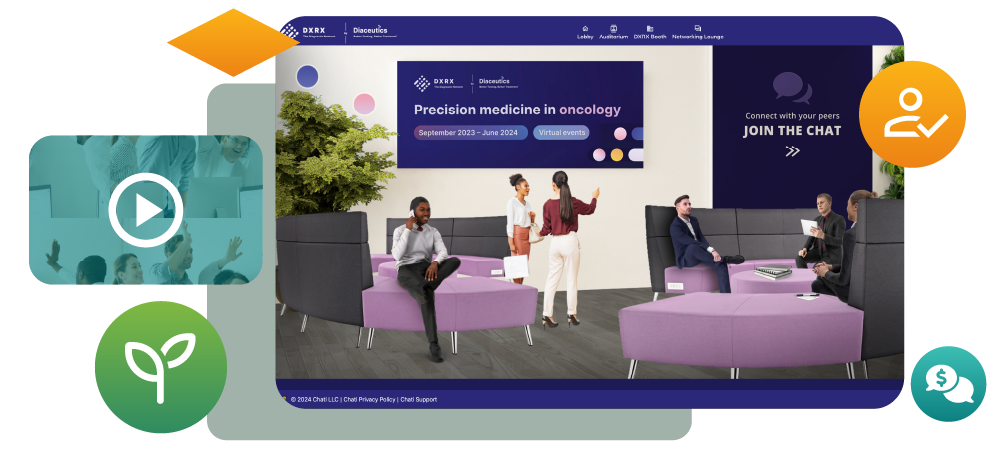
Hybrid events combine physical and digital engagement into a single streamlined event, enabling individuals from all over the world to share knowledge and ideas more effectively than simply through an in-person or virtual event alone.
Navigating the unique engagement landscape of hybrid formats can be fun and challenging, as attendees from either audience must determine the best course of action to achieve the most impactful and engaging experience. When successful, hybrid events can be enriching regarding their educational and professional goals.
When it comes to either hosting or attending a hybrid event, leveraging technology for seamless audience interaction will enable maximum engagement from both in-person and virtual audiences. This includes choosing the right event platform, interactive features, social media, and email to help broaden your range of engagement and connectivity.
Another strategy for a successful hybrid event is crafting content to engage both in-person and virtual audiences, as this enables maximum impact for engagement and interaction for both audiences while increasing diversity, inclusivity, and connectivity for everyone.
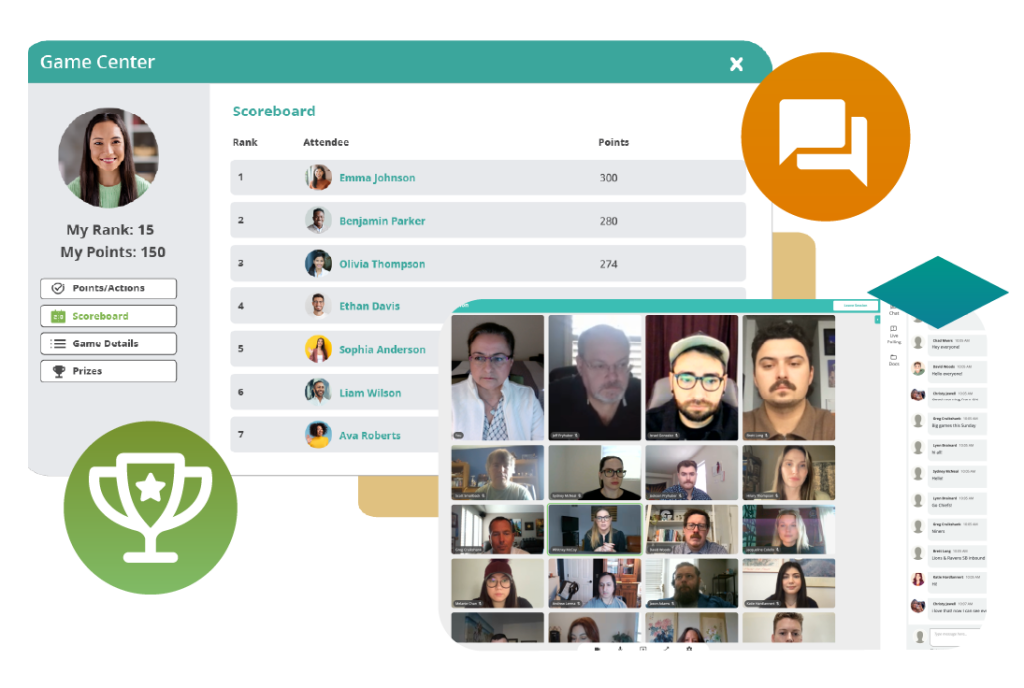
Since hybrid events cater to two audiences, adapting content to resonate with different engagement preferences is vital for maximum engagement and interaction. This is accomplished by obtaining feedback before the hybrid event, so you know your audience’s engagement preferences and plan accordingly. However, it can also be performed during the event.
Successful hybrid events involve strategies for maximizing participation across both worlds. These include the right features, such as gamification, Q&A sessions, and live Q&A, but they can also include breakout rooms, 3D virtual environments, and chat sessions.
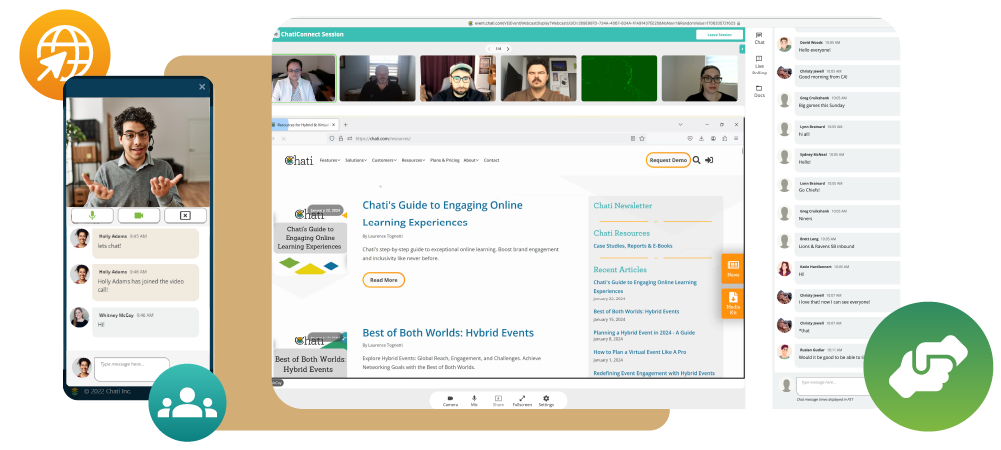
Elevating networking opportunities for hybrid attendees is vital for a successful hybrid event. It is accomplished through seamless engagement and interaction between in-person and virtual attendees while promoting engagement after the event has concluded.
The primary goal of hybrid events is bridging the gap between in-person and virtual interaction since they encompass audiences from both worlds. This increases diversity, inclusivity, and connectivity for individuals from all over the world.

Hybrid events are only as successful as their features, accomplished through gamification and interactive elements to boost engagement. Gamification provides real-time scoring, rewards, and fun for both audiences. This increases diversity, inclusivity, and connectivity for individuals from all over the world.
Another method to ensure a successful hybrid event is to ensure participation and interaction in both event formats. Both in-person and virtual audiences need to receive the same level of engagement, interaction, and knowledge-sharing throughout the entire event.
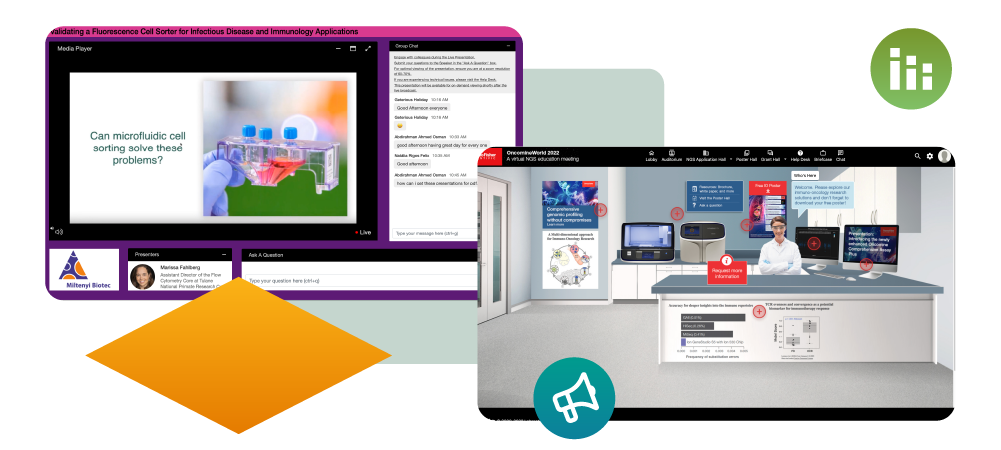
Since hybrid events incorporate in-person and virtual audiences, personalizing experiences for diverse attendee preferences is vital to ensure successful levels of engagement and interaction. This includes gaining feedback before the event with surveys or artificial intelligence and even greeting your attendees when they arrive, either in-person or virtually.
Customization for both physical and virtual audiences is essential for a successful hybrid event, as this enables greater diversity, inclusivity, and connectivity for individuals worldwide.
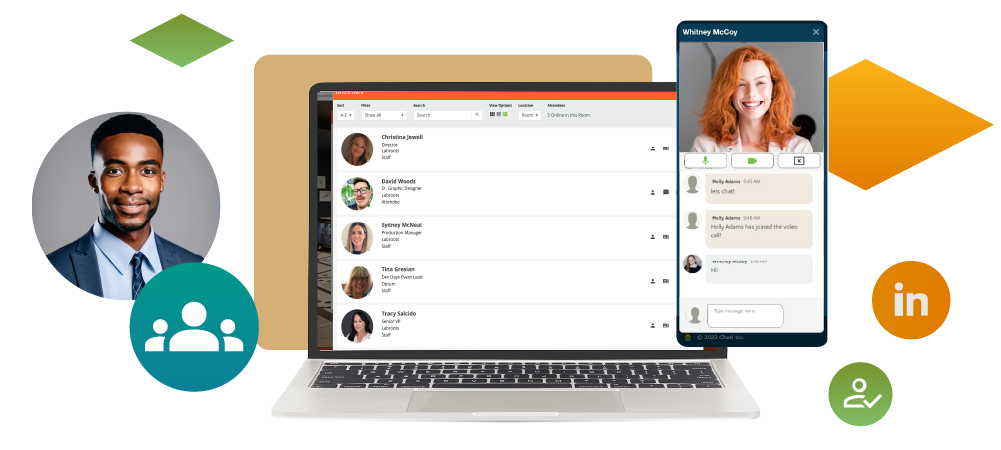
Both audiences must have seamless engagement during hybrid events, which is accomplished through overcoming technical challenges and operational considerations, including uninterrupted internet connections and seamless engagement features.
Through this, you are ensuring a cohesive experience across in-person and virtual elements, thus increasing diversity, inclusivity, and connectivity for individuals worldwide.
Hybrid events are only as successful as attendee engagement, and tracking engagement metrics across physical and digital spaces is a vital strategy for ensuring your attendees have the most impactful experiences. This can be accomplished through artificial intelligence or real-time support teams.
Additionally, analyzing attendee interaction and feedback for improvement is vital for hosting future successful hybrid events, which is accomplished through post-event surveys, both immediately after the event and a short time later.

Predicting the evolution of engagement strategies is vital to providing successful hybrid events in the future. This can be accomplished through thorough research on new hybrid event platforms and features and by staying up to date with attendee expectations for hybrid events.
Embracing continuous improvement and innovation is the hallmark of successful hybrid events, both in the short and long term. This enables growth while increasing diversity, inclusivity, and connectivity for individuals from all over the world.
Unlocking the potential of hybrid event engagement is essential for a more diverse and connected future. With the right tools and strategies, hybrid events can help break down geographic barriers and bring together in-person and virtual audiences for years.
Balancing engagement for unveiling exceptional hybrid experiences will ensure that in-person and virtual audiences receive the same seamless interaction and information while providing a better and more diverse future.
Going hybrid has become a beacon of innovation and adaptability in the ever-evolving events landscape. The hybrid advantage highlights the seamless integration of physical and virtual elements, fostering a dynamic experience for attendees that transcends geographical boundaries. It signifies a paradigm shift in conceptualizing gatherings, enabling broader participation while retaining the tangible essence of face-to-face interactions. In the modern event landscape, where flexibility and accessibility are critical, harnessing the power of hybrid elements is no longer just a choice but a necessity. It embodies inclusivity, allowing diverse audiences to engage with content and each other in ways previously unimagined. Going hybrid not only revolutionizes event planning but also democratizes access to knowledge, networking, and shared experiences on a global scale.

Exploring the intricacies of the hybrid advantage reveals a tapestry of unique benefits that enrich event experiences on multifaceted levels. By seamlessly intertwining physical and virtual elements, hybrid events transcend the limitations of traditional gatherings, offering a blend of versatility, accessibility, and engagement. Attendees are no longer bound by geographical constraints, as virtual components open doors to participation from across the globe, fostering a diverse and inclusive audience. Moreover, integrating digital platforms enhances interactivity, enabling real-time engagement through chat forums, live polls, and virtual networking sessions. This fusion of physical and virtual realms creates a dynamic ecosystem where attendees can tailor their experience to suit their preferences, whether immersing themselves in on-site interactions or navigating the event from their homes. Thus, the hybrid advantage represents a paradigm shift in event design, revolutionizing how we connect, learn, and engage in the modern era, fostering a sense of community and belonging among attendees.

Designing engaging event formats catering to physical and virtual audiences requires careful consideration of various factors to ensure inclusivity and maximize participation. One approach involves leveraging technology to facilitate real-time interaction and engagement between attendees in different locations. This could include incorporating interactive features such as live polls, Q&A sessions, and virtual breakout rooms that actively allow participants to contribute and collaborate, regardless of their physical location. Additionally, organizers can employ creative content delivery methods, such as multimedia presentations, immersive experiences, and gamification elements, to capture the attention and interest of both physical and virtual attendees. Moreover, providing opportunities for networking and socializing, both in-person and virtually, can enhance the overall event experience and foster connections among participants. By adopting a holistic approach to event design that prioritizes engagement and inclusivity, organizers can create dynamic and memorable experiences that resonate with all attendees, regardless of their mode of participation.

Hybrid events present a remarkable opportunity to amplify engagement and expand reach beyond the confines of geographical limitations. By seamlessly integrating physical and virtual components, organizers can transcend traditional barriers, extending invitations to participants from around the globe. This audience reach expansion fosters diversity and injects vibrancy into event communities, enriching discussions with many perspectives. Moreover, the hybrid format facilitates interactive engagement, empowering in-person and virtual attendees to participate actively in meetings, workshops, and networking sessions. Through innovative features like live polls, Q&A sessions, and virtual breakout rooms, individuals from diverse backgrounds can connect and collaborate, enhancing the event experience for all involved. By embracing hybridity, organizers unlock the potential to cultivate vibrant, inclusive communities that thrive on engagement and transcend geographical boundaries.
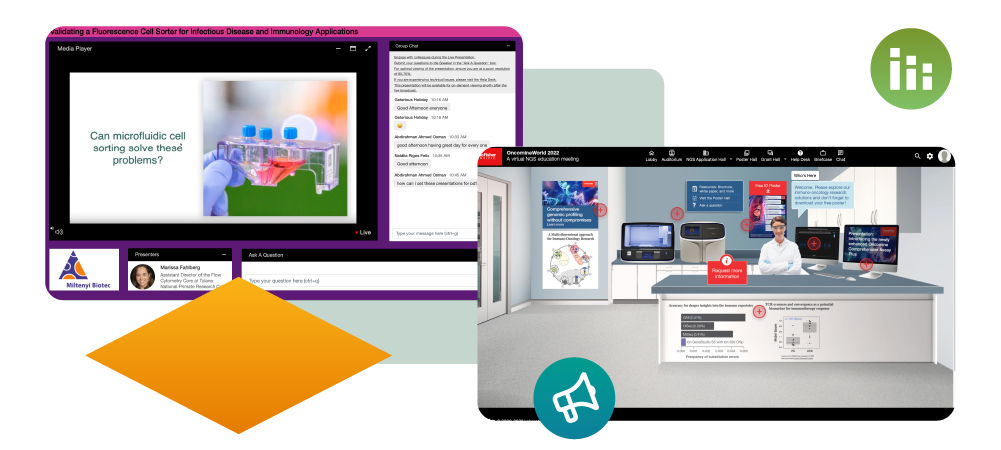
Innovative strategies are essential for ensuring the success of hybrid events, as they present a unique blend of challenges and opportunities. Navigating the complexities of hybrid implementation requires careful planning and execution to integrate physical and virtual elements seamlessly. Organizers must leverage technology as a cornerstone for elevated interaction and participation, harnessing its capabilities to bridge the gap between in-person and remote attendees. Organizers can create immersive environments that facilitate meaningful engagement and participation across both physical and virtual realms by incorporating interactive features such as live streaming, virtual reality experiences, and collaborative digital platforms. Moreover, technology enables organizers to overcome logistical hurdles and enhance event accessibility, ensuring a seamless and inclusive experience for all attendees, regardless of their mode of participation. Through strategic utilization of technology, hybrid events can transcend traditional boundaries and emerge as dynamic, interactive experiences that leave a lasting impact on participants.
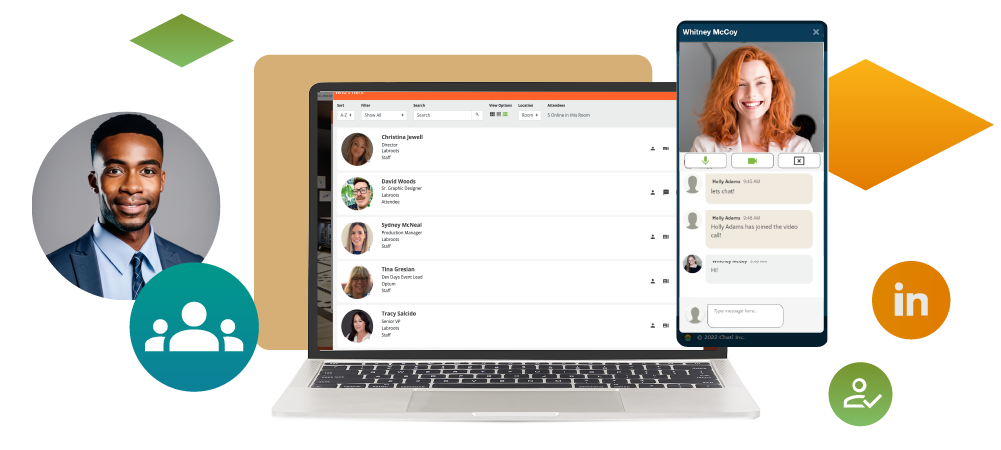
Seamless networking and collaboration across formats are imperative for the success of hybrid events, demanding innovative approaches to bridge the gap between physical and digital networking. By embracing innovations in hybrid networking opportunities, organizers can foster connections and facilitate meaningful interactions among attendees regardless of their mode of participation. Organizers can use digital platforms equipped with virtual networking features to recreate the spontaneity and serendipity of in-person networking in a virtual environment. Through features such as matchmaking algorithms, virtual meet-and-greet sessions, and online networking lounges, attendees can forge new connections, share insights, and collaborate on ideas, transcending the limitations of physical proximity. Moreover, hybrid events offer the unique advantage of blending physical and digital networking seamlessly, enabling participants to seamlessly transition between in-person and virtual interactions, thereby enriching the overall networking experience and fostering lasting connections beyond the confines of the event.
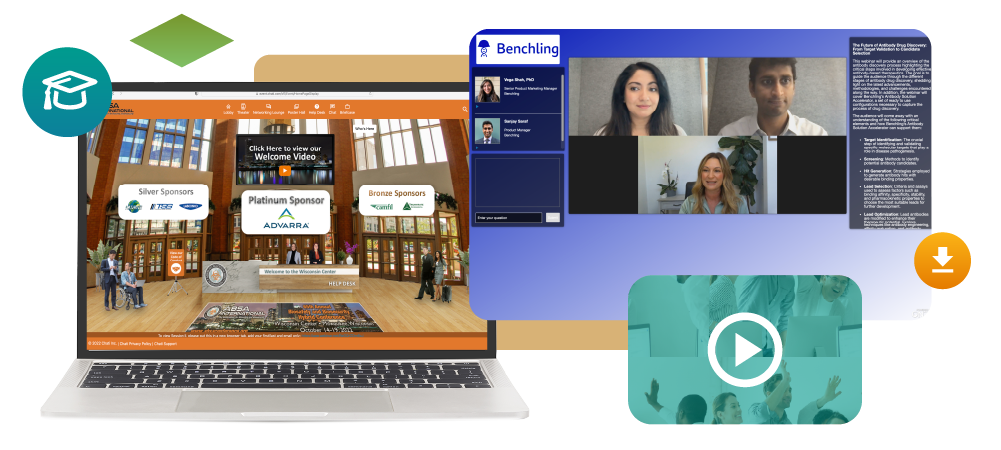
Overcoming challenges in hybrid integration necessitates a meticulous approach to addressing technical, operational, and logistical considerations, ensuring consistency and seamlessness across formats. Organizers must navigate the complexities of integrating physical and virtual components, from ensuring robust internet connectivity to coordinating equipment setup and troubleshooting technical issues in real time. Operational challenges, such as managing hybrid event logistics, coordinating schedules, and accommodating diverse attendee needs, require careful planning and coordination to ensure a smooth and seamless experience for all participants. Moreover, maintaining consistency across formats is paramount for creating a cohesive event experience that resonates with in-person and virtual attendees. Organizers can mitigate potential challenges by establishing clear communication channels, implementing standardized procedures, and conducting thorough rehearsals, and ensuring that the hybrid integration process runs seamlessly, ultimately delivering an exceptional event experience for all involved.
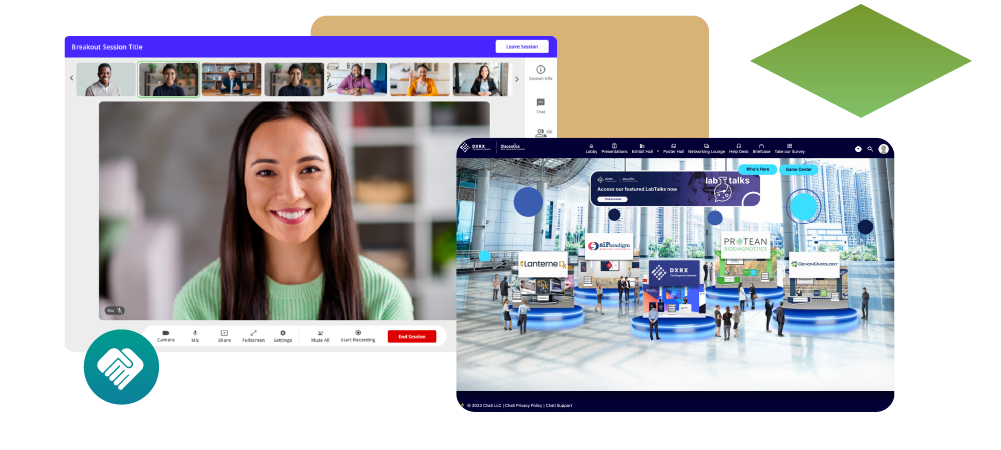
The future of elevated events is poised to be defined by the widespread adoption of hybrid formats, where integrating virtual elements into in-person gatherings becomes the norm. As we navigate an increasingly interconnected world, the convergence of physical and virtual experiences offers unparalleled opportunities for engagement and accessibility. Organizers recognize hybrid events' inherent advantages, from expanding audience reach to facilitating seamless interaction among participants regardless of their location. This shift towards hybridity signifies more than a temporary adaptation; it represents a fundamental transformation in how events are conceptualized and executed. Embracing this trend is not merely an option but a necessity for organizers seeking to stay relevant and competitive in an evolving landscape. Thus, the future of elevated events lies in embracing the Hybrid Advantage, where the integration of virtual elements into in-person gatherings becomes a trend and the standard practice, ushering in a new era of innovation and connectivity in event experiences.
The last few years have seen the rise of virtual events that have come to the forefront of networking and connecting with individuals worldwide, primarily due to the COVID-19 pandemic. This has allowed researchers, academics, students, and industry professionals to break down geographic barriers to share knowledge and ideas on scales never seen before by enabling them to engage and connect almost seamlessly while decreasing carbon footprints from the reduced travel.
This is why the importance of hosting impactful virtual events cannot be understated. Virtual events provide many tools and resources for event organizers to develop immersive and lasting experiences for their attendees, regardless of their personal or professional goals in attending the event.
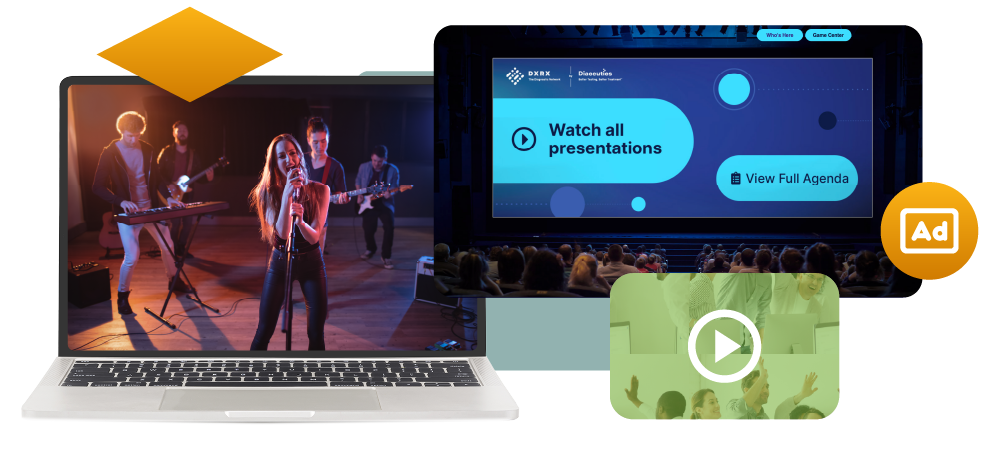
Virtual events substitute for a myriad of in-person events, including conferences, trade shows, expos, concerts, career/job fairs, company onboarding, university fairs, malls, benefits fairs, and so much more. This allows individuals from all over the world to seamlessly participate and build their networking portfolio, which results in increased diversity, inclusivity, and connectivity for everyone.
Virtual events have many benefits for businesses and participants, including breaking down geographic barriers and enabling individuals from all over the world to engage like never before. This means growing their brand while improving recruiting and company morale for businesses. For participants, this means expanding their networking portfolio while gaining the necessary knowledge to achieve their personal and professional goals.
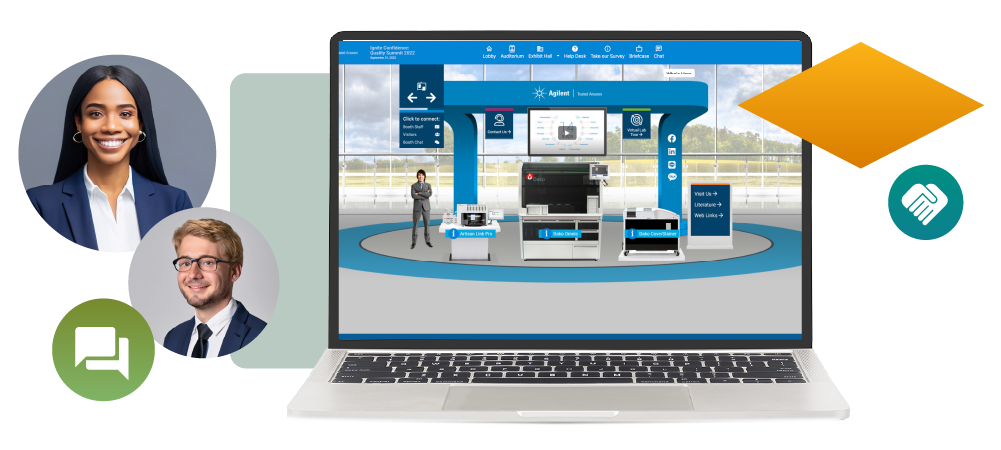
Prior to the event, it’s paramount for both organizers and attendees to set clear objectives for the virtual event. For organizers, are you just trying to build your brand, recruit new employees, or simply wish to share knowledge? For attendees, are you trying to build your networking portfolio, find a career path, or simply attend to gain knowledge? These are important questions to ask before attending a virtual event, and having clear objectives beforehand will make your virtual event experience much more successful.
For event organizers, identifying your target audience and their needs is vital to hosting a successful event virtual event. Are you catering to prospective students/employees? Current students/employees? Attendees outside your field of expertise? Understanding your target audience will allow you to deliver the necessary tools and resources for a successful virtual event.
Choosing the proper virtual event format is also vital for a successful experience for both event organizers and attendees. Examples of different virtual event formats include the aforementioned trade shows and conferences, but can also include award ceremonies, happy hours, holiday parties, town halls, and product launches. Determining your virtual event format beforehand will allow you to develop the necessary elements for increasing everyone's engagement and connectivity.
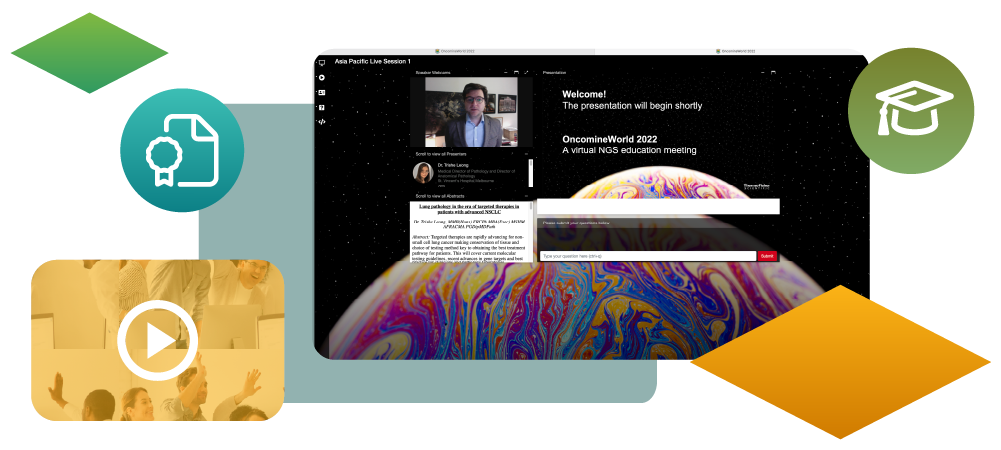
When designing your virtual event, crafting compelling content for virtual audiences will enhance the immersive experience for your attendees and have them come back for more. Examples include inviting expert speakers to discuss the latest research and news in the field while providing educational insights. The more compelling the content, the more engaged and immersed your attendees will be in your virtual event.
Utilizing interactive tools to enhance engagement is vital for hosting a successful virtual event, which includes features like gamification, chat networking, exhibit halls, templates & 3D spaces, and much more. The more interactive your virtual event, the more engaged your attendees will be with each other and your event monitors, which only results in increased diversity, inclusivity, and connectivity for individuals worldwide.
Other ways to improve virtual event content are to incorporate live Q&A sessions and polls, which add another level of engagement and immersion for your attendees. These allow your attendees to engage with expert speakers after their talk while gaining knowledge on a particular topic. With polls, you can enhance attendee engagement while collecting real-time data, enabling you to improve your virtual event in real-time or for a future event.
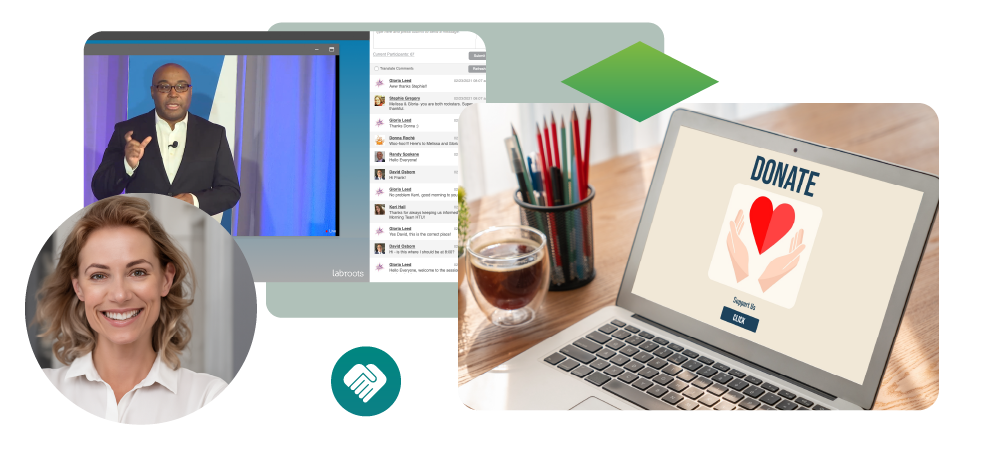
Selecting the right virtual event platform takes time and research, and finding the right one will ensure your virtual event's success. Specifically, this means finding a platform that meets the event’s objectives for your brand and attendees. Every platform offers unique tools and resources designed to enhance the attendees’ experience, which results in increased diversity, inclusivity, and connectivity for everyone.
Integrating multimedia and visual elements into your virtual event will enable extra engagement and immersion for your attendees. These include interactive videos, breakout rooms, and live chats, allowing your attendees to engage and interact in a nonformal environment.
Through these steps, you are ensuring a seamless user experience and accessibility for individuals from all over the world and all personal and professional backgrounds and disciplines, which only increases diversity, inclusivity, and connectivity for everyone.
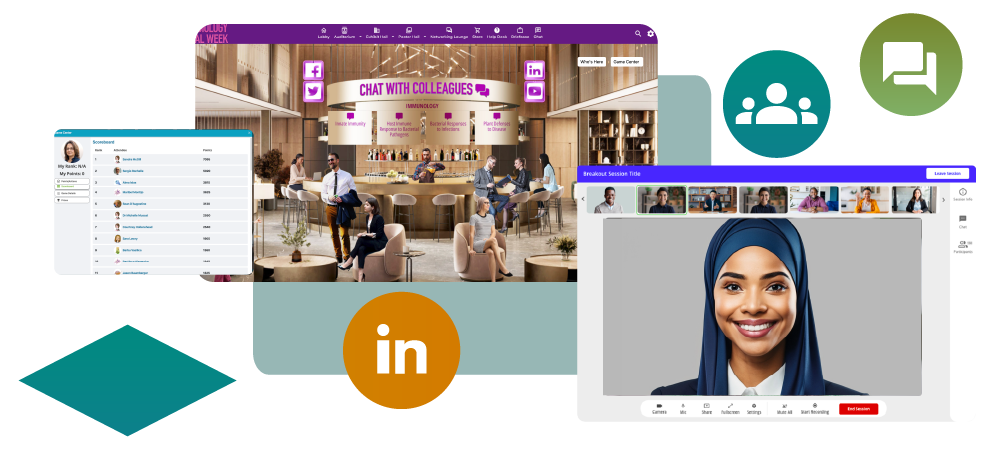
All successful virtual events have a solid marketing strategy, and creating a comprehensive promotional strategy is essential for not only your current virtual event but also future events. This strategy involves timeliness, as you don’t want to promote your event too soon or too close to the event. Additionally, it involves the right amount of promotion, as you don’t want to turn away potential attendees through too much promotion.
Social media has become entrenched in our everyday lives, and harnessing social media and email marketing will enable a global reach and effective promotion of your virtual event for individuals from all over the world. One option is to create a customized email address for your virtual event, along with similar customized social media accounts, as well.
Virtual events foster innovation and connectivity, and collaborating with influencers and partners provides an excellent opportunity to promote your virtual event as they can share details of the event with their colleagues, business partners, and friends.
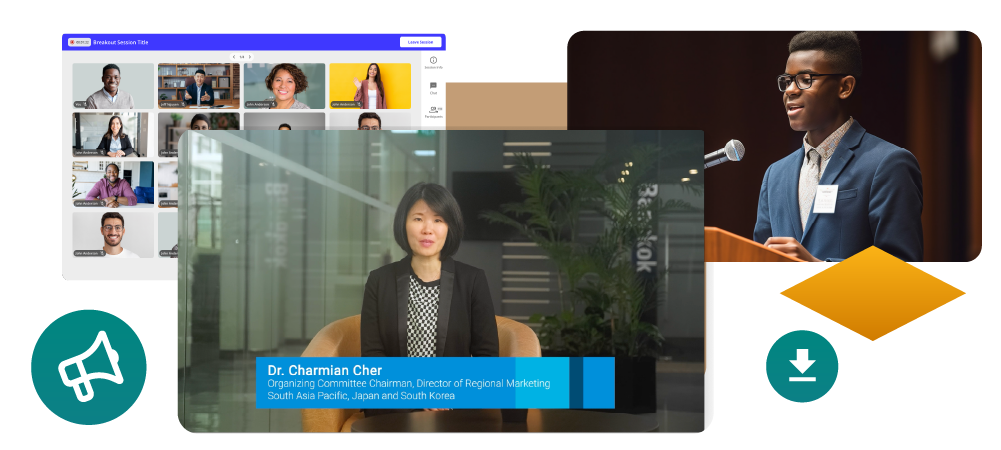
Preparing speakers and presenters is essential to success when executing your virtual event, as your attendees will undoubtedly be prepared for all scheduled talks on the agenda. Speaker and presenter preparation includes ensuring their internet connection is solid and receiving notes about their talk ahead of time that you can share with your attendees beforehand.
Since virtual events are online, managing technical aspects and support is vital for event success. Faulty internet connections will result in an unsuccessful event. This entails ensuring seamless connections on your end while having redundancies in place in case connections shut down during the event.
Your event's goal is to facilitate networking opportunities for individuals from all over the world and from all personal and professional backgrounds and disciplines. With solid promotion and execution, you can ensure your attendees’ networking opportunities are met head-on.
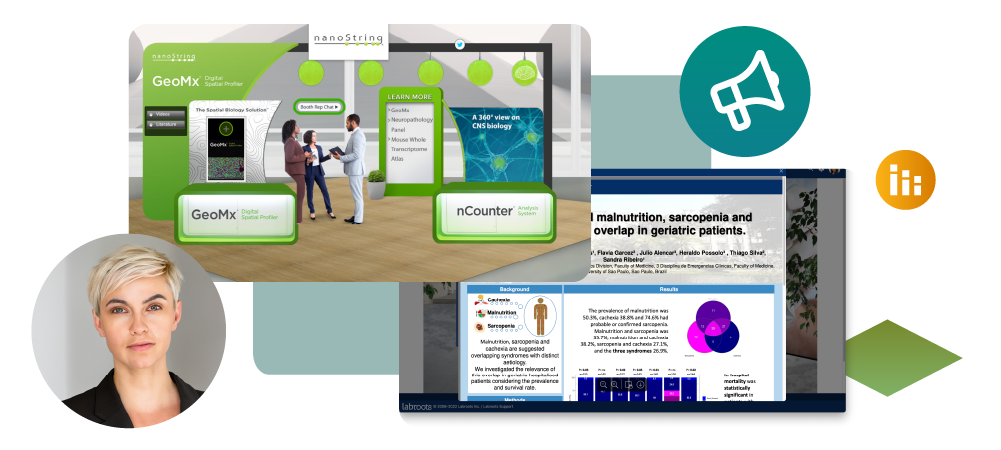
Like all events, virtual events are only successful through constant improvement, accomplished through sending post-event surveys and feedback to your attendees. This can be achieved both immediately after the event and anywhere from a few weeks to a few months after the event, enabling your attendees to provide valuable feedback on improvements that can be made for future events.
Another method to ensure future events' success is by evaluating key performance metrics, specifically attendee engagement, which is the cornerstone of all virtual events. Through this, you can ensure your attendees are satisfying their own networking goals while engaging with individuals worldwide.
The success of virtual events hinges on constant improvement. Through these methods, you leverage insights for future virtual events, which will only lead to increased diversity, inclusivity, and connectivity for event organizers and attendees.
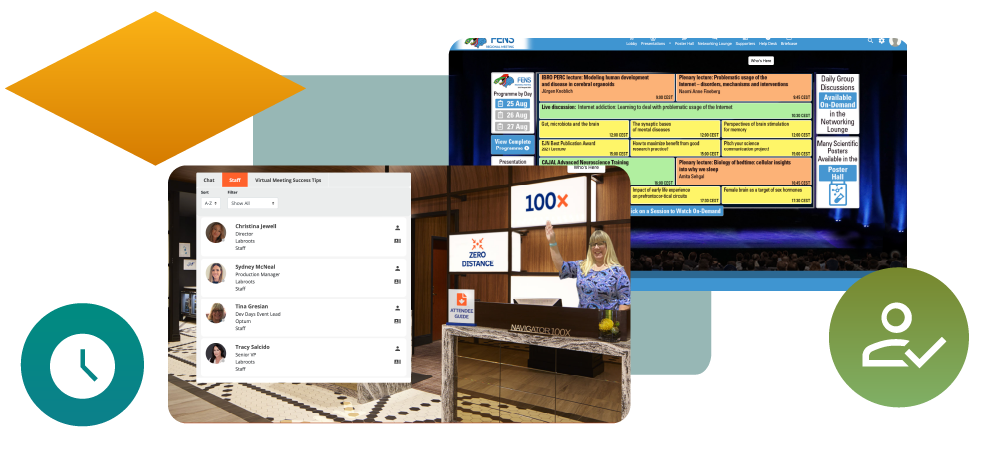
There are a myriad of companies from all over the world that have hosted successful virtual events, including Google, AWS, Salesforce, Adobe, SBC, NBA, and Dreamforce, just to name a few. These companies are successful in hosting virtual events through constant growth and improvement while understanding that it takes time to build their brand for a global audience.
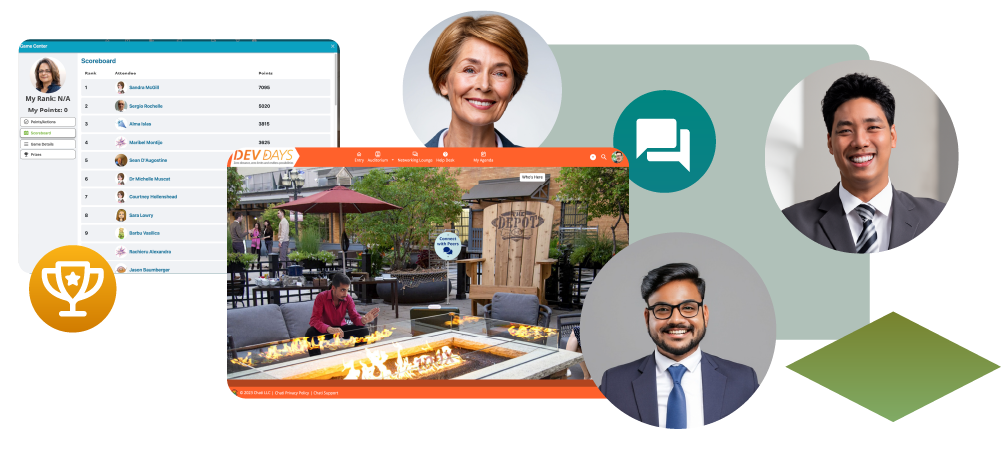
Embracing the future of virtual events will ensure a brighter future for everyone, as virtual events enable individuals from all over the world to engage and contribute to the sharing of knowledge and ideas. This is accomplished through careful and timely promotion, along with successful execution for all facets of your event, leading to increased engagement and connectivity for event organizers and attendees.
Your path to hosting impactful virtual events begins with the right objectives while constantly improving and growing. This will help you help your attendees achieve their personal and professional goals while increasing diversity, inclusivity, and connectivity for individuals from across the globe.
Chati recently presented a guide to planning hybrid events in 2024. Here, we will discuss how hybrid events encompass the best of both in-person and virtual aspects of an event or conference to enable the best opportunity for inclusivity and connectivity on a global scale.
Over the past few years, virtual events have become mainstream in networking and building connections. However, in-person events still hold benefits, primarily due to the real-life engagement aspect. Unfortunately, not everyone can attend in-person events for many possible reasons, including financial or logistical, and this is where hybrid events shine.
In this age of virtual networking, embracing a dual approach towards networking will enable you to reach levels of engagement and connectivity like never before, and this can be accomplished through hybrid events where you can meet people in real life or connect with them virtually. Embracing the dual approach makes hybrid events crucial in both the short- and long-term.
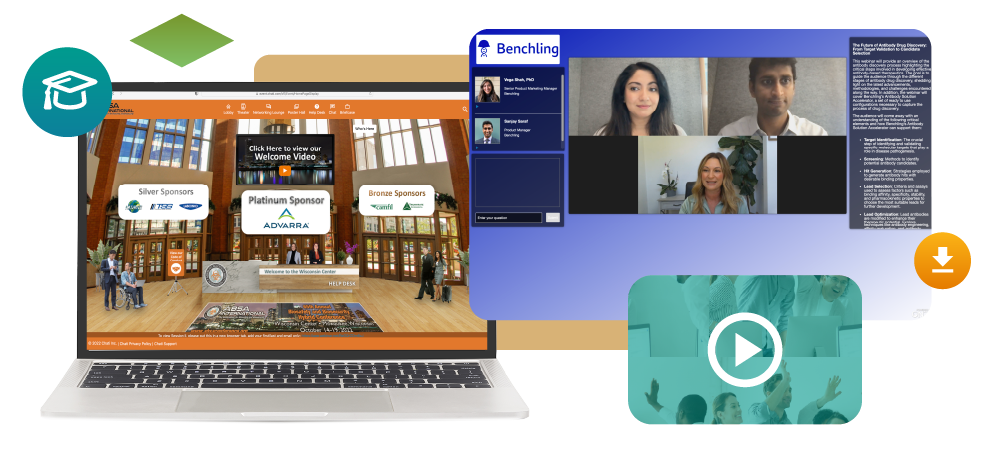
Hybrid events enable event organizers to amplify audience reach and engagement during and after the event. This is due to the ability to connect individuals from around the world, as 47 percent of event hosts believe that hybrid events are the answer to bringing people together from around the world. Other characteristics include offering the choice of attending in-person or virtually while increasing attendee engagement rates since some of your attendees might still be hesitant to attend in person because of COVID-19.
Hybrid events help bridge the gap between physical and digital audiences so individuals worldwide maximize their engagement and connectivity. Along with being hesitant to attend in-person events due to COVID-19, attendees might also be unable to attend due to a physical disability or financial instability, and hybrid events enable these individuals to seamlessly attend your event and engage with in-person individuals so they can share the experience.
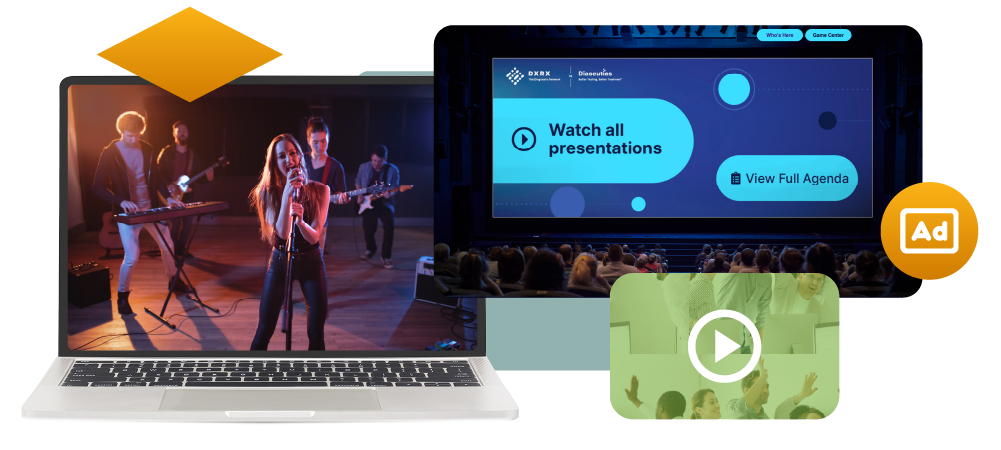
The primary goal of hybrid events is crafting content to engage both audiences, which will increase engagement and enable your attendees to improve their networking skills while building connections and fostering relationships for both the short- and long-term. For example, guest speakers should be able to engage with both audiences seamlessly. At the same time, breakout rooms and gamification features allow both audiences to engage with each other seamlessly.
Through this, your hybrid event will maximize interaction and participation across all channels, leading to greater levels of inclusivity, diversity, and engagement for individuals worldwide.
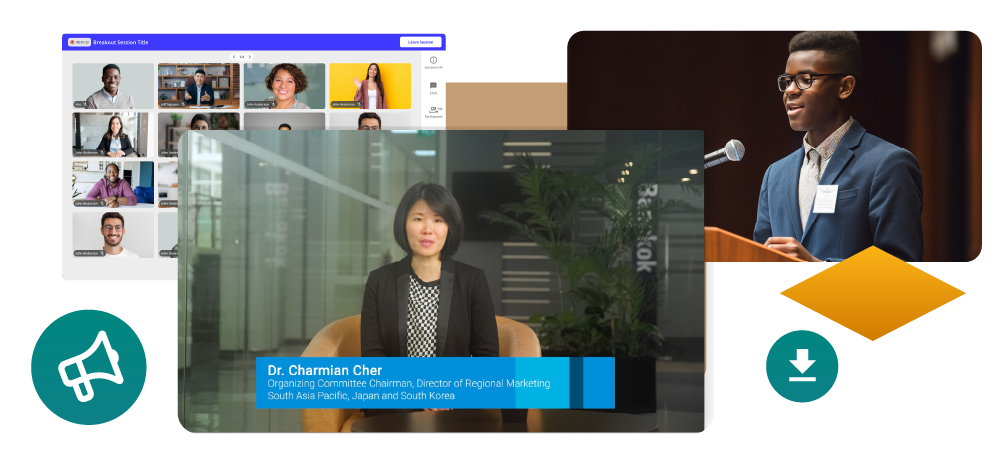
Addressing technical and logistical considerations is vital for all endeavors, but hybrid events are especially important since organizers are balancing two different audiences. For example, guest speakers require the ability to convey their message while engaging with both audiences, which brings more challenges for your virtual audience, as ensuring all internet connections are functioning properly will allow your virtual audience to engage simultaneously with your in-person audience. Other technical and logistical challenges are to consider providing resources for the seeing- and hearing-impaired, which need to be addressed for both audiences.
For these reasons and many more, balancing engagement and interaction across in-person and virtual formats is essential to achieve the most successful hybrid event. Through this, event organizers can maximize engagement, connectivity, inclusivity, and diversity on a global scale.

Chati has emphasized in numerous blogs the importance of tracking engagement metrics for webinars and virtual events, making this practice even more important for hybrid events as event organizers are responsible for in-person and virtual attendees. However, the same tracking methods used for webinars and virtual events can easily be used for the virtual aspects of hybrid events, including those collected via artificial intelligence. You can even periodically engage with your attendees to ensure they’re getting the most out of your hybrid event.
In addition to tracking engagement metrics, Chati has frequently discussed the importance of extracting valuable insights from attendee feedback, and this aspect is even more important for hybrid events as organizers are balancing two audiences instead of one, with attendees engaging from all over the world. This feedback can be accomplished through post-event surveys, which are encouraged to be sent out immediately as soon as possible once the hybrid event concludes so the event is still fresh in your attendees’ minds. Additionally, follow-up emails a few weeks to a few months after the event allow your attendees to provide additional feedback if they missed something in the post-event surveys.
At Chati, we encourage all event organizers to unleash the power of hybrid events, which encompass the best of both in-person and virtual events, into a fun and engaging experience for individuals worldwide. From creating memorable experiences to overcoming technical and logistical challenges to monitoring engagement metrics and post-event feedback, we are confident you will walk away from this better prepared to host a successful hybrid event for years to come.
Sources: Chati, Interprefy, WorkCast, Frameable, Cvent, Socio Labs, Chati (1)
While virtual and in-person events have their respective advantages, the fusion of physical and virtual events in what are known as hybrid events offers the quintessential definition of seamless integration, as both your brand and attendees can foster lasting connections through both worlds simultaneously.
In this post-Covid world, the networking landscape is very dynamic, as students and employees are embracing a myriad of platforms and services to accomplish their networking needs. Therefore, enabling your brand to unleash the power of memorable hybrid events will only lead to positive outcomes, including fostering lasting connections. With hybrid events, you get the best of both worlds wrapped into one.
Like all events, designing hybrid events that adapt to attendee preferences is vital for a successful and impactful experience for both in-person and virtual attendees. Additionally, this enables a greater level of inclusivity for individuals all over the world. Preferences include:
It’s vital to offer flexibility while maintaining cohesive experiences for everyone. Along with the above preferences, other preferences might include enabling more significant levels of engagement and interaction through live chats, Q&A sessions, and polls.
Utilizing advanced event platforms for integration will enable your attendees to have the most impactful and meaningful experience possible and help you achieve the most successful hybrid event. These advanced platforms enable in-person and virtual attendees to engage and interact seamlessly with all parties.
The purpose of hybrid events is to get the best of both worlds, and incorporating interactive tools to bridge physical and virtual engagement will allow for greater engagement and interaction for your team, attendees, speakers, and additional guests.
To create the most impactful experiences for everyone, tailoring content to resonate with in-person and virtual attendees will allow maximum engagement and interaction between all parties, including the attendees, hosts, speakers, and additional guests.
Some strategies for maximizing engagement across all channels include making all features available to in-person and virtual attendees. This includes polls, live chats, Q&A sessions, talks, and additional features. This will ensure your attendees will achieve the maximum possible engagement while fostering lasting connections with all parties.
When hosting a hybrid event, it’s vital to achieve seamless transitions between in-person and virtual sessions. This will enable attendees from either audience to achieve maximum engagement and interaction with all parties while staying actively immersed in the event until the end.
A vital part of a successful hybrid event is balancing timing and logistics for both in-person and virtual audiences. This is especially important since most of your attendees will hail from different time zones, and some even across the globe. Ensuring that schedules can match those of your attendees will ensure maximum engagement and interaction, which will not only foster lasting connections but increase inclusivity, as well.
Like all events, tracking attendee interaction and engagement metrics throughout the hybrid event is essential to achieve maximum engagement and foster lasting connections. The challenge comes with monitoring in-person and virtual attendees, but tracking such engagement can be achieved through constant communication and even artificial intelligence.
While hybrid events encompass the best of both worlds, this means ensuring all attendees are achieving the maximum engagement possible. To accomplish this, analyzing feedback and insights for future engagements from both in-person and virtual attendees will ensure more successful hybrid events in the future.
Hybrid events offer the best of the world in-person and virtual events and can help elevate your events through seamless integration. Hybrid events are here to stay, and taking advantage of many features and platforms will ensure you, your attendees, and your speakers will have the most engaging and interactive experience possible.
With the increasing dynamics of the digital landscape, embracing flexibility and impact will ensure you not only achieve the most successful hybrid events but also foster lasting connections for your brand and your attendees. By utilizing both in-person and virtual events simultaneously, you enable the possibility of breaking down geographic barriers and improving inclusivity for everyone.
Sources: Freeman, TalkingTree Creative, Brella, Stova, Goldcast

