Discover how Chati's self-service licenses give you full control - build, update, and launch virtual events on your terms. Register for our free webinar today!
Hybrid events have become significant in connecting individuals from all personal and professional backgrounds worldwide. They provide the best of both worlds by enabling attendees to participate virtually or in person. This eliminates geographic barriers for both demographics while increasing diversity, inclusivity, and connectivity for everyone.
While hybrid events provide ample opportunities for worldwide connectivity, the challenge of balancing engagement in dual environments arises since attendees participate both in person and virtually. Therefore, attendees from both audiences must receive the same level of engagement and connectivity to ensure the most impactful hybrid event.
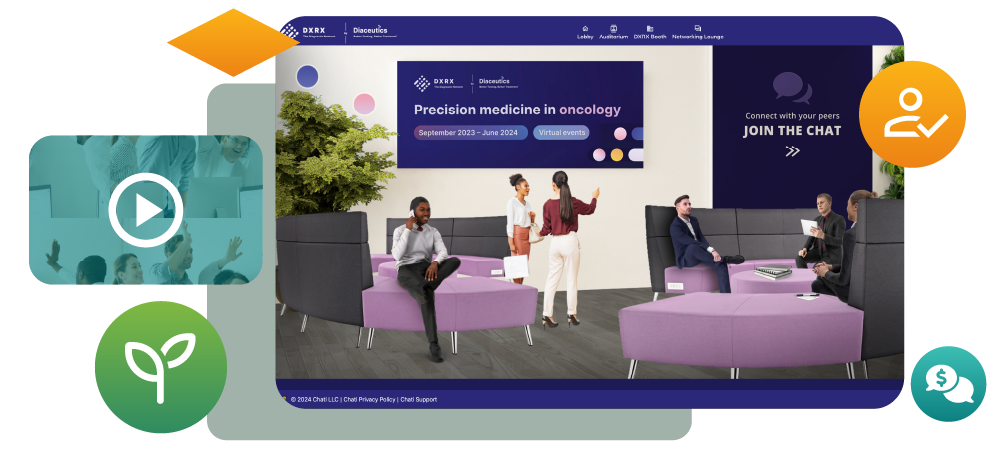
Hybrid events combine physical and digital engagement into a single streamlined event, enabling individuals from all over the world to share knowledge and ideas more effectively than simply through an in-person or virtual event alone.
Navigating the unique engagement landscape of hybrid formats can be fun and challenging, as attendees from either audience must determine the best course of action to achieve the most impactful and engaging experience. When successful, hybrid events can be enriching regarding their educational and professional goals.
When it comes to either hosting or attending a hybrid event, leveraging technology for seamless audience interaction will enable maximum engagement from both in-person and virtual audiences. This includes choosing the right event platform, interactive features, social media, and email to help broaden your range of engagement and connectivity.
Another strategy for a successful hybrid event is crafting content to engage both in-person and virtual audiences, as this enables maximum impact for engagement and interaction for both audiences while increasing diversity, inclusivity, and connectivity for everyone.
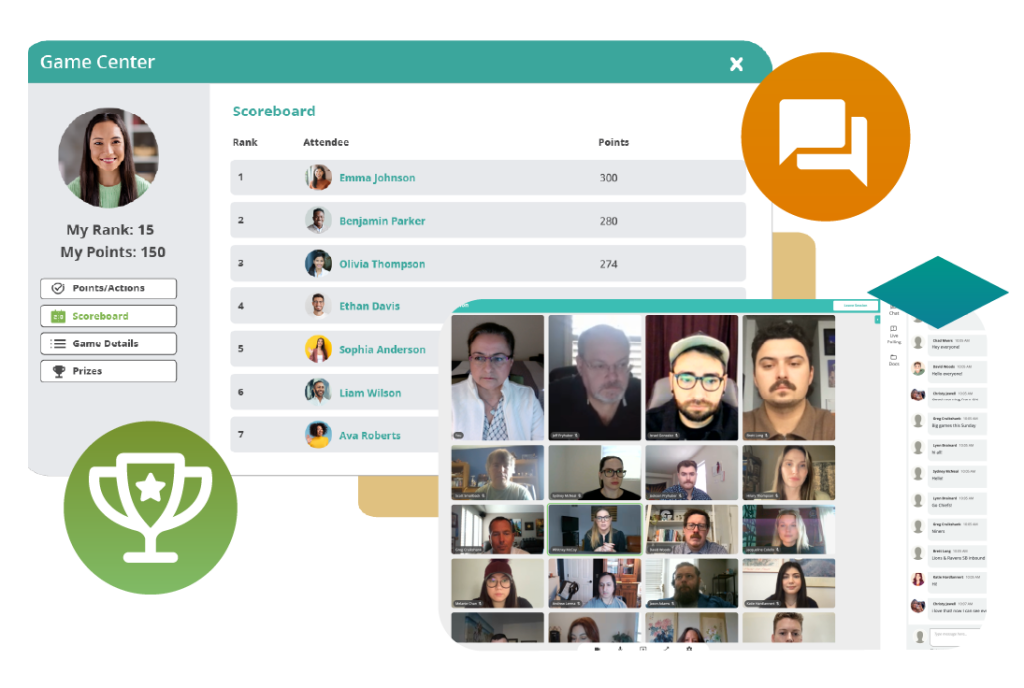
Since hybrid events cater to two audiences, adapting content to resonate with different engagement preferences is vital for maximum engagement and interaction. This is accomplished by obtaining feedback before the hybrid event, so you know your audience’s engagement preferences and plan accordingly. However, it can also be performed during the event.
Successful hybrid events involve strategies for maximizing participation across both worlds. These include the right features, such as gamification, Q&A sessions, and live Q&A, but they can also include breakout rooms, 3D virtual environments, and chat sessions.
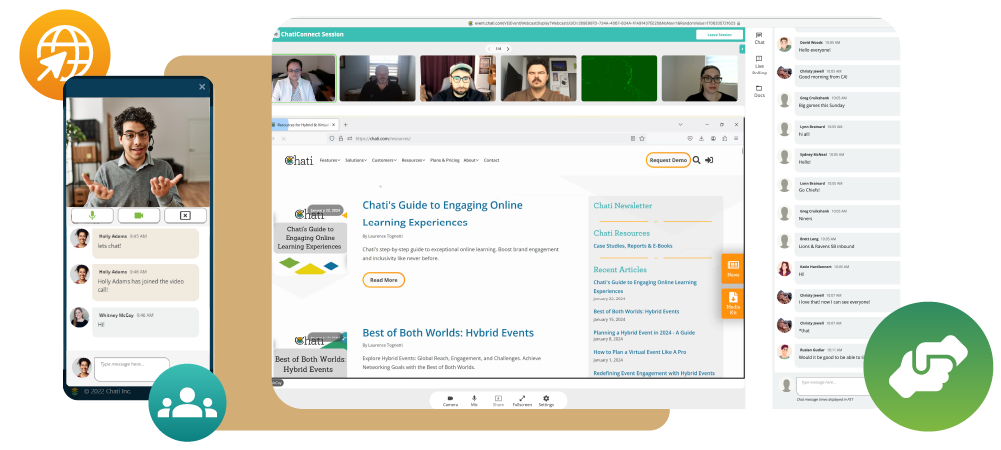
Elevating networking opportunities for hybrid attendees is vital for a successful hybrid event. It is accomplished through seamless engagement and interaction between in-person and virtual attendees while promoting engagement after the event has concluded.
The primary goal of hybrid events is bridging the gap between in-person and virtual interaction since they encompass audiences from both worlds. This increases diversity, inclusivity, and connectivity for individuals from all over the world.
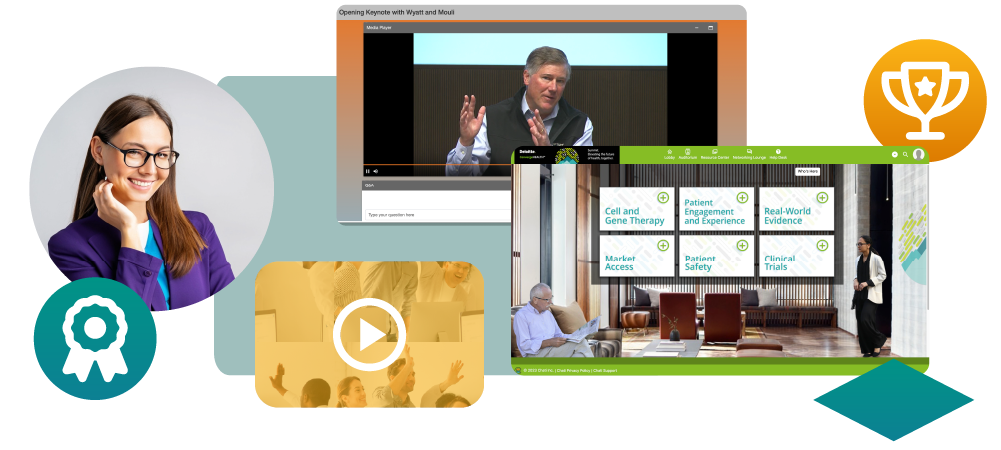
Hybrid events are only as successful as their features, accomplished through gamification and interactive elements to boost engagement. Gamification provides real-time scoring, rewards, and fun for both audiences. This increases diversity, inclusivity, and connectivity for individuals from all over the world.
Another method to ensure a successful hybrid event is to ensure participation and interaction in both event formats. Both in-person and virtual audiences need to receive the same level of engagement, interaction, and knowledge-sharing throughout the entire event.
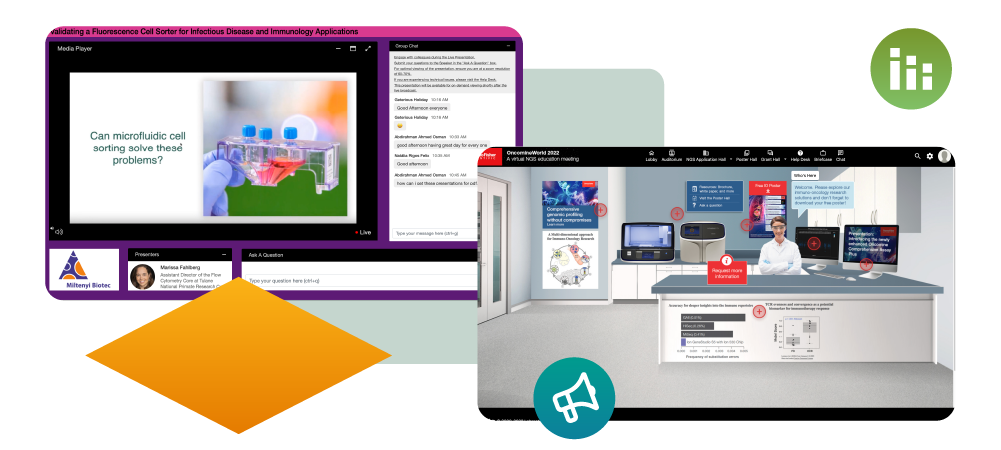
Since hybrid events incorporate in-person and virtual audiences, personalizing experiences for diverse attendee preferences is vital to ensure successful levels of engagement and interaction. This includes gaining feedback before the event with surveys or artificial intelligence and even greeting your attendees when they arrive, either in-person or virtually.
Customization for both physical and virtual audiences is essential for a successful hybrid event, as this enables greater diversity, inclusivity, and connectivity for individuals worldwide.
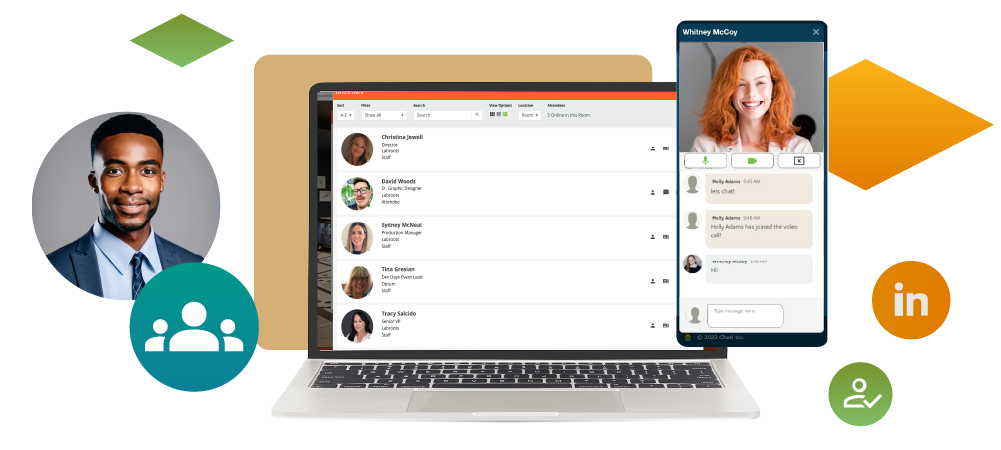
Both audiences must have seamless engagement during hybrid events, which is accomplished through overcoming technical challenges and operational considerations, including uninterrupted internet connections and seamless engagement features.
Through this, you are ensuring a cohesive experience across in-person and virtual elements, thus increasing diversity, inclusivity, and connectivity for individuals worldwide.
Hybrid events are only as successful as attendee engagement, and tracking engagement metrics across physical and digital spaces is a vital strategy for ensuring your attendees have the most impactful experiences. This can be accomplished through artificial intelligence or real-time support teams.
Additionally, analyzing attendee interaction and feedback for improvement is vital for hosting future successful hybrid events, which is accomplished through post-event surveys, both immediately after the event and a short time later.

Predicting the evolution of engagement strategies is vital to providing successful hybrid events in the future. This can be accomplished through thorough research on new hybrid event platforms and features and by staying up to date with attendee expectations for hybrid events.
Embracing continuous improvement and innovation is the hallmark of successful hybrid events, both in the short and long term. This enables growth while increasing diversity, inclusivity, and connectivity for individuals from all over the world.
Unlocking the potential of hybrid event engagement is essential for a more diverse and connected future. With the right tools and strategies, hybrid events can help break down geographic barriers and bring together in-person and virtual audiences for years.
Balancing engagement for unveiling exceptional hybrid experiences will ensure that in-person and virtual audiences receive the same seamless interaction and information while providing a better and more diverse future.
Going hybrid has become a beacon of innovation and adaptability in the ever-evolving events landscape. The hybrid advantage highlights the seamless integration of physical and virtual elements, fostering a dynamic experience for attendees that transcends geographical boundaries. It signifies a paradigm shift in conceptualizing gatherings, enabling broader participation while retaining the tangible essence of face-to-face interactions. In the modern event landscape, where flexibility and accessibility are critical, harnessing the power of hybrid elements is no longer just a choice but a necessity. It embodies inclusivity, allowing diverse audiences to engage with content and each other in ways previously unimagined. Going hybrid not only revolutionizes event planning but also democratizes access to knowledge, networking, and shared experiences on a global scale.
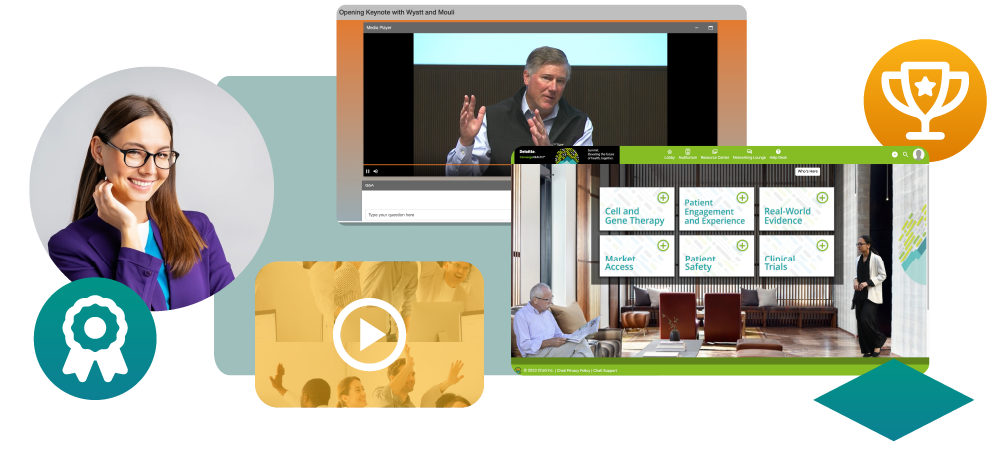
Exploring the intricacies of the hybrid advantage reveals a tapestry of unique benefits that enrich event experiences on multifaceted levels. By seamlessly intertwining physical and virtual elements, hybrid events transcend the limitations of traditional gatherings, offering a blend of versatility, accessibility, and engagement. Attendees are no longer bound by geographical constraints, as virtual components open doors to participation from across the globe, fostering a diverse and inclusive audience. Moreover, integrating digital platforms enhances interactivity, enabling real-time engagement through chat forums, live polls, and virtual networking sessions. This fusion of physical and virtual realms creates a dynamic ecosystem where attendees can tailor their experience to suit their preferences, whether immersing themselves in on-site interactions or navigating the event from their homes. Thus, the hybrid advantage represents a paradigm shift in event design, revolutionizing how we connect, learn, and engage in the modern era, fostering a sense of community and belonging among attendees.
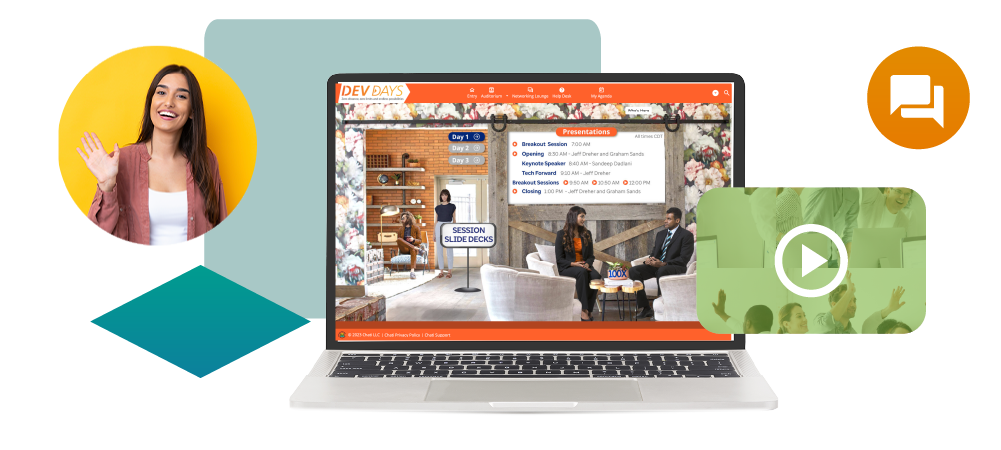
Designing engaging event formats catering to physical and virtual audiences requires careful consideration of various factors to ensure inclusivity and maximize participation. One approach involves leveraging technology to facilitate real-time interaction and engagement between attendees in different locations. This could include incorporating interactive features such as live polls, Q&A sessions, and virtual breakout rooms that actively allow participants to contribute and collaborate, regardless of their physical location. Additionally, organizers can employ creative content delivery methods, such as multimedia presentations, immersive experiences, and gamification elements, to capture the attention and interest of both physical and virtual attendees. Moreover, providing opportunities for networking and socializing, both in-person and virtually, can enhance the overall event experience and foster connections among participants. By adopting a holistic approach to event design that prioritizes engagement and inclusivity, organizers can create dynamic and memorable experiences that resonate with all attendees, regardless of their mode of participation.
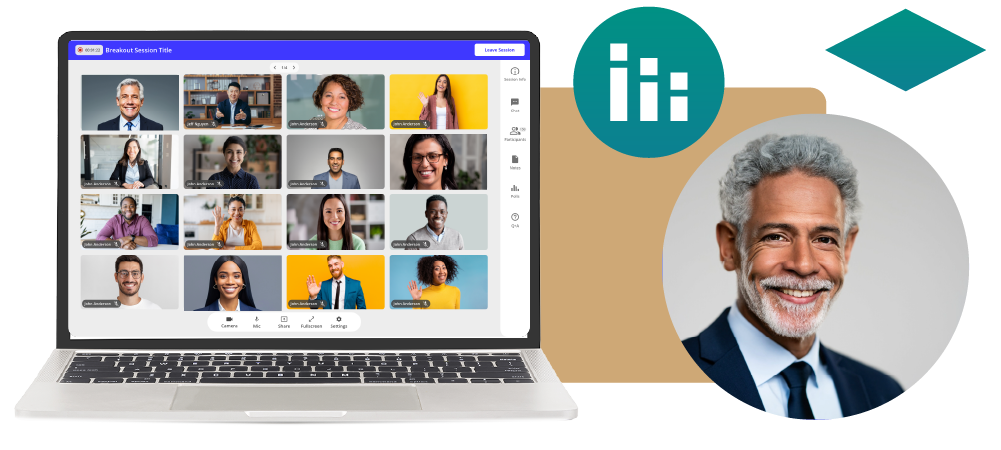
Hybrid events present a remarkable opportunity to amplify engagement and expand reach beyond the confines of geographical limitations. By seamlessly integrating physical and virtual components, organizers can transcend traditional barriers, extending invitations to participants from around the globe. This audience reach expansion fosters diversity and injects vibrancy into event communities, enriching discussions with many perspectives. Moreover, the hybrid format facilitates interactive engagement, empowering in-person and virtual attendees to participate actively in meetings, workshops, and networking sessions. Through innovative features like live polls, Q&A sessions, and virtual breakout rooms, individuals from diverse backgrounds can connect and collaborate, enhancing the event experience for all involved. By embracing hybridity, organizers unlock the potential to cultivate vibrant, inclusive communities that thrive on engagement and transcend geographical boundaries.
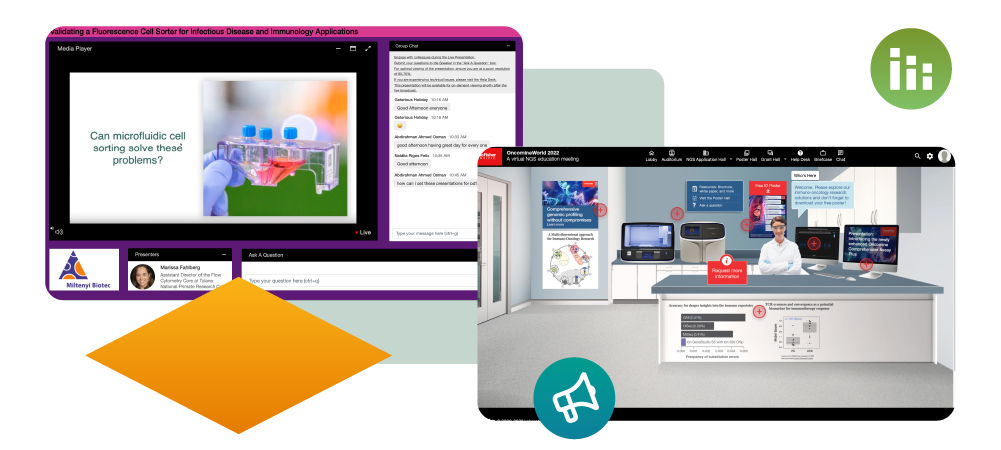
Innovative strategies are essential for ensuring the success of hybrid events, as they present a unique blend of challenges and opportunities. Navigating the complexities of hybrid implementation requires careful planning and execution to integrate physical and virtual elements seamlessly. Organizers must leverage technology as a cornerstone for elevated interaction and participation, harnessing its capabilities to bridge the gap between in-person and remote attendees. Organizers can create immersive environments that facilitate meaningful engagement and participation across both physical and virtual realms by incorporating interactive features such as live streaming, virtual reality experiences, and collaborative digital platforms. Moreover, technology enables organizers to overcome logistical hurdles and enhance event accessibility, ensuring a seamless and inclusive experience for all attendees, regardless of their mode of participation. Through strategic utilization of technology, hybrid events can transcend traditional boundaries and emerge as dynamic, interactive experiences that leave a lasting impact on participants.
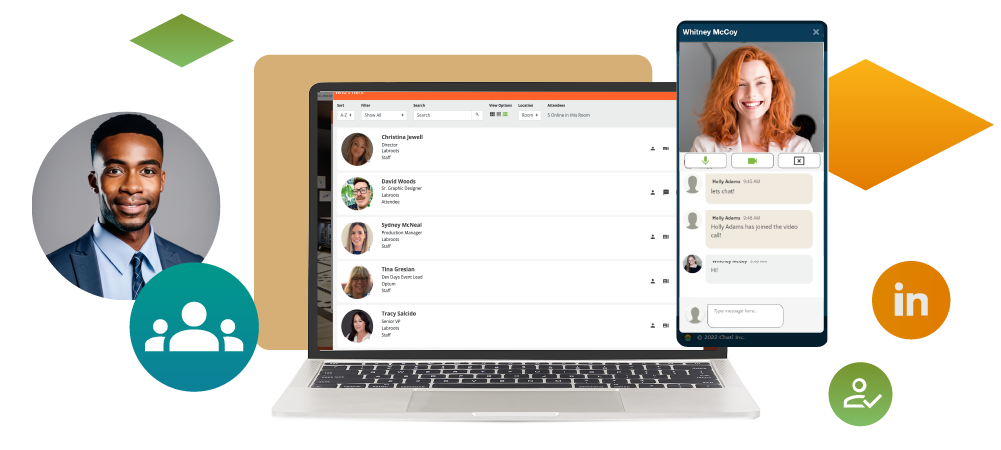
Seamless networking and collaboration across formats are imperative for the success of hybrid events, demanding innovative approaches to bridge the gap between physical and digital networking. By embracing innovations in hybrid networking opportunities, organizers can foster connections and facilitate meaningful interactions among attendees regardless of their mode of participation. Organizers can use digital platforms equipped with virtual networking features to recreate the spontaneity and serendipity of in-person networking in a virtual environment. Through features such as matchmaking algorithms, virtual meet-and-greet sessions, and online networking lounges, attendees can forge new connections, share insights, and collaborate on ideas, transcending the limitations of physical proximity. Moreover, hybrid events offer the unique advantage of blending physical and digital networking seamlessly, enabling participants to seamlessly transition between in-person and virtual interactions, thereby enriching the overall networking experience and fostering lasting connections beyond the confines of the event.
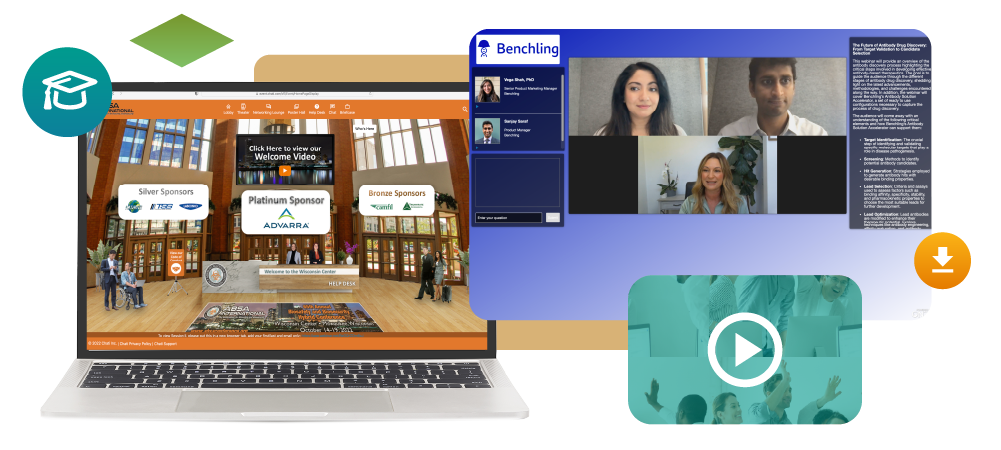
Overcoming challenges in hybrid integration necessitates a meticulous approach to addressing technical, operational, and logistical considerations, ensuring consistency and seamlessness across formats. Organizers must navigate the complexities of integrating physical and virtual components, from ensuring robust internet connectivity to coordinating equipment setup and troubleshooting technical issues in real time. Operational challenges, such as managing hybrid event logistics, coordinating schedules, and accommodating diverse attendee needs, require careful planning and coordination to ensure a smooth and seamless experience for all participants. Moreover, maintaining consistency across formats is paramount for creating a cohesive event experience that resonates with in-person and virtual attendees. Organizers can mitigate potential challenges by establishing clear communication channels, implementing standardized procedures, and conducting thorough rehearsals, and ensuring that the hybrid integration process runs seamlessly, ultimately delivering an exceptional event experience for all involved.
The future of elevated events is poised to be defined by the widespread adoption of hybrid formats, where integrating virtual elements into in-person gatherings becomes the norm. As we navigate an increasingly interconnected world, the convergence of physical and virtual experiences offers unparalleled opportunities for engagement and accessibility. Organizers recognize hybrid events' inherent advantages, from expanding audience reach to facilitating seamless interaction among participants regardless of their location. This shift towards hybridity signifies more than a temporary adaptation; it represents a fundamental transformation in how events are conceptualized and executed. Embracing this trend is not merely an option but a necessity for organizers seeking to stay relevant and competitive in an evolving landscape. Thus, the future of elevated events lies in embracing the Hybrid Advantage, where the integration of virtual elements into in-person gatherings becomes a trend and the standard practice, ushering in a new era of innovation and connectivity in event experiences.
The COVID-19 pandemic forced the world's population to reshape their lives as everyone stayed indoors to prevent the spread of the coronavirus. The result was that traditional, in-person events, where networking was the priority, quickly became virtual-only events. In this post-Covid world, many of these events have returned to being in-person while continuing to include a virtual aspect. These 'hybrid' events are rapidly becoming the new norm for networking. A recent survey found that 66.5% of event professionals predicted that hybrid events will be incorporated into all future event strategies.
Due to geographic boundaries and financial costs, many would-be event attendees worldwide are unable to attend in-person events. These factors alone highlight the increased relevance of blending physical and virtual events. With a hybrid approach, your event can increase inclusivity and diversity, which will build stronger relationships and foster connectivity for both the short- and long-term. As we enter 2024, it's essential to understand not only the fiscal benefits of going hybrid but also how to develop successful and effective hybrid events. Here, we will discuss the steps to create a truly successful hybrid event in 2024.
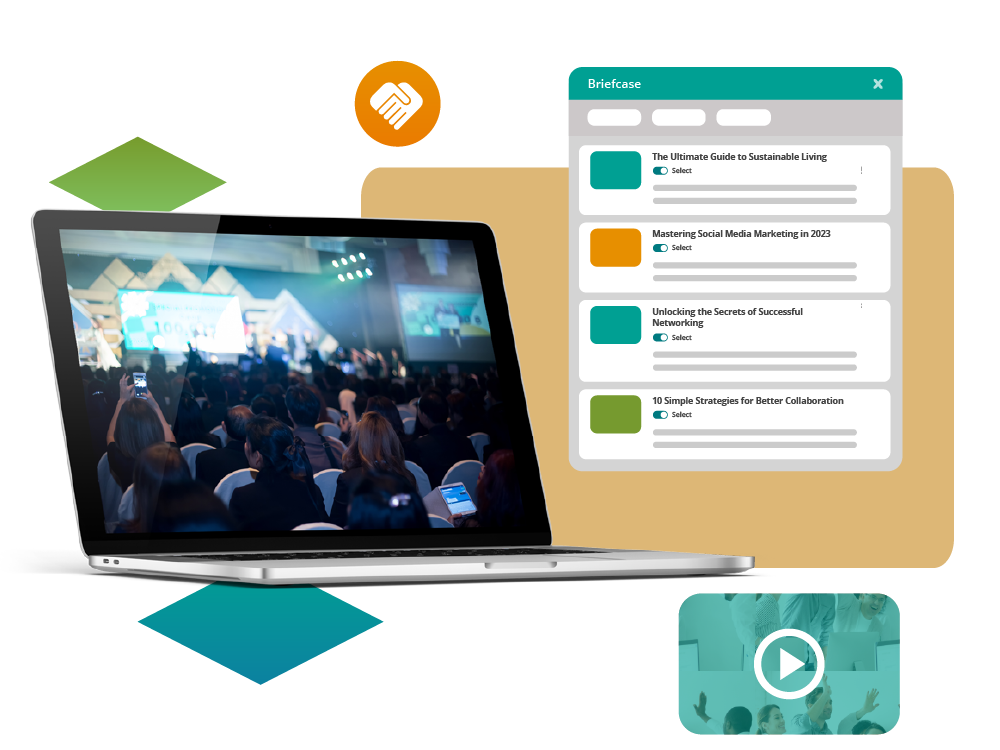
Hybrid events offer many benefits compared to strictly virtual or in-person events, including extended reach, improved engagement, and flexibility. Much like virtual events, hybrid events break down geographic barriers so individuals have the choice to attend in-person or virtually. Adding virtual components opens the door to those who may be unable to attend due to geographic, financial, or scheduling circumstances.
By harnessing the power of both worlds, hybrid events provide greater inclusivity, engagement, and networking opportunities that virtual or in-person events can't provide on their own. Additionally, they provide an opportunity for first-time attendees to "dip their toes" into your brand, allowing them to attend in person for future events.
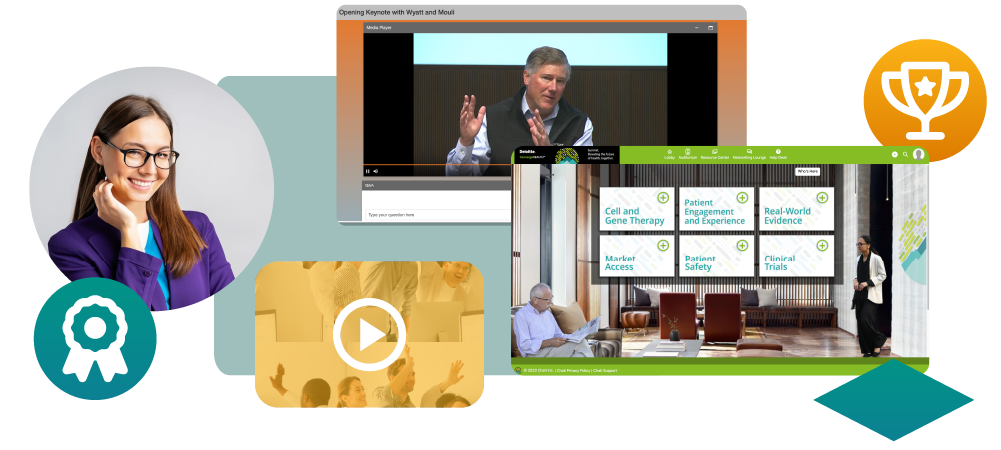
When planning your hybrid event, understanding and catering to physical and virtual attendees are crucial for your success. Maintaining equal engagement levels for both audiences is complicated but vital. For instance, if you are hybridizing a conference, a good starting point is to include strong and consistent live-streaming with a reliable internet connection so your virtual audience can engage with speakers and in-person audience members in real-time.
Like all events, hybrid events require tailored content and engagement to meet the needs of both virtual and in-person attendees. Provide resources for the seeing- and hearing-impaired and opportunities for individuals in various time zones to participate through easily accessible taped talks, real-time captioning, multi-lingual captioning, and landing pages or virtual event spaces that can be easily converted from text to speech/audio.
Selecting a venue that supports physical and virtual components is vital when planning your hybrid event. If considering a hybrid element, make sure the venue you choose has a reliable internet connection, AV accessibility, and adequate facilities for the on-site virtual event management staff. With these features, your virtual audience may experience a more engaging event.
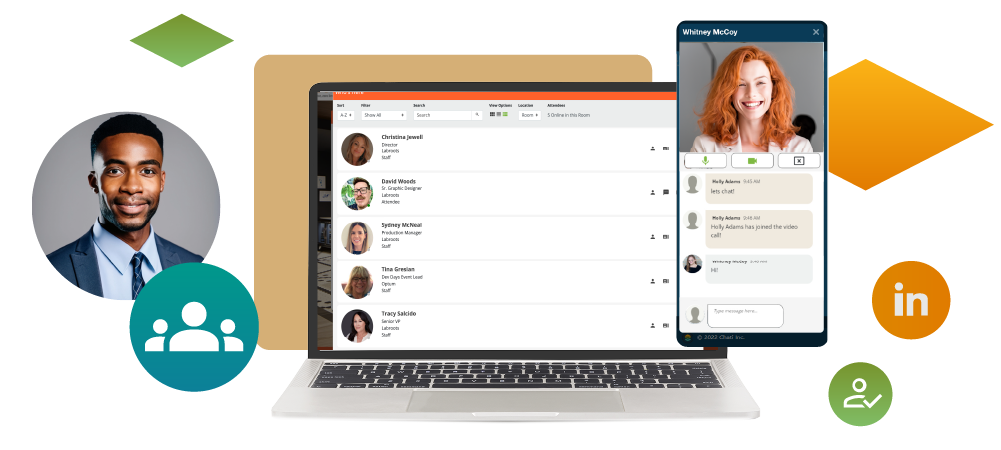
All successful hybrid events require effective event management practices, beginning with registration, ticketing, and attendee support for both audiences. When promoting your event, providing a seamless registration process provides your attendees with an excellent first impression of your event. Ongoing attendee support ensures attendees that the event is effectively managed. Peace of mind in the little things makes a huge difference for both audiences.
The importance of a seamless attendee experience must be noticed and addressed, from the registration page to the sessions to the post-event feedback. When your attendees have the most seamless experience possible, they leave your event with a sense of fulfillment and are excited for your future events.
Since some of your hybrid event attendees will inevitably be virtual, it's vital to consider the various time zones they will be attending from. Some attendees will not be able to see certain sessions live, so it's recommended to provide archived sessions on-demand so they can view them later, either during the event or afterward. Having streamed sessions available on-demand ensures a wider reach for your content and allows attendees to view content they would otherwise have missed.
Additional strategies for accommodating global participants include captioning available in multiple languages, flexible scheduling, and 24-hour virtual support.
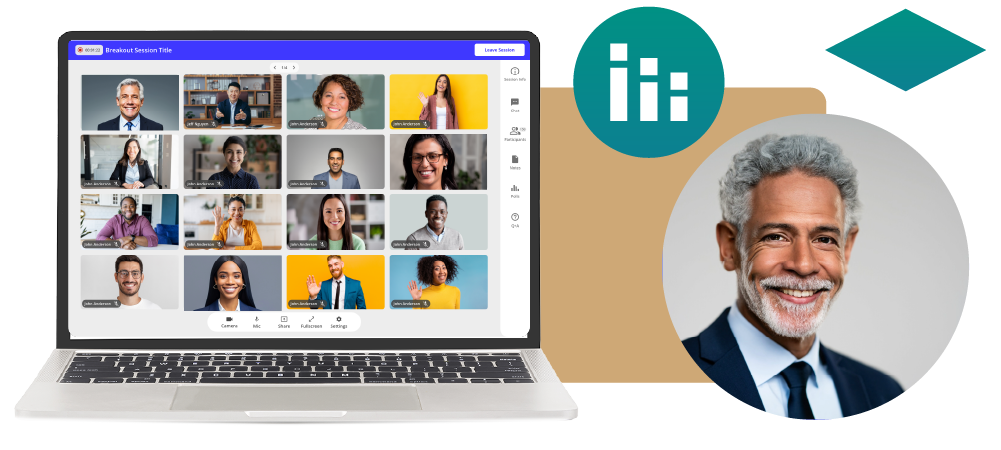
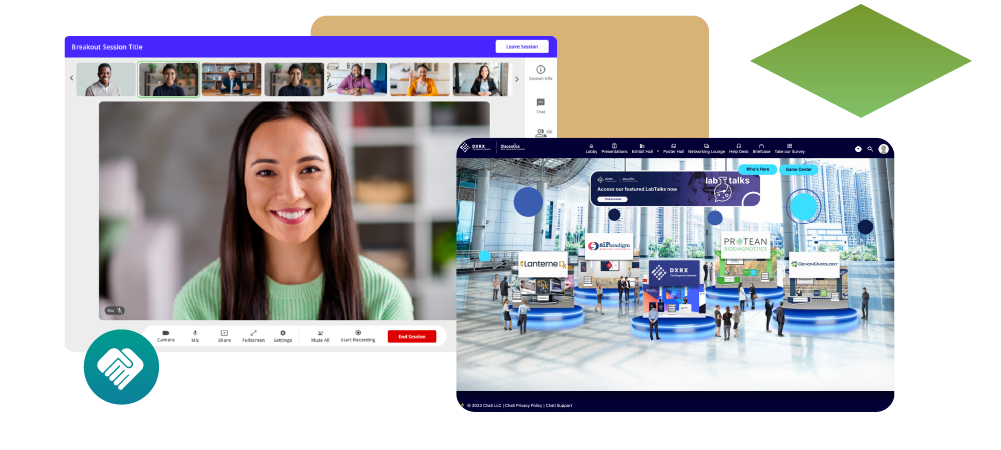
Regarding enhancing attendee engagement and interaction, breakout rooms offer enormous opportunities to foster small group discussions and networking for in-person and virtual audiences. This is because breakout rooms are exactly as their name describes, as a break from the chaos and large crowds of the event and an opportunity to breathe and engage one-on-one with other audience members, which increases inclusivity and diversity while building lasting relationships and fostering valuable connections. Virtual match-making allows those with shared interests to meet and interact with one another when they may otherwise feel left out of the in-person experience.
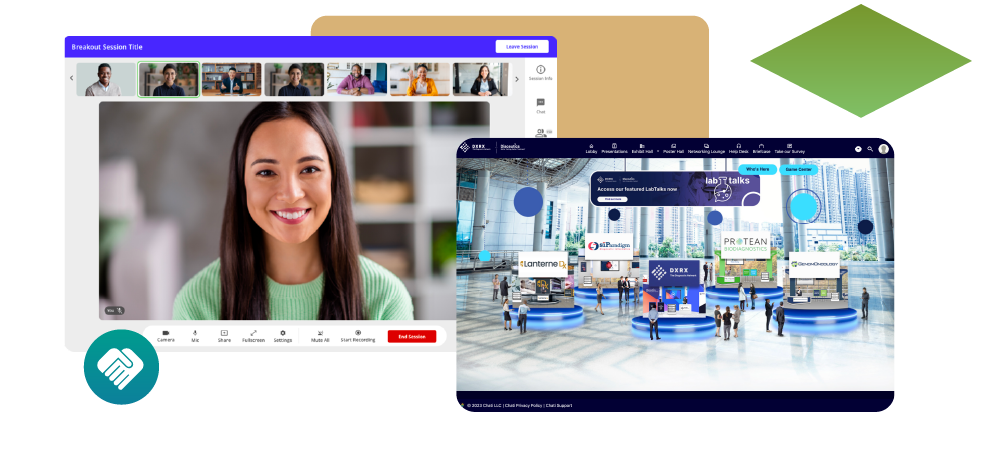
Hybrid events thrive on live interaction and engagement between in-person and virtual audiences, and the value of live Q&A sessions for attendee engagement cannot be overstated. Live interaction allows both audiences to share and learn from each other, building relationships and fostering connections for both the short- and long-term.
When facilitating interactive Q&A sessions, it's vital to maintain a sense of direction and order, as having the right session host or chairperson can help keep everyone on the same page and allow everyone the opportunity to interact equally, whether from the virtual or in-person audience.
Taking advantage of the social media landscape is vital to a successful hybrid event. This can include using your company's social media pages to promote and broadcast the event and creating alternative social media pages for various event components. The myriad of social media platforms, including Facebook, X (formerly known as Twitter), Instagram, Bluesky, and Mastodon, to name a few, makes it possible to target your audience effectively and interact with them in a familiar and friendly environment.
By harnessing the power of social media, your hybrid event and your brand can amplify real-time interaction for virtual and in-person audiences worldwide. This can be accomplished through live streaming on social media platforms or encouraging direct messaging if you wish to engage with an attendee one-on-one.
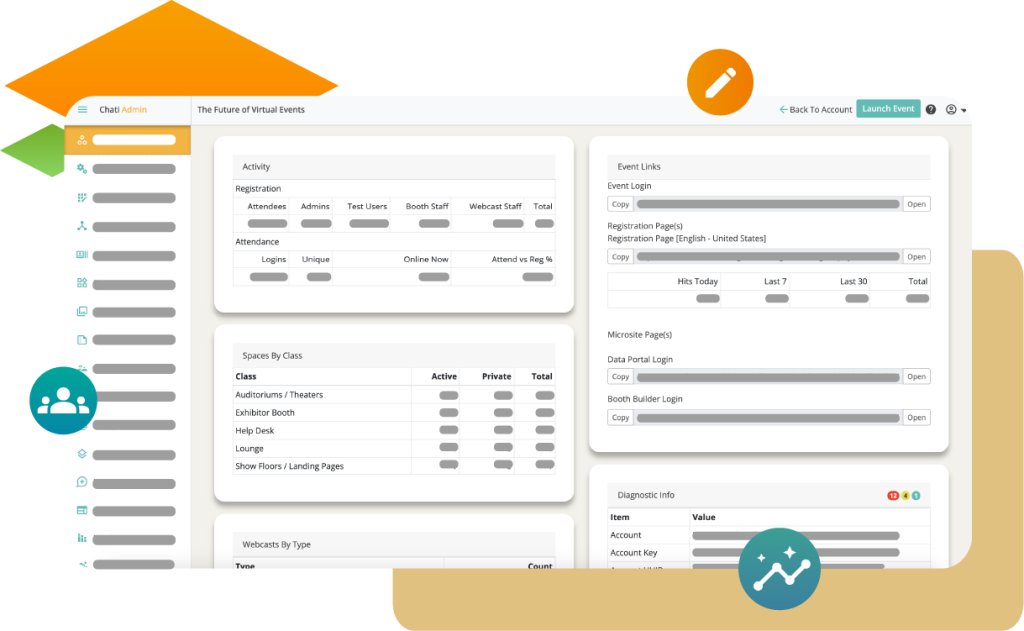
Collecting and analyzing data during and after the event will provide valuable feedback regarding engagement and logistical metrics, ensuring your attendees from both aspects of the event obtain equal engagement and networking opportunities. This includes ensuring strong and consistent live-streaming capabilities for your virtual audience and seamless engagement with in-person attendees.
All endeavors require feedback to ensure success going forward, and obtaining feedback for hybrid events is crucial since there are two different types of audiences you're helping. This can be conducted with post-event surveys and emails, but also provide contact information in case your attendees might remember aspects of the event later.
Successful feedback will not only ensure your latest event's success. Still, it will also inform future hybrid events on what steps need to be taken to ensure maximum engagement, inclusivity, and diversity for attendees worldwide.
Hybrid events have become a cornerstone to networking and engagement, especially in this post-Covid world, and following these strategies will ensure that 2024 will have even more successful hybrid events that improve inclusivity, diversity, and engagement for everyone. This includes providing appropriate venues, technological and logistical readiness, catering to your audience's needs, and receiving relevant feedback from your audience, both virtually and in person.
As the digital landscape continues to evolve, future trends and hybrid event experiences will also continue to evolve. With these strategies, you can ensure solid and impactful hybrid events through 2024 and beyond!
Sources: Impact XM, Stova, Deal Room, vFairs, Airmeet, MeetingPulse
The Covid pandemic allowed the rise of virtual events to take hold, letting millions of people worldwide connect virtually without needing to travel long distances and potentially expose themselves to the virus. Now that the pandemic is controversially considered to be over, individuals are free to travel to conferences and the like, but what if they still prefer to conduct them virtually? Can there be similar experiences for both in-person and virtually attended events?
This is where hybrid events come in, as they offer opportunities for individuals who want that human connection but also for individuals who wish to remain virtual. The purpose of hybrid events is to allow the same experiences regardless of preference of attendance, which only increases inclusivity and allows for building lasting connections.
As noted, the pandemic has largely subsided, but millions of individuals worldwide are still at high risk for Covid-19. This means they are unable to attend in-person events and are forced to attend virtually but wish to share the same experiences as those attending in-person. This has caused an increase in demand for integrated virtual and in-person events to allow all parties from all backgrounds to share in the experience, which will only build stronger long-term connections.
Hybrid events hold a wide range of benefits for everyone, including greater flexibility, reach, and attendance; decreased travel and environmental costs; increased sponsorship opportunities; and larger audience engagement opportunities, to name a few. All of this can be done while having the same experience as those attending in person.
Achieving maximum audience reach and engagement is one of the benefits of using hybrid events, as you can offer the same experiences as in-person attendees while building your audience and connections.
Blending components of in-person and virtual experiences is accomplished in many ways, including live-streaming key sessions and presentations and offering virtual exhibitor booths, gamification events, and virtual breakout sessions. By offering these services, virtual and in-person attendees are almost guaranteed the same experience, which builds stronger connections.
It is of the utmost importance to design experiences that cater to virtual and in-person audiences, as the goal of conferencing is building lasting connections. This is why hybrid events are essential for growing inclusivity and openness for all parties worldwide.
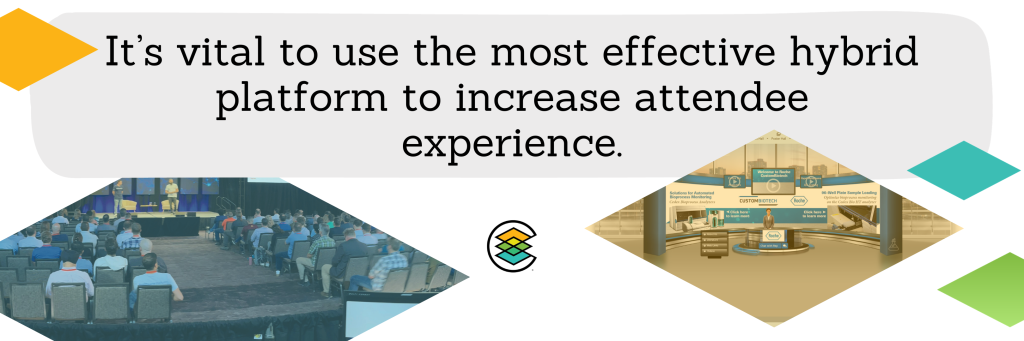
As noted above, offering several services in hybrid events allows for greater inclusivity and a seamless experience for all participants. Therefore, leveraging the right technology is vital to the success of hybrid events for both the short-term and long-term.
It’s vital to use the most effective hybrid platform to increase the effective hybrid experience, which can be done in many ways. These platforms ensure maximum diversity reach along with increased engagement, as well. Services to look for when searching for the best hybrid platform include networking rooms, ticketing, scalability, and security, just to name a few.
To provide the most seamless and enriching experiences, it is vital to adapt content catering to virtual and in-person participants. This can be accomplished through speaker kick-off calls, preplanned event checklists, ensuring speakers can reach both virtual and in-person audiences, preparing both virtual and in-person audiences on the experiences of hybrid events, and strong moderation, just to name a few.
Accomplishing these steps will not only maximize diversity and inclusion for your hybrid events but also maximize engagement and interaction across all channels and participants. The goal of hybrid events is to allow everyone to attend, regardless of their travel needs, and following key steps will ensure everyone gets the best possible experience overall.
There are many innovative ways hybrid events have changed the landscape of networking, both virtually and in-person. These include matchmaking technology via artificial intelligence, breakout sessions, and networking lounges for virtual and in-person participants.
Hybrid events are only meaningful if participants from both audiences can interact with each other and build lasting connections. This is why it’s vital to offer services for both audiences to interact with each other. These include offering unique engagement tools, maximizing the use of social media, matchmaking your participants, and customizing the exhibit hall so all participants can attend seamlessly.
The goal of hybrid events is to cater to both virtual and in-person attendees but also to cater to a plethora of diverse preferences, including attendees with disabilities or other needs that will make their experience that much more engaging. To learn more about your attendees’ needs, you can use registration forms to impact diversity and inclusion for your hybrid event.
While balancing virtual and in-person attendees can be tricky, hybrid events offer enormous flexibility that ensures your attendees maximize their participation and access to all sessions and talks, increasing engagement for everyone.
To learn how to offer the best hybrid event, it’s important to learn from those who’ve hosted previous events. Endless stories showcase successful hybrid events, including Apple Special Events, INBOUND by HubSpot 2022, Social Media Marketing World 2022, and MAD//Fest London 2022.
These events offered several services to ensure maximum engagement and participation, including physical and digital sessions, mobile event apps, tiered registration systems, and hybrid event technology.
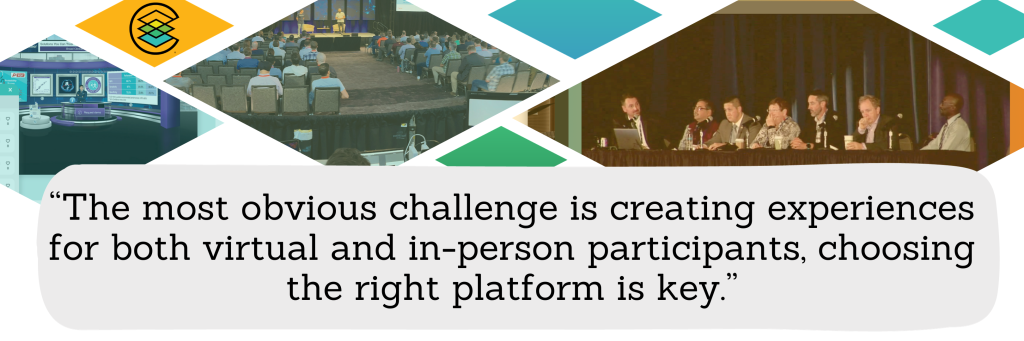
While hybrid events offer many important benefits, like all platforms, they also offer many technical and logistical challenges. The most obvious challenge is creating experiences for both virtual and in-person participants, but offering the correct venue and virtual platform is one step in overcoming this challenge. Other challenges include ticketing strategies for both audiences and providing value for sponsors, as well.
To provide the best overall hybrid event experience, it is vital to balance audience engagement across both virtual and in-person avenues. This is because some services for in-person attendees won’t benefit virtual attendees, and vice versa. Services to consider are registration processes, session availability, and creating appropriate marketing strategies for both audiences and meeting platforms.
When hosting a hybrid event, monitoring how everything flows is vital. Are you achieving maximum engagement with both your virtual and in-person attendees? Can they maximize their experience, regardless of their attendance preference? Monitoring experiences maintains engagement levels with your current hybrid event and ensures that your next hybrid event will be that much better.
Like all events, garnering appropriate feedback ensures you offer the best hybrid event in the future. This can be done through post-event surveys, which allow your attendees to provide appropriate input on their experiences and the experiences of other attendees.
Like virtual and in-person events, hybrid events are here to stay for the long-term, as they offer the best of both worlds to allow for maximum engagement for participants from all backgrounds. While some believe the future of hybrid events will be mostly virtual, this doesn’t change the importance of using hybrid events to allow for a wider range of audiences and backgrounds to build lasting connections and relationships.
Human beings long for connections, and change is inevitable, with the change being that more and more individuals worldwide are embracing hybrid events to build lasting connections and relationships for both personal and professional growth. The future of hybrid events will allow for increased inclusivity, building belonging, boosting your brand, and linking global employees and attendees.
Much like virtual events, hybrid events are here to stay and offer audiences from all over the world opportunities to build lasting connections and relationships regardless of their attendance preference. Hybrid events offer the best opportunity for combining in-person and virtual events, which will only increase diversity and inclusion for all audience members.
Hybrid events offer the opportunity for individuals from all demographic and economic backgrounds to share their experiences and build lasting relationships, which only increases diversity and inclusion. The combination of virtual and in-person integration for your event will not only build your brand but build your overall reach.
Sources: Brella, Sorrentino Media, Event Cube, Biz Batch, Pheed Loop, Talking tree Creative, Socio, Socio 2, Institute for PR, Microsoft, Diversity Q

