Discover how Chati's self-service licenses give you full control - build, update, and launch virtual events on your terms. Register for our free webinar today!
Hybrid events have surged as organizations blend in-person experiences with virtual access to reach broader, more flexible audiences. Yet planners face challenges, including uneven audience engagement, technical disruptions, and limited cross-interaction. Here, we explore practical strategies to bridge these gaps, ensuring live and virtual attendees feel equally included, connected, and actively involved through thoughtful design and intentional audience participation.

Successful hybrid events start by understanding the distinct needs of in-person and remote participants. Segmenting content and engagement strategies for each audience helps maximize relevance and participation. Aligning delivery methods across both experiences ensures consistency, inclusivity, and equal value, creating a seamless event that effectively engages all attendees, regardless of how they join.
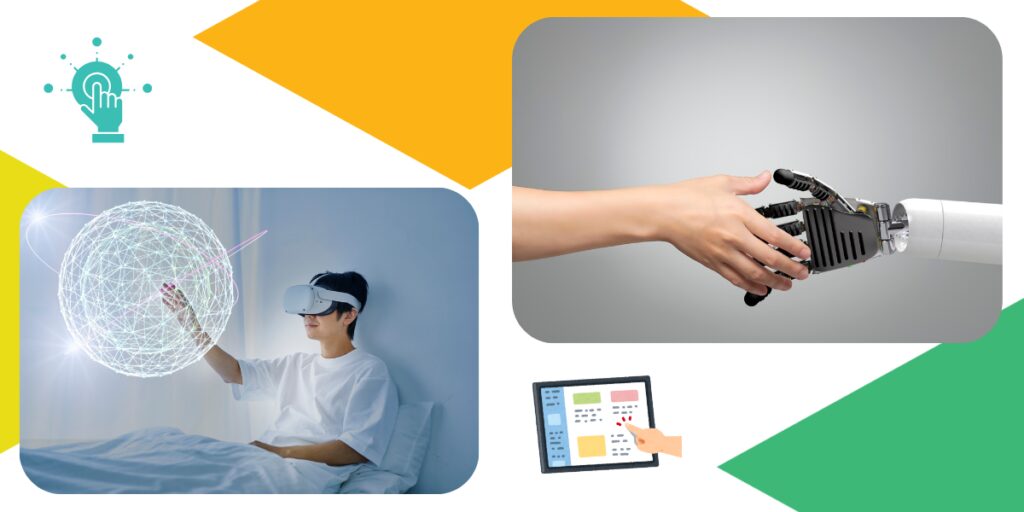
Hybrid events thrive on interactivity. Using live polls, Q&A sessions, chat features, and virtual breakout rooms encourages real-time participation from both in-person and remote audiences. Integrated engagement tools help unify these experiences, breaking down barriers and creating shared moments that foster interaction, inclusivity, and meaningful audience connection across all event formats.

Design presentations and activities that translate smoothly for both in-person and virtual audiences. Balanced pacing and clear delivery help sustain attention across formats. Visually compelling slides, demonstrations, and videos ensure content remains engaging and accessible, creating a cohesive experience that resonates equally with in-person and remote attendees.

Hybrid events benefit from intentional networking opportunities that connect live and virtual attendees. Discussion boards, virtual lounges, and matchmaking tools encourage interaction, while shared group activities and collaborative workshops foster connection. Assigning dedicated moderators helps bridge conversations, ensuring both audiences engage seamlessly, participate equally, and feel included throughout the event experience.

Reliable streaming, robust audio/visual (A/V) setups, and stable event platforms are essential for successful hybrid events. Conducting thorough dry runs helps identify and resolve technical issues in advance. Having clear backup plans in place minimizes disruptions, ensures continuity, and delivers a smooth, professional experience for both in-person and virtual audiences.

Measuring hybrid event success requires tracking attendance, chat activity, poll responses, and session completion rates. Comparing engagement patterns between in-person and virtual audiences reveals participation gaps. These insights help organizers refine content, technology, and interaction strategies, enabling more balanced, inclusive, and effective hybrid events in the future.
Summary
Successful hybrid events rely on understanding audience needs, leveraging interactive technology, designing adaptable content, fostering meaningful networking, and using analytics to guide improvements. With thoughtful planning, both live and virtual attendees feel equally valued and engaged.

To maximize impact, leverage platforms like Chati to bridge the hybrid gap and deliver seamless, high-engagement event experiences. Please contact Chati if you would like to learn how we bridge the gap between virtual and live audiences to enhance the hybrid event experience.
Hybrid events are becoming increasingly popular as organizations seek to expand reach and accessibility. To keep audiences engaged across both formats, delivering a seamless and unified experience is essential. Here, we will discuss the best practices for seamless hybrid event experiences, including planning considerations, technology implementation, bridging the gap between in-person and virtual experiences, common challenges, and the future of hybrid events. Through this, you will have the tools and resources to launch a successful hybrid event while enabling attendees to achieve their personal and professional goals.

Successful hybrid events start with choosing the right virtual event platform and tools that support high-quality streaming, interactive features, and seamless integration with in-person components. Additionally, it's also essential to set clear goals that address the needs and expectations of both in-person and virtual audiences, ensuring that each group finds value in the experience. Through this, you highlight the importance of crafting an engaging agenda that works for both formats, helping to maintain attention and encourage meaningful participation across the board.

Delivering a successful hybrid event involves following live-streaming best practices that ensure high-quality broadcasts, including maintaining strong internet connections, utilizing professional audio-visual setups, and implementing redundancy. Incorporating interactive tools, such as live polls, Q&A sessions, and real-time chat, keeps both virtual and in-person attendees actively engaged. Additionally, leveraging AI-powered networking and matchmaking tools can help attendees connect based on shared interests, enhancing the overall event experience and fostering meaningful interactions across formats.

Encouraging engagement between in-person and virtual attendees is essential to creating an impactful hybrid event experience. This includes strategies such as shared chat channels, cross-platform team activities, and joint Q&A sessions that can help bridge the gap between both groups. Using breakout rooms and roundtable discussions enables deeper, more focused conversations and can be tailored to accommodate mixed-format participants. Gamification techniques can further boost participation by making engagement fun and rewarding for everyone involved.

Managing technical difficulties and ensuring smooth streaming is essential for maintaining the flow of a hybrid event, which means having strong IT support, testing all equipment beforehand, and preparing contingency plans. To keep remote attendees engaged throughout the event, organizers should provide interactive content, offer real-time support, and provide opportunities for virtual networking. Ultimately, balancing content delivery for both online and in-person audiences necessitates thoughtful planning to ensure that all participants feel equally valued and involved.

Emerging trends in hybrid event technology are rapidly transforming the way audiences connect, with platforms becoming more immersive, interactive, and data-driven. Innovations like AI, augmented reality (AR), and virtual reality (VR) are enhancing hybrid event experiences by enabling personalized content, realistic virtual environments, and more intelligent networking. As these technologies continue to evolve, hybrid events are proving to be a flexible and inclusive format that meets the diverse needs of modern audiences.
Summary
Here, we discussed the best practices for seamless hybrid event experiences, including planning considerations, technology implementation, bridging the gap between in-person and virtual experiences, common challenges, and the future of hybrid events. We encourage event planners to implement best practices for hybrid events, ensuring a seamless experience for attendees and organizers while enabling them to achieve their personal and professional goals.

Please contact Chati for inquiries about exploring hybrid event solutions for future success, which can lead to a more diverse and inclusive world where individuals from all backgrounds can connect and engage with one another, regardless of geographic location.

