Discover how Chati's self-service licenses give you full control - build, update, and launch virtual events on your terms. Register for our free webinar today!
Hybrid events are becoming increasingly popular as organizations seek to expand reach and accessibility. To keep audiences engaged across both formats, delivering a seamless and unified experience is essential. Here, we will discuss the best practices for seamless hybrid event experiences, including planning considerations, technology implementation, bridging the gap between in-person and virtual experiences, common challenges, and the future of hybrid events. Through this, you will have the tools and resources to launch a successful hybrid event while enabling attendees to achieve their personal and professional goals.

Successful hybrid events start with choosing the right virtual event platform and tools that support high-quality streaming, interactive features, and seamless integration with in-person components. Additionally, it's also essential to set clear goals that address the needs and expectations of both in-person and virtual audiences, ensuring that each group finds value in the experience. Through this, you highlight the importance of crafting an engaging agenda that works for both formats, helping to maintain attention and encourage meaningful participation across the board.

Delivering a successful hybrid event involves following live-streaming best practices that ensure high-quality broadcasts, including maintaining strong internet connections, utilizing professional audio-visual setups, and implementing redundancy. Incorporating interactive tools, such as live polls, Q&A sessions, and real-time chat, keeps both virtual and in-person attendees actively engaged. Additionally, leveraging AI-powered networking and matchmaking tools can help attendees connect based on shared interests, enhancing the overall event experience and fostering meaningful interactions across formats.

Encouraging engagement between in-person and virtual attendees is essential to creating an impactful hybrid event experience. This includes strategies such as shared chat channels, cross-platform team activities, and joint Q&A sessions that can help bridge the gap between both groups. Using breakout rooms and roundtable discussions enables deeper, more focused conversations and can be tailored to accommodate mixed-format participants. Gamification techniques can further boost participation by making engagement fun and rewarding for everyone involved.

Managing technical difficulties and ensuring smooth streaming is essential for maintaining the flow of a hybrid event, which means having strong IT support, testing all equipment beforehand, and preparing contingency plans. To keep remote attendees engaged throughout the event, organizers should provide interactive content, offer real-time support, and provide opportunities for virtual networking. Ultimately, balancing content delivery for both online and in-person audiences necessitates thoughtful planning to ensure that all participants feel equally valued and involved.

Emerging trends in hybrid event technology are rapidly transforming the way audiences connect, with platforms becoming more immersive, interactive, and data-driven. Innovations like AI, augmented reality (AR), and virtual reality (VR) are enhancing hybrid event experiences by enabling personalized content, realistic virtual environments, and more intelligent networking. As these technologies continue to evolve, hybrid events are proving to be a flexible and inclusive format that meets the diverse needs of modern audiences.
Summary
Here, we discussed the best practices for seamless hybrid event experiences, including planning considerations, technology implementation, bridging the gap between in-person and virtual experiences, common challenges, and the future of hybrid events. We encourage event planners to implement best practices for hybrid events, ensuring a seamless experience for attendees and organizers while enabling them to achieve their personal and professional goals.

Please contact Chati for inquiries about exploring hybrid event solutions for future success, which can lead to a more diverse and inclusive world where individuals from all backgrounds can connect and engage with one another, regardless of geographic location.
Hybrid events have become excellent ways for individuals worldwide to connect and learn from each other while encompassing the best in-person and virtual events and providing impactful experiences for everyone. However, hybrid events also bring unique challenges, including providing the exact level of participation for both audiences, with virtual attendees possibly lacking the necessary participation and reception as in-person attendees.
Here, we will discuss the best practices for hybrid event production to provide the most impactful experiences for everyone, including defining clear objectives, designing engaging content, fostering networking opportunities, providing clear communication, planning for contingencies, and much more. This will give you the tools and resources needed to create a successful hybrid event production.

Defining clear objectives for hybrid events is a crucial first step in laying the foundation for a successful and impactful experience for everyone. This includes establishing goals for your attendees, guest speakers, and sponsors and is accomplished with techniques such as audience segmentation, persona development, and goal setting. Through this, you highlight the benefits of tailoring event strategies to meet specific audience needs and goals for your brand, attendees, guest speakers, sponsors, and more.

The importance of leveraging technology for seamless integration in hybrid events is essential for creating an impactful and memorable hybrid event for individuals worldwide. This is accomplished with techniques such as integrated event platforms, live streaming solutions, and virtual networking tools, thus empowering your attendees with the tools they need to engage with each other and guest speakers. Through this, you highlight the benefits of ensuring a smooth experience for both in-person and virtual attendees worldwide.

Designing engaging content and interactive experiences for hybrid events is essential for creating a fun and impactful experience for your attendees, accomplished by techniques such as live polls, Q&A sessions, gamification, and virtual breakout rooms. This provides your attendees with myriad options where they can participate in meaningful discussions while growing personally and professionally. Through this, you highlight the benefits of stimulating audience participation and engagement across both physical and virtual environments.
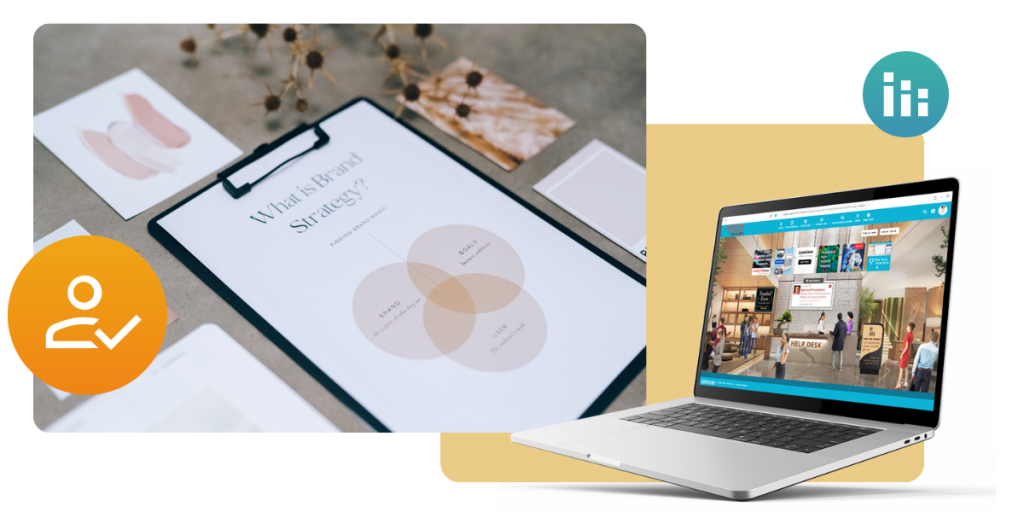
The importance of creating a consistent brand experience across hybrid event channels is essential for providing the same level of engagement and participation for in-person and virtual audiences, thus enabling your attendees to grow and learn with each other. This is accomplished through techniques such as branded signage, digital assets, and virtual environments, which help build your brand with individuals worldwide while providing attendees with the tools and resources to achieve their personal and professional goals. Through this, you highlight the benefits of reinforcing brand identity and messaging to enhance attendee engagement and recognition.

Fostering networking and relationship-building opportunities in hybrid events is essential for enabling your attendees to connect with individuals worldwide while achieving their personal and professional goals. This is accomplished through techniques such as in-person networking sessions, virtual lounges, and matchmaking tools, with the latter utilizing artificial intelligence to help attendees make the best connections with each other. Through this, you highlight the benefits of facilitating meaningful connections among attendees across physical and virtual spaces.

Prioritizing accessibility and inclusivity in hybrid event planning is essential for maximizing the engagement and participation of attendees worldwide. This is accomplished through techniques such as closed captioning, sign language interpretation, and assistive technologies, thus enabling attendees with hearing difficulties and other accommodations to engage at the same level as everyone else. Through this, you highlight the benefits of ensuring equal access and participation for all attendees, regardless of location or ability.

Providing clear communication and instructions to attendees is essential for maintaining a seamless engagement experience while mitigating any confusion regarding specific tasks or sessions throughout the hybrid event. This is accomplished through techniques such as pre-event guides, on-site signage, and virtual event portals, which enable attendees from both audiences to navigate the hybrid event while connecting with individuals worldwide seamlessly. Through this, you highlight the benefits of minimizing confusion and enhancing the attendee experience through transparent communication.

Implementing comprehensive health and safety measures for in-person attendees is essential to ensure they stay actively engaged and participate with each other without worrying about non-event distractions. This is accomplished through social distancing protocols, sanitization stations, and vaccination requirements. Through this, you highlight the benefits of prioritizing attendee well-being and compliance with local health guidelines, thus ensuring a safe and healthy environment for everyone.

Planning for contingencies and flexibility in hybrid event execution is essential for providing a seamless experience by ensuring every aspect of the hybrid event is addressed beforehand, and missteps are handled immediately. This is accomplished through techniques such as backup plans, remote presenter options, and hybrid event kits, thus ensuring a seamless experience for attendees, guest speakers, sponsors, and more. Through this, you highlight the benefits of being prepared to adapt to unforeseen circumstances and changes in event dynamics and addressing them immediately.

Gathering feedback and iterating on hybrid event strategies is essential for ensuring the success of future hybrid events, specifically increased engagement and connectivity among attendees. This is accomplished through techniques such as post-event surveys, attendee interviews, and performance analytics that provide you with the necessary data and information needed to improve future hybrid events while ensuring maximum engagement and participation among attendees. Through this, you highlight the benefits of learning from each event iteration to enhance future hybrid event experiences.
Summary
Here, we discussed the best practices for hybrid event production to provide the most impactful experiences for everyone, including defining clear objectives, designing engaging content, fostering networking opportunities, providing clear communication, planning for contingencies, and much more. This will allow you to have the necessary strategies for implementing and executing a successful hybrid event production for individuals worldwide.
We emphasize the importance of adaptability, engagement, and accessibility in hybrid event planning, as this provides the right strategies for implementing and executing the most impactful hybrid event for everyone. This is why leveraging the best practices to create successful hybrid events is essential for fostering connections and building lasting relationships.

We encourage readers to implement best practices in hybrid event planning and execution, thus providing impactful and memorable experiences for individuals worldwide. We invite readers' feedback and comments on hybrid event strategies regarding how Chati can stay informed on producing impactful and memorable hybrid events. We invite readers to contact Chati for further inquiries regarding best practices for hybrid event production.

