Discover how Chati's self-service licenses give you full control - build, update, and launch virtual events on your terms. Register for our free webinar today!
Virtual conferencing, often called online or web conferencing, is a method of digital communication that allows individuals or groups to meet, interact, and collaborate in real time. It encompasses a range of technologies and tools, including video conferencing, audio conferencing, instant messaging, and file sharing, all integrated into a single virtual platform. This innovative approach transcends geographical limitations, enabling participants from different locations -and time zones- to connect and engage in meetings, presentations, training sessions, and more as if they were in the same physical space.
Emerging trends and advancements are propelling the evolution of virtual conferencing, reshaping the way individuals and businesses connect and collaborate online. Adding augmented reality (AR) and virtual reality (VR) technologies can enhance the immersive experience of virtual meetings and conferences, creating lifelike environments that simulate face-to-face interactions.
Additionally, artificial intelligence (AI) can optimize aspects of virtual conferencing platforms with AI-powered features such as language translation, automated transcription, and intelligent meeting scheduling, streamlining communication and enhancing accessibility for participants worldwide.
Moreover, the growing emphasis on customization and personalization drives the development of tailored virtual conferencing solutions that cater to specific industries, preferences, and objectives, giving users more flexibility and control over their virtual meeting experiences. As these trends evolve, virtual conferencing is poised to become even more immersive, efficient, and accessible, revolutionizing how people collaborate and conduct business in the digital age.

The exponential rise of virtual event platforms like Chati signifies a transformative shift in the conference hosting and management landscape. Virtual event and conference platforms offer a versatile array of tools and functionalities tailored to the demands of remote collaboration. In 2020, this format experienced a dramatic rise in popularity out of necessity due to the global pandemic. While some assumed that the industry would shrink in the post-pandemic world, the opposite slowly emerged. The advantages of the virtual conference became clear to both event attendees and planners alike, highlighting connectivity and accessibility at a global level.
These platforms are comprehensive hubs for seamless virtual conferencing, providing organizers with the means to orchestrate engaging and interactive events irrespective of geographical boundaries. By amalgamating features like real-time communication, customizable virtual environments, and robust networking capabilities, these platforms have become indispensable facilitators of virtual conferences, enabling participants to connect, collaborate, and exchange ideas with unprecedented ease and efficiency. The demand for remote connectivity grows as technology advances, and virtual event platforms are poised to play a pivotal role in shaping the future of conferencing, driving innovation, accessibility, and engagement to new heights.

Event technology is fundamentally reshaping the virtual conference landscape. With the exponential advancement of virtual event platforms over the past four years, organizers can now access innovative tools and features designed to enhance the attendee experience and streamline event management processes. The seamless integration of video conferencing, live streaming, interactive chat functionalities, and virtual breakout rooms creates immersive and engaging virtual environments for participants.
Moreover, the emergence of AI-driven solutions is revolutionizing virtual conferencing by automating tasks such as attendee registration, content personalization, and audience engagement analysis. By leveraging event technology, organizers can overcome logistical challenges, reach broader audiences, and deliver dynamic and interactive virtual conferences that rival in-person events. As technology continues to evolve and innovate, it will undoubtedly play a central role in shaping the future of virtual and hybrid conferencing, driving efficiency, accessibility, and engagement.
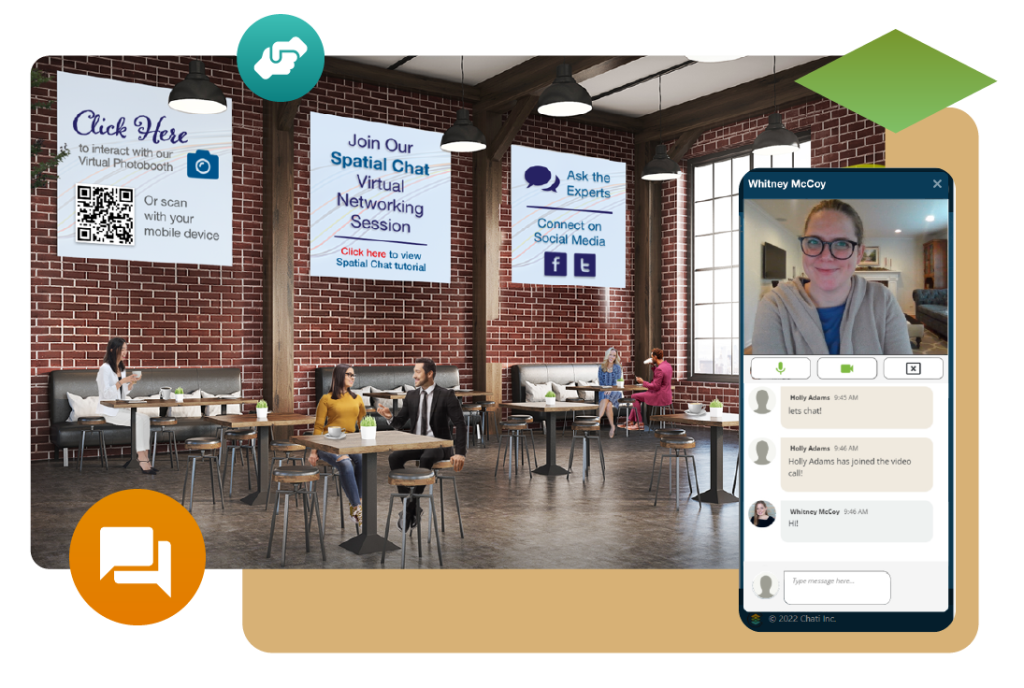
Virtual conferencing fundamentally alters traditional event planning and management approaches, specifically, how organizers conceptualize, execute, and evaluate events. Unlike traditional in-person gatherings, virtual conferences eliminate geographical constraints and logistical complexities, offering greater flexibility and accessibility to organizers and attendees. This shift has prompted a reimagining of event formats, with organizers leveraging digital platforms to deliver engaging and interactive experiences tailored to remote audiences.
Additionally, virtual conferencing has democratized event participation, allowing individuals from diverse backgrounds and locations to join discussions, network with industry peers, and access valuable content without travel or accommodation costs. Furthermore, the data-rich nature of virtual conferences enables organizers to gather real-time insights into attendee behavior, preferences, and engagement levels, empowering them to make informed decisions and optimize future events for maximum impact.
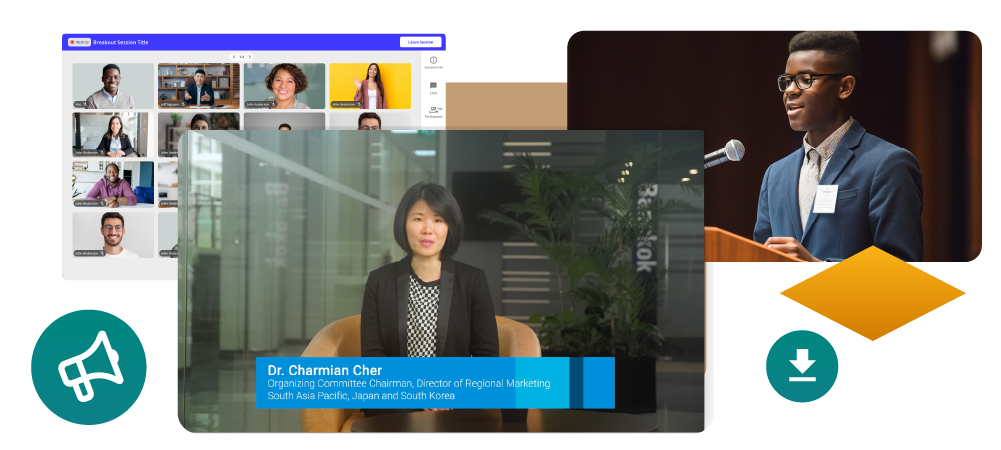
Leveraging social media platforms can enhance the visibility and engagement of virtual conferences. With billions of users worldwide, social media offers the opportunity to connect with attendees, create anticipation, and foster ongoing interaction before, during, and after the event. Utilizing strategic approaches can amplify the conference's reach, drive attendee participation, and cultivate a vibrant online community around the event. Below are some effective strategies for leveraging social media to optimize virtual conference visibility and engagement:
Generating high-quality leads from virtual conferences is a unique challenge that requires innovative solutions. Organizations can effectively overcome these hurdles and maximize lead-generation opportunities by employing strategic approaches. Here are three proven solutions to address these challenges:
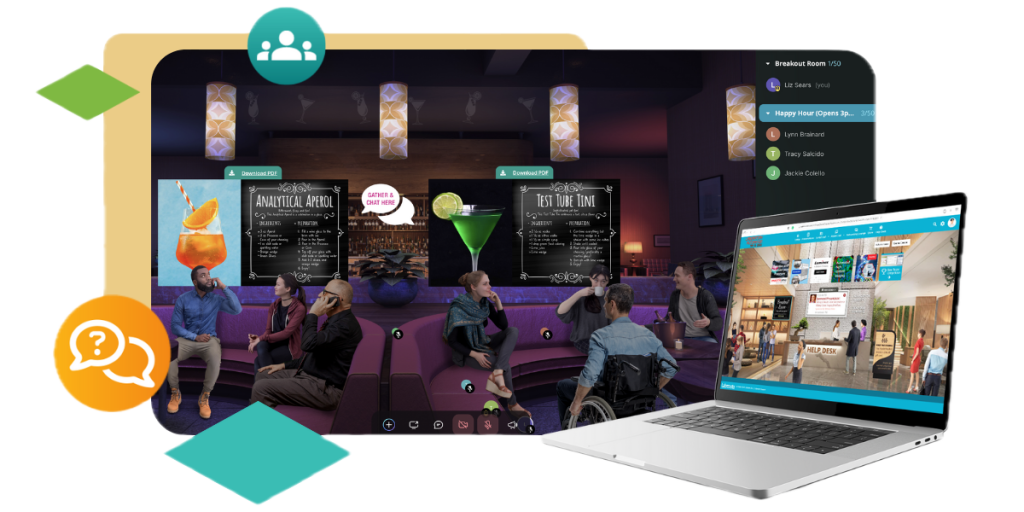
Maintaining attendee interest and participation is a common problem for virtual event organizers and managers. Organizers can employ various strategies to engage and captivate participants in these situations. Diversifying content formats, including interactive workshops, presentations, panel discussions, and Q&A sessions, ensures attendees remain intrigued and actively involved.
Gamification elements such as polls, quizzes, and challenges enhance engagement by transforming passive observation into interactive participation. Cultivating a sense of community through networking opportunities and group activities fosters connections among attendees, fostering a vibrant virtual environment. Encouraging real-time interaction through live chat sessions and audience-driven Q&A sessions empowers attendees to engage with speakers and peers actively, driving dynamic discussions and feedback. Finally, optimizing technical infrastructure and providing reliable support ensures seamless participation, minimizes disruptions, and enables attendees to focus on the conference content. By implementing these strategies effectively, organizers can create engaging and immersive virtual conference experiences that maximize attendee participation and satisfaction.
Everything listed above is vital for a successful virtual conference, and these reasons are magnified for large-scale virtual conferences since they are typically on a global scale. Therefore, it is crucial to adhere to best practices for effectively managing and executing large-scale virtual conferences, including recognizing your target audience, marketing and promoting your event, pre-conference preparations, recruiting lead event host, aka "master of ceremonies," enabling networking opportunities for your attendees, monitoring attendee engagement throughout the event, and receiving appropriate feedback from your attendees as soon as the event ends or a short time later.
During your preparations, emphasize to your attendees that feedback from your team members during the event might take a little longer than usual due to the size of the event but that you will adhere to their requests as soon as possible. Large-scale events typically encompass numerous time zones and geographic locations, so recording sessions are vital to ensure attendees worldwide can contribute later.
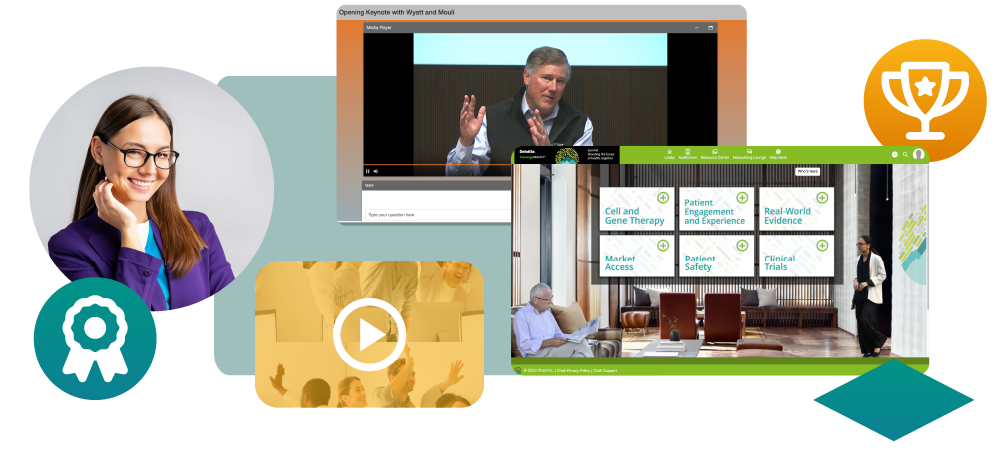
Virtual conferences will continue to evolve to meet the needs of individuals from all professions and backgrounds for years to come, and a large reason will be due to hybrid events, which bridge the gap between in-person and virtual conferences in one package. As noted, your attendees will hail from several time zones and geographic locations, and hybrid events offer them many opportunities to seamlessly engage with individuals in their field without needing to attend in person. Hybrid events offer cost-effective and environmentally friendly methods to unite people, enabling you to host large-scale events with smaller in-person venues since most of your attendees will be online. This will result in a reduced carbon footprint from less travel and local resources needed for the event. Overall, hybrid events increase reach and attendance while offering greater participant flexibility.
Hybrid events offer unique opportunities for increased attendee engagement, primarily from your event's larger—most often global—reach, which only improves diversity, inclusivity, and connectivity for individuals from all over the world. Like virtual conferences, hybrid events offer diverse content, including gamification, polls, quizzes, interactive workshops, and Q&A sessions. Additionally, breakout rooms offer your attendees from both in-person and virtual audiences the opportunity to engage with each other, helping to break down geographic barriers for individuals from all backgrounds and professions. With hybrid events, your virtual conference can be taken to the next level, enabling you to enhance engagement and foster lasting connections for everyone.
Successful hybrid events leverage virtual conference software to create seamless hybrid events experiences, including user-friendly interfaces and systems, mobile apps, successful integrations with other systems, and advanced proficiencies. The best software packages also provide supplemental tools, including secure payments, several registration/ticket options, guest speaker info and images, virtual spaces for one-on-one interactions, and post-event feedback surveys. With hybrid events, the successful integration of virtual conference software is essential because it enables increased diversity, inclusivity, and connectivity for individuals worldwide.
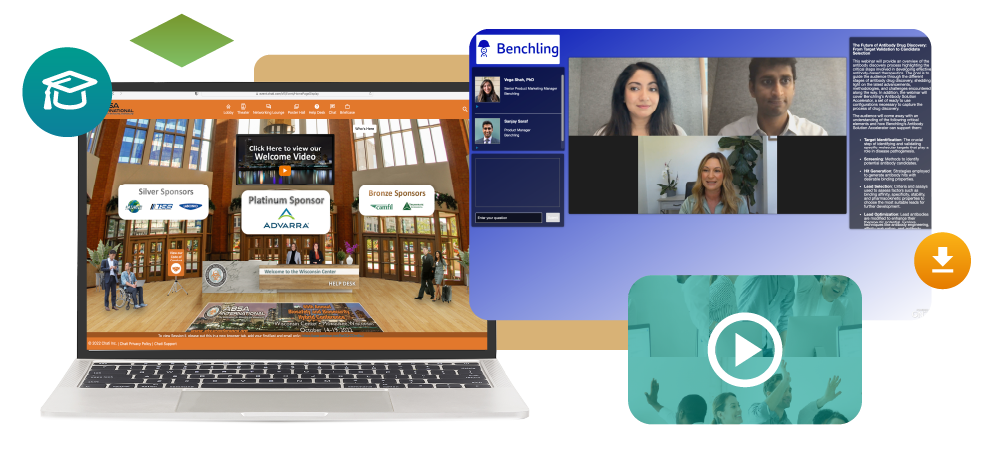
Virtual conferencing enables individuals from all personal and professional backgrounds to seamlessly share new ideas and engage with others in their field. The expansion of VR technologies and AI enables event organizers and attendees to engage in new and exciting ways while offering myriad tools that allow attendees to seamlessly engage with each other through the event, including gamification, breakout rooms, and live chat sessions. Additionally, hybrid events can enhance virtual conferences, which offer the best in-person and virtual experiences for individuals worldwide.
With this blog, we are making a call to action for embracing innovation and adapting to the changing landscape of virtual conferencing. We have highlighted many key trends and insights into how event organizers and attendees can use virtual conferencing to maximize engagement and connectivity for individuals from all professions and geographic locations. Virtual conferencing will continue to evolve and improve, and we are confident you will come away with this better preparation for your next virtual conference.
One of the impacts of the COVID-19 pandemic was the rise of virtual networking. While born from necessity, virtual networking created new and exciting ways for individuals to grow and learn from each other like never before. With virtual networking, you can take your ideas and talent to new heights by building connections and fostering relationships for both the short- and long-term.
Here, Chati outlines a guide to mastering effective virtual networking skills. We discuss the importance of virtual networking, tests, and strategies for reaching networking goals.

Virtual networking, or digital networking, is a professional connection and engagement method where people can share ideas and build relationships. Effective virtual networking is essential for increasing inclusivity and connectivity and fostering professional relationships in the short and long term.
One of the most difficult tasks in digital networking is transitioning from in-person to virtual, as this new environment comes with different sets of guidelines and protocols, which will be discussed further below. There are many benefits of going digital in networking, with the primary benefit being your reach, as virtual networking allows you to engage with professionals in your field from all over the world in a fraction of the time as in-person networking. The level of online tools at your disposal also far surpasses in-person networking, including social media, email, and Google, to name a few.
One of the most essential virtual networking tools is crafting an effective elevator pitch, which means keeping ideas short and direct. When you're meeting in person, you can share your ideas slowly and naturally within a conversation. However, since virtual networking often involves interacting with a larger number of people at a faster pace, reformatting your thoughts and ideas into bite-sized formats allows everyone to share.
Additional strategies for building successful digital relationships include the same strategies for building in-person relationships, including knowing your audience and being able to address the group's goals in addition to your own. However, virtual networking is different because you're utilizing additional digital tools, such as social media, for your networking needs.
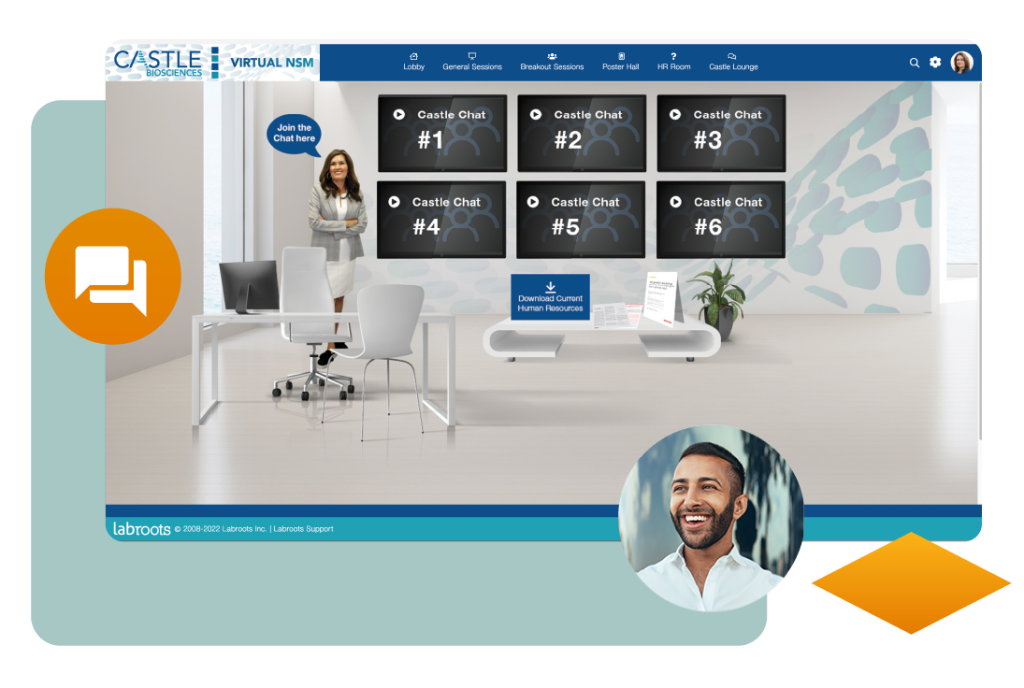
Another critical aspect of virtual networking is maximizing the potential of social media platforms to share your ideas and build your brand. This doesn't necessarily mean using the most popular platforms but focusing on those that will maximize the range of your ideas and reach instead. For example, using platforms where you've had accounts for a while will work best since you're familiar with the layout and flow. You may also have a longer history on the platform, making your profile appear more organic and natural. You can create alternative accounts for your brand while linking it to your personal account so everyone knows it's you.
When using social media for networking, it's vital to remember the dos and don'ts. This includes keeping your posts short and direct while managing the number of posts, as you don't want to scare people off with too much "spam." Additionally, while engaging with people is strongly encouraged, it's important to pick your battles and not engage with negative users, as you want to avoid getting dragged into a heated debate where everyone can see what you're saying.
With digital networking, as with face-to-face, every minute counts. An elevator pitch is a condensed version of your vision, and social media can help create the building blocks for your brand, but real time interaction is the key to success. Authentic conversations in real-time can create a genuine connection between you and your audience, making them feel valued and heard. To engage in real time digital networking, research virtual events with dedicated networking sessions and set up informative interviews with professionals working in your chosen field. Informative interviews are informal conversations where you can learn about job responsibilities and professional experiences.
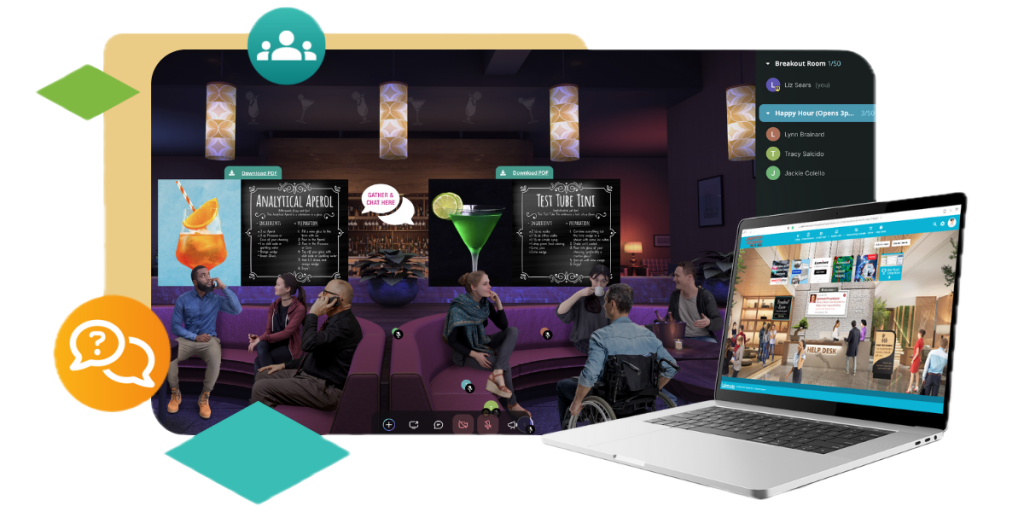
As mentioned above, you can find dedicated virtual networking sessions within a wide range of virtual events, but you may also see breakout sessions called ‘Virtual Happy Hours’. These breakout sessions typically have a less formal feel and encourage conversations outside of the typical professional development topics. While this may sound counter intuitive, these informal conversations can lead to memorable experiences for attendees. You’re more likely to remember a conversation with someone that makes you laugh!
Speed networking is exactly what it sounds like. Within a speed networking event you are paired with others in your field to quickly and effectively connect. Remember that elevator pitch? It’ll really come in handy here. Be on the lookout for speed networking events to make multiple new contacts in a short period of time.
A common critique of virtual events is the lack of face-to-face spontaneous conversations that are the bread and butter of in-person events. However, video conferencing has come a long way in this department, and there are now options to recreate that spontaneous face-to-face experience. When attending a virtual event for networking purposes, check and see what platform they are using to promote face-to-face interaction. For example, with Chati, we have ChatiConnect. The video chat tool allows for small breakout groups and both planned and spontaneous conversations.

Virtual networking has many benefits, but sharing your contact information safely and effectively is important. This starts with trust, as you don't want to share your contact information with someone who could use it against you. Online scammers are paid to steal contact information and then sell it to third parties, so you must have complete confidence in the person you're interacting with before you share contact information.
Another vital tip is managing and organizing contact information privately or publicly. Either method means providing a short, detailed list of your most pertinent contact information, which will garner a sense of professionalism for your network. This includes email signatures, your LinkedIn profile, and social media pages, to name a few.
Pay attention to the importance of continuous improvement. While your goal is to build your virtual network, you are also looking for ways to improve yourself personally and professionally. This can be accomplished through a simple conversation or over the long-term through countless conversations you will have while building your network.
It's vital to stay ahead of the curve in virtual networking. This includes keeping your information up to date on social media platforms, specifically LinkedIn, where your entire CV/résumé is publicly available. You can regularly update your other social media platforms to reflect title changes, new positions, promotions, accolades, awards, and more!

At Chati, we pride ourselves on building connections and fostering professional relationships for both the short and long term. Within a Chati event, our internal virtual networking platform, ChatiConnect, helps facilitate meaningful connections throughout the event and in small group breakout sessions. Chat messaging is also effective, but video chats like ChatiConnect give those interested in networking that personal touch often lost in translation from in-person to virtual events.
Whether your goals are to build your brand or your network, it's vital to understand the importance of virtual networking and its benefits and strategies to achieve your networking goals. Additionally, it's vital to remember that you're here to learn, grow, and improve, both personally and professionally, while sharing ideas and fostering connections for both the short- and long-term, which includes safely sharing your contact information while keeping it up to date. At Chati, you can accomplish your networking goals with our myriad of tools and resources, and we hope you come away from this feeling more confident than ever that you can meet your networking goals!
Sources: Chati, Digital Road, Forum One, Princeton University, HubSpot, Government of Canada, Chati (1), Chati (2)

