Discover how Chati's self-service licenses give you full control - build, update, and launch virtual events on your terms. Register for our free webinar today!
Virtual events are designed to enable individuals worldwide to connect and engage with each other about the latest research, career options, professional advice, and more. An often-overlooked aspect of virtual events is their ability to be environmentally friendly, as they significantly reduce the carbon footprint for a myriad of logistical ventures.
These ventures include reduced carbon emissions and travel-related costs, highlighting the growing importance of eco-friendly practices in the events industry. Here, we will discuss this ever-increasing importance, including comparing the environmental impact between traditional and virtual events, best practices, the future of sustainable virtual events, and more. You will have the tools and resources to host an impactful and sustainable virtual event through this.

Travel and logistics comprise the largest requirements for traditional in-person events and are responsible for how in-person events contribute to carbon emissions. The resources used in conventional event setups include venue, materials, food & beverage, lodging, Ubers, cabs, electricity, and water. This results in significant waste generated by conferences, trade shows, and exhibitions, exacerbating carbon emissions worldwide.

Reducing travel-related emissions by bringing events to attendees online is crucial for establishing a cleaner and greener environment for future generations. The digital nature of virtual events minimizes the need for physical materials and venues, thus significantly reducing the carbon footprint and waste produced by traditional events. This highlights how virtual platforms can host large-scale events without the environmental impact of conventional events, resulting in reduced physical waste and wasted time and energy by attendees who otherwise would have to travel to the event in person.

Lower venue and logistical costs with virtual platforms are one of the most essential ways to cut costs through virtual events, including reduced fees for travel, catering, and accommodation for in-person attendees. Through this, you highlight the importance of streamlined event management and reduced waste, contributing to a more affordable and sustainable event experience.

Choosing eco-friendly virtual event platforms focusing on sustainability is one of the most essential best practices for sustainable virtual events. This results in minimizing digital waste through energy-efficient technologies and reducing resource consumption while incorporating sustainability messages and promoting green practices to event participants. Through this, you highlight the importance of using virtual networking and event management tools to enhance attendee interaction while maintaining a low carbon footprint.

Combining in-person and virtual elements to reduce environmental impact is the cornerstone of hybrid events, as this enables attendees to choose to participate in person or online while contributing to the event in the same manner. Through this, hybrid events balance attendee engagement and sustainability while using virtual platforms to extend hybrid events' reach and maintain eco-friendly practices.

Emerging trends in virtual event technologies that support sustainability are vital to embrace to ensure a cleaner and greener future for everyone. This includes how integrating artificial intelligence (AI), augmented and virtual reality (AR/VR), and automation can make future events more eco-friendly. Through this, you highlight the importance of sustainability in shaping event industry standards and attendee expectations while maximizing the event experience and helping attendees achieve their personal and professional goals.
Summary
Here, we discussed the growing importance of event sustainability, including comparing the environmental impact between traditional and virtual events, best practices, the future of sustainable virtual events, and more. Now, you can provide individuals worldwide with an impactful and eco-friendly event while reducing waste and carbon emissions and enabling your attendees to achieve their personal and professional goals.

We encourage event planners to embrace virtual and hybrid as sustainable solutions that reduce waste while maximizing impact and event experience. We encourage readers to contact Chati to explore sustainable virtual event platforms and take steps towards a greener future for your events.
Virtual events allow individuals to connect and engage without the hassle and cost of traveling across the country and potentially worldwide. Additionally, traditional in-person events add to the cost of lodging, food, and venues, all contributing to a large carbon footprint. This is why there is a growing need for sustainability in the events industry and an increasing rise in virtual events.
Here, we will discuss the rise of virtual events as an eco-friendly alternative to traditional in-person gatherings, including the environmental impact of traditional events, virtual events reducing costs, hybrid events supporting sustainability, and more. After reading this blog, you will better understand the wide range of ecological, economic, and financial reasons for supporting virtual events in the future.

The most significant contributors to the environmental impact of traditional events are travel and transportation, including flights, taxis, and rideshare services, with flights being the most critical contributor by far.
Additionally, venue energy consumption, waste production, and resource usage (paper, plastic, catering, etc.) are significant contributing factors to carbon emissions for traditional in-person events. This includes hotels, conference centers, and even restaurants needed to feed and house the potentially thousands of attendees and guest speakers.
Finally, the carbon footprint of setting up physical booths, stages, and equipment requires significant energy and resources, including screens, podiums, speakers, and other visuals that might be required for presentations. With the advent of virtual and augmented reality (VR/AR), these require significant resources and energy for their use.

Virtual events contribute to the environment by eliminating the need for travel, thus reducing emissions related to flights, car rides, and public transportation. They also result in the reduction of energy consumption associated with physical venues and equipment that are needed to host the event. Additionally, lower waste production results in no printed materials and fewer disposable items like badges, catering waste, etc. Finally, virtual event platforms focusing on sustainable technologies and infrastructure further contribute to a greener and cleaner environment.
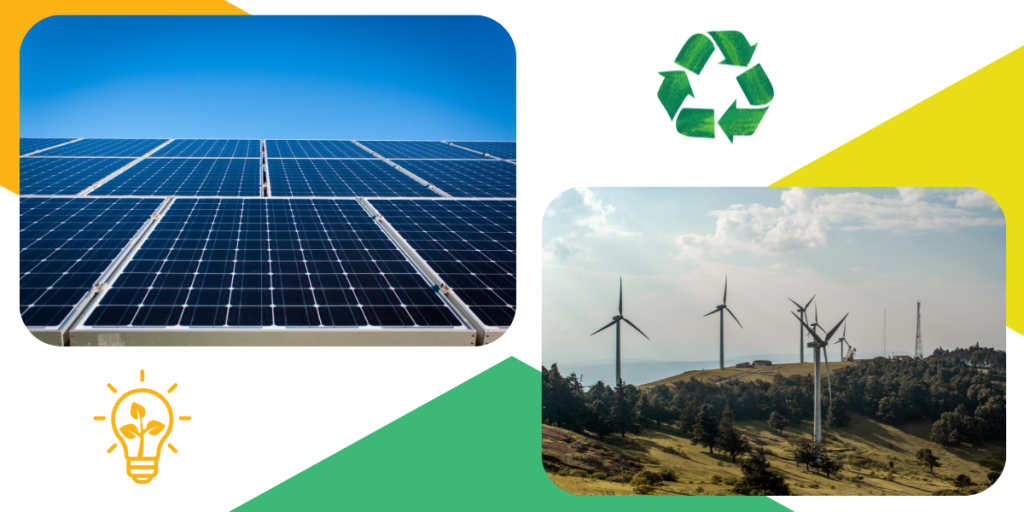
Virtual events save on venue, accommodation, catering, and travel expenses by allowing attendees and guest speakers to remain at home while providing the same educational and networking opportunities for individuals worldwide.
This includes budget savings that can be redirected to sustainable practices within the event (e.g., eco-friendly giveaways and green event technologies) while ensuring reductions in carbon emissions.
As a result, virtual events serve as a cost-effective solution for both small and small-scale conferences while delivering impactful and mean experiences and enabling individuals worldwide to connect and engage while achieving their personal and professional goals.

One of the most important strategies for hosting an eco-friendly virtual event is choosing sustainable virtual event platforms with energy-efficient data centers, significantly reducing energy consumption while contributing to the environment.
This also includes implementing paperless systems, including digital ticketing, event apps, and online agendas that enable attendees to seamlessly access event materials while focusing on building their virtual network with individuals worldwide.
Additionally, reducing waste by avoiding physical event materials (e.g., swag and printed brochures) and using renewable energy sources for hosting virtual events when possible are excellent strategies for contributing to an eco-friendly experience for everyone.
Finally, encouraging attendees to minimize their environmental impact during the virtual event helps educate them on the importance of an eco-friendly experience while ensuring they receive the same educational and networking opportunities as in-person events.

Hybrid events, which combine in-person and virtual elements for an eco-conscious approach, are rapidly becoming popular and effective ways for individuals to share their experiences while connecting and engaging with individuals worldwide. Offering virtual attendance options to reduce the number of people traveling will substantially decrease carbon emissions and the event's carbon footprint while contributing to the environment and providing the same rewarding experiences for everyone.
Finally, using virtual sessions and breakouts to limit the need for in-person participation while maximizing reach will ensure your attendees will connect and engage with each other while sharing knowledge through collaboration and innovation.
Like all endeavors, virtual events require constant improvement for continued success. Therefore, the role of artificial intelligence (AI) and machine learning in optimizing energy usage and reducing resource consumption at virtual events are excellent ways to ensure the long-term growth and success of virtual events.
Virtual events continue to develop new and innovative ways to reduce further their environmental impact, including zero-carbon hosting and sustainability-focused partnerships, which help contribute to a cleaner future for everyone.
The trend toward carbon-neutral virtual events and what that means for the industry include continued reductions in carbon emissions, travel, and venue costs, and reduced stress on attendees and guest speakers for participating in the event.
Summary
Here, we discussed the environmental and financial benefits of choosing virtual events over traditional ones, including the environmental impact of traditional events, virtual events reducing costs, hybrid events supporting sustainability, and more.

We encourage event planners to embrace virtual events as a key part of their sustainability and stay updated on how Chati can improve our goal of providing virtual and hybrid events that promote sustainability and an eco-friendly environment. Feel free to contact Chati while exploring green virtual event platforms and start planning eco-friendly, sustainable events for audiences worldwide.

