Discover how Chati's self-service licenses give you full control - build, update, and launch virtual events on your terms. Register for our free webinar today!
Augmented reality and virtual reality (AR/VR) are immersive technologies that are increasingly shaping the future of virtual events. These technologies are becoming vital tools for enhancing engagement and interactivity, offering attendees more dynamic and memorable experiences. From virtual trade shows and product launches to interactive conferences and networking sessions, AR/VR are transforming how events are hosted and experienced. Here, we will discuss how AR/VR are impacting virtual event experiences, including boosting engagement, benefits, and the future of AR/VR.

AR/VR offer distinct yet complementary experiences in virtual events. AR enhances real-world environments by overlaying digital elements through devices like smartphones or AR glasses, making it ideal for live product demos or guided tours. In contrast, VR fully immerses users in a simulated environment, often via headsets, allowing for completely virtual conferences, expos, or training sessions. Both technologies elevate attendee engagement by creating interactive, visually rich experiences.
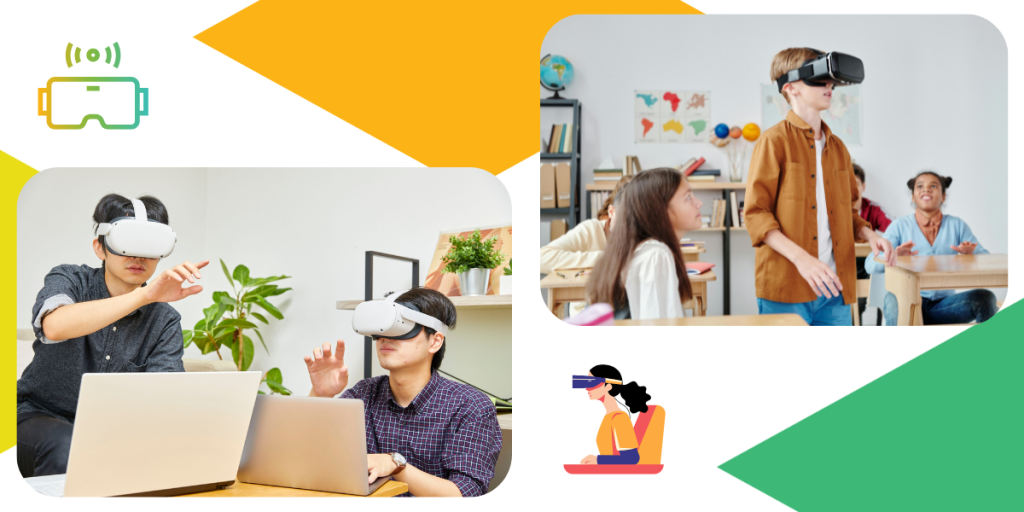
AR is a powerful tool for creating interactive displays and live product demonstrations, allowing attendees to visualize and engage with products in real-time through smartphones or AR-enabled devices. VR, on the other hand, enables fully immersive experiences such as virtual tours of facilities, hands-on interactive training sessions, and in-depth product explorations that transport users into a simulated environment. Both technologies also support gamification, incorporating game-like elements into events making the experience more engaging, enjoyable, and memorable for participants.
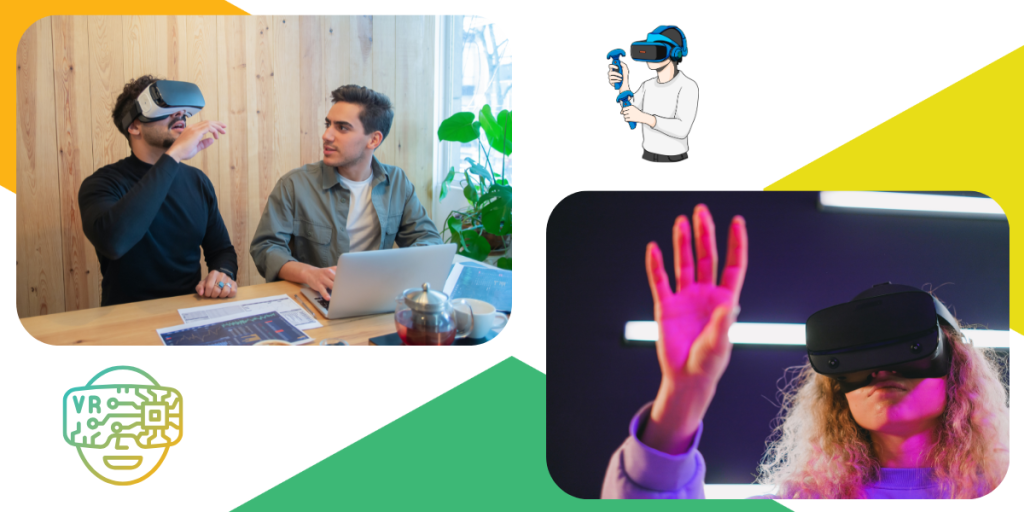
AR/VR technologies are transforming virtual events by delivering personalized and memorable experiences tailored to individual attendees. These immersive tools encourage greater interaction between speakers and participants through features like virtual Q&A sessions, real-time polls, and interactive 3D content. They also enhance networking opportunities by creating shared virtual spaces where attendees can connect, collaborate, and engage more naturally, simulating the spontaneity of in-person interactions in a dynamic digital environment.
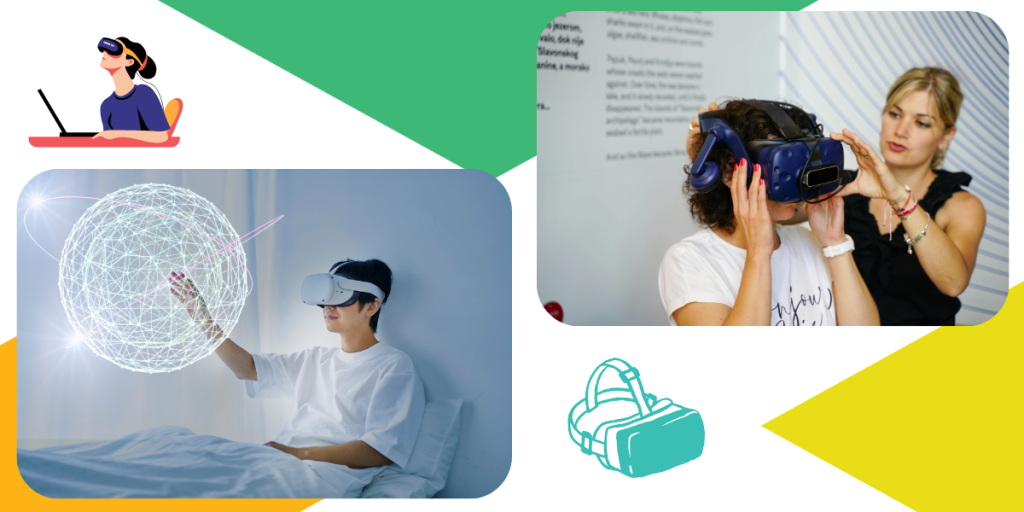
Emerging trends in AR/VR technologies are opening new possibilities for event planners, from AI-driven personalization to fully immersive hybrid formats. By integrating AR/VR with artificial intelligence and machine learning, events can offer seamless, adaptive experiences. Additionally, the combination of VR environments with live streaming is enabling innovative hybrid event formats, where remote participants can explore virtual venues in real time while engaging with live sessions and in-person attendees, creating a truly unified and interactive experience.
Summary
Here, we discussed how AR/VR can enhance virtual events, including boosting engagement, benefits, and the future of AR/VR. From personalized content and real-time collaboration to gamified environments and virtual networking, these technologies are reshaping how events are designed and experienced.

Event planners are encouraged to explore the vast potential of AR and VR to elevate their future events, and now is the time to discover AR and VR-enabled virtual event platforms that can bring these transformative experiences to life. We encourage readers to learn how they can incorporate AR/VR into their virtual events, and please contact Chati if you would like to know more about how we incorporate AR/VR into our virtual events.
Virtual events allow individuals worldwide to engage and connect with each other while achieving their personal and professional goals. But its virtual event features provide extra fun and excitement, with gamification offering attendees opportunities to challenge each other in a safe environment while enabling them to build lasting relationships.
Gamification is a powerful tool for boosting attendee engagement by integrating game-like activities while enhancing motivation, competition, and achievement during the virtual event. This is accomplished through features such as points, badges, leaderboards, and awards where attendees can challenge each other in friendly competition.
Here, we will discuss how gamification can enhance virtual events, including why it works, strategies, tools, benefits, and the future of gamification in virtual events. Through this, you will know how to enhance your next virtual event experience for attendees while helping them achieve their personal and professional goals.

Gamification enables virtual events to turn event elements into a game, thus enhancing attendees’ experience and helping them connect with individuals in a fun and exciting way. This enables attendees to engage in an informal environment while utilizing teamwork and fair play to help build camaraderie they can share outside of the virtual event.
This is due to the psychological benefits of gamification, including motivation, competition, and rewards, as creating incentives for attendees to participate is an essential part of increasing engagement and connectivity throughout the virtual event.
As a result, gamification fosters a more engaging and interactive event environment while empowering attendees to connect and engage with each other in a fun and safe environment.

One of the most vital gamification strategies is having a points system that rewards attendee participation and engagement, as this provides the most significant incentive for attendee participation and engagement.
This includes challenges and quizzes to encourage interaction and learning regarding topics relevant to the virtual event or based on pre-event surveys where attendees may have requested specific topics to be gamified.
Finally, leaderboards and rankings to create friendly competition among attendees are essential for encouraging healthy competition and engagement while providing incentives or rewards for attendees to earn throughout the virtual event. These can be certificates, gift cards, or personal recognition from the virtual event moderators.

Virtual event platforms with built-in gamification features are essential for providing the ultimate gamification experience, as integrated gamification enables a seamless experience while giving everyone the same level of fun and excitement. This includes providing digital badges, certificates, and rewards for completing event tasks but can also be in the form of gift cards or other items that can be used outside of the virtual event. Finally, interactive polls, live voting, and trivia for real-time engagement give attendees even more incentives to engage and connect while striving to meet their personal and professional goals.

One of the most significant benefits of gamification in virtual events is increased attendance participation and attention during sessions, as gamification provides attendees with incentives to participate throughout the virtual event. This is because gamification enables attendees to engage and connect and provides an incentive to continue that participation beyond gamification. This results in higher networking and interaction rates among attendees while empowering them to meet their personal and professional goals for both the short and long term. In the end, this creates memorable event experiences with lasting impacts for everyone.
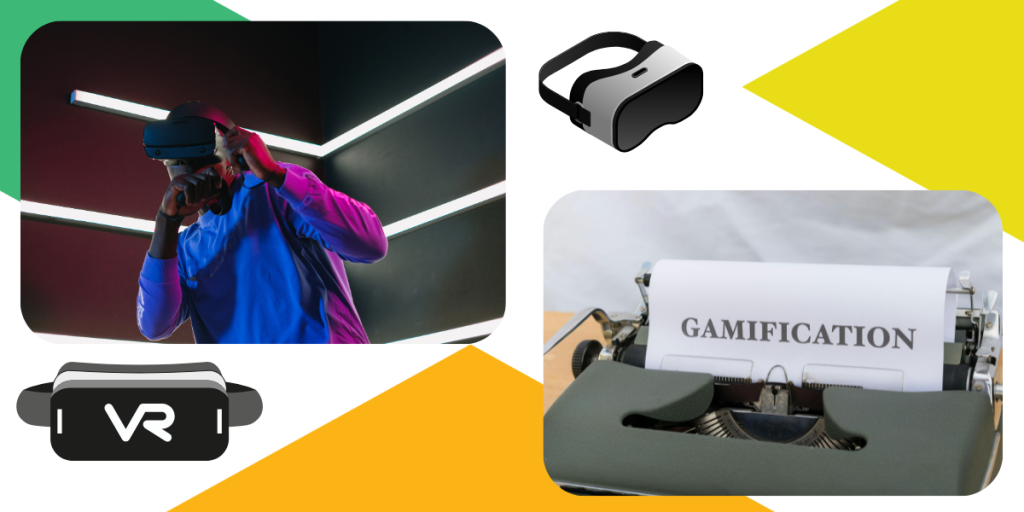
While virtual event gamification has made incredible advancements in recent years, there’s always room for improvement, as AI and data analytics aspire to further enhance gamified experiences for individuals worldwide. This includes developing trends in integrating gamification with augmented reality and virtual reality (AR/VR) for deeper immersion and enabling attendees to have a more in-depth experience. Finally, the role of gamification in hybrid events provides attendees and guests with twice the engagement as hybrid events balance online and in-person interaction, thus creating an even greater level of engagement and excitement for everyone.
Summary
Here, we discussed how gamification can enhance virtual events, including why it works, strategies, tools, benefits, and the future of gamification in virtual events. You are now empowered to provide peak-level gamification at your next virtual event or participate in gamification sessions while connecting and engaging with individuals worldwide.

We encourage event planners to explore how gamification strategies could enhance their next virtual event, as we are confident that gamification can provide attendees with incentives to participate and engage, as well as how Chati can improve our gamification for future virtual events. Please contact Chati regarding how you can implement gamification in your next virtual event to increase attendee engagement.
Virtual events are successful due to their myriads of features that help enhance attendee engagement throughout the event, with gamification becoming one of the cornerstone features designed to promote safe and friendly competition while building lasting relationships for individuals worldwide.
Here, we will discuss the various gamification strategies that you can implement for your next virtual event to promote friendly competition among your attendees. These strategies include using relevant gamification elements, trivia, providing incentives and rewards, integrating into your virtual event platform, and much more. By doing so, you increase diversity, inclusivity, and connectivity for everyone.
All endeavors begin with a solid foundation, and defining clear objectives for incorporating gamification in your virtual event is an essential first step in building an effective gamification strategy. This is accomplished during the planning stages of your virtual event, which often begins months before the event itself, as this provides ample time to adjust based on trends and other factors.

These factors include aligning gamification strategies with event goals and audience preferences, as gamification aims to promote attendee engagement. Therefore, gaining attendee insight before the virtual event via email surveys or other means is an excellent way to establish the types of gamification features that will maximize engagement throughout the virtual event.
Additionally, establishing key performance indicators (KPIs) for measuring gamification success is vital for determining which gamification features hit your engagement goals and which can be discarded during virtual or future virtual events.
Selecting gamification elements that align with your event theme and content will help you maintain continuity throughout the virtual event, enabling your attendees to stay engaged while building your brand. This is accomplished through establishing your event theme during the planning stages of the virtual event, which is recommended to occur months in advance.

Consider gamification mechanics such as points, badges, leaderboards, and challenges to incentivize participation among your attendees. This can be accomplished publicly or privately, but determining the best approach should be established before the virtual event when gauging audience preferences through email surveys or other means, along with informing your attendees beforehand.
Determining which gamification features resonate most with your attendees is essential for hosting a successful virtual event. Through this, you build camaraderie while fostering lasting relationships with individuals from all over the world.
When planning your virtual event, you should focus on creating engaging, gamified activities that encourage participation and interaction. This is accomplished by informing attendees about your gamification features leading up to the event and establishing a framework that enables them to come prepared to participate and engage throughout the virtual event.
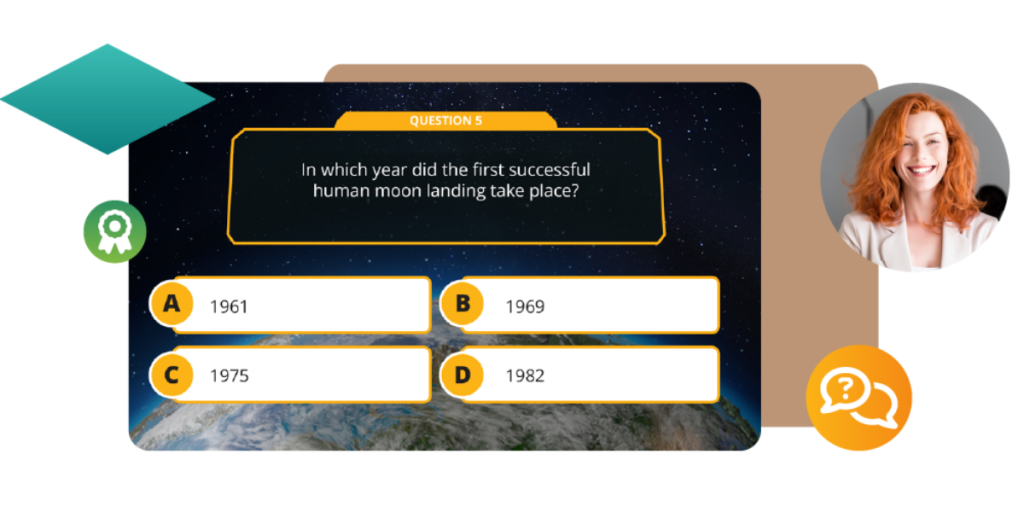
Developing challenges, quizzes, trivia, or scavenger hunts relevant to your event topic will help establish continuity throughout the virtual event while building your brand among your attendees. As mentioned above, this is accomplished during the planning phase of your virtual event, where you can use audience preferences combined with your theme to build every aspect of the gamification features down to the smallest detail.
Incorporating gamified elements throughout your event agenda and content will help maximize engagement while enabling attendees to foster lasting relationships. This will increase diversity, inclusivity, and connectivity for individuals from all over the world.
Offering incentives and rewards to motivate attendees to participate in gamified activities is a surefire way to get attendees excited about your virtual event. This can be accomplished via pre-event emails or texts, providing one to two examples of rewards while keeping the rest for the virtual event.
Examples of incentives and rewards include providing prizes, discounts, or exclusive access to high-scoring participants, which can be redeemable once the virtual event has concluded. This allows your attendees to maximize their participation in a safe and competitive environment while fostering relationships with individuals from all over the world.
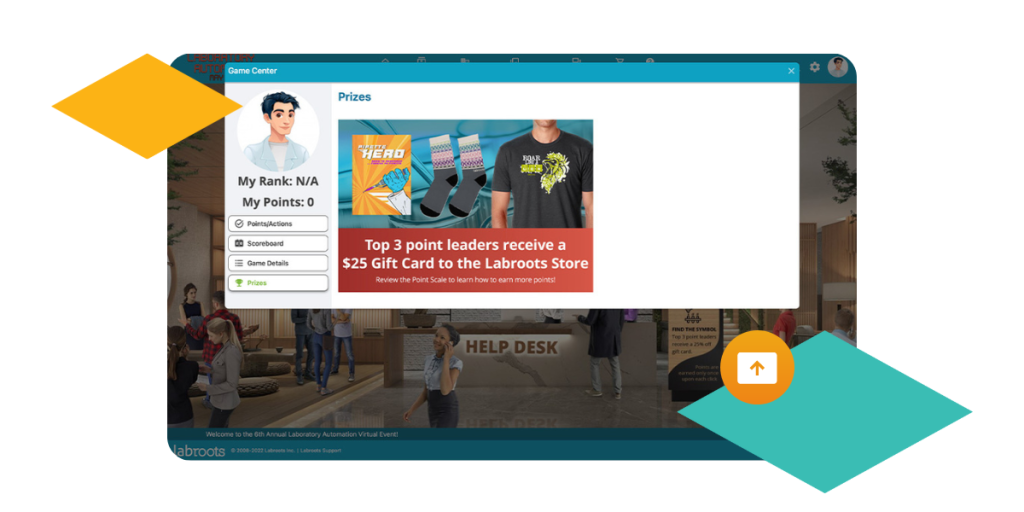
It cannot be understated how important it is to create a sense of achievement and recognition for participants who engage with gamification during your virtual event. This enables your attendees to foster lasting relationships while increasing diversity, inclusivity, and connectivity with individuals from all over the world.
Fostering healthy competition among attendees through leadership and rankings is another crucial aspect of your gaming experience that could maximize your attendees' participation throughout the virtual event. As noted above, this can be accomplished either publicly or privately, but it should be established during the planning phases of the virtual event and informed to your attendees beforehand.
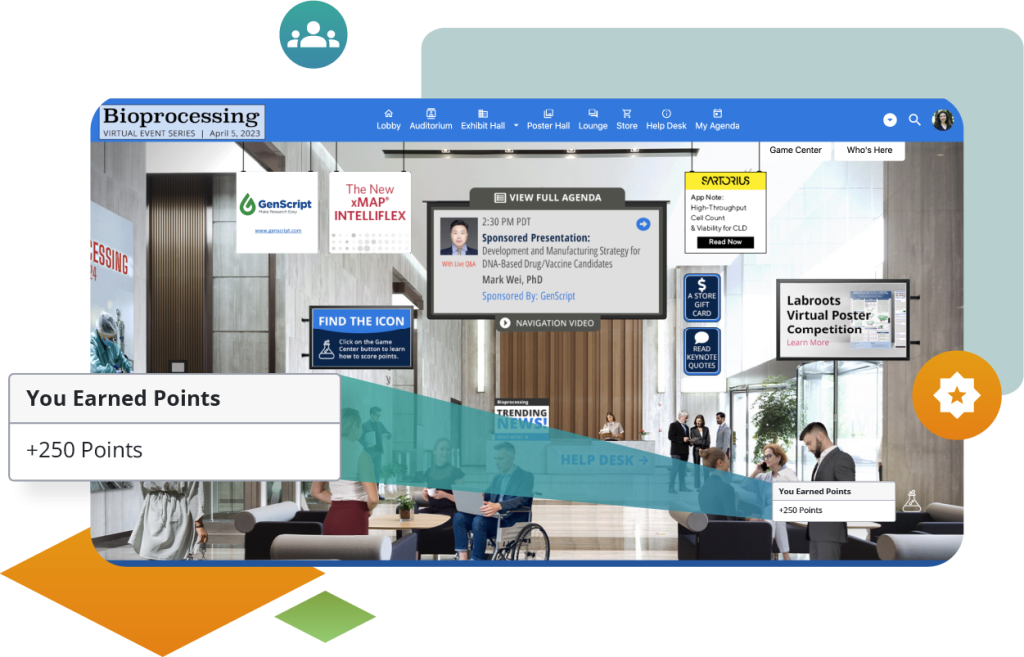
Additionally, encouraging collaboration and teamwork through group challenges and collaborative activities is an excellent way to maximize attendee participation throughout the virtual event. This can be accomplished via pre-event email reminders and periodic reminders throughout the virtual event. This increases diversity, inclusivity, and connectivity for individuals from across the globe while enabling them to foster lasting relationships.
Providing opportunities for attendees to connect and interact through gamified elements cannot be understated. This enables individuals from all personal and professional backgrounds to engage and connect while building your brand and helping them build their virtual networking skills.
Integration is essential for a successful virtual event and attendee experience. You can accomplish this by utilizing gamification features built into your virtual event platform or software prior to the event. You should test every aspect of the integrations several weeks to months in advance to ensure that everything is fully functional without flaws or bugs that could hinder your virtual event.

Also, exploring third-party gamification tools and platforms for enhanced engagement could serve as a primary or backup method for gamification should your integration strategies fail. As stated above, this can be accomplished during the virtual event's planning stages to ensure whether integration or a third party is more appropriate for your gamification needs.
Finally, it is recommended that you seamlessly integrate gamification elements into your event registration, sessions, and networking areas to maximize attendee engagement. This will help build your brand while enabling your attendees to develop their virtual networking skills.
As noted above, it is recommended to establish gamification elements and features during the virtual event's planning stages. Pre-event marketing can also generate excitement and anticipation for gamification. This can be accomplished via pre-event emails and surveys, along with creating social media accounts strictly for the virtual event itself.
Providing clear instructions and expectations for participating in gamified activities is essential to achieve a seamless experience for your attendees. As noted above, this can be accomplished during the planning stages of the virtual event via pre-event emails and texts, which will keep your attendees up to date with the latest information about your virtual event gaming experience.

It cannot be understated how important it is to use event communication channels to remind attendees about gamification opportunities throughout the event. This will ensure that both the event organizers and the attendees are on the same page regarding the gamification features, ensuring a seamless experience throughout the virtual event's duration.
During the virtual event, it is recommended that you track and analyze data related to gamification performance and engagement metrics to ascertain attendee participation and make on-the-fly changes for the current event or even for future events. This will maximize attendee engagement while helping them build their virtual networking skills.

This includes monitoring participation rates, points earned, and feedback from gamification participants to improve the gamification experience for everyone. This can be accomplished with support personnel and artificial intelligence software. This will ensure a constant dialogue between attendees and event organizers while increasing diversity, inclusivity, and connectivity for everyone.
Using data insights to identify successful gamification strategies and areas for improvement is vital for not only the current virtual event but also future virtual events. This ensures constant dialogue between event organizers and attendees while striving to improve gamification features in the short and long term.

Feedback is essential for improving future events, and gathering feedback from participants on their gamification experience is vital to improving both current and future virtual event engagement. We also recommended that you consistently experiment with new gamification ideas and adjust based on attendee preferences to ensure maximized engagement and improvement for those strategies.
The planning stages of a virtual event set the foundation for the event's goals. Evaluating gamification success based on key performance indicators (KPIs) and objectives will ensure you maximize attendee participation while building your brand and helping attendees achieve their goals.

This includes determining the return on investment (ROI) and impact of gamification on attendee engagement and event satisfaction. This will help ascertain what gamification strategies worked and which ones didn't achieve your goals. This will allow you to use insights to inform future event planning and gamification strategies, which will lead to increased diversity, inclusivity, and connectivity for everyone.
Here, we discussed strategies for incorporating gamification into your virtual event, including establishing clear goals and objectives, providing incentives and rewards, promoting the gamification experience before the event, and much more. We emphasize the importance of engagement and interaction in virtual events to create memorable and impactful virtual experiences for everyone through gamification.

We encourage our readers to implement gamification strategies in their virtual events to maximize attendee engagement and participation, build your brand, and enhance the attendees' virtual networking skills. Additionally, we invite readers' feedback and comments on how Chati can improve our gamification experience for our attendees. Contact Chati for further information regarding our gamification features and schedule a demo today!

