Discover how Chati's self-service licenses give you full control - build, update, and launch virtual events on your terms. Register for our free webinar today!
Since the pandemic, virtual events have evolved from a temporary solution into a cornerstone of modern communication. In 2025, they’re shifting toward more innovative, more immersive, and audience-centered experiences. This article explores the latest trends driving that transformation, focusing on innovation, inclusivity, and the seamless integration of advanced technologies that shape the future of digital engagement. Here, we will discuss the virtual event trends that are shaping 2025, including AI engagement, hybrid events, accessibility, and more. With this, you will know how to organize and execute an impactful virtual event while striving to meet your attendees’ personal and professional goals.
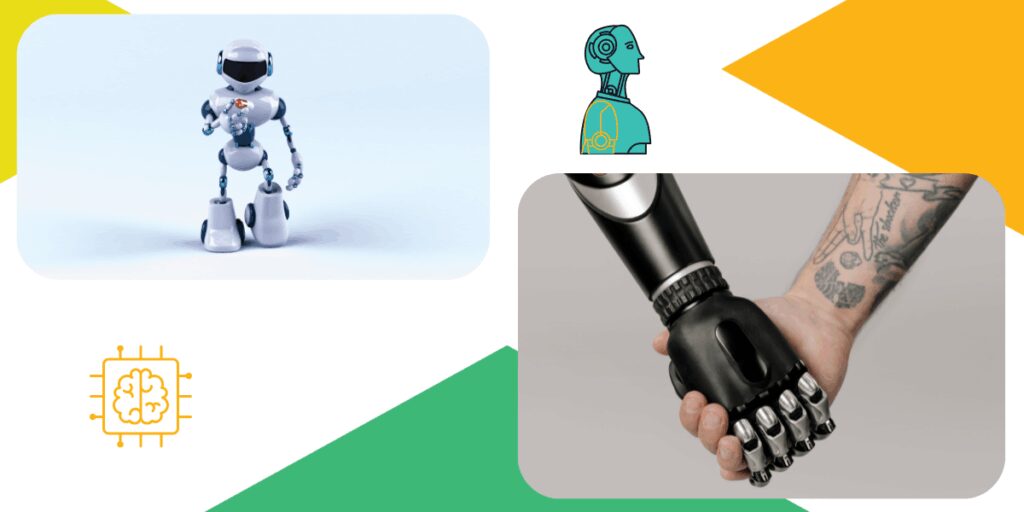
AI is revolutionizing virtual events by personalizing attendee experiences—from customized content suggestions to intelligent networking matches. Smart chatbots now offer real-time support, while AI-driven analytics provide instant insights into engagement. Together, these innovations create highly tailored experiences that boost attendee satisfaction, strengthen retention rates, and set a new standard for event personalization.

3D environments, virtual reality (VR), and augmented reality (AR) are rapidly transforming virtual events into interactive, lifelike experiences. Immersive settings foster deeper engagement and make online gatherings feel tangible and memorable. Examples include virtual trade show booths, interactive product demonstrations, and digital campuses—each redefining how participants explore, connect, and engage in dynamic event spaces.

Organizations are increasingly embracing hybrid event models that combine virtual and in-person experiences for greater reach and impact. These blended formats enhance accessibility, reduce environmental impact, and foster inclusive participation. Success relies on robust technology—seamless live streaming, synchronized engagement tools, and integrated platforms that ensure audiences everywhere can connect, interact, and engage in real time.

Virtual and hybrid events significantly cut travel emissions and on-site waste, making them vital to sustainable event strategies. As eco-conscious practices become central to corporate social responsibility, organizers are adopting greener approaches—such as offering digital swag, implementing carbon offset programs, and using paperless engagement tools—to reduce environmental impact while maintaining meaningful attendee experiences.

Advanced analytics are empowering organizers to fine-tune content and audience targeting with precision. By tracking key metrics such as session duration, engagement rates, and conversion performance, event teams can better understand attendee behavior. Post-event data analysis then drives more innovative strategies, enabling continuous improvement and more impactful, data-informed virtual and hybrid event experiences.

Closed captioning, multi-language support, and screen-reader optimization are making virtual events more accessible than ever. These inclusivity features expand audience reach, foster equitable participation, and enhance brand reputation. By adopting tools that prioritize accessibility, organizers ensure every attendee—regardless of ability or language—can fully engage in a seamless, inclusive event experience.
Summary
Here, we discussed the virtual event trends that are shaping 2025, including AI engagement, hybrid events, accessibility, and more. Armed with this knowledge, you can now organize and execute engaging virtual events that meet your attendees’ personal and professional goals while ensuring a return on investment.

The trends defining 2025 reflect a maturing digital event ecosystem driven by innovation and engagement. Successful virtual events now blend advanced technology, creative design, and authentic human connection. To stay ahead, organizers should explore modern platforms like Chati, which embody these evolving trends and empower truly immersive, inclusive, and data-driven event experiences. Please contact Chati if you have any questions regarding how we can improve virtual event trends for the future.
The event technology landscape continues to evolve, rapidly transforming how events are planned, managed, and experienced. Technologies like AI-powered chatbots, real-time translation services, and a suite of emerging digital tools are poised to dominate the industry. Embracing these advancements is crucial for organizers seeking to enhance attendee engagement, optimize operational efficiency, and deliver memorable, future-ready events. Here, we will discuss the top event tech in 2025, including AI chatbots, real-time translation, the role of data and analytics, and more. With this, you will have the tools and resources to prepare for events for the rest of the year.
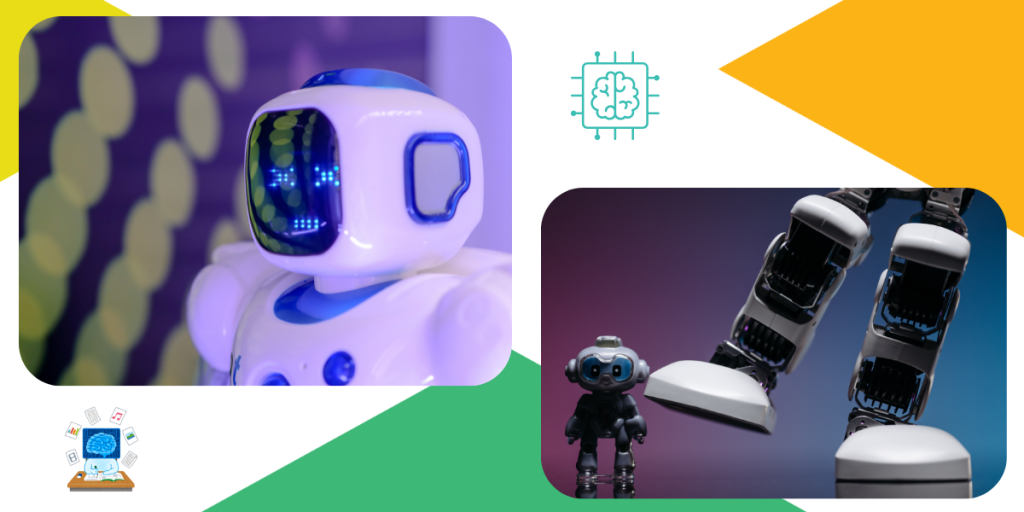
AI chatbots are intelligent virtual assistants designed to interact with users in real time, providing automated support and enhancing event experiences through personalized communication. In the context of events, they play a pivotal role in answering attendees’ questions, managing ticketing and registration, and delivering instant information, resulting in reducing the burden on event staff. Whether for virtual or hybrid events, chatbots streamline operations by assisting with scheduling, guiding attendees through platforms, and troubleshooting issues as they arise.

Real-time language translation has become essential for global events that aim to engage diverse, multilingual audiences. By leveraging advanced AI and speech recognition technologies, real-time translation tools integrate seamlessly with event platforms to provide instant subtitles, audio translations, and live captioning. This not only breaks down language barriers but also makes events significantly more accessible and inclusive, allowing attendees to participate fully in their native language.

Emerging technologies, such as augmented and virtual reality (AR/VR), are poised to revolutionize event experiences by enabling interactive virtual booths, immersive networking environments, and engaging 3D content. Coupled with AI-powered personalization, events can now offer customized agendas and content tailored to each attendee’s interests and behavior. Additionally, data-driven event management is becoming a game-changer, allowing organizers to monitor engagement, measure return on investment (ROI), and make real-time adjustments to enhance performance and attendee satisfaction.

As event technology continues to evolve, data collection and analysis are becoming central to delivering smarter, more impactful events. Platforms increasingly harness data from AI tools, chatbots, and attendee interactions to gain insights that inform strategic decision-making and refine future event planning. These insights also enable highly personalized experiences, as data is used to tailor content and interactions to individual preferences, ultimately enhancing satisfaction and maximizing the event’s value for every participant.

Integrating AI, real-time translation, VR, and analytics into a unified event platform is key to creating a seamless and efficient experience for both organizers and attendees. By streamlining these tools into a cohesive ecosystem, event planners can simplify their operations while delivering enriched and personalized experiences. Investing in this integrated tech infrastructure now is a strategic move that future-proofs event strategies, allowing organizers to stay competitive and meet evolving audience expectations in the years ahead.
Summary
Here, we will discuss the top event tech in 2025, including AI chatbots, real-time translation, the role of data and analytics, and more. Armed with this knowledge, you are now better prepared to attend virtual or hybrid events that feature the latest event tech that will help you achieve your personal and professional goals.

We emphasize the importance of adopting these technologies to improve attendee engagement, streamline event management, and boost ROI. Please contact Chati to learn how we can enhance the future of event tech and its potential to transform the events industry.

