Discover how Chati's self-service licenses give you full control - build, update, and launch virtual events on your terms. Register for our free webinar today!
Event management has evolved from basic coordination to strategic planning, now essential for success. This post explores its transformation, highlights the value of strategy, and offers readers practical insights to plan and execute impactful events. Here, we will explore proven strategies for successful event management, including key phases, must-have tools, navigating logistics, common challenges, and more. Through this, you will have the tools and resources to plan and execute successful event management strategies with the goal of helping your audience achieve their personal and professional goals.
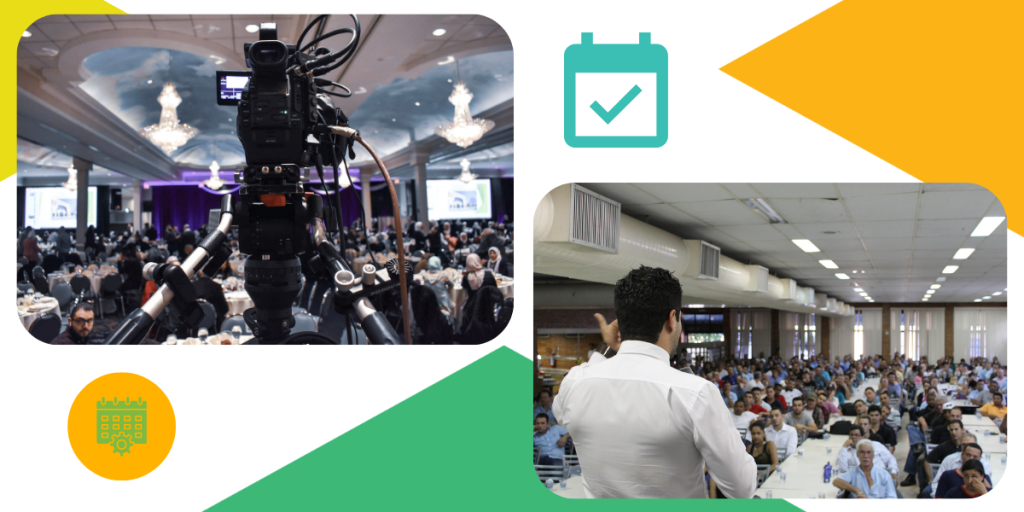
From corporate events to virtual and hybrid experiences, conferences, trade shows, weddings, and galas, today’s events embrace diverse formats, each designed to connect people, foster engagement, and create lasting memories for businesses, organizations, and individuals alike.

Successful events require thoughtful conceptualization and goal setting, precise budgeting, and efficient resource allocation. From venue selection and vendor coordination to marketing, on-site logistics, and post-event evaluation, each stage plays a crucial role in delivering impactful, well-executed experiences.

Modern events thrive by incorporating technology like AR/VR, event apps, and live streaming, while personalizing attendee experiences. Leveraging data analytics, feedback tools, and prioritizing accessibility and inclusivity ensures every participant feels engaged, valued, and seamlessly connected to the event’s purpose.

Event success is enhanced through event management software platforms, CRM and registration tools, live polling, and engagement apps. Combined with project management software, these technologies streamline planning, boost attendee interaction, and ensure seamless coordination from concept to post-event evaluation.

Effective event promotion leverages social media campaigns, targeted email marketing workflows, and influencer or speaker partnerships. By creating buzz with engaging pre-event content, organizers can maximize visibility, build anticipation, and drive strong attendance for a memorable, impactful experience.

Successful events rely on clear vendor contracts and contingency plans, detailed timelines and run-of-show, and seamless staff and volunteer coordination. Prioritizing guest management and safety protocols ensures smooth execution, minimized risks, and a positive experience for all attendees.

Sustainable events embrace eco-friendly practices like digital invitations and zero-waste initiatives, while integrating DEI considerations into programming. By prioritizing local sourcing and community engagement, organizers create inclusive, responsible experiences that positively impact both attendees and the surrounding environment.

Event success requires anticipating challenges like budget constraints, last-minute cancellations, venue or technology issues, and low attendance. Proactive planning, contingency strategies, and targeted promotion help mitigate risks, ensuring smooth execution and strong participation despite unexpected obstacles.
Summary
Here, we discussed essential event strategies and tools for event management, including key phases, must-have tools, navigating logistics, common challenges, and more. Armed with this knowledge, you now have the tools and resources to host successful events that enables strong attendee engagement.

We encourage readers to stay agile and innovative in their planning involving event management. To deepen your expertise, please contact Chati regarding how you can incorporate these strategies into your next virtual event.
The last few years have seen the rise of virtual events that have come to the forefront of networking and connecting with individuals worldwide, primarily due to the COVID-19 pandemic. This has allowed researchers, academics, students, and industry professionals to break down geographic barriers to share knowledge and ideas on scales never seen before by enabling them to engage and connect almost seamlessly while decreasing carbon footprints from the reduced travel.
This is why the importance of hosting impactful virtual events cannot be understated. Virtual events provide many tools and resources for event organizers to develop immersive and lasting experiences for their attendees, regardless of their personal or professional goals in attending the event.
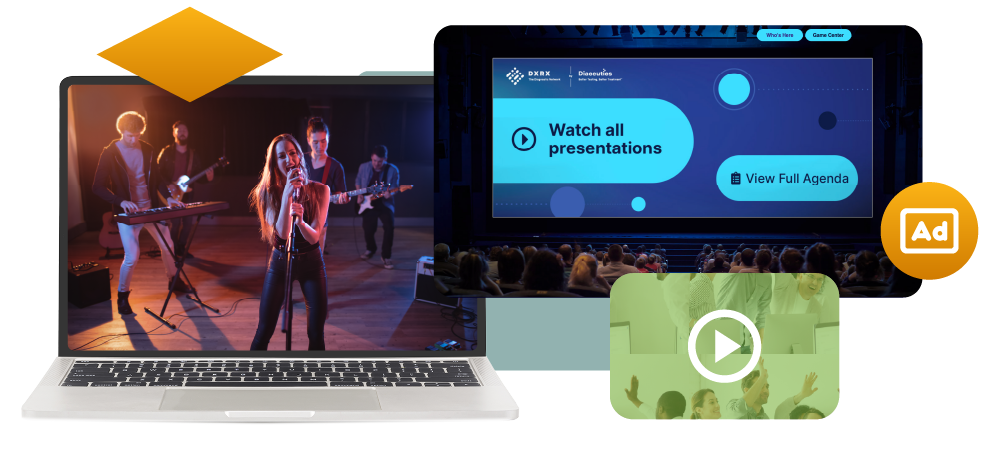
Virtual events substitute for a myriad of in-person events, including conferences, trade shows, expos, concerts, career/job fairs, company onboarding, university fairs, malls, benefits fairs, and so much more. This allows individuals from all over the world to seamlessly participate and build their networking portfolio, which results in increased diversity, inclusivity, and connectivity for everyone.
Virtual events have many benefits for businesses and participants, including breaking down geographic barriers and enabling individuals from all over the world to engage like never before. This means growing their brand while improving recruiting and company morale for businesses. For participants, this means expanding their networking portfolio while gaining the necessary knowledge to achieve their personal and professional goals.
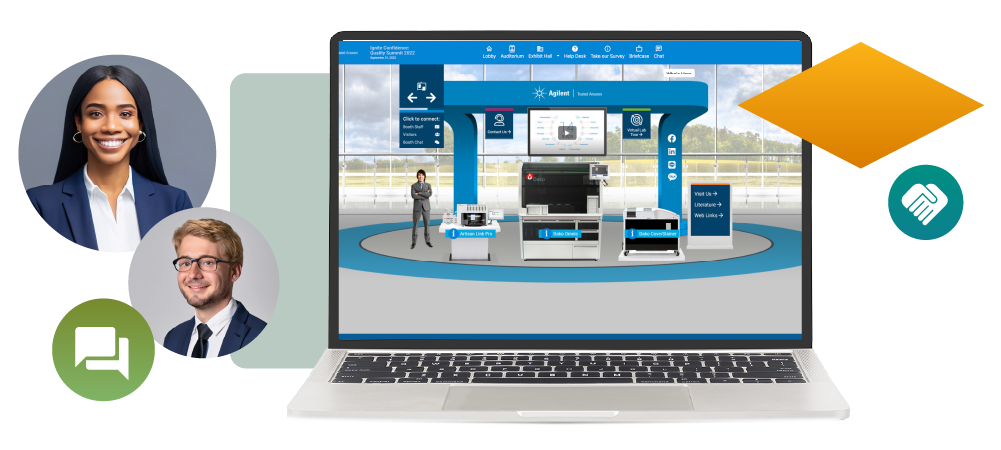
Prior to the event, it’s paramount for both organizers and attendees to set clear objectives for the virtual event. For organizers, are you just trying to build your brand, recruit new employees, or simply wish to share knowledge? For attendees, are you trying to build your networking portfolio, find a career path, or simply attend to gain knowledge? These are important questions to ask before attending a virtual event, and having clear objectives beforehand will make your virtual event experience much more successful.
For event organizers, identifying your target audience and their needs is vital to hosting a successful event virtual event. Are you catering to prospective students/employees? Current students/employees? Attendees outside your field of expertise? Understanding your target audience will allow you to deliver the necessary tools and resources for a successful virtual event.
Choosing the proper virtual event format is also vital for a successful experience for both event organizers and attendees. Examples of different virtual event formats include the aforementioned trade shows and conferences, but can also include award ceremonies, happy hours, holiday parties, town halls, and product launches. Determining your virtual event format beforehand will allow you to develop the necessary elements for increasing everyone's engagement and connectivity.
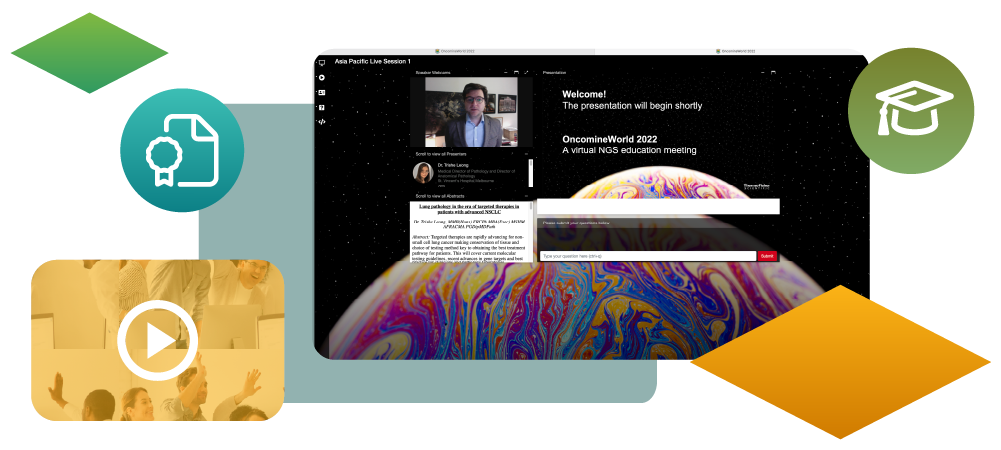
When designing your virtual event, crafting compelling content for virtual audiences will enhance the immersive experience for your attendees and have them come back for more. Examples include inviting expert speakers to discuss the latest research and news in the field while providing educational insights. The more compelling the content, the more engaged and immersed your attendees will be in your virtual event.
Utilizing interactive tools to enhance engagement is vital for hosting a successful virtual event, which includes features like gamification, chat networking, exhibit halls, templates & 3D spaces, and much more. The more interactive your virtual event, the more engaged your attendees will be with each other and your event monitors, which only results in increased diversity, inclusivity, and connectivity for individuals worldwide.
Other ways to improve virtual event content are to incorporate live Q&A sessions and polls, which add another level of engagement and immersion for your attendees. These allow your attendees to engage with expert speakers after their talk while gaining knowledge on a particular topic. With polls, you can enhance attendee engagement while collecting real-time data, enabling you to improve your virtual event in real-time or for a future event.
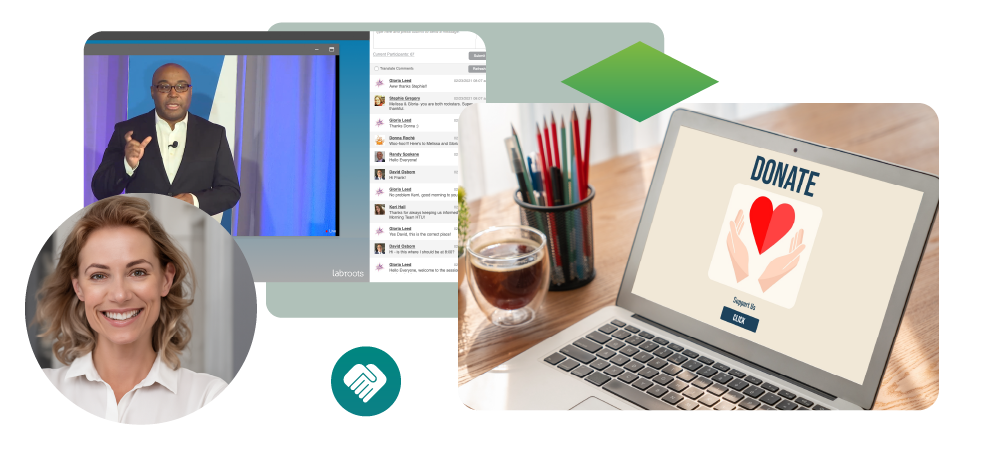
Selecting the right virtual event platform takes time and research, and finding the right one will ensure your virtual event's success. Specifically, this means finding a platform that meets the event’s objectives for your brand and attendees. Every platform offers unique tools and resources designed to enhance the attendees’ experience, which results in increased diversity, inclusivity, and connectivity for everyone.
Integrating multimedia and visual elements into your virtual event will enable extra engagement and immersion for your attendees. These include interactive videos, breakout rooms, and live chats, allowing your attendees to engage and interact in a nonformal environment.
Through these steps, you are ensuring a seamless user experience and accessibility for individuals from all over the world and all personal and professional backgrounds and disciplines, which only increases diversity, inclusivity, and connectivity for everyone.
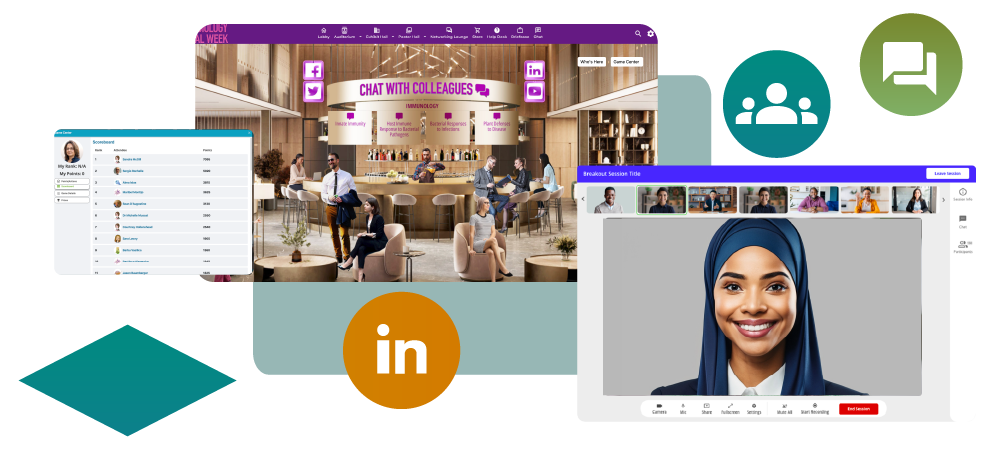
All successful virtual events have a solid marketing strategy, and creating a comprehensive promotional strategy is essential for not only your current virtual event but also future events. This strategy involves timeliness, as you don’t want to promote your event too soon or too close to the event. Additionally, it involves the right amount of promotion, as you don’t want to turn away potential attendees through too much promotion.
Social media has become entrenched in our everyday lives, and harnessing social media and email marketing will enable a global reach and effective promotion of your virtual event for individuals from all over the world. One option is to create a customized email address for your virtual event, along with similar customized social media accounts, as well.
Virtual events foster innovation and connectivity, and collaborating with influencers and partners provides an excellent opportunity to promote your virtual event as they can share details of the event with their colleagues, business partners, and friends.
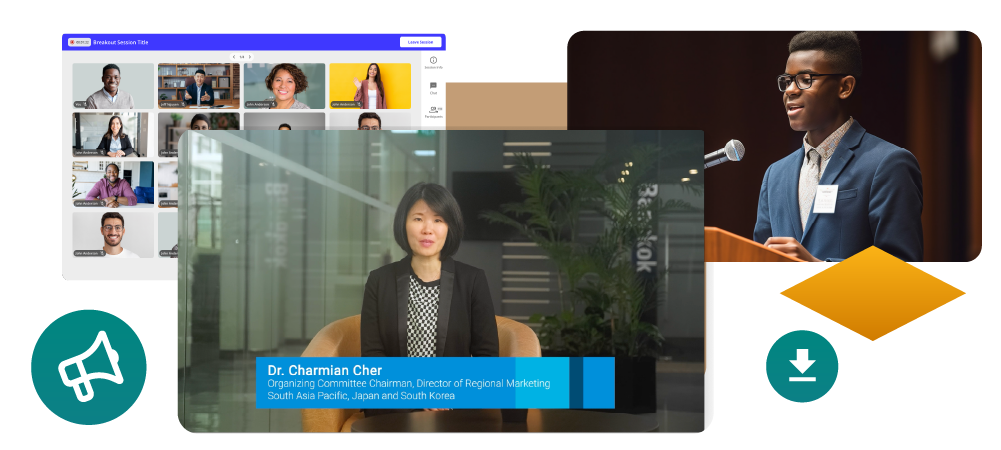
Preparing speakers and presenters is essential to success when executing your virtual event, as your attendees will undoubtedly be prepared for all scheduled talks on the agenda. Speaker and presenter preparation includes ensuring their internet connection is solid and receiving notes about their talk ahead of time that you can share with your attendees beforehand.
Since virtual events are online, managing technical aspects and support is vital for event success. Faulty internet connections will result in an unsuccessful event. This entails ensuring seamless connections on your end while having redundancies in place in case connections shut down during the event.
Your event's goal is to facilitate networking opportunities for individuals from all over the world and from all personal and professional backgrounds and disciplines. With solid promotion and execution, you can ensure your attendees’ networking opportunities are met head-on.
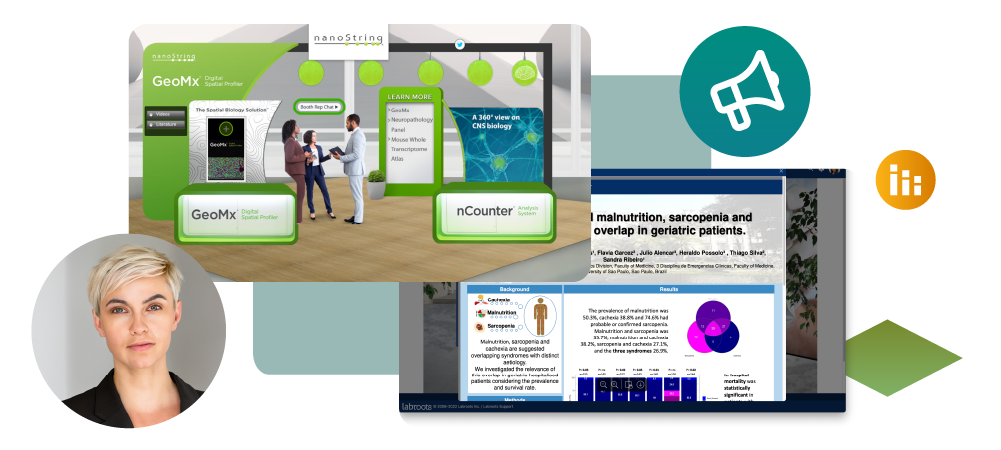
Like all events, virtual events are only successful through constant improvement, accomplished through sending post-event surveys and feedback to your attendees. This can be achieved both immediately after the event and anywhere from a few weeks to a few months after the event, enabling your attendees to provide valuable feedback on improvements that can be made for future events.
Another method to ensure future events' success is by evaluating key performance metrics, specifically attendee engagement, which is the cornerstone of all virtual events. Through this, you can ensure your attendees are satisfying their own networking goals while engaging with individuals worldwide.
The success of virtual events hinges on constant improvement. Through these methods, you leverage insights for future virtual events, which will only lead to increased diversity, inclusivity, and connectivity for event organizers and attendees.
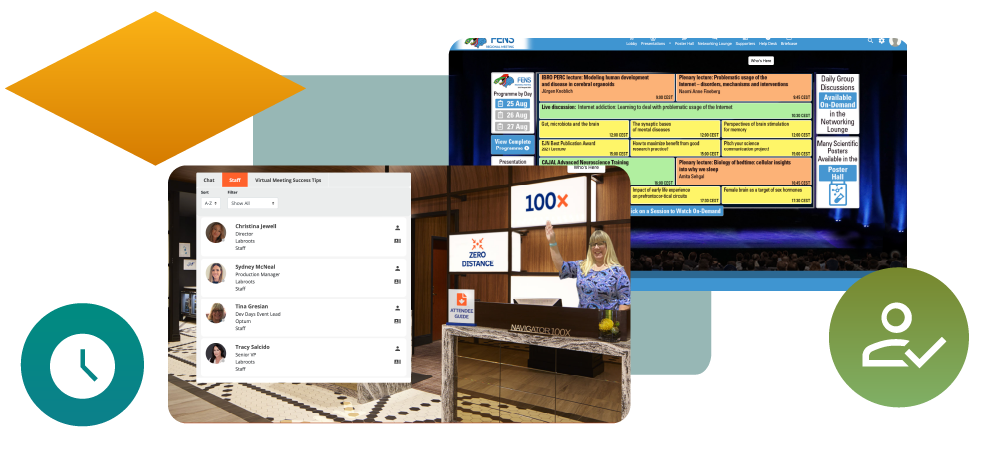
There are a myriad of companies from all over the world that have hosted successful virtual events, including Google, AWS, Salesforce, Adobe, SBC, NBA, and Dreamforce, just to name a few. These companies are successful in hosting virtual events through constant growth and improvement while understanding that it takes time to build their brand for a global audience.

Embracing the future of virtual events will ensure a brighter future for everyone, as virtual events enable individuals from all over the world to engage and contribute to the sharing of knowledge and ideas. This is accomplished through careful and timely promotion, along with successful execution for all facets of your event, leading to increased engagement and connectivity for event organizers and attendees.
Your path to hosting impactful virtual events begins with the right objectives while constantly improving and growing. This will help you help your attendees achieve their personal and professional goals while increasing diversity, inclusivity, and connectivity for individuals from across the globe.
Virtual conferencing, often called online or web conferencing, is a method of digital communication that allows individuals or groups to meet, interact, and collaborate in real time. It encompasses a range of technologies and tools, including video conferencing, audio conferencing, instant messaging, and file sharing, all integrated into a single virtual platform. This innovative approach transcends geographical limitations, enabling participants from different locations -and time zones- to connect and engage in meetings, presentations, training sessions, and more as if they were in the same physical space.
Emerging trends and advancements are propelling the evolution of virtual conferencing, reshaping the way individuals and businesses connect and collaborate online. Adding augmented reality (AR) and virtual reality (VR) technologies can enhance the immersive experience of virtual meetings and conferences, creating lifelike environments that simulate face-to-face interactions.
Additionally, artificial intelligence (AI) can optimize aspects of virtual conferencing platforms with AI-powered features such as language translation, automated transcription, and intelligent meeting scheduling, streamlining communication and enhancing accessibility for participants worldwide.
Moreover, the growing emphasis on customization and personalization drives the development of tailored virtual conferencing solutions that cater to specific industries, preferences, and objectives, giving users more flexibility and control over their virtual meeting experiences. As these trends evolve, virtual conferencing is poised to become even more immersive, efficient, and accessible, revolutionizing how people collaborate and conduct business in the digital age.

The exponential rise of virtual event platforms like Chati signifies a transformative shift in the conference hosting and management landscape. Virtual event and conference platforms offer a versatile array of tools and functionalities tailored to the demands of remote collaboration. In 2020, this format experienced a dramatic rise in popularity out of necessity due to the global pandemic. While some assumed that the industry would shrink in the post-pandemic world, the opposite slowly emerged. The advantages of the virtual conference became clear to both event attendees and planners alike, highlighting connectivity and accessibility at a global level.
These platforms are comprehensive hubs for seamless virtual conferencing, providing organizers with the means to orchestrate engaging and interactive events irrespective of geographical boundaries. By amalgamating features like real-time communication, customizable virtual environments, and robust networking capabilities, these platforms have become indispensable facilitators of virtual conferences, enabling participants to connect, collaborate, and exchange ideas with unprecedented ease and efficiency. The demand for remote connectivity grows as technology advances, and virtual event platforms are poised to play a pivotal role in shaping the future of conferencing, driving innovation, accessibility, and engagement to new heights.

Event technology is fundamentally reshaping the virtual conference landscape. With the exponential advancement of virtual event platforms over the past four years, organizers can now access innovative tools and features designed to enhance the attendee experience and streamline event management processes. The seamless integration of video conferencing, live streaming, interactive chat functionalities, and virtual breakout rooms creates immersive and engaging virtual environments for participants.
Moreover, the emergence of AI-driven solutions is revolutionizing virtual conferencing by automating tasks such as attendee registration, content personalization, and audience engagement analysis. By leveraging event technology, organizers can overcome logistical challenges, reach broader audiences, and deliver dynamic and interactive virtual conferences that rival in-person events. As technology continues to evolve and innovate, it will undoubtedly play a central role in shaping the future of virtual and hybrid conferencing, driving efficiency, accessibility, and engagement.
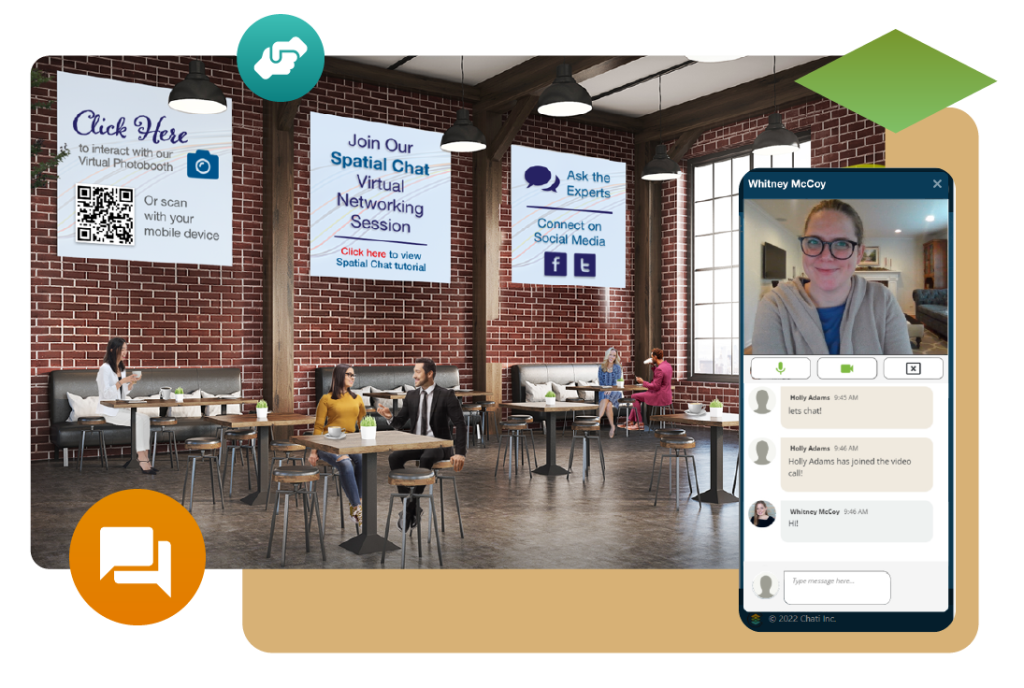
Virtual conferencing fundamentally alters traditional event planning and management approaches, specifically, how organizers conceptualize, execute, and evaluate events. Unlike traditional in-person gatherings, virtual conferences eliminate geographical constraints and logistical complexities, offering greater flexibility and accessibility to organizers and attendees. This shift has prompted a reimagining of event formats, with organizers leveraging digital platforms to deliver engaging and interactive experiences tailored to remote audiences.
Additionally, virtual conferencing has democratized event participation, allowing individuals from diverse backgrounds and locations to join discussions, network with industry peers, and access valuable content without travel or accommodation costs. Furthermore, the data-rich nature of virtual conferences enables organizers to gather real-time insights into attendee behavior, preferences, and engagement levels, empowering them to make informed decisions and optimize future events for maximum impact.
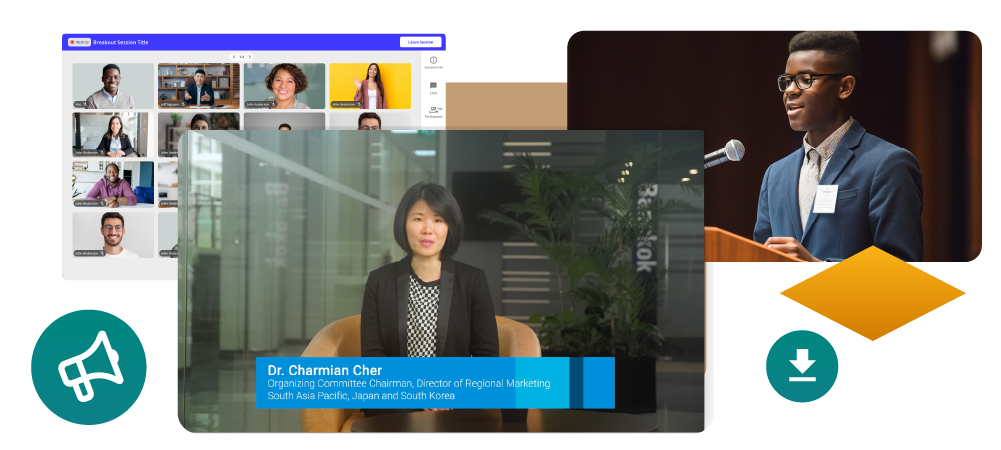
Leveraging social media platforms can enhance the visibility and engagement of virtual conferences. With billions of users worldwide, social media offers the opportunity to connect with attendees, create anticipation, and foster ongoing interaction before, during, and after the event. Utilizing strategic approaches can amplify the conference's reach, drive attendee participation, and cultivate a vibrant online community around the event. Below are some effective strategies for leveraging social media to optimize virtual conference visibility and engagement:
Generating high-quality leads from virtual conferences is a unique challenge that requires innovative solutions. Organizations can effectively overcome these hurdles and maximize lead-generation opportunities by employing strategic approaches. Here are three proven solutions to address these challenges:
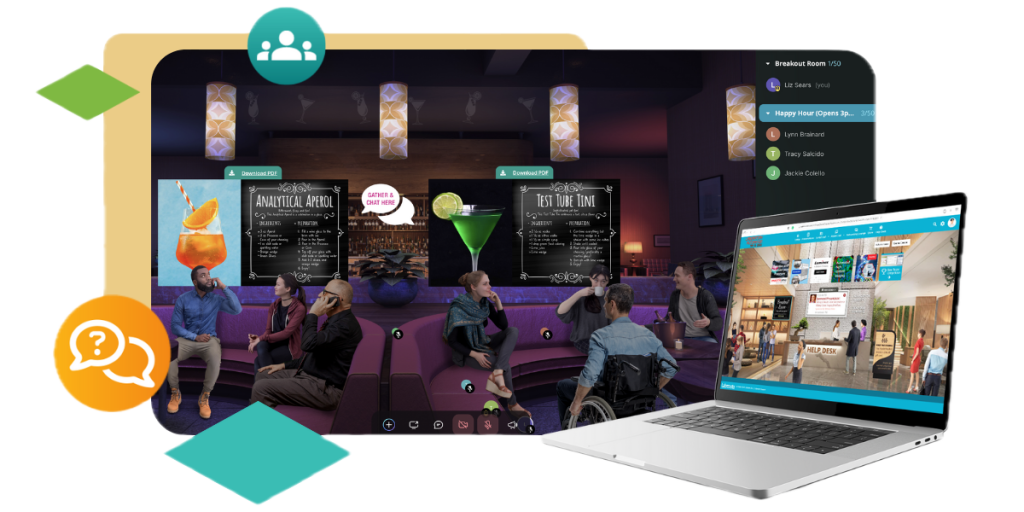
Maintaining attendee interest and participation is a common problem for virtual event organizers and managers. Organizers can employ various strategies to engage and captivate participants in these situations. Diversifying content formats, including interactive workshops, presentations, panel discussions, and Q&A sessions, ensures attendees remain intrigued and actively involved.
Gamification elements such as polls, quizzes, and challenges enhance engagement by transforming passive observation into interactive participation. Cultivating a sense of community through networking opportunities and group activities fosters connections among attendees, fostering a vibrant virtual environment. Encouraging real-time interaction through live chat sessions and audience-driven Q&A sessions empowers attendees to engage with speakers and peers actively, driving dynamic discussions and feedback. Finally, optimizing technical infrastructure and providing reliable support ensures seamless participation, minimizes disruptions, and enables attendees to focus on the conference content. By implementing these strategies effectively, organizers can create engaging and immersive virtual conference experiences that maximize attendee participation and satisfaction.
Everything listed above is vital for a successful virtual conference, and these reasons are magnified for large-scale virtual conferences since they are typically on a global scale. Therefore, it is crucial to adhere to best practices for effectively managing and executing large-scale virtual conferences, including recognizing your target audience, marketing and promoting your event, pre-conference preparations, recruiting lead event host, aka "master of ceremonies," enabling networking opportunities for your attendees, monitoring attendee engagement throughout the event, and receiving appropriate feedback from your attendees as soon as the event ends or a short time later.
During your preparations, emphasize to your attendees that feedback from your team members during the event might take a little longer than usual due to the size of the event but that you will adhere to their requests as soon as possible. Large-scale events typically encompass numerous time zones and geographic locations, so recording sessions are vital to ensure attendees worldwide can contribute later.
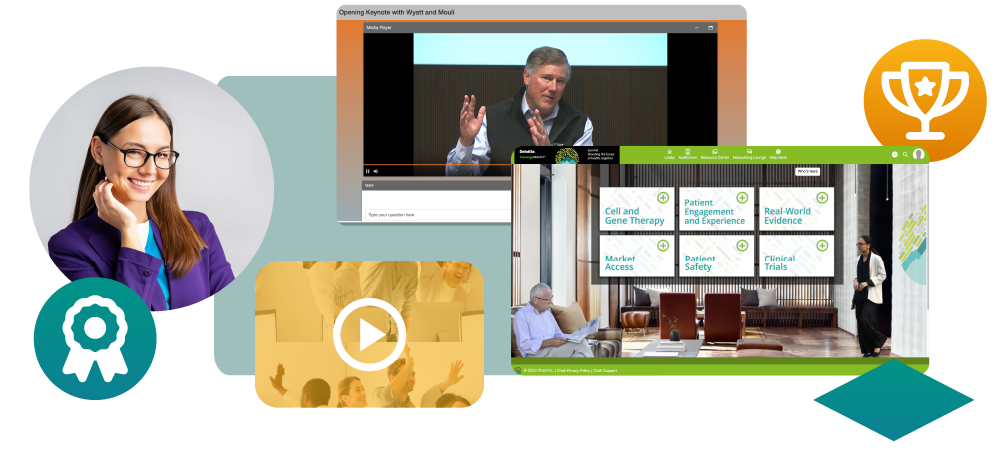
Virtual conferences will continue to evolve to meet the needs of individuals from all professions and backgrounds for years to come, and a large reason will be due to hybrid events, which bridge the gap between in-person and virtual conferences in one package. As noted, your attendees will hail from several time zones and geographic locations, and hybrid events offer them many opportunities to seamlessly engage with individuals in their field without needing to attend in person. Hybrid events offer cost-effective and environmentally friendly methods to unite people, enabling you to host large-scale events with smaller in-person venues since most of your attendees will be online. This will result in a reduced carbon footprint from less travel and local resources needed for the event. Overall, hybrid events increase reach and attendance while offering greater participant flexibility.
Hybrid events offer unique opportunities for increased attendee engagement, primarily from your event's larger—most often global—reach, which only improves diversity, inclusivity, and connectivity for individuals from all over the world. Like virtual conferences, hybrid events offer diverse content, including gamification, polls, quizzes, interactive workshops, and Q&A sessions. Additionally, breakout rooms offer your attendees from both in-person and virtual audiences the opportunity to engage with each other, helping to break down geographic barriers for individuals from all backgrounds and professions. With hybrid events, your virtual conference can be taken to the next level, enabling you to enhance engagement and foster lasting connections for everyone.
Successful hybrid events leverage virtual conference software to create seamless hybrid events experiences, including user-friendly interfaces and systems, mobile apps, successful integrations with other systems, and advanced proficiencies. The best software packages also provide supplemental tools, including secure payments, several registration/ticket options, guest speaker info and images, virtual spaces for one-on-one interactions, and post-event feedback surveys. With hybrid events, the successful integration of virtual conference software is essential because it enables increased diversity, inclusivity, and connectivity for individuals worldwide.
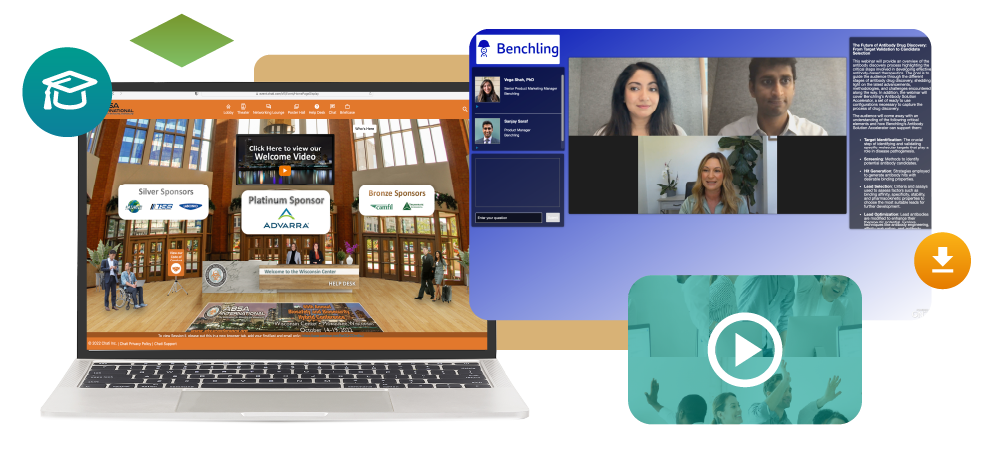
Virtual conferencing enables individuals from all personal and professional backgrounds to seamlessly share new ideas and engage with others in their field. The expansion of VR technologies and AI enables event organizers and attendees to engage in new and exciting ways while offering myriad tools that allow attendees to seamlessly engage with each other through the event, including gamification, breakout rooms, and live chat sessions. Additionally, hybrid events can enhance virtual conferences, which offer the best in-person and virtual experiences for individuals worldwide.
With this blog, we are making a call to action for embracing innovation and adapting to the changing landscape of virtual conferencing. We have highlighted many key trends and insights into how event organizers and attendees can use virtual conferencing to maximize engagement and connectivity for individuals from all professions and geographic locations. Virtual conferencing will continue to evolve and improve, and we are confident you will come away with this better preparation for your next virtual conference.
The importance of virtual events in today's business landscape, both in-person and digital, cannot be understated, including healthcare, education, technology, government, sports and entertainment, and nonprofit organizations, to name a few. Virtual events not only enable individuals from all backgrounds and disciplines to collaborate and engage, but they also provide cost-saving opportunities, as well. Here, we will discuss myriad ways that virtual events can benefit numerous industries across the globe while fostering diversity and inclusion and building lasting relationships.

Virtual events in healthcare offer enhanced accessibility, enabling medical professionals worldwide to participate in conferences and training sessions without geographical constraints. They provide continuous medical education opportunities, fostering knowledge exchange and collaboration among specialists. Virtual events reduce costs and optimize resources by eliminating the need for travel, ultimately improving patient care by disseminating cutting-edge medical practices globally. Notable benefits and virtual event applications in healthcare include:
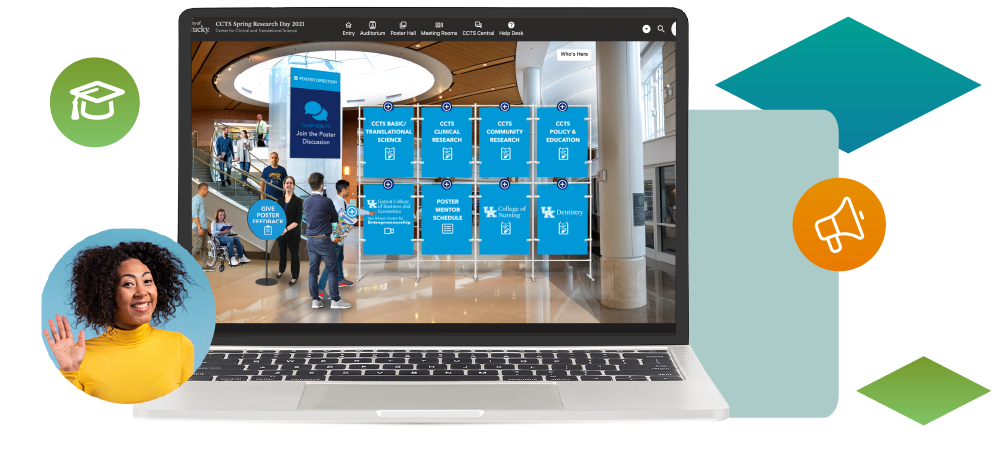
Virtual educational events provide increased opportunities for students, educators, and administrators worldwide to collaborate on new and exciting ideas while breaking down geographic barriers. Additionally, virtual events enable diversity and inclusion for individuals from all backgrounds by mitigating travel costs, including airfare and hotel accommodations. Notable advantages and virtual events applications in education include:

Virtual events for technology companies can bring together engineers, managers, administrators, and investors to collaborate on novel strategies regarding company cohesiveness while fostering diversity and inclusion for individuals worldwide. The cost-saving benefits from virtual events could also be used to bolster other aspects of the industry. Notable leverages and virtual events applications include:

Virtual events in corporate communications enable employees at all levels to share their thoughts, concerns, and ideas with managers and administrators, which fosters inclusivity and connectivity for individuals from across the globe. Additionally, virtual events allow investors to learn more about future products and services and make better-informed investment decisions. Notable benefits and virtual event applications in corporate communications include:

Virtual events for government outreach and engagement enable citizens and policymakers to engage and collaborate on new and exciting strategies for improving the quality of life, diversity, and inclusion of individuals from all personal and professional backgrounds. Virtual events put transparency at the forefront of policymaking while potentially using the cost savings from virtual events for the greater good. Notable advantages and virtual event applications in government outreach and engagement include:
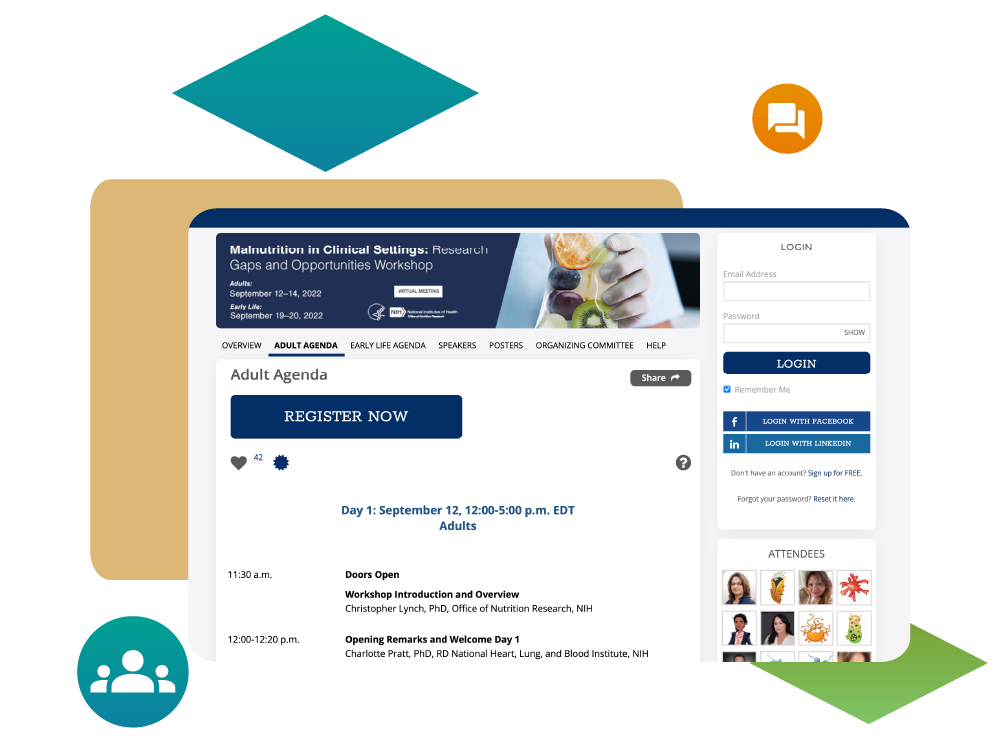
Virtual events strengthen event planning and virtual platforms by enabling event organizers and attendees to have myriad options for bringing together individuals from all backgrounds and all over the world, fostering diversity and inclusion to new heights. Virtual events provide cost-saving opportunities for all parties, which could be used to improve virtual platforms, benefitting everyone. Notable transformative benefits and virtual event applications include:
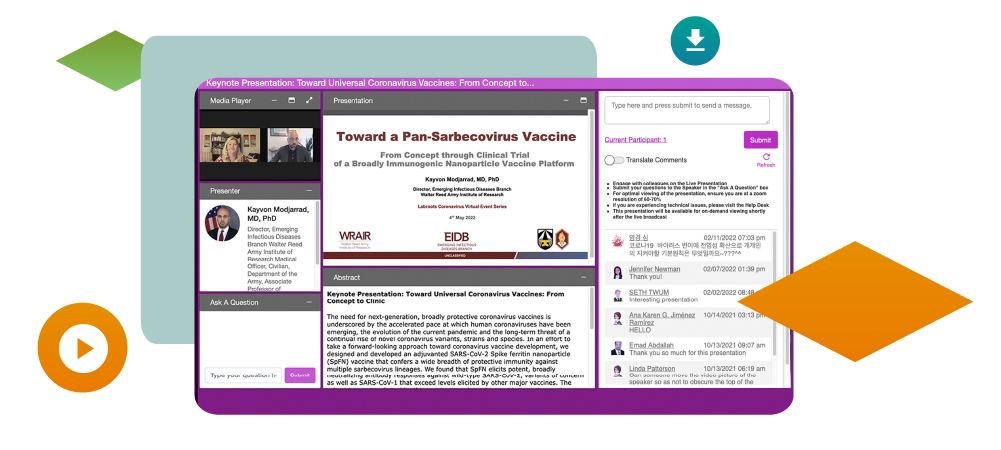
Virtual events in professional societies furnish connectivity and inclusion across many industries and workplaces, including training, networking, and panels for individuals worldwide. Additionally, virtual events provide cost-saving benefits that could be used for membership fees while building lasting relationships for all parties. Notable benefits and virtual event applications for associations and professional societies include:

Virtual events in retail and marketing provide opportunities for employees, managers, administrators, and stakeholders to collaborate and innovate on novel strategies for improving employee well-being and customer relationships. Virtual events offer cost savings that could be used for employee bonuses or mental health programs. Notable benefits and virtual event applications for retail and marketing include:

Virtual events in finance give employees, specialists, managers, administrators, and investors the necessary tools and resources to increase profit margins while improving diversity and inclusion for individuals worldwide. The cost-saving benefits from virtual events could be used for improved employee relations and additional investment opportunities. Notable benefits and virtual event applications for the financial industry include:
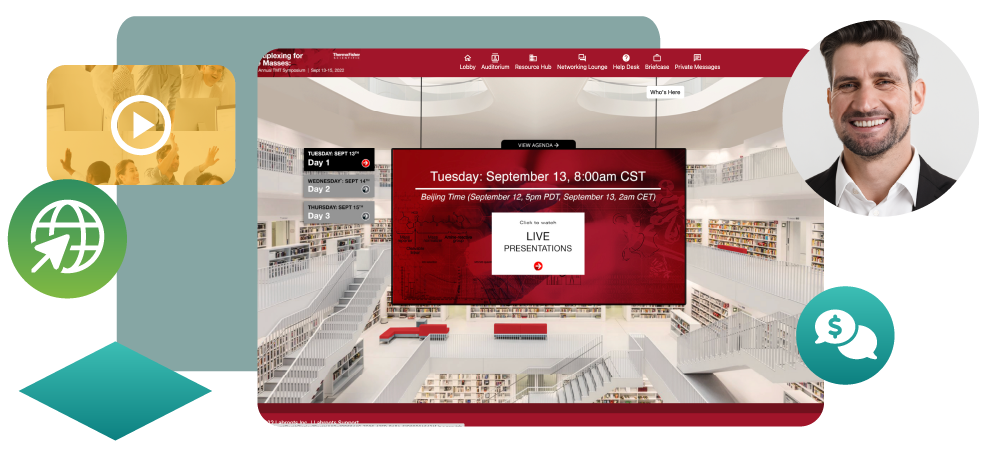
Virtual events in manufacturing enable employees, engineers, managers, business leaders, and investors to collaborate on exciting novel strategies for advancing manufacturing technologies that could result in more efficient products and services while increasing profits. Virtual events offer seamless training and trade show opportunities for individuals from around the world that could improve product quality control and employee safety. Notable benefits and virtual event applications in manufacturing include:
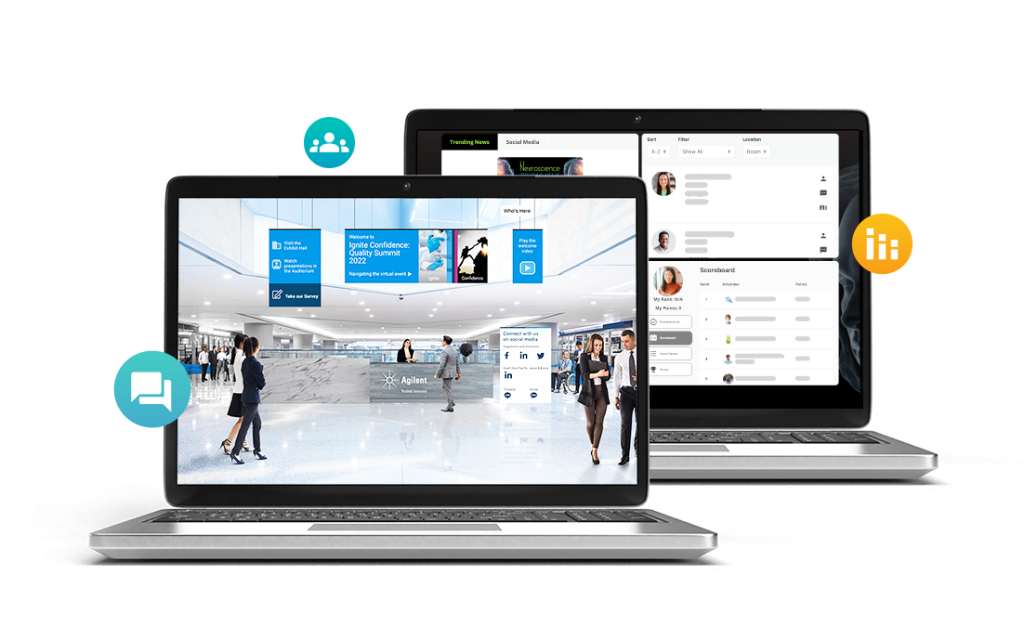
Virtual events for nonprofit organizations enable seamless engagement for employees, managers, and stakeholders to collaborate on exciting new strategies regarding training, fundraising campaigns, and awards programs for all parties. The cost-saving benefits from virtual events could also be used to assist in these endeavors. Notable benefits and virtual event applications for nonprofit organizations include:

Virtual events in the sports and entertainment industries provide ample opportunities for athletes, entertainers, managers, agents, and fans to engage and collaborate on novel strategies for improved fan experiences and athlete well-being. Virtual events provide cost-saving opportunities that can be used for enhanced in-game experiences and fan appreciation days. Notable benefits and virtual event applications in sports and entertainment include:
Virtual events provide versatile experiences across all industries and disciplines, enabling employees, managers, business leaders, and others to collaborate and innovate novel strategies for a better future. With virtual events, both companies and individuals can save time and money on travel costs that can be used for improved workplaces and well-being. Adopting virtual event strategies for business growth cannot be understated, as virtual events enable companies to unite while fostering connectivity, diversity, and inclusion for everyone.
Conferences and seminars have always been the cornerstone of networking and fostering lasting connections. However, technological advancements combined with the Covid-19 pandemic have contributed to the evolving events landscape. This has enabled individuals from around the globe to embrace virtual and hybrid events and give rise to virtual networking.
As virtual networking continues to take hold, there are still enormous benefits to attending in-person events, most importantly the human aspect of networking. This is why hybrid events have entered the mainstream, allowing individuals to choose what works best financially or socially.
As their name implies, hybrid events combine in-person and virtual events where individuals can capture the same level of engagement and networking opportunities across the globe. They are significant in scope and reachability while offering the same benefits as in-person or virtual events alone.
Hybrid events aim to help bridge the gap between in-person and virtual experiences, thus enabling the same rewards, such as inclusivity, networking, and fostering lasting connections. The primary goal of any event is to meet people and build your brand, and hybrid events have a proven track record of accomplishing this across the globe and all disciplines and backgrounds.
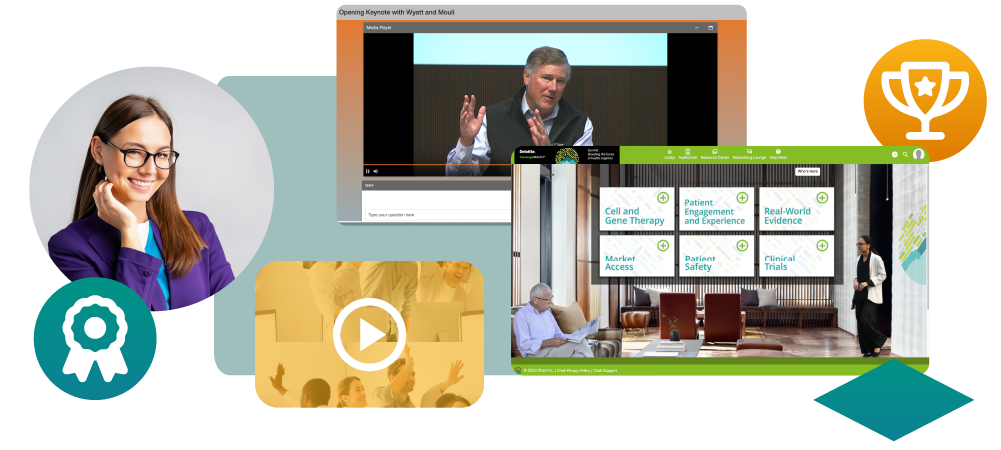
When enhancing audience engagement, you must create a welcoming and exciting environment for everyone. This includes targeting the right audience depending on the topic of your hybrid event, along with having appropriate speakers and sessions that keep your attendees engaged and longing for more.
Additionally, examples of maintaining audience engagement throughout your hybrid event include breakout rooms and interactive sessions, which allow your attendees to engage and interact with each other in smaller settings away from the larger conference group. This allows your attendees to have more targeted discussions and networking opportunities that you might not get in larger settings.
Chati recently explored the environmental impact, specifically carbon footprints, from in-person events, such as travel, waste, and food production. In contrast, virtual events offer significant environmental benefits that help mitigate those issues. However, since hybrid events are in-person, environmental concerns should be addressed to mitigate those concerns.
Since hybrid events are partially in-person, steps can be taken to mitigate environmental concerns, including choosing an appropriate venue, eco-friendly supplies, and materials, enhancing your technology and equipment, and evaluating your environmental impact and performance.

Like all events, hybrid events require proper planning and promotion to ensure their short- and long-term success. One method of promotion is through social media, which has become one of the cornerstone methods in building brands and connections across the globe. While promoting a hybrid event can primarily be accomplished through company social media pages, it’s vital to remember that balance is key, as oversaturating your social media feed with your event could turn people away. Therefore, periodic posts are likely the best way to promote your event for the best results.
While social media posts can be an effective way to promote your hybrid event, video streaming can enhance your promotional strategies through a more engaging approach, which could keep past attendees and add new ones.
Like all events, hybrid events are successful through analyzing event impact and engagement metrics, both during and after the event. Through this, organizers can learn the best strategies for enhancing attendee engagement and receive appropriate feedback on how future hybrid events can be improved.
While tracking engagement metrics during the event is crucial, developing and executing strategies for post-event engagement is even more important to keep attendees informed and coming back for future events. This includes personalized emails to attendees thanking them for attending, saying you hope to see them again, and providing a brief overview of the event’s highlights.
Additional strategies for post-event engagement also include collecting attendee feedback for improvement on future events. This can be accomplished through email or immediate surveys to collect feedback as soon as possible so the event is fresh in your attendees’ minds.
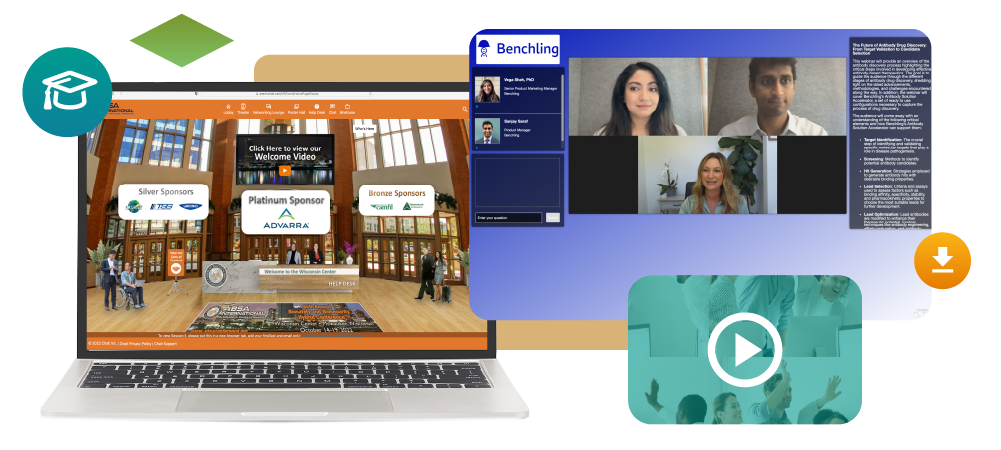
Hybrid events are here to stay, and embracing evolving trends in hybrid event planning will benefit organizers and attendees worldwide. While the overall goal involves bridging the gap between in-person and virtual events, this can be accomplished by targeting the right audience, proper planning, and promotion, keeping attendees engaged with breakout sessions and speakers, and receiving appropriate feedback through surveys and emails.
For these reasons, we are encouraging event organizers to embrace hybrid events, as hybrid events provide the same level of inclusivity, engagement, and networking potential as in-person or virtual events alone. When hybrid events are embraced, they can redefine event engagement in the future.

