Discover how Chati's self-service licenses give you full control - build, update, and launch virtual events on your terms. Register for our free webinar today!
Gamification uses game-like elements to make virtual events more interactive and rewarding, boosting attendee engagement and participation. As audience expectations rise, simply presenting content isn’t enough—gamified experiences capture attention, improve knowledge retention, and enhance satisfaction. This increased engagement ultimately drives stronger ROI for organizers through higher participation and lasting impact.
Here, we will discuss the top ways to gamify your virtual event content, including elements, integrations, rewards, and more. Through this, you will be able to organize a successful virtual event while using gamification to enhance your attendees’ experience.

Gamification in online events applies game mechanics like points, rewards, and challenges to boost interaction. Rooted in psychology, it taps into competition, achievement, and dopamine-driven motivation to sustain interest. Unlike basic engagement tactics, structured gamification systems use clear goals and feedback loops to create immersive, rewarding participant experiences.

Gamification elements include points, badges, and leaderboards (PBL) to spark competition, quizzes and trivia for learning, scavenger hunts for exploration, and raffles or spin-the-wheel for excitement. Selecting the right mix depends on audience demographics and event goals, ensuring activities resonate, motivate participation, and align with desired engagement outcomes.

Choose event software with robust, built-in gamification tools that fit your goals. Embed games seamlessly to enhance engagement without interrupting sessions. Prioritize platforms that integrate smoothly with mobile apps and hybrid event technologies, enabling interactive features, real-time participation, and a cohesive experience across in-person and virtual audiences.

Rewards like digital badges, gift cards, exclusive content, and networking perks motivate participants by tapping into achievement and recognition psychology. Incentives trigger positive emotions and drive continued engagement. Effective reward structures balance instant gratification with meaningful benefits, encouraging active participation, sustained interest, and a stronger connection to the event experience.

Leaderboards and team challenges boost motivation and friendly competition while fostering networking through collaboration. Social gamification strategies, like team-based contests, successfully build community, increase engagement, and create memorable shared experiences that strengthen participant connections and event impact.

Tracking engagement metrics like participation rates, dwell time, and conversions provides valuable insights into attendee behavior. Real-time analytics help refine gamified experiences during events, while post-event analysis identifies strengths and gaps to optimize strategies for future engagement and success.
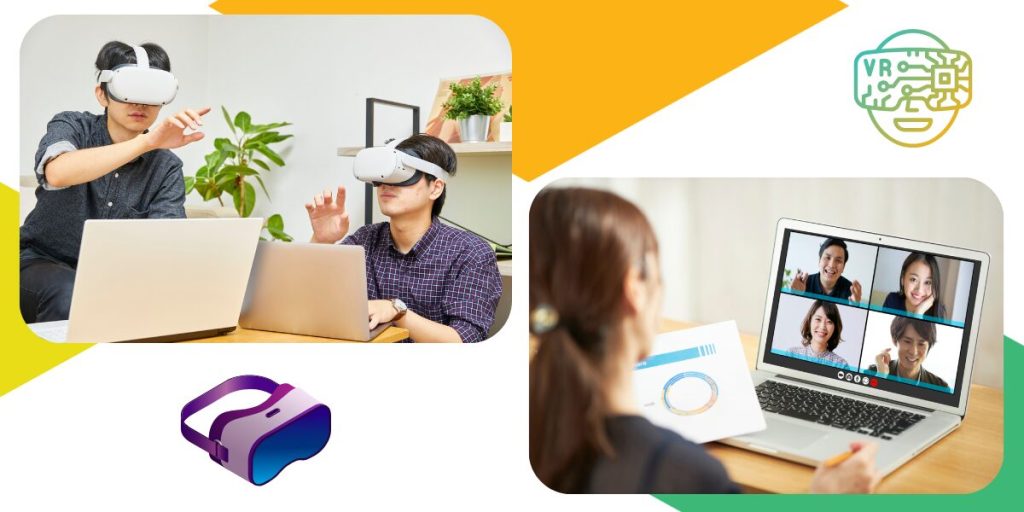
Common gamification mistakes include overcomplicating game structures, which can confuse participants, neglecting inclusivity and accessibility, which limits engagement, and prioritizing rewards over overall experience, which can undermine meaningful interaction and long-term attendee satisfaction. Simplicity, inclusivity, and balance drive success.

Brands using gamification report higher engagement, improved attendee satisfaction, and increased conversions. Success stories show how interactive strategies drive measurable results, proving gamification’s effectiveness in creating memorable, goal-driven virtual event experiences.
Summary
Here, we discussed the top ways to gamify your virtual event content, including elements, integrations, rewards, and more. Armed with this knowledge, you now have the tools and resources to host a successful virtual event while prioritizing gamification to enhance your attendees’ experience.

We encourage readers to incorporate gamification into their next virtual event, and please contact Chati if you have any ideas how we can do the same.
The importance of virtual events in today's business landscape, both in-person and digital, cannot be understated, including healthcare, education, technology, government, sports and entertainment, and nonprofit organizations, to name a few. Virtual events not only enable individuals from all backgrounds and disciplines to collaborate and engage, but they also provide cost-saving opportunities, as well. Here, we will discuss myriad ways that virtual events can benefit numerous industries across the globe while fostering diversity and inclusion and building lasting relationships.

Virtual events in healthcare offer enhanced accessibility, enabling medical professionals worldwide to participate in conferences and training sessions without geographical constraints. They provide continuous medical education opportunities, fostering knowledge exchange and collaboration among specialists. Virtual events reduce costs and optimize resources by eliminating the need for travel, ultimately improving patient care by disseminating cutting-edge medical practices globally. Notable benefits and virtual event applications in healthcare include:
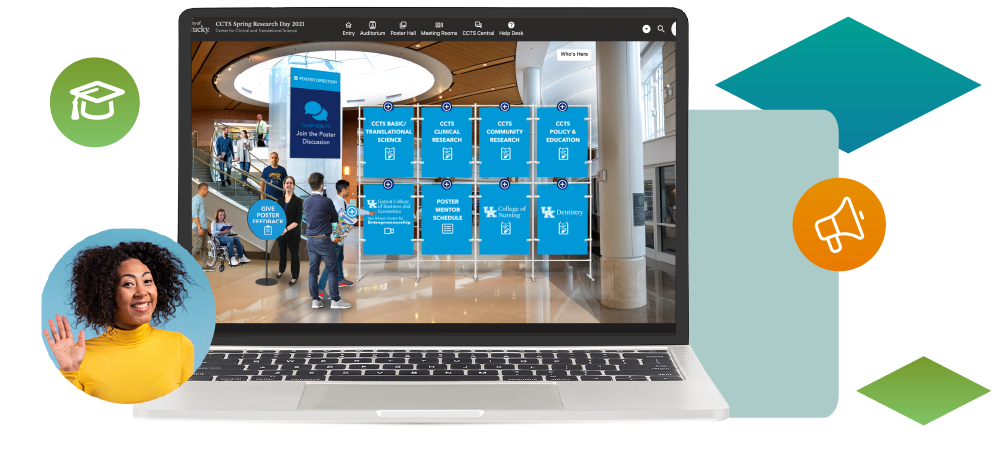
Virtual educational events provide increased opportunities for students, educators, and administrators worldwide to collaborate on new and exciting ideas while breaking down geographic barriers. Additionally, virtual events enable diversity and inclusion for individuals from all backgrounds by mitigating travel costs, including airfare and hotel accommodations. Notable advantages and virtual events applications in education include:

Virtual events for technology companies can bring together engineers, managers, administrators, and investors to collaborate on novel strategies regarding company cohesiveness while fostering diversity and inclusion for individuals worldwide. The cost-saving benefits from virtual events could also be used to bolster other aspects of the industry. Notable leverages and virtual events applications include:

Virtual events in corporate communications enable employees at all levels to share their thoughts, concerns, and ideas with managers and administrators, which fosters inclusivity and connectivity for individuals from across the globe. Additionally, virtual events allow investors to learn more about future products and services and make better-informed investment decisions. Notable benefits and virtual event applications in corporate communications include:

Virtual events for government outreach and engagement enable citizens and policymakers to engage and collaborate on new and exciting strategies for improving the quality of life, diversity, and inclusion of individuals from all personal and professional backgrounds. Virtual events put transparency at the forefront of policymaking while potentially using the cost savings from virtual events for the greater good. Notable advantages and virtual event applications in government outreach and engagement include:
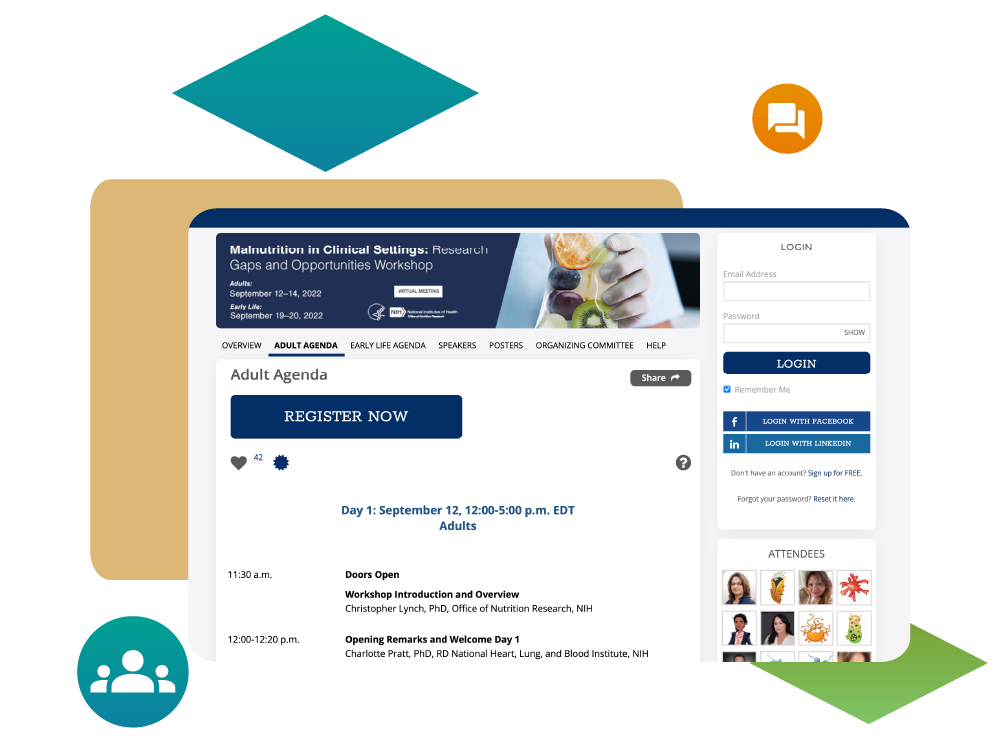
Virtual events strengthen event planning and virtual platforms by enabling event organizers and attendees to have myriad options for bringing together individuals from all backgrounds and all over the world, fostering diversity and inclusion to new heights. Virtual events provide cost-saving opportunities for all parties, which could be used to improve virtual platforms, benefitting everyone. Notable transformative benefits and virtual event applications include:
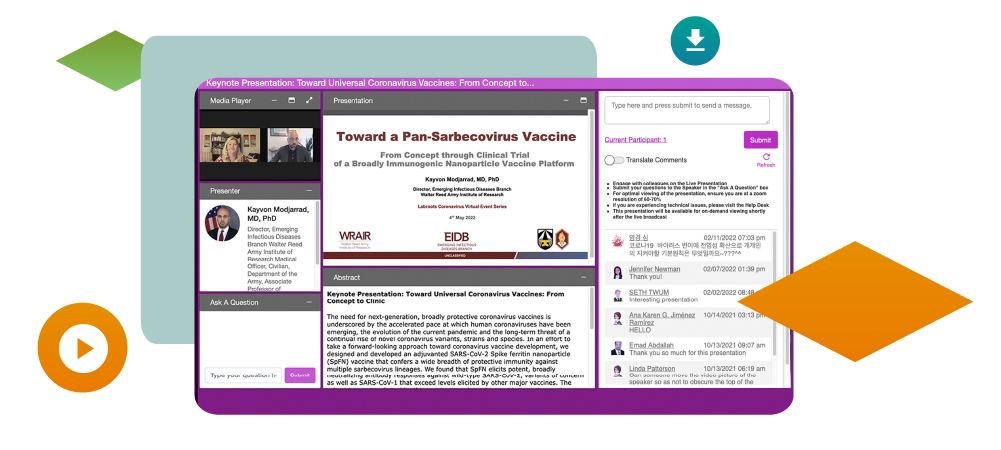
Virtual events in professional societies furnish connectivity and inclusion across many industries and workplaces, including training, networking, and panels for individuals worldwide. Additionally, virtual events provide cost-saving benefits that could be used for membership fees while building lasting relationships for all parties. Notable benefits and virtual event applications for associations and professional societies include:

Virtual events in retail and marketing provide opportunities for employees, managers, administrators, and stakeholders to collaborate and innovate on novel strategies for improving employee well-being and customer relationships. Virtual events offer cost savings that could be used for employee bonuses or mental health programs. Notable benefits and virtual event applications for retail and marketing include:

Virtual events in finance give employees, specialists, managers, administrators, and investors the necessary tools and resources to increase profit margins while improving diversity and inclusion for individuals worldwide. The cost-saving benefits from virtual events could be used for improved employee relations and additional investment opportunities. Notable benefits and virtual event applications for the financial industry include:
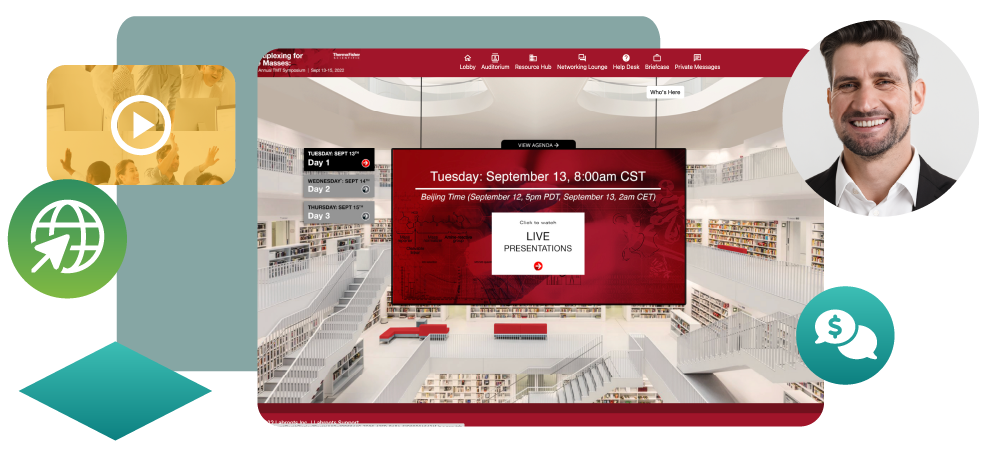
Virtual events in manufacturing enable employees, engineers, managers, business leaders, and investors to collaborate on exciting novel strategies for advancing manufacturing technologies that could result in more efficient products and services while increasing profits. Virtual events offer seamless training and trade show opportunities for individuals from around the world that could improve product quality control and employee safety. Notable benefits and virtual event applications in manufacturing include:
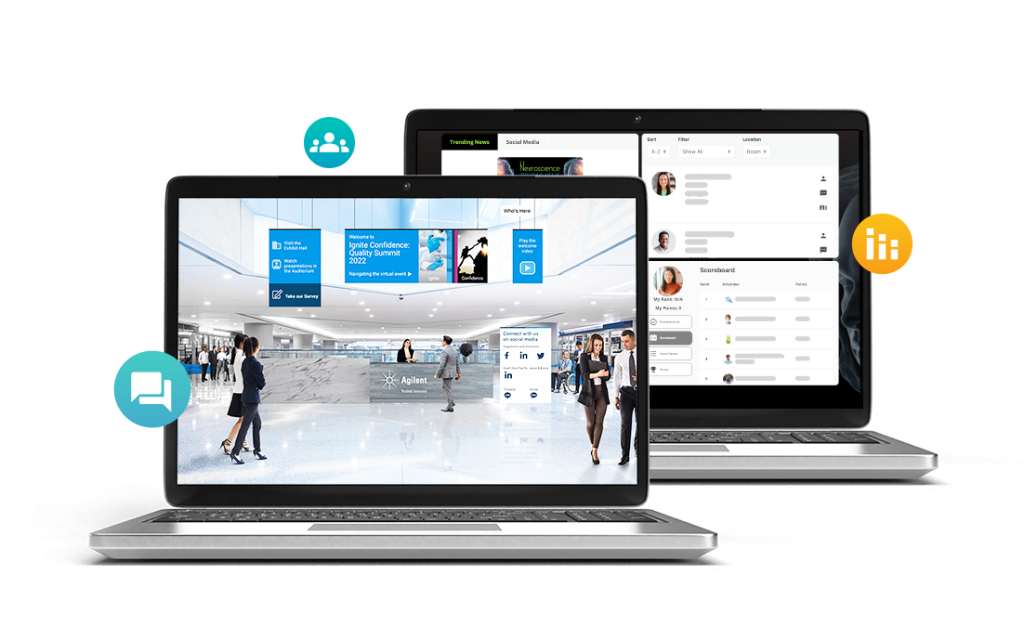
Virtual events for nonprofit organizations enable seamless engagement for employees, managers, and stakeholders to collaborate on exciting new strategies regarding training, fundraising campaigns, and awards programs for all parties. The cost-saving benefits from virtual events could also be used to assist in these endeavors. Notable benefits and virtual event applications for nonprofit organizations include:
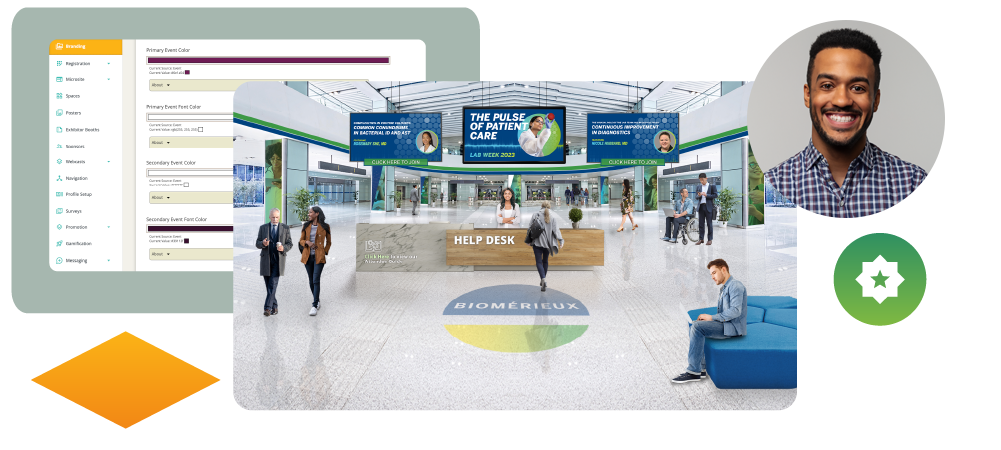
Virtual events in the sports and entertainment industries provide ample opportunities for athletes, entertainers, managers, agents, and fans to engage and collaborate on novel strategies for improved fan experiences and athlete well-being. Virtual events provide cost-saving opportunities that can be used for enhanced in-game experiences and fan appreciation days. Notable benefits and virtual event applications in sports and entertainment include:
Virtual events provide versatile experiences across all industries and disciplines, enabling employees, managers, business leaders, and others to collaborate and innovate novel strategies for a better future. With virtual events, both companies and individuals can save time and money on travel costs that can be used for improved workplaces and well-being. Adopting virtual event strategies for business growth cannot be understated, as virtual events enable companies to unite while fostering connectivity, diversity, and inclusion for everyone.
Conferences and seminars have always been the cornerstone of networking and fostering lasting connections. However, technological advancements combined with the Covid-19 pandemic have contributed to the evolving events landscape. This has enabled individuals from around the globe to embrace virtual and hybrid events and give rise to virtual networking.
As virtual networking continues to take hold, there are still enormous benefits to attending in-person events, most importantly the human aspect of networking. This is why hybrid events have entered the mainstream, allowing individuals to choose what works best financially or socially.
As their name implies, hybrid events combine in-person and virtual events where individuals can capture the same level of engagement and networking opportunities across the globe. They are significant in scope and reachability while offering the same benefits as in-person or virtual events alone.
Hybrid events aim to help bridge the gap between in-person and virtual experiences, thus enabling the same rewards, such as inclusivity, networking, and fostering lasting connections. The primary goal of any event is to meet people and build your brand, and hybrid events have a proven track record of accomplishing this across the globe and all disciplines and backgrounds.
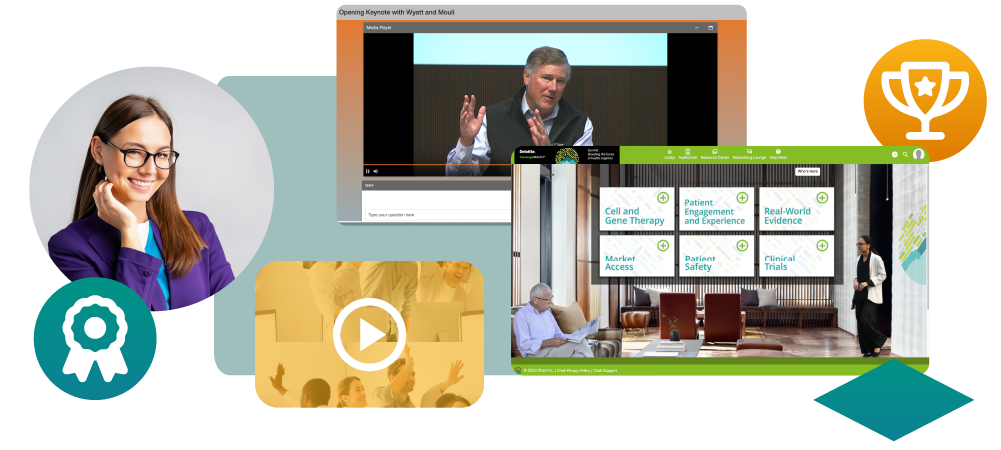
When enhancing audience engagement, you must create a welcoming and exciting environment for everyone. This includes targeting the right audience depending on the topic of your hybrid event, along with having appropriate speakers and sessions that keep your attendees engaged and longing for more.
Additionally, examples of maintaining audience engagement throughout your hybrid event include breakout rooms and interactive sessions, which allow your attendees to engage and interact with each other in smaller settings away from the larger conference group. This allows your attendees to have more targeted discussions and networking opportunities that you might not get in larger settings.
Chati recently explored the environmental impact, specifically carbon footprints, from in-person events, such as travel, waste, and food production. In contrast, virtual events offer significant environmental benefits that help mitigate those issues. However, since hybrid events are in-person, environmental concerns should be addressed to mitigate those concerns.
Since hybrid events are partially in-person, steps can be taken to mitigate environmental concerns, including choosing an appropriate venue, eco-friendly supplies, and materials, enhancing your technology and equipment, and evaluating your environmental impact and performance.

Like all events, hybrid events require proper planning and promotion to ensure their short- and long-term success. One method of promotion is through social media, which has become one of the cornerstone methods in building brands and connections across the globe. While promoting a hybrid event can primarily be accomplished through company social media pages, it’s vital to remember that balance is key, as oversaturating your social media feed with your event could turn people away. Therefore, periodic posts are likely the best way to promote your event for the best results.
While social media posts can be an effective way to promote your hybrid event, video streaming can enhance your promotional strategies through a more engaging approach, which could keep past attendees and add new ones.
Like all events, hybrid events are successful through analyzing event impact and engagement metrics, both during and after the event. Through this, organizers can learn the best strategies for enhancing attendee engagement and receive appropriate feedback on how future hybrid events can be improved.
While tracking engagement metrics during the event is crucial, developing and executing strategies for post-event engagement is even more important to keep attendees informed and coming back for future events. This includes personalized emails to attendees thanking them for attending, saying you hope to see them again, and providing a brief overview of the event’s highlights.
Additional strategies for post-event engagement also include collecting attendee feedback for improvement on future events. This can be accomplished through email or immediate surveys to collect feedback as soon as possible so the event is fresh in your attendees’ minds.
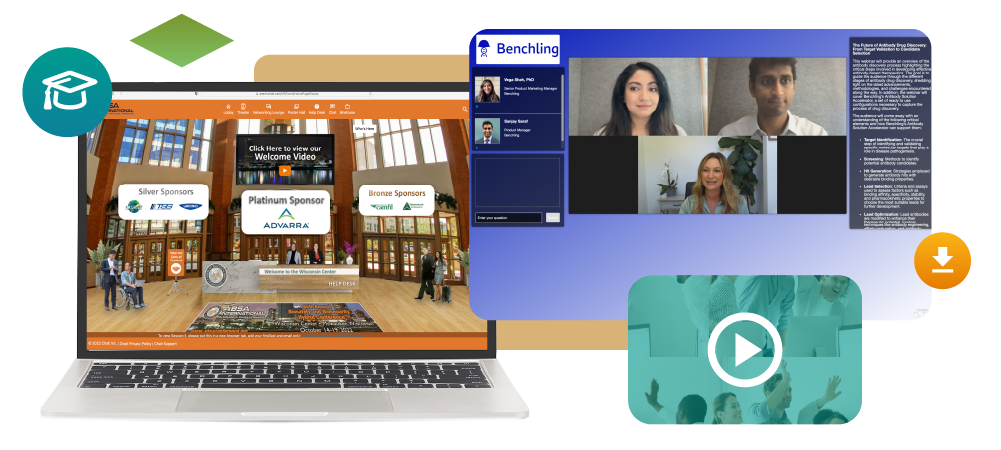
Hybrid events are here to stay, and embracing evolving trends in hybrid event planning will benefit organizers and attendees worldwide. While the overall goal involves bridging the gap between in-person and virtual events, this can be accomplished by targeting the right audience, proper planning, and promotion, keeping attendees engaged with breakout sessions and speakers, and receiving appropriate feedback through surveys and emails.
For these reasons, we are encouraging event organizers to embrace hybrid events, as hybrid events provide the same level of inclusivity, engagement, and networking potential as in-person or virtual events alone. When hybrid events are embraced, they can redefine event engagement in the future.

