Discover how Chati's self-service licenses give you full control - build, update, and launch virtual events on your terms. Register for our free webinar today!
Hybrid events are rapidly gaining popularity as they blend in-person energy with virtual accessibility. This format expands audience reach, offers flexible participation, and boosts engagement through interactive digital tools. This article explores the essential factors behind successful hybrid events, including technology, content design, and attendee experience. Here, we will discuss what makes hybrid events successful, including marketing, inclusivity, analytics, and much more. Through this, you will have the tools and resources to host a successful hybrid event while focusing on audience engagement and networking.

Effective hybrid events start with clear objectives—whether brand awareness, lead generation, education, networking, or community building. Understanding the distinct needs of both in-person and virtual audiences allows organizers to tailor content and engagement strategies. Aligning these elements ensures a cohesive, goal-driven experience for all participants.

Successful hybrid events require dependable streaming platforms for virtual participants and high-quality AV equipment, cameras, and microphones for in-person attendees. Seamless integration with registration systems, analytics, and interactive tools is essential. Thorough pre-event testing ensures smooth delivery and minimizes technical disruptions for all audiences.

Effective hybrid event content should be designed to engage both in-person and virtual audiences. Choose formats like presentations, panels, and workshops that transition smoothly to digital environments. Strengthen participation with interactive elements such as live polls, Q&A sessions, chat features, and gamification, ensuring every attendee remains actively involved regardless of location.
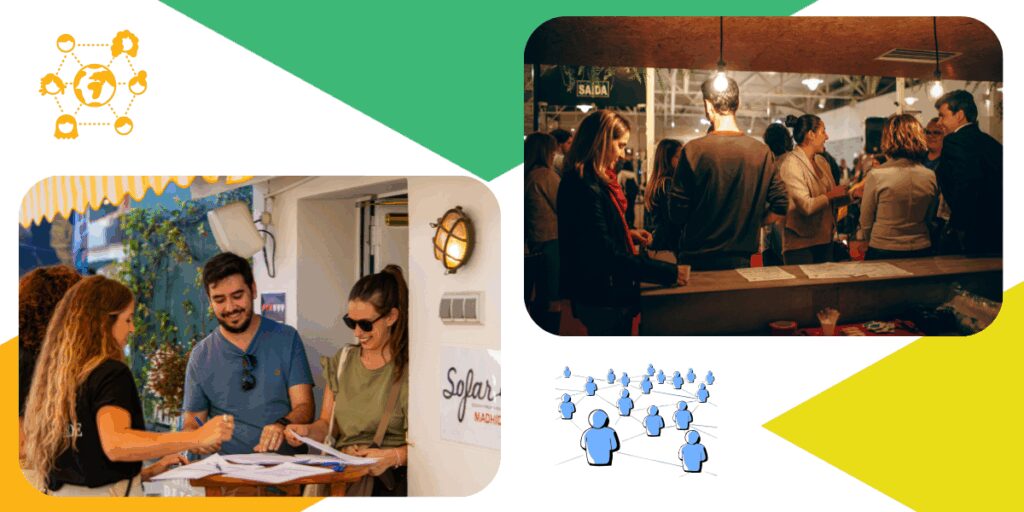
Hybrid events thrive when they foster meaningful interaction between in-person and virtual participants through chat, breakout rooms, and networking lounges. Live discussions, polls, and interactive Q&A sessions keep audiences engaged. Emphasizing collaboration and community-building opportunities strengthens connections, creating a unified experience that bridges both physical and digital spaces.
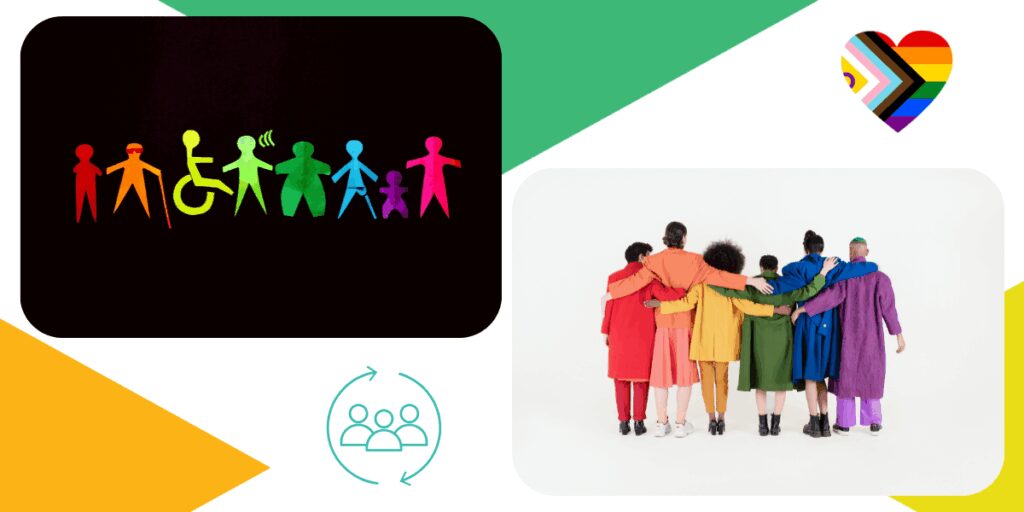
Hybrid events must prioritize accessibility with captions, translations, and screen-reader–friendly platforms for virtual attendees. Scheduling sessions with global time zones in mind broadens participation. Featuring diverse speakers and inclusive content ensures the experience resonates with all audience segments, creating a more engaging and equitable event for everyone.

Effective hybrid event marketing targets both in-person and virtual audiences. Use email campaigns, social media outreach, and partner networks to maximize visibility and attendance. Clearly communicate the unique benefits of each participation option, helping potential attendees choose the format that best fits their needs and encouraging strong overall turnout.

Hybrid event success depends on tracking registrations, attendance, engagement, and feedback from both in-person and virtual participants. Analyzing these insights helps assess ROI, pinpoint improvement opportunities, and guide future planning. Segmenting data further reveals audience preferences and behaviors, enabling more targeted and effective event strategies.
Summary
Here, we discussed what makes hybrid events successful, including marketing, inclusivity, analytics, and much more. You now know how to host a successful hybrid event, focusing on networking, inclusivity, and analytics to gauge success. Successful hybrid events rely on clear objectives, strong technology, engaging content, interactive features, accessible design, effective marketing, and meaningful analytics.

When organizers prioritize seamless, valuable experiences for both in-person and virtual attendees, hybrid formats thrive. To elevate your next event, use platforms like Chati to maximize engagement and deliver measurable results. Please contact Chati if you would like to know more about how we can provide successful hybrid events.
Virtual events are fantastic ways to connect with individuals worldwide and build lasting relationships, but they are only as successful as the promotional practices used to spread the word about their ability to share knowledge and build these relationships.
Here, we will discuss the 10 best practices for promoting your virtual event, including defining your target audience, utilizing multi-channel marketing campaigns, industry partner collaboration, leveraging marketing strategies, engaging directly with your audience, and more. This will give you the tools and resources necessary to promote your next virtual event while enabling individuals worldwide to connect and collaborate on the ideas of tomorrow.
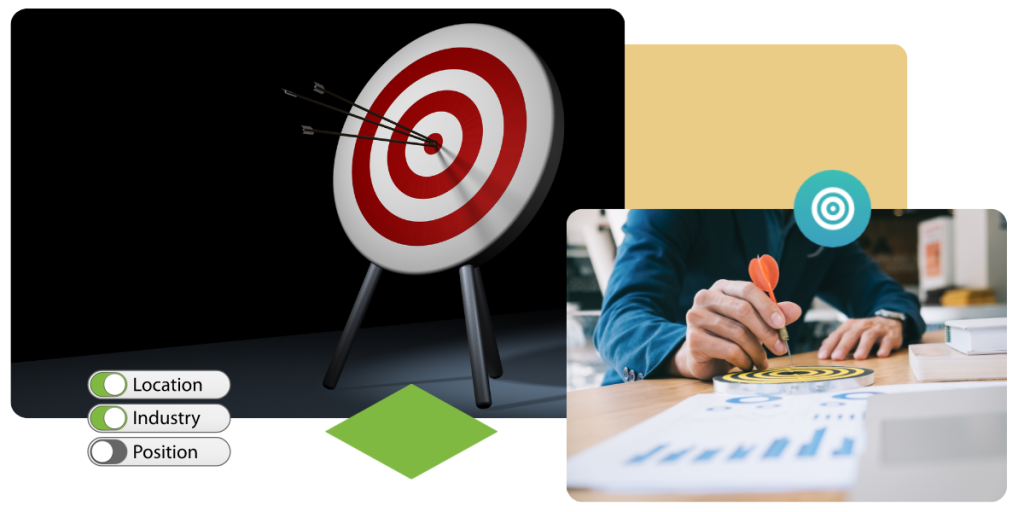
Identifying key demographics and personas is essential for building your target audience. This is accomplished during the planning stages when discussing the goals and themes of the virtual event. This establishes a baseline for your attendees’ preferences prior to reaching out to them.
Once a baseline is established, tailoring messaging and promotion channels to audience preferences is essential for targeting the right individuals who might attend your virtual event. This is first accomplished with pre-event email and text message surveys to understand your audience preferences, followed by using this data to send necessary promotional material your attendees might find suitable before attending your virtual event.
Conducting market research to understand audience needs is essential for a successful virtual event. This provides you with the necessary data and insights to help your attendees achieve their personal and professional goals while connecting with individuals worldwide.

Crafting clear and concise event descriptions is essential for promoting your virtual event, as this enables you to seamlessly share pertinent information about your virtual event in easy-to-digest bits, whether through email, text messages, or social media. Through this, you stay connected with your attendees leading up to the virtual event while keeping them informed about how the virtual event can help them achieve their personal and professional goals.
Developing eye-catching visuals and graphics is an excellent way to get your attendees’ attention. It provides an extra element of excitement to your promotional material, giving your attendees the impression that you take yourself seriously. This will give an additional positive impression for your upcoming virtual event.
Writing persuasive copy for promotional materials is highly recommended, as it provides your attendees with pertinent information about your upcoming virtual event while showcasing your brand in a fun and exciting way.

Leveraging email marketing for targeted outreach is an excellent way to reach your attendees in a professional manner while focusing on your target audience’s preferences. Through this, you streamline your promotional strategy while showcasing the importance of attending your virtual event.
Additionally, harnessing the power of social media platforms is an excellent way to reach your target audience. This can be accomplished by creating custom social media pages specifically for your virtual event, which will also provide a more professional appearance for your virtual event.
Finally, exploring paid advertising opportunities for increased visibility is an excellent way to reach your target audience, as this provides storied brands to help your promotional strategy and showcase your virtual event.

Incentivizing early registrations with discounted rates allows your attendees to get first access to your virtual event’s agenda and discussion materials, allowing them to better prepare for the virtual event well in advance.
Creating limited-time offers to drive urgency for registration also enables your attendees to get discounted products like e-tickets and swag they can use during the virtual event. Early registration helps your attendees prepare for the virtual event well in advance.
Providing exclusive benefits for early registrants enables your attendees to get a first glimpse of your virtual event while showcasing your brand. It also enables them to prepare for necessary discussions and speakers beforehand.

Partnering with influencers to reach new audiences allows you to promote your virtual event with third-party representatives, thus providing a different medium for showcasing your brand. This includes co-hosting events with complementary brands or organizations that enable your attendees to learn about your brand and virtual event simultaneously.
Leveraging industry relationships for cross-promotion opportunities is an excellent way to promote your virtual event and brand, thus increasing their visibility.

Generating excitement with teaser campaigns and sneak peeks is an excellent way to promote your virtual event with bite-sized information, thus building anticipation for what your attendees can learn and share at the event.
Additionally, building anticipation with countdowns and pre-event announcements lets you keep your attendees focused on the upcoming virtual event without providing too much information or spamming them.
Finally, encouraging engagement with interactive teaser content enables your attendees to connect with your brand before the virtual event, thus improving their chances of successfully connecting with more individuals during the virtual event.

Creating valuable content related to event themes and topics provides an extra level of fun and excitement leading up to the virtual event, enabling your attendees to get a taste of what they can expect from it.
Also, publishing blog posts, articles, and infographics to drive traffic enhances your promotional strategy by providing attendees with information about your brand leading up to the virtual event.
Finally, optimizing content for search engine optimization (SEO) to increase discoverability allows both registered and potential attendees to seamlessly search for your brand and virtual event well in advance, thus enhancing their preparation strategies.

Implementing referral programs for existing registrants helps provide incentives to recruit potential attendees to your virtual event, thus increasing event and brand promotion using a passive approach. This is accomplished by encouraging attendees to share event details with their networks, enabling them to promote your event and brand, and connecting with individuals along the way.
Offering incentives for referrals and recommendations is an excellent way to promote your brand and event while empowering existing registrants to connect and engage with individuals worldwide, resulting in increased visibility for themselves and your event.

Responding promptly to inquiries and questions is an excellent way to engage with your audience before and during the virtual event. This is especially important before the virtual event, as it lets you answer questions about the event’s topics and speakers and helps your attendees prepare for it well in advance. During the event, you can address your attendees’ concerns regarding sessions and meetings, thus enabling seamless communication and engagement with your attendees and their goals.
Hosting live Q&A sessions and AMA (Ask Me Anything) events are excellent ways to enable your attendees to engage with each other and potential speakers, thus enhancing the interactive aspects of the virtual event. This also allows your attendees to build virtual networks with potential employers, clients, and recruits while fostering relationships and building lasting connections.
Personalizing communication to build relationships with attendees is essential for not only hosting a successful virtual event but also helping your attendees build their virtual network and connect with individuals worldwide. This will help increase diversity, inclusivity, and connectivity with individuals worldwide.

Tracking key performance indicators (KPIs) for promotion success is essential for ensuring your virtual event reaches your target audience well before the event. This will allow you to establish what promotional strategies work to reach your target audience, ensuring they are well-informed and prepared for the upcoming virtual event.
Analyzing data identifying effective promotional channels is another way to successfully reach your target audience and gain new attendees. Additionally, this data can be used for future virtual events by incorporating lessons learned during the data collection.
Making data-driven adjustments to improve future campaigns is essential for building your brand and virtual event reputation among current and future attendees. This allows you to learn from past lessons while ensuring stronger performance going forward.
Conclusion
Here, we discussed the 10 best practices for promoting virtual events, including defining your target audience, utilizing multi-channel marketing campaigns, industry partner collaboration, leveraging marketing strategies, engaging directly with your audience, and more. By following these practices, you will have the necessary tools and resources to successfully promote your virtual event for both long-time and new attendees while ensuring they can achieve their personal and professional goals.
We wish to emphasize the importance of strategic promotion for event success. This enables you to connect with attendees well in advance of the virtual event, thus setting them up for successfully engaging with individuals worldwide.
We encourage readers to implement promotion practices for their virtual events. This enables you to enhance the excitement and anticipation of your attendees and what they can achieve during the virtual event.
We invite readers to provide feedback and comments on their own virtual event promotional strategies, which can be used to improve virtual events across all professions and industries.
Please contact Chati with further inquiries and promotional opportunities for your next virtual event. We are available to answer questions and concerns about how you can improve your promotional strategies and make your virtual event much more successful.

