Discover how Chati's self-service licenses give you full control - build, update, and launch virtual events on your terms. Register for our free webinar today!
Event management has evolved from basic coordination to strategic planning, now essential for success. This post explores its transformation, highlights the value of strategy, and offers readers practical insights to plan and execute impactful events. Here, we will explore proven strategies for successful event management, including key phases, must-have tools, navigating logistics, common challenges, and more. Through this, you will have the tools and resources to plan and execute successful event management strategies with the goal of helping your audience achieve their personal and professional goals.
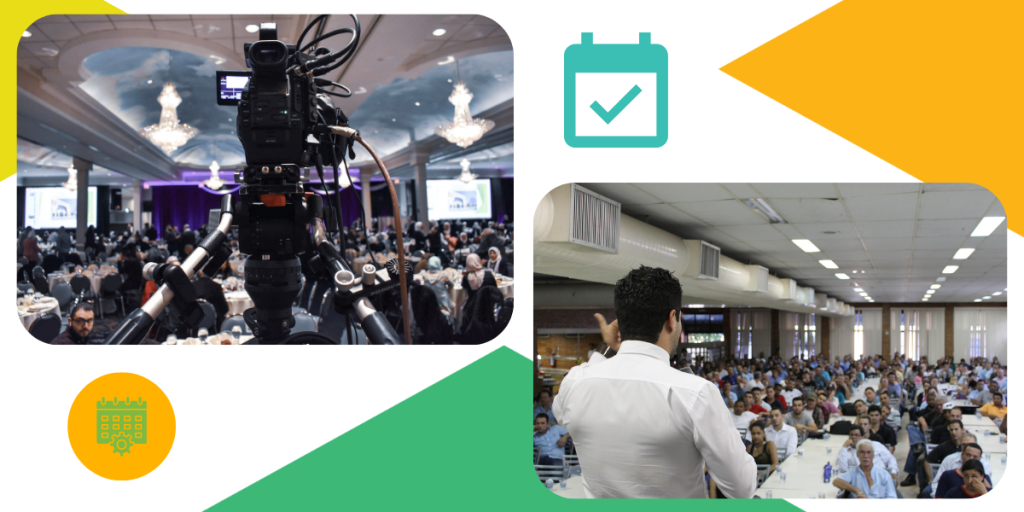
From corporate events to virtual and hybrid experiences, conferences, trade shows, weddings, and galas, today’s events embrace diverse formats, each designed to connect people, foster engagement, and create lasting memories for businesses, organizations, and individuals alike.

Successful events require thoughtful conceptualization and goal setting, precise budgeting, and efficient resource allocation. From venue selection and vendor coordination to marketing, on-site logistics, and post-event evaluation, each stage plays a crucial role in delivering impactful, well-executed experiences.

Modern events thrive by incorporating technology like AR/VR, event apps, and live streaming, while personalizing attendee experiences. Leveraging data analytics, feedback tools, and prioritizing accessibility and inclusivity ensures every participant feels engaged, valued, and seamlessly connected to the event’s purpose.

Event success is enhanced through event management software platforms, CRM and registration tools, live polling, and engagement apps. Combined with project management software, these technologies streamline planning, boost attendee interaction, and ensure seamless coordination from concept to post-event evaluation.

Effective event promotion leverages social media campaigns, targeted email marketing workflows, and influencer or speaker partnerships. By creating buzz with engaging pre-event content, organizers can maximize visibility, build anticipation, and drive strong attendance for a memorable, impactful experience.

Successful events rely on clear vendor contracts and contingency plans, detailed timelines and run-of-show, and seamless staff and volunteer coordination. Prioritizing guest management and safety protocols ensures smooth execution, minimized risks, and a positive experience for all attendees.

Sustainable events embrace eco-friendly practices like digital invitations and zero-waste initiatives, while integrating DEI considerations into programming. By prioritizing local sourcing and community engagement, organizers create inclusive, responsible experiences that positively impact both attendees and the surrounding environment.

Event success requires anticipating challenges like budget constraints, last-minute cancellations, venue or technology issues, and low attendance. Proactive planning, contingency strategies, and targeted promotion help mitigate risks, ensuring smooth execution and strong participation despite unexpected obstacles.
Summary
Here, we discussed essential event strategies and tools for event management, including key phases, must-have tools, navigating logistics, common challenges, and more. Armed with this knowledge, you now have the tools and resources to host successful events that enables strong attendee engagement.

We encourage readers to stay agile and innovative in their planning involving event management. To deepen your expertise, please contact Chati regarding how you can incorporate these strategies into your next virtual event.
Virtual conferencing, often called online or web conferencing, is a method of digital communication that allows individuals or groups to meet, interact, and collaborate in real time. It encompasses a range of technologies and tools, including video conferencing, audio conferencing, instant messaging, and file sharing, all integrated into a single virtual platform. This innovative approach transcends geographical limitations, enabling participants from different locations -and time zones- to connect and engage in meetings, presentations, training sessions, and more as if they were in the same physical space.
Emerging trends and advancements are propelling the evolution of virtual conferencing, reshaping the way individuals and businesses connect and collaborate online. Adding augmented reality (AR) and virtual reality (VR) technologies can enhance the immersive experience of virtual meetings and conferences, creating lifelike environments that simulate face-to-face interactions.
Additionally, artificial intelligence (AI) can optimize aspects of virtual conferencing platforms with AI-powered features such as language translation, automated transcription, and intelligent meeting scheduling, streamlining communication and enhancing accessibility for participants worldwide.
Moreover, the growing emphasis on customization and personalization drives the development of tailored virtual conferencing solutions that cater to specific industries, preferences, and objectives, giving users more flexibility and control over their virtual meeting experiences. As these trends evolve, virtual conferencing is poised to become even more immersive, efficient, and accessible, revolutionizing how people collaborate and conduct business in the digital age.

The exponential rise of virtual event platforms like Chati signifies a transformative shift in the conference hosting and management landscape. Virtual event and conference platforms offer a versatile array of tools and functionalities tailored to the demands of remote collaboration. In 2020, this format experienced a dramatic rise in popularity out of necessity due to the global pandemic. While some assumed that the industry would shrink in the post-pandemic world, the opposite slowly emerged. The advantages of the virtual conference became clear to both event attendees and planners alike, highlighting connectivity and accessibility at a global level.
These platforms are comprehensive hubs for seamless virtual conferencing, providing organizers with the means to orchestrate engaging and interactive events irrespective of geographical boundaries. By amalgamating features like real-time communication, customizable virtual environments, and robust networking capabilities, these platforms have become indispensable facilitators of virtual conferences, enabling participants to connect, collaborate, and exchange ideas with unprecedented ease and efficiency. The demand for remote connectivity grows as technology advances, and virtual event platforms are poised to play a pivotal role in shaping the future of conferencing, driving innovation, accessibility, and engagement to new heights.

Event technology is fundamentally reshaping the virtual conference landscape. With the exponential advancement of virtual event platforms over the past four years, organizers can now access innovative tools and features designed to enhance the attendee experience and streamline event management processes. The seamless integration of video conferencing, live streaming, interactive chat functionalities, and virtual breakout rooms creates immersive and engaging virtual environments for participants.
Moreover, the emergence of AI-driven solutions is revolutionizing virtual conferencing by automating tasks such as attendee registration, content personalization, and audience engagement analysis. By leveraging event technology, organizers can overcome logistical challenges, reach broader audiences, and deliver dynamic and interactive virtual conferences that rival in-person events. As technology continues to evolve and innovate, it will undoubtedly play a central role in shaping the future of virtual and hybrid conferencing, driving efficiency, accessibility, and engagement.
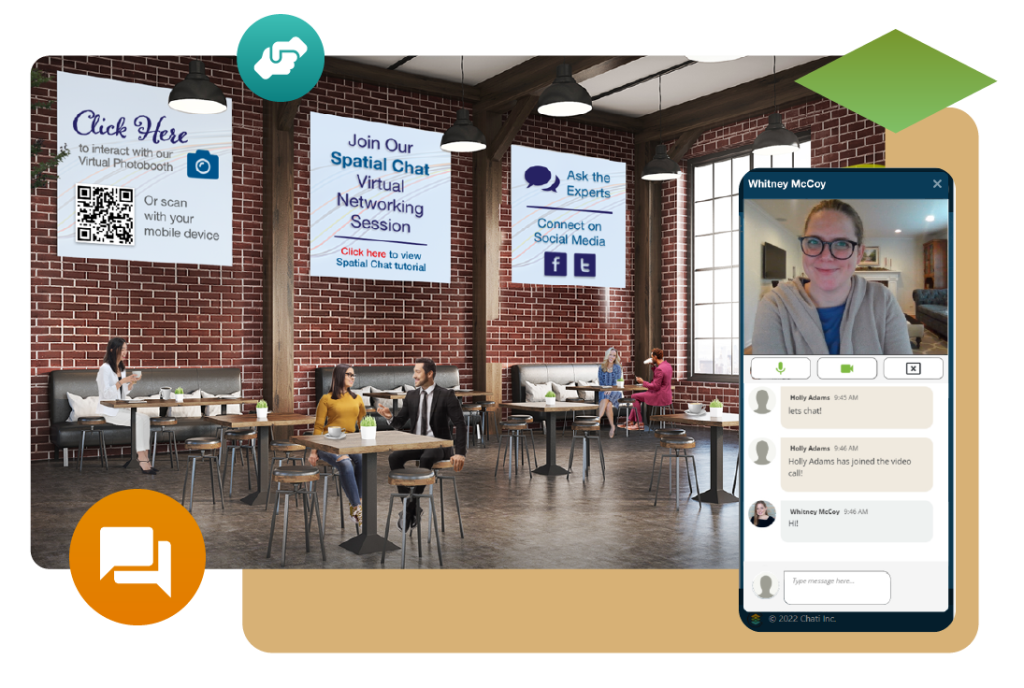
Virtual conferencing fundamentally alters traditional event planning and management approaches, specifically, how organizers conceptualize, execute, and evaluate events. Unlike traditional in-person gatherings, virtual conferences eliminate geographical constraints and logistical complexities, offering greater flexibility and accessibility to organizers and attendees. This shift has prompted a reimagining of event formats, with organizers leveraging digital platforms to deliver engaging and interactive experiences tailored to remote audiences.
Additionally, virtual conferencing has democratized event participation, allowing individuals from diverse backgrounds and locations to join discussions, network with industry peers, and access valuable content without travel or accommodation costs. Furthermore, the data-rich nature of virtual conferences enables organizers to gather real-time insights into attendee behavior, preferences, and engagement levels, empowering them to make informed decisions and optimize future events for maximum impact.
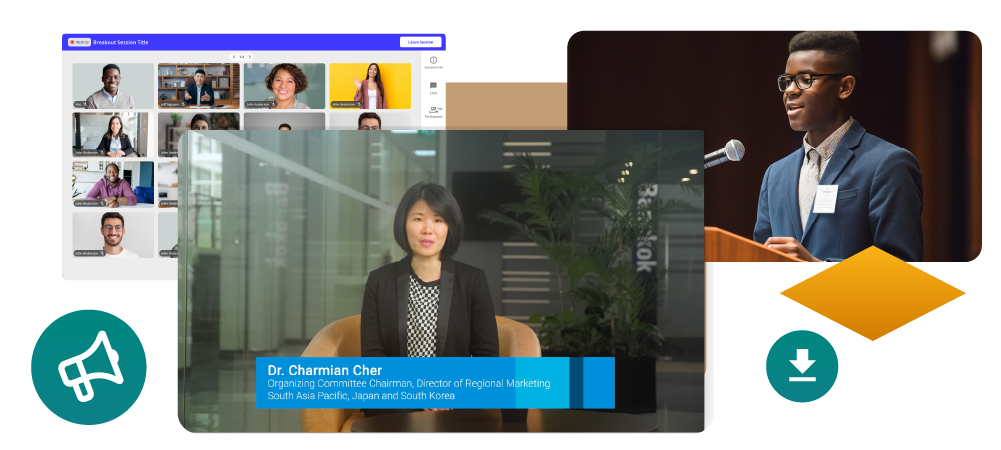
Leveraging social media platforms can enhance the visibility and engagement of virtual conferences. With billions of users worldwide, social media offers the opportunity to connect with attendees, create anticipation, and foster ongoing interaction before, during, and after the event. Utilizing strategic approaches can amplify the conference's reach, drive attendee participation, and cultivate a vibrant online community around the event. Below are some effective strategies for leveraging social media to optimize virtual conference visibility and engagement:
Generating high-quality leads from virtual conferences is a unique challenge that requires innovative solutions. Organizations can effectively overcome these hurdles and maximize lead-generation opportunities by employing strategic approaches. Here are three proven solutions to address these challenges:
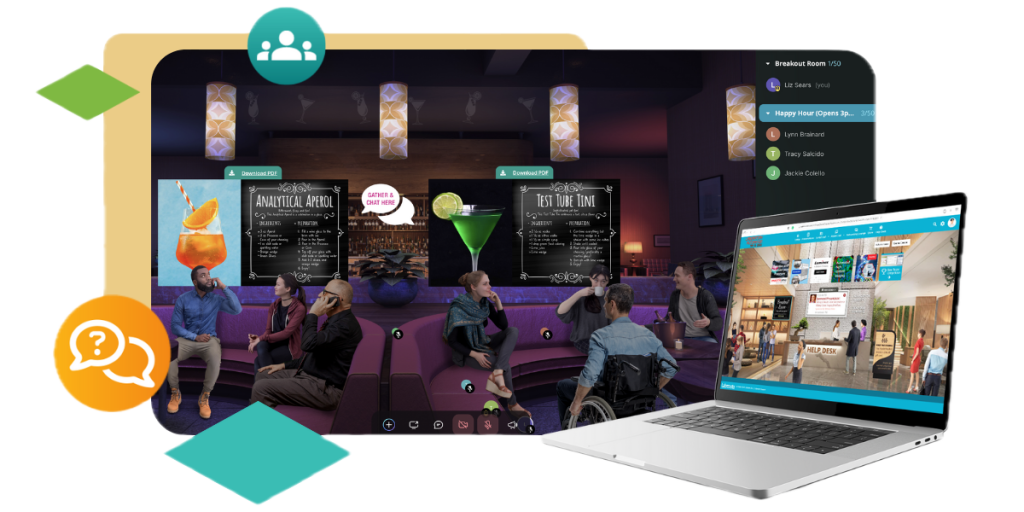
Maintaining attendee interest and participation is a common problem for virtual event organizers and managers. Organizers can employ various strategies to engage and captivate participants in these situations. Diversifying content formats, including interactive workshops, presentations, panel discussions, and Q&A sessions, ensures attendees remain intrigued and actively involved.
Gamification elements such as polls, quizzes, and challenges enhance engagement by transforming passive observation into interactive participation. Cultivating a sense of community through networking opportunities and group activities fosters connections among attendees, fostering a vibrant virtual environment. Encouraging real-time interaction through live chat sessions and audience-driven Q&A sessions empowers attendees to engage with speakers and peers actively, driving dynamic discussions and feedback. Finally, optimizing technical infrastructure and providing reliable support ensures seamless participation, minimizes disruptions, and enables attendees to focus on the conference content. By implementing these strategies effectively, organizers can create engaging and immersive virtual conference experiences that maximize attendee participation and satisfaction.
Everything listed above is vital for a successful virtual conference, and these reasons are magnified for large-scale virtual conferences since they are typically on a global scale. Therefore, it is crucial to adhere to best practices for effectively managing and executing large-scale virtual conferences, including recognizing your target audience, marketing and promoting your event, pre-conference preparations, recruiting lead event host, aka "master of ceremonies," enabling networking opportunities for your attendees, monitoring attendee engagement throughout the event, and receiving appropriate feedback from your attendees as soon as the event ends or a short time later.
During your preparations, emphasize to your attendees that feedback from your team members during the event might take a little longer than usual due to the size of the event but that you will adhere to their requests as soon as possible. Large-scale events typically encompass numerous time zones and geographic locations, so recording sessions are vital to ensure attendees worldwide can contribute later.
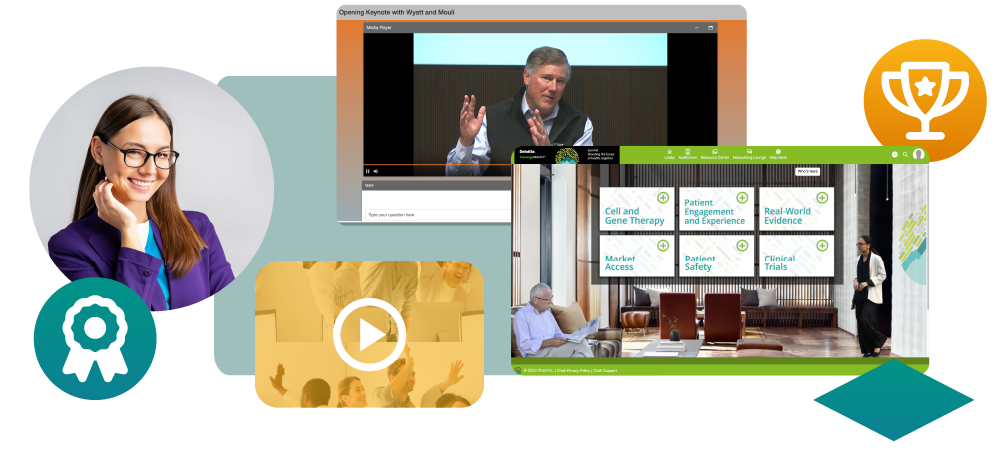
Virtual conferences will continue to evolve to meet the needs of individuals from all professions and backgrounds for years to come, and a large reason will be due to hybrid events, which bridge the gap between in-person and virtual conferences in one package. As noted, your attendees will hail from several time zones and geographic locations, and hybrid events offer them many opportunities to seamlessly engage with individuals in their field without needing to attend in person. Hybrid events offer cost-effective and environmentally friendly methods to unite people, enabling you to host large-scale events with smaller in-person venues since most of your attendees will be online. This will result in a reduced carbon footprint from less travel and local resources needed for the event. Overall, hybrid events increase reach and attendance while offering greater participant flexibility.
Hybrid events offer unique opportunities for increased attendee engagement, primarily from your event's larger—most often global—reach, which only improves diversity, inclusivity, and connectivity for individuals from all over the world. Like virtual conferences, hybrid events offer diverse content, including gamification, polls, quizzes, interactive workshops, and Q&A sessions. Additionally, breakout rooms offer your attendees from both in-person and virtual audiences the opportunity to engage with each other, helping to break down geographic barriers for individuals from all backgrounds and professions. With hybrid events, your virtual conference can be taken to the next level, enabling you to enhance engagement and foster lasting connections for everyone.
Successful hybrid events leverage virtual conference software to create seamless hybrid events experiences, including user-friendly interfaces and systems, mobile apps, successful integrations with other systems, and advanced proficiencies. The best software packages also provide supplemental tools, including secure payments, several registration/ticket options, guest speaker info and images, virtual spaces for one-on-one interactions, and post-event feedback surveys. With hybrid events, the successful integration of virtual conference software is essential because it enables increased diversity, inclusivity, and connectivity for individuals worldwide.
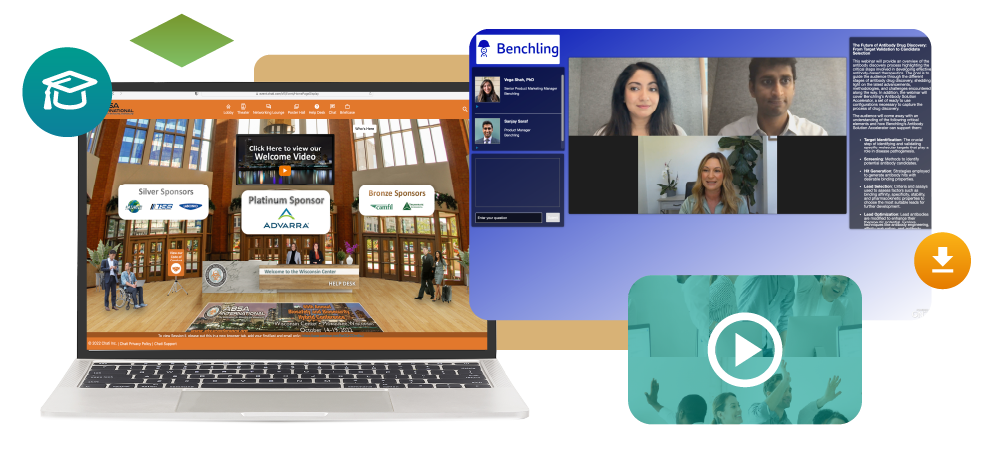
Virtual conferencing enables individuals from all personal and professional backgrounds to seamlessly share new ideas and engage with others in their field. The expansion of VR technologies and AI enables event organizers and attendees to engage in new and exciting ways while offering myriad tools that allow attendees to seamlessly engage with each other through the event, including gamification, breakout rooms, and live chat sessions. Additionally, hybrid events can enhance virtual conferences, which offer the best in-person and virtual experiences for individuals worldwide.
With this blog, we are making a call to action for embracing innovation and adapting to the changing landscape of virtual conferencing. We have highlighted many key trends and insights into how event organizers and attendees can use virtual conferencing to maximize engagement and connectivity for individuals from all professions and geographic locations. Virtual conferencing will continue to evolve and improve, and we are confident you will come away with this better preparation for your next virtual conference.
The COVID-19 pandemic forced the world's population to reshape their lives as everyone stayed indoors to prevent the spread of the coronavirus. The result was that traditional, in-person events, where networking was the priority, quickly became virtual-only events. In this post-Covid world, many of these events have returned to being in-person while continuing to include a virtual aspect. These 'hybrid' events are rapidly becoming the new norm for networking. A recent survey found that 66.5% of event professionals predicted that hybrid events will be incorporated into all future event strategies.
Due to geographic boundaries and financial costs, many would-be event attendees worldwide are unable to attend in-person events. These factors alone highlight the increased relevance of blending physical and virtual events. With a hybrid approach, your event can increase inclusivity and diversity, which will build stronger relationships and foster connectivity for both the short- and long-term. As we enter 2024, it's essential to understand not only the fiscal benefits of going hybrid but also how to develop successful and effective hybrid events. Here, we will discuss the steps to create a truly successful hybrid event in 2024.
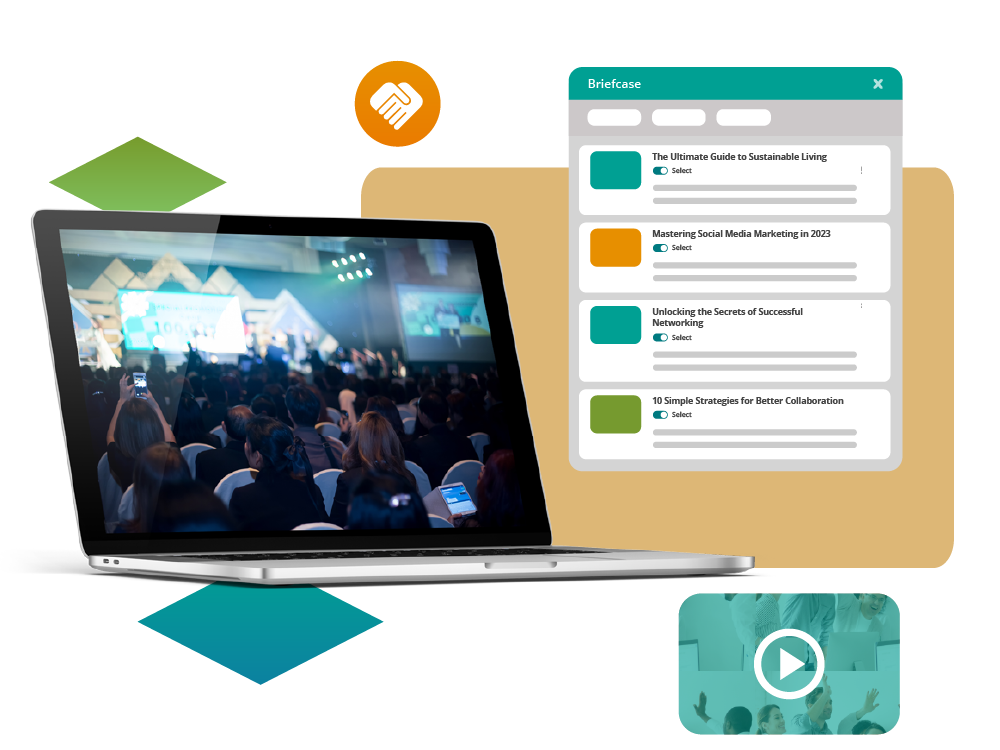
Hybrid events offer many benefits compared to strictly virtual or in-person events, including extended reach, improved engagement, and flexibility. Much like virtual events, hybrid events break down geographic barriers so individuals have the choice to attend in-person or virtually. Adding virtual components opens the door to those who may be unable to attend due to geographic, financial, or scheduling circumstances.
By harnessing the power of both worlds, hybrid events provide greater inclusivity, engagement, and networking opportunities that virtual or in-person events can't provide on their own. Additionally, they provide an opportunity for first-time attendees to "dip their toes" into your brand, allowing them to attend in person for future events.
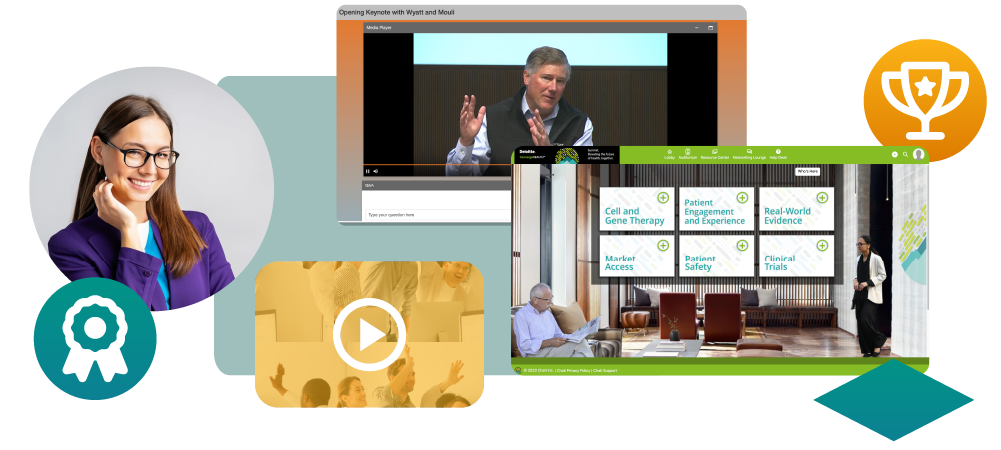
When planning your hybrid event, understanding and catering to physical and virtual attendees are crucial for your success. Maintaining equal engagement levels for both audiences is complicated but vital. For instance, if you are hybridizing a conference, a good starting point is to include strong and consistent live-streaming with a reliable internet connection so your virtual audience can engage with speakers and in-person audience members in real-time.
Like all events, hybrid events require tailored content and engagement to meet the needs of both virtual and in-person attendees. Provide resources for the seeing- and hearing-impaired and opportunities for individuals in various time zones to participate through easily accessible taped talks, real-time captioning, multi-lingual captioning, and landing pages or virtual event spaces that can be easily converted from text to speech/audio.
Selecting a venue that supports physical and virtual components is vital when planning your hybrid event. If considering a hybrid element, make sure the venue you choose has a reliable internet connection, AV accessibility, and adequate facilities for the on-site virtual event management staff. With these features, your virtual audience may experience a more engaging event.

All successful hybrid events require effective event management practices, beginning with registration, ticketing, and attendee support for both audiences. When promoting your event, providing a seamless registration process provides your attendees with an excellent first impression of your event. Ongoing attendee support ensures attendees that the event is effectively managed. Peace of mind in the little things makes a huge difference for both audiences.
The importance of a seamless attendee experience must be noticed and addressed, from the registration page to the sessions to the post-event feedback. When your attendees have the most seamless experience possible, they leave your event with a sense of fulfillment and are excited for your future events.
Since some of your hybrid event attendees will inevitably be virtual, it's vital to consider the various time zones they will be attending from. Some attendees will not be able to see certain sessions live, so it's recommended to provide archived sessions on-demand so they can view them later, either during the event or afterward. Having streamed sessions available on-demand ensures a wider reach for your content and allows attendees to view content they would otherwise have missed.
Additional strategies for accommodating global participants include captioning available in multiple languages, flexible scheduling, and 24-hour virtual support.

Regarding enhancing attendee engagement and interaction, breakout rooms offer enormous opportunities to foster small group discussions and networking for in-person and virtual audiences. This is because breakout rooms are exactly as their name describes, as a break from the chaos and large crowds of the event and an opportunity to breathe and engage one-on-one with other audience members, which increases inclusivity and diversity while building lasting relationships and fostering valuable connections. Virtual match-making allows those with shared interests to meet and interact with one another when they may otherwise feel left out of the in-person experience.
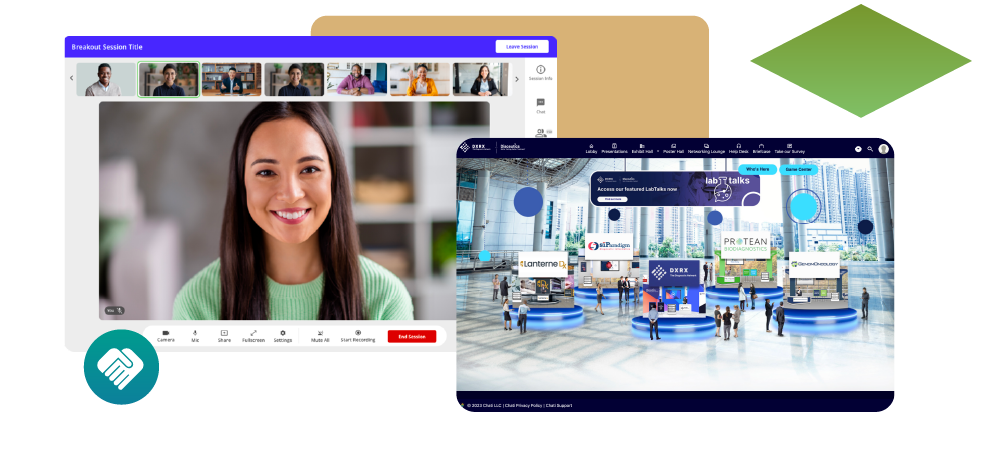
Hybrid events thrive on live interaction and engagement between in-person and virtual audiences, and the value of live Q&A sessions for attendee engagement cannot be overstated. Live interaction allows both audiences to share and learn from each other, building relationships and fostering connections for both the short- and long-term.
When facilitating interactive Q&A sessions, it's vital to maintain a sense of direction and order, as having the right session host or chairperson can help keep everyone on the same page and allow everyone the opportunity to interact equally, whether from the virtual or in-person audience.
Taking advantage of the social media landscape is vital to a successful hybrid event. This can include using your company's social media pages to promote and broadcast the event and creating alternative social media pages for various event components. The myriad of social media platforms, including Facebook, X (formerly known as Twitter), Instagram, Bluesky, and Mastodon, to name a few, makes it possible to target your audience effectively and interact with them in a familiar and friendly environment.
By harnessing the power of social media, your hybrid event and your brand can amplify real-time interaction for virtual and in-person audiences worldwide. This can be accomplished through live streaming on social media platforms or encouraging direct messaging if you wish to engage with an attendee one-on-one.
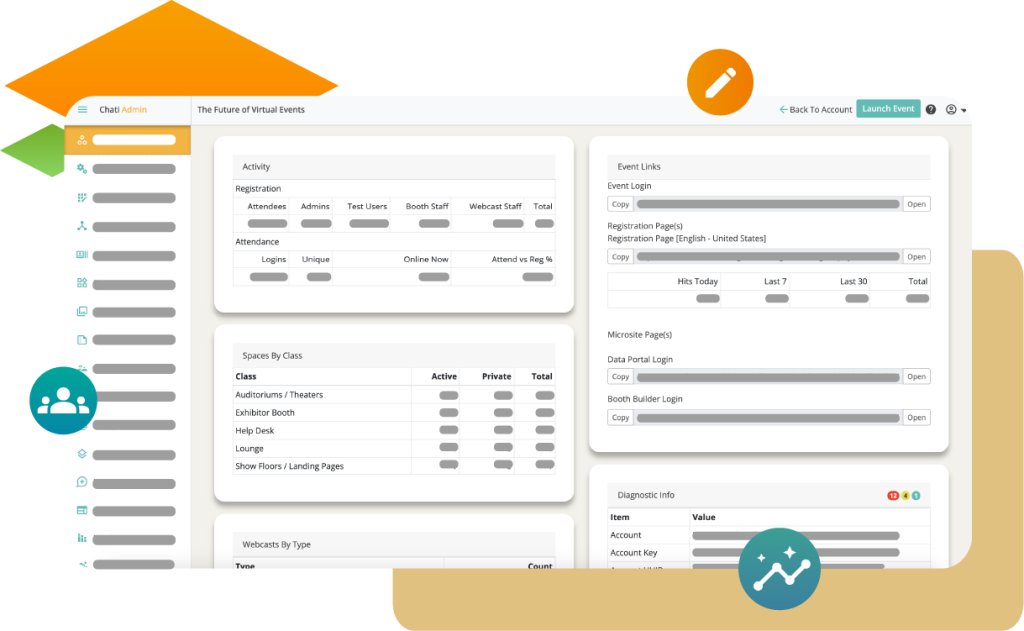
Collecting and analyzing data during and after the event will provide valuable feedback regarding engagement and logistical metrics, ensuring your attendees from both aspects of the event obtain equal engagement and networking opportunities. This includes ensuring strong and consistent live-streaming capabilities for your virtual audience and seamless engagement with in-person attendees.
All endeavors require feedback to ensure success going forward, and obtaining feedback for hybrid events is crucial since there are two different types of audiences you're helping. This can be conducted with post-event surveys and emails, but also provide contact information in case your attendees might remember aspects of the event later.
Successful feedback will not only ensure your latest event's success. Still, it will also inform future hybrid events on what steps need to be taken to ensure maximum engagement, inclusivity, and diversity for attendees worldwide.
Hybrid events have become a cornerstone to networking and engagement, especially in this post-Covid world, and following these strategies will ensure that 2024 will have even more successful hybrid events that improve inclusivity, diversity, and engagement for everyone. This includes providing appropriate venues, technological and logistical readiness, catering to your audience's needs, and receiving relevant feedback from your audience, both virtually and in person.
As the digital landscape continues to evolve, future trends and hybrid event experiences will also continue to evolve. With these strategies, you can ensure solid and impactful hybrid events through 2024 and beyond!
Sources: Impact XM, Stova, Deal Room, vFairs, Airmeet, MeetingPulse

