Discover how Chati's self-service licenses give you full control - build, update, and launch virtual events on your terms. Register for our free webinar today!
Virtual events are successful due to their myriads of features that help enhance attendee engagement throughout the event, with gamification becoming one of the cornerstone features designed to promote safe and friendly competition while building lasting relationships for individuals worldwide.
Here, we will discuss the various gamification strategies that you can implement for your next virtual event to promote friendly competition among your attendees. These strategies include using relevant gamification elements, trivia, providing incentives and rewards, integrating into your virtual event platform, and much more. By doing so, you increase diversity, inclusivity, and connectivity for everyone.
All endeavors begin with a solid foundation, and defining clear objectives for incorporating gamification in your virtual event is an essential first step in building an effective gamification strategy. This is accomplished during the planning stages of your virtual event, which often begins months before the event itself, as this provides ample time to adjust based on trends and other factors.

These factors include aligning gamification strategies with event goals and audience preferences, as gamification aims to promote attendee engagement. Therefore, gaining attendee insight before the virtual event via email surveys or other means is an excellent way to establish the types of gamification features that will maximize engagement throughout the virtual event.
Additionally, establishing key performance indicators (KPIs) for measuring gamification success is vital for determining which gamification features hit your engagement goals and which can be discarded during virtual or future virtual events.
Selecting gamification elements that align with your event theme and content will help you maintain continuity throughout the virtual event, enabling your attendees to stay engaged while building your brand. This is accomplished through establishing your event theme during the planning stages of the virtual event, which is recommended to occur months in advance.

Consider gamification mechanics such as points, badges, leaderboards, and challenges to incentivize participation among your attendees. This can be accomplished publicly or privately, but determining the best approach should be established before the virtual event when gauging audience preferences through email surveys or other means, along with informing your attendees beforehand.
Determining which gamification features resonate most with your attendees is essential for hosting a successful virtual event. Through this, you build camaraderie while fostering lasting relationships with individuals from all over the world.
When planning your virtual event, you should focus on creating engaging, gamified activities that encourage participation and interaction. This is accomplished by informing attendees about your gamification features leading up to the event and establishing a framework that enables them to come prepared to participate and engage throughout the virtual event.
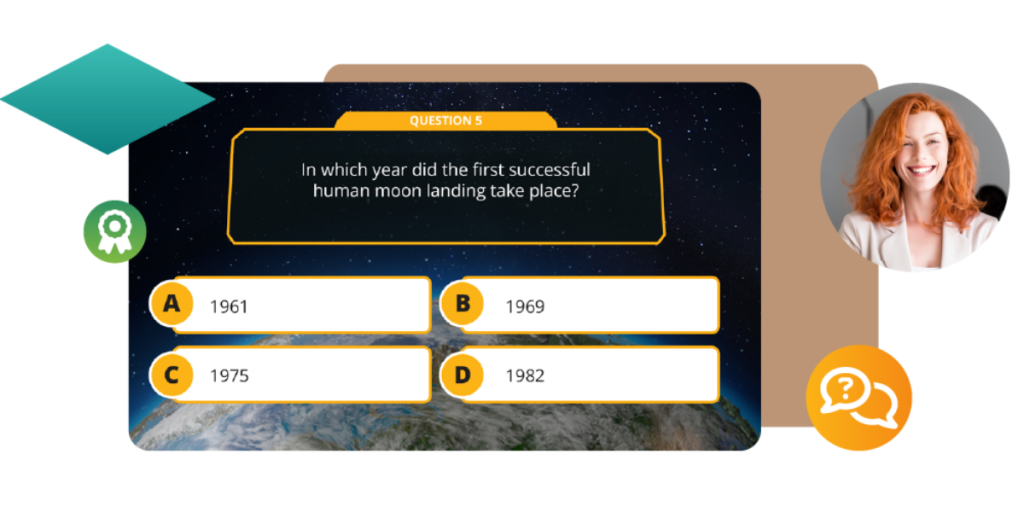
Developing challenges, quizzes, trivia, or scavenger hunts relevant to your event topic will help establish continuity throughout the virtual event while building your brand among your attendees. As mentioned above, this is accomplished during the planning phase of your virtual event, where you can use audience preferences combined with your theme to build every aspect of the gamification features down to the smallest detail.
Incorporating gamified elements throughout your event agenda and content will help maximize engagement while enabling attendees to foster lasting relationships. This will increase diversity, inclusivity, and connectivity for individuals from all over the world.
Offering incentives and rewards to motivate attendees to participate in gamified activities is a surefire way to get attendees excited about your virtual event. This can be accomplished via pre-event emails or texts, providing one to two examples of rewards while keeping the rest for the virtual event.
Examples of incentives and rewards include providing prizes, discounts, or exclusive access to high-scoring participants, which can be redeemable once the virtual event has concluded. This allows your attendees to maximize their participation in a safe and competitive environment while fostering relationships with individuals from all over the world.
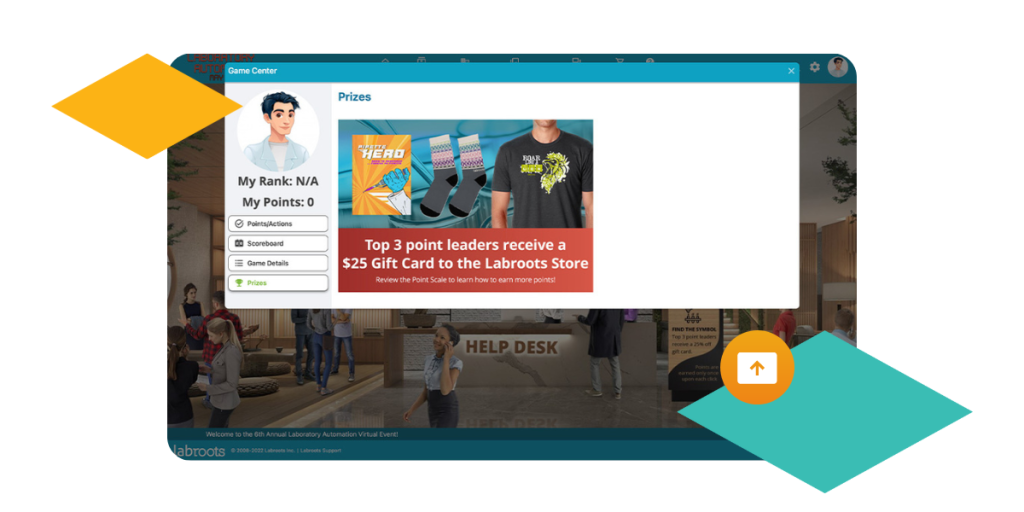
It cannot be understated how important it is to create a sense of achievement and recognition for participants who engage with gamification during your virtual event. This enables your attendees to foster lasting relationships while increasing diversity, inclusivity, and connectivity with individuals from all over the world.
Fostering healthy competition among attendees through leadership and rankings is another crucial aspect of your gaming experience that could maximize your attendees' participation throughout the virtual event. As noted above, this can be accomplished either publicly or privately, but it should be established during the planning phases of the virtual event and informed to your attendees beforehand.
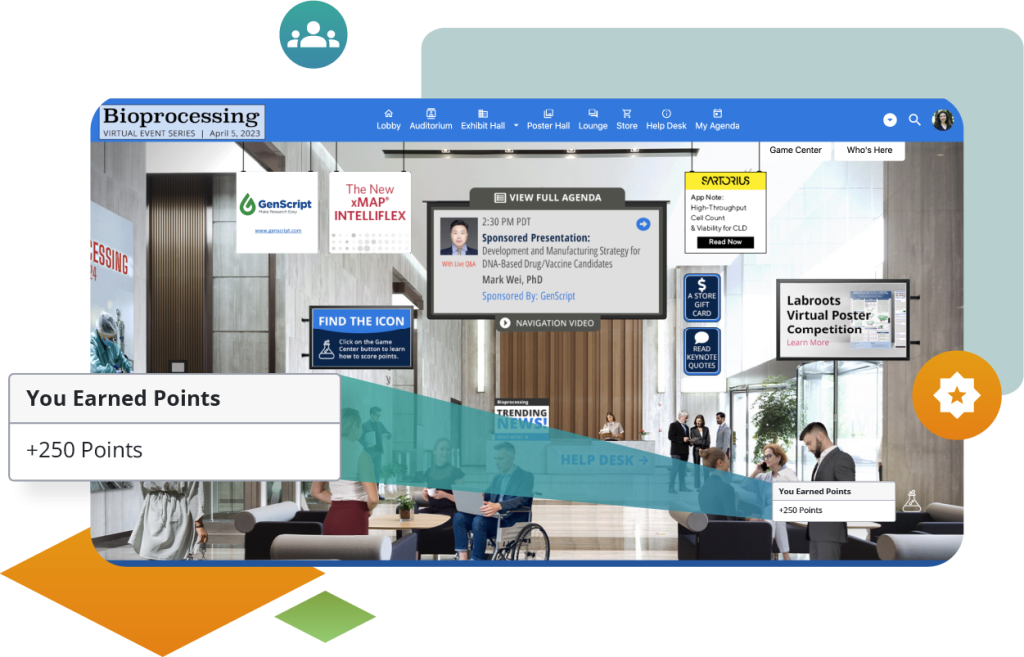
Additionally, encouraging collaboration and teamwork through group challenges and collaborative activities is an excellent way to maximize attendee participation throughout the virtual event. This can be accomplished via pre-event email reminders and periodic reminders throughout the virtual event. This increases diversity, inclusivity, and connectivity for individuals from across the globe while enabling them to foster lasting relationships.
Providing opportunities for attendees to connect and interact through gamified elements cannot be understated. This enables individuals from all personal and professional backgrounds to engage and connect while building your brand and helping them build their virtual networking skills.
Integration is essential for a successful virtual event and attendee experience. You can accomplish this by utilizing gamification features built into your virtual event platform or software prior to the event. You should test every aspect of the integrations several weeks to months in advance to ensure that everything is fully functional without flaws or bugs that could hinder your virtual event.

Also, exploring third-party gamification tools and platforms for enhanced engagement could serve as a primary or backup method for gamification should your integration strategies fail. As stated above, this can be accomplished during the virtual event's planning stages to ensure whether integration or a third party is more appropriate for your gamification needs.
Finally, it is recommended that you seamlessly integrate gamification elements into your event registration, sessions, and networking areas to maximize attendee engagement. This will help build your brand while enabling your attendees to develop their virtual networking skills.
As noted above, it is recommended to establish gamification elements and features during the virtual event's planning stages. Pre-event marketing can also generate excitement and anticipation for gamification. This can be accomplished via pre-event emails and surveys, along with creating social media accounts strictly for the virtual event itself.
Providing clear instructions and expectations for participating in gamified activities is essential to achieve a seamless experience for your attendees. As noted above, this can be accomplished during the planning stages of the virtual event via pre-event emails and texts, which will keep your attendees up to date with the latest information about your virtual event gaming experience.

It cannot be understated how important it is to use event communication channels to remind attendees about gamification opportunities throughout the event. This will ensure that both the event organizers and the attendees are on the same page regarding the gamification features, ensuring a seamless experience throughout the virtual event's duration.
During the virtual event, it is recommended that you track and analyze data related to gamification performance and engagement metrics to ascertain attendee participation and make on-the-fly changes for the current event or even for future events. This will maximize attendee engagement while helping them build their virtual networking skills.

This includes monitoring participation rates, points earned, and feedback from gamification participants to improve the gamification experience for everyone. This can be accomplished with support personnel and artificial intelligence software. This will ensure a constant dialogue between attendees and event organizers while increasing diversity, inclusivity, and connectivity for everyone.
Using data insights to identify successful gamification strategies and areas for improvement is vital for not only the current virtual event but also future virtual events. This ensures constant dialogue between event organizers and attendees while striving to improve gamification features in the short and long term.

Feedback is essential for improving future events, and gathering feedback from participants on their gamification experience is vital to improving both current and future virtual event engagement. We also recommended that you consistently experiment with new gamification ideas and adjust based on attendee preferences to ensure maximized engagement and improvement for those strategies.
The planning stages of a virtual event set the foundation for the event's goals. Evaluating gamification success based on key performance indicators (KPIs) and objectives will ensure you maximize attendee participation while building your brand and helping attendees achieve their goals.

This includes determining the return on investment (ROI) and impact of gamification on attendee engagement and event satisfaction. This will help ascertain what gamification strategies worked and which ones didn't achieve your goals. This will allow you to use insights to inform future event planning and gamification strategies, which will lead to increased diversity, inclusivity, and connectivity for everyone.
Here, we discussed strategies for incorporating gamification into your virtual event, including establishing clear goals and objectives, providing incentives and rewards, promoting the gamification experience before the event, and much more. We emphasize the importance of engagement and interaction in virtual events to create memorable and impactful virtual experiences for everyone through gamification.

We encourage our readers to implement gamification strategies in their virtual events to maximize attendee engagement and participation, build your brand, and enhance the attendees' virtual networking skills. Additionally, we invite readers' feedback and comments on how Chati can improve our gamification experience for our attendees. Contact Chati for further information regarding our gamification features and schedule a demo today!
While virtual and hybrid events cater to large, diverse audiences, the goal of a webinar is to focus on a singular topic that a specific targeted group of attendees are there to learn about, which traditionally follows a speaker, presentation, and Q&A session format. Webinars are also different because they're not designed to mirror in-person events like many modern virtual events. On the contrary, the webinar format is purely virtual and doesn't present any other way. Because of these reasons, the impact of webinars can be a powerful tool for virtual engagement for both your brand and the attendees.
Like all virtual experiences, preparation is key. Before our webinar, you must set the stage for crafting an engaging and interactive experience that everyone can enjoy. This means ensuring that all speakers are properly scheduled and rehearsed in advance and that your audience is prepared with any questions they might have for the Q&A session. Additional preparation includes targeting the right audience and ensuring all technological aspects of the webinar are operating smoothly before the webinar.
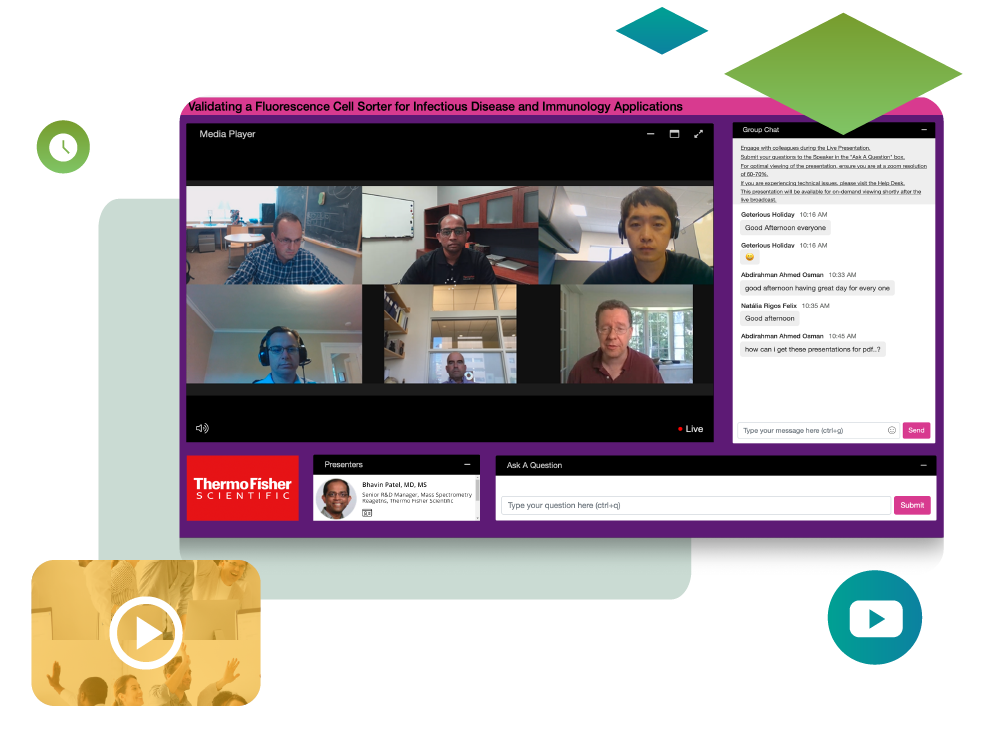
Since webinars are focused on a single topic, targeting the right audience is vital for success. Identify audience needs, interests, and expectations, which will be your foundation for hosting an interactive and engaging webinar.
One way to accomplish this is by tailoring webinar content to address specific pain points, needs, and challenges. For example, what challenges are your target audience facing in their respective industry, and how will your webinar address them? While planning your webinar, you can learn more about your target audience through interviews, surveys, and additional research.
Another way to ensure you have the right audience is to use targeted digital marketing methods like email marketing to specific lists, social media marketing on accounts related to your topic, and having an ad presence on websites relevant to your content in the form of banners and sponsored content.
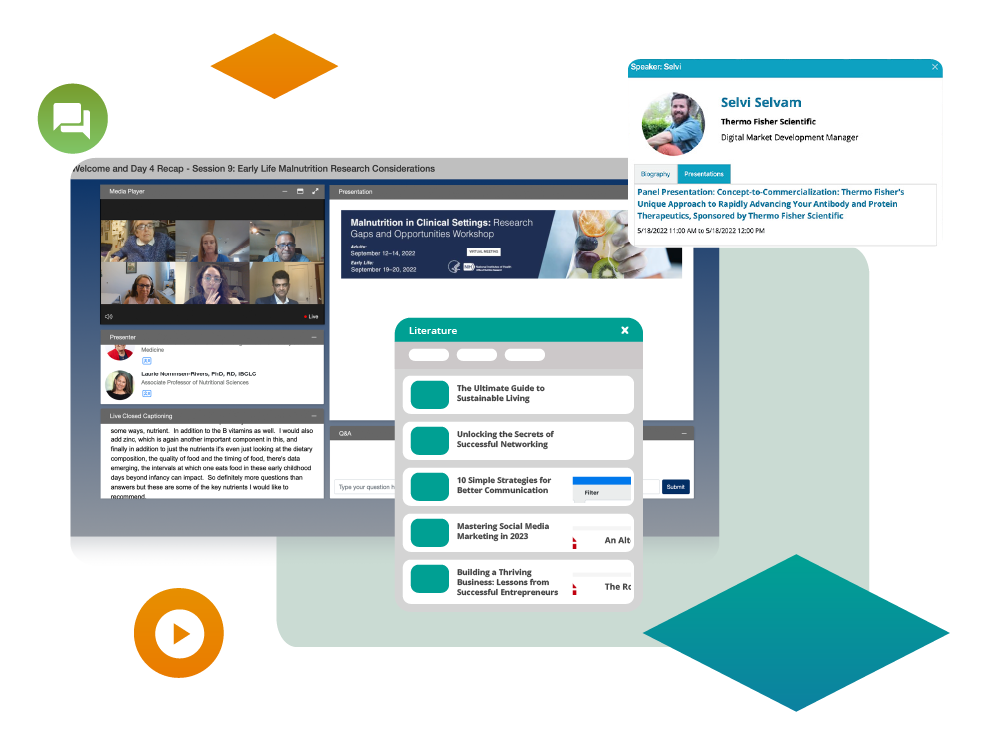
To make your webinar as engaging as possible, utilizing high-quality visuals, slides, and graphics will add a next-level sense of professionalism and visibility for your attendees to enjoy and remember long after the webinar concludes. Crafting visual content to capture the eye will demonstrate how serious you are about audience interest, leading to a sense of inclusivity and building lasting connections for everyone.
However, try not to get carried away with the visuals, as balancing visual elements with clear and informative content will enable your attendees to remain engaged and attentive throughout the webinar. Interactive content like polls, surveys, real-time Q&A sessions, live discussions, and collaboration increases engagement and audience participation.
As noted, traditional webinars use the format of a speaker, presentation, and Q&A session. The most successful presentations showcase experts and thought leaders who provide actionable insights. The speakers you select should captivate your audience while enabling them to ask insightful questions afterward. These experts should have considerable experience in their respective fields and the ability to communicate the topic in an easy-to-understand manner.
Speaking engagements are as successful as the interaction they bring with them, and delivering value-driven content that resonates with participants is a surefire way to enable your attendees to ask compelling and insightful questions once the presentation ends.
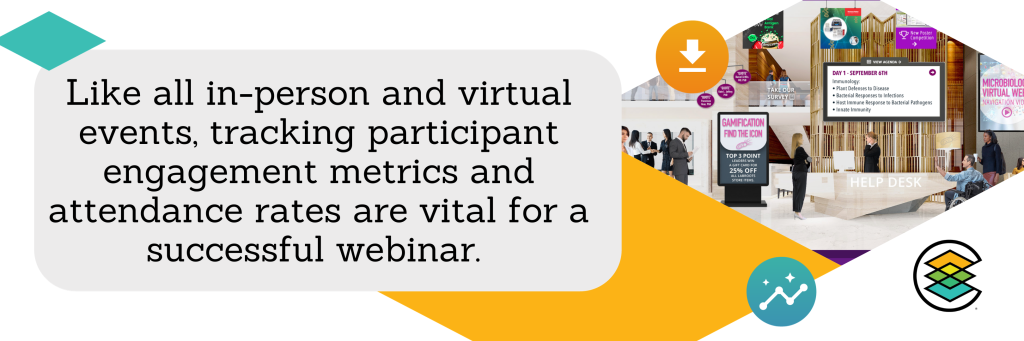
Like all in-person and virtual events, tracking participant engagement metrics and attendance rates are vital for a successful webinar. You can accomplish this through the virtual platform you use to host your webinar, through direct monitoring by team members, or even through artificial intelligence, which can track the engagement and interaction between your attendees and the speaker.
Like all events, gathering post-webinar feedback for continuous improvement is essential to ensure successful future events. Try using emails or post-webinar surveys immediately following the webinar or shortly afterward to capture fresh takes on user and attendee experience.
Webinars are a tried-and-true solution to getting your information out to a targeted audience. As a standalone experience or part of a larger virtual or hybrid event, webinars can help build your brand, increase name recognition, and develop you as a leader in your field or industry. While preparing your webinar remember to:
Sources: Goldcast, Cvent, Aspiration Marketing Inc., InEvent, Nebraska, BeaconLive

