Discover how Chati's self-service licenses give you full control - build, update, and launch virtual events on your terms. Register for our free webinar today!
With an increasing number of companies shifting to a fully remote workplace, maintaining team cohesiveness is more important than ever. Remote work and its lack of in-person engagement run the risk of causing teams to experience social isolation and the potential blurring of work-life boundaries. Therefore, companies and workplaces must adopt strategic remote team-building methods specific to this type of work. Here, we will discuss how simple things like icebreakers and trivia games can help ensure a team is at the top of its game while providing the necessary level of cohesiveness and camaraderie.
Remote work allows for greater flexibility and increased productivity but can also lead to social isolation, with additional challenges including trouble communicating and time management. Like in-person work, remote employees also experience procrastination, but remote work can amplify these habits as many work from home and have access to things that promote procrastination. By increasing camaraderie and social interaction in the virtual workplace, you can reduce the likelihood of succumbing to these distractions and sources of procrastination.
Online games and icebreaker questions aim to alleviate social anxiety from working in a team and metaphorically 'break the ice,' that separates virtual team members who may have never met in person. Straightforward tasks geared towards helping your team get to know each other better lead to increased workplace engagement.
Several types of online games are suitable for remote teams, including virtual escape rooms, team-based video games, and collaborative online puzzles. Other possibilities include gift swaps, messy desk pics, social chat channels, and book clubs, to name a few. While some activities can be accomplished occasionally, others can be accomplished regularly. Balance is critical, and striking the right balance of games and trivia within the workplace will help build a more robust long-term team.

Examples of successful online game-based team-building activities include Pancakes vs Waffles, Virtual Pub Crawl, Typing Speed Race, Virtual Dance Party, Jackbox, and Spreadsheet Pixel Art, to name a few. Be sure to check virtual event companies like Chati for virtual team-building games that would suit the size and format of your team. These activities can be fun and impactful while requiring minimal effort in producing and engaging.
As the popularity of remote workplaces has increased, so has the popularity of virtual trivia games, which help bring people together while encouraging teamwork and promoting learning within the remote working environment. Additionally, virtual trivia games boost employee engagement, enhance problem-solving skills, and promote collaborative efforts among remote employees.
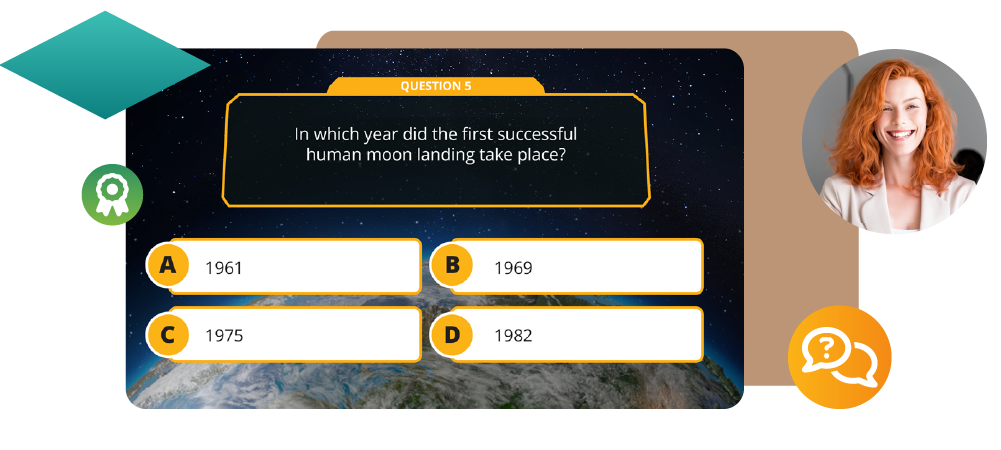
Successful virtual trivia sessions start with proper organization, framework, and goals, like all endeavors. This involves constant communication with your team regarding the time of the event and what the sessions hope to accomplish in the short- and long-term. An essential first step is to plan the virtual trivia event well in advance, possibly several weeks or months ahead, allowing your team plenty of time to prepare. Additionally, periodic reminders of the event are also helpful in allowing your team to come prepared the closer the event arrives.
A significant benefit of virtual trivia is that it promotes knowledge-sharing and camaraderie among remote employees, as the event provides your employees the rare opportunity to get to know each other and learn about each other, which only builds lasting connections, much like a virtual event or webinar.
The primary role of icebreaker questions in remote team meetings is to increase inclusivity, which builds team bonds and allows them to engage on a more personal level. These bonds will carry over into the workplace environment, leading to more success in daily practice.
Examples of creative icebreaker questions for virtual team sessions include:
The important note is to keep things simple with questions that spark conversation and engagement. These icebreaker questions can range from fun to awkward and can be catered to individuals based on interests you already know about. Just like virtual events and webinars, it's essential to receive feedback before the event to gauge what questions could impact cohesiveness and camaraderie most. Try sending out a survey to glean some preliminary information about the participants. Do several people enjoy reading? Video games? Cooking? Incorporate these elements into your icebreaker questions!
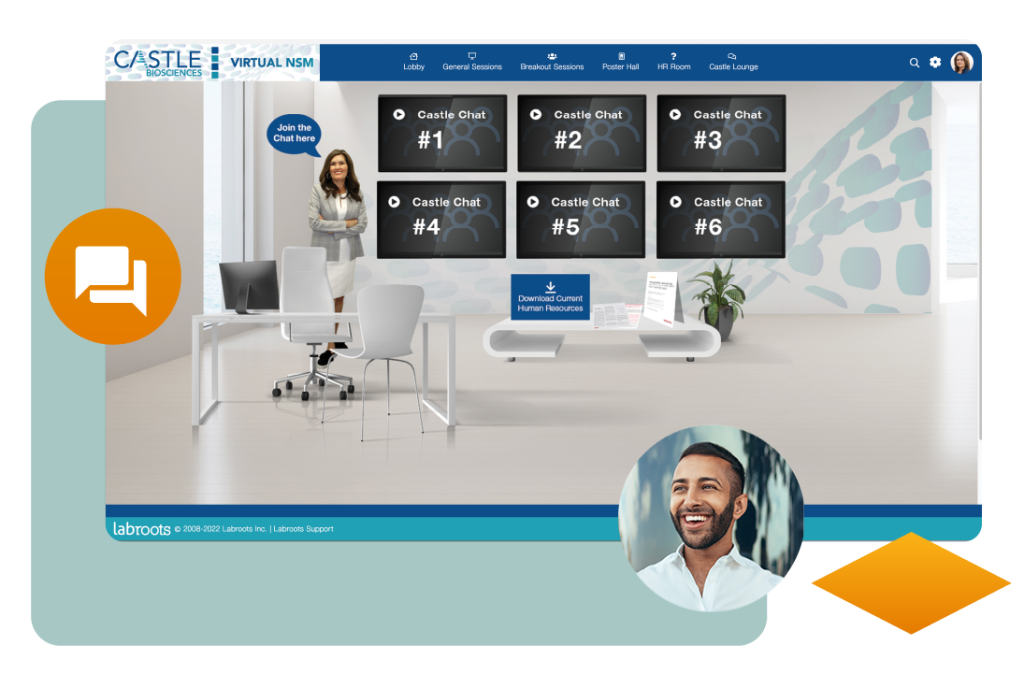
Real-time communication and engagement in remote work must be balanced, as constant contact is vital to successful business and team engagement. While Slack has become one of the most mainstream platforms for remote work, other platforms include Microsoft Teams, Discord, Google Chat, Troop Messenger, and Flock. Research shows that spontaneous conversation sparks novel ideas among co-workers. These platforms allow for real-time communication, ensuring a constant flow of information throughout the workplace and promoting these 'spontaneous' interactions.
Like virtual events and webinars, surveys and feedback are vital to gauging the impact of team-building efforts, maintaining camaraderie, and building cohesiveness among remote work employees and employers. A survey could inquire about their level of engagement and what aspects of the event they enjoy the most and which aspects the least. This feedback will also ensure the next virtual team-building event is much more successful.
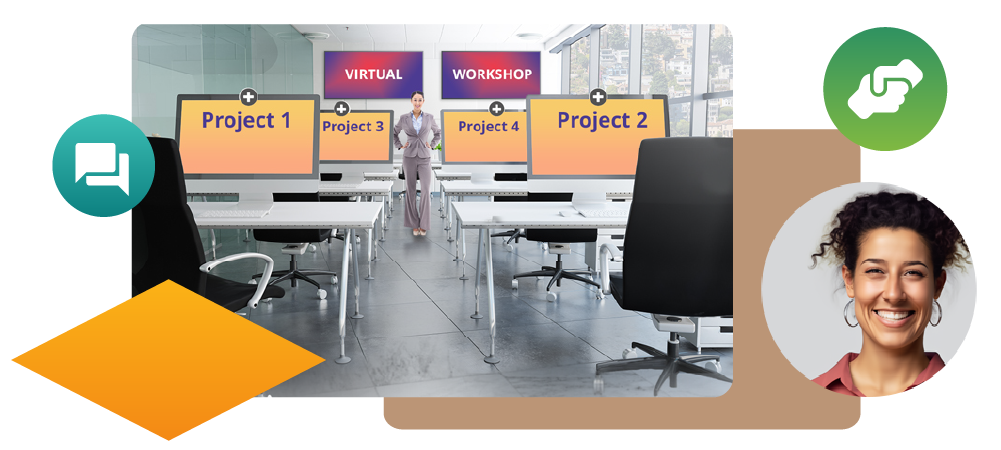
While remote work has some drawbacks in terms of team bonding and engagement, virtual team-building exercises like online games, trivia, and icebreakers can increase inclusivity and camaraderie while building team cohesiveness for both the short- and long-term. When developing virtual team building activities, make sure to give your employees plenty of notice ahead of time while keeping the activities simple, along with getting appropriate feedback afterward.
The importance of team building cannot be overstated, and using team building activities will ensure employees are engaged and ready for the next challenge. Employees work the best when under the least stress, and virtual team-building activities are an excellent way to break the social isolation that comes with remote work while building camaraderie among everyone.
Sources: Calendar.com, HubSpot Blog, Atlassian, MuseumHack, MuseumHack 2, Funny-Business, Fortune
Team building exercises are an excellent way to boost morale among your team, and in this post-Covid era where more and more employees work remotely, virtual team building exercises can be just as beneficial as in-person team building exercises. Such exercises build camaraderie, collaboration, and leadership skills and can help you learn more about your coworkers and other positions within your company. They can also mitigate Zoom fatigue, enhance productivity and innovation, improve team communication, and break the loneliness cycle that sometimes comes from working remotely.
Virtual team building is the ongoing process of creating connections between remote workers through various communication avenues. Due to the lack of in-person interactions, building transparency and trust amongst each other is even more crucial, and virtual team-building exercises work to achieve this. For example, a company might decide to have a Halloween costume contest on Zoom, and everyone votes on their favorite one!
All events and exercises have pros and cons, and virtual team building is no different. While the pros include boosting team morale and fostering connections, the potential cons include hosting the event around various time zones or other schedules since such exercises might occur outside normal work hours.
Like all endeavors, virtual team building exercises come with key strategies to make them successful, and the most important is establishing clear communication channels between your managers and employees to ensure everyone is onboard and the exercise is available to everyone. This ensures the exercise is successful, both in the short- and long-term.
Virtual team building aims to bring people together, fostering trust and rapport between your managers and employees before, during, and after the exercise. This is done by ensuring everyone is on the same page leading up to the exercise, monitoring engagement during the exercise, and getting appropriate feedback afterward to see what everyone thinks of the exercise.
Leveraging the appropriate technology is vital to ensuring the virtual team-building exercise is successful for both the short- and long-term. This includes using the right communication platforms if your exercise requires additional tasks that might not be used in traditional virtual meetings.
Along with fostering trust and rapport for your team, virtual team building promotes team bonding and social interaction between your managers and employees. It allows people who've never interacted to learn from each other, boosting team morale for long-term success.
There are endless examples of virtual team-building games that can be used to boost your team's morale. These include game shows, online office games, Wordle, Pictionary, scavenger hunts, Scattergories, trivia, and family feud, to name a few.
Along with games, skill-building workshops and webinars are other examples of virtual team-building exercises. Examples include learning the importance of paid ads in a digital space, enhancing student engagement on social media, sales development, and empowering your sales team, to name a few.
Hosting virtual retreats and social events is another example of virtual team building, as these can foster engagement in a non-formal setting while boosting your team morale. The key is hosting a successful retreat or event, which can be done by leveraging digital experiences, planning the retreat or event through crowdsourcing, awards shows, and mixing up the fun to increase inclusivity, especially if team members hail from different time zones.
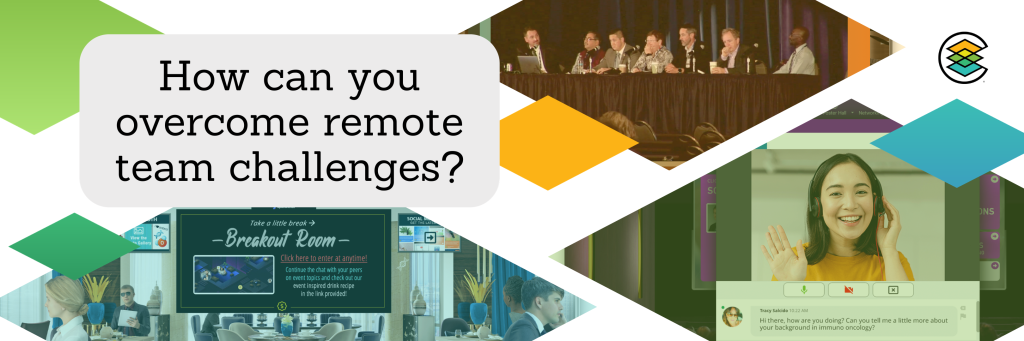
As noted above, inclusivity is increased by catering to team members from different time zones. This can be accomplished by first asking everyone what time works best for them and coming to an agreement before hosting the team-building exercise. Offering more than one virtual exercise that everyone can engage in, and team members can participate in multiple exercises further fostering engagement and rapport between team members.
Like all virtual endeavors, being aware of communication barriers is key to fostering your team's inclusivity. This includes overcoming language barriers, which can be accomplished with translators during the exercise but also with captions through artificial intelligence. Along with overcoming language barriers, offering services for the deaf and hard of hearing is also imperative for increasing inclusivity for your virtual team-building exercise, which can also be done with captions and subtitles so everyone can engage successfully, which only fosters inclusivity and trust throughout your team.
Throughout your virtual team building exercise, it is vital to maintain motivation and engagement, so all participants are assured they are welcome, and their ideas are shared and heard. This can be accomplished by quietly monitoring the exercise and contacting participants during breaks if they enjoy themselves. It can also be done through feedback after the exercise.
Knowing if your employees are enjoying the exercise is crucial to its success. How much are they engaging in the virtual team-building exercise? Is there a genuine sense of engagement, or is everyone pretending to engage to get it over with? These questions should be asked throughout the exercise, so you know what changes to make going forward.
The purpose of virtual team building exercises is to improve team performance and productivity, so it's important to track these metrics before and after the exercise to gauge if it was a success for your company. Did performance and productivity increase or decrease after the exercise, and how much of a difference did the exercise make in this change?
Like all virtual endeavors, collecting feedback is essential for developing a more successful model in the future, and virtual team building is no different. After hosting an exercise, ask the participants to submit a brief report on their experience and see if it's something they'd be interested in doing going forward, along with recommending their exercises. Log all responses and make the appropriate changes so everyone can still be involved in the future.
With virtual teams becoming mainstream during the COVID-19 pandemic, companies had to take steps to ensure their employees stayed connected and productive. One successful example of effective virtual team building exercises is Microsoft Azure. Microsoft Azure conducted a Virtual Clue Murder Mystery and assessed employee engagement throughout the activity. The result? Employees thoroughly enjoyed the activities and the company noticed a significant rise in team morale.
Thanks to technological advancements and innovations, virtual team building has only evolved and will continue to evolve in the coming years and decades. This includes leveraging digital spaces and communication platforms that enable full participation from all your team members.
Like all virtual endeavors, fostering inclusivity and diversity will only make your virtual team building much stronger, as this enables the sharing of ideas from many backgrounds, personally and professionally. As virtual team building continues to evolve, so will the methods employed to increase inclusivity and diversity for all participants and your entire team.
Virtual team building is vital for fostering engagement and inclusivity throughout your entire team. Utilizing such exercises will bring people together and build trust and rapport. This can be accomplished through many methods, including promoting social interaction, leveraging the appropriate technologies and communication platforms, thorough communication before, during, and after the exercise, and overcoming time zone and communication barriers.
The power of virtual team building must be considered, as they can foster engagement and inclusivity and improve your team's morale, both in the short- and long term. The goal of any team is to build trust and rapport, and with the right strategies, virtual team building can do just that. If the entire process is successfully executed, virtual team building can become a cornerstone of your company by building trust and rapport among your team and lasting connections, as well.
Sources: Team Building Hub, TeamBuilding.com, MemberClicks, Hoppier, Endless Events, Outback Team Building

