Discover how Chati's self-service licenses give you full control - build, update, and launch virtual events on your terms. Register for our free webinar today!
Webinars are transforming academia by breaking down physical barriers to enhance student and faculty engagement. They offer interactive learning through live polls, grant global access to diverse experts, foster international collaboration, and provide the flexibility of asynchronous viewing. Here, we will discuss seven webinar ideas to engage online audiences. Through this, you will have the tools and resources to host an impactful webinar focused on student and faculty engagement.

Bring cutting-edge insights directly to your audience by inviting industry leaders or academics to speak on specialized topics. These virtual sessions break down classroom walls, using live Q&A and interactive discussions to deepen understanding in real time. Every session is recorded, ensuring valuable knowledge remains accessible for later viewing.

Empower students by letting them present their own research, projects, or case studies to a virtual audience. With faculty moderation and structured peer feedback, these webinars create a supportive space for intellectual growth. By taking the center stage, students build meaningful collaboration and develop crucial confidence in online public speaking.
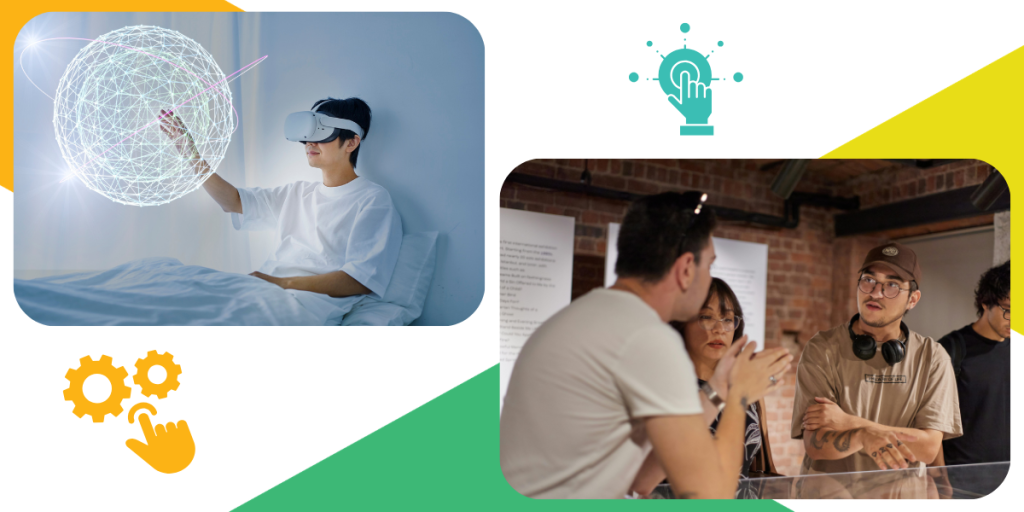
Equip your audience with specialized skill-building sessions like coding bootcamps, lab techniques, or technical writing workshops. Maximize engagement by utilizing breakout rooms and hands-on activities that transform passive viewers into active participants. Finish by providing downloadable resources and quick-reference guides to ensure continued learning long after the webinar wraps up.

Bridge the gap between faculty and students by organizing lively panel discussions on emerging research trends or critical academic topics. Participants can submit questions before or during the session to guide the conversation. This collaborative format promotes authentic dialogue and vital knowledge sharing across diverse disciplines.

Host small group sessions focused entirely on collaborative problem-solving or deep coursework discussion. By leveraging interactive whiteboards and shared documents, participants can co-create solutions in real time. This intimate environment strengthens peer-to-peer learning networks while providing students with direct, meaningful access to faculty mentoring and guidance.

Showcase your institution's vital library tools, comprehensive research databases, student services, or support programs in a central virtual hub. By featuring live tutorials and interactive demos, these sessions help attendees navigate resources effectively. Demystifying these assets drives ongoing, meaningful engagement with institutional tools throughout the academic year.

Incorporate quizzes, polls, or rapid-fire challenges to inject fun and friendly competition into your sessions. Reward active participation with instant recognition, digital certificates, or gamified points. This dynamic strategy keeps the audience continuously interactive, ensures high energy, and effectively reinforces key concepts for better long-term retention.
Summary
Here, we discussed seven webinar ideas to engage online audiences. Through this, you now have the tools and resources to host an impactful webinar focused on student and faculty engagement. From guest lectures and student presentations to workshops, panels, study groups, resource highlights, and gamified learning, these seven strategies showcase the versatility of virtual learning.

Well-planned webinars ultimately foster lasting engagement, deep collaboration, and richer academic growth. Ready to elevate your institution's digital campus? Leverage platforms like Chati to host interactive, high-impact webinars today. Please contact Chati if you wish to host an impactful webinar while helping students and faculty achieve their personal and professional goals.
Webinars have transformed modern education and corporate training by offering unmatched flexibility, global accessibility, and massive cost savings. This scalable tool allows organizations to reach thousands of learners simultaneously. Here, we will discuss how webinars empower education and training, including interactive learning, real-time feedback, professional development, and more. Through this, you will have the tools and resources to host a successful webinar focused on education and training while empowering worldwide audiences.
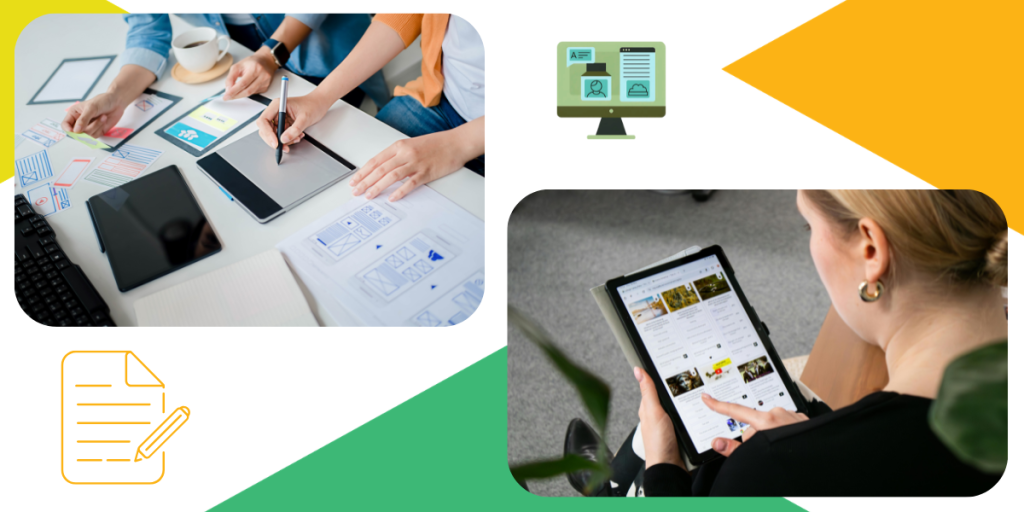
Webinars allow remote learners and global audiences to access content anytime, anywhere, perfectly fitting busy employee schedules. By breaking down geographical barriers, they offer ultimate flexibility. Furthermore, available on-demand recordings enable viewers to replay complex sessions, reinforcing key concepts and maximizing knowledge retention.
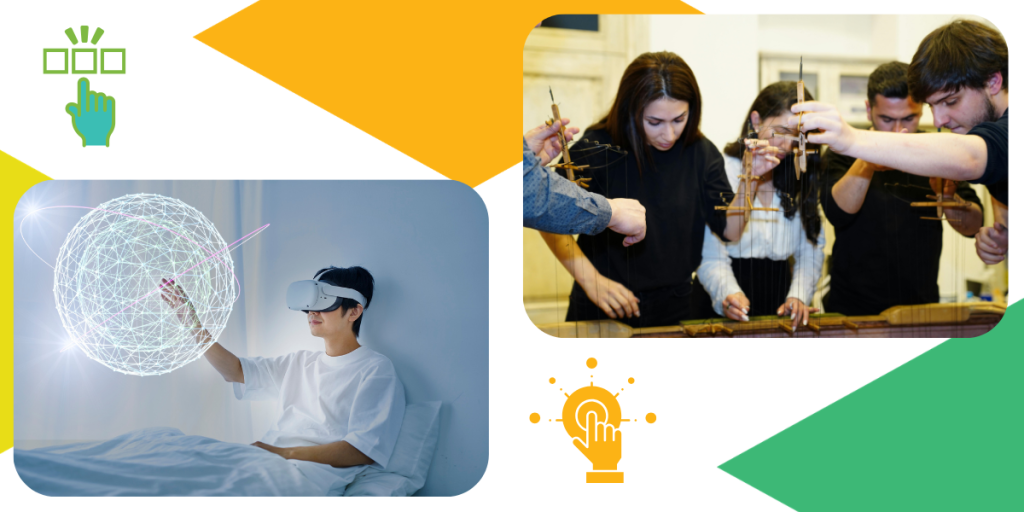
Interactive tools like live polls, dynamic Q&A sessions, and quizzes turn passive webinars into highly engaging learning environments. Incorporating breakout rooms fosters collaborative group work and discussion, while gamification strategies like leaderboards boost participant motivation, ultimately maximizing long-term knowledge retention.

Webinars easily scale from small classes to thousands of participants, ensuring consistent messaging across diverse departments and global locations. By eliminating travel, venue, and printing expenses, they provide a highly cost-effective, budget-friendly alternative to traditional, resource-heavy in-person workshops and corporate training events.

Webinars efficiently collect live participant responses and engagement metrics during sessions. Instructors use this instant feedback to adapt their learning approach and improve future presentations. Tracking precise attendance, quiz results, and user interactions allows organizations to accurately measure learning outcomes and training effectiveness.

Webinars efficiently deliver both mandatory compliance training and optional certifications, driving continuous professional growth. By streamlining education across organizations, they break down silos and encourage widespread knowledge sharing. Ultimately, this powerful medium establishes robust thought leadership within both academic institutions and corporate settings.

Connecting webinars with Learning Management Systems streamlines registration, tracking, and reporting for training programs. This seamless integration syncs user progress automatically. Furthermore, utilizing recorded webinar content creates a powerful on-demand library to supplement structured courses, reinforce key concepts, and maximize long-term learning outcomes.
Summary
Here, we discussed how webinars empower education and training, including interactive learning, real-time feedback, professional development, and more. Through this, you now have the tools and resources to host a successful webinar focused on education and training while empowering worldwide audiences.

Webinars offer unmatched accessibility, interactivity, scalability, data-driven assessment, and professional growth, proving they are essential for modern education and training. They seamlessly bridge global learning gaps. Platforms like Chati can be used to host your own engaging, impactful educational webinars and elevate your organization's remote training experiences. Please contact Chati if you’re intertested in hosting a webinar focused on education and training and how you can impact worldwide audiences.
Virtual events are transforming education through online lectures, workshops, and conferences that promote flexibility, accessibility, and engagement. They benefit students, educators, and administrators by removing physical barriers and enhancing participation. This article aims to simplify the planning and hosting of impactful virtual events, empowering educational institutions to create dynamic, inclusive, and compelling learning experiences.
Here, we will discuss how to simplify virtual events for educational purposes, including event types, strategies, measuring success, and more. Through this, you will have the knowledge and resources to host a successful virtual event while prioritizing educational activities for attendees.
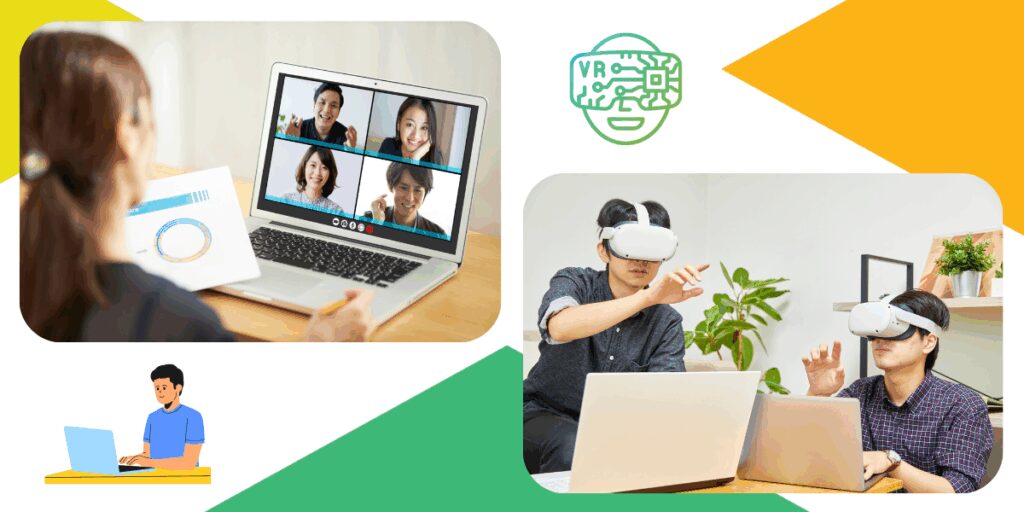
Educational institutions now host a variety of virtual events, including online lectures and seminars accessible to global audiences; interactive workshops and labs that use digital tools for hands-on learning; and virtual career fairs that connect students with employers and alums. Open houses and orientations are also held online to engage prospective students and parents. Each format adapts seamlessly through live streaming, breakout rooms, chat features, and interactive platforms that enhance accessibility and participation.

Successful virtual education relies on user-friendly, secure platforms with integrated engagement tools such as live chat, Q&A, polls, breakout rooms, and on-demand content. These features enhance interaction and accessibility while ensuring scalability, enabling institutions to host anything from large lectures to campus-wide events and multi-session academic conferences with ease.

Virtual education thrives on interactive elements like quizzes, polls, and live discussions that sustain attention and engagement. Personalized experiences—such as tailored session tracks, recommended content, and adaptive learning paths—enhance learning outcomes. Collaboration is fostered through breakout groups, discussion forums, and peer-to-peer networking, creating dynamic, connected virtual learning environments.

To ensure full participation, virtual events should include closed captioning, multilingual support, and screen reader compatibility. Inclusive scheduling accommodates students across time zones, promoting equitable access for international or remote learners. Additionally, offering diverse resources—such as visual, auditory, and interactive materials—supports various learning styles and fosters an inclusive educational experience.

Measuring success in virtual education involves tracking attendance, engagement scores, feedback surveys, and content interaction. Analyzing these metrics helps educators refine future events for greater impact. Post-event strategies—such as sharing session recordings, supplementary materials, or follow-up surveys—extend learning opportunities and strengthen engagement beyond the live experience.
Summary
Here, we discussed how to simplify virtual events for educational purposes, covering event types, strategies, measuring success, and more. In the future, you will have the tools and resources to organize a successful virtual event while enabling your attendees to engage in educational activities to help them achieve their personal and professional goals.
Virtual events offer educational institutions unmatched accessibility, engagement, flexibility, and global reach. Schools can start small—such as hosting online lectures or workshops—and gradually expand to larger events. Please contact Chati to learn how you can host professional, interactive, and scalable virtual experiences that enhance learning and community connection.
Virtual events have transformed how we meet and connect with individuals worldwide to achieve our personal and professional goals. They help businesses recruit new employees, attract new clients, and showcase new products. However, virtual events have also shown promise in transforming education through the rise of online learning and digital classrooms while offering flexibility and accessibility. Here, we will discuss how virtual events can be the future of learning, including the benefits, key technologies, enhancing student engagement, and the future of virtual education.

One of the significant benefits of virtual events in education is increased accessibility for students and educators worldwide, as virtual events tear down geographic barriers, enabling millions of individuals from all personal and professional backgrounds to learn and grow together.
Additionally, educational virtual events are a cost-effective alternative to in-person education, as they save money on travel, lodging, food, and fuel while still providing the same level of education as in-person options. As a result, you get greater flexibility in learning schedules and formats, enabling individuals worldwide to learn independently and at their own pace.
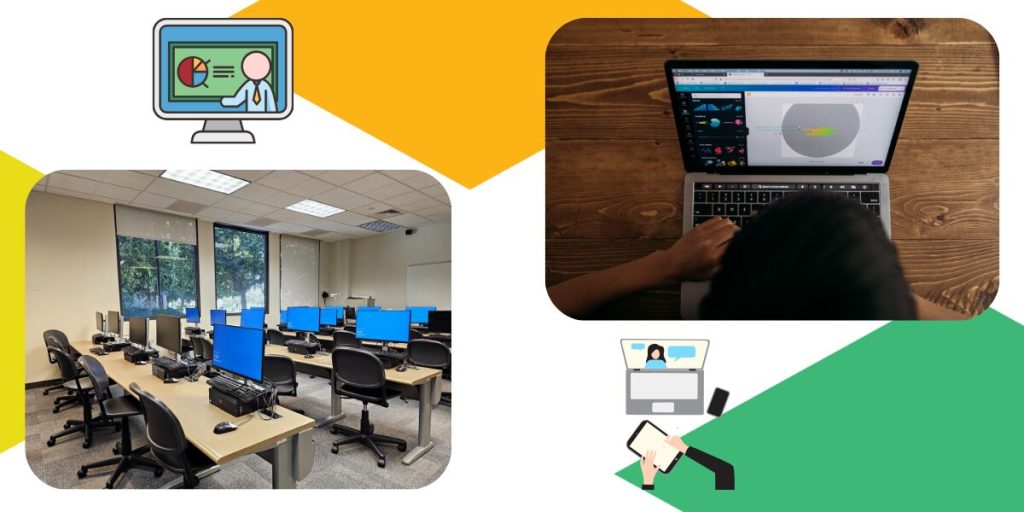
Virtual event platforms are designed for learning, given their technological prowess and accessibility for individuals worldwide. One of these key technologies is AI-driven personalization for tailored learning experiences, enabling individuals with learning, sight, or hearing disabilities to get educated at the same level as everyone else. This includes using interactive tools such as live Q&A, polls, breakout rooms, and gamification to enhance the learning experience and enable individuals of all backgrounds to engage and connect with each other while achieving their personal and professional goals.
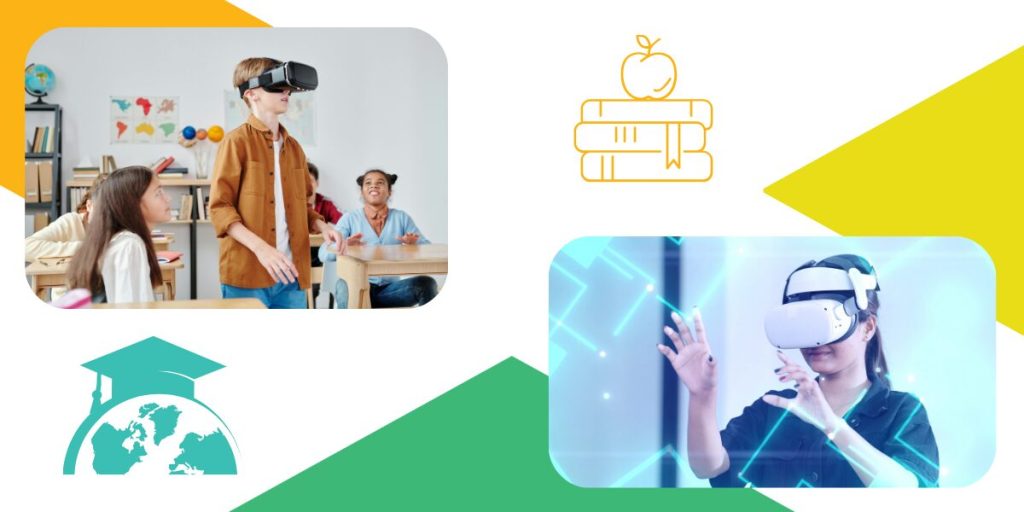
Using virtual events for educational purposes offers a myriad of strategies to keep learners actively involved throughout the process, enabling them to stay focused on the tasks and gain as much knowledge as possible. This is primarily accomplished through immersive experiences like virtual reality (VR) and augmented reality (AR) in education, as this provides learners with an extra level of participation while keeping them actively engaged. Through this, you highlight the importance of networking and peer collaboration in virtual classrooms while building connections and fostering lasting relationships.

Like all endeavors, education through virtual events is successful through constant feedback and improvement, and this includes a shift toward hybrid learning models combining online and in-person education. This is accomplished through AI-driven tutors and personalized learning pathways designed to provide the same level of education and training across the board and cater to everyone’s needs. Through this, you highlight the importance of how institutions and businesses are embracing virtual learning solutions to create a more connected and educated tomorrow.
Summary
Here, we discussed how virtual events are shaping the future of education, including the benefits, key technologies, enhancing student engagement, and the future of virtual learning. We encourage educators and institutions to adopt virtual learning strategies to enable individuals worldwide, and from all walks of life, to earn an education while striving to achieve their personal and professional goals.

We invite feedback and comments from readers regarding how Chati can improve our virtual event education strategies to help advance the goals and objectives of individuals worldwide. Feel free to contact Chati for further information regarding incorporating educational materials into your virtual event.
Virtual events have transformed how people connect and collaborate by enabling a safe and inclusive environment that fosters innovation and engagement, regardless of geographic location. Some of the many features that make virtual events effective in connecting people include matchmaking, exhibit halls, networking features, and breakout rooms.
Here, we will discuss the role of breakout rooms as a critical feature in enhancing engagement, fostering collaboration, and adding depth to virtual events, including the importance, value, key features, and tips for breakout rooms. Through this, we are confident you will have the tools and resources needed to host impactful virtual events highlighted by impactful breakout rooms.

Virtual events typically comprise large numbers of attendees, making it challenging to maximize engagement and connectivity with each other. Breakout rooms offer smaller, private meeting spaces with a more significant virtual event to optimize engagement and connectivity on a micro-scale. Breakout rooms work in virtual event platforms like Chati by emphasizing connection and collaboration, specifically with ChatiConnect, providing seamless chat room management, small group discussions, brainstorming sessions, and much more.

Breakout rooms provide active participation and interaction opportunities through smaller environments where attendees won’t feel as pressured to engage and collaborate. Breakout rooms offer personalized experiences as attendees can introduce themselves to only a few people at a time and learn from individuals worldwide while striving to achieve their personal and professional goals. Through this, breakout rooms allow for scalable networking by providing tailored discussions and activities while enabling effective group interactions, even in large-scale virtual events.

A primary practical use of breakout rooms is brainstorming sessions, which enable participants to collaborate in smaller, focused groups while maximizing engagement and innovation for attendees. This includes workshops and training sessions, which provide hands-on, interactive learning environments, enabling networking opportunities for attendees to facilitate meaningful connections through targeted group discussions. Additionally, breakout rooms provide team-building activities that encourage collaboration and relationship-building through group exercises that encourage problem-solving discussions that enable attendees to break complex issues into manageable group discussions.

Breakout rooms are not just limited to specific types of virtual events, as they can be tailored and personalized to meet the needs of event organizers and attendees. These include corporate meetings and conferences aimed at enhancing productivity and focus for managers and employees while focusing on the future through collaboration and innovation from everyone. Additional types include educational webinars that support deeper learning and student engagement, trade shows and expos that provide private spaces for exhibitor-participant interactions, and virtual networking events that enable structured and casual conversations designed to foster lasting relationships.
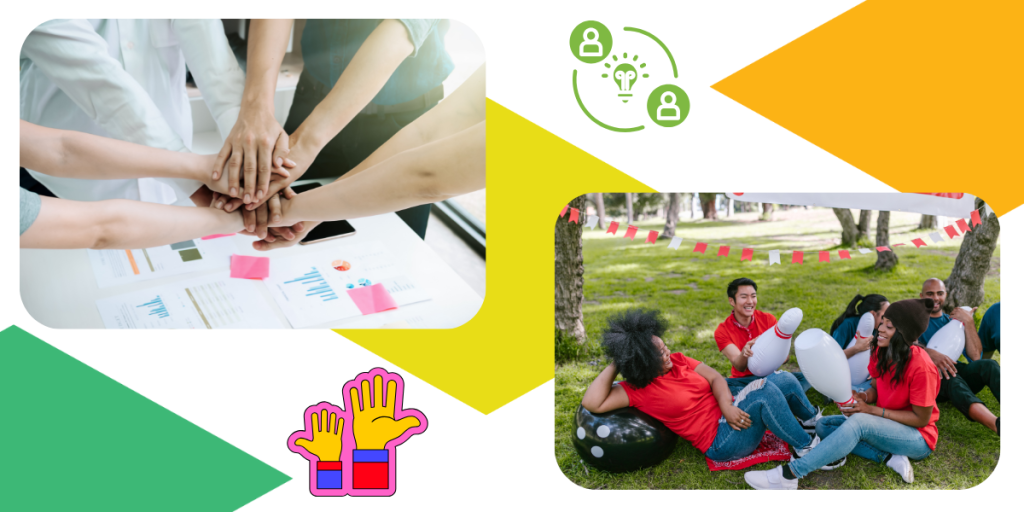
Breakout rooms offer key technological features that enhance the attendee experience while maximizing connectivity and engagement for everyone. This includes customization options where event organizers can discuss room size, session timing, and participant control; integration with other event features that emphasize seamless transitions between the main event and breakout rooms; interactive tools that mention polls, whiteboards, and screen sharing capabilities; and data tracking and analytics that provide insights on participation and engagement so event organizers can provide the most impactful virtual events going forward.
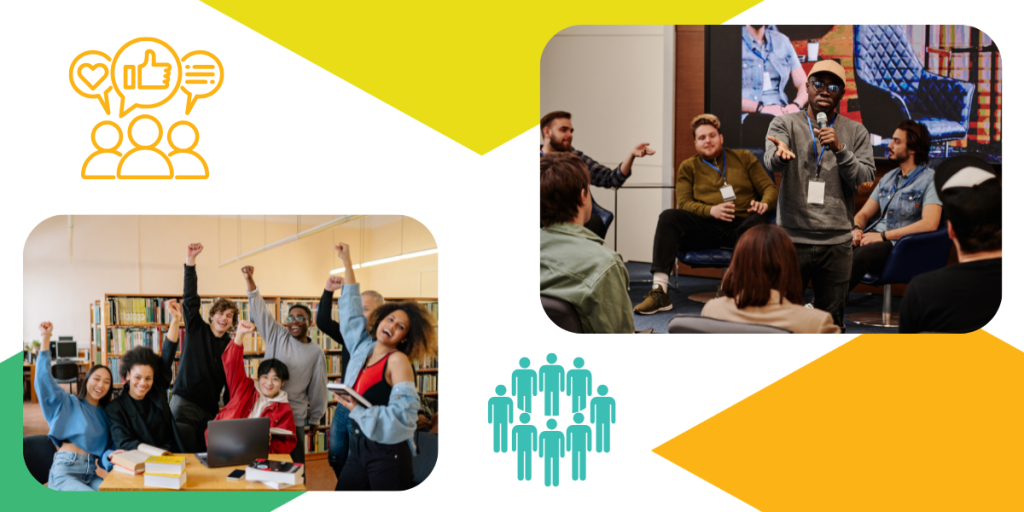
Chati is proud to offer breakout rooms in our virtual events to maximize engagement and collaboration for individuals worldwide. Chati’s breakout rooms stand out from other virtual event platforms through ease of use, robust customization, and rich interactive tools. Through this, Chati continues demonstrating its premier and high-performing cadence for delivering impactful virtual event experiences for individuals worldwide.

Breakout rooms are successful because objectives are defined, and clear goals are set for each breakout session, which lays the foundation for hosting successful breakout rooms. This also includes proper planning and preparation where organizers share best practices for organizing and moderating breakout rooms, encouraging participation that offers strategies to engage all participants effectively, and following up with attendees while emphasizing the importance of recapping and integrating breakout room discussions into the main event.
Summary
Here, we discussed the role of breakout rooms as a critical feature in enhancing engagement, fostering collaboration, and adding depth to virtual events, including the importance, value, key features, and tips for breakout rooms. In the future, you will have the tools and resources to use breakout rooms to create impactful and meaningful experiences for attendees worldwide.

We invite readers to explore how Chati can enhance their virtual events with breakout rooms, specifically through ChatiConnect, and we encourage readers to contact Chati for further information about how breakout rooms can enhance virtual event experiences for attendees, organizers, employees, and guest speakers.

