Discover how Chati's self-service licenses give you full control - build, update, and launch virtual events on your terms. Register for our free webinar today!
Webinars allow individuals worldwide to learn about a single topic or from a single speaker to enhance their knowledge about a particular subject. Successful webinars provide impactful presentations, also called "slide decks," that showcase pertinent information for attendees while being prepared for Q&A sessions if needed.
Here, we will discuss the best practices for designing compelling slide decks for webinars, including simplicity, clear messaging, persuasive storytelling, engagement, feedback, and much more. Through this, you will be able to provide impactful and lasting slide decks that your attendees can use to achieve their personal and professional goals.

Understanding your audience and objectives is an essential first step in developing a successful webinar slide deck, as this provides a solid foundation for presenting the most pertinent information. This is accomplished with audience research, persona development, and goal setting that give the correct data to understand better what information you should present in your slide decks. Through this, you highlight the benefits of tailoring slide decks to meet audience needs and achieve objectives.

Regarding the style of your slide decks, simplicity and visuals in slide design are essential so your attendees can avoid being overwhelmed with fluff and unimportant information during the webinar. This is accomplished with minimal text, high-quality images, and consistent branding designed to provide the most pertinent information for your attendees and enable your guest speakers to discuss the most relevant information. Through this, you highlight the benefits of visual communication for enhancing audience engagement and retention while providing impactful slide decks for individuals worldwide.

Clear and concise messaging in slide deck content is essential for delivering the most pertinent information and data for your attendees while enabling them to stay engaged and focused throughout the webinar. This is accomplished with techniques such as bulleted lists, short sentences, and headline statements that deliver sound and quality messaging while maintaining the structure and functionality of the webinar. Through this, you highlight the benefits of concise messaging for keeping audiences focused and interested while empowering them to engage with individuals worldwide.

Visual hierarchy and structure in slide layouts are essential for showcasing the most pertinent information and data while maintaining consistent messaging throughout the webinar. This is accomplished through techniques such as headings, subheadings, and color contrasts designed to be visually appealing while optimized for viewing by the entire audience. Through this, you highlight the benefits of visual organization for guiding audience attention and understanding while enabling them to engage and connect with guest speakers throughout the webinar.
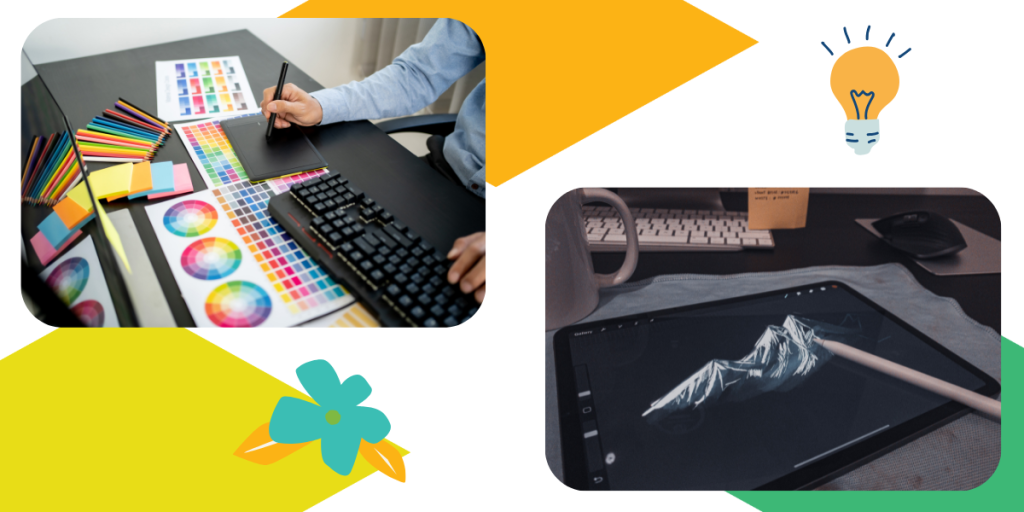
Engaging graphics and charts in slide deck design is essential for visualizing pertinent information while maintaining audience attention and focus throughout the webinar. This is accomplished through infographics, data visualizations, and animated charts designed to showcase key material and information for your audience. We suggest providing a diverse mixture of videos, charts, and graphics to keep your audience attentive, as showing the same types of graphics over and over could lead to viewer fatigue. Through this, you highlight the benefits of visualizing data and concepts to enhance comprehension and interest while empowering your audience to achieve their personal and professional goals.

Telling a compelling story through slide decks is essential to keep your audience focused and attentive and enable them to understand the reasons behind your webinar and the goals you're trying to achieve. This is accomplished through techniques such as narrative structure, story arcs, and visual storytelling designed to convey the primary message of the webinar while empowering your audience to build their own story. Through this, you highlight the benefits of capturing the audience's attention and emotion through storytelling while enabling them to achieve their personal and professional goals and connect with individuals worldwide.

Providing context and relevance in slide deck content is an essential aspect of webinar slide decks, as it gives your audience background information regarding the goals of the webinar while maintaining audience focus and attentiveness. This is accomplished through examples, case studies, and real-world scenarios that provide your audience with historical, scientific, and professional context regarding the webinar. Through this, you highlight the benefits of connecting slide content to audience needs and experiences while empowering them to engage and connect with individuals worldwide.

Encouraging interaction and engagement through slide decks is vital for enabling your audience to connect and guest speakers throughout the webinar. This is accomplished through polls, quizzes, and other interactive elements to promote impactful discussions among attendees and guest speakers. These can be tailored to challenge audiences on slide deck content or enable them to ask questions through the interactive elements. Through this, you highlight the benefits of stimulating audience participation and feedback, resulting in meaningful and impactful engagement and connectivity for everyone.
Practicing and rehearsing your presentation with your slide deck is essential to adjust your presentation before the webinar. This is accomplished through timing, delivery, and audience engagement strategies to provide your audience with the most pertinent information and data while ensuring focus and attention throughout the presentation. We suggest practicing and rehearsing your presentation at least two to three times and a few weeks before the webinar to ensure you have everything in place beforehand. Through this, you highlight the benefits of improving presentation skills and confidence through rehearsal while providing your audience with the most impactful presentation.

Seeking feedback and iterating on your slide decks is a final but essential aspect of slide deck presentations for webinars, as it enables you to gather necessary information and data regarding the impact of your presentation on your audience. This is accomplished through post-webinar surveys, audience Q&A, and analytics, enabling you to tweak specific aspects for future presentations. We suggest conducting this within a few days after the webinar while the information is still fresh with the audience so they can provide the most accurate information and data available. Through this, you highlight the benefits of continuous improvement and adaptation based on audience input, thus empowering you with the tools and resources to deliver even more impactful presentations in the future.
Summary
Here, we discussed the best practices for designing compelling slide decks for webinars, including simplicity, clear messaging, persuasive storytelling, engagement, feedback, and much more. With this knowledge, you can deliver impactful and lasting webinar presentations for worldwide audiences while helping them achieve their personal and professional goals. We emphasize the importance of audience-centric and engaging design principles to empower the audience to engage and connect with guest speakers while leveraging slide decks to enhance webinar effectiveness.

We encourage readers to implement the best practices in slide deck design for their webinars so they can provide the most impactful presentations possible. We invite feedback and comments on slide deck strategies from readers and how Chati can improve slide deck preparation for our presenters, and we encourage readers to contact Chati regarding further inquiries.
Webinars have become an excellent way for companies to unite managers and employees in a safe and controlled environment to share ideas and knowledge about their company's present status and future vision. The uniqueness of webinars is that they can be tailored to various types, including thought leadership, panel discussion, educational, training, or professional development. But while webinars offer myriad benefits, including global reach, cost-effectiveness, reduced carbon footprint, and building your brand, making your webinar dynamic provides an extra level of engagement and connectivity for your audience.
Here, we will discuss various strategies webinar organizers can use to create dynamic webinars, including platforms, engaging content, interactive features, virtual spaces, on-demand content, analytics, and promotion. We are confident that you will have the necessary tools and resources to host a dynamic webinar that will increase engagement, diversity, inclusivity, and connectivity for individuals worldwide.
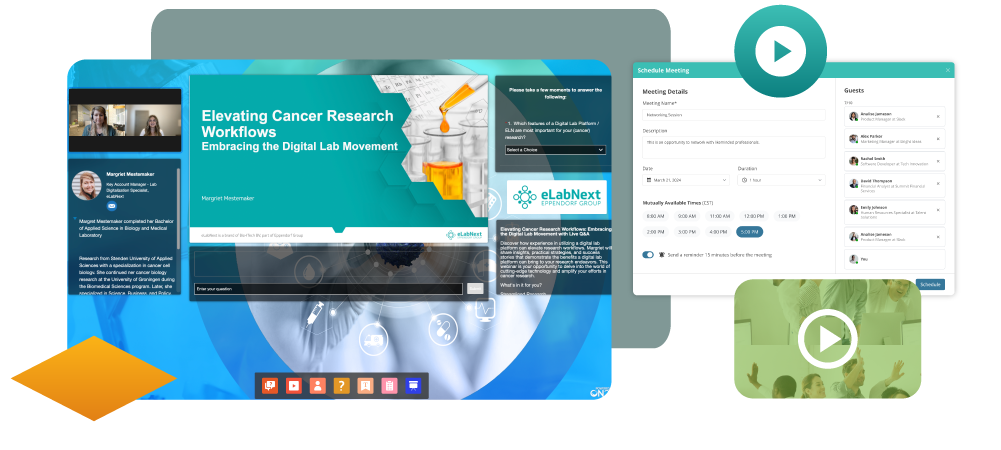
Before discussing the strategies for executing a successful dynamic webinar, we must define a dynamic webinar event. Dynamic webinars typically involve a multifaceted approach to increasing engagement and connectivity through interactive tools, immersive environments, and real-time feedback from attendees and organizers. This contrasts with traditional webinars, often one-dimensional in their approach and content.
As noted, traditional webinars are one-dimensional and one-way engagement regarding their content, often with a panel or single speaker without a Q&A. In contrast, dynamic webinar events provide attendees with tools and resources to increase engagement with other attendees and speakers, including exhibit halls, auditoriums, virtual lobbies, etc. This creates captivating, fun, and impactful experiences for your company, building your brand while increasing diversity, inclusivity, and connectivity for individuals worldwide.
Webinars are built around presentation content, but they are driven by engaging attendees beyond just the content, including breakout rooms, Q&A, polls, gamification, one-on-one video chat, and much more. Through this, your attendees stay engaged while sharing knowledge and ideas with individuals worldwide, which results in increased diversity, inclusivity, and connectivity for everyone.
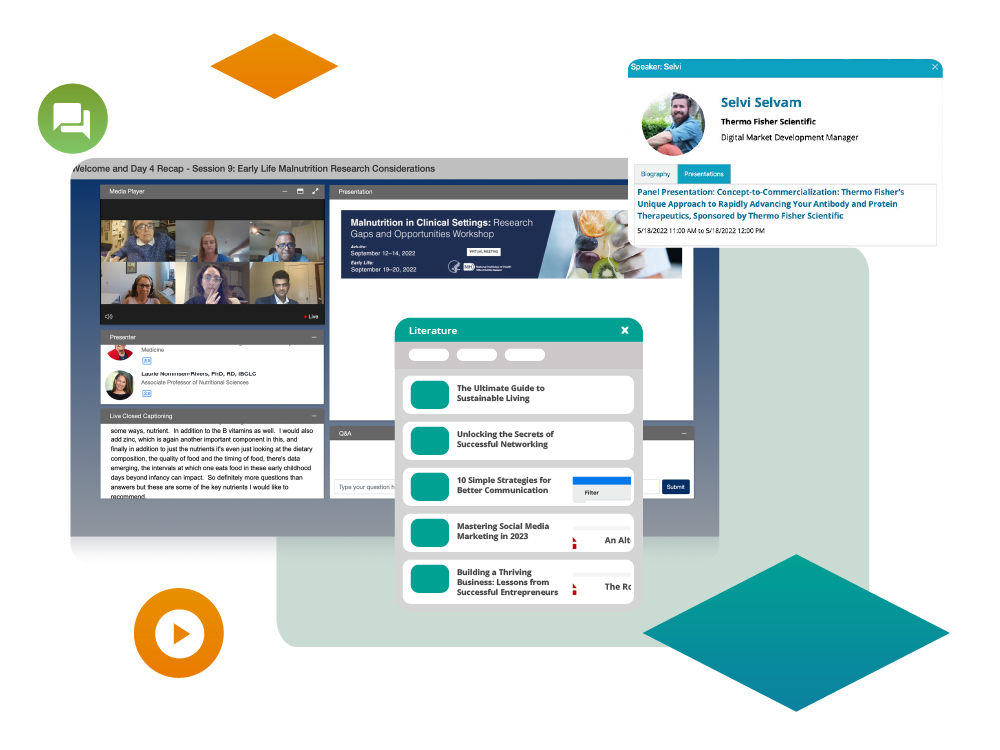
When your goal is to host a dynamic webinar, choosing a platform that supports dynamic webinar events should be the first item on your list of goals. While some platforms have a one-dimensional, single-product approach, the best webinar platforms provide many interactive tools and features to keep your attendees engaged throughout the event and beyond. Examples of platforms include Chati, vFairs, and 6Connex, all of which provide a wide range of features, including exhibit halls, 3D space, mobile event applications, gamification, and AI-driven content.
Some key features your dynamic webinar should include are virtual lobbies, auditoriums, exhibits, and networking lounges. These features provide diverse opportunities for your attendees to remain engaged throughout the event and give companies tools to build their brand with potential recruitment strategies.
Webinar platforms that offer interactive elements and additional content opportunities provide many benefits for event organizers, companies, and attendees, including increased engagement, knowledge-sharing, and networking opportunities. This also increases diversity, inclusivity, and connectivity for individuals from all personal and professional backgrounds worldwide.
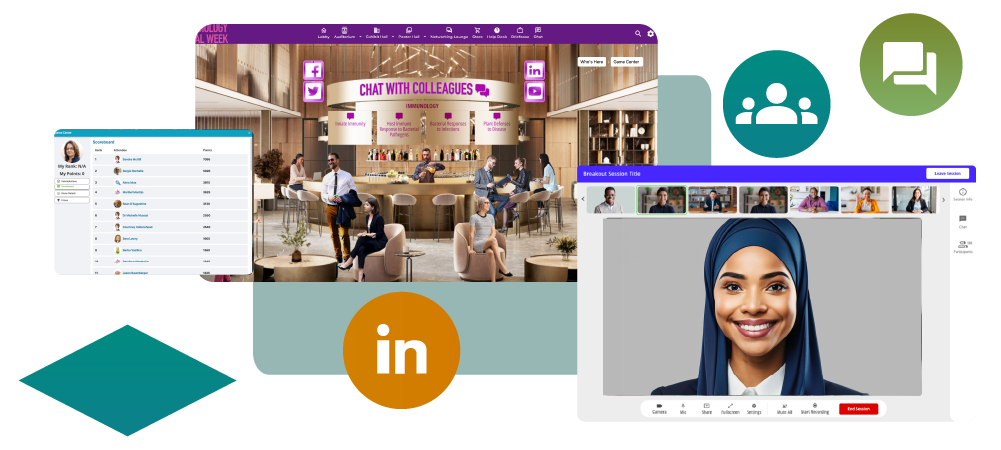
When building your dynamic webinar and finding the right platform, a critical step is establishing strategies for designing content that fits the dynamic webinar event format. These include one-on-one video chat, gamification, Q&A, and breakout rooms. Another approach is focusing on your presentations, which should consist of customizable backgrounds and content, providing an extra level of professionalism your attendees will notice.
Additionally, techniques such as incorporating interactive elements, multimedia, and storytelling are essential for keeping your attendees engaged while providing them with ideas they could use in their presentations throughout their careers. This builds your brand by helping attendees develop their careers through the content you provide in your dynamic webinar.
Creating content that keeps attendees engaged and interested during your dynamic webinar event has many benefits, including increased confidence from constant engagement with other attendees and speakers, networking opportunities with individuals worldwide, and fostering lasting relationships. This improves diversity, inclusivity, and connectivity for everyone.
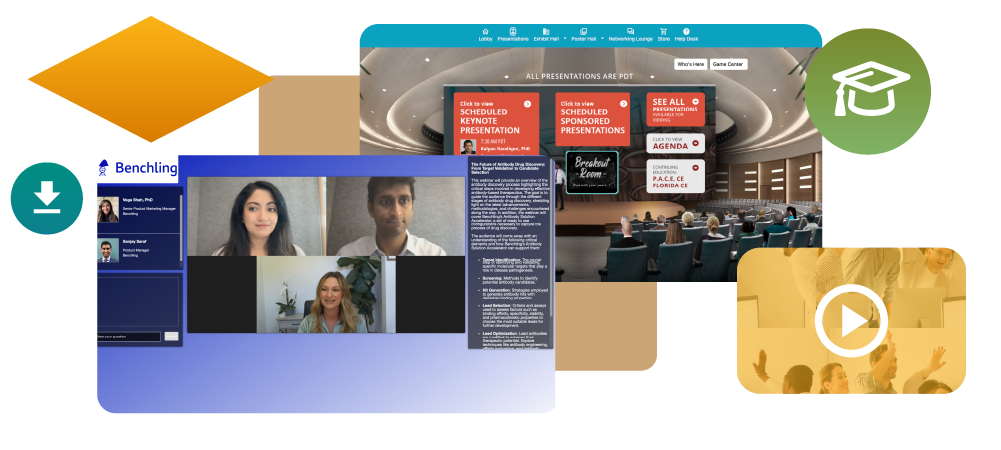
Like engaging content, leveraging interactive features to enhance engagement is essential for hosting a dynamic webinar event. This provides your attendees ample opportunities to improve their networking skills and experience with individuals from across the globe.
These interactive features include real-time surveys, polls, Q&A sessions, and interactive chat, enabling attendees to share knowledge and ideas with other attendees and speakers. Additionally, surveys and polls allow your attendees to provide feedback on the webinar and steps that can be taken to improve it for future events.
There are many benefits to encouraging attendee participation and providing immediate feedback, including real-time adjustments during the event while noting improvements that can be made for future events. This provides transparency for your attendees, which builds their confidence in your brand in the future.
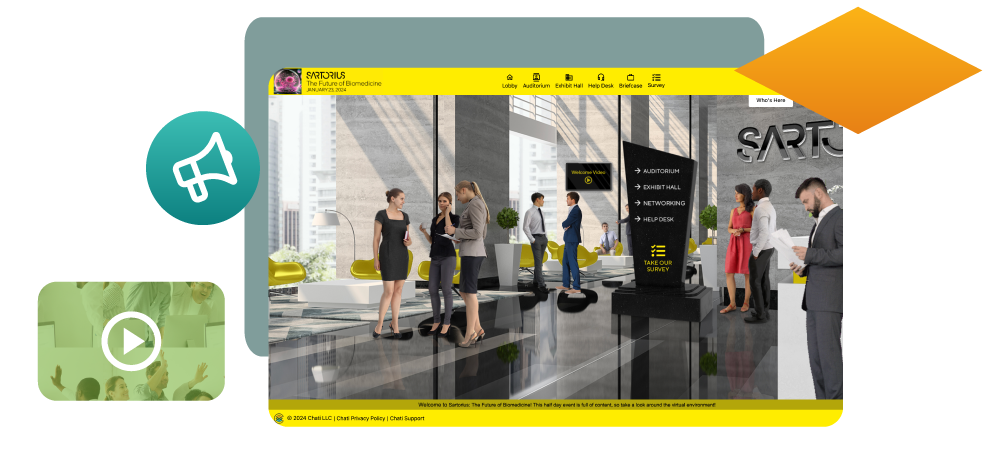
Another essential feature of your dynamic webinar is incorporating virtual spaces such as lobbies, auditoriums, and networking lounges. These spaces provide your attendees with opportunities for introductions, engagement with speakers, and engagement with other attendees. This offers a diversified approach to keeping your attendees engaged throughout the event and beyond.
Additionally, exploring opportunities for attendees to explore, connect, and interact in virtual environments is another essential strategy for increasing attendee engagement throughout the webinar. This is accomplished through pre-event emails and periodic reminders throughout the event, which encourage your attendees without being too overbearing in your encouragement.
Creating immersive experiences mimicking in-person events has many benefits, including increased engagement, networking opportunities, knowledge-sharing opportunities, and more. Your dynamic webinar will encourage future attendance since its features and elements will be indistinguishable from in-person events.
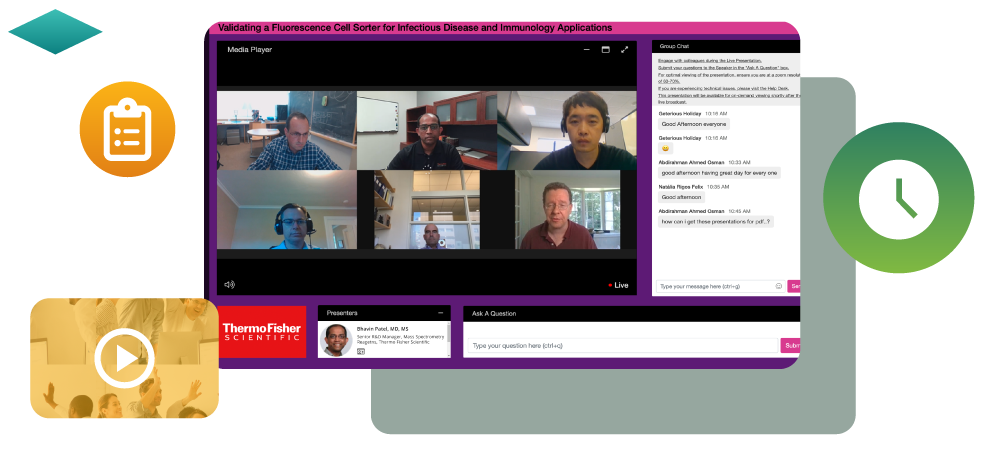
While live-streaming strengthens your dynamic webinar, offering on-demand access to webinar events is essential since attendees will be from various time zones. I might not be able to attend the webinar live. Through this, you increase networking opportunities since the non-live attendees can still reach out to other attendees and speakers after the webinar's conclusion.
On-demand accessibility includes exploring features such as recording sessions and making the on-demand videos available for viewing as quickly as possible after the webinar has concluded. This allows non-live attendees to view the videos almost immediately and reach out to appropriate speakers, which helps them build their network and potential career opportunities for the long term.
Extending engagement beyond the live event and catering to different time zones and schedules has many benefits, including increased diversity, inclusivity, and connectivity while providing networking opportunities for individuals worldwide.
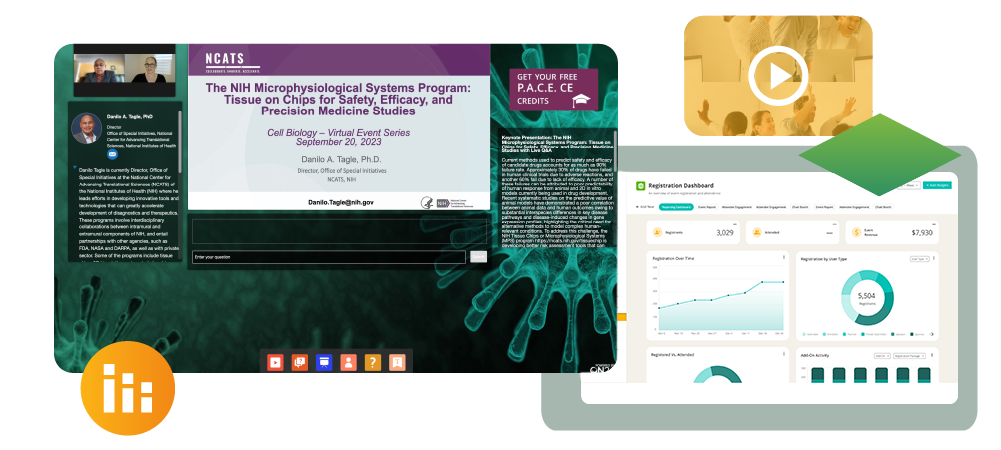
Analytics and reporting are essential components for a successful dynamic webinar. Using analytics to measure the success of dynamic webinar events enables you to track appropriate metrics that can be used to improve current events and future events.
This includes exploring metrics such as attendance rates, engagement levels, and audience feedback. This enables you to monitor real-time attendee engagement while allowing your attendees to provide real-time feedback throughout the event. This creates an environment built on transparency and inclusivity, as the input can also be used to improve future events.
Gathering insights to improve future events and tailor content to audience preferences has many benefits, including real-time feedback and increasing your attendees' confidence that the event is seamless and well-managed.
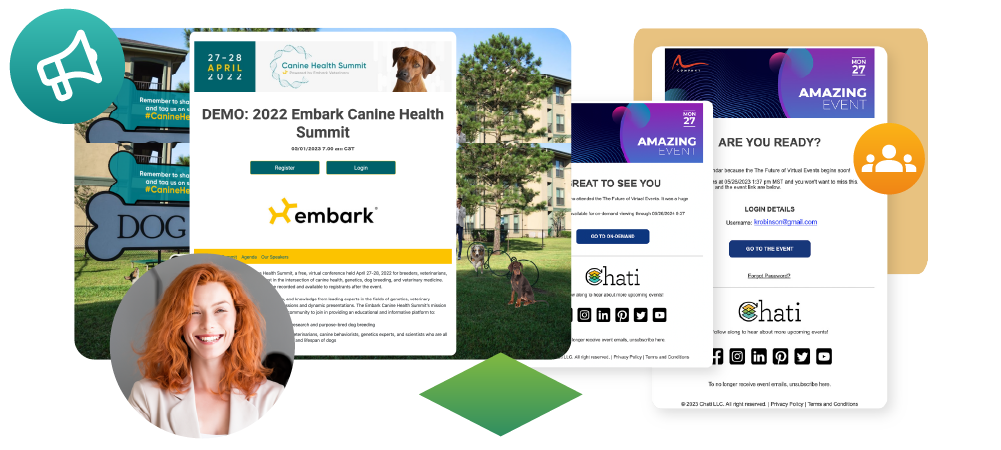
All endeavors require successful promotion, and discussing strategies for effectively promoting dynamic webinar events should be a key goal early in the planning process for making your webinar genuinely dynamic.
This includes exploring techniques such as email marketing, social media promotion, and customized landing pages, enabling you to promote your event well in advance and target the right audience. This is accomplished through personalized emails, social media accounts specifically tailored for the event, and customized websites (landing pages) that your potential attendees can explore before the event.
There is a myriad of benefits regarding reaching a wider audience and driving registrations through targeted marketing efforts, including building your brand, creating networking opportunities for your attendees, and enabling potential attendees to learn about your event and what it has to offer well in advance of the event, as well.
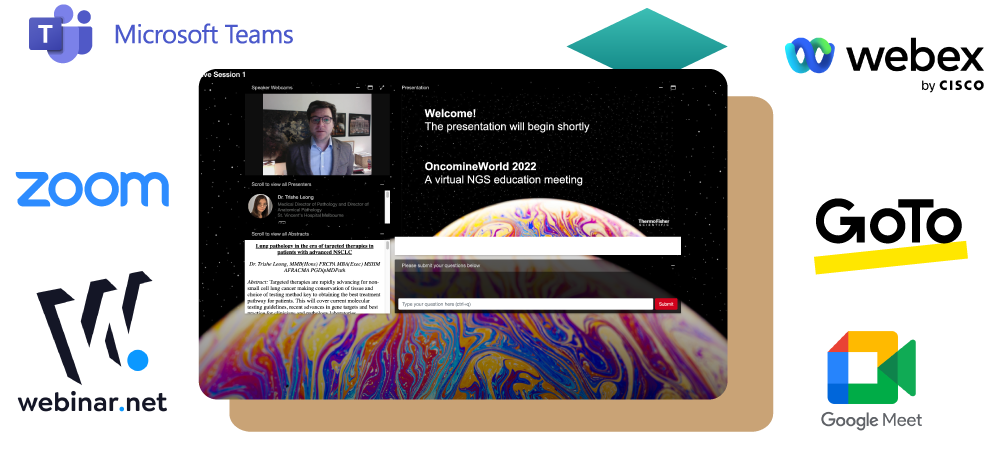
Here, we discussed strategies for turning your webinar into a dynamic webinar event, including finding the right platform, providing engaging and interactive content, virtual spaces, on-demand accessibility, and promotion. Through this, we are confident that you will have the right tools and resources to host a successful dynamic webinar event to build your brand while providing networking opportunities for individuals worldwide.
The importance of engagement, interactions, and accessibility in webinar events cannot be understated. These provide a myriad of benefits for both event organizers and attendees. By improving these, you improve diversity, inclusivity, and connectivity for individuals from across the globe.

Harnessing the power of dynamic webinar events to achieve your goals is essential for a better and more inclusive future. These events can build your brand and provide networking opportunities for everyone.
We strongly encourage readers to implement strategies for creating dynamic webinar events, and we are confident we have provided the appropriate strategies for you to make this happen and achieve your short—and long-term goals.
If you have any questions about hosting your dynamic webinar event with Chati, please get in touch with the Chati Sales Team here. You can also check out our plans, features, and rates here.

