Discover how Chati's self-service licenses give you full control - build, update, and launch virtual events on your terms. Register for our free webinar today!
Audience engagement in virtual events extends beyond mere attendance, encompassing active participation and a genuine emotional connection. Yet, organizers face digital fatigue, distractions, and a decline in in-person energy. This article examines practical strategies to enhance the dynamic, interactive, and memorable aspects of online events, enabling hosts to captivate audiences and create impactful virtual experiences that sustain attention and contribute to overall event success.
Here, we will discuss the top ways virtual events boost audience engagement, including the use of interactive tools, captivating content, measuring success, and more. With this, you will have the tools and resources to host a successful and impactful virtual event while prioritizing audience engagement.
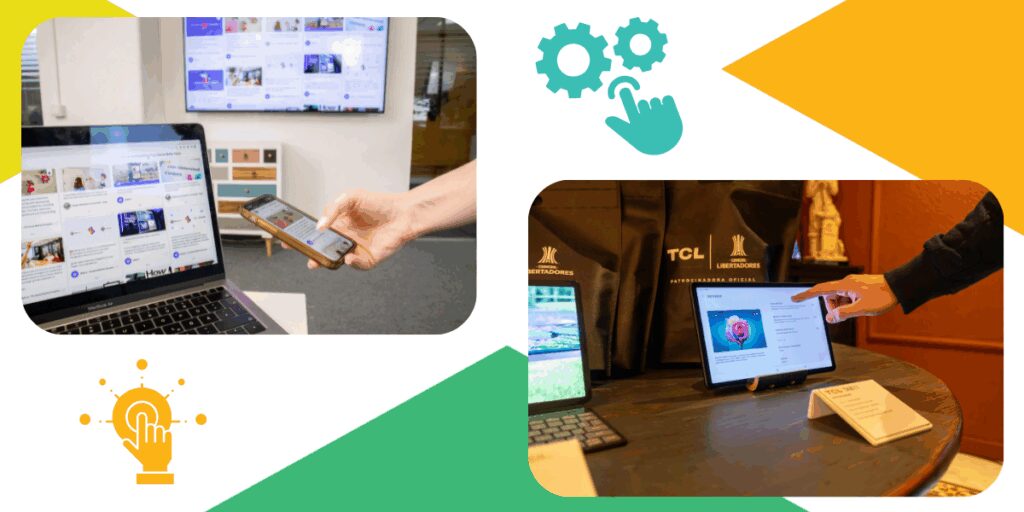
Interactive elements, such as polls, live chat, Q&A sessions, and gamification, keep virtual audiences active and engaged. These tools transform events into two-way experiences, encouraging participation rather than passive viewing. Advanced features such as breakout rooms, networking lounges, and live quizzes replicate real-world interactions, fostering deeper connections. Selecting a virtual event platform with strong real-time engagement capabilities ensures seamless, immersive, and impactful audience experiences.

Personalized event experiences make attendees feel valued and understood. Tailored agendas, custom content tracks, and interest-based recommendations create more meaningful interactions. By responsibly using attendee data, organizers can customize event journeys and follow-up materials to match individual preferences. This personalization enhances engagement, increases retention, and boosts post-event satisfaction, ultimately fostering stronger connections and encouraging future participation in virtual events.

Concise, visually engaging presentations and well-paced sessions are essential for holding audience attention. Incorporating multimedia elements, such as videos, animations, and infographics, helps prevent monotony. Mixing formats—such as keynotes, panels, demos, and networking breaks—keeps the experience dynamic and engaging. Additionally, limiting session length helps sustain focus, ensuring attendees remain attentive and engaged throughout the virtual event.

Digital networking tools, such as chat groups, one-on-one meetings, and topic-based lounges, foster meaningful relationships. Social media integration and virtual “hallways” replicate spontaneous interactions found at in-person events. These connections foster stronger communities, enrich attendee experiences, and encourage repeat participation, ultimately creating lasting engagement beyond the event itself.

Key engagement metrics—such as participation rates, chat activity, poll responses, and content downloads—reveal audience involvement. Post-event surveys gather valuable feedback. Analyzing these data-driven insights helps organizers refine future events, enhance attendee experiences, and clearly demonstrate return on investment to stakeholders.
Summary
Here, we discussed the top ways in which virtual events enhance audience engagement, including the use of interactive tools, creating captivating content, measuring success, and more. With this, you will have the tools and resources to host a successful and impactful virtual event while prioritizing audience engagement.

We encourage organizers to invest in interactive, personalized, and community-driven approaches to enhancing virtual events through audience engagement. Please contact Chati to discuss how we can further improve audience engagement in our virtual events.
Webinars are the online versions of seminars while offering the same great value for all parties, including the hosting organization and attendees. Webinars have become powerful methods for audience engagement and education, as it is currently estimated that webinars can increase audience engagement by as much as 90 percent compared to standard videos. This is primarily because webinar attendees can participate in many ways, including live chat, polls, and Q&A sessions.
For a successful webinar, it’s essential to have the right pieces in place to achieve maximum engagement and participation, which will only help you set the stage for mastering webinar artistry for both the short- and long-term. This is done in many ways, including choosing the right team to help organize and run the webinar, selecting the most effective webinar format, arranging the right visuals, finding the right space and equipment, and promoting your webinar well in advance.
Like all events, identifying target audiences and gauging their expectations is key to hosting a successful webinar. This can be done through questionnaires before the webinar but can also be accomplished with artificial intelligence (AI) matchmaking software. Additionally, monitoring attendee behavior trends and engagement metrics during and after the webinar will improve your chances of success.
A key component for any webinar is to define clear objectives to achieve the most value-driven webinar experience for both the organizers and the attendees. This provides all parties with a clear framework for what they can expect from the webinar, leading to greater inclusivity and community.
Webinars are driven by engagement and participation, and structuring engaging storylines and presentations will only lead to success for all parties. When engaged, attendees aspire to learn more from other aspects of the webinar, which leads to fostering inclusivity and community, along with building lasting connections.
Like all events, incorporating visuals, multimedia, and data to enhance the value of your webinar can lead to a more successful and captivating experience for all parties. This will lead to a more engaging experience and instill a sense of excitement for your attendees. However, too many visuals and multimedia could have the opposite effect, so finding a happy medium is also crucial.
The goal of any webinar is to achieve maximum engagement and participation, and this can be accomplished through interactive polls, quizzes, real-time Q&A sessions, and live chat. These tools will provide an engaging and captivating experience for your attendees and get them excited for future webinars.
One method to increase engagement and participation is leveraging gamification, which offers your attendees a chance to win prizes and rewards through the polls above and quizzes. By completing specific tasks, attendees can win badges or certificates while also fostering friendly competition amongst your attendees. Setting clear goals beforehand will give your attendees the necessary expectations to achieve the most successful gamification experience.
Social media has become entangled in our everyday lives, and leveraging this media along with email campaigns is an excellent way to conduct outreach for your webinar. You can accomplish this by creating social media pages and specified email addresses, giving a more professional appeal and providing valuable information leading up to your webinar.
When seeking attendees for your webinar, the registration should be as streamlined and professional as possible, and this can be accomplished by designing compelling registration landing pages that will provide an engaging experience for your potential attendees, resulting in increased excitement for the actual webinar.
All successful webinars start with the right platforms to host them. This is determined by several factors including the goal of the webinar, the number of potential attendees, the level of interaction and engagement you anticipate, and what you will do with the media, such as videos, at the end of the webinar. Some traditional platform recommendations include Adobe Connect, YouTube, Google Meet, and Zoom, but others include eWebinar, Demio, BlueJeans, and, of course, Chati.
Regardless of the platform, ensuring technical reliability for a smooth experience is vital for a successful webinar for organizers and attendees. This includes monitoring all webinar features, such as the polls, live chats, and Q&A sessions, and ensuring they function properly so your attendees receive the most engaging and interactive experience.
To ensure the most successful webinar possible, tracking participant engagement metrics and attendance rates will allow you to make real-time adjustments and host even more engaging webinars in the future. This can be accomplished through AI-driven metrics or real people monitoring the metrics.
Analyzing post-webinar surveys and feedback from your attendees will ensure that your webinar was successful, along with having the tools to build even more successful webinars in the future. This can be accomplished within a few days after the webinar so the information is still fresh in your attendees’ minds by allowing them to fill out short surveys and/or forms where they can provide meaningful feedback.
With these tools in hand, your ability to master webinars and captivate audiences by delivering valuable content will be much more successful for both the short- and long-term. Utilizing visuals, leveraging the right technology and platforms, social media, and insightful feedback will allow you to host countless webinars for individuals worldwide to engage and interact, which will only foster relationships and build lasting connections. Webinars are more than just an opportunity to showcase your brand; they are a chance to elevate virtual education to greater heights for everyone involved.
Sources: LinkedIn, Sequel, Wise App, Kinsta, eWebinar, Demio, BlueJeans

