Discover how Chati's self-service licenses give you full control - build, update, and launch virtual events on your terms. Register for our free webinar today!
With an increasing number of companies shifting to a fully remote workplace, maintaining team cohesiveness is more important than ever. Remote work and its lack of in-person engagement run the risk of causing teams to experience social isolation and the potential blurring of work-life boundaries. Therefore, companies and workplaces must adopt strategic remote team-building methods specific to this type of work. Here, we will discuss how simple things like icebreakers and trivia games can help ensure a team is at the top of its game while providing the necessary level of cohesiveness and camaraderie.
Remote work allows for greater flexibility and increased productivity but can also lead to social isolation, with additional challenges including trouble communicating and time management. Like in-person work, remote employees also experience procrastination, but remote work can amplify these habits as many work from home and have access to things that promote procrastination. By increasing camaraderie and social interaction in the virtual workplace, you can reduce the likelihood of succumbing to these distractions and sources of procrastination.
Online games and icebreaker questions aim to alleviate social anxiety from working in a team and metaphorically 'break the ice,' that separates virtual team members who may have never met in person. Straightforward tasks geared towards helping your team get to know each other better lead to increased workplace engagement.
Several types of online games are suitable for remote teams, including virtual escape rooms, team-based video games, and collaborative online puzzles. Other possibilities include gift swaps, messy desk pics, social chat channels, and book clubs, to name a few. While some activities can be accomplished occasionally, others can be accomplished regularly. Balance is critical, and striking the right balance of games and trivia within the workplace will help build a more robust long-term team.

Examples of successful online game-based team-building activities include Pancakes vs Waffles, Virtual Pub Crawl, Typing Speed Race, Virtual Dance Party, Jackbox, and Spreadsheet Pixel Art, to name a few. Be sure to check virtual event companies like Chati for virtual team-building games that would suit the size and format of your team. These activities can be fun and impactful while requiring minimal effort in producing and engaging.
As the popularity of remote workplaces has increased, so has the popularity of virtual trivia games, which help bring people together while encouraging teamwork and promoting learning within the remote working environment. Additionally, virtual trivia games boost employee engagement, enhance problem-solving skills, and promote collaborative efforts among remote employees.
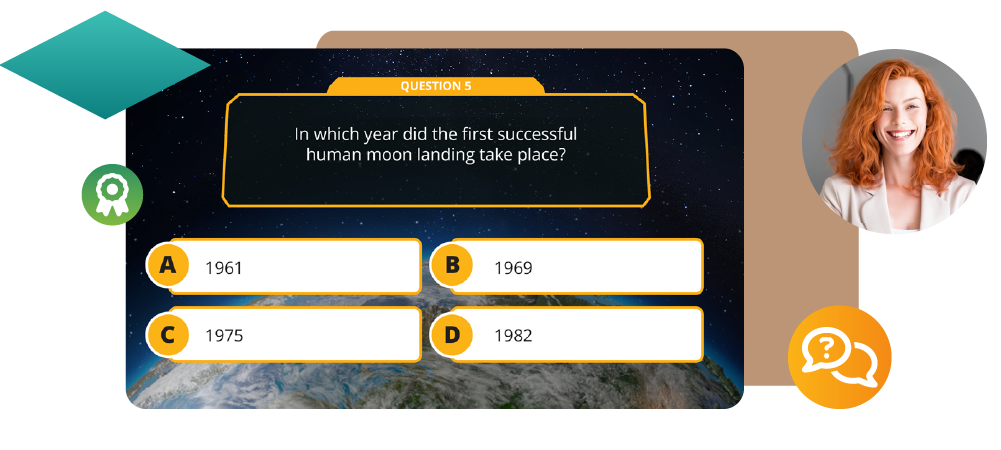
Successful virtual trivia sessions start with proper organization, framework, and goals, like all endeavors. This involves constant communication with your team regarding the time of the event and what the sessions hope to accomplish in the short- and long-term. An essential first step is to plan the virtual trivia event well in advance, possibly several weeks or months ahead, allowing your team plenty of time to prepare. Additionally, periodic reminders of the event are also helpful in allowing your team to come prepared the closer the event arrives.
A significant benefit of virtual trivia is that it promotes knowledge-sharing and camaraderie among remote employees, as the event provides your employees the rare opportunity to get to know each other and learn about each other, which only builds lasting connections, much like a virtual event or webinar.
The primary role of icebreaker questions in remote team meetings is to increase inclusivity, which builds team bonds and allows them to engage on a more personal level. These bonds will carry over into the workplace environment, leading to more success in daily practice.
Examples of creative icebreaker questions for virtual team sessions include:
The important note is to keep things simple with questions that spark conversation and engagement. These icebreaker questions can range from fun to awkward and can be catered to individuals based on interests you already know about. Just like virtual events and webinars, it's essential to receive feedback before the event to gauge what questions could impact cohesiveness and camaraderie most. Try sending out a survey to glean some preliminary information about the participants. Do several people enjoy reading? Video games? Cooking? Incorporate these elements into your icebreaker questions!
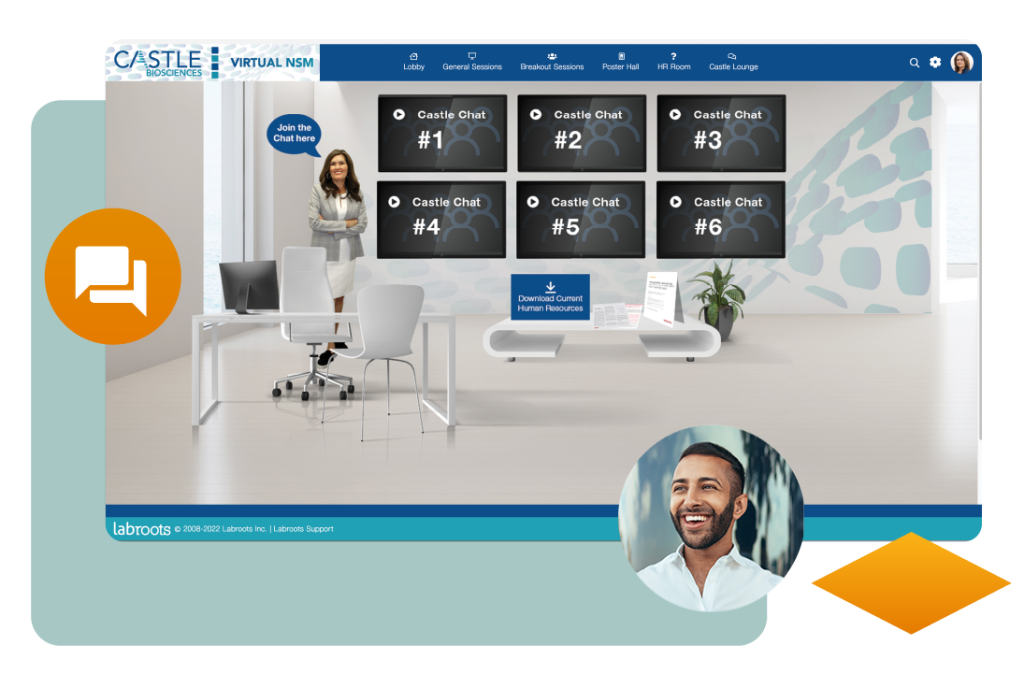
Real-time communication and engagement in remote work must be balanced, as constant contact is vital to successful business and team engagement. While Slack has become one of the most mainstream platforms for remote work, other platforms include Microsoft Teams, Discord, Google Chat, Troop Messenger, and Flock. Research shows that spontaneous conversation sparks novel ideas among co-workers. These platforms allow for real-time communication, ensuring a constant flow of information throughout the workplace and promoting these 'spontaneous' interactions.
Like virtual events and webinars, surveys and feedback are vital to gauging the impact of team-building efforts, maintaining camaraderie, and building cohesiveness among remote work employees and employers. A survey could inquire about their level of engagement and what aspects of the event they enjoy the most and which aspects the least. This feedback will also ensure the next virtual team-building event is much more successful.
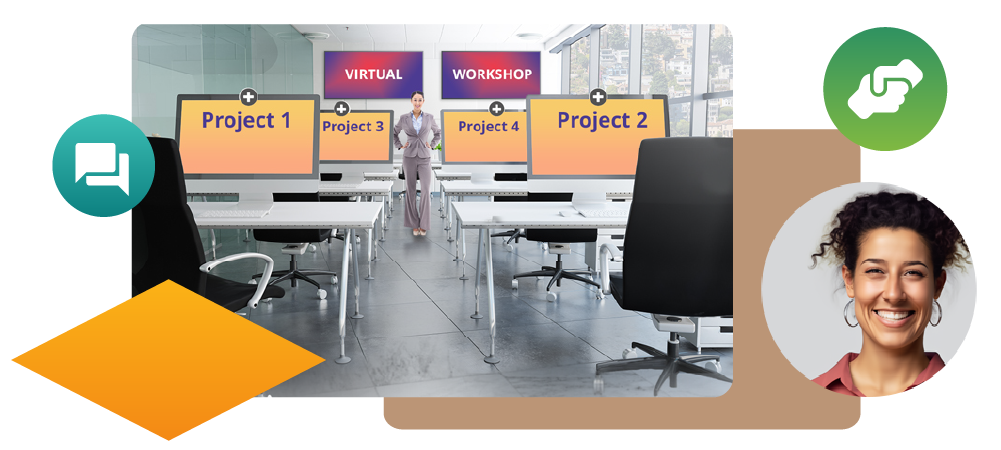
While remote work has some drawbacks in terms of team bonding and engagement, virtual team-building exercises like online games, trivia, and icebreakers can increase inclusivity and camaraderie while building team cohesiveness for both the short- and long-term. When developing virtual team building activities, make sure to give your employees plenty of notice ahead of time while keeping the activities simple, along with getting appropriate feedback afterward.
The importance of team building cannot be overstated, and using team building activities will ensure employees are engaged and ready for the next challenge. Employees work the best when under the least stress, and virtual team-building activities are an excellent way to break the social isolation that comes with remote work while building camaraderie among everyone.
Sources: Calendar.com, HubSpot Blog, Atlassian, MuseumHack, MuseumHack 2, Funny-Business, Fortune
As its name implies, virtual networking involves communicating through computers and other electronic devices. Virtual networking has become one of the mainstream methods in engagement and fostering connections and will only continue to expand and evolve along with the digital landscape.
In today’s evolving digital landscape, the importance of virtual networking cannot be understated. It has become the new norm to attend webinars, virtual conferences and events, and hybrid events to build your network and foster those connections to achieve your career goals, whether for yourself or your brand.
Here, we will discuss the top 10 strategies to succeed at virtual networking events, which will instill the necessary knowledge and insights to help you achieve your career goals, whether for yourself or your brand.
When searching for the right virtual networking platform, the common instinct might be to go with a brand-name or popular platform. Still, reviewing it for reliability and user-friendly attributes is vital before pursuing it for your virtual networking goals.
Some factors to consider when choosing a virtual networking platform are whether the features and tools on the platform will suit your needs and whether you are asking the right questions, such as how well you can engage with other attendees or the host. Who can you contact for a problem before or during the virtual networking event? Will the platform’s features help you reach your engagement goals?
Regarding your platform profile, it’s essential to stand out from the crowd as much as possible. This involves having a professional image, a detailed biography, and links to your work, whether it’s a personal website, a LinkedIn page, or something else that will grab attention.
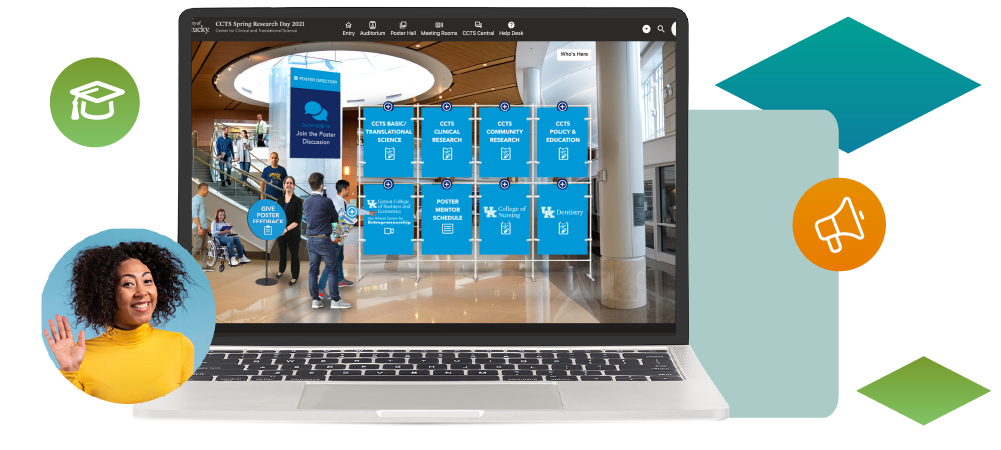
Like all endeavors, setting clear goals and objectives will establish a foundation, allowing you to tailor your strategy and approach for both the short- and long-term. Specific networking goals include building connections with potential future employers, education goals such as graduate or specialized training school, or meeting new people and learning from them.
Social media has become entangled in our everyday lives, with posts, tweets, and TikTok videos fighting to fill every waking second throughout our day. While some aspects of social media can be cumbersome and borderline addicting, using it professionally can help you build a solid online presence, which will only contribute to your virtual networking goals.
One recommended platform is LinkedIn, which has become the go-to site for professional networking. Like most social media platforms, LinkedIn gives you a profile that you can use to provide a professional photo, along with detailed employment and education background, publications, licenses & certificates, projects, volunteering, skills, recommendations, and awards.
Sharing relevant content is vital to building and fostering lasting connections when virtual networking. Whether your goal is to gain employment or pursue an education route, sharing relevant content while virtual networking will help contribute to the group, resulting in better engagement and fostering connections.
Another aspect of content sharing is engaging with others’ content effectively, which involves providing meaningful feedback and asking questions that spark engagement and interaction on the topic. With virtual networking, your goal should be to meet new people and learn new things, which only fosters connectivity and inclusivity.
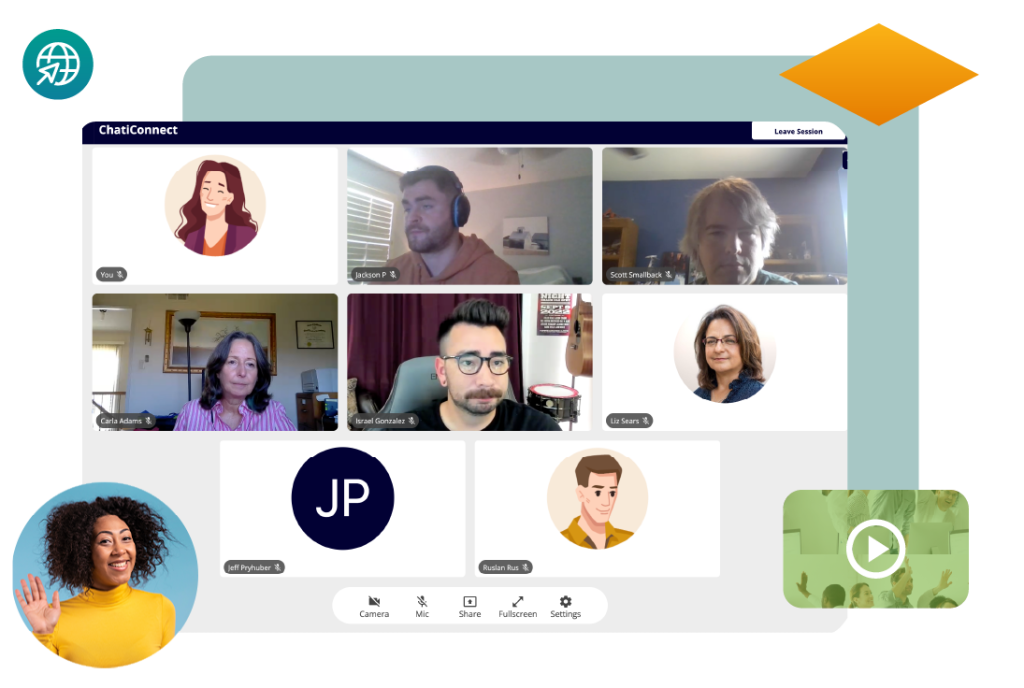
There are many ways to find virtual events and conferences, specifically social media and email. Still, you can also find them through your current employer and even word-of-mouth. When attending a virtual networking event, it’s important to make an excellent first impression, and this can be done through breakout rooms where attendees can break the ice by a myriad of methods. These primarily involve simple introductions but can also include sharing unique information about yourself that helps ignite engagement.
While virtual networking events are a fantastic way to build connections, conducting follow-up actions after attending events fosters those lasting connections. Suppose you establish a good interaction with someone during the event, and they agree to re-connect afterward. In that case, it’s vital to follow up with this, which will expand your network and foster lasting connections.
Building rapport and trust in virtual relationships is just as important, if not more important, than in-person relationships. This is because virtual relationships can get lost in the fray of the digital world, which increases the likelihood of losing touch.
However, this can be avoided through effective communication and follow-up techniques while drawing the line between pestering someone and following up. Just like in-person relationships, setting boundaries is important, and maintaining a professional decorum will avoid coming across as pestering.
Virtual networking events are just one of the many benefits of participating in online communities, with others benefits including creating real connections, growing your image or brand, and generating leads for employment or education opportunities, to name a few.
Finding and engaging with the right groups is paramount when searching for the right virtual networking groups and communities. This is because it’s vital to find groups that cater to your goals and objectives while also offering you an opportunity to contribute your insight and experience that will only enhance the group.

One of the most effective methods in virtual networking is leveraging video and webinars through the power of visual communication, which holds the potential to leave a far more lasting impact than simply through written communication. This is because visual communication puts a face to a name and allows you to harness your verbal communication skills, which give you a more professional appearance and help you achieve your virtual networking goals.
Along with visual communication, hosting and participating in webinars have become essential techniques in virtual networking. This is because webinars are typically much shorter than virtual events, lasting a few hours at most and focused on a single topic; in contrast, virtual events tend to last several days and offer a myriad of topics to choose from for both attendees and the hosts.
One of the most important tips for effective video networking is maintaining a professional appearance with your attire and background. This includes dressing as if you’re interviewing for a job and having a background that matches this appearance, such as a bookshelf filled with similar topics or decorum that fits your brand.
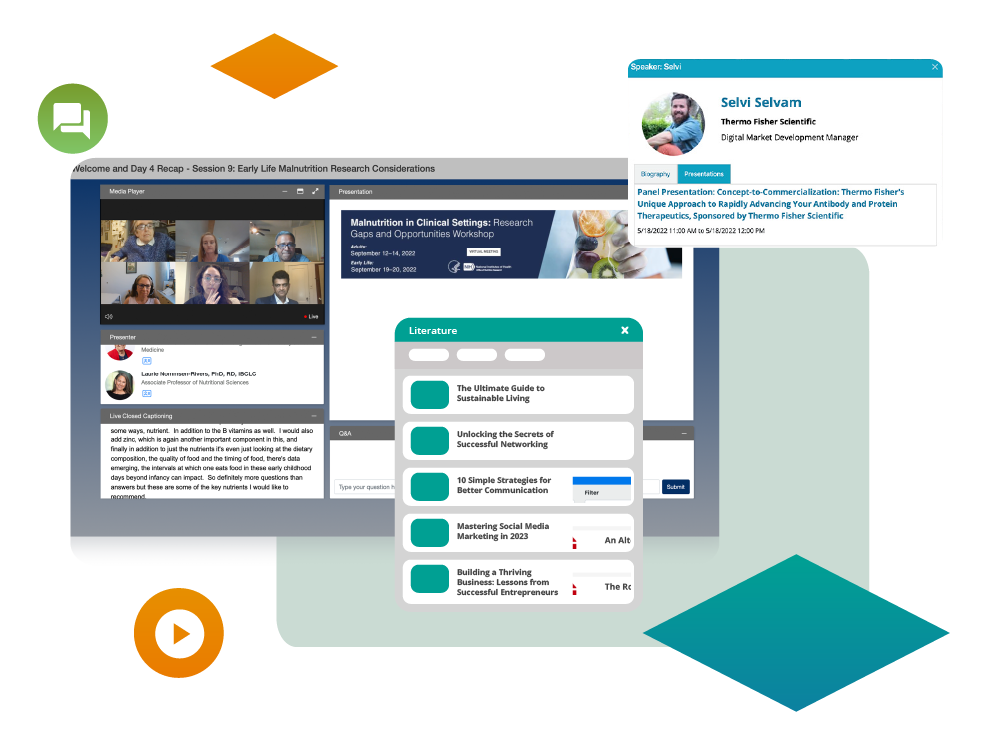
Like all endeavors, we are here to grow and learn, and this can be done with virtual networking through tracking and analyzing your virtual networking metrics so you can make more informed decisions in the future. This includes decisions on what events/conferences to attend/avoid and how to improve your objectives and engagement tactics to achieve your goals. In the end, you are looking for continuous improvement in virtual networking, which will only lead to fostering lasting connections and relationships.
Virtual events and conferences will continue to evolve, and keeping up with virtual networking trends will not only set you up for success in the future. Still, it will also enable you to modify your goals, objectives, and tactics to improve your engagement and networking skills. This includes knowing about new virtual events/conferences that could provide more valuable information or which events/conferences are on the downslope.
Sources: BMC, Eventsforce, LinkedIn, Higher Logic, LinkedIn (1)

