Discover how Chati's self-service licenses give you full control - build, update, and launch virtual events on your terms. Register for our free webinar today!
Virtual and hybrid events have surged, audience behavior has shifted toward digital engagement and on-demand content, and brand awareness now matters more than ever as organizations compete for attention in crowded, online-first spaces. Here, we will discuss how virtual events can help boost brand awareness, including key opportunities, best practices, common mistakes to avoid, and much more. Through this, you will have the tools and resources to host a successful virtual event while prioritizing brand awareness for clients and attendees.

Virtual events are online experiences hosted through digital platforms, including webinars, virtual conferences, product launches, and workshops, and they differ from in-person and hybrid events by offering greater accessibility, scalability, flexibility, and data-driven engagement opportunities.

Virtual events extend global reach beyond geographic limits, amplify brand visibility through repeated digital touchpoints, and help organizations establish thought leadership and credibility. They also strengthen audience engagement and message recall by using interactive tools, personalized content, analytics, and consistent storytelling across multiple online platforms and event experiences.

Webinars and educational sessions deliver focused learning, while virtual trade shows and expos connect brands with broad audiences. Live-streamed product demos and launches showcase innovations in real time. Panel discussions and expert roundtables build credibility, and on-demand virtual events extend reach and engagement beyond live attendance.

Virtual events offer customizable environments and booths, branded landing pages, and tailored registration flows that reinforce identity. Sponsored sessions and speaking slots elevate visibility, while logos, banners, and CTAs drive action. Interactive branded content, including polls, Q&A, and live chats, boosts engagement and strengthens brand recognition.

Successful virtual event branding starts with clear goals and measurable KPIs. Consistent visuals and messaging reinforce identity, while respected speakers and influencers build credibility. Promoting events across multiple digital channels expands reach, and encouraging interaction and social sharing increases engagement, amplifies visibility, and strengthens lasting brand awareness.

Measuring brand awareness from virtual events involves tracking impressions, reach, engagement, and dwell-time across platforms. Monitoring brand mentions and social shares reveals visibility gains, while post-event surveys assess brand lift and perception. Using these analytics helps refine messaging, formats, and targeting to improve future event performance.

Virtual events offer cost efficiency and scalability compared with traditional advertising, while enabling precise audience targeting and rich data insights. On-demand content extends campaign longevity, and measurable engagement metrics often deliver more substantial, more transparent ROI than conventional ads across digital and in-person marketing channels.

Common virtual event branding mistakes include overbranding without delivering real value, weak promotion or post-event follow-up, and ignoring interactive engagement features. Failing to repurpose event content into blogs, videos, or social posts also limits reach, reduces long-term impact, and weakens overall return on investment.

Future virtual event branding trends include AI-driven personalization that tailors content and experiences. These hybrid and immersive formats blend physical and digital engagement, community-focused events that foster lasting connections, and long-term brand building through integrated digital ecosystems that extend beyond single events.
Summary
Here, we discussed how virtual events can help boost brand awareness, including key opportunities, best practices, common mistakes to avoid, and much more. Now you can host a successful virtual event while prioritizing brand awareness for clients and attendees. Virtual events boost reach, engagement, and brand awareness.

Brands can start by setting clear goals, choosing the right platforms, and delivering value. Launch your next virtual event today. Consider Chati to host successful virtual events that promote brand awareness, and please contact Chati if you would like to know more about how we can promote brand awareness in our virtual events.
Virtual conferencing, often called online or web conferencing, is a method of digital communication that allows individuals or groups to meet, interact, and collaborate in real time. It encompasses a range of technologies and tools, including video conferencing, audio conferencing, instant messaging, and file sharing, all integrated into a single virtual platform. This innovative approach transcends geographical limitations, enabling participants from different locations -and time zones- to connect and engage in meetings, presentations, training sessions, and more as if they were in the same physical space.
Emerging trends and advancements are propelling the evolution of virtual conferencing, reshaping the way individuals and businesses connect and collaborate online. Adding augmented reality (AR) and virtual reality (VR) technologies can enhance the immersive experience of virtual meetings and conferences, creating lifelike environments that simulate face-to-face interactions.
Additionally, artificial intelligence (AI) can optimize aspects of virtual conferencing platforms with AI-powered features such as language translation, automated transcription, and intelligent meeting scheduling, streamlining communication and enhancing accessibility for participants worldwide.
Moreover, the growing emphasis on customization and personalization drives the development of tailored virtual conferencing solutions that cater to specific industries, preferences, and objectives, giving users more flexibility and control over their virtual meeting experiences. As these trends evolve, virtual conferencing is poised to become even more immersive, efficient, and accessible, revolutionizing how people collaborate and conduct business in the digital age.

The exponential rise of virtual event platforms like Chati signifies a transformative shift in the conference hosting and management landscape. Virtual event and conference platforms offer a versatile array of tools and functionalities tailored to the demands of remote collaboration. In 2020, this format experienced a dramatic rise in popularity out of necessity due to the global pandemic. While some assumed that the industry would shrink in the post-pandemic world, the opposite slowly emerged. The advantages of the virtual conference became clear to both event attendees and planners alike, highlighting connectivity and accessibility at a global level.
These platforms are comprehensive hubs for seamless virtual conferencing, providing organizers with the means to orchestrate engaging and interactive events irrespective of geographical boundaries. By amalgamating features like real-time communication, customizable virtual environments, and robust networking capabilities, these platforms have become indispensable facilitators of virtual conferences, enabling participants to connect, collaborate, and exchange ideas with unprecedented ease and efficiency. The demand for remote connectivity grows as technology advances, and virtual event platforms are poised to play a pivotal role in shaping the future of conferencing, driving innovation, accessibility, and engagement to new heights.

Event technology is fundamentally reshaping the virtual conference landscape. With the exponential advancement of virtual event platforms over the past four years, organizers can now access innovative tools and features designed to enhance the attendee experience and streamline event management processes. The seamless integration of video conferencing, live streaming, interactive chat functionalities, and virtual breakout rooms creates immersive and engaging virtual environments for participants.
Moreover, the emergence of AI-driven solutions is revolutionizing virtual conferencing by automating tasks such as attendee registration, content personalization, and audience engagement analysis. By leveraging event technology, organizers can overcome logistical challenges, reach broader audiences, and deliver dynamic and interactive virtual conferences that rival in-person events. As technology continues to evolve and innovate, it will undoubtedly play a central role in shaping the future of virtual and hybrid conferencing, driving efficiency, accessibility, and engagement.
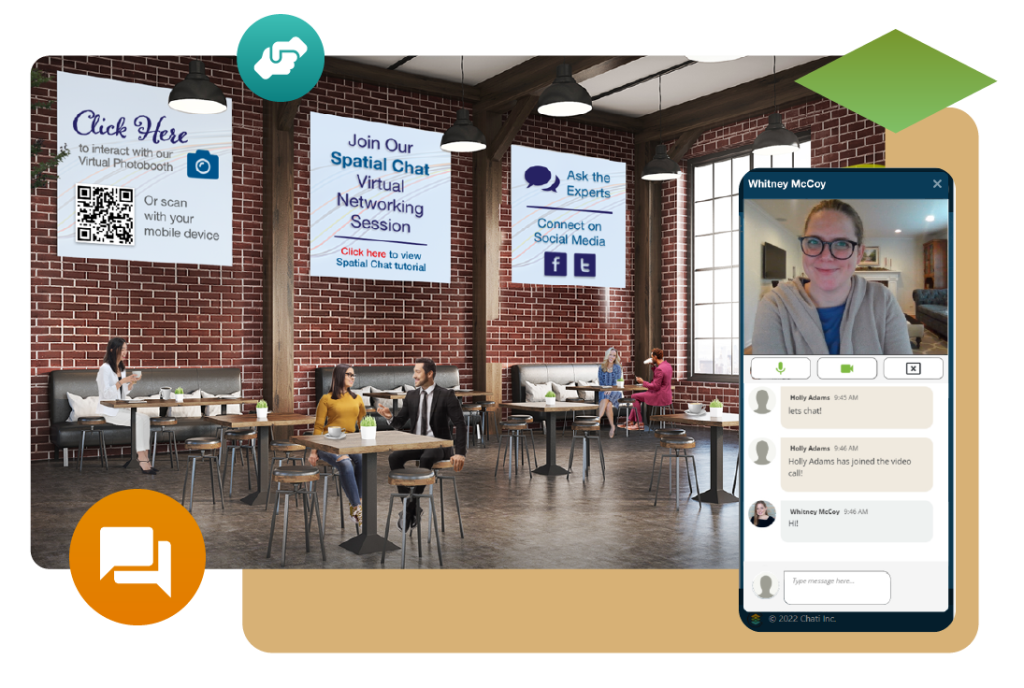
Virtual conferencing fundamentally alters traditional event planning and management approaches, specifically, how organizers conceptualize, execute, and evaluate events. Unlike traditional in-person gatherings, virtual conferences eliminate geographical constraints and logistical complexities, offering greater flexibility and accessibility to organizers and attendees. This shift has prompted a reimagining of event formats, with organizers leveraging digital platforms to deliver engaging and interactive experiences tailored to remote audiences.
Additionally, virtual conferencing has democratized event participation, allowing individuals from diverse backgrounds and locations to join discussions, network with industry peers, and access valuable content without travel or accommodation costs. Furthermore, the data-rich nature of virtual conferences enables organizers to gather real-time insights into attendee behavior, preferences, and engagement levels, empowering them to make informed decisions and optimize future events for maximum impact.
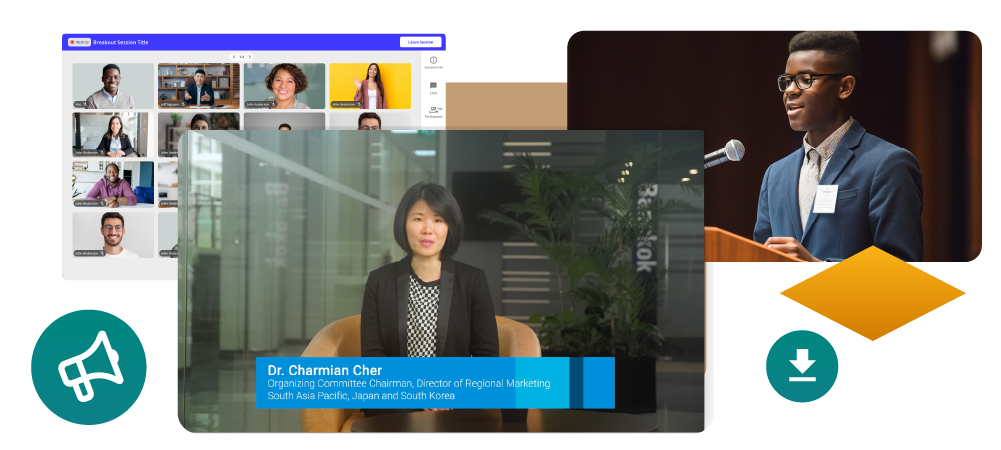
Leveraging social media platforms can enhance the visibility and engagement of virtual conferences. With billions of users worldwide, social media offers the opportunity to connect with attendees, create anticipation, and foster ongoing interaction before, during, and after the event. Utilizing strategic approaches can amplify the conference's reach, drive attendee participation, and cultivate a vibrant online community around the event. Below are some effective strategies for leveraging social media to optimize virtual conference visibility and engagement:
Generating high-quality leads from virtual conferences is a unique challenge that requires innovative solutions. Organizations can effectively overcome these hurdles and maximize lead-generation opportunities by employing strategic approaches. Here are three proven solutions to address these challenges:
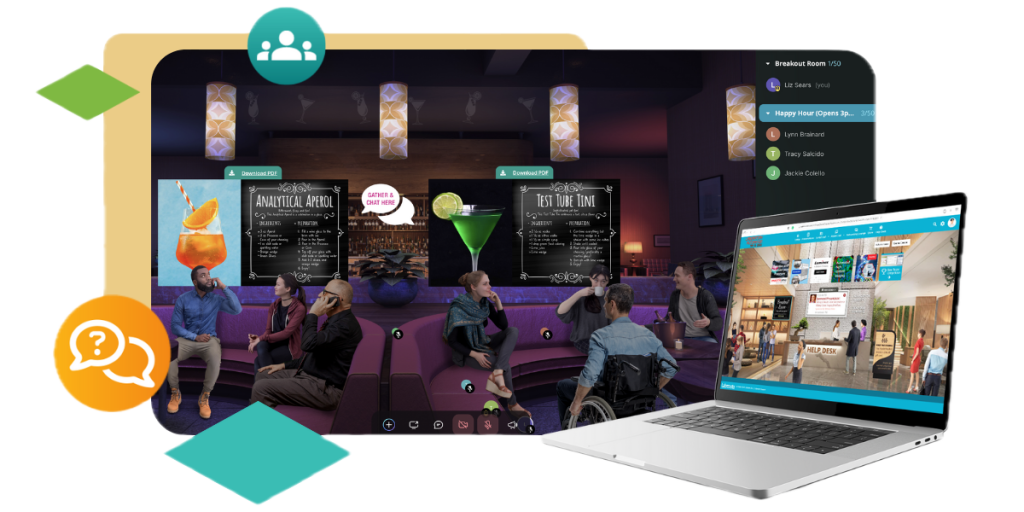
Maintaining attendee interest and participation is a common problem for virtual event organizers and managers. Organizers can employ various strategies to engage and captivate participants in these situations. Diversifying content formats, including interactive workshops, presentations, panel discussions, and Q&A sessions, ensures attendees remain intrigued and actively involved.
Gamification elements such as polls, quizzes, and challenges enhance engagement by transforming passive observation into interactive participation. Cultivating a sense of community through networking opportunities and group activities fosters connections among attendees, fostering a vibrant virtual environment. Encouraging real-time interaction through live chat sessions and audience-driven Q&A sessions empowers attendees to engage with speakers and peers actively, driving dynamic discussions and feedback. Finally, optimizing technical infrastructure and providing reliable support ensures seamless participation, minimizes disruptions, and enables attendees to focus on the conference content. By implementing these strategies effectively, organizers can create engaging and immersive virtual conference experiences that maximize attendee participation and satisfaction.
Everything listed above is vital for a successful virtual conference, and these reasons are magnified for large-scale virtual conferences since they are typically on a global scale. Therefore, it is crucial to adhere to best practices for effectively managing and executing large-scale virtual conferences, including recognizing your target audience, marketing and promoting your event, pre-conference preparations, recruiting lead event host, aka "master of ceremonies," enabling networking opportunities for your attendees, monitoring attendee engagement throughout the event, and receiving appropriate feedback from your attendees as soon as the event ends or a short time later.
During your preparations, emphasize to your attendees that feedback from your team members during the event might take a little longer than usual due to the size of the event but that you will adhere to their requests as soon as possible. Large-scale events typically encompass numerous time zones and geographic locations, so recording sessions are vital to ensure attendees worldwide can contribute later.
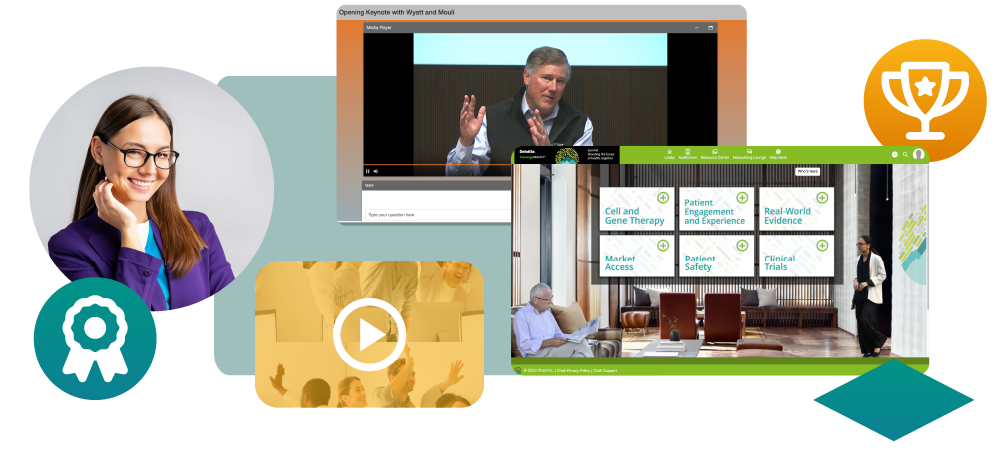
Virtual conferences will continue to evolve to meet the needs of individuals from all professions and backgrounds for years to come, and a large reason will be due to hybrid events, which bridge the gap between in-person and virtual conferences in one package. As noted, your attendees will hail from several time zones and geographic locations, and hybrid events offer them many opportunities to seamlessly engage with individuals in their field without needing to attend in person. Hybrid events offer cost-effective and environmentally friendly methods to unite people, enabling you to host large-scale events with smaller in-person venues since most of your attendees will be online. This will result in a reduced carbon footprint from less travel and local resources needed for the event. Overall, hybrid events increase reach and attendance while offering greater participant flexibility.
Hybrid events offer unique opportunities for increased attendee engagement, primarily from your event's larger—most often global—reach, which only improves diversity, inclusivity, and connectivity for individuals from all over the world. Like virtual conferences, hybrid events offer diverse content, including gamification, polls, quizzes, interactive workshops, and Q&A sessions. Additionally, breakout rooms offer your attendees from both in-person and virtual audiences the opportunity to engage with each other, helping to break down geographic barriers for individuals from all backgrounds and professions. With hybrid events, your virtual conference can be taken to the next level, enabling you to enhance engagement and foster lasting connections for everyone.
Successful hybrid events leverage virtual conference software to create seamless hybrid events experiences, including user-friendly interfaces and systems, mobile apps, successful integrations with other systems, and advanced proficiencies. The best software packages also provide supplemental tools, including secure payments, several registration/ticket options, guest speaker info and images, virtual spaces for one-on-one interactions, and post-event feedback surveys. With hybrid events, the successful integration of virtual conference software is essential because it enables increased diversity, inclusivity, and connectivity for individuals worldwide.
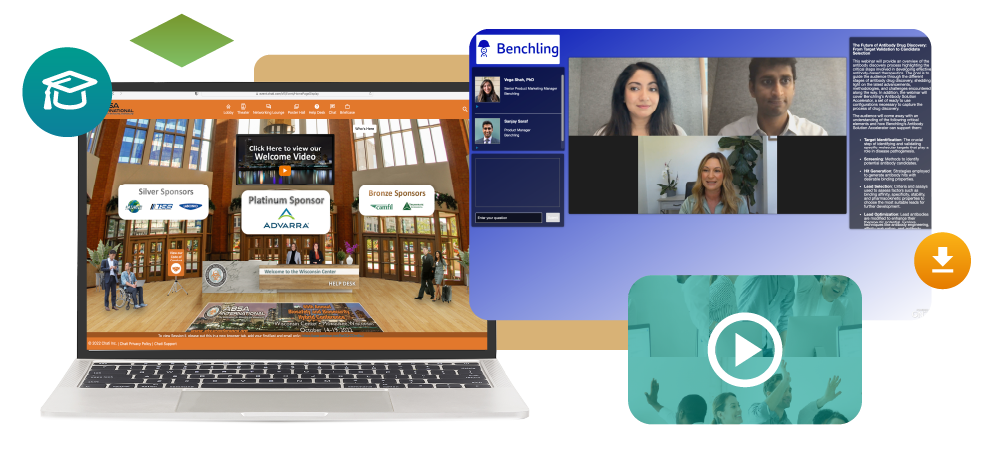
Virtual conferencing enables individuals from all personal and professional backgrounds to seamlessly share new ideas and engage with others in their field. The expansion of VR technologies and AI enables event organizers and attendees to engage in new and exciting ways while offering myriad tools that allow attendees to seamlessly engage with each other through the event, including gamification, breakout rooms, and live chat sessions. Additionally, hybrid events can enhance virtual conferences, which offer the best in-person and virtual experiences for individuals worldwide.
With this blog, we are making a call to action for embracing innovation and adapting to the changing landscape of virtual conferencing. We have highlighted many key trends and insights into how event organizers and attendees can use virtual conferencing to maximize engagement and connectivity for individuals from all professions and geographic locations. Virtual conferencing will continue to evolve and improve, and we are confident you will come away with this better preparation for your next virtual conference.
Chati recently presented a guide to planning hybrid events in 2024. Here, we will discuss how hybrid events encompass the best of both in-person and virtual aspects of an event or conference to enable the best opportunity for inclusivity and connectivity on a global scale.
Over the past few years, virtual events have become mainstream in networking and building connections. However, in-person events still hold benefits, primarily due to the real-life engagement aspect. Unfortunately, not everyone can attend in-person events for many possible reasons, including financial or logistical, and this is where hybrid events shine.
In this age of virtual networking, embracing a dual approach towards networking will enable you to reach levels of engagement and connectivity like never before, and this can be accomplished through hybrid events where you can meet people in real life or connect with them virtually. Embracing the dual approach makes hybrid events crucial in both the short- and long-term.
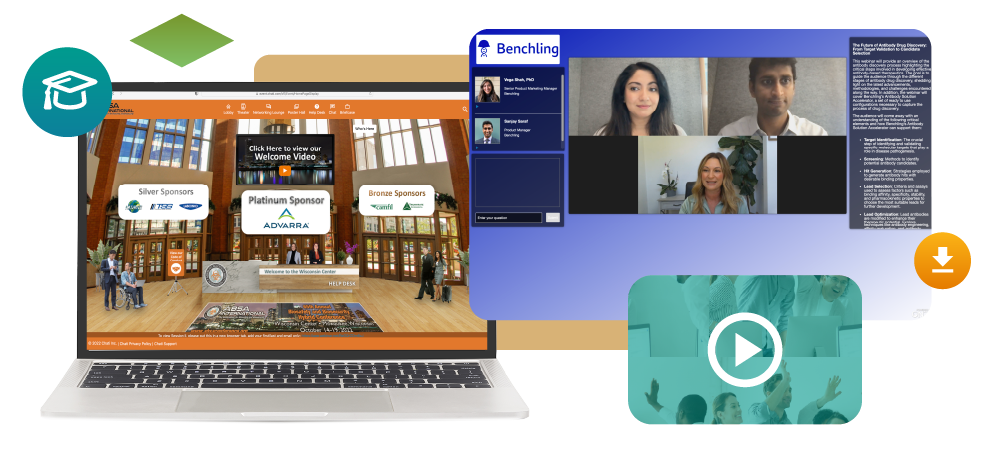
Hybrid events enable event organizers to amplify audience reach and engagement during and after the event. This is due to the ability to connect individuals from around the world, as 47 percent of event hosts believe that hybrid events are the answer to bringing people together from around the world. Other characteristics include offering the choice of attending in-person or virtually while increasing attendee engagement rates since some of your attendees might still be hesitant to attend in person because of COVID-19.
Hybrid events help bridge the gap between physical and digital audiences so individuals worldwide maximize their engagement and connectivity. Along with being hesitant to attend in-person events due to COVID-19, attendees might also be unable to attend due to a physical disability or financial instability, and hybrid events enable these individuals to seamlessly attend your event and engage with in-person individuals so they can share the experience.
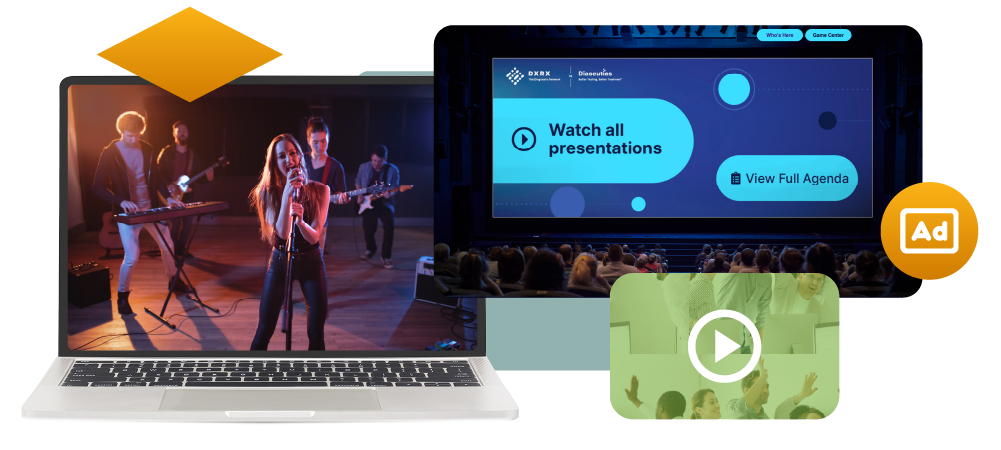
The primary goal of hybrid events is crafting content to engage both audiences, which will increase engagement and enable your attendees to improve their networking skills while building connections and fostering relationships for both the short- and long-term. For example, guest speakers should be able to engage with both audiences seamlessly. At the same time, breakout rooms and gamification features allow both audiences to engage with each other seamlessly.
Through this, your hybrid event will maximize interaction and participation across all channels, leading to greater levels of inclusivity, diversity, and engagement for individuals worldwide.
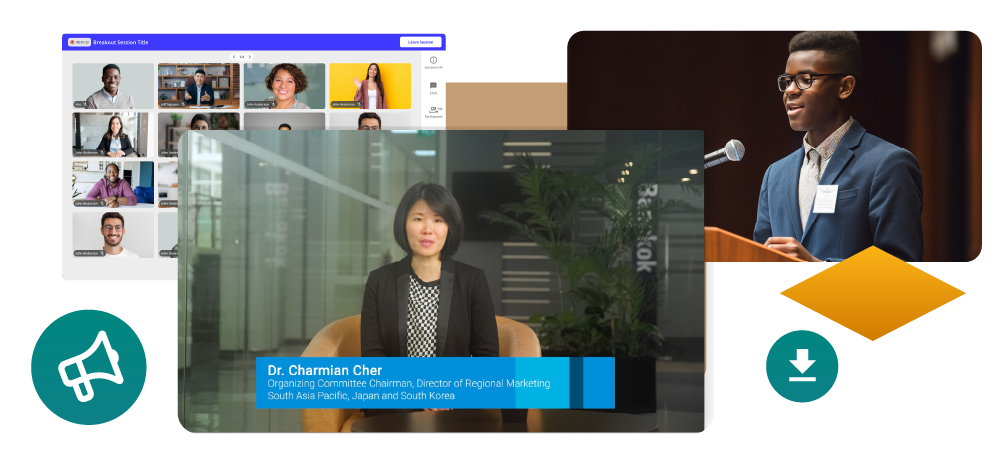
Addressing technical and logistical considerations is vital for all endeavors, but hybrid events are especially important since organizers are balancing two different audiences. For example, guest speakers require the ability to convey their message while engaging with both audiences, which brings more challenges for your virtual audience, as ensuring all internet connections are functioning properly will allow your virtual audience to engage simultaneously with your in-person audience. Other technical and logistical challenges are to consider providing resources for the seeing- and hearing-impaired, which need to be addressed for both audiences.
For these reasons and many more, balancing engagement and interaction across in-person and virtual formats is essential to achieve the most successful hybrid event. Through this, event organizers can maximize engagement, connectivity, inclusivity, and diversity on a global scale.
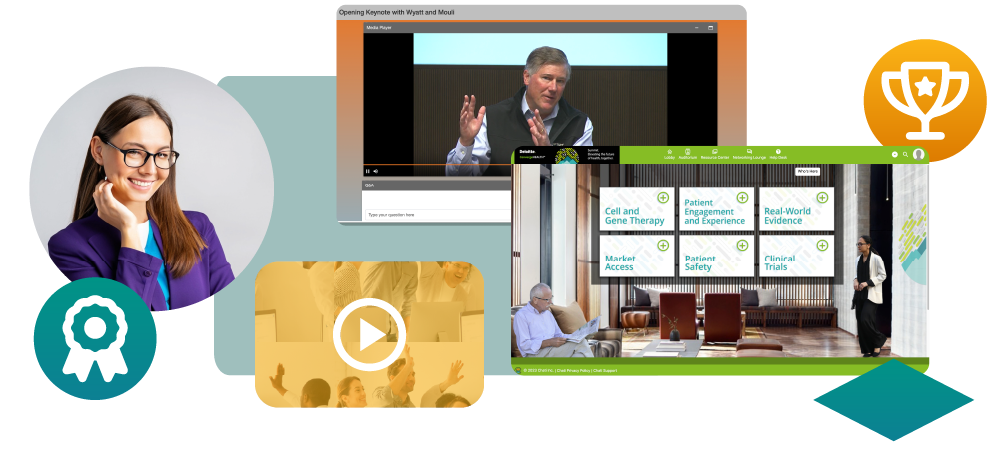
Chati has emphasized in numerous blogs the importance of tracking engagement metrics for webinars and virtual events, making this practice even more important for hybrid events as event organizers are responsible for in-person and virtual attendees. However, the same tracking methods used for webinars and virtual events can easily be used for the virtual aspects of hybrid events, including those collected via artificial intelligence. You can even periodically engage with your attendees to ensure they’re getting the most out of your hybrid event.
In addition to tracking engagement metrics, Chati has frequently discussed the importance of extracting valuable insights from attendee feedback, and this aspect is even more important for hybrid events as organizers are balancing two audiences instead of one, with attendees engaging from all over the world. This feedback can be accomplished through post-event surveys, which are encouraged to be sent out immediately as soon as possible once the hybrid event concludes so the event is still fresh in your attendees’ minds. Additionally, follow-up emails a few weeks to a few months after the event allow your attendees to provide additional feedback if they missed something in the post-event surveys.
At Chati, we encourage all event organizers to unleash the power of hybrid events, which encompass the best of both in-person and virtual events, into a fun and engaging experience for individuals worldwide. From creating memorable experiences to overcoming technical and logistical challenges to monitoring engagement metrics and post-event feedback, we are confident you will walk away from this better prepared to host a successful hybrid event for years to come.
Sources: Chati, Interprefy, WorkCast, Frameable, Cvent, Socio Labs, Chati (1)
The COVID-19 pandemic forced the world's population to reshape their lives as everyone stayed indoors to prevent the spread of the coronavirus. The result was that traditional, in-person events, where networking was the priority, quickly became virtual-only events. In this post-Covid world, many of these events have returned to being in-person while continuing to include a virtual aspect. These 'hybrid' events are rapidly becoming the new norm for networking. A recent survey found that 66.5% of event professionals predicted that hybrid events will be incorporated into all future event strategies.
Due to geographic boundaries and financial costs, many would-be event attendees worldwide are unable to attend in-person events. These factors alone highlight the increased relevance of blending physical and virtual events. With a hybrid approach, your event can increase inclusivity and diversity, which will build stronger relationships and foster connectivity for both the short- and long-term. As we enter 2024, it's essential to understand not only the fiscal benefits of going hybrid but also how to develop successful and effective hybrid events. Here, we will discuss the steps to create a truly successful hybrid event in 2024.
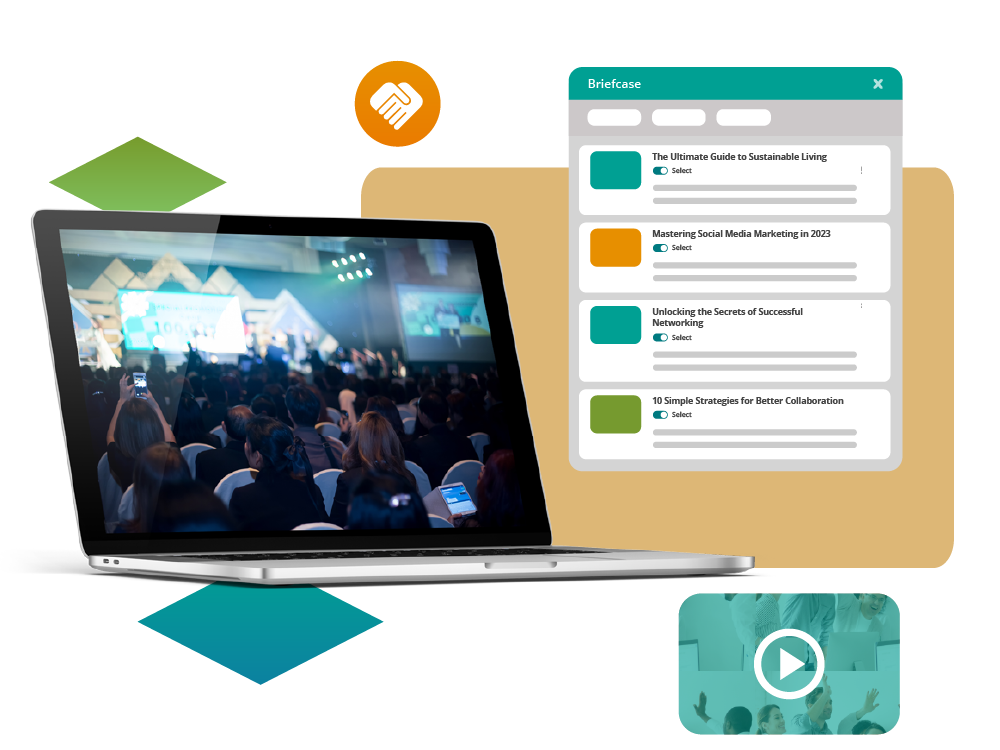
Hybrid events offer many benefits compared to strictly virtual or in-person events, including extended reach, improved engagement, and flexibility. Much like virtual events, hybrid events break down geographic barriers so individuals have the choice to attend in-person or virtually. Adding virtual components opens the door to those who may be unable to attend due to geographic, financial, or scheduling circumstances.
By harnessing the power of both worlds, hybrid events provide greater inclusivity, engagement, and networking opportunities that virtual or in-person events can't provide on their own. Additionally, they provide an opportunity for first-time attendees to "dip their toes" into your brand, allowing them to attend in person for future events.
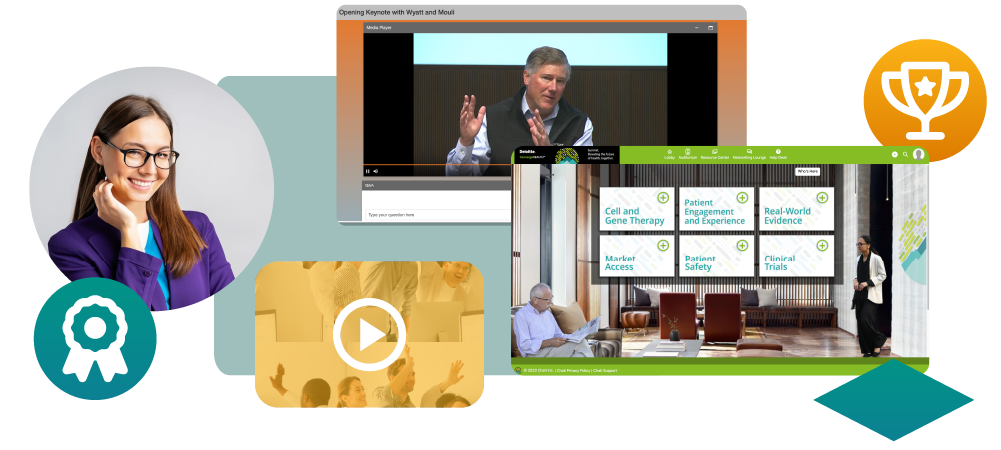
When planning your hybrid event, understanding and catering to physical and virtual attendees are crucial for your success. Maintaining equal engagement levels for both audiences is complicated but vital. For instance, if you are hybridizing a conference, a good starting point is to include strong and consistent live-streaming with a reliable internet connection so your virtual audience can engage with speakers and in-person audience members in real-time.
Like all events, hybrid events require tailored content and engagement to meet the needs of both virtual and in-person attendees. Provide resources for the seeing- and hearing-impaired and opportunities for individuals in various time zones to participate through easily accessible taped talks, real-time captioning, multi-lingual captioning, and landing pages or virtual event spaces that can be easily converted from text to speech/audio.
Selecting a venue that supports physical and virtual components is vital when planning your hybrid event. If considering a hybrid element, make sure the venue you choose has a reliable internet connection, AV accessibility, and adequate facilities for the on-site virtual event management staff. With these features, your virtual audience may experience a more engaging event.
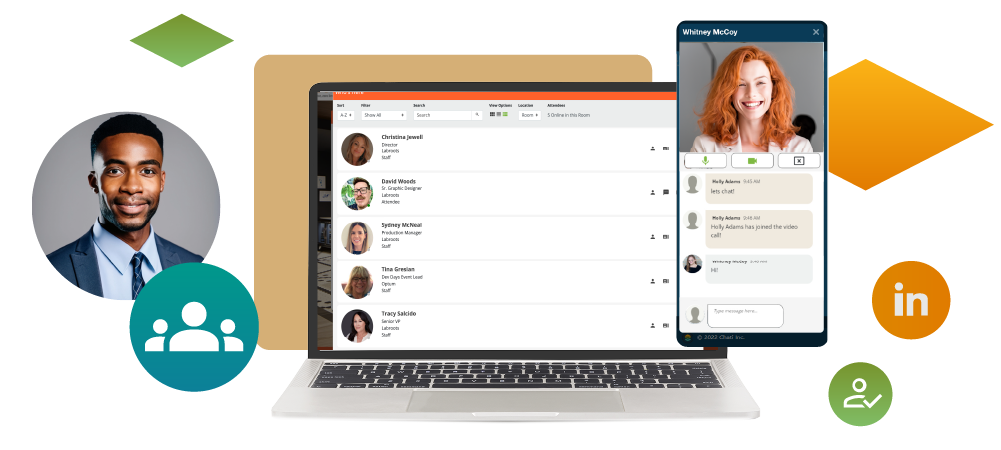
All successful hybrid events require effective event management practices, beginning with registration, ticketing, and attendee support for both audiences. When promoting your event, providing a seamless registration process provides your attendees with an excellent first impression of your event. Ongoing attendee support ensures attendees that the event is effectively managed. Peace of mind in the little things makes a huge difference for both audiences.
The importance of a seamless attendee experience must be noticed and addressed, from the registration page to the sessions to the post-event feedback. When your attendees have the most seamless experience possible, they leave your event with a sense of fulfillment and are excited for your future events.
Since some of your hybrid event attendees will inevitably be virtual, it's vital to consider the various time zones they will be attending from. Some attendees will not be able to see certain sessions live, so it's recommended to provide archived sessions on-demand so they can view them later, either during the event or afterward. Having streamed sessions available on-demand ensures a wider reach for your content and allows attendees to view content they would otherwise have missed.
Additional strategies for accommodating global participants include captioning available in multiple languages, flexible scheduling, and 24-hour virtual support.
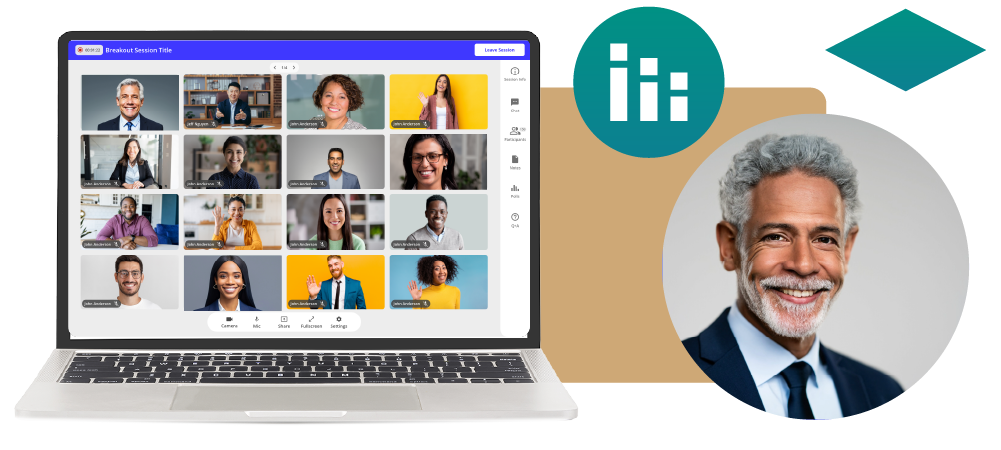
Regarding enhancing attendee engagement and interaction, breakout rooms offer enormous opportunities to foster small group discussions and networking for in-person and virtual audiences. This is because breakout rooms are exactly as their name describes, as a break from the chaos and large crowds of the event and an opportunity to breathe and engage one-on-one with other audience members, which increases inclusivity and diversity while building lasting relationships and fostering valuable connections. Virtual match-making allows those with shared interests to meet and interact with one another when they may otherwise feel left out of the in-person experience.
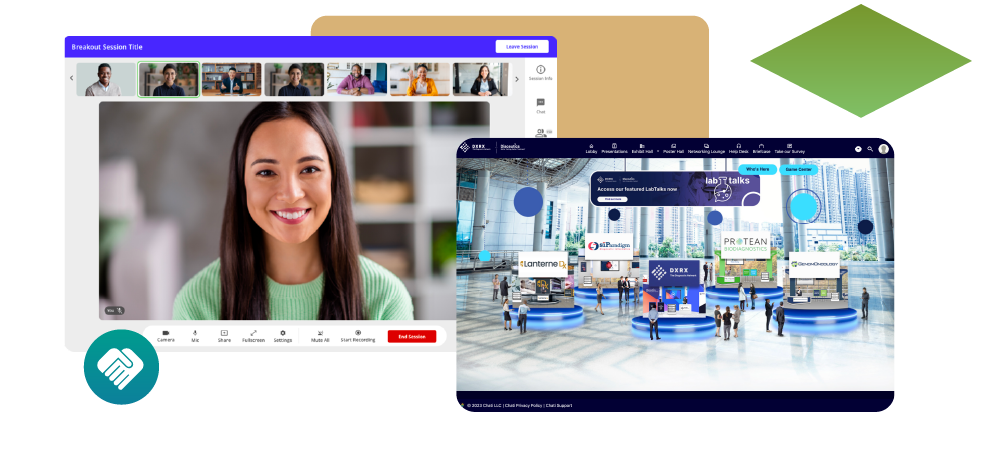
Hybrid events thrive on live interaction and engagement between in-person and virtual audiences, and the value of live Q&A sessions for attendee engagement cannot be overstated. Live interaction allows both audiences to share and learn from each other, building relationships and fostering connections for both the short- and long-term.
When facilitating interactive Q&A sessions, it's vital to maintain a sense of direction and order, as having the right session host or chairperson can help keep everyone on the same page and allow everyone the opportunity to interact equally, whether from the virtual or in-person audience.
Taking advantage of the social media landscape is vital to a successful hybrid event. This can include using your company's social media pages to promote and broadcast the event and creating alternative social media pages for various event components. The myriad of social media platforms, including Facebook, X (formerly known as Twitter), Instagram, Bluesky, and Mastodon, to name a few, makes it possible to target your audience effectively and interact with them in a familiar and friendly environment.
By harnessing the power of social media, your hybrid event and your brand can amplify real-time interaction for virtual and in-person audiences worldwide. This can be accomplished through live streaming on social media platforms or encouraging direct messaging if you wish to engage with an attendee one-on-one.
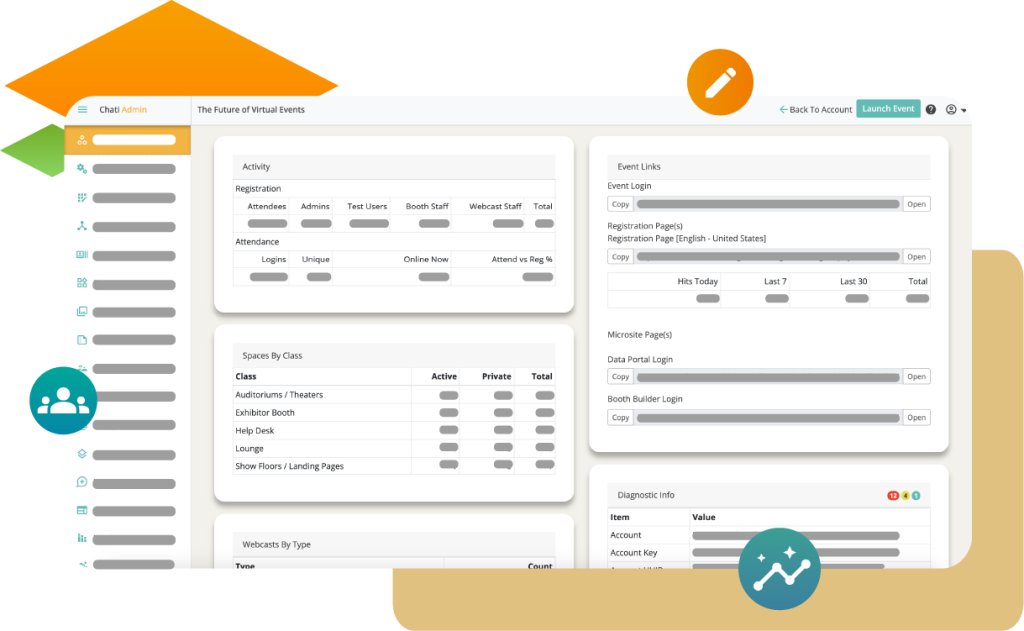
Collecting and analyzing data during and after the event will provide valuable feedback regarding engagement and logistical metrics, ensuring your attendees from both aspects of the event obtain equal engagement and networking opportunities. This includes ensuring strong and consistent live-streaming capabilities for your virtual audience and seamless engagement with in-person attendees.
All endeavors require feedback to ensure success going forward, and obtaining feedback for hybrid events is crucial since there are two different types of audiences you're helping. This can be conducted with post-event surveys and emails, but also provide contact information in case your attendees might remember aspects of the event later.
Successful feedback will not only ensure your latest event's success. Still, it will also inform future hybrid events on what steps need to be taken to ensure maximum engagement, inclusivity, and diversity for attendees worldwide.
Hybrid events have become a cornerstone to networking and engagement, especially in this post-Covid world, and following these strategies will ensure that 2024 will have even more successful hybrid events that improve inclusivity, diversity, and engagement for everyone. This includes providing appropriate venues, technological and logistical readiness, catering to your audience's needs, and receiving relevant feedback from your audience, both virtually and in person.
As the digital landscape continues to evolve, future trends and hybrid event experiences will also continue to evolve. With these strategies, you can ensure solid and impactful hybrid events through 2024 and beyond!
Sources: Impact XM, Stova, Deal Room, vFairs, Airmeet, MeetingPulse
With virtual events becoming one of the mainstream ways to network and build connections worldwide, setting the stage for successful virtual events is vital to ensuring the highest levels of engagement and connection-building for both the organizers and attendees.
Here, we will discuss the importance of planning a virtual event like a pro, from event planning and promotion to event design to execution to feedback. Understanding these steps will ensure you achieve the highest levels of engagement, connectivity, and inclusivity for everyone.
When planning your virtual event, identifying goals and objectives is critical to achieving the highest level of success for everyone. Asking questions like, what are we trying to accomplish for the short and long term, how will we achieve it, and what impact will we make will not only ensure a successful virtual event but will help you achieve the maximum possible engagement levels and connectivity for everyone.
A primary starting point is understanding the purpose of your event. Are you trying to help your attendees improve their networking skills, advance their careers, or provide valuable information or education that could help them personally or professionally? Once you understand your event's purpose, you can plan and promote it more easily.
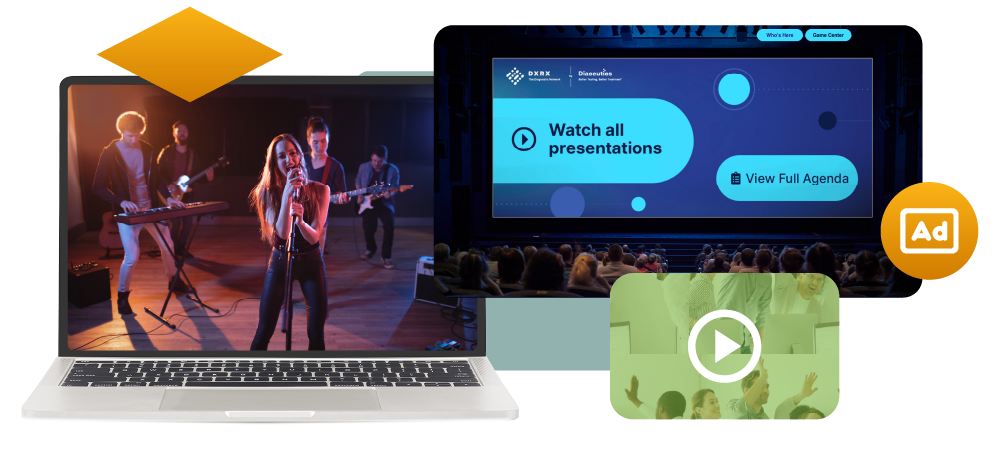
Once you identify goals and objectives and understand the event's purpose, the next step is determining the scale of the event, which will allow you to establish how many attendees you will be hosting. This ensures that you target the right audience with the necessary level of engagement and promotion without going overboard on the logistics before, during, and after the event.
All successful events have successful teams behind the scenes, and this begins with establishing the role of a project manager, sometimes known as the virtual event planner, whose role is to ensure everything runs smoothly from start to finish. This includes ensuring all team members are on the same page and carefully documenting all aspects of the planning and implementation of the virtual event, as well. The most essential characteristic of the project manager is to stay in constant communication with all team members to ensure that everything stays on track from start to finish.
Once a project manager is assigned, the next step is building a well-rounded team assigned to different aspects of the virtual event, from promotion and planning to event design and execution to how feedback will be collected and documented. No matter how small the task, a well-rounded team will successfully contribute to the success of the virtual event from start to finish.
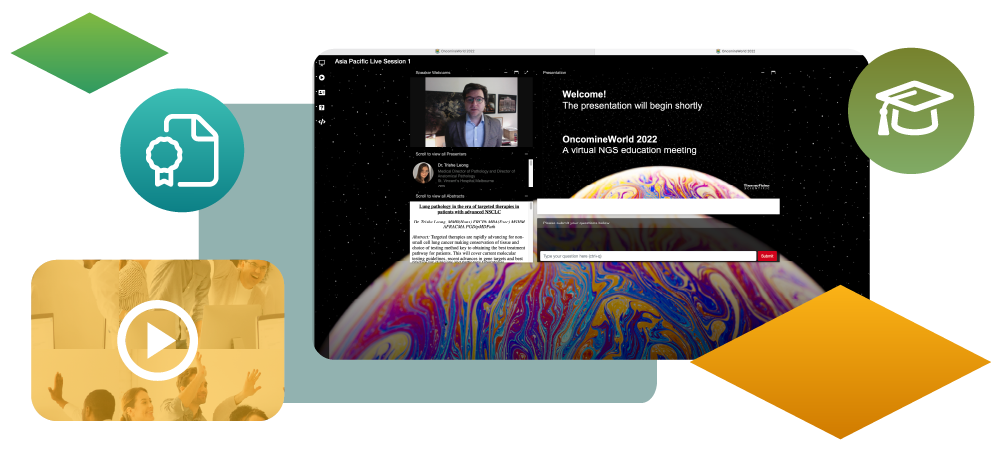
Virtual events aim to achieve the highest level of engagement and connectivity for everyone; you can accomplish this by designing engaging team-building activities to create camaraderie among your attendees. Team-building activities allow your attendees to network and build connections through interpersonal engagement and interaction, which can foster connections and build inclusive relationships for everyone.
Incorporating real-time interactions is another method to develop engaging content and activities, as this offers your attendees the opportunity for live discussions and knowledge-sharing, which will only achieve the highest level of engagement and inclusivity for everyone. Through these real-time interactions, your attendees can hone their networking skills while learning from many individuals worldwide.
One strategy for a successful virtual event is leveraging happy hours and face-to-face moments with your attendees, which will allow them to engage and interact with each other in a more personal and relaxed setting. Face-to-face communication also offers attendees increased knowledge-sharing and enables them to learn from each other more personally.
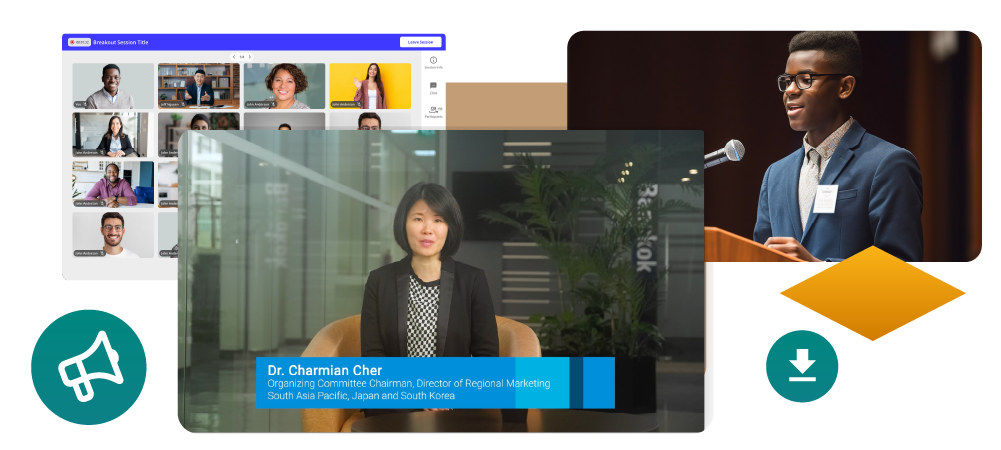
While the project manager's job is to ensure all team members are on the same page through the planning and execution of the virtual event, the marketing manager's role is essential in promoting the event. This includes ensuring they target the right audience, streamlined registration, and sending invites to all attendees leading up to the event.
Successful event promotions ensure you are maximizing brand awareness both leading up to the event and through the event, as the goal is to build connections among your attendees while building your brand, which will ensure your attendees will return for future events you might host.
Social media has become a part of our daily lives, and harnessing the power of social media for promoting your virtual event cannot be understated. This includes using company social media pages, such as X, Instagram, or Facebook, to promote your event and even having a social media account solely dedicated to your virtual event, especially if the event is part of a series.
Throughout the virtual event, monitoring and gathering data on attendee engagement and audience interaction is paramount for achieving the most impactful and successful virtual event. This can be accomplished either by your team members or through artificial intelligence and will ensure your attendees achieve the highest level of engagement and connectivity possible.
Another way to ensure a successful virtual event is by evaluating the impact of the team-building activities to ensure everyone has the highest level of engagement and connectivity. Determining which activities are the most and least impactful will ensure your attendees are engaged while setting the stage for successful virtual events.
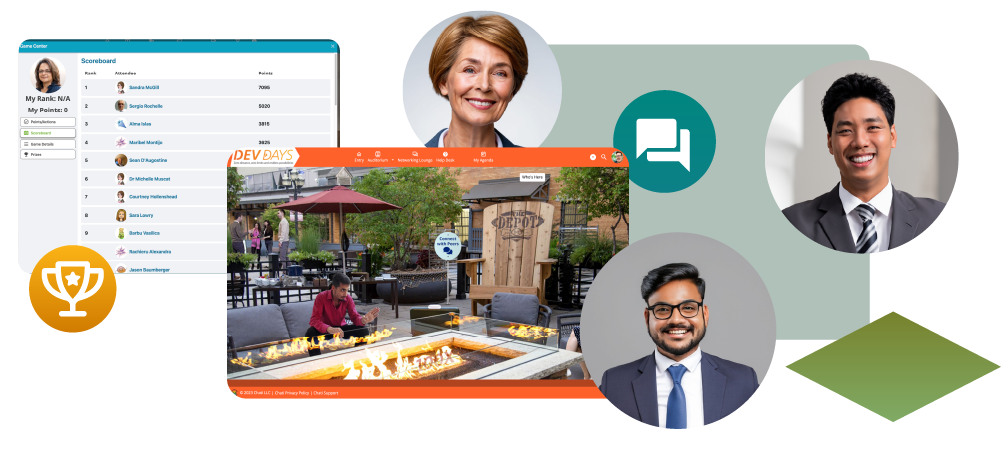
A significant step to ensure you continue to have successful virtual events is analyzing post-event data and feedback from your team and attendees. Feedback surveys sent via email or within your event platform are an excellent way to collect feedback immediately following the event. It's best to do this quickly following your event so the information is fresh in everyone's minds and you receive the most valuable information as fast as possible.
One area to focus on is identifying areas for improvement; this includes everything from event planning and promotion to targeting audiences to event management and even how you collect feedback. Concentrating on improvement will ensure you build the best team and host the most impactful event in the future, ensuring more significant levels of engagement and connection-building for everyone.
When planning a virtual event like a pro, having the right team and objectives in place will ensure a smoother and more successful virtual event, from event planning and promotion to event design to execution to feedback. Through this, you ensure the maximum level of engagement and interaction for your attendees and allow them the best opportunity for networking and connectivity with individuals from all over the world. We encourage event planners to embrace these best practices when planning a virtual event like a pro, which will ensure connectivity and inclusivity remain a top priority for everyone.
Sources: Cvent, Wrike, EventBuilder, Think Orion, Attendee Interactive, The Social Media Hat
As noted in previous blogs, virtual events offer an enormous opportunity to break down geographic barriers while fostering connections, building your brand, and increasing inclusivity for everyone. Marketing your virtual event effectively is vital to increase your brand and reach the global community. Here, we discuss the steps you can take to properly market your virtual event through ads, e-mails, social media, and much more to meet your virtual event marketing goals.
Several key elements contribute to a successful virtual event marketing campaign, including identifying and reaching a wider audience, using your website to communicate your virtual event's value, choosing the correct time to begin event promotions, maintaining your marketing strategy throughout the process (i.e., before, during, and after the virtual event), involving multiple sponsors and speakers, and offering incentives for attending your virtual event.
Below, we take you through Chati's top four virtual event marketing strategies:
One method to promote your virtual event is through Google Ads, the largest provider of online search advertising. There are currently more than 2 million Google Ad accounts, which collectively reach over 2 million websites. With Google being the most visited search domain in the world at more than 106 billion hits, Google Ads is the primary method to market your virtual event.
To ensure your virtual event gets the proper recognition, make sure to optimize Google Ads, including keywords that users can search to find your virtual event, leveraging assets (previously called ad extensions) that enable your marketing campaign to go beyond the basics and reach the right target audience, and taking advantage of specialized platforms, to name a few.
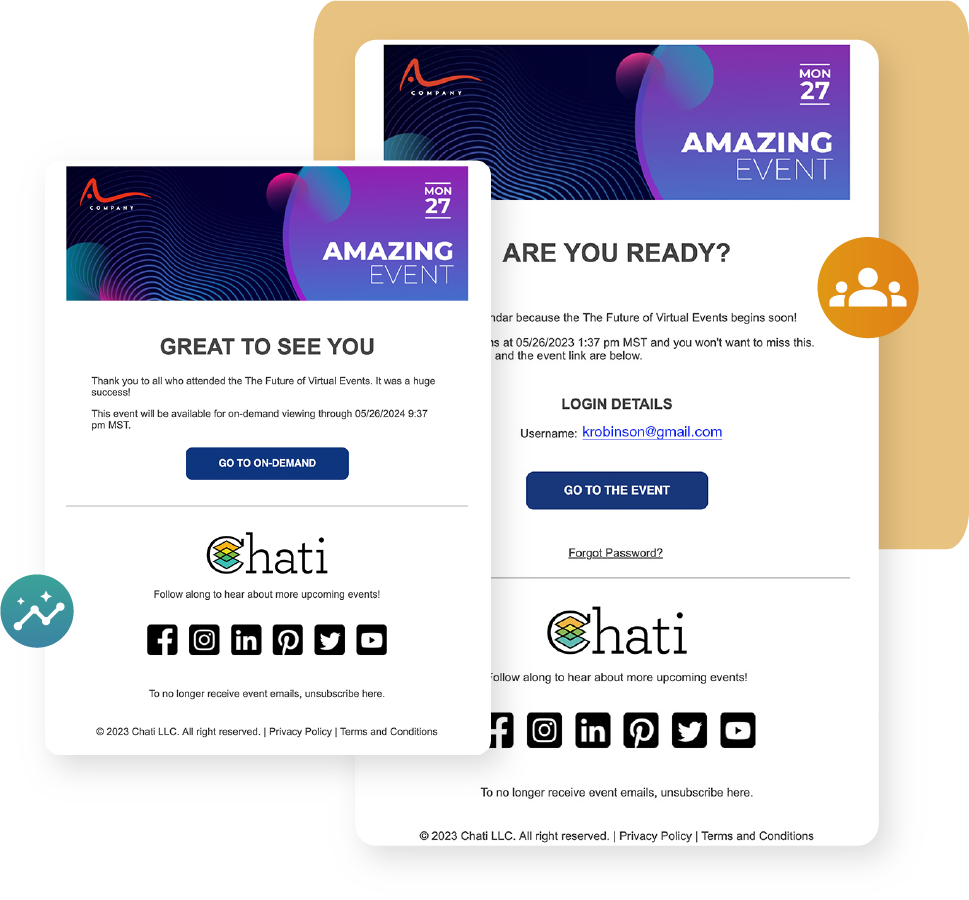
With e-mail being the primary form of online communication, utilizing e-mail marketing efficiently and effectively is increasingly important. E-mail marketing allows you to stay connected with your target audience, engage with them in real time, and increase brand awareness, to name a few.
Some of the best strategies for creating engaging event-related e-mail campaigns include personalized messages, mobile-friendly e-mails, automated e-mails, creative subject lines, and timeliness, to name a few. Be sure to speak to your audience authentically; almost 50% of e-mails are categorized as spam, and you want to avoid ending up in the junk folder.
Additional e-mail marketing strategies include highlighting speakers, easy signup processes, event invite reminders, adding e-mail testimonials from past virtual events you hosted, last-minute invites and reminders, and much more. You can reach the right target audience through these strategies with timely promotion leading to the virtual event.
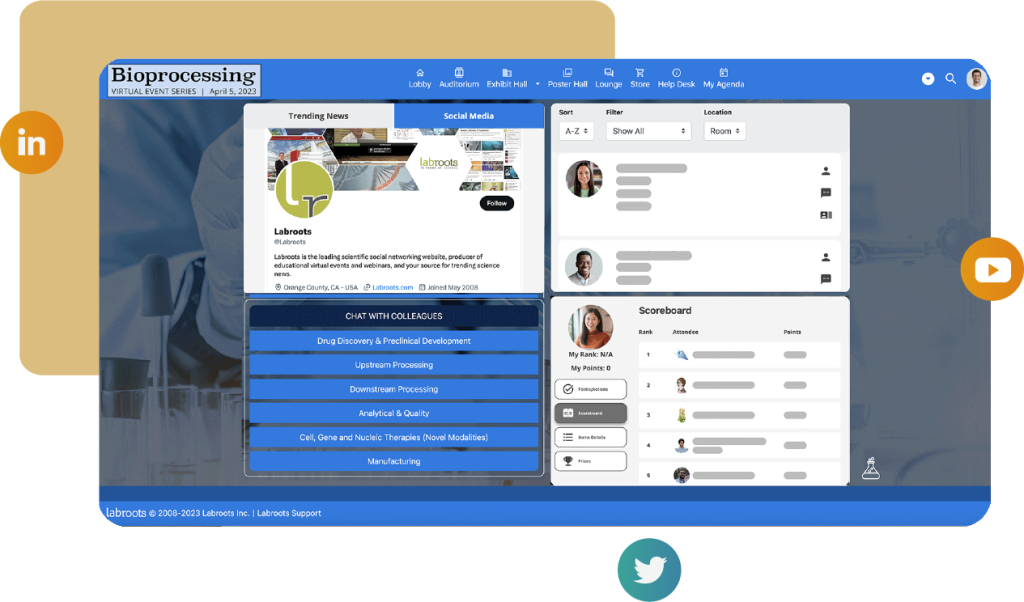
Social media has become a critical aspect of our daily lives, with several platforms to choose from where you can engage with your global audience. As of April 2023, an estimated 4.8 billion people use social media in some capacity, and because of this global reach, social media marketing has become one of the primary methods of promoting an event.
There are two advertising methods to consider when designing a social media marketing campaign: organic and paid advertising, both with their benefits and drawbacks. For example, while an organic social media campaign utilizes your social media pages to market your campaign, saving you money on paid advertising, these posts are limited to your followers. In contrast, paid social media advertising is when you pay social media companies (i.e., Facebook, Instagram, etc.) to share your content on their respective pages, which can reach beyond your personal or business pages. We recommend combining both strategies, as you can promote quality content to a broader audience while remaining true to your core audience who follow your accounts.

Search engine optimization (SEO) has become a cornerstone for marketing strategies because search engines like Google aren't perfect. Therefore, optimizing your search criteria is a great way to ensure your virtual event marketing can achieve its maximum potential. Through SEO, you can identify your target audience, focusing on keywords you think your attendees will use when searching for your virtual event. If you need extra help identifying these keywords, keyword research tools like SEM Rush can help narrow your options.
SEO can improve your event website's visibility through lead generation and increased organic traffic. By optimizing your on-page SEO, your brand can stand out from the crowded digital landscape and help you acquire consistent, qualified, and organic traffic. This will ensure you target the right audience for your virtual event while maximizing your promotion potential.
Virtual events aim to build your brand and foster lasting connections. With the right tools and strategies, such as Google Ads, e-mail marketing, social media marketing, and SEO, you can maximize your virtual event marketing potential and ensure your target audience returns for future virtual events.
Sources: Chati, Cvent, Digital Third Coast, HawkSEM, Site-Seeker, SuperOffice, GlueUp, Smart Insights, Hootsuite, vFairs, Salesmate

