Discover how Chati's self-service licenses give you full control - build, update, and launch virtual events on your terms. Register for our free webinar today!
Audience engagement in virtual events extends beyond mere attendance, encompassing active participation and a genuine emotional connection. Yet, organizers face digital fatigue, distractions, and a decline in in-person energy. This article examines practical strategies to enhance the dynamic, interactive, and memorable aspects of online events, enabling hosts to captivate audiences and create impactful virtual experiences that sustain attention and contribute to overall event success.
Here, we will discuss the top ways virtual events boost audience engagement, including the use of interactive tools, captivating content, measuring success, and more. With this, you will have the tools and resources to host a successful and impactful virtual event while prioritizing audience engagement.
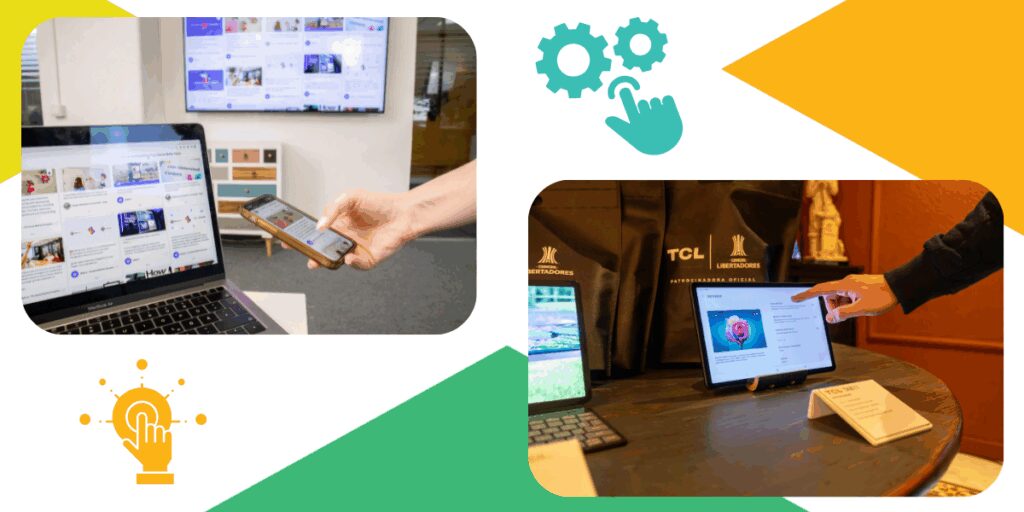
Interactive elements, such as polls, live chat, Q&A sessions, and gamification, keep virtual audiences active and engaged. These tools transform events into two-way experiences, encouraging participation rather than passive viewing. Advanced features such as breakout rooms, networking lounges, and live quizzes replicate real-world interactions, fostering deeper connections. Selecting a virtual event platform with strong real-time engagement capabilities ensures seamless, immersive, and impactful audience experiences.

Personalized event experiences make attendees feel valued and understood. Tailored agendas, custom content tracks, and interest-based recommendations create more meaningful interactions. By responsibly using attendee data, organizers can customize event journeys and follow-up materials to match individual preferences. This personalization enhances engagement, increases retention, and boosts post-event satisfaction, ultimately fostering stronger connections and encouraging future participation in virtual events.

Concise, visually engaging presentations and well-paced sessions are essential for holding audience attention. Incorporating multimedia elements, such as videos, animations, and infographics, helps prevent monotony. Mixing formats—such as keynotes, panels, demos, and networking breaks—keeps the experience dynamic and engaging. Additionally, limiting session length helps sustain focus, ensuring attendees remain attentive and engaged throughout the virtual event.

Digital networking tools, such as chat groups, one-on-one meetings, and topic-based lounges, foster meaningful relationships. Social media integration and virtual “hallways” replicate spontaneous interactions found at in-person events. These connections foster stronger communities, enrich attendee experiences, and encourage repeat participation, ultimately creating lasting engagement beyond the event itself.

Key engagement metrics—such as participation rates, chat activity, poll responses, and content downloads—reveal audience involvement. Post-event surveys gather valuable feedback. Analyzing these data-driven insights helps organizers refine future events, enhance attendee experiences, and clearly demonstrate return on investment to stakeholders.
Summary
Here, we discussed the top ways in which virtual events enhance audience engagement, including the use of interactive tools, creating captivating content, measuring success, and more. With this, you will have the tools and resources to host a successful and impactful virtual event while prioritizing audience engagement.

We encourage organizers to invest in interactive, personalized, and community-driven approaches to enhancing virtual events through audience engagement. Please contact Chati to discuss how we can further improve audience engagement in our virtual events.
Hybrid events are becoming increasingly popular as organizations seek to expand reach and accessibility. To keep audiences engaged across both formats, delivering a seamless and unified experience is essential. Here, we will discuss the best practices for seamless hybrid event experiences, including planning considerations, technology implementation, bridging the gap between in-person and virtual experiences, common challenges, and the future of hybrid events. Through this, you will have the tools and resources to launch a successful hybrid event while enabling attendees to achieve their personal and professional goals.

Successful hybrid events start with choosing the right virtual event platform and tools that support high-quality streaming, interactive features, and seamless integration with in-person components. Additionally, it's also essential to set clear goals that address the needs and expectations of both in-person and virtual audiences, ensuring that each group finds value in the experience. Through this, you highlight the importance of crafting an engaging agenda that works for both formats, helping to maintain attention and encourage meaningful participation across the board.

Delivering a successful hybrid event involves following live-streaming best practices that ensure high-quality broadcasts, including maintaining strong internet connections, utilizing professional audio-visual setups, and implementing redundancy. Incorporating interactive tools, such as live polls, Q&A sessions, and real-time chat, keeps both virtual and in-person attendees actively engaged. Additionally, leveraging AI-powered networking and matchmaking tools can help attendees connect based on shared interests, enhancing the overall event experience and fostering meaningful interactions across formats.

Encouraging engagement between in-person and virtual attendees is essential to creating an impactful hybrid event experience. This includes strategies such as shared chat channels, cross-platform team activities, and joint Q&A sessions that can help bridge the gap between both groups. Using breakout rooms and roundtable discussions enables deeper, more focused conversations and can be tailored to accommodate mixed-format participants. Gamification techniques can further boost participation by making engagement fun and rewarding for everyone involved.

Managing technical difficulties and ensuring smooth streaming is essential for maintaining the flow of a hybrid event, which means having strong IT support, testing all equipment beforehand, and preparing contingency plans. To keep remote attendees engaged throughout the event, organizers should provide interactive content, offer real-time support, and provide opportunities for virtual networking. Ultimately, balancing content delivery for both online and in-person audiences necessitates thoughtful planning to ensure that all participants feel equally valued and involved.
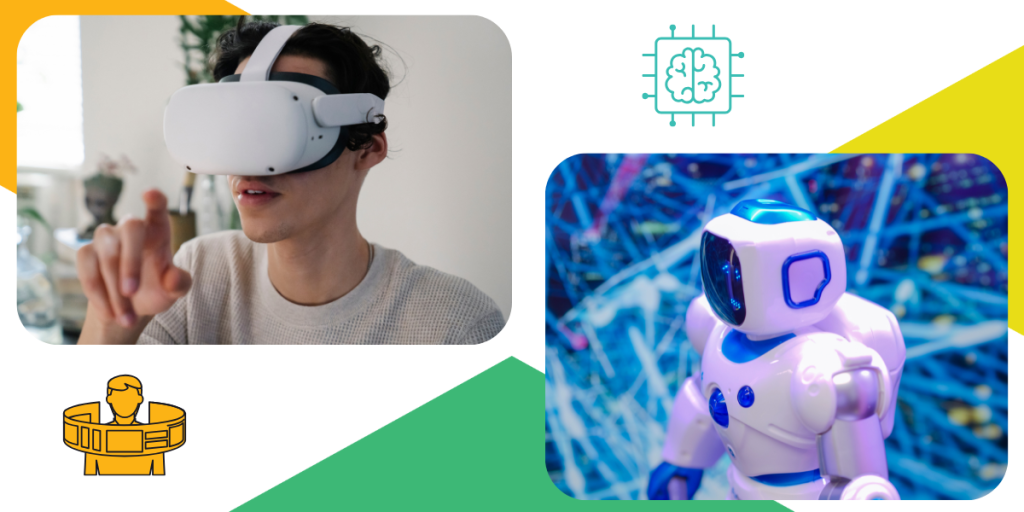
Emerging trends in hybrid event technology are rapidly transforming the way audiences connect, with platforms becoming more immersive, interactive, and data-driven. Innovations like AI, augmented reality (AR), and virtual reality (VR) are enhancing hybrid event experiences by enabling personalized content, realistic virtual environments, and more intelligent networking. As these technologies continue to evolve, hybrid events are proving to be a flexible and inclusive format that meets the diverse needs of modern audiences.
Summary
Here, we discussed the best practices for seamless hybrid event experiences, including planning considerations, technology implementation, bridging the gap between in-person and virtual experiences, common challenges, and the future of hybrid events. We encourage event planners to implement best practices for hybrid events, ensuring a seamless experience for attendees and organizers while enabling them to achieve their personal and professional goals.

Please contact Chati for inquiries about exploring hybrid event solutions for future success, which can lead to a more diverse and inclusive world where individuals from all backgrounds can connect and engage with one another, regardless of geographic location.
Hybrid events have become significant in connecting individuals from all personal and professional backgrounds worldwide. They provide the best of both worlds by enabling attendees to participate virtually or in person. This eliminates geographic barriers for both demographics while increasing diversity, inclusivity, and connectivity for everyone.
While hybrid events provide ample opportunities for worldwide connectivity, the challenge of balancing engagement in dual environments arises since attendees participate both in person and virtually. Therefore, attendees from both audiences must receive the same level of engagement and connectivity to ensure the most impactful hybrid event.
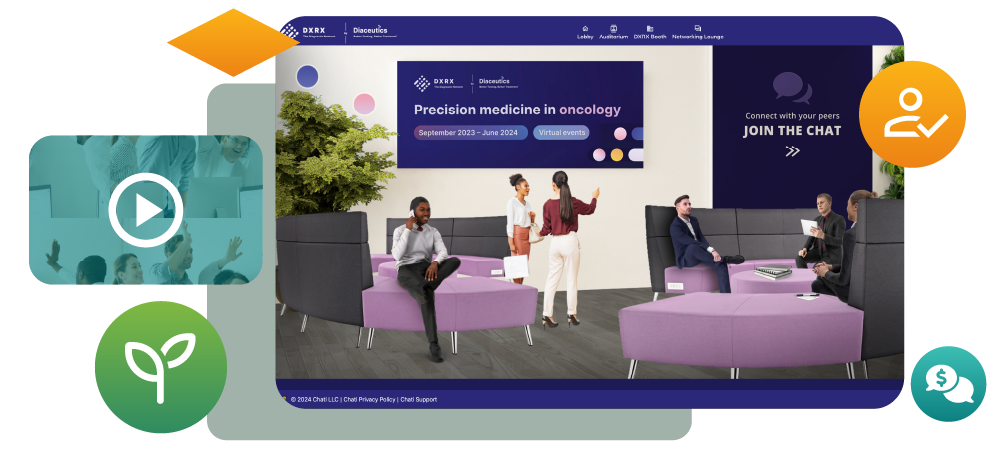
Hybrid events combine physical and digital engagement into a single streamlined event, enabling individuals from all over the world to share knowledge and ideas more effectively than simply through an in-person or virtual event alone.
Navigating the unique engagement landscape of hybrid formats can be fun and challenging, as attendees from either audience must determine the best course of action to achieve the most impactful and engaging experience. When successful, hybrid events can be enriching regarding their educational and professional goals.
When it comes to either hosting or attending a hybrid event, leveraging technology for seamless audience interaction will enable maximum engagement from both in-person and virtual audiences. This includes choosing the right event platform, interactive features, social media, and email to help broaden your range of engagement and connectivity.
Another strategy for a successful hybrid event is crafting content to engage both in-person and virtual audiences, as this enables maximum impact for engagement and interaction for both audiences while increasing diversity, inclusivity, and connectivity for everyone.
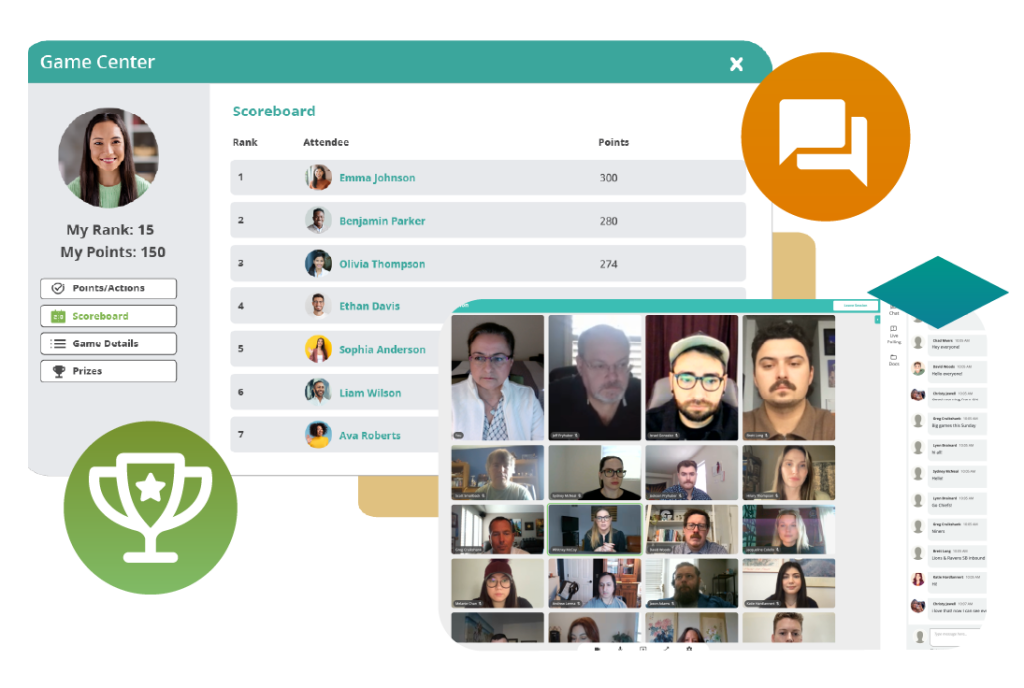
Since hybrid events cater to two audiences, adapting content to resonate with different engagement preferences is vital for maximum engagement and interaction. This is accomplished by obtaining feedback before the hybrid event, so you know your audience’s engagement preferences and plan accordingly. However, it can also be performed during the event.
Successful hybrid events involve strategies for maximizing participation across both worlds. These include the right features, such as gamification, Q&A sessions, and live Q&A, but they can also include breakout rooms, 3D virtual environments, and chat sessions.
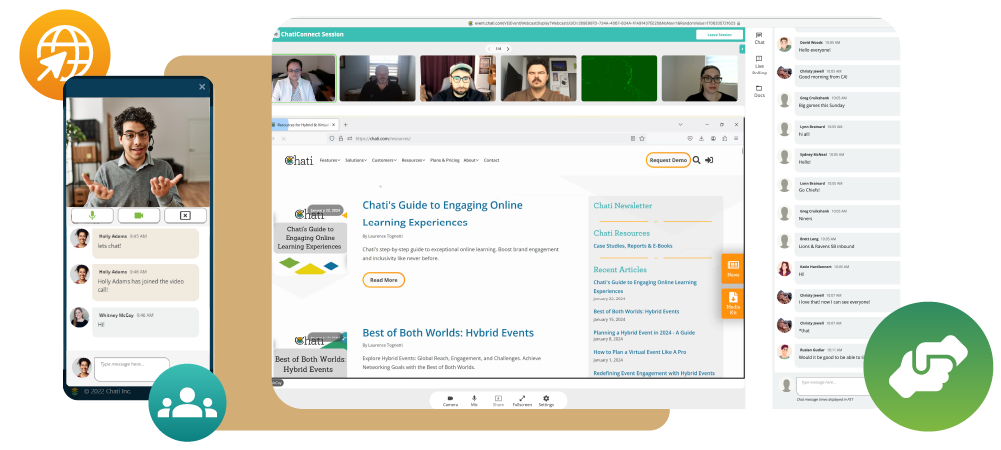
Elevating networking opportunities for hybrid attendees is vital for a successful hybrid event. It is accomplished through seamless engagement and interaction between in-person and virtual attendees while promoting engagement after the event has concluded.
The primary goal of hybrid events is bridging the gap between in-person and virtual interaction since they encompass audiences from both worlds. This increases diversity, inclusivity, and connectivity for individuals from all over the world.
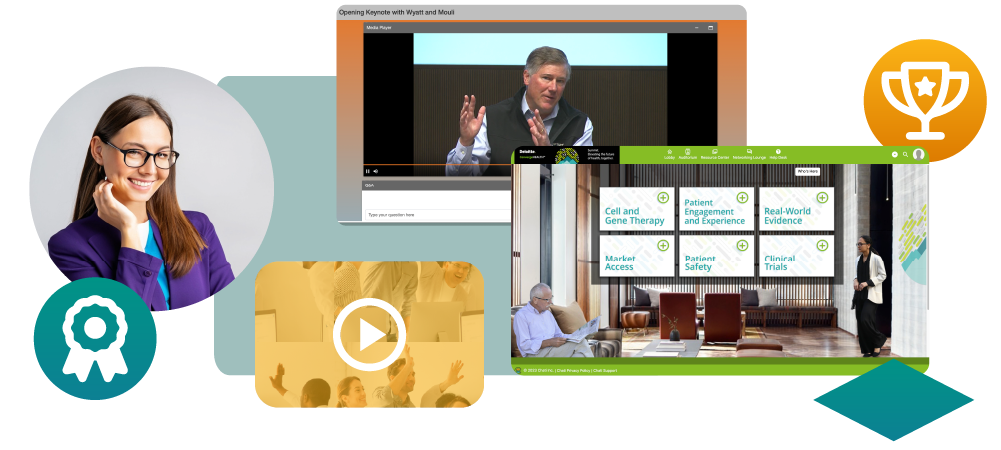
Hybrid events are only as successful as their features, accomplished through gamification and interactive elements to boost engagement. Gamification provides real-time scoring, rewards, and fun for both audiences. This increases diversity, inclusivity, and connectivity for individuals from all over the world.
Another method to ensure a successful hybrid event is to ensure participation and interaction in both event formats. Both in-person and virtual audiences need to receive the same level of engagement, interaction, and knowledge-sharing throughout the entire event.
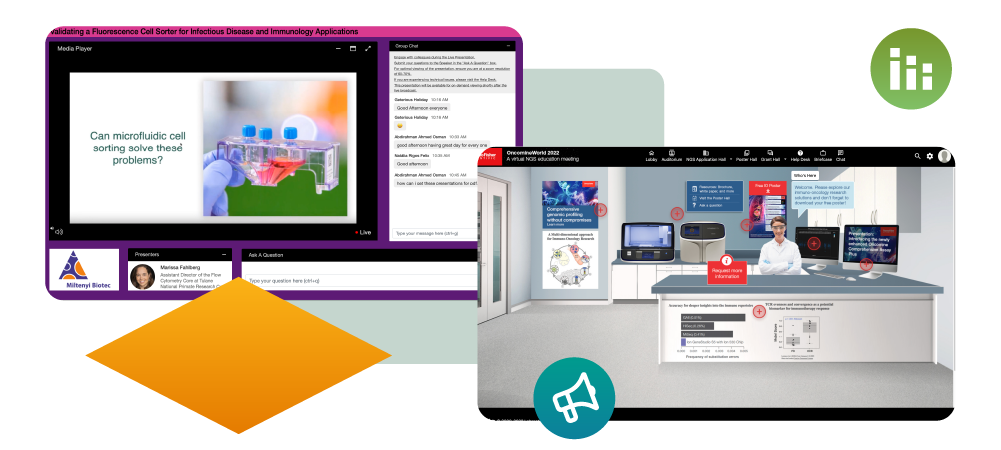
Since hybrid events incorporate in-person and virtual audiences, personalizing experiences for diverse attendee preferences is vital to ensure successful levels of engagement and interaction. This includes gaining feedback before the event with surveys or artificial intelligence and even greeting your attendees when they arrive, either in-person or virtually.
Customization for both physical and virtual audiences is essential for a successful hybrid event, as this enables greater diversity, inclusivity, and connectivity for individuals worldwide.
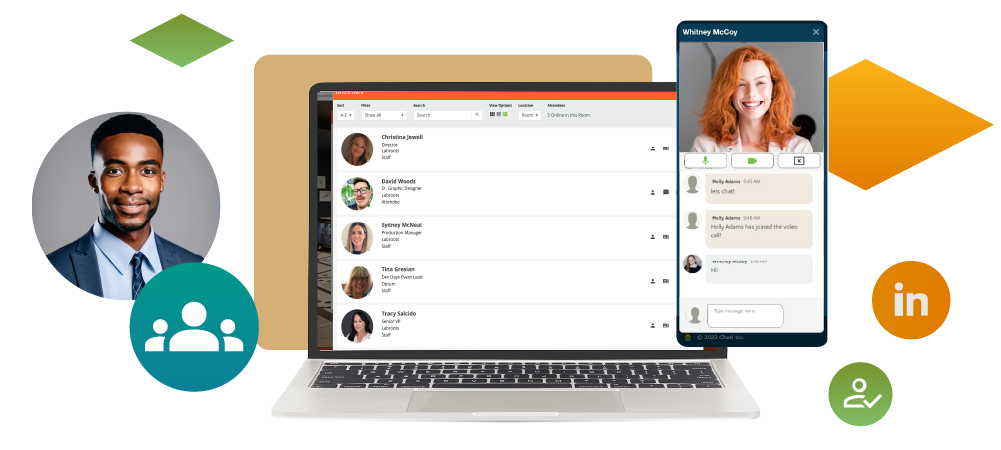
Both audiences must have seamless engagement during hybrid events, which is accomplished through overcoming technical challenges and operational considerations, including uninterrupted internet connections and seamless engagement features.
Through this, you are ensuring a cohesive experience across in-person and virtual elements, thus increasing diversity, inclusivity, and connectivity for individuals worldwide.
Hybrid events are only as successful as attendee engagement, and tracking engagement metrics across physical and digital spaces is a vital strategy for ensuring your attendees have the most impactful experiences. This can be accomplished through artificial intelligence or real-time support teams.
Additionally, analyzing attendee interaction and feedback for improvement is vital for hosting future successful hybrid events, which is accomplished through post-event surveys, both immediately after the event and a short time later.

Predicting the evolution of engagement strategies is vital to providing successful hybrid events in the future. This can be accomplished through thorough research on new hybrid event platforms and features and by staying up to date with attendee expectations for hybrid events.
Embracing continuous improvement and innovation is the hallmark of successful hybrid events, both in the short and long term. This enables growth while increasing diversity, inclusivity, and connectivity for individuals from all over the world.
Unlocking the potential of hybrid event engagement is essential for a more diverse and connected future. With the right tools and strategies, hybrid events can help break down geographic barriers and bring together in-person and virtual audiences for years.
Balancing engagement for unveiling exceptional hybrid experiences will ensure that in-person and virtual audiences receive the same seamless interaction and information while providing a better and more diverse future.
Regarding virtual networking, webinars have become one of the most mainstream methods of sharing ideas and building connections, and embracing the power of webinars in modern marketing and engagement will help you do just that.
Webinars help unveil the triple impact of virtual networking and building your brand: leads, relationships, and education, which all work together to foster inclusivity and connections for everyone. Leads help you build your network, which results in building relationships and gaining an education by sharing knowledge and ideas with people from different backgrounds and disciplines.
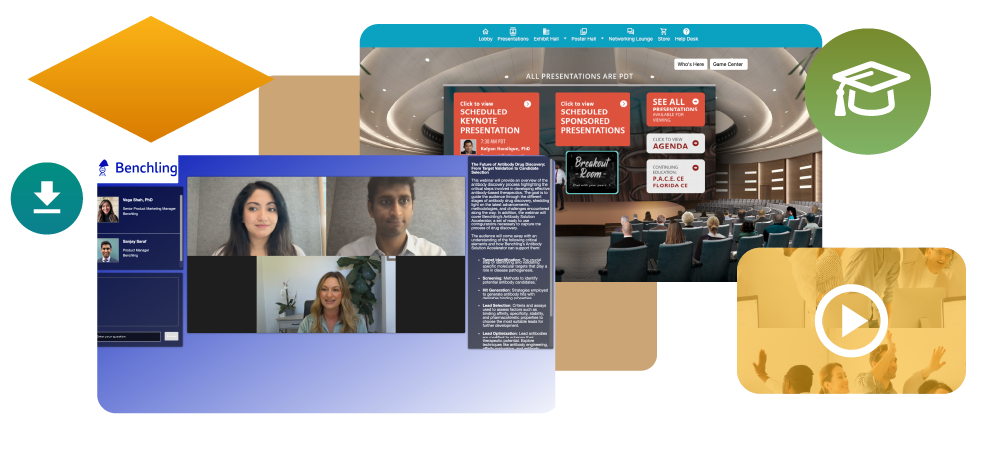
Defining the role of webinars in lead generation and education is vital to help build your brand and foster lasting connections. Webinars provide a valuable opportunity for attendees to share knowledge and ideas through their ability to learn at their own pace while effectively delivering quality information from various sources, including speakers and videos that attendees can use to build their virtual network.
Webinars provide an incredible opportunity to recognize the value of building relationships through virtual events. This is because you can engage and interact with individuals from all over the world for an in-person event instead of a limited number of individuals. Additionally, they provide many tools to help you share ideas and knowledge, including Q&A sessions, breakout rooms, and much more.
An important first step in building webinars with the goal of lead generation is identifying target audiences and their pain points, which involves adhering to their challenges and concerns. You can accomplish this through emails, social media, surveys, and additional feedback.
Designing webinars that address audience needs and offer solutions is critical to finding your audience and gathering high-quality leads. These needs might include disability accommodations for the seeing- and hearing-impaired but also might include tailoring the webinar content based on the audience’s goals, whether they’re personal, professional, or educational. If your audience desires content to build their virtual network, a solution could be to provide speakers who can help them achieve that goal.

One way to generate leads is to utilize webinars to nurture prospects along the sales pipeline, a common tactic in sales designed to convert leads into relationships. The first step is to successfully promote your webinar through social media, emails, and your website. The second step is to thank your audience for attending while confirming their attendance. Finally, you need to host a great webinar! Maintain high levels of engagement and present content that compels your audience and gets them excited for more.
Another way to generate leads is by incorporating follow-up strategies to maximize lead conversion, which can be accomplished using targeted attendee emails and social media strategies. A clear follow-up system lets you keep track of your leads; an automatic reporting system is ideal for keeping your leads organized. However, like any endeavor, it’s vital to remember that most leads will be “cold”, and you could end up with very few good or “hot” leads. It’s okay to dump cold leads and nurture the good ones long-term.
Possibly the most notable aspect of webinars is fostering audience interaction and connection, which is accomplished with creative and educational content designed to keep audience members engaged and interacting both during and after the webinar, which will only result in building and fostering relationships and connections for both the short- and long-term.
Several of the same techniques for establishing trust and building stronger relationships in the real world also exist in webinars, including effective communication, honesty, transparency, setting boundaries, active listening, integrity, and consistency, to name a few.
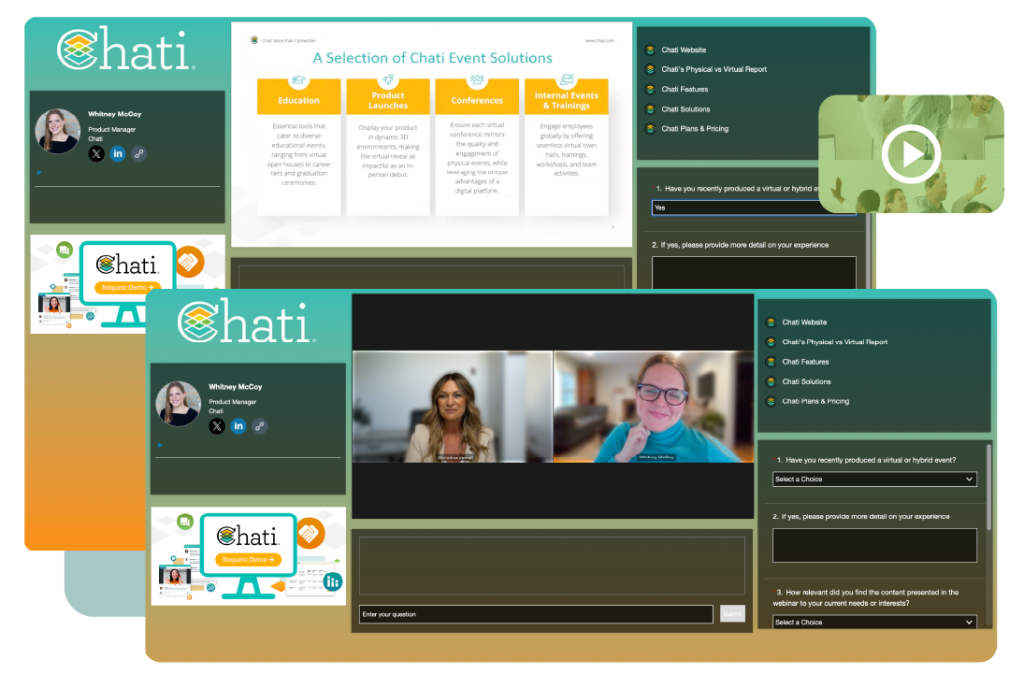
A webinar’s success comes from designing educational content that provides value, with that value being the ability for your audience members to generate leads, build connections, and foster relationships for both the short- and long-term. This is accomplished through tailoring to your audience’s goals, surprising your audience with new content, and keeping the same tone and pitch throughout the webinar.
Additional content strategies include creating webinars that combine information and engagement, accomplished through captivating invitations, powerful openings, and inspiring graphics, to name a few.
Successful webinars keep their audiences engaged, and this is accomplished with interactive polls, Q&A sessions, and discussions, which are also designed to break up any monotony your audience might experience throughout the webinar. Additionally, using gamification to enhance participation and learning is also an excellent technique, which is an excellent way to enable your audience to generate leads and build connections throughout the webinar.
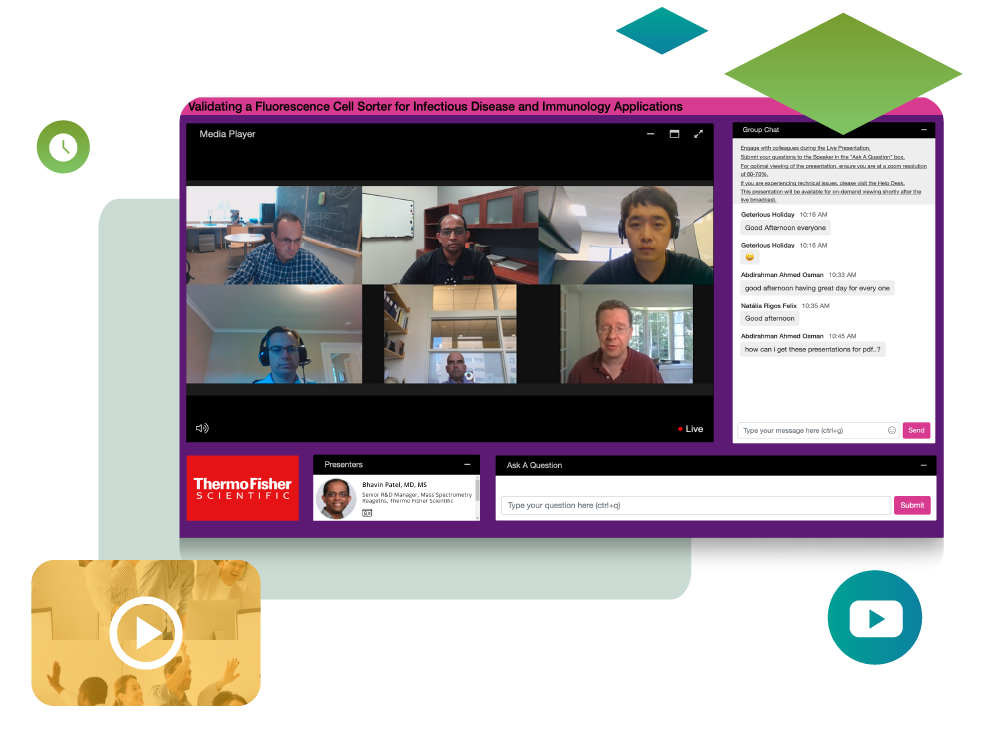
Successful webinars and nearly all online events begin with choosing the right webinar platform and tools that will demonstrate quality performance while enabling your audience to engage and interact with each other seamlessly. Examples of platforms include Zoom Events, Zoho, Livestorm, Contrast, and Webex, which can be used based on your requirements and audience needs.
At Chati, we believe in enhancing engagement through interactive features, and we Are proud to offer a myriad of them, including content management, templates and 3D spaces, gamification, integrations, ChatiConnect, analytics and reporting, and so much more!
All successful webinars incorporate successful promotion strategies, including leveraging social media, email, and many networks to excite your audience for the upcoming webinar. While email could be the primary method, you can create custom social media accounts and websites just for the webinar, which gives it an extra professional appeal for your audience.
Another method involves crafting compelling registration pages to boost attendance, as they also offer a more professional appeal designed to attract attendees who might have yet to consider attending your webinar.
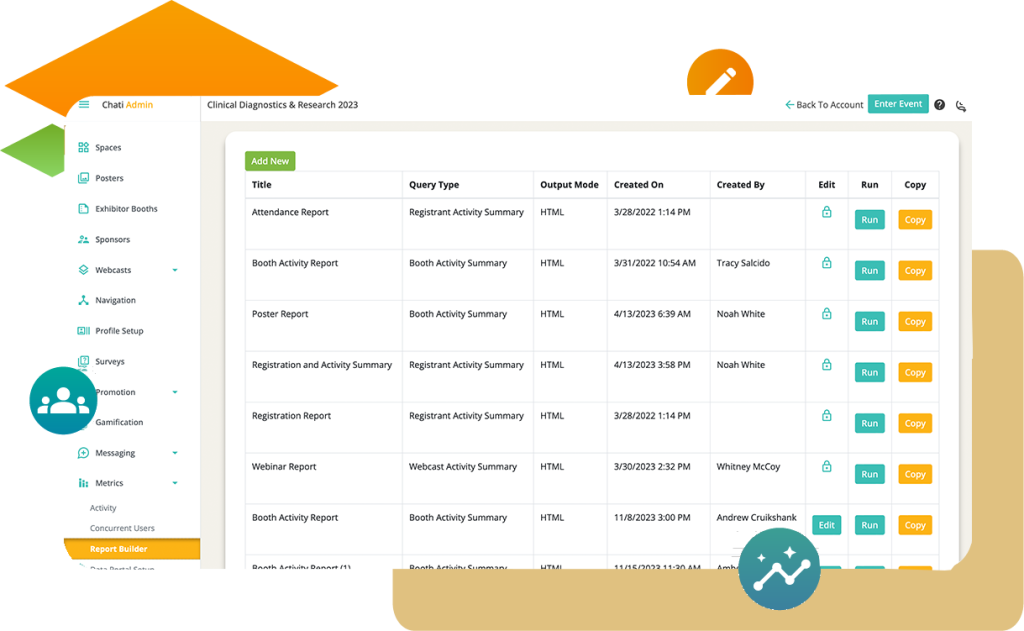
Successful webinars ensure your audience is engaged and achieves their lead generation goals. This is accomplished by tracking attendance and engagement throughout the webinar. This can be accomplished through artificial intelligence or one-on-one support from your hosting team, where your audience can interact with a real person and provide real-time feedback on their experience throughout the webinar.
Additionally, analyzing lead generation metrics for continuous improvement is an important method for ensuring future webinars are even more successful than the one you just hosted. These metrics not only allow for continuous improvement but also provide you with the necessary feedback and tools to enable future audiences to achieve their networking goals.
Predicting trends and innovations in webinar practices is vital to ensure the long-term success of webinars. This is accomplished through receiving appropriate and timely feedback from your audience during and after the webinar. Through this feedback, you can gauge your future audience needs and establish what new and exciting innovations need to be made to ensure successful webinars in the future.
Additionally, embracing new technologies for enhanced impact is another method for ensuring a successful future for webinars. Research what platforms or technical innovations other webinars have embraced the technologies that interest you and consider how these might be integrated into your webinar presentations.
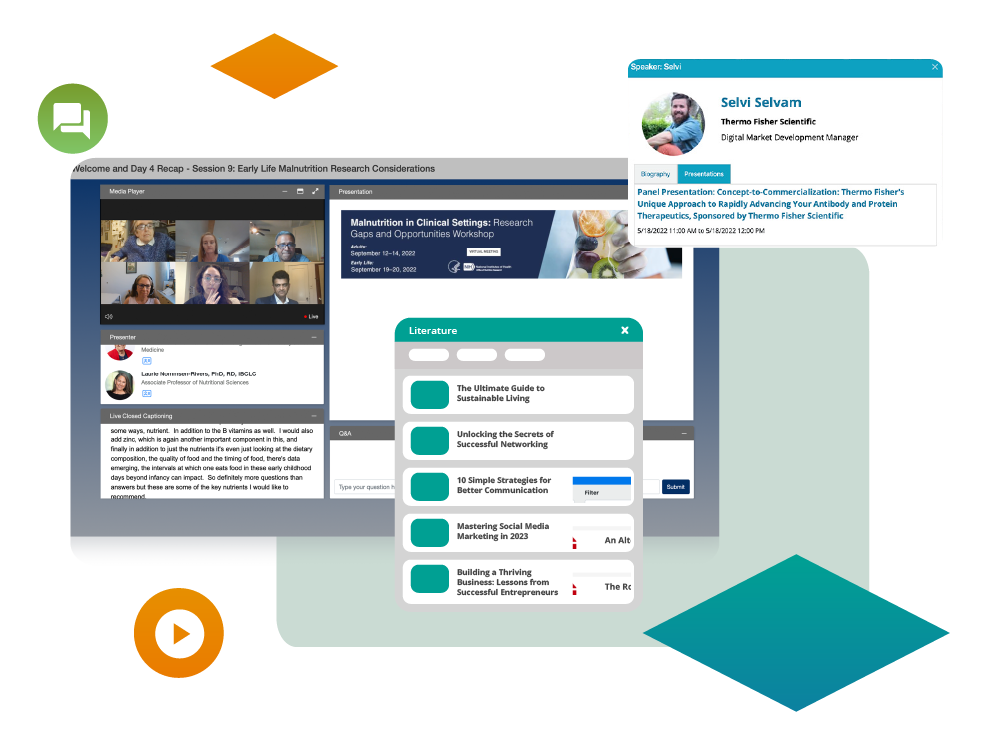
Webinars offer a holistic approach to lead generation, relationship building, and education for individuals worldwide. With the proper promotion, platform, and content, your audience will achieve their networking and lead-generation goals for both the short- and long-term. Additionally, webinars help by elevating your virtual events to drive results and engagement that will allow everyone to build relationships and foster connections with individuals worldwide.
Sources: LinkedIn, Flow, Corefactors, PositivePsychology.com, Rock Content, Banzai International, Contrast
Conferences and seminars have always been the cornerstone of networking and fostering lasting connections. However, technological advancements combined with the Covid-19 pandemic have contributed to the evolving events landscape. This has enabled individuals from around the globe to embrace virtual and hybrid events and give rise to virtual networking.
As virtual networking continues to take hold, there are still enormous benefits to attending in-person events, most importantly the human aspect of networking. This is why hybrid events have entered the mainstream, allowing individuals to choose what works best financially or socially.
As their name implies, hybrid events combine in-person and virtual events where individuals can capture the same level of engagement and networking opportunities across the globe. They are significant in scope and reachability while offering the same benefits as in-person or virtual events alone.
Hybrid events aim to help bridge the gap between in-person and virtual experiences, thus enabling the same rewards, such as inclusivity, networking, and fostering lasting connections. The primary goal of any event is to meet people and build your brand, and hybrid events have a proven track record of accomplishing this across the globe and all disciplines and backgrounds.
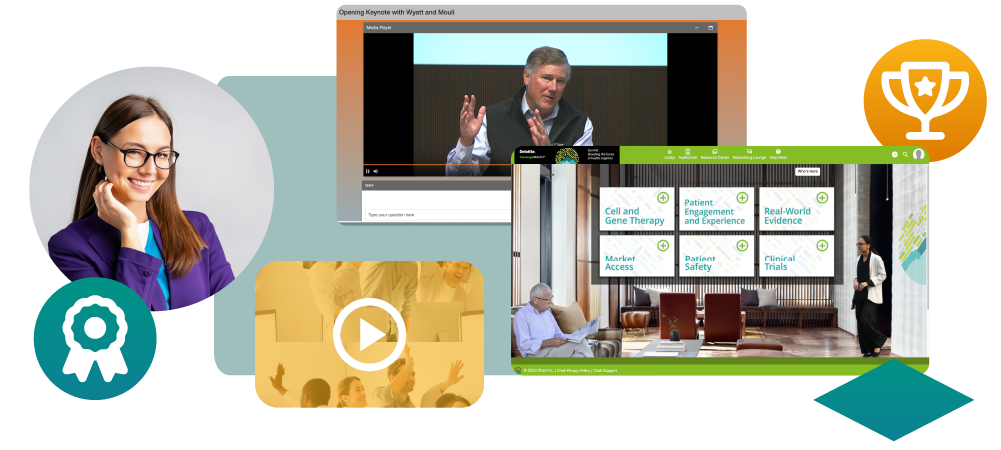
When enhancing audience engagement, you must create a welcoming and exciting environment for everyone. This includes targeting the right audience depending on the topic of your hybrid event, along with having appropriate speakers and sessions that keep your attendees engaged and longing for more.
Additionally, examples of maintaining audience engagement throughout your hybrid event include breakout rooms and interactive sessions, which allow your attendees to engage and interact with each other in smaller settings away from the larger conference group. This allows your attendees to have more targeted discussions and networking opportunities that you might not get in larger settings.
Chati recently explored the environmental impact, specifically carbon footprints, from in-person events, such as travel, waste, and food production. In contrast, virtual events offer significant environmental benefits that help mitigate those issues. However, since hybrid events are in-person, environmental concerns should be addressed to mitigate those concerns.
Since hybrid events are partially in-person, steps can be taken to mitigate environmental concerns, including choosing an appropriate venue, eco-friendly supplies, and materials, enhancing your technology and equipment, and evaluating your environmental impact and performance.
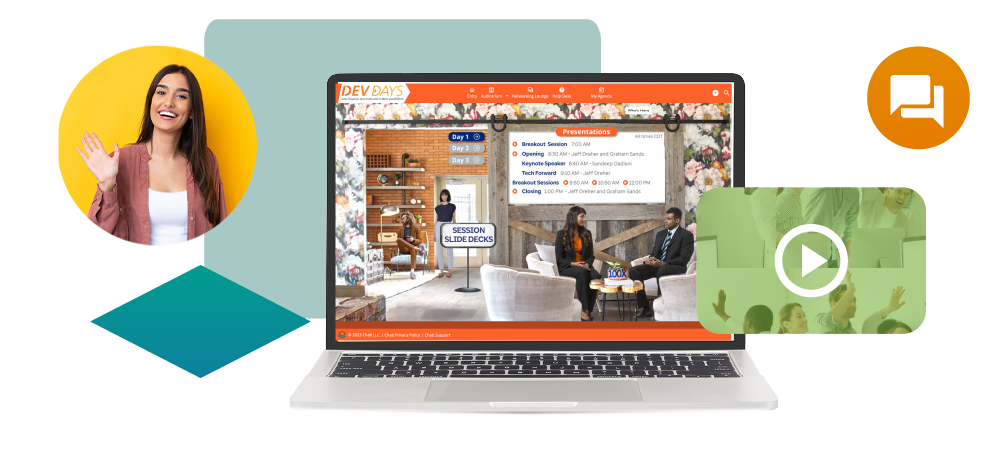
Like all events, hybrid events require proper planning and promotion to ensure their short- and long-term success. One method of promotion is through social media, which has become one of the cornerstone methods in building brands and connections across the globe. While promoting a hybrid event can primarily be accomplished through company social media pages, it’s vital to remember that balance is key, as oversaturating your social media feed with your event could turn people away. Therefore, periodic posts are likely the best way to promote your event for the best results.
While social media posts can be an effective way to promote your hybrid event, video streaming can enhance your promotional strategies through a more engaging approach, which could keep past attendees and add new ones.
Like all events, hybrid events are successful through analyzing event impact and engagement metrics, both during and after the event. Through this, organizers can learn the best strategies for enhancing attendee engagement and receive appropriate feedback on how future hybrid events can be improved.
While tracking engagement metrics during the event is crucial, developing and executing strategies for post-event engagement is even more important to keep attendees informed and coming back for future events. This includes personalized emails to attendees thanking them for attending, saying you hope to see them again, and providing a brief overview of the event’s highlights.
Additional strategies for post-event engagement also include collecting attendee feedback for improvement on future events. This can be accomplished through email or immediate surveys to collect feedback as soon as possible so the event is fresh in your attendees’ minds.
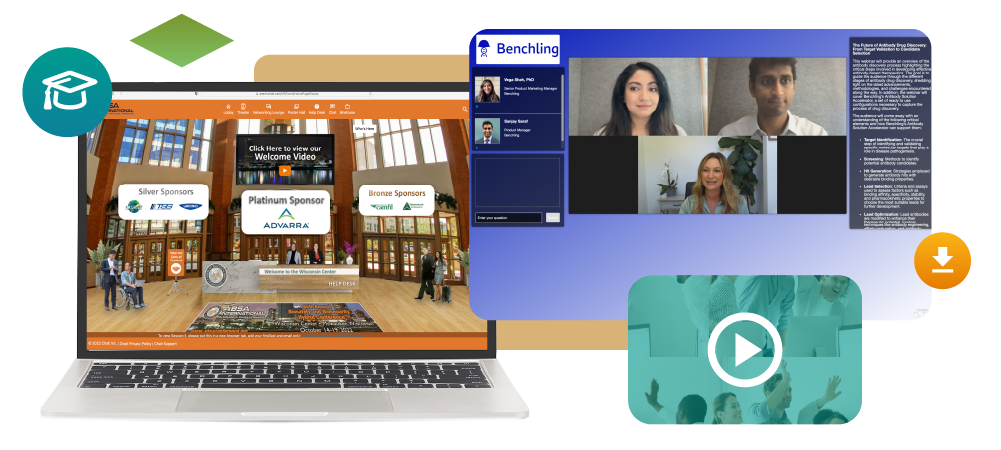
Hybrid events are here to stay, and embracing evolving trends in hybrid event planning will benefit organizers and attendees worldwide. While the overall goal involves bridging the gap between in-person and virtual events, this can be accomplished by targeting the right audience, proper planning, and promotion, keeping attendees engaged with breakout sessions and speakers, and receiving appropriate feedback through surveys and emails.
For these reasons, we are encouraging event organizers to embrace hybrid events, as hybrid events provide the same level of inclusivity, engagement, and networking potential as in-person or virtual events alone. When hybrid events are embraced, they can redefine event engagement in the future.

