Discover how Chati's self-service licenses give you full control - build, update, and launch virtual events on your terms. Register for our free webinar today!
The importance of virtual events in today's business landscape, both in-person and digital, cannot be understated, including healthcare, education, technology, government, sports and entertainment, and nonprofit organizations, to name a few. Virtual events not only enable individuals from all backgrounds and disciplines to collaborate and engage, but they also provide cost-saving opportunities, as well. Here, we will discuss myriad ways that virtual events can benefit numerous industries across the globe while fostering diversity and inclusion and building lasting relationships.

Virtual events in healthcare offer enhanced accessibility, enabling medical professionals worldwide to participate in conferences and training sessions without geographical constraints. They provide continuous medical education opportunities, fostering knowledge exchange and collaboration among specialists. Virtual events reduce costs and optimize resources by eliminating the need for travel, ultimately improving patient care by disseminating cutting-edge medical practices globally. Notable benefits and virtual event applications in healthcare include:
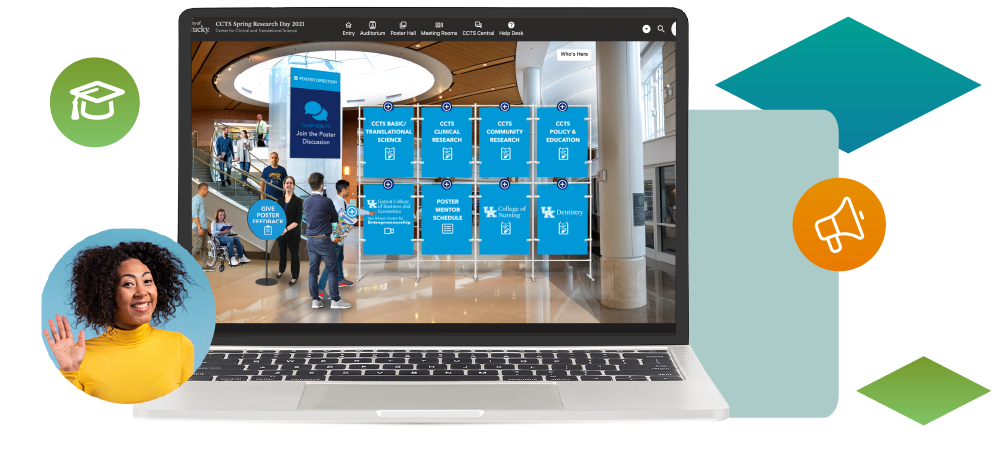
Virtual educational events provide increased opportunities for students, educators, and administrators worldwide to collaborate on new and exciting ideas while breaking down geographic barriers. Additionally, virtual events enable diversity and inclusion for individuals from all backgrounds by mitigating travel costs, including airfare and hotel accommodations. Notable advantages and virtual events applications in education include:

Virtual events for technology companies can bring together engineers, managers, administrators, and investors to collaborate on novel strategies regarding company cohesiveness while fostering diversity and inclusion for individuals worldwide. The cost-saving benefits from virtual events could also be used to bolster other aspects of the industry. Notable leverages and virtual events applications include:

Virtual events in corporate communications enable employees at all levels to share their thoughts, concerns, and ideas with managers and administrators, which fosters inclusivity and connectivity for individuals from across the globe. Additionally, virtual events allow investors to learn more about future products and services and make better-informed investment decisions. Notable benefits and virtual event applications in corporate communications include:
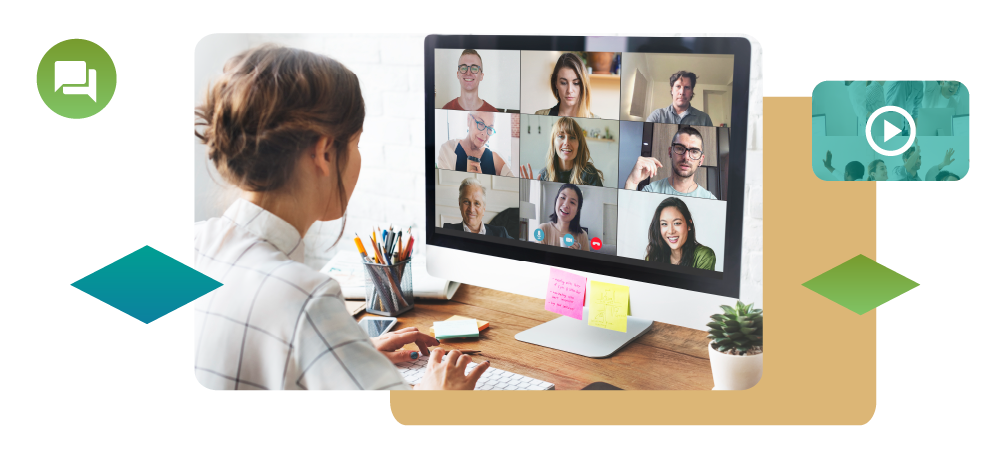
Virtual events for government outreach and engagement enable citizens and policymakers to engage and collaborate on new and exciting strategies for improving the quality of life, diversity, and inclusion of individuals from all personal and professional backgrounds. Virtual events put transparency at the forefront of policymaking while potentially using the cost savings from virtual events for the greater good. Notable advantages and virtual event applications in government outreach and engagement include:
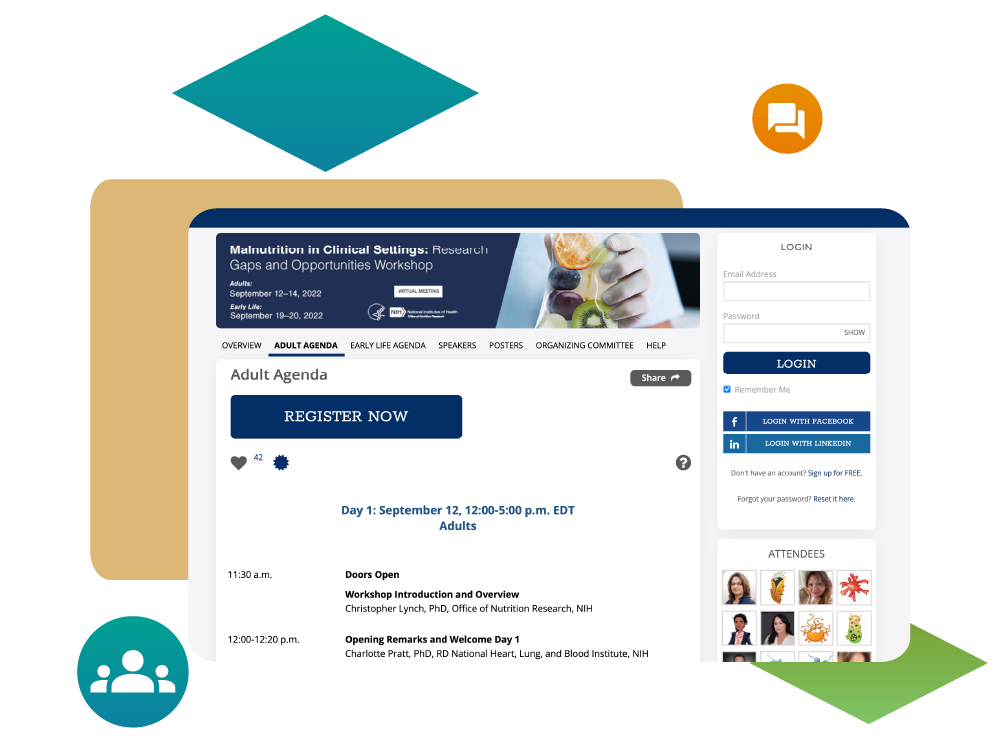
Virtual events strengthen event planning and virtual platforms by enabling event organizers and attendees to have myriad options for bringing together individuals from all backgrounds and all over the world, fostering diversity and inclusion to new heights. Virtual events provide cost-saving opportunities for all parties, which could be used to improve virtual platforms, benefitting everyone. Notable transformative benefits and virtual event applications include:
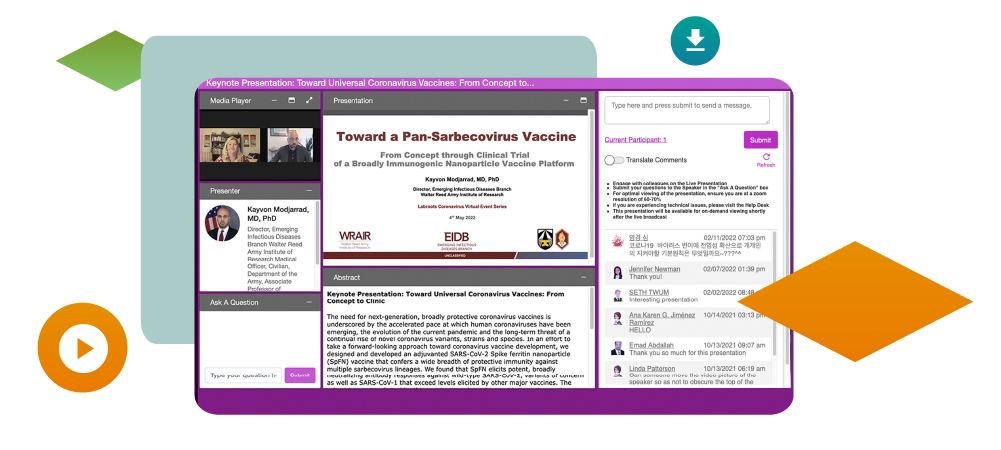
Virtual events in professional societies furnish connectivity and inclusion across many industries and workplaces, including training, networking, and panels for individuals worldwide. Additionally, virtual events provide cost-saving benefits that could be used for membership fees while building lasting relationships for all parties. Notable benefits and virtual event applications for associations and professional societies include:
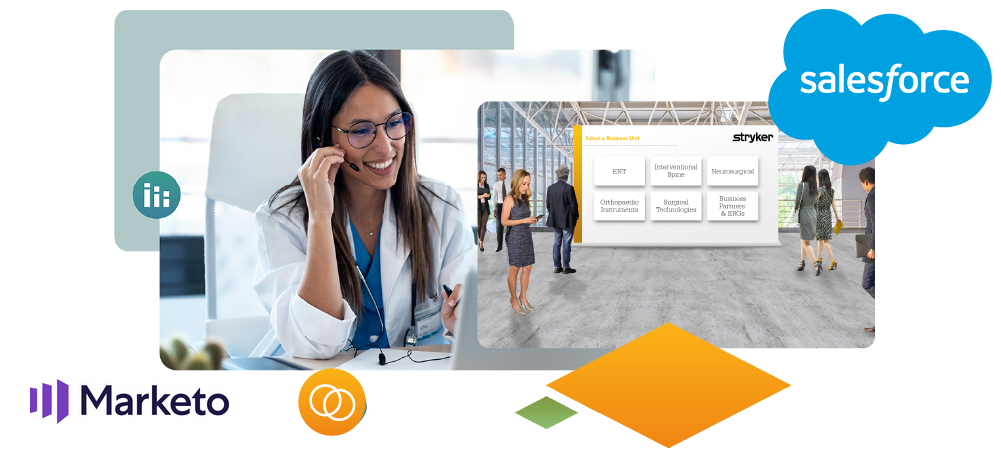
Virtual events in retail and marketing provide opportunities for employees, managers, administrators, and stakeholders to collaborate and innovate on novel strategies for improving employee well-being and customer relationships. Virtual events offer cost savings that could be used for employee bonuses or mental health programs. Notable benefits and virtual event applications for retail and marketing include:

Virtual events in finance give employees, specialists, managers, administrators, and investors the necessary tools and resources to increase profit margins while improving diversity and inclusion for individuals worldwide. The cost-saving benefits from virtual events could be used for improved employee relations and additional investment opportunities. Notable benefits and virtual event applications for the financial industry include:
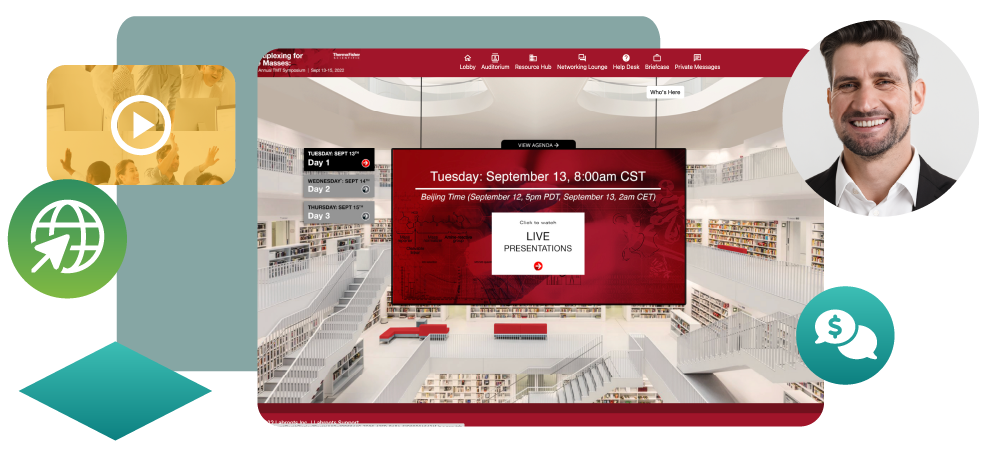
Virtual events in manufacturing enable employees, engineers, managers, business leaders, and investors to collaborate on exciting novel strategies for advancing manufacturing technologies that could result in more efficient products and services while increasing profits. Virtual events offer seamless training and trade show opportunities for individuals from around the world that could improve product quality control and employee safety. Notable benefits and virtual event applications in manufacturing include:
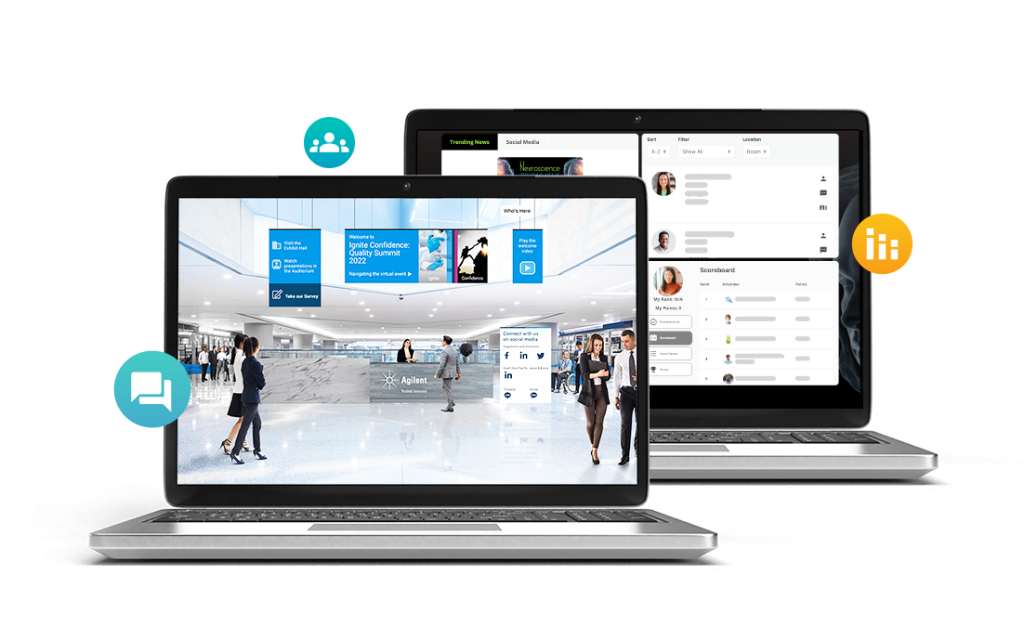
Virtual events for nonprofit organizations enable seamless engagement for employees, managers, and stakeholders to collaborate on exciting new strategies regarding training, fundraising campaigns, and awards programs for all parties. The cost-saving benefits from virtual events could also be used to assist in these endeavors. Notable benefits and virtual event applications for nonprofit organizations include:
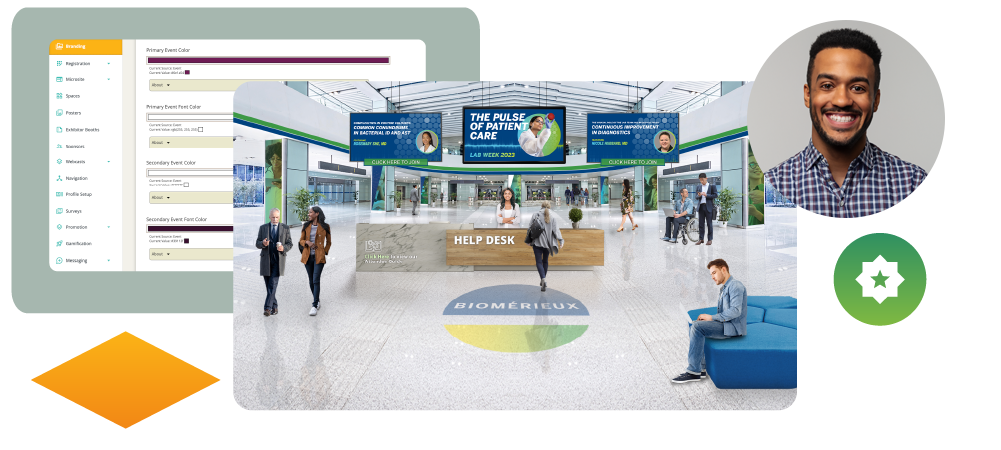
Virtual events in the sports and entertainment industries provide ample opportunities for athletes, entertainers, managers, agents, and fans to engage and collaborate on novel strategies for improved fan experiences and athlete well-being. Virtual events provide cost-saving opportunities that can be used for enhanced in-game experiences and fan appreciation days. Notable benefits and virtual event applications in sports and entertainment include:
Virtual events provide versatile experiences across all industries and disciplines, enabling employees, managers, business leaders, and others to collaborate and innovate novel strategies for a better future. With virtual events, both companies and individuals can save time and money on travel costs that can be used for improved workplaces and well-being. Adopting virtual event strategies for business growth cannot be understated, as virtual events enable companies to unite while fostering connectivity, diversity, and inclusion for everyone.
Regarding virtual networking, webinars have become one of the most mainstream methods of sharing ideas and building connections, and embracing the power of webinars in modern marketing and engagement will help you do just that.
Webinars help unveil the triple impact of virtual networking and building your brand: leads, relationships, and education, which all work together to foster inclusivity and connections for everyone. Leads help you build your network, which results in building relationships and gaining an education by sharing knowledge and ideas with people from different backgrounds and disciplines.
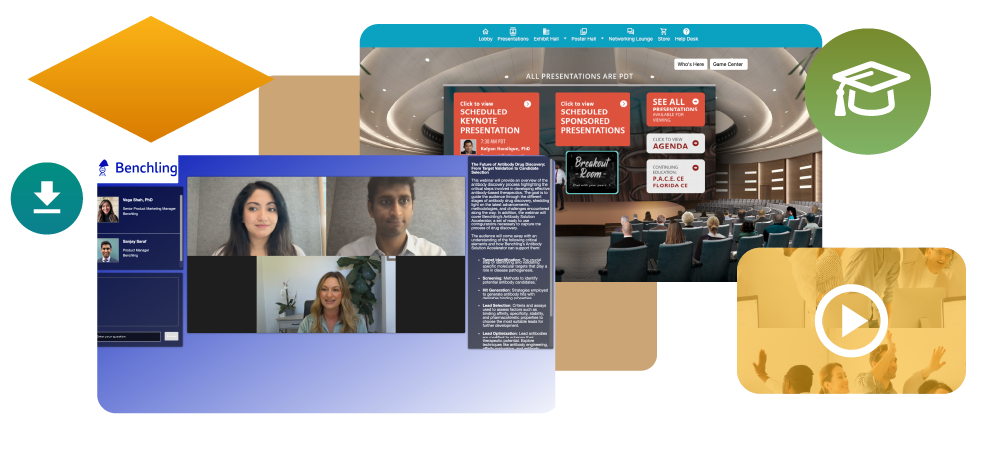
Defining the role of webinars in lead generation and education is vital to help build your brand and foster lasting connections. Webinars provide a valuable opportunity for attendees to share knowledge and ideas through their ability to learn at their own pace while effectively delivering quality information from various sources, including speakers and videos that attendees can use to build their virtual network.
Webinars provide an incredible opportunity to recognize the value of building relationships through virtual events. This is because you can engage and interact with individuals from all over the world for an in-person event instead of a limited number of individuals. Additionally, they provide many tools to help you share ideas and knowledge, including Q&A sessions, breakout rooms, and much more.
An important first step in building webinars with the goal of lead generation is identifying target audiences and their pain points, which involves adhering to their challenges and concerns. You can accomplish this through emails, social media, surveys, and additional feedback.
Designing webinars that address audience needs and offer solutions is critical to finding your audience and gathering high-quality leads. These needs might include disability accommodations for the seeing- and hearing-impaired but also might include tailoring the webinar content based on the audience’s goals, whether they’re personal, professional, or educational. If your audience desires content to build their virtual network, a solution could be to provide speakers who can help them achieve that goal.

One way to generate leads is to utilize webinars to nurture prospects along the sales pipeline, a common tactic in sales designed to convert leads into relationships. The first step is to successfully promote your webinar through social media, emails, and your website. The second step is to thank your audience for attending while confirming their attendance. Finally, you need to host a great webinar! Maintain high levels of engagement and present content that compels your audience and gets them excited for more.
Another way to generate leads is by incorporating follow-up strategies to maximize lead conversion, which can be accomplished using targeted attendee emails and social media strategies. A clear follow-up system lets you keep track of your leads; an automatic reporting system is ideal for keeping your leads organized. However, like any endeavor, it’s vital to remember that most leads will be “cold”, and you could end up with very few good or “hot” leads. It’s okay to dump cold leads and nurture the good ones long-term.
Possibly the most notable aspect of webinars is fostering audience interaction and connection, which is accomplished with creative and educational content designed to keep audience members engaged and interacting both during and after the webinar, which will only result in building and fostering relationships and connections for both the short- and long-term.
Several of the same techniques for establishing trust and building stronger relationships in the real world also exist in webinars, including effective communication, honesty, transparency, setting boundaries, active listening, integrity, and consistency, to name a few.
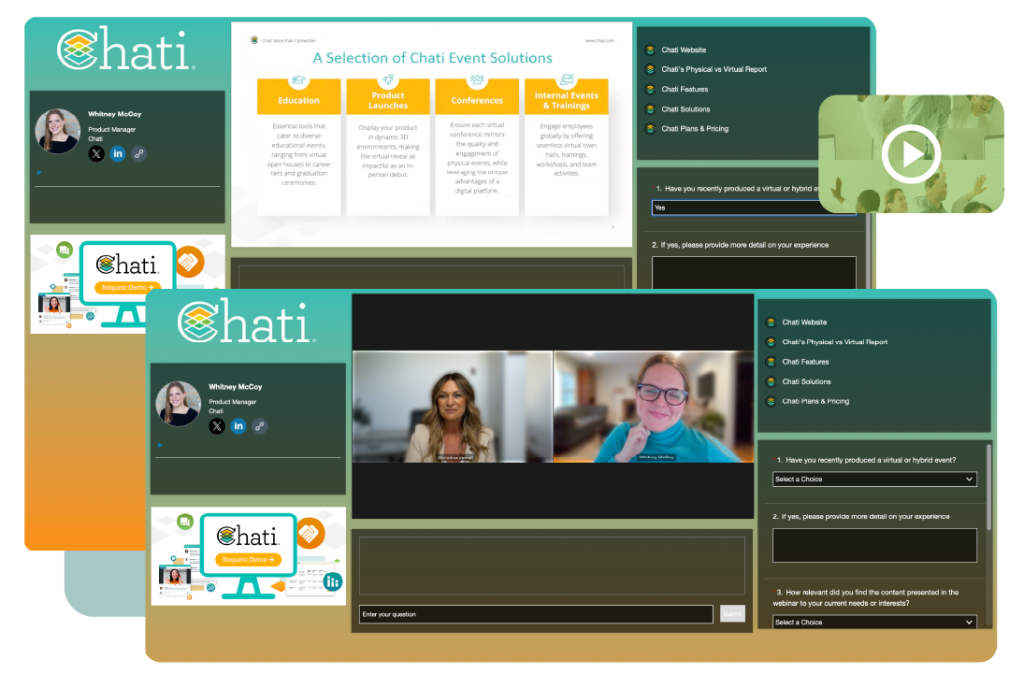
A webinar’s success comes from designing educational content that provides value, with that value being the ability for your audience members to generate leads, build connections, and foster relationships for both the short- and long-term. This is accomplished through tailoring to your audience’s goals, surprising your audience with new content, and keeping the same tone and pitch throughout the webinar.
Additional content strategies include creating webinars that combine information and engagement, accomplished through captivating invitations, powerful openings, and inspiring graphics, to name a few.
Successful webinars keep their audiences engaged, and this is accomplished with interactive polls, Q&A sessions, and discussions, which are also designed to break up any monotony your audience might experience throughout the webinar. Additionally, using gamification to enhance participation and learning is also an excellent technique, which is an excellent way to enable your audience to generate leads and build connections throughout the webinar.
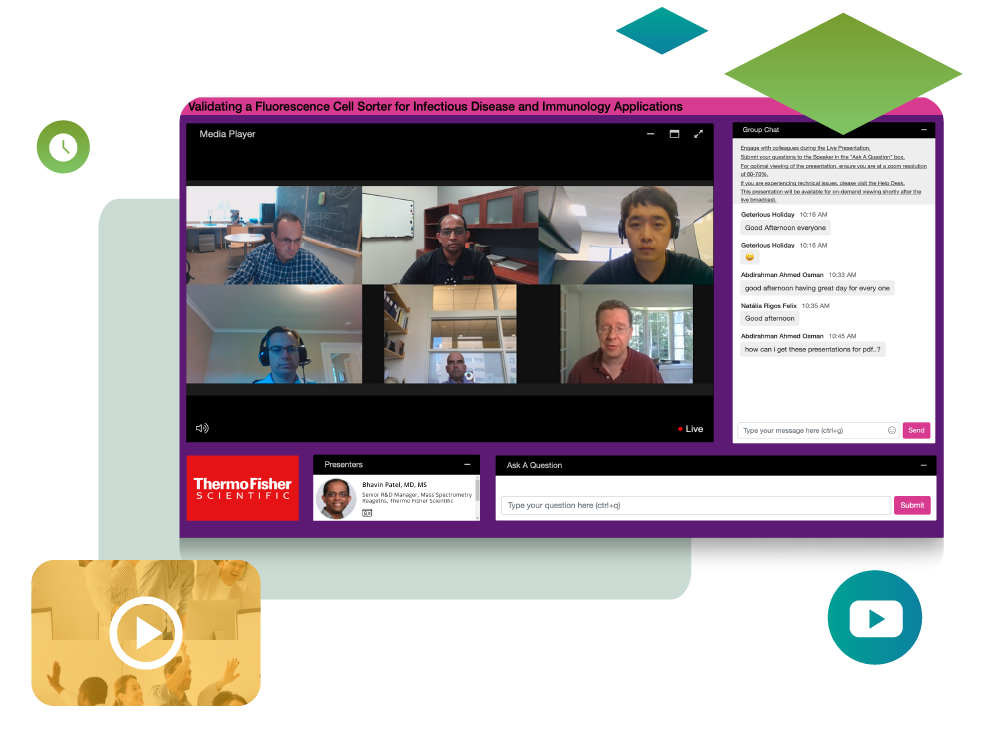
Successful webinars and nearly all online events begin with choosing the right webinar platform and tools that will demonstrate quality performance while enabling your audience to engage and interact with each other seamlessly. Examples of platforms include Zoom Events, Zoho, Livestorm, Contrast, and Webex, which can be used based on your requirements and audience needs.
At Chati, we believe in enhancing engagement through interactive features, and we Are proud to offer a myriad of them, including content management, templates and 3D spaces, gamification, integrations, ChatiConnect, analytics and reporting, and so much more!
All successful webinars incorporate successful promotion strategies, including leveraging social media, email, and many networks to excite your audience for the upcoming webinar. While email could be the primary method, you can create custom social media accounts and websites just for the webinar, which gives it an extra professional appeal for your audience.
Another method involves crafting compelling registration pages to boost attendance, as they also offer a more professional appeal designed to attract attendees who might have yet to consider attending your webinar.
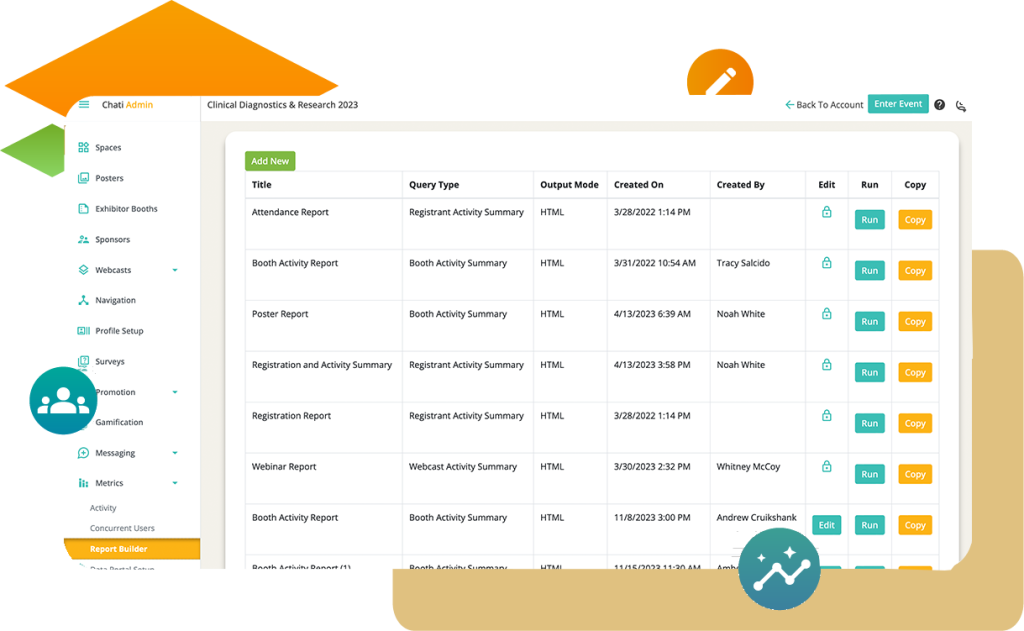
Successful webinars ensure your audience is engaged and achieves their lead generation goals. This is accomplished by tracking attendance and engagement throughout the webinar. This can be accomplished through artificial intelligence or one-on-one support from your hosting team, where your audience can interact with a real person and provide real-time feedback on their experience throughout the webinar.
Additionally, analyzing lead generation metrics for continuous improvement is an important method for ensuring future webinars are even more successful than the one you just hosted. These metrics not only allow for continuous improvement but also provide you with the necessary feedback and tools to enable future audiences to achieve their networking goals.
Predicting trends and innovations in webinar practices is vital to ensure the long-term success of webinars. This is accomplished through receiving appropriate and timely feedback from your audience during and after the webinar. Through this feedback, you can gauge your future audience needs and establish what new and exciting innovations need to be made to ensure successful webinars in the future.
Additionally, embracing new technologies for enhanced impact is another method for ensuring a successful future for webinars. Research what platforms or technical innovations other webinars have embraced the technologies that interest you and consider how these might be integrated into your webinar presentations.
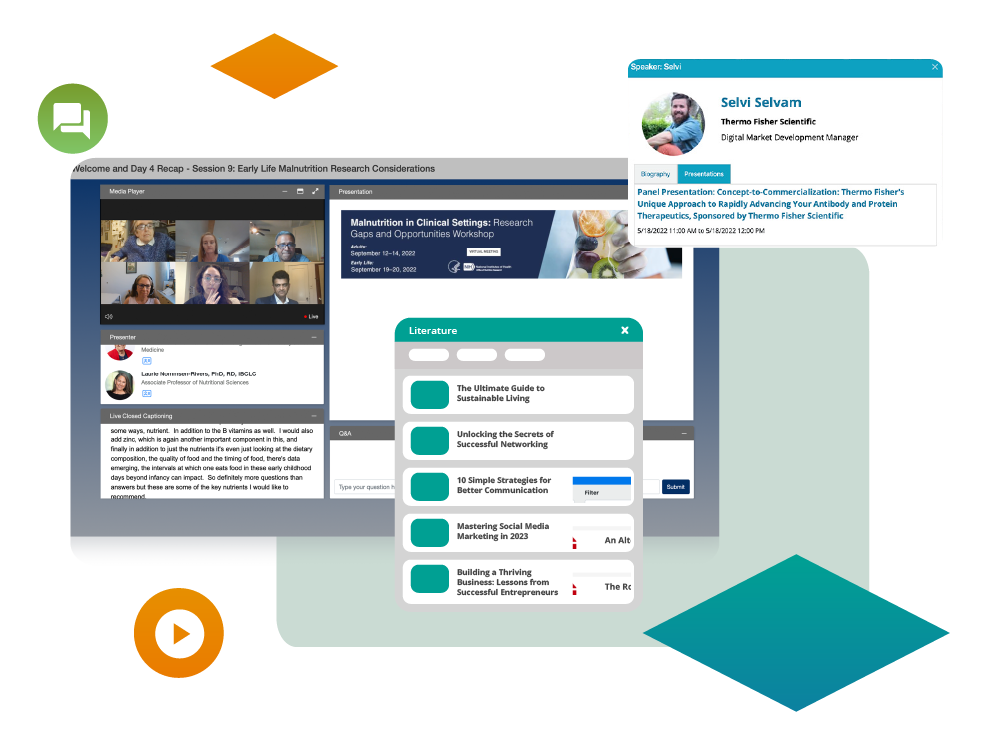
Webinars offer a holistic approach to lead generation, relationship building, and education for individuals worldwide. With the proper promotion, platform, and content, your audience will achieve their networking and lead-generation goals for both the short- and long-term. Additionally, webinars help by elevating your virtual events to drive results and engagement that will allow everyone to build relationships and foster connections with individuals worldwide.
Sources: LinkedIn, Flow, Corefactors, PositivePsychology.com, Rock Content, Banzai International, Contrast
Chati recently presented a guide to planning hybrid events in 2024. Here, we will discuss how hybrid events encompass the best of both in-person and virtual aspects of an event or conference to enable the best opportunity for inclusivity and connectivity on a global scale.
Over the past few years, virtual events have become mainstream in networking and building connections. However, in-person events still hold benefits, primarily due to the real-life engagement aspect. Unfortunately, not everyone can attend in-person events for many possible reasons, including financial or logistical, and this is where hybrid events shine.
In this age of virtual networking, embracing a dual approach towards networking will enable you to reach levels of engagement and connectivity like never before, and this can be accomplished through hybrid events where you can meet people in real life or connect with them virtually. Embracing the dual approach makes hybrid events crucial in both the short- and long-term.
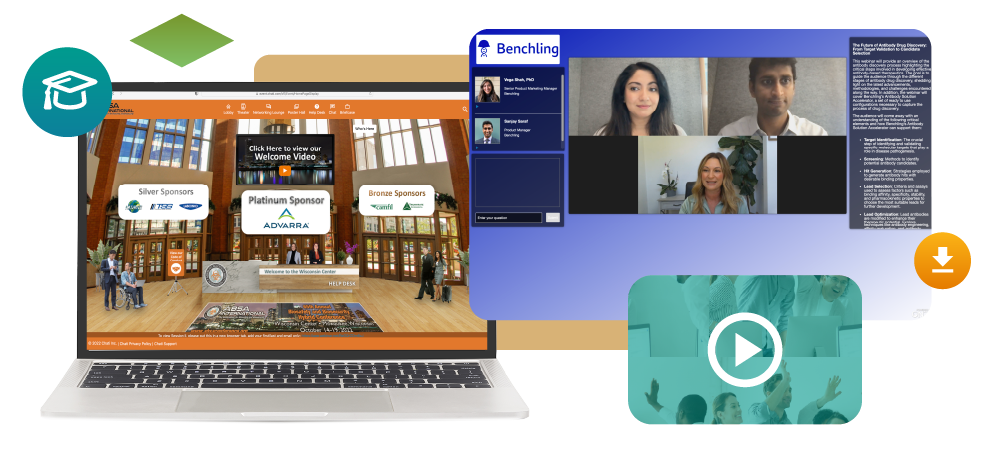
Hybrid events enable event organizers to amplify audience reach and engagement during and after the event. This is due to the ability to connect individuals from around the world, as 47 percent of event hosts believe that hybrid events are the answer to bringing people together from around the world. Other characteristics include offering the choice of attending in-person or virtually while increasing attendee engagement rates since some of your attendees might still be hesitant to attend in person because of COVID-19.
Hybrid events help bridge the gap between physical and digital audiences so individuals worldwide maximize their engagement and connectivity. Along with being hesitant to attend in-person events due to COVID-19, attendees might also be unable to attend due to a physical disability or financial instability, and hybrid events enable these individuals to seamlessly attend your event and engage with in-person individuals so they can share the experience.
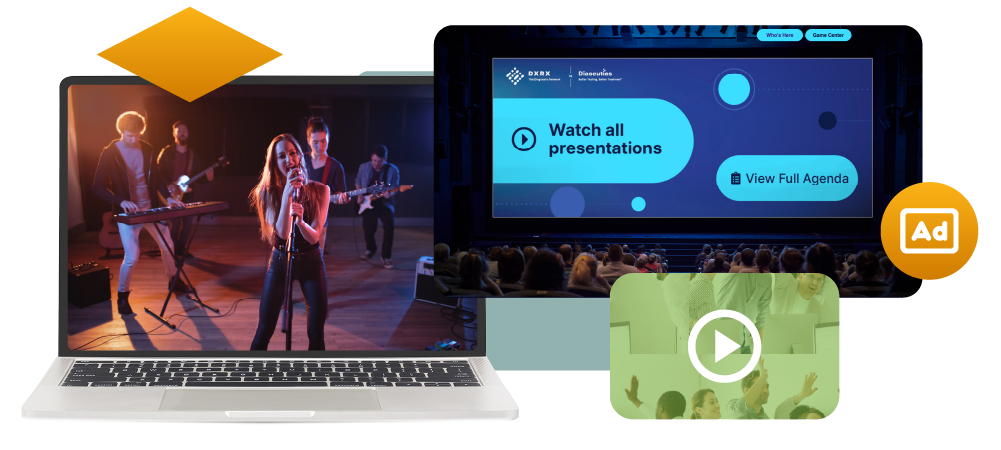
The primary goal of hybrid events is crafting content to engage both audiences, which will increase engagement and enable your attendees to improve their networking skills while building connections and fostering relationships for both the short- and long-term. For example, guest speakers should be able to engage with both audiences seamlessly. At the same time, breakout rooms and gamification features allow both audiences to engage with each other seamlessly.
Through this, your hybrid event will maximize interaction and participation across all channels, leading to greater levels of inclusivity, diversity, and engagement for individuals worldwide.
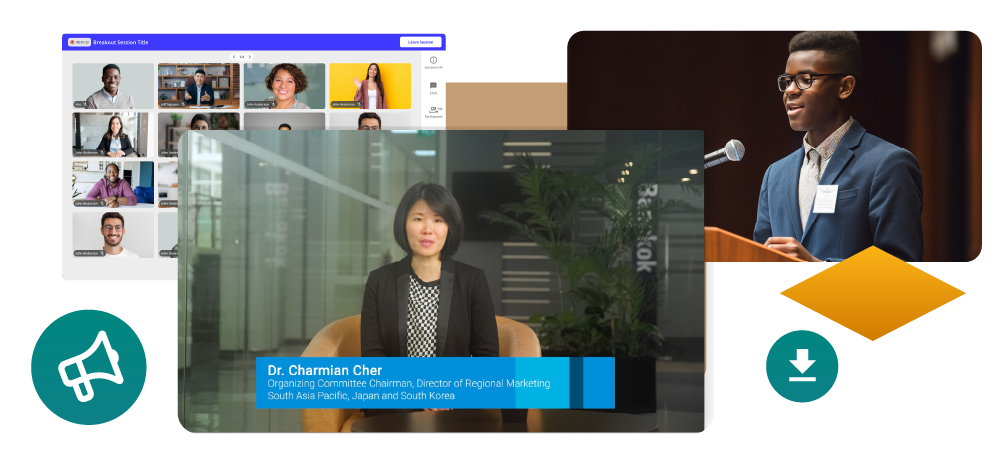
Addressing technical and logistical considerations is vital for all endeavors, but hybrid events are especially important since organizers are balancing two different audiences. For example, guest speakers require the ability to convey their message while engaging with both audiences, which brings more challenges for your virtual audience, as ensuring all internet connections are functioning properly will allow your virtual audience to engage simultaneously with your in-person audience. Other technical and logistical challenges are to consider providing resources for the seeing- and hearing-impaired, which need to be addressed for both audiences.
For these reasons and many more, balancing engagement and interaction across in-person and virtual formats is essential to achieve the most successful hybrid event. Through this, event organizers can maximize engagement, connectivity, inclusivity, and diversity on a global scale.
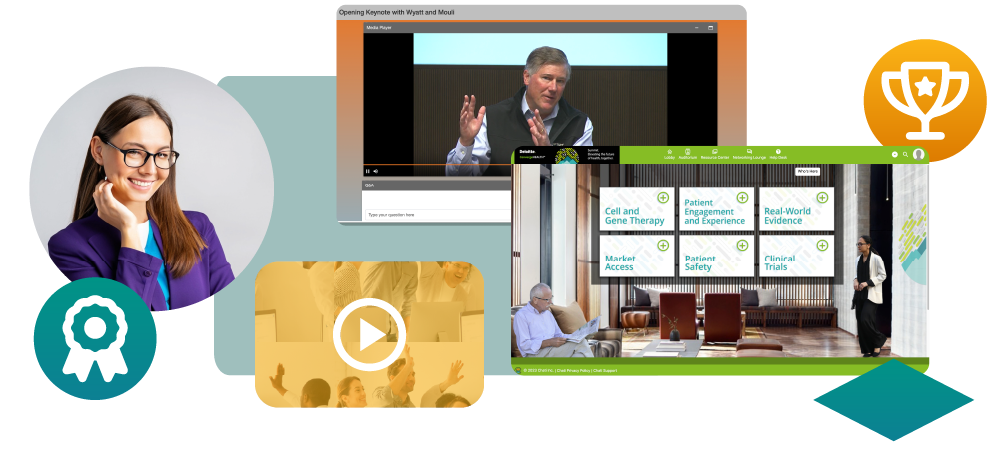
Chati has emphasized in numerous blogs the importance of tracking engagement metrics for webinars and virtual events, making this practice even more important for hybrid events as event organizers are responsible for in-person and virtual attendees. However, the same tracking methods used for webinars and virtual events can easily be used for the virtual aspects of hybrid events, including those collected via artificial intelligence. You can even periodically engage with your attendees to ensure they’re getting the most out of your hybrid event.
In addition to tracking engagement metrics, Chati has frequently discussed the importance of extracting valuable insights from attendee feedback, and this aspect is even more important for hybrid events as organizers are balancing two audiences instead of one, with attendees engaging from all over the world. This feedback can be accomplished through post-event surveys, which are encouraged to be sent out immediately as soon as possible once the hybrid event concludes so the event is still fresh in your attendees’ minds. Additionally, follow-up emails a few weeks to a few months after the event allow your attendees to provide additional feedback if they missed something in the post-event surveys.
At Chati, we encourage all event organizers to unleash the power of hybrid events, which encompass the best of both in-person and virtual events, into a fun and engaging experience for individuals worldwide. From creating memorable experiences to overcoming technical and logistical challenges to monitoring engagement metrics and post-event feedback, we are confident you will walk away from this better prepared to host a successful hybrid event for years to come.
Sources: Chati, Interprefy, WorkCast, Frameable, Cvent, Socio Labs, Chati (1)
The COVID-19 pandemic forced the world's population to reshape their lives as everyone stayed indoors to prevent the spread of the coronavirus. The result was that traditional, in-person events, where networking was the priority, quickly became virtual-only events. In this post-Covid world, many of these events have returned to being in-person while continuing to include a virtual aspect. These 'hybrid' events are rapidly becoming the new norm for networking. A recent survey found that 66.5% of event professionals predicted that hybrid events will be incorporated into all future event strategies.
Due to geographic boundaries and financial costs, many would-be event attendees worldwide are unable to attend in-person events. These factors alone highlight the increased relevance of blending physical and virtual events. With a hybrid approach, your event can increase inclusivity and diversity, which will build stronger relationships and foster connectivity for both the short- and long-term. As we enter 2024, it's essential to understand not only the fiscal benefits of going hybrid but also how to develop successful and effective hybrid events. Here, we will discuss the steps to create a truly successful hybrid event in 2024.
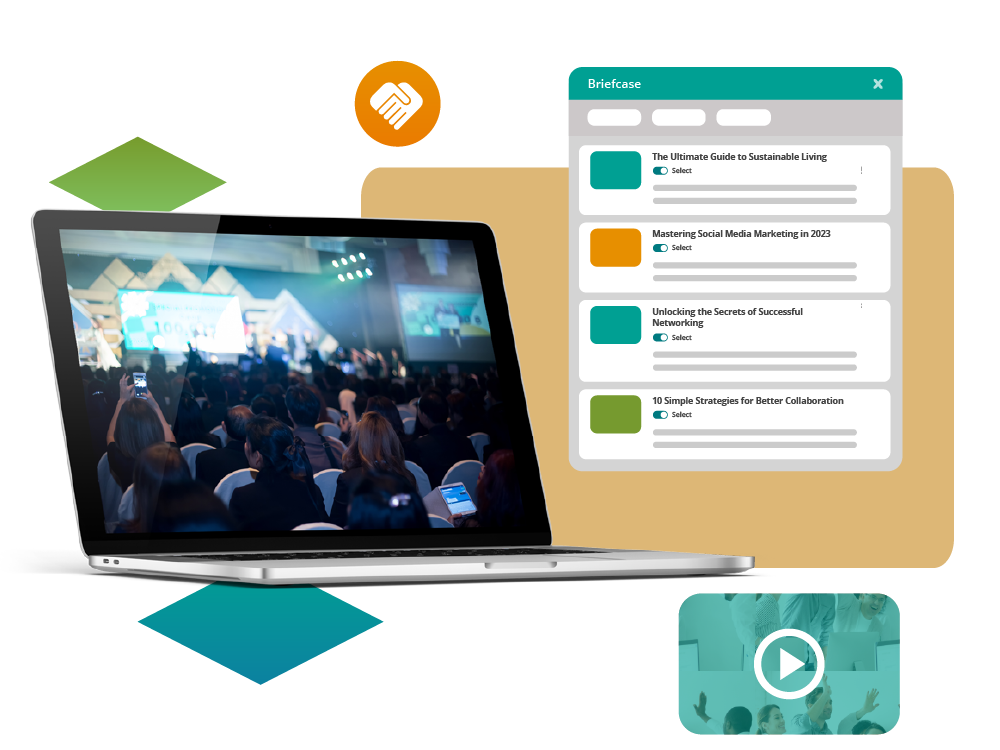
Hybrid events offer many benefits compared to strictly virtual or in-person events, including extended reach, improved engagement, and flexibility. Much like virtual events, hybrid events break down geographic barriers so individuals have the choice to attend in-person or virtually. Adding virtual components opens the door to those who may be unable to attend due to geographic, financial, or scheduling circumstances.
By harnessing the power of both worlds, hybrid events provide greater inclusivity, engagement, and networking opportunities that virtual or in-person events can't provide on their own. Additionally, they provide an opportunity for first-time attendees to "dip their toes" into your brand, allowing them to attend in person for future events.
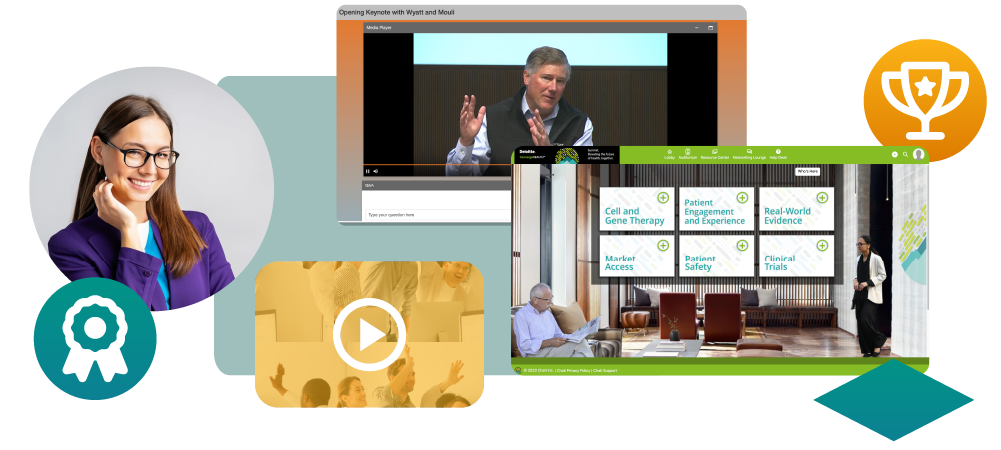
When planning your hybrid event, understanding and catering to physical and virtual attendees are crucial for your success. Maintaining equal engagement levels for both audiences is complicated but vital. For instance, if you are hybridizing a conference, a good starting point is to include strong and consistent live-streaming with a reliable internet connection so your virtual audience can engage with speakers and in-person audience members in real-time.
Like all events, hybrid events require tailored content and engagement to meet the needs of both virtual and in-person attendees. Provide resources for the seeing- and hearing-impaired and opportunities for individuals in various time zones to participate through easily accessible taped talks, real-time captioning, multi-lingual captioning, and landing pages or virtual event spaces that can be easily converted from text to speech/audio.
Selecting a venue that supports physical and virtual components is vital when planning your hybrid event. If considering a hybrid element, make sure the venue you choose has a reliable internet connection, AV accessibility, and adequate facilities for the on-site virtual event management staff. With these features, your virtual audience may experience a more engaging event.
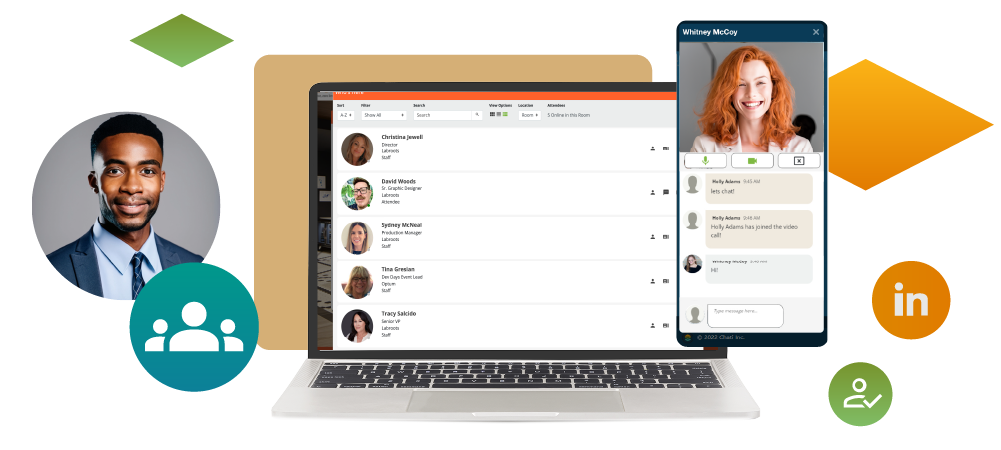
All successful hybrid events require effective event management practices, beginning with registration, ticketing, and attendee support for both audiences. When promoting your event, providing a seamless registration process provides your attendees with an excellent first impression of your event. Ongoing attendee support ensures attendees that the event is effectively managed. Peace of mind in the little things makes a huge difference for both audiences.
The importance of a seamless attendee experience must be noticed and addressed, from the registration page to the sessions to the post-event feedback. When your attendees have the most seamless experience possible, they leave your event with a sense of fulfillment and are excited for your future events.
Since some of your hybrid event attendees will inevitably be virtual, it's vital to consider the various time zones they will be attending from. Some attendees will not be able to see certain sessions live, so it's recommended to provide archived sessions on-demand so they can view them later, either during the event or afterward. Having streamed sessions available on-demand ensures a wider reach for your content and allows attendees to view content they would otherwise have missed.
Additional strategies for accommodating global participants include captioning available in multiple languages, flexible scheduling, and 24-hour virtual support.
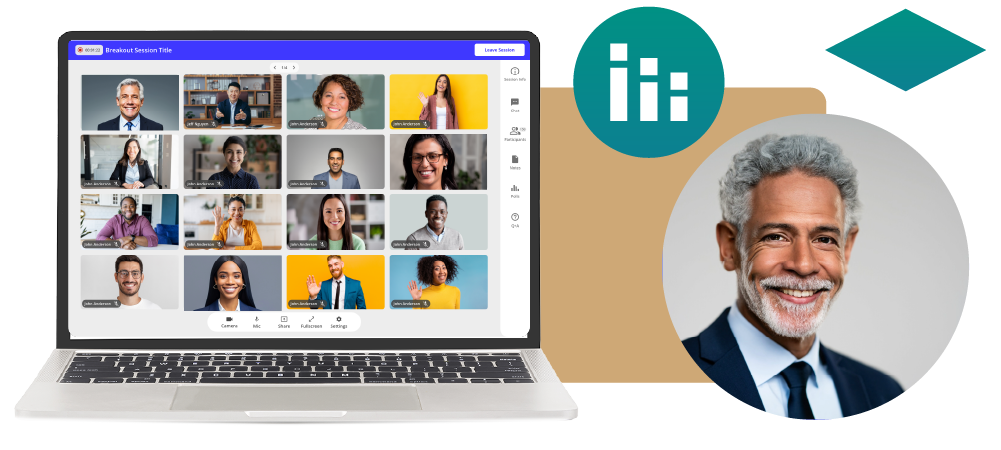
Regarding enhancing attendee engagement and interaction, breakout rooms offer enormous opportunities to foster small group discussions and networking for in-person and virtual audiences. This is because breakout rooms are exactly as their name describes, as a break from the chaos and large crowds of the event and an opportunity to breathe and engage one-on-one with other audience members, which increases inclusivity and diversity while building lasting relationships and fostering valuable connections. Virtual match-making allows those with shared interests to meet and interact with one another when they may otherwise feel left out of the in-person experience.
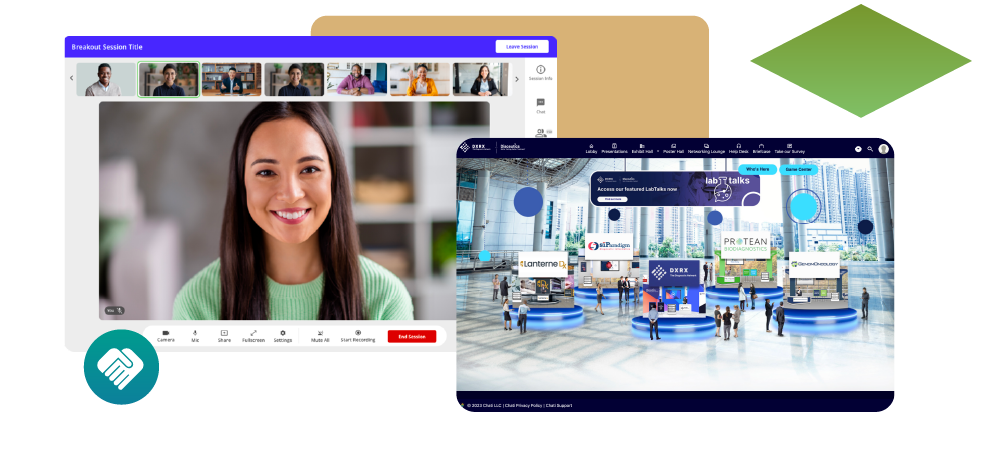
Hybrid events thrive on live interaction and engagement between in-person and virtual audiences, and the value of live Q&A sessions for attendee engagement cannot be overstated. Live interaction allows both audiences to share and learn from each other, building relationships and fostering connections for both the short- and long-term.
When facilitating interactive Q&A sessions, it's vital to maintain a sense of direction and order, as having the right session host or chairperson can help keep everyone on the same page and allow everyone the opportunity to interact equally, whether from the virtual or in-person audience.
Taking advantage of the social media landscape is vital to a successful hybrid event. This can include using your company's social media pages to promote and broadcast the event and creating alternative social media pages for various event components. The myriad of social media platforms, including Facebook, X (formerly known as Twitter), Instagram, Bluesky, and Mastodon, to name a few, makes it possible to target your audience effectively and interact with them in a familiar and friendly environment.
By harnessing the power of social media, your hybrid event and your brand can amplify real-time interaction for virtual and in-person audiences worldwide. This can be accomplished through live streaming on social media platforms or encouraging direct messaging if you wish to engage with an attendee one-on-one.
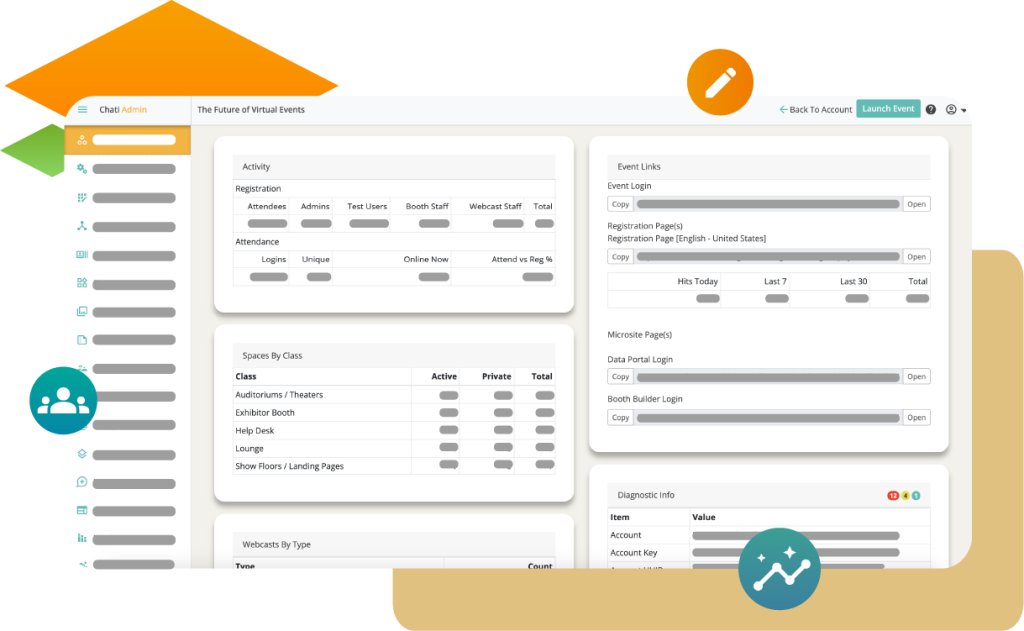
Collecting and analyzing data during and after the event will provide valuable feedback regarding engagement and logistical metrics, ensuring your attendees from both aspects of the event obtain equal engagement and networking opportunities. This includes ensuring strong and consistent live-streaming capabilities for your virtual audience and seamless engagement with in-person attendees.
All endeavors require feedback to ensure success going forward, and obtaining feedback for hybrid events is crucial since there are two different types of audiences you're helping. This can be conducted with post-event surveys and emails, but also provide contact information in case your attendees might remember aspects of the event later.
Successful feedback will not only ensure your latest event's success. Still, it will also inform future hybrid events on what steps need to be taken to ensure maximum engagement, inclusivity, and diversity for attendees worldwide.
Hybrid events have become a cornerstone to networking and engagement, especially in this post-Covid world, and following these strategies will ensure that 2024 will have even more successful hybrid events that improve inclusivity, diversity, and engagement for everyone. This includes providing appropriate venues, technological and logistical readiness, catering to your audience's needs, and receiving relevant feedback from your audience, both virtually and in person.
As the digital landscape continues to evolve, future trends and hybrid event experiences will also continue to evolve. With these strategies, you can ensure solid and impactful hybrid events through 2024 and beyond!
Sources: Impact XM, Stova, Deal Room, vFairs, Airmeet, MeetingPulse
As noted in previous blogs, virtual events offer an enormous opportunity to break down geographic barriers while fostering connections, building your brand, and increasing inclusivity for everyone. Marketing your virtual event effectively is vital to increase your brand and reach the global community. Here, we discuss the steps you can take to properly market your virtual event through ads, e-mails, social media, and much more to meet your virtual event marketing goals.
Several key elements contribute to a successful virtual event marketing campaign, including identifying and reaching a wider audience, using your website to communicate your virtual event's value, choosing the correct time to begin event promotions, maintaining your marketing strategy throughout the process (i.e., before, during, and after the virtual event), involving multiple sponsors and speakers, and offering incentives for attending your virtual event.
Below, we take you through Chati's top four virtual event marketing strategies:
One method to promote your virtual event is through Google Ads, the largest provider of online search advertising. There are currently more than 2 million Google Ad accounts, which collectively reach over 2 million websites. With Google being the most visited search domain in the world at more than 106 billion hits, Google Ads is the primary method to market your virtual event.
To ensure your virtual event gets the proper recognition, make sure to optimize Google Ads, including keywords that users can search to find your virtual event, leveraging assets (previously called ad extensions) that enable your marketing campaign to go beyond the basics and reach the right target audience, and taking advantage of specialized platforms, to name a few.
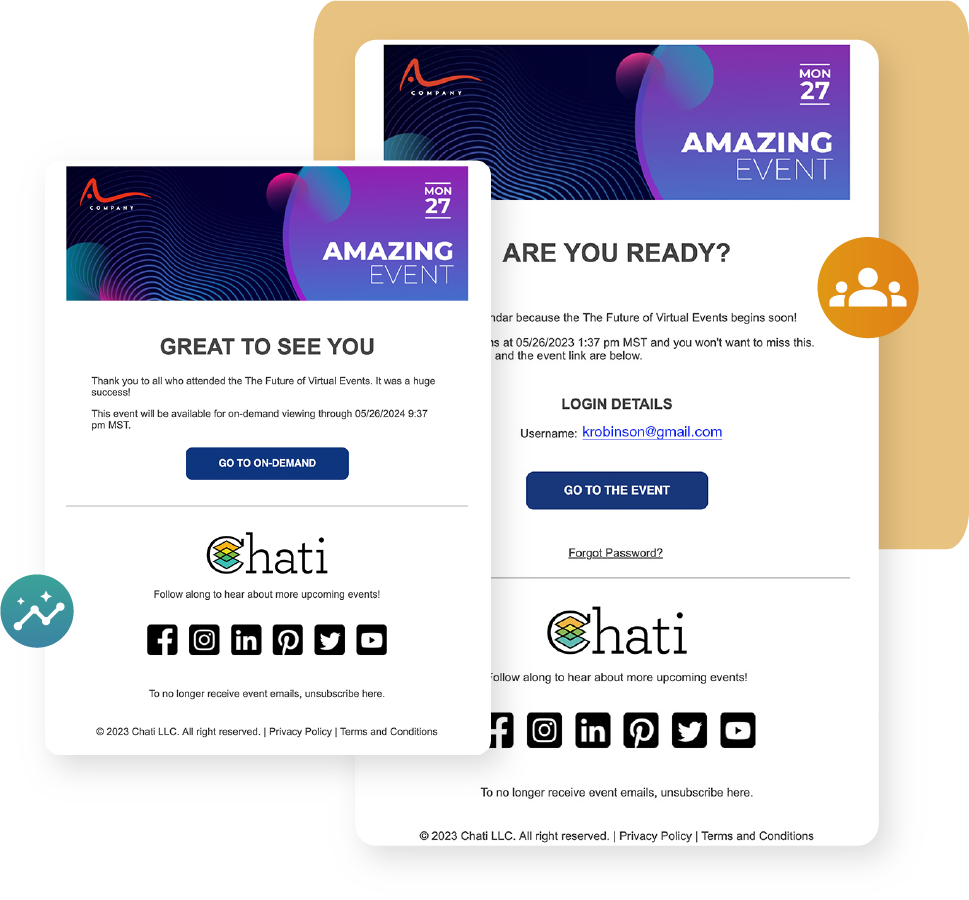
With e-mail being the primary form of online communication, utilizing e-mail marketing efficiently and effectively is increasingly important. E-mail marketing allows you to stay connected with your target audience, engage with them in real time, and increase brand awareness, to name a few.
Some of the best strategies for creating engaging event-related e-mail campaigns include personalized messages, mobile-friendly e-mails, automated e-mails, creative subject lines, and timeliness, to name a few. Be sure to speak to your audience authentically; almost 50% of e-mails are categorized as spam, and you want to avoid ending up in the junk folder.
Additional e-mail marketing strategies include highlighting speakers, easy signup processes, event invite reminders, adding e-mail testimonials from past virtual events you hosted, last-minute invites and reminders, and much more. You can reach the right target audience through these strategies with timely promotion leading to the virtual event.
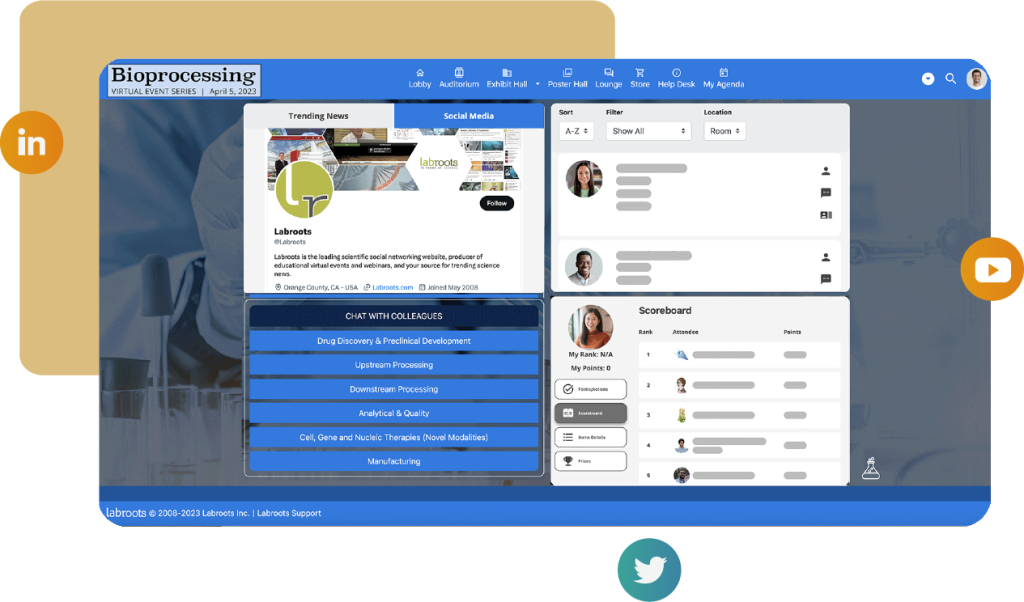
Social media has become a critical aspect of our daily lives, with several platforms to choose from where you can engage with your global audience. As of April 2023, an estimated 4.8 billion people use social media in some capacity, and because of this global reach, social media marketing has become one of the primary methods of promoting an event.
There are two advertising methods to consider when designing a social media marketing campaign: organic and paid advertising, both with their benefits and drawbacks. For example, while an organic social media campaign utilizes your social media pages to market your campaign, saving you money on paid advertising, these posts are limited to your followers. In contrast, paid social media advertising is when you pay social media companies (i.e., Facebook, Instagram, etc.) to share your content on their respective pages, which can reach beyond your personal or business pages. We recommend combining both strategies, as you can promote quality content to a broader audience while remaining true to your core audience who follow your accounts.

Search engine optimization (SEO) has become a cornerstone for marketing strategies because search engines like Google aren't perfect. Therefore, optimizing your search criteria is a great way to ensure your virtual event marketing can achieve its maximum potential. Through SEO, you can identify your target audience, focusing on keywords you think your attendees will use when searching for your virtual event. If you need extra help identifying these keywords, keyword research tools like SEM Rush can help narrow your options.
SEO can improve your event website's visibility through lead generation and increased organic traffic. By optimizing your on-page SEO, your brand can stand out from the crowded digital landscape and help you acquire consistent, qualified, and organic traffic. This will ensure you target the right audience for your virtual event while maximizing your promotion potential.
Virtual events aim to build your brand and foster lasting connections. With the right tools and strategies, such as Google Ads, e-mail marketing, social media marketing, and SEO, you can maximize your virtual event marketing potential and ensure your target audience returns for future virtual events.
Sources: Chati, Cvent, Digital Third Coast, HawkSEM, Site-Seeker, SuperOffice, GlueUp, Smart Insights, Hootsuite, vFairs, Salesmate

