Discover how Chati's self-service licenses give you full control - build, update, and launch virtual events on your terms. Register for our free webinar today!
Virtual networking often stops at surface-level introductions, leaving a gap between meeting people and building real relationships. Traditional formats focus on attendance and volume, rather than relevance, structured interaction, shared context, and meaningful follow-up that sustains connections.
Here, we will discuss how virtual networking builds connections, including the psychological aspects, common mistakes, ways to improve, long-term connections, and more. Through this, you will have the tools and resources to host a successful virtual event while prioritizing virtual networking and helping your attendees build lasting connections.

Effective virtual networking moves beyond chat boxes and attendee lists by creating intentional interactions. Unlike in-person networking, it relies on structure, facilitation, and shared context to replace spontaneous encounters and turn digital connections into meaningful, lasting professional relationships.

Trust and familiarity grow through repeated interactions over time, not one-off encounters. In virtual networking, small, meaningful moments, including focused conversations, shared insights, and follow-ups that matter far more than high volumes of brief connections.

Many virtual networking experiences fail because they rely on one-off interactions with no follow-up, encourage passive attendance in awkward open rooms, and treat networking as transactional. Real connections require intentional design, active participation, and relationship-building that continues beyond the event itself.

Structured networking outperforms open mingle formats by replacing randomness with intention. Guided conversations and shared context help participants connect faster, while smaller groups and smarter matching increase relevance, reduce awkwardness, and create space for meaningful dialogue and lasting professional relationships that extend well beyond events.

Effective virtual networking uses icebreakers that feel natural, not forced, supported by facilitated sessions and structured speed networking. Interest-based or role-based matching ensures participants meet the right people, accelerating rapport, reducing friction, and turning brief interactions into relevant, high-quality professional connections.

Modern virtual networking leverages breakout rooms, live chat, and 1:1 meeting tools to spark interaction. AI-driven or interest-based matchmaking improves relevance, while asynchronous networking before and after events extends conversations, reinforces relationships, and turns single moments into ongoing professional connections.

Effective follow-up avoids spam by staying personal and timely. Post-event connection thrives through shared takeaways, continued conversations, and clear next steps, helping virtual introductions naturally evolve into trust, collaboration, and long-term professional relationships beyond a single event.

True success in virtual networking isn’t measured by engagement alone, but by connection quality. Metrics that matter include meetings booked, meaningful follow-ups, and returning attendees, as well as signals that interactions created value, trust, and momentum beyond the event itself.

The future of networking blends hybrid models with community-driven, always-on experiences. By combining virtual and in-person touchpoints, organizations can foster continuous engagement, recurring interactions, and deeper relationships that extend beyond single events into sustained professional communities.
Summary
Here, we discussed how virtual networking builds connections, including the psychological aspects, common mistakes, ways to improve, long-term connections, and more. Through this, you now have the tools and resources to host a successful virtual event while prioritizing virtual networking and helping your attendees build lasting connections.

The future of networking blends hybrid models with community-driven, always-on experiences. By combining virtual and in-person touchpoints, organizations can foster continuous engagement, recurring interactions, and deeper relationships that extend beyond single events into sustained professional communities. Chati is proud to provide impactful virtual networking tools that enable individuals worldwide to engage and build lasting relationships. Please contact Chati if you would like to know how your next virtual event can promote virtual networking for individuals worldwide.
Virtual events are under increasing pressure to prove their value as organizations move beyond counting registrations and attendance to focus on measurable outcomes, meaningful engagement, and long-term impact. This highlights the critical difference between simply running events and delivering results that drive real business and educational value. Here, we will discuss how you can maximize return on investment (ROI) in virtual events, including core formulas, tracking ROI, benchmarks, common mistakes, and more.

Measuring virtual event success requires separating financial ROI from marketing and strategic ROI, which capture outcomes such as brand awareness, sales pipeline growth, customer retention, and improved educational outcomes, including metrics that extend beyond immediate revenue to reflect long-term value, influence, and organizational impact.

The fundamental ROI calculation, return minus cost divided by cost, applies across virtual event types. Returns may be defined as revenue, lead generation, or learning outcomes, while costs should include technology platforms, personnel, speaker fees, marketing expenses, and production.

Virtual event ROI should be measured through four metric categories: acquisition (registrations, source attribution, cost per registration), engagement (attendance rate, session duration, interactive participation), conversion (demo requests, scheduled meetings, trial initiations, purchases), and retention (replay views, repeat attendance, long-term community involvement).

Effective evaluation of virtual events requires moving beyond superficial metrics and focusing on key performance metrics (KPIs). This includes comparing registrations to qualified attendees, attendance rates to engaged minutes, raw leads to pipeline influence, and total views to meaningful attendee actions. This approach determines whether an event drives genuine impact or merely provides visibility.

A comprehensive approach to measuring virtual event ROI involves setting explicit objectives and tracking progress prior to the event, capturing real-time engagement during sessions, and executing structured, timely follow-up. Connecting attendee behaviors to conversions and retention within a defined attribution period is essential for demonstrating long-term impact.

Choosing an appropriate revenue attribution model—first-touch, last-touch, or multi-touch—is fundamental to understanding virtual event ROI. Distinguishing between influenced and sourced revenue is necessary. Leadership teams should collaborate on definitions early to ensure a consistent and credible interpretation of results.

Establishing benchmarks for virtual events involves understanding typical ranges for attendance, engagement, and conversion rates, while recognizing that these metrics vary by event format. For example, webinars typically yield higher attendance and conversions; multi-day summits emphasize sustained interaction, and virtual expos prioritize lead reach and volume.

Virtual events often underperform when teams lack proper tracking links or customer relationship management (CRM) mapping. They also struggle when they rely on weak post-event nurture, treat all registrants equally regardless of intent, or fail to repurpose content. As a result, organizations miss opportunities to extend reach, deepen engagement, and capture long-term value from event investments.

Improving virtual event ROI starts with boosting landing page conversion, optimizing reminders and calendar holds, and aligning speakers and topics with audience needs. Adding clear calls to action and intentional next-step moments, then repurposing content into clips, blogs, email drips, and sales enablement, extends impact well beyond the live event.

An effective virtual event ROI dashboard should report key metrics at regular intervals, such as costs, generated leads, pipeline value, influenced revenue, and engagement signals. Utilizing a standardized reporting template facilitates ongoing performance monitoring and supports clear communication of event value to stakeholders.
Summary
Here, we discussed how to maximize ROI in virtual events, including core formulas, ROI tracking, benchmarks, common mistakes, and more. Virtual event ROI comes down to clarity, tracking, and follow-through. Review your last event performance now and set clear ROI goals and tracking before launching the next one.

With Chati, you can maximize your ROI while focusing on audience engagement and helping your attendees achieve their personal and professional goals. Please contact Chati if you would like to learn more about how to enhance your ROI at your next virtual event.
Virtual and hybrid events have surged, audience behavior has shifted toward digital engagement and on-demand content, and brand awareness now matters more than ever as organizations compete for attention in crowded, online-first spaces. Here, we will discuss how virtual events can help boost brand awareness, including key opportunities, best practices, common mistakes to avoid, and much more. Through this, you will have the tools and resources to host a successful virtual event while prioritizing brand awareness for clients and attendees.

Virtual events are online experiences hosted through digital platforms, including webinars, virtual conferences, product launches, and workshops, and they differ from in-person and hybrid events by offering greater accessibility, scalability, flexibility, and data-driven engagement opportunities.

Virtual events extend global reach beyond geographic limits, amplify brand visibility through repeated digital touchpoints, and help organizations establish thought leadership and credibility. They also strengthen audience engagement and message recall by using interactive tools, personalized content, analytics, and consistent storytelling across multiple online platforms and event experiences.

Webinars and educational sessions deliver focused learning, while virtual trade shows and expos connect brands with broad audiences. Live-streamed product demos and launches showcase innovations in real time. Panel discussions and expert roundtables build credibility, and on-demand virtual events extend reach and engagement beyond live attendance.

Virtual events offer customizable environments and booths, branded landing pages, and tailored registration flows that reinforce identity. Sponsored sessions and speaking slots elevate visibility, while logos, banners, and CTAs drive action. Interactive branded content, including polls, Q&A, and live chats, boosts engagement and strengthens brand recognition.

Successful virtual event branding starts with clear goals and measurable KPIs. Consistent visuals and messaging reinforce identity, while respected speakers and influencers build credibility. Promoting events across multiple digital channels expands reach, and encouraging interaction and social sharing increases engagement, amplifies visibility, and strengthens lasting brand awareness.

Measuring brand awareness from virtual events involves tracking impressions, reach, engagement, and dwell-time across platforms. Monitoring brand mentions and social shares reveals visibility gains, while post-event surveys assess brand lift and perception. Using these analytics helps refine messaging, formats, and targeting to improve future event performance.

Virtual events offer cost efficiency and scalability compared with traditional advertising, while enabling precise audience targeting and rich data insights. On-demand content extends campaign longevity, and measurable engagement metrics often deliver more substantial, more transparent ROI than conventional ads across digital and in-person marketing channels.

Common virtual event branding mistakes include overbranding without delivering real value, weak promotion or post-event follow-up, and ignoring interactive engagement features. Failing to repurpose event content into blogs, videos, or social posts also limits reach, reduces long-term impact, and weakens overall return on investment.

Future virtual event branding trends include AI-driven personalization that tailors content and experiences. These hybrid and immersive formats blend physical and digital engagement, community-focused events that foster lasting connections, and long-term brand building through integrated digital ecosystems that extend beyond single events.
Summary
Here, we discussed how virtual events can help boost brand awareness, including key opportunities, best practices, common mistakes to avoid, and much more. Now you can host a successful virtual event while prioritizing brand awareness for clients and attendees. Virtual events boost reach, engagement, and brand awareness.

Brands can start by setting clear goals, choosing the right platforms, and delivering value. Launch your next virtual event today. Consider Chati to host successful virtual events that promote brand awareness, and please contact Chati if you would like to know more about how we can promote brand awareness in our virtual events.
A webinar series delivers multiple sessions over time, unlike a single standalone event, enabling ongoing engagement and deeper learning. This sustained format strengthens audience relationships and enhances brand visibility. Here, we explore how to evaluate the return on investment (ROI) of hosting a webinar series to determine its overall value, including audience engagement, cost-effectiveness, monetization, and much more. Through this, you will gain the skills and knowledge to host a successful, impactful webinar series that focuses on ROI and attendee goals.

A webinar series nurtures leads across multiple sessions, steadily building trust and boosting conversion potential. You can capture valuable attendee data through registration and follow-up forms, then use targeted, session-specific content to guide prospects through each stage of the sales funnel more effectively.

Recurring sessions encourage audiences to return, steadily boosting engagement and loyalty. By incorporating interactive elements like Q&A, polls, and follow-up challenges, each session becomes more immersive and memorable. This ongoing connection strengthens long-term relationships with participants, increasing their trust and overall investment in your brand.

A consistent webinar series helps establish your organization as an industry authority, especially when supported by case studies, expert panels, and guest speakers. Its influence extends well beyond live sessions through recordings, on-demand access, and social sharing, allowing your expertise to reach broader audiences and strengthen long-term credibility.

A webinar series offers substantial cost advantages compared to physical events, eliminating expenses for travel, venues, and logistics. Its scalability allows you to reach more participants at a lower cost per session, while also reducing spending on printed materials, speaker arrangements, and staff time—boosting overall efficiency and value.

Track key metrics such as attendance, engagement, lead conversions, and session completion rates to measure performance. Segment participants to identify which topics or sessions delivered the strongest results. Use these analytics to refine future content, optimize your webinar strategy, and clearly demonstrate ROI to internal stakeholders.

A webinar series can generate revenue through sponsorships, premium content, and post-series materials. It also creates opportunities to upsell products, services, or training programs to an already engaged audience. With recurring sessions, you can generate ongoing revenue as participants return and deepen their investment in your offerings.
Summary
Here, we explored how to evaluate the return on investment (ROI) of hosting a webinar series to determine its overall value, including audience engagement, cost-effectiveness, monetization, and much more. Now, you have the tools and resources to host a successful, impactful webinar series that focuses on ROI and attendee goals.
A webinar series delivers strong ROI through lead generation, sustained engagement, brand authority, cost savings, and robust analytics. Organizations should strategically plan, promote, and measure their series to maximize impact. To elevate results even further, leverage platforms like Chati to host engaging, data-driven webinar series that drive long-term success. Please contact Chati if you would like to learn how we can improve our webinars so you can achieve the most ROI in the future.
Virtual events are becoming a core part of corporate strategy as organizations seek scalable, cost-effective ways to connect with their audiences. Beyond marketing, they boost lead generation, strengthen brand visibility, and improve team engagement across distributed workforces. This article outlines how businesses can leverage virtual event strategies to drive measurable growth, deepen relationships, and remain competitive in a rapidly evolving digital landscape.

Virtual events enable businesses to reach global audiences instantly, eliminating travel and budget barriers. They create opportunities to engage clients, partners, and stakeholders across regions with minimal logistical effort. From virtual product launches to online trade shows and international webinars, these formats expand market access and help organizations establish stronger global connections while scaling their outreach efficiently.

Compared to traditional in-person events, virtual formats offer far lower costs and a more substantial return on investment (ROI) by eliminating travel, venue, and staffing expenses while still generating high-quality leads. Registration forms, live chats, polls, and interactive sessions provide real-time engagement, and automated follow-up emails help businesses capture, qualify, and nurture prospects more efficiently than most physical events.

Virtual events boost engagement through Q&A sessions, polls, and networking features that keep participants actively involved. They help maintain relationships when in-person meetings aren’t possible, ensuring consistent communication. Effective post-event follow-ups—such as recap emails, shared resources, and personalized outreach—strengthen connections and extend the value of every interaction.

Businesses can use webinars and virtual workshops to train employees efficiently, delivering consistent instruction across teams. Interactive elements, such as quizzes, breakout sessions, and hands-on demos, keep learners engaged. This approach strengthens knowledge retention, builds confidence, and boosts overall morale by making training more collaborative, accessible, and effective.

Virtual event analytics track attendance, engagement, and content performance, giving businesses clear insights into audience behavior. These metrics help refine marketing efforts, strengthen sales strategies, and inform future event planning. Actionable data—such as session popularity, poll responses, and resource downloads—guides smarter decisions and drives more effective, targeted outreach.

Webinars, panel discussions, and virtual summits help position a business as an industry leader by showcasing expertise and thought leadership. Creating shareable content and promoting it on social media expands visibility. Consistently delivering high-quality virtual events strengthens long-term brand credibility and reinforces the company’s presence in its market.
Summary
Virtual events offer global reach, cost savings, intense engagement, efficient employee development, and data-driven insights that elevate strategy. Businesses should integrate them into marketing, training, and networking to stay competitive and scalable.
To deliver impactful experiences of any size, organizations can explore platforms like Chati for streamlined, high-quality virtual event execution. Please contact Chati if you would like to learn more about how we can help your business thrive with our virtual events.
Virtual events have become essential in healthcare post-pandemic, enabling accessible medical training, global conferences, patient education, and community outreach. These platforms support collaboration, knowledge sharing, and engagement across distances. Here, we explore why healthcare professionals and organizations are increasingly adopting virtual formats, including their benefits in enhancing learning, communication, and public health impact. Through this, you will be able to host a successful healthcare-themed virtual event while prioritizing attendee engagement and education.

Virtual healthcare events now power global connection and learning. Medical conferences and seminars unite doctors, nurses, and researchers worldwide without travel barriers. Patient education sessions provide valuable insights into various conditions and wellness topics. Community health events effectively engage diverse populations. These formats expand reach, reduce costs, and connect broader audiences with fewer logistical constraints.

Virtual events help healthcare organizations save on venues, travel, accommodations, and printed materials. These savings can be redirected toward enhanced content, advanced technology, and broader outreach. Hospitals and medical associations increasingly leverage virtual platforms to maximize ROI, improving education, engagement, and access while reducing operational costs and environmental impact.

Interactive Q&A sessions, live polls, chat rooms, and breakout sessions encourage active participation. Virtual demonstrations and case studies enable real-time learning experiences. Gamification elements and certification opportunities further enhance attendee motivation, engagement, and knowledge retention in healthcare virtual events, thereby improving overall learning effectiveness and satisfaction.

Virtual healthcare events provide live-streamed and on-demand sessions, enabling multi-location staff and global participants to join without disrupting their work schedules. This flexibility simplifies recurring training, CME programs, and symposiums, ensuring consistent access to education and professional development across time zones and institutions.

Virtual platforms enable tracking of attendance, participation, and engagement for internal evaluation. Attendee feedback helps assess the quality and effectiveness of the content. These analytics support compliance tracking, CME reporting, and accreditation requirements, ensuring accountability and continuous improvement in healthcare education and professional development initiatives.

By reducing travel, virtual healthcare events lower carbon footprints and supporting socially responsible practices. They also promote global knowledge sharing and collaboration, enabling healthcare professionals to connect and learn without being constrained by geography or environment.
Summary
Here, we discussed how virtual healthcare events offer broader reach, cost efficiency, engagement, flexibility, and measurable outcomes. By integrating them into ongoing education and outreach efforts, organizations can enhance their impact and accessibility. Healthcare professionals should consider platforms like Chati to host secure, compliant, and interactive virtual events that advance learning and collaboration worldwide.
Please contact Chati to find out more about how we can organize and host exciting and impactful virtual events focused on healthcare while helping your attendees achieve their personal and professional goals.
Virtual events—digital gatherings enabling global participation—are increasingly vital across corporate, educational, and nonprofit sectors. As organizations transition from traditional in-person formats to digital-first experiences, they gain greater flexibility, cost savings, and operational efficiency. This article explores the primary benefits of hosting virtual events and how they enhance engagement, accessibility, and organizational impact in today’s connected world.
Here, we will discuss the top benefits of hosting virtual events, including cost savings, enhanced engagement, sustainability, and more. Through this, you will be able to host successful and engaging virtual events while helping your attendees achieve their personal and professional goals.

Virtual events remove travel barriers, enabling participation from anywhere in the world. They foster inclusivity by welcoming attendees across diverse regions, backgrounds, and time zones. From global webinars and international conferences to large-scale virtual trade shows, these digital platforms connect hundreds or even thousands of participants, creating accessible, borderless opportunities for learning, networking, and collaboration.

Virtual events significantly cut costs by eliminating expenses for venues, catering, travel, and printed materials. Organizations also save on staffing and logistics while still delivering engaging, high-quality experiences. These financial savings can be strategically reinvested in marketing, content development, or enhanced event features to maximize reach, engagement, and overall impact.

Virtual events offer unmatched flexibility by accommodating busy schedules through on-demand access and multiple session times. Organizers can easily host hybrid or multi-day formats without added costs. Attendees benefit from convenience—no travel required, effortless participation, and access to recorded sessions—making it easier to engage, learn, and connect on their own terms.

Virtual events enhance engagement through tools like live polls, chat rooms, breakout sessions, and gamified challenges that encourage active participation. Real-time feedback and two-way communication between speakers and attendees create dynamic, interactive experiences. Successful strategies—such as Q&A sessions, virtual networking lounges, and leaderboard-based games—help sustain attention and boost audience involvement throughout events.

Virtual event platforms track key metrics like attendance, engagement, and content consumption, providing valuable performance data. These insights help organizers refine future events, optimize marketing strategies, and demonstrate ROI. For sponsors, actionable analytics reveal audience interests and behaviors, enabling more targeted outreach and improved event effectiveness overall.

Virtual events significantly reduce carbon footprints by eliminating travel and minimizing resource use. They align seamlessly with corporate social responsibility and sustainability goals, promoting eco-friendly practices. Organizers can further enhance environmental impact through initiatives such as paperless registration, digital swag, and carbon offset programs that support greener, more responsible event strategies.
Summary
Here, we discussed the top benefits of hosting virtual events, including cost savings, enhanced engagement, sustainability, and more. You now have the tools and resources to host a successful virtual event, maximizing engagement and fostering diversity, inclusivity, and accessibility for individuals worldwide.
Virtual events deliver wide-ranging benefits—global reach, cost savings, flexibility, engagement, measurable insights, and sustainability. Far beyond a temporary alternative, they represent a strategic asset for long-term growth and connection in the digital age. Please contact Chati if you are seeking to elevate your online presence to host impactful, data-driven virtual experiences.
Audience engagement in virtual events extends beyond mere attendance, encompassing active participation and a genuine emotional connection. Yet, organizers face digital fatigue, distractions, and a decline in in-person energy. This article examines practical strategies to enhance the dynamic, interactive, and memorable aspects of online events, enabling hosts to captivate audiences and create impactful virtual experiences that sustain attention and contribute to overall event success.
Here, we will discuss the top ways virtual events boost audience engagement, including the use of interactive tools, captivating content, measuring success, and more. With this, you will have the tools and resources to host a successful and impactful virtual event while prioritizing audience engagement.

Interactive elements, such as polls, live chat, Q&A sessions, and gamification, keep virtual audiences active and engaged. These tools transform events into two-way experiences, encouraging participation rather than passive viewing. Advanced features such as breakout rooms, networking lounges, and live quizzes replicate real-world interactions, fostering deeper connections. Selecting a virtual event platform with strong real-time engagement capabilities ensures seamless, immersive, and impactful audience experiences.

Personalized event experiences make attendees feel valued and understood. Tailored agendas, custom content tracks, and interest-based recommendations create more meaningful interactions. By responsibly using attendee data, organizers can customize event journeys and follow-up materials to match individual preferences. This personalization enhances engagement, increases retention, and boosts post-event satisfaction, ultimately fostering stronger connections and encouraging future participation in virtual events.

Concise, visually engaging presentations and well-paced sessions are essential for holding audience attention. Incorporating multimedia elements, such as videos, animations, and infographics, helps prevent monotony. Mixing formats—such as keynotes, panels, demos, and networking breaks—keeps the experience dynamic and engaging. Additionally, limiting session length helps sustain focus, ensuring attendees remain attentive and engaged throughout the virtual event.

Digital networking tools, such as chat groups, one-on-one meetings, and topic-based lounges, foster meaningful relationships. Social media integration and virtual “hallways” replicate spontaneous interactions found at in-person events. These connections foster stronger communities, enrich attendee experiences, and encourage repeat participation, ultimately creating lasting engagement beyond the event itself.

Key engagement metrics—such as participation rates, chat activity, poll responses, and content downloads—reveal audience involvement. Post-event surveys gather valuable feedback. Analyzing these data-driven insights helps organizers refine future events, enhance attendee experiences, and clearly demonstrate return on investment to stakeholders.
Summary
Here, we discussed the top ways in which virtual events enhance audience engagement, including the use of interactive tools, creating captivating content, measuring success, and more. With this, you will have the tools and resources to host a successful and impactful virtual event while prioritizing audience engagement.
We encourage organizers to invest in interactive, personalized, and community-driven approaches to enhancing virtual events through audience engagement. Please contact Chati to discuss how we can further improve audience engagement in our virtual events.
Gamification uses game-like elements to make virtual events more interactive and rewarding, boosting attendee engagement and participation. As audience expectations rise, simply presenting content isn’t enough—gamified experiences capture attention, improve knowledge retention, and enhance satisfaction. This increased engagement ultimately drives stronger ROI for organizers through higher participation and lasting impact.
Here, we will discuss the top ways to gamify your virtual event content, including elements, integrations, rewards, and more. Through this, you will be able to organize a successful virtual event while using gamification to enhance your attendees’ experience.

Gamification in online events applies game mechanics like points, rewards, and challenges to boost interaction. Rooted in psychology, it taps into competition, achievement, and dopamine-driven motivation to sustain interest. Unlike basic engagement tactics, structured gamification systems use clear goals and feedback loops to create immersive, rewarding participant experiences.

Gamification elements include points, badges, and leaderboards (PBL) to spark competition, quizzes and trivia for learning, scavenger hunts for exploration, and raffles or spin-the-wheel for excitement. Selecting the right mix depends on audience demographics and event goals, ensuring activities resonate, motivate participation, and align with desired engagement outcomes.

Choose event software with robust, built-in gamification tools that fit your goals. Embed games seamlessly to enhance engagement without interrupting sessions. Prioritize platforms that integrate smoothly with mobile apps and hybrid event technologies, enabling interactive features, real-time participation, and a cohesive experience across in-person and virtual audiences.

Rewards like digital badges, gift cards, exclusive content, and networking perks motivate participants by tapping into achievement and recognition psychology. Incentives trigger positive emotions and drive continued engagement. Effective reward structures balance instant gratification with meaningful benefits, encouraging active participation, sustained interest, and a stronger connection to the event experience.

Leaderboards and team challenges boost motivation and friendly competition while fostering networking through collaboration. Social gamification strategies, like team-based contests, successfully build community, increase engagement, and create memorable shared experiences that strengthen participant connections and event impact.

Tracking engagement metrics like participation rates, dwell time, and conversions provides valuable insights into attendee behavior. Real-time analytics help refine gamified experiences during events, while post-event analysis identifies strengths and gaps to optimize strategies for future engagement and success.

Common gamification mistakes include overcomplicating game structures, which can confuse participants, neglecting inclusivity and accessibility, which limits engagement, and prioritizing rewards over overall experience, which can undermine meaningful interaction and long-term attendee satisfaction. Simplicity, inclusivity, and balance drive success.

Brands using gamification report higher engagement, improved attendee satisfaction, and increased conversions. Success stories show how interactive strategies drive measurable results, proving gamification’s effectiveness in creating memorable, goal-driven virtual event experiences.
Summary
Here, we discussed the top ways to gamify your virtual event content, including elements, integrations, rewards, and more. Armed with this knowledge, you now have the tools and resources to host a successful virtual event while prioritizing gamification to enhance your attendees’ experience.
We encourage readers to incorporate gamification into their next virtual event, and please contact Chati if you have any ideas how we can do the same.
Accessibility in virtual events ensures inclusivity, enhances participant engagement, and supports compliance with legal standards. Prioritizing accessible design empowers diverse audiences, fosters equitable experiences, and strengthens event impact while meeting organizational responsibilities and broadening overall reach. Here, we will discuss the top ways to design virtual events with accessibility in mind, including event platforms, visual design, engagement tools, and more. With this, you will have the tools and resources to organize and execute a successful virtual event while putting accessibility at the forefront for your attendees.

When selecting virtual event software, prioritize accessibility features like closed captioning, screen reader compatibility, and keyboard navigation. Testing platforms before the event ensures smooth functionality, enhances inclusivity, and guarantees all participants can fully engage and benefit from the experience.

Live and AI-generated captions, paired with downloadable transcripts, significantly improve accessibility for virtual events. These tools support deaf and hard-of-hearing attendees, ensure inclusive communication, and provide lasting resources that enhance engagement, understanding, and participation during and after sessions.
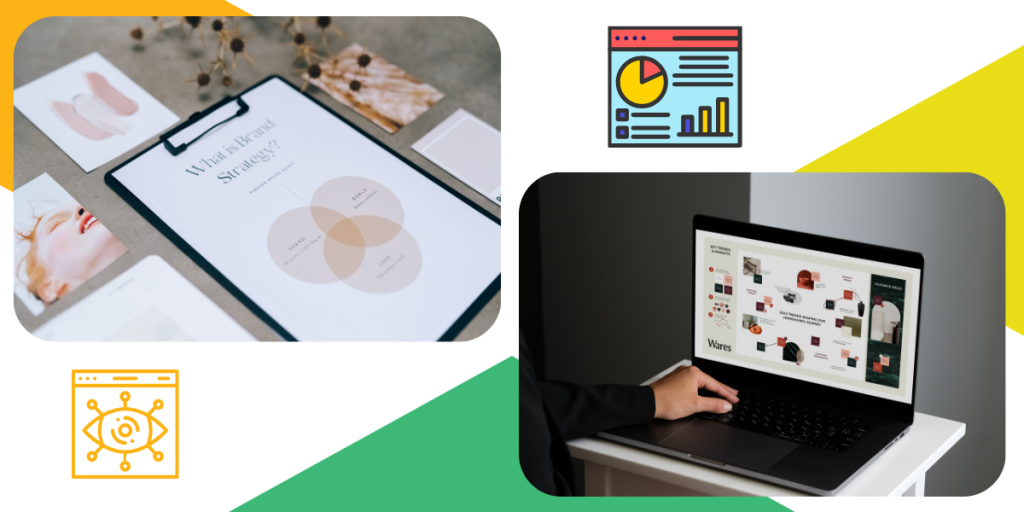
Use high-contrast colors and readable fonts, avoid cluttered or text-heavy slides, and include descriptive alt text for images and graphics. These strategies improve accessibility, readability, and engagement, ensuring presentations are clear, inclusive, and visually effective for all audiences.

Presentations should include sign language interpretation, clear audio with minimal background noise, and audio descriptions for visual elements. These practices enhance accessibility, ensuring participants with hearing or vision impairments can fully engage, understand, and benefit from the presented content inclusively.

Accessible polls, chats, and Q&A platforms, combined with WCAG-compliant forms and tools, foster inclusivity. By encouraging diverse participation, events become more engaging, equitable, and meaningful, ensuring that all attendees can contribute, interact, and benefit from the shared experience.

Providing on-demand recordings supports global audiences across time zones, while adjustable playback speeds and screen customization enhance flexibility. Incorporating accessibility features in breakout rooms ensures all participants can fully engage, creating an inclusive, adaptable, and user-friendly virtual event experience.

Training presenters in inclusive communication, promoting slower pacing with clear articulation, and avoiding jargon while using diverse examples ensures accessibility. These practices foster understanding, respect, and engagement, enabling all participants to connect meaningfully with content in an inclusive environment.

Conducting accessibility checks before launch, gathering post-event survey feedback on accessibility, and committing to continuous improvement ensures events remain inclusive. These practices identify barriers, highlight participant needs, and guide meaningful enhancements for more accessible and engaging future experiences.
Summary
Here, we discussed the top ways to design virtual events with accessibility in mind, including event platforms, visual design, engagement tools, and more. Armed with this knowledge, you can now host impactful and educational virtual events while enhancing accessibility and helping your attendees achieve their personal and professional goals.
We emphasize that event organizers prioritize inclusive design in all virtual events, and we encourage readers to contact Chati to see how we can improve our accessibility features. Through this, you not only improve your attendee turnout, but you enable them to achieve their personal and professional goals.

