Discover how Chati's self-service licenses give you full control - build, update, and launch virtual events on your terms. Register for our free webinar today!
Virtual events are powerful tools designed to build your brand, connect people worldwide, achieve personal and professional goals, and foster lasting relationships. However, virtual events are only successful with efficient planning and seamless execution, leaving little room for error to achieve both your and attendees’ objectives.
Here, we will discuss the top 10 mistakes to avoid when planning a virtual event, including neglecting audience engagement, lack of communication, ignoring privacy concerns, poor content, no contingency plan, and much more. Through this, we are confident that you will have the tools and resources you need to address all concerns and execute a successful virtual event for everyone.
Ensuring sufficient bandwidth and internet connectivity is essential for a seamless experience for your attendees, as they will be able to focus on the virtual event and its many facets without worrying about faulty internet connections or bandwidth lapses. This is accomplished by testing technology and equipment before the event to ensure that all technological aspects operate smoothly and error-free. This highlights the importance of having contingency plans in place for technical issues while ensuring your attendees have the most impactful experience.

Another mistake to avoid is failing to incorporate interactive elements and engagement opportunities for your attendees, as these elements provide an extra level of impact where they can participate in meaningful discussions with guest speakers or each other. This is accomplished by not overlooking opportunities for networking and interaction but prioritizing them as the foundation for a successful and impactful experience for everyone. Therefore, underestimating the importance of keeping attendees engaged throughout the event should be addressed during the planning process, thus ensuring it remains a priority for delivering a successful and impactful event for everyone.

One mistake to avoid is waiting until the last minute to promote the event, as this will result in attracting reduced numbers of attendees and leading to decreased engagement and participation throughout the virtual event. This also includes neglecting to target the right audience with marketing efforts, as your target audience is the primary driver of the virtual event, specifically if your virtual event has a specific theme you are trying to meet. Finally, failing to utilize multiple channels for event promotion will result in reduced visibility, which includes social media, email, and text messages.

Providing adequate event information and instructions to attendees both before and during the virtual event will result in clarity among your attendees, leading to endless questions and inquiries regarding sessions and engagement activities. This includes failing to communicate changes or updates to the event schedule, resulting in attendees potentially not participating in or leaving the virtual event entirely. This can also occur through neglecting to address attendee inquiries and concerns promptly. To avoid this, solid communication before the virtual event, including social media, email, and text messages, will ensure that your attendees stay updated with pertinent information regarding all aspects of the virtual event.

A major mistake to avoid when planning a virtual event is failing to provide accommodations for attendees with disabilities, as this will significantly reduce diversity and inclusion for your virtual event. This includes neglecting to offer closed captioning or interpretation services for attendees with hearing difficulties or language barriers. This can be addressed during the planning process by ensuring such accommodations are offered and informing your attendees they will be provided. Through this, you will address the mistake of overlooking cultural sensitivities and diversity in event planning, thus ensuring you maximize diversity and inclusion for your virtual event and future virtual events.

Failing to implement proper data security measures for attendee information is a mistake that can compromise privacy and theft of pertinent data during the virtual event. This includes needing consent for data collection and usage, resulting in attendees raising concerns before and during the virtual event. This can be addressed during the planning process by proper communication with attendees and guest speakers, mitigating the possibility of underestimating the importance of compliance with data protection regulations.

The planning process leading up to the virtual event is essential for having a successful and impactful virtual event. However, skipping rehearsals and run-throughs before the event will result in ineffective execution in case issues arise, which includes failing to train speakers and presenters on virtual event technology. This can be addressed by demonstrating effective communication with guest speakers and event organizers during the planning process, thus ensuring everyone is on the same page regarding scheduling and executing rehearsals. Through this, you mitigate the possibility of underestimating the time and effort required for event planning and preparation.

Virtual events aim to provide impactful and engaging content for your attendees but failing to deliver valuable and relevant content to attendees will result in decreased engagement and participation and potential early departures from your virtual event. This includes overloading the virtual event agenda with too many presentations or sessions that can oversaturate the amount of content you’re providing, resulting in your attendees being overwhelmed with the wrong information and content. Therefore, addressing the amount and types of content during the planning process will mitigate the potential for neglecting to tailor content to meet attendee needs and expectations.

All successful virtual events strive for improvement through appropriate feedback, but failing to gather input and insights from attendees after the event will result in not addressing mistakes and shortcomings, resulting in less successful virtual events in the future. This includes neglecting to measure event success against key performance indicators (KPIs), resulting in them failing to meet primary objectives or delivering impactful content for your attendees. This can be addressed by establishing effective communication practices after the virtual event, either through email or surveys, thus mitigating the potential for missing opportunities to follow up with attendees and sponsors after the event.

Since virtual events are driven by technology, failing to plan for potential technical failures or disruptions will result in reduced or zero content for your attendees, thus mitigating the impactful and educational aspects of the virtual event. This includes neglecting to have backup plans for speaker dropouts or canceled sessions, as a speaker’s schedule might suddenly conflict with your virtual event. This can be accomplished with on-demand content or pre-scheduled presentations that can be substituted for live presentations, and addressing these concerns during the planning process will ensure seamless execution during the virtual event. Through this, you mitigate the potential for underestimating the importance of having contingency plans for every aspect of the event.
Summary
Here, we discussed the top 10 mistakes to avoid when planning a virtual event, including neglecting audience engagement, lack of communication, ignoring privacy concerns, poor content, no contingency plan, and much more. Through this, you will be able to address all shortcomings and flaws while executing a successful virtual event for everyone.
We emphasize the importance of thorough planning and preparation for all virtual events, as this provides the right tools for addressing all issues that should arise during the virtual event while constantly striving for improvement for future events. This is why avoiding mistakes to produce impactful virtual events is crucial for building connections and fostering lasting relationships.

We encourage readers to learn from mistakes and avoid common pitfalls in event planning, thus enabling seamless execution for virtual events while creating impactful experiences for everyone. We invite feedback and comments from readers on avoiding mistakes in virtual events and how Chati can stay up to date on creating seamless and fun virtual events. We invite readers to contact Chati for further inquiries regarding best practices for avoiding mistakes in virtual events.
Hybrid events have become excellent ways for individuals worldwide to connect and learn from each other while encompassing the best in-person and virtual events and providing impactful experiences for everyone. However, hybrid events also bring unique challenges, including providing the exact level of participation for both audiences, with virtual attendees possibly lacking the necessary participation and reception as in-person attendees.
Here, we will discuss the best practices for hybrid event production to provide the most impactful experiences for everyone, including defining clear objectives, designing engaging content, fostering networking opportunities, providing clear communication, planning for contingencies, and much more. This will give you the tools and resources needed to create a successful hybrid event production.

Defining clear objectives for hybrid events is a crucial first step in laying the foundation for a successful and impactful experience for everyone. This includes establishing goals for your attendees, guest speakers, and sponsors and is accomplished with techniques such as audience segmentation, persona development, and goal setting. Through this, you highlight the benefits of tailoring event strategies to meet specific audience needs and goals for your brand, attendees, guest speakers, sponsors, and more.

The importance of leveraging technology for seamless integration in hybrid events is essential for creating an impactful and memorable hybrid event for individuals worldwide. This is accomplished with techniques such as integrated event platforms, live streaming solutions, and virtual networking tools, thus empowering your attendees with the tools they need to engage with each other and guest speakers. Through this, you highlight the benefits of ensuring a smooth experience for both in-person and virtual attendees worldwide.

Designing engaging content and interactive experiences for hybrid events is essential for creating a fun and impactful experience for your attendees, accomplished by techniques such as live polls, Q&A sessions, gamification, and virtual breakout rooms. This provides your attendees with myriad options where they can participate in meaningful discussions while growing personally and professionally. Through this, you highlight the benefits of stimulating audience participation and engagement across both physical and virtual environments.
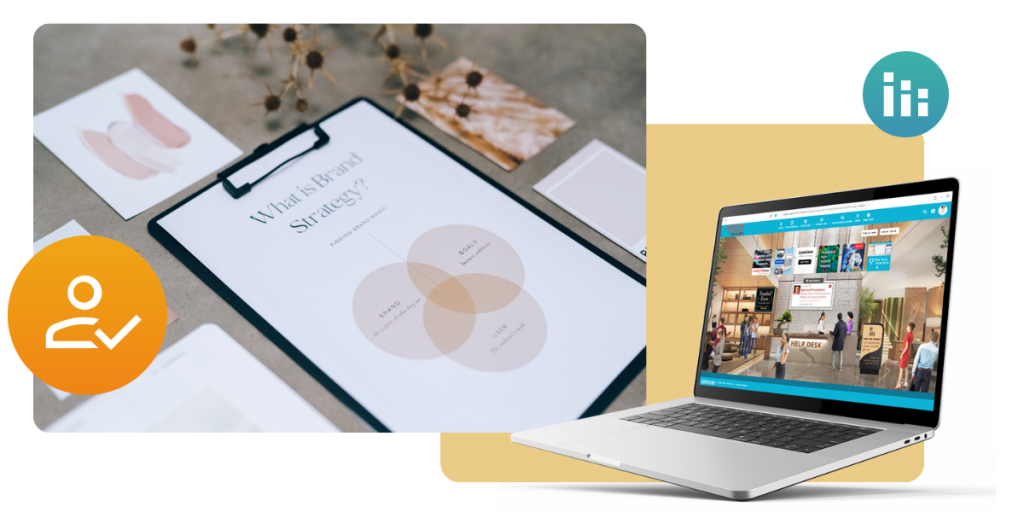
The importance of creating a consistent brand experience across hybrid event channels is essential for providing the same level of engagement and participation for in-person and virtual audiences, thus enabling your attendees to grow and learn with each other. This is accomplished through techniques such as branded signage, digital assets, and virtual environments, which help build your brand with individuals worldwide while providing attendees with the tools and resources to achieve their personal and professional goals. Through this, you highlight the benefits of reinforcing brand identity and messaging to enhance attendee engagement and recognition.

Fostering networking and relationship-building opportunities in hybrid events is essential for enabling your attendees to connect with individuals worldwide while achieving their personal and professional goals. This is accomplished through techniques such as in-person networking sessions, virtual lounges, and matchmaking tools, with the latter utilizing artificial intelligence to help attendees make the best connections with each other. Through this, you highlight the benefits of facilitating meaningful connections among attendees across physical and virtual spaces.

Prioritizing accessibility and inclusivity in hybrid event planning is essential for maximizing the engagement and participation of attendees worldwide. This is accomplished through techniques such as closed captioning, sign language interpretation, and assistive technologies, thus enabling attendees with hearing difficulties and other accommodations to engage at the same level as everyone else. Through this, you highlight the benefits of ensuring equal access and participation for all attendees, regardless of location or ability.

Providing clear communication and instructions to attendees is essential for maintaining a seamless engagement experience while mitigating any confusion regarding specific tasks or sessions throughout the hybrid event. This is accomplished through techniques such as pre-event guides, on-site signage, and virtual event portals, which enable attendees from both audiences to navigate the hybrid event while connecting with individuals worldwide seamlessly. Through this, you highlight the benefits of minimizing confusion and enhancing the attendee experience through transparent communication.

Implementing comprehensive health and safety measures for in-person attendees is essential to ensure they stay actively engaged and participate with each other without worrying about non-event distractions. This is accomplished through social distancing protocols, sanitization stations, and vaccination requirements. Through this, you highlight the benefits of prioritizing attendee well-being and compliance with local health guidelines, thus ensuring a safe and healthy environment for everyone.

Planning for contingencies and flexibility in hybrid event execution is essential for providing a seamless experience by ensuring every aspect of the hybrid event is addressed beforehand, and missteps are handled immediately. This is accomplished through techniques such as backup plans, remote presenter options, and hybrid event kits, thus ensuring a seamless experience for attendees, guest speakers, sponsors, and more. Through this, you highlight the benefits of being prepared to adapt to unforeseen circumstances and changes in event dynamics and addressing them immediately.

Gathering feedback and iterating on hybrid event strategies is essential for ensuring the success of future hybrid events, specifically increased engagement and connectivity among attendees. This is accomplished through techniques such as post-event surveys, attendee interviews, and performance analytics that provide you with the necessary data and information needed to improve future hybrid events while ensuring maximum engagement and participation among attendees. Through this, you highlight the benefits of learning from each event iteration to enhance future hybrid event experiences.
Summary
Here, we discussed the best practices for hybrid event production to provide the most impactful experiences for everyone, including defining clear objectives, designing engaging content, fostering networking opportunities, providing clear communication, planning for contingencies, and much more. This will allow you to have the necessary strategies for implementing and executing a successful hybrid event production for individuals worldwide.
We emphasize the importance of adaptability, engagement, and accessibility in hybrid event planning, as this provides the right strategies for implementing and executing the most impactful hybrid event for everyone. This is why leveraging the best practices to create successful hybrid events is essential for fostering connections and building lasting relationships.

We encourage readers to implement best practices in hybrid event planning and execution, thus providing impactful and memorable experiences for individuals worldwide. We invite readers' feedback and comments on hybrid event strategies regarding how Chati can stay informed on producing impactful and memorable hybrid events. We invite readers to contact Chati for further inquiries regarding best practices for hybrid event production.
Virtual events have become essential for individuals worldwide to connect with people in their field while building their virtual networks and virtual networking skills. This is because virtual events offer unique opportunities for virtual networking through personalized sessions, networking lounges, breakout rooms, guest speakers, and much more.
Here, we will discuss the top 10 creative virtual networking ideas that build upon a previous blog, including virtual speed networking, scavenger hunts, storytelling showcases, breakout rooms, speed brainstorming sessions, and more. Through this, you will have the tools and resources needed to help expand and enhance your virtual networking skills while connecting with individuals worldwide.
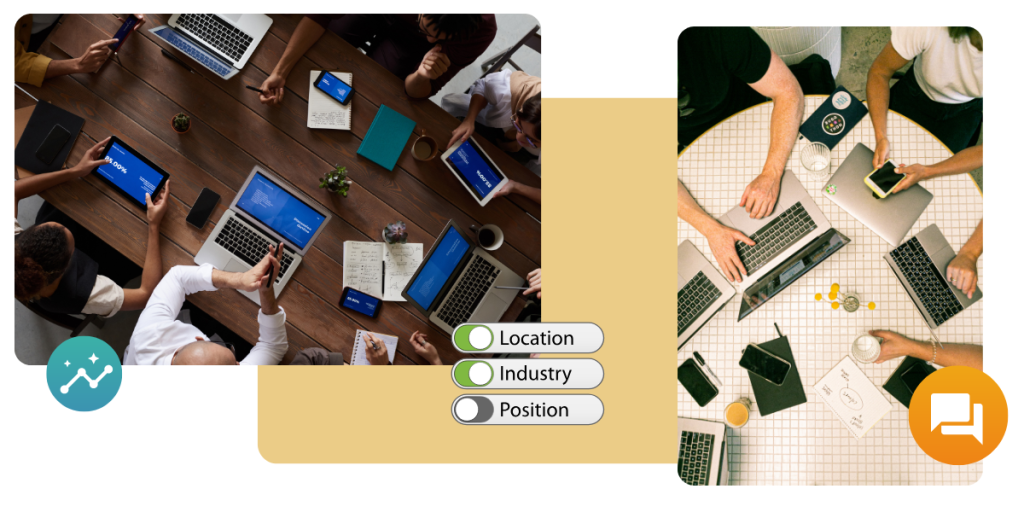
Enhancing your virtual networking skills could include virtual speed networking roulette, which involves being paired with another virtual event attendee and given a few minutes to introduce yourself and briefly share your personal and professional goals. This can also be accomplished with random pairings, timed introductions, and icebreaker questions, which are excellent ways to meet great people while enhancing your virtual networking skills. These highlight the benefits of spontaneous connections and quick conversations for engagement that virtual events provide for individuals worldwide.
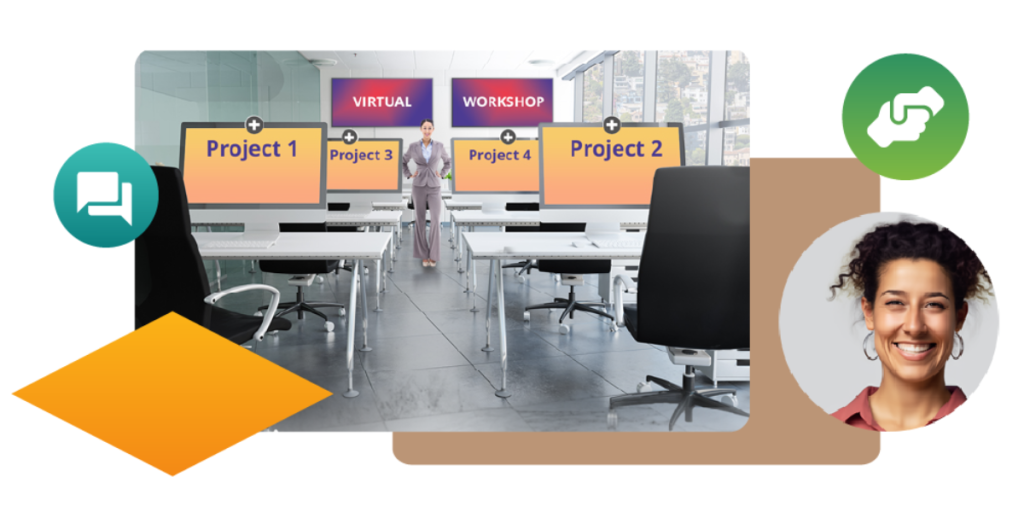
Networking bingo challenges to spark engagement is an excellent way to enhance your virtual networking skills by finding individuals with shared or unique interests, including birthdays, TV, and video games, just to name a few. Additionally, exploring bingo cards with networking objectives, such as "Meet Someone New" or "Share a Fun Fact" are excellent ways to identify attendees with similar interests and help enhance your virtual network. Highlighting the benefits of adding a fun and competitive element to networking sessions makes virtual events excellent mediums for assisting individuals worldwide in building their virtual networks.

Virtual networking scavenger hunts to encourage interactions among attendees is an excellent way to help your attendees simultaneously enhance their virtual networks and team-building skills. This includes challenges such as finding attendees with specific traits or interests who can learn and grow from each other along the way. Scavenger hunts can be conducted via video chat or breakout rooms and organized via email or group chat. They search for pre-designated items and share them with the group. Through this, attendees can find common interests among each other while highlighting the benefits of collaborative problem-solving and team building among your attendees.

Icebreaker emoji games, also called emoji charades, to break the ice among your attendees is an excellent way to help them build their virtual networking skills, as this promotes fun, teamwork, and participation from everyone. This can include games such as scavenger hunts, two truths, and a lie, bingo, and trivia, along with exploring techniques such as using emojis to represent feelings or experiences, all of which highlight the benefits of using visual communication to foster connection and understanding.

Storytelling showcases for personal connection allow attendees to share their interests in several ways, including student writing, multimedia stories, and public broadcasting. This will enable attendees to explore opportunities to share their stories or experiences while connecting with individuals with similar experiences. This highlights the benefits of empathy and authenticity in building relationships while simultaneously enhancing your virtual networking skills.

The value of virtual speed mentoring sessions for skill development is on par with the aforementioned virtual speed networking roulette, as it provides attendees with opportunities to briefly connect with each other to enhance their virtual networking experience. This can also include exploring techniques such as rotating mentorship pairings and quick advice sessions, enabling your attendees to meet impactful mentors and share their experiences. Through this, you highlight the benefits of offering mentorship opportunities for professional growth and relationship building while helping your attendees enhance their virtual networking skills.
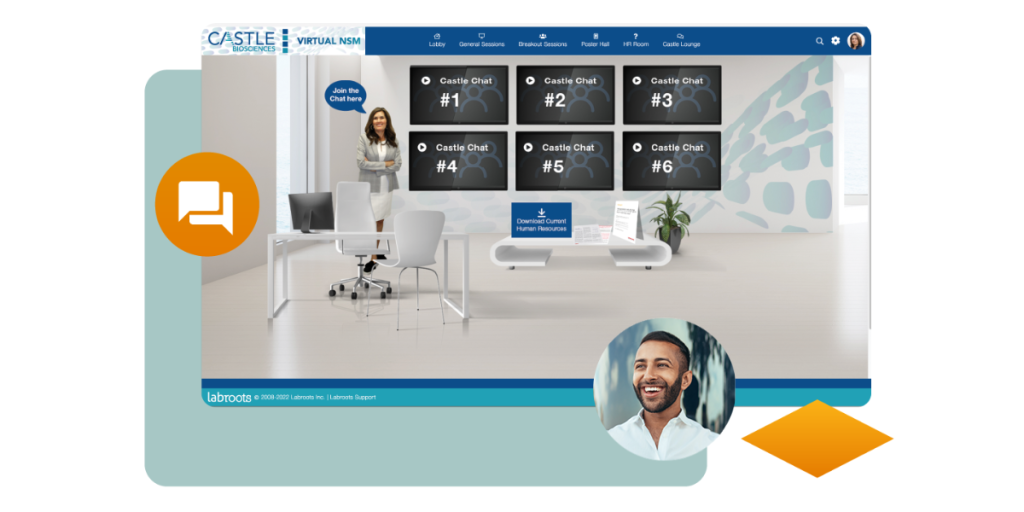
Themed networking breakout rooms to spark conversation are an excellent way for your attendees to engage with each other in a small environment away from the chaos of the virtual event. This enables your attendees to share their experiences and similar interests regarding the theme, which can include industry trends, career development, personal interests, and much more. Through this, you highlight the benefits of tailoring networking sessions to attendees' preferences and goals while providing impactful experiences they can use to build their virtual networks with individuals worldwide.

The informal nature of virtual coffee and chat rooms for networking allows your attendees to engage with each other in a safe and impactful environment away from the chaos of the virtual event. Through this, they can share experiences and insights while exploring opportunities for casual conversations and relationship-building with individuals worldwide. This highlights the benefits of creating relaxed environments for connection and collaboration while enabling them to enhance their virtual networking skills and achieve personal and professional growth.

The concept of speed brainstorming sessions for creative problem-solving is rooted in the belief that team-building activities foster engagement among attendees while enabling them to enhance their virtual networking skills. This includes techniques such as rapid idea generation and collaborative brainstorming that enhance cohesiveness and relationship building for your attendees. Through this, you highlight the benefits of stimulating creativity and innovation through group interaction while empowering your attendees by enhancing their virtual networking skills.
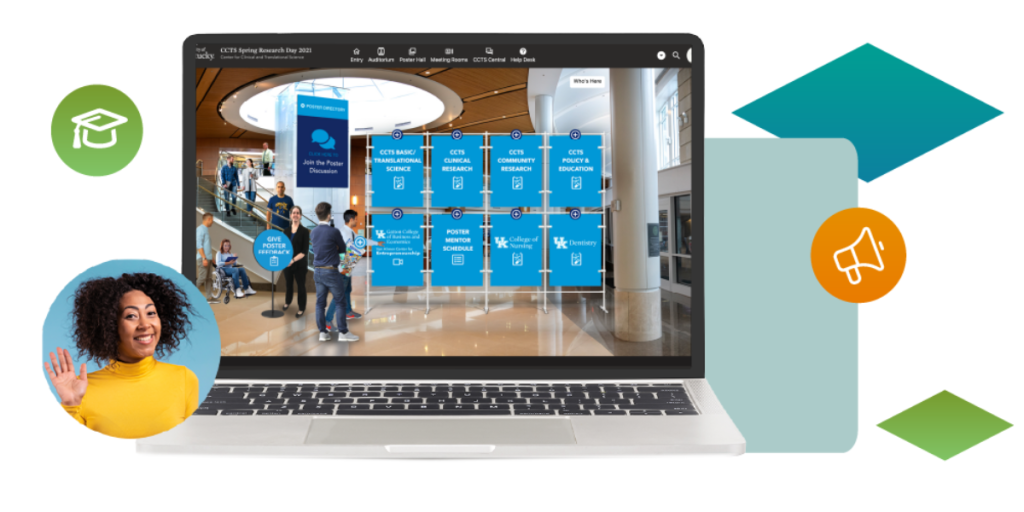
Finally, using virtual networking game shows to facilitate engagement among attendees is an excellent way to help them develop and enhance their virtual networking skills. This can include trivia challenges, quiz competitions, or panel debates designed to foster collaboration and innovation while enabling your attendees to connect with individuals worldwide. Through this, you highlight the benefits of adding entertainment value and variety to networking sessions while contributing to your attendees' personal and professional growth.
Summary
Here, we discussed the top 10 most creative virtual networking ideas to boost engagement, including virtual speed networking, scavenger hunts, storytelling showcase, breakout rooms, speed brainstorming sessions, and much more. Through this, we are confident you will have the tools and resources to help your attendees expand and enhance their virtual networking skills while connecting with individuals around the world and achieving their personal and professional goals. We emphasize the importance of interaction and connection in virtual environments and encourage leveraging creative networking ideas to enhance virtual events, as well.

We encourage readers to implement creative networking ideas in virtual events to help attendees build their virtual networking skills. Through this, virtual events will continue to be the cornerstone of connecting individuals worldwide while assisting them to achieve their personal and professional goals.
We invite feedback and comments on networking strategies from readers regarding how Chati can stay updated on creating impactful virtual networking ideas, thus empowering attendees with the resources they need to grow personally and professionally. We invite readers to contact Chati for further inquiries regarding engaging virtual networking ideas.
Virtual events are designed to help individuals worldwide meet great people and build virtual networks, beginning with engaging with other attendees, guest speakers, and organizers. Sometimes, all it takes is to break the ice, but some attendees might be nervous to engage with others in virtual events. The right virtual event engagement plan will allow organizers to help attendees achieve their personal and professional goals.
Here, we will discuss the top 10 virtual event engaging formats to help event organizers strategize and execute a successful engagement plan for their attendees, including training sessions, think tanks, product demonstrations, happy hours, and more. Through this, you will have the necessary tools and resources to execute a successful virtual event engagement plan and achieve your personal and professional goals.
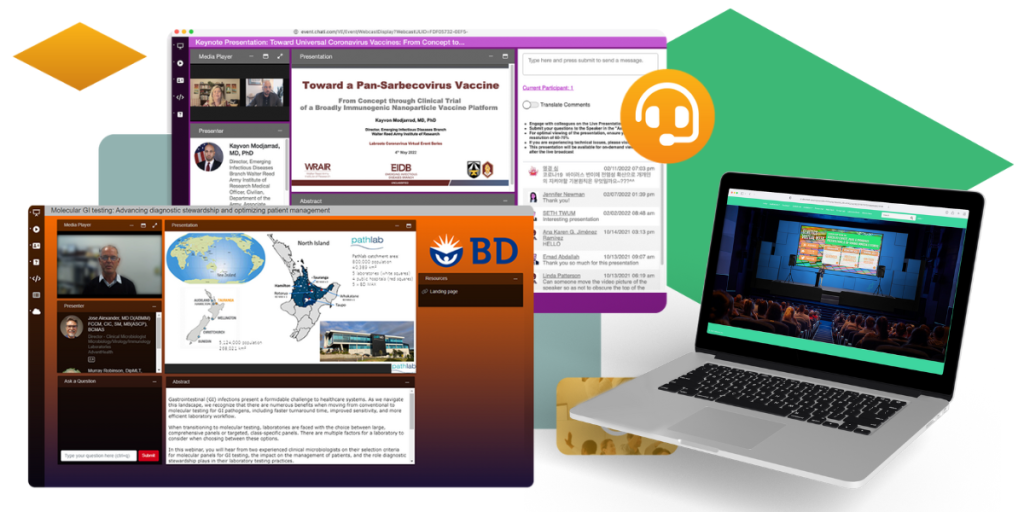
One type of virtual event is a webinar, a web-based seminar designed to provide insight into a specific topic. While webinars typically consist of presentations, meetings, or workshops, they also offer myriad benefits regarding educational content delivery that allow attendees to soak in data and information they can use to enhance their personal and professional lives.
Some tips for hosting engaging webinars include defining your audience, consistent event promotion, guest speakers, reliable webinar platforms, post-event follow-up emails, and much more. Through this, your webinar will deliver impactful content that your attendees can use to build their virtual networks and advance their personal and professional goals.
Additionally, panel discussions are excellent ways to keep your attendees engaged, as they are designed to foster conversation and debate in a safe and welcoming environment. Through this, attendees can engage with each other and the panelists regarding a specific topic or series of topics while building their virtual networks.

Hands-on learning opportunities through virtual workshops and training sessions are excellent ways for attendees to engage with each other, enabling them to ask questions and demonstrate effective teamwork toward achieving a common goal. The engagement aspect can be further enhanced with interactive elements, including live Q&A, breakout rooms, virtual booths, real-time chat, and much more. By incorporating group activities and exercises, your attendees can engage with each other while simultaneously building their virtual networks.
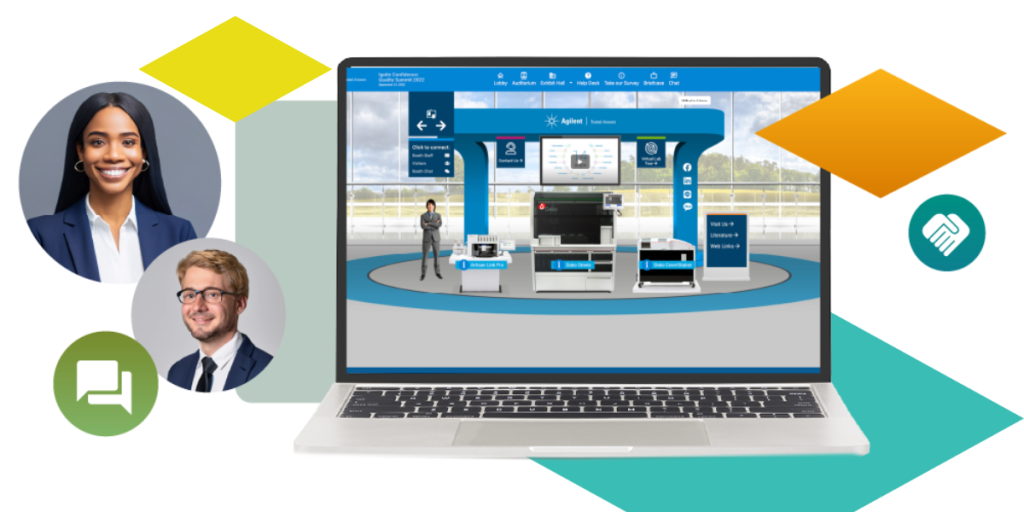
Multi-day events with diverse content tracks are excellent ways to keep your attendees engaged, as these provide an assortment of opportunities for attendees to learn while connecting with individuals worldwide. This can include keynote speakers and thought leadership sessions where attendees can ask questions and spark discussions about a specific topic or series of topics. These tactics provide your attendees with networking opportunities, which can also include exhibit halls where your attendees can gain educational experience and learn more about the event’s many sessions, as well.
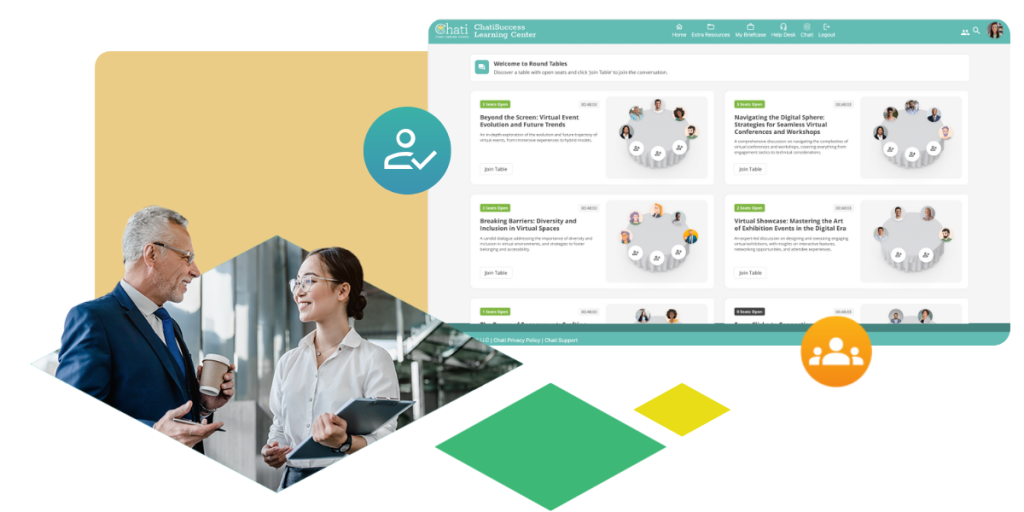
Small group discussions on specific topics are excellent ways to keep your attendees engaged, as they serve as a reprieve from the chaos of the virtual event, enabling attendees to engage and participate in a closed environment which promotes facilitated conversations for idea sharing with other attendees and guests. This can also include brainstorming sessions and problem-solving workshops where attendees can use teamwork to solve a specific problem while building their virtual networks, as well.
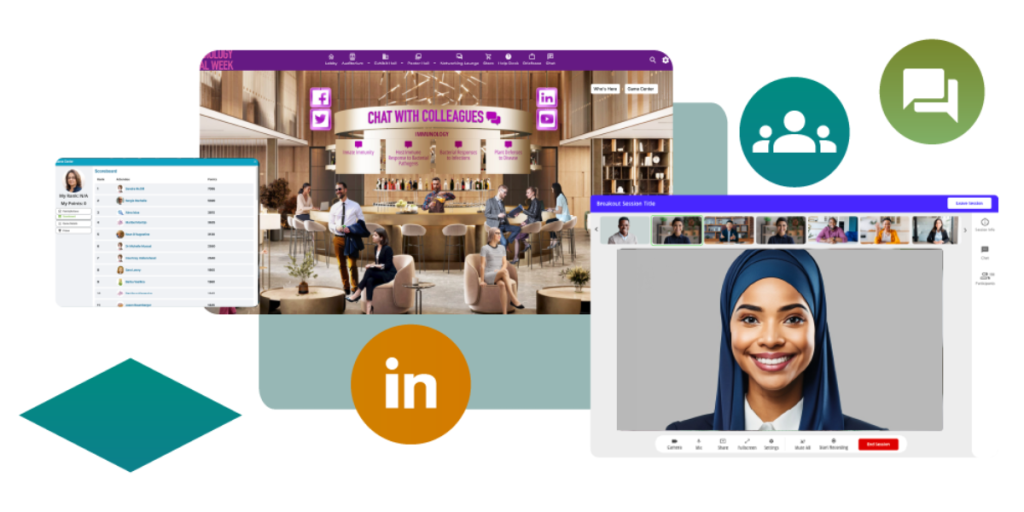
Virtual events provide excellent opportunities for meaningful connections with speed networking, which allows attendees to engage in structured networking sessions with time limits. While this might only last a few minutes, attendees can learn how to conduct pitches on themselves with other attendees, which holds promise for how they can promote themselves for future career opportunities. This enables leveraging technology for efficient networking that lets your attendees build their virtual networks with individuals worldwide.
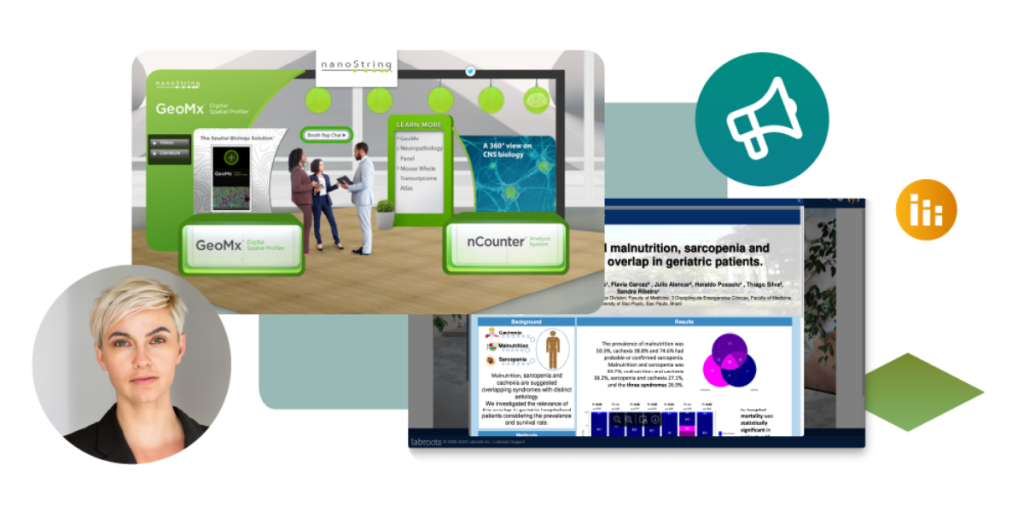
Showcasing products and services in a virtual environment is an excellent way to keep your attendees engaged, as this allows them to learn about a brand while gaining knowledge on potential employment opportunities. This can be accomplished with interactive demos, Q&A sessions, and virtual booths for exhibitors and sponsors, which help companies build their brand while connecting with individuals worldwide.
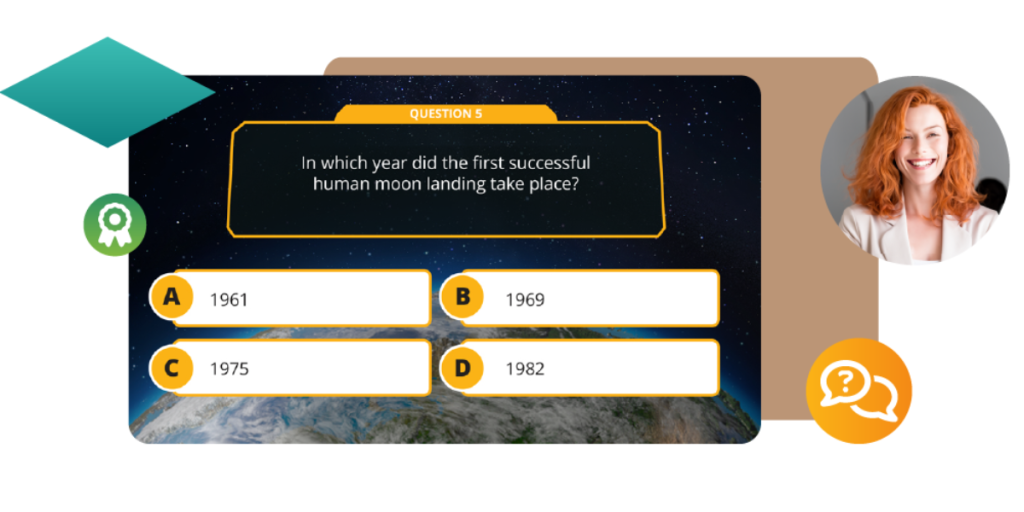
Successful engagement involves strengthening team bonds in remote work environments, and virtual events are excellent ways to provide team-building activities that break the ice, build camaraderie, and boost morale for everyone. This includes gamification, which offers fun and engaging activities for team cohesion, including leaderboards, scavenger hunts, personalized avatars, quizzes, and much more. Virtual events enable successful and impactful engagement opportunities for individuals worldwide by incorporating games, challenges, and icebreakers.
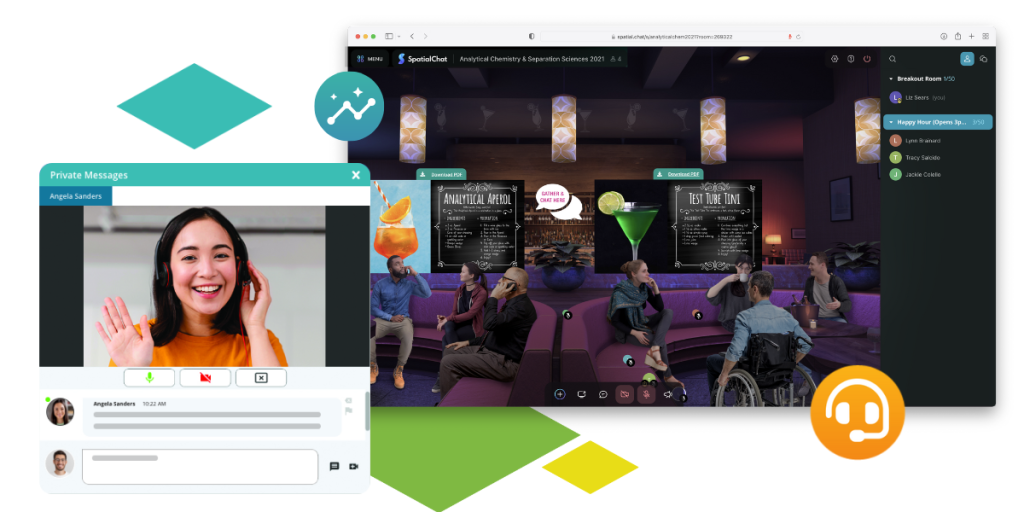
Virtual events don’t have to be all-business, as they can create opportunities for informal interaction between attendees, organizers, and guest speakers. This is accomplished through virtual happy hours with team-building elements that enhance the engagement experience among attendees while allowing them to build their virtual networks with individuals worldwide. This also includes themed social events designed to boost morale among attendees, whose theme can be the virtual event or whatever company is hosting the happy hour, as well. Through this, companies can build their brand while providing impactful engagement opportunities for everyone.

Celebrating achievements and milestones is an excellent way to enhance the informal aspect of virtual events further. This can be accomplished with internal events for companies, their employees, and attendees, which provide creative ways to recognize individuals and teams for their hard work. For further enhancement, engaging presentations and acceptance speeches enable awardees to share their insights on how they achieved their milestone while thanking those who helped them along the way.
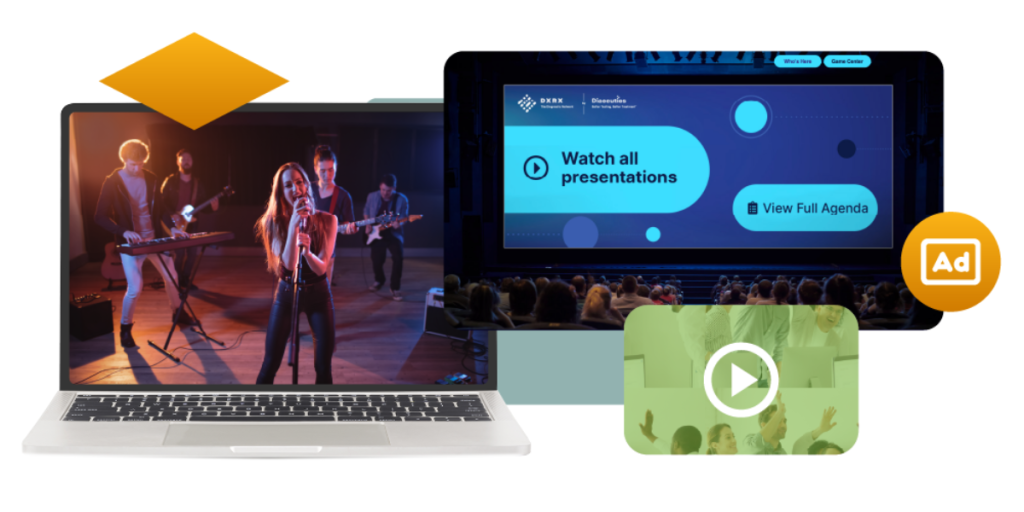
Live music performances and entertainment acts are excellent ways to enhance engagement among attendees while providing them with a reprieve from the chaos of the virtual event. This can be accomplished either at the halfway point of the virtual event or near the end, thus allowing attendees a break or a great sendoff before they conclude the event. This is further enhanced with interactive elements like shoutouts, quizzes, live Q&A, and much more to engage the audience. Through this, you leverage technology for immersive experiences that will last a lifetime.
Conclusion
Here, we discussed the top 10 engaging virtual event formats, including training sessions, think tanks, product demonstrations, happy hours, and much more. We also emphasize encouragement to experiment with different formats through trial and error with the goal of creating memorable virtual experiences for individuals worldwide.

We encourage readers to explore virtual event format options to enhance engagement opportunities for attendees worldwide. Through this, virtual events will maintain their mantra of providing individuals with impactful experiences while enabling them to build their brands and virtual networks.
We invite feedback and comments from readers regarding how Chati can stay updated on engaging virtual event formats, thus enabling attendees to learn and grow both personally and professionally. We invite readers to contact Chati for further inquiries regarding engaging virtual event formats.
Virtual events are excellent ways to connect with individuals worldwide while building your virtual network. However, achieving your personal and professional goals with virtual events requires staying updated on emerging trends in virtual event technology. This enables you to attend virtual events better prepared for other attendees, guest speakers, presentations, and more.
Here, we will discuss some emerging trends in virtual event technology, including hybrid event solutions, immersive and interactive technologies, AI-powered personalization, enhanced security, sustainability, and much more. Through this, you will have the tools and resources to host a successful and impactful virtual event for individuals worldwide.
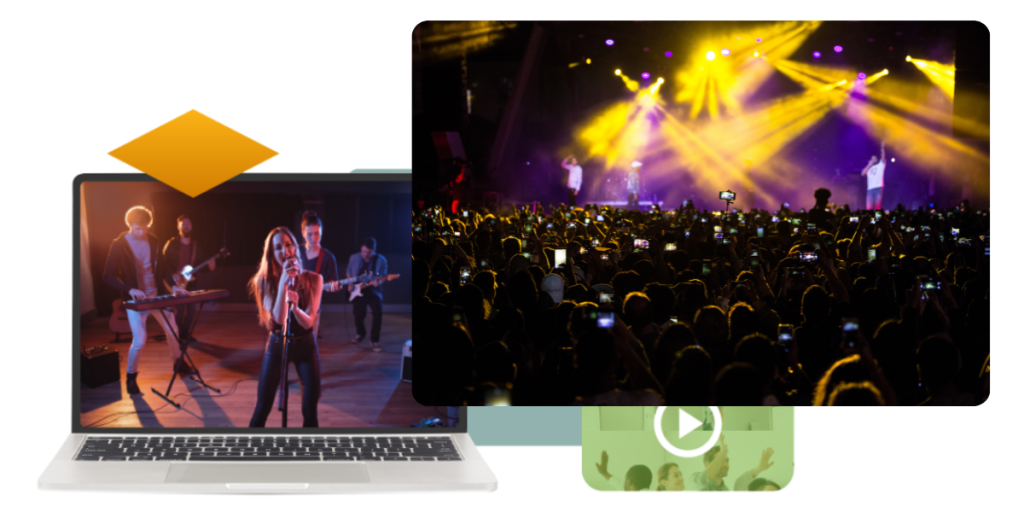
While virtual events have become essential for connecting individuals worldwide, the rise of hybrid events that combine virtual and in-person experiences has also demonstrated exceptional results in improving inclusion and diversity. This is because hybrid event platforms and technologies successfully facilitate seamless integration between the online and in-person aspects, thus providing the same reach, engagement, and flexibility while giving attendees options for attending online or in person.
The benefits of hybrid events for reach, engagement, and flexibility cannot be understated, as they enable attendees worldwide to engage and connect with each other while receiving the same level of impact and productivity as in-person or virtual events alone.
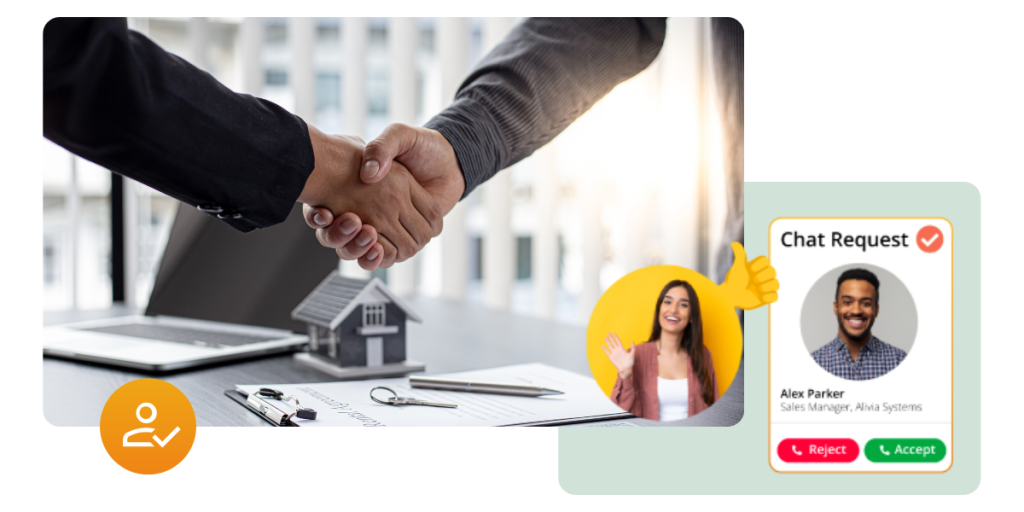
Advances in virtual event platforms have enabled richer networking experiences for event organizers, attendees, guest speakers, and more. This is accomplished through features such as AI-powered matchmaking, virtual lounges, and speed networking, enabling robust and impactful connectivity between attendees worldwide. This highlights the importance of facilitating meaningful connections in virtual environments, thus allowing the companies to build their brand and individuals to build their virtual networks.

The use of VR (Virtual Reality) and AR (Augmented Reality) in virtual events enables an enhanced engagement level for attendees and is an example of how immersive technologies enhance engagement and immersion for attendees, providing them with the opportunity to experience the virtual event as if it was an in-person event. Successful examples of using VR in virtual events include networking, presentations, product launches and demonstrations, workshops, and trade shows.

The role of AI (Artificial Intelligence) in personalizing virtual event experiences has provided an extra level of engagement and connectivity for attendees, guest speakers, and more. This includes matchmaking, networking, analytics, integrations, content recommendations, session suggestions, and agenda customization. Through this, AI unlocks the benefits of personalization for attendee engagement and satisfaction while helping companies build their brand and fostering lasting relationships with individuals worldwide.

The importance of robust security measures in virtual event technology greatly outweighs immersive features and content, as security assures your attendees and guest speakers that they will have a seamless experience throughout the virtual event. This is accomplished by staying up to date with emerging trends in security, encryption, and data privacy compliance that highlight innovations in secure authentication, access controls, and data protection. Since all endeavors require constant improvement, we recommend gaining appropriate feedback from attendees and other virtual event organizers regarding their insight on best strategies for implementing security measures and protocols, thus ensuring a safe and engaging virtual event.
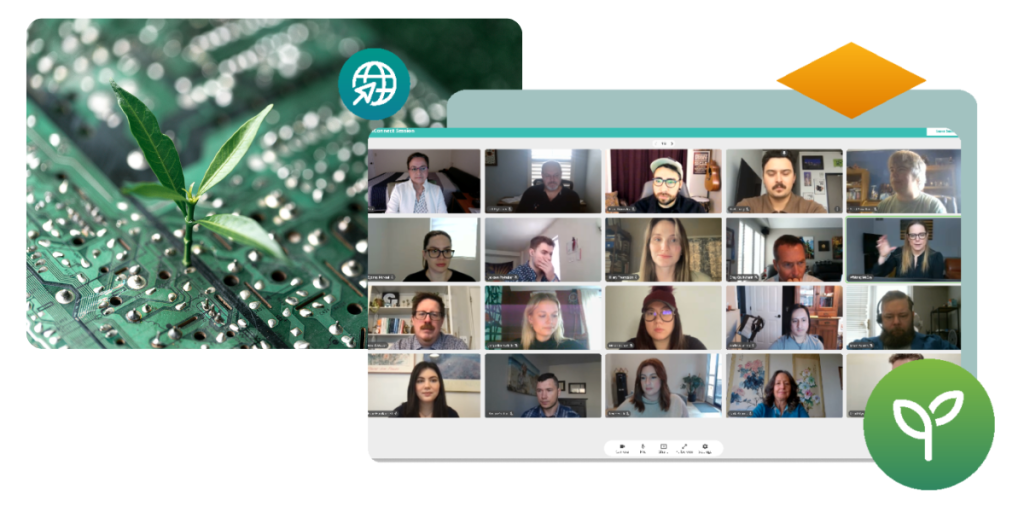
As the world struggles with the ongoing effects of climate change, there is a growing emphasis on sustainability and environmental responsibility in virtual events. This includes trends such as carbon offsetting, virtual swag, and reduced environmental impacts, which help mitigate the effects of climate change while ensuring an eco-friendly environment. Additionally, the role of virtual events in reducing carbon footprints and promoting sustainability includes decreased travel, venues, food production, and waste, as attendees will be participating online instead of in person.
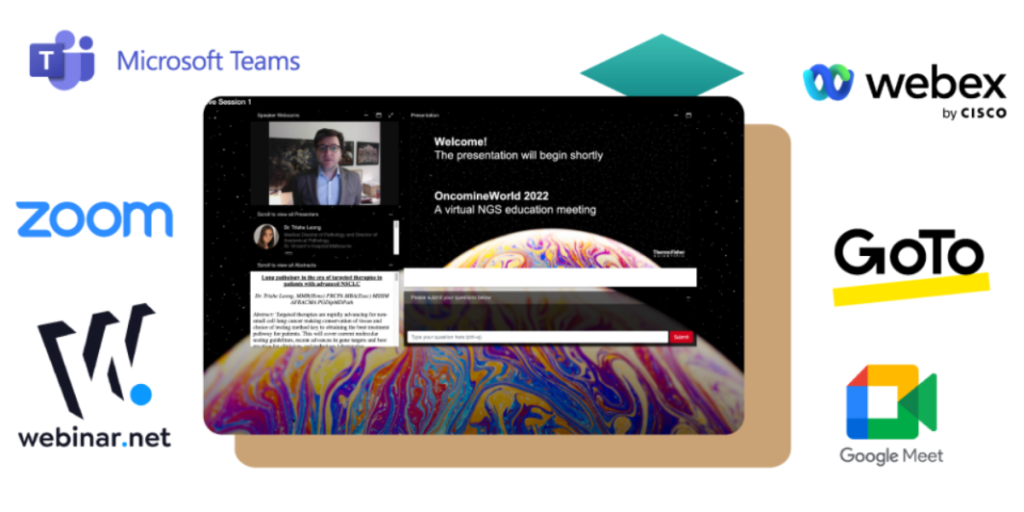
Successful virtual events focus on the importance of integration and compatibility in virtual event technology, which enhances the attendee experience while unlocking the impact of virtual events. This is accomplished by exploring trends in integration with CRM (Customer Relationship Management), marketing automation platforms, and analytics tools, which enable seamless engagement and feedback regarding the impact of the virtual event. Through this, you highlight the benefits of seamless integration for data management, analysis, and automation across multiple virtual event platforms.
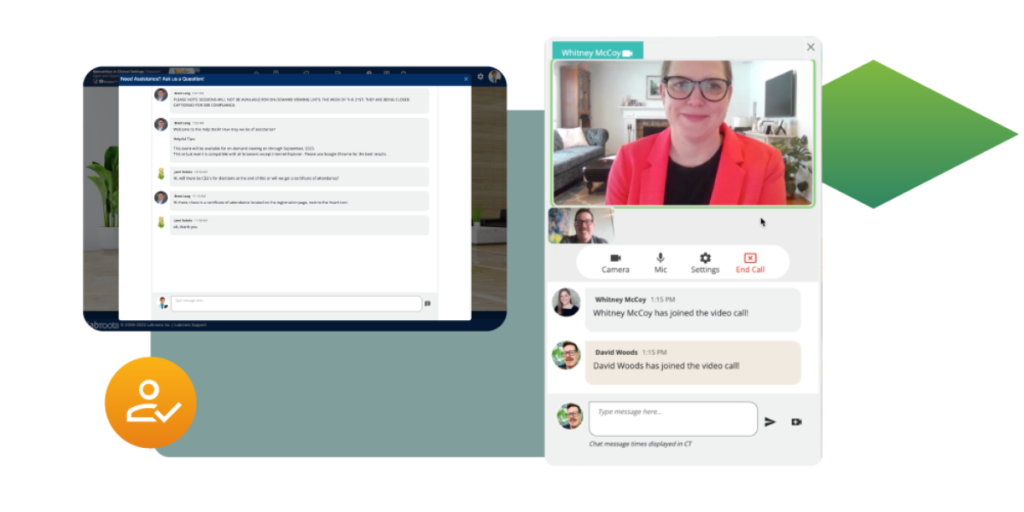
Successful virtual events strive to explore trends in accessibility features and accommodations in virtual event platforms, which enable individuals worldwide to engage and participate in all features and sessions during the virtual event. This is accomplished by exploring advances in closed captioning, sign language interpretation, and assistive technologies that enable the hearing-impaired and others to successfully participate in the virtual event at the same level as everyone else. Through this, you highlight the importance of creating inclusive virtual event experiences for all attendees while building your brand and fostering lasting relationships with individuals worldwide.
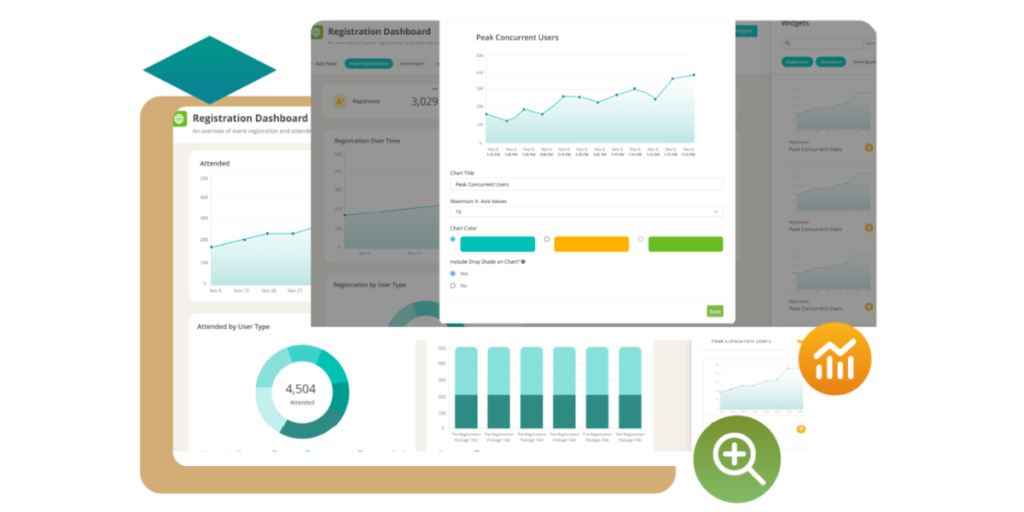
Success is achieved through improvement, which is why virtual event platforms emphasize the role of data analytics in optimizing virtual event performance and return on investment (ROI). This enables virtual event organizers to obtain appropriate feedback both during and after the virtual event, which is used to improve the overall virtual event experience in the future. This is accomplished through exploring trends in real-time analytics, attendee engagement metrics, and event impact assessment, which provides virtual event organizers with the tools and resources to improve and enhance their virtual event experience for everyone. Through this, you highlight the importance of data-driven decision-making for event planning and execution, which you can use to build your brand while fostering lasting relationships.
As noted, successful virtual events focus on constant feedback and improvement, which includes embracing the rapid pace of innovation and evolution in virtual event technology. This includes exploring potential future trends such as holographic presentations, 3D environments, and beyond. Through this, you highlight the importance of staying agile and adaptable to emerging technologies and trends in the virtual event industry while building your brand and connecting individuals worldwide.
Summary
Here, we discussed emerging trends in virtual event technology, including hybrid event solutions, immersive and interactive technologies, AI-powered personalization, enhanced security, sustainability, and much more. Through this, we are confident you will have the tools and resources to host a successful and impactful virtual event for individuals worldwide.
We emphasize the importance of industry innovation, adaptation, and continuous learning to build your brand while providing means for individuals worldwide to connect and develop their virtual networks.
Emerging trends in the industry will drive the future of virtual events and the role of technology in shaping through constant innovation and collaboration from industry leaders, virtual event organizers, attendees, and others.

We encourage readers to stay informed and experiment with emerging technologies in their virtual events while striving for innovation and short- and long-term improvement. Through this, virtual events will continue to lead the charge regarding how individuals are engaged and connected worldwide.
We invite readers' feedback and comments on emerging trends regarding how Chati can stay updated on emerging trends in virtual events. Additionally, we invite readers to contact Chati for further inquiries regarding emerging trends in virtual events.
Virtual events are fantastic ways to connect with individuals worldwide and build lasting relationships, but they are only as successful as the promotional practices used to spread the word about their ability to share knowledge and build these relationships.
Here, we will discuss the 10 best practices for promoting your virtual event, including defining your target audience, utilizing multi-channel marketing campaigns, industry partner collaboration, leveraging marketing strategies, engaging directly with your audience, and more. This will give you the tools and resources necessary to promote your next virtual event while enabling individuals worldwide to connect and collaborate on the ideas of tomorrow.

Identifying key demographics and personas is essential for building your target audience. This is accomplished during the planning stages when discussing the goals and themes of the virtual event. This establishes a baseline for your attendees’ preferences prior to reaching out to them.
Once a baseline is established, tailoring messaging and promotion channels to audience preferences is essential for targeting the right individuals who might attend your virtual event. This is first accomplished with pre-event email and text message surveys to understand your audience preferences, followed by using this data to send necessary promotional material your attendees might find suitable before attending your virtual event.
Conducting market research to understand audience needs is essential for a successful virtual event. This provides you with the necessary data and insights to help your attendees achieve their personal and professional goals while connecting with individuals worldwide.

Crafting clear and concise event descriptions is essential for promoting your virtual event, as this enables you to seamlessly share pertinent information about your virtual event in easy-to-digest bits, whether through email, text messages, or social media. Through this, you stay connected with your attendees leading up to the virtual event while keeping them informed about how the virtual event can help them achieve their personal and professional goals.
Developing eye-catching visuals and graphics is an excellent way to get your attendees’ attention. It provides an extra element of excitement to your promotional material, giving your attendees the impression that you take yourself seriously. This will give an additional positive impression for your upcoming virtual event.
Writing persuasive copy for promotional materials is highly recommended, as it provides your attendees with pertinent information about your upcoming virtual event while showcasing your brand in a fun and exciting way.

Leveraging email marketing for targeted outreach is an excellent way to reach your attendees in a professional manner while focusing on your target audience’s preferences. Through this, you streamline your promotional strategy while showcasing the importance of attending your virtual event.
Additionally, harnessing the power of social media platforms is an excellent way to reach your target audience. This can be accomplished by creating custom social media pages specifically for your virtual event, which will also provide a more professional appearance for your virtual event.
Finally, exploring paid advertising opportunities for increased visibility is an excellent way to reach your target audience, as this provides storied brands to help your promotional strategy and showcase your virtual event.

Incentivizing early registrations with discounted rates allows your attendees to get first access to your virtual event’s agenda and discussion materials, allowing them to better prepare for the virtual event well in advance.
Creating limited-time offers to drive urgency for registration also enables your attendees to get discounted products like e-tickets and swag they can use during the virtual event. Early registration helps your attendees prepare for the virtual event well in advance.
Providing exclusive benefits for early registrants enables your attendees to get a first glimpse of your virtual event while showcasing your brand. It also enables them to prepare for necessary discussions and speakers beforehand.

Partnering with influencers to reach new audiences allows you to promote your virtual event with third-party representatives, thus providing a different medium for showcasing your brand. This includes co-hosting events with complementary brands or organizations that enable your attendees to learn about your brand and virtual event simultaneously.
Leveraging industry relationships for cross-promotion opportunities is an excellent way to promote your virtual event and brand, thus increasing their visibility.

Generating excitement with teaser campaigns and sneak peeks is an excellent way to promote your virtual event with bite-sized information, thus building anticipation for what your attendees can learn and share at the event.
Additionally, building anticipation with countdowns and pre-event announcements lets you keep your attendees focused on the upcoming virtual event without providing too much information or spamming them.
Finally, encouraging engagement with interactive teaser content enables your attendees to connect with your brand before the virtual event, thus improving their chances of successfully connecting with more individuals during the virtual event.

Creating valuable content related to event themes and topics provides an extra level of fun and excitement leading up to the virtual event, enabling your attendees to get a taste of what they can expect from it.
Also, publishing blog posts, articles, and infographics to drive traffic enhances your promotional strategy by providing attendees with information about your brand leading up to the virtual event.
Finally, optimizing content for search engine optimization (SEO) to increase discoverability allows both registered and potential attendees to seamlessly search for your brand and virtual event well in advance, thus enhancing their preparation strategies.

Implementing referral programs for existing registrants helps provide incentives to recruit potential attendees to your virtual event, thus increasing event and brand promotion using a passive approach. This is accomplished by encouraging attendees to share event details with their networks, enabling them to promote your event and brand, and connecting with individuals along the way.
Offering incentives for referrals and recommendations is an excellent way to promote your brand and event while empowering existing registrants to connect and engage with individuals worldwide, resulting in increased visibility for themselves and your event.

Responding promptly to inquiries and questions is an excellent way to engage with your audience before and during the virtual event. This is especially important before the virtual event, as it lets you answer questions about the event’s topics and speakers and helps your attendees prepare for it well in advance. During the event, you can address your attendees’ concerns regarding sessions and meetings, thus enabling seamless communication and engagement with your attendees and their goals.
Hosting live Q&A sessions and AMA (Ask Me Anything) events are excellent ways to enable your attendees to engage with each other and potential speakers, thus enhancing the interactive aspects of the virtual event. This also allows your attendees to build virtual networks with potential employers, clients, and recruits while fostering relationships and building lasting connections.
Personalizing communication to build relationships with attendees is essential for not only hosting a successful virtual event but also helping your attendees build their virtual network and connect with individuals worldwide. This will help increase diversity, inclusivity, and connectivity with individuals worldwide.

Tracking key performance indicators (KPIs) for promotion success is essential for ensuring your virtual event reaches your target audience well before the event. This will allow you to establish what promotional strategies work to reach your target audience, ensuring they are well-informed and prepared for the upcoming virtual event.
Analyzing data identifying effective promotional channels is another way to successfully reach your target audience and gain new attendees. Additionally, this data can be used for future virtual events by incorporating lessons learned during the data collection.
Making data-driven adjustments to improve future campaigns is essential for building your brand and virtual event reputation among current and future attendees. This allows you to learn from past lessons while ensuring stronger performance going forward.
Conclusion
Here, we discussed the 10 best practices for promoting virtual events, including defining your target audience, utilizing multi-channel marketing campaigns, industry partner collaboration, leveraging marketing strategies, engaging directly with your audience, and more. By following these practices, you will have the necessary tools and resources to successfully promote your virtual event for both long-time and new attendees while ensuring they can achieve their personal and professional goals.
We wish to emphasize the importance of strategic promotion for event success. This enables you to connect with attendees well in advance of the virtual event, thus setting them up for successfully engaging with individuals worldwide.
We encourage readers to implement promotion practices for their virtual events. This enables you to enhance the excitement and anticipation of your attendees and what they can achieve during the virtual event.
We invite readers to provide feedback and comments on their own virtual event promotional strategies, which can be used to improve virtual events across all professions and industries.
Please contact Chati with further inquiries and promotional opportunities for your next virtual event. We are available to answer questions and concerns about how you can improve your promotional strategies and make your virtual event much more successful.
Virtual events have become one of the most popular and ideal methods for polishing your networking skills and fostering new connections with individuals worldwide. Along with these attributes, virtual events are also excellent ways to build your brand through virtual event sponsorship. This is when a company (or companies) directly supports a virtual event through funding or other means. The virtual event returns the favor by mentioning their brand through brand exposure throughout the virtual event.
Here, we will discuss the top 10 benefits of virtual event sponsorship for brands and how you can use the next virtual event to help build your brand. So, let's get into it!
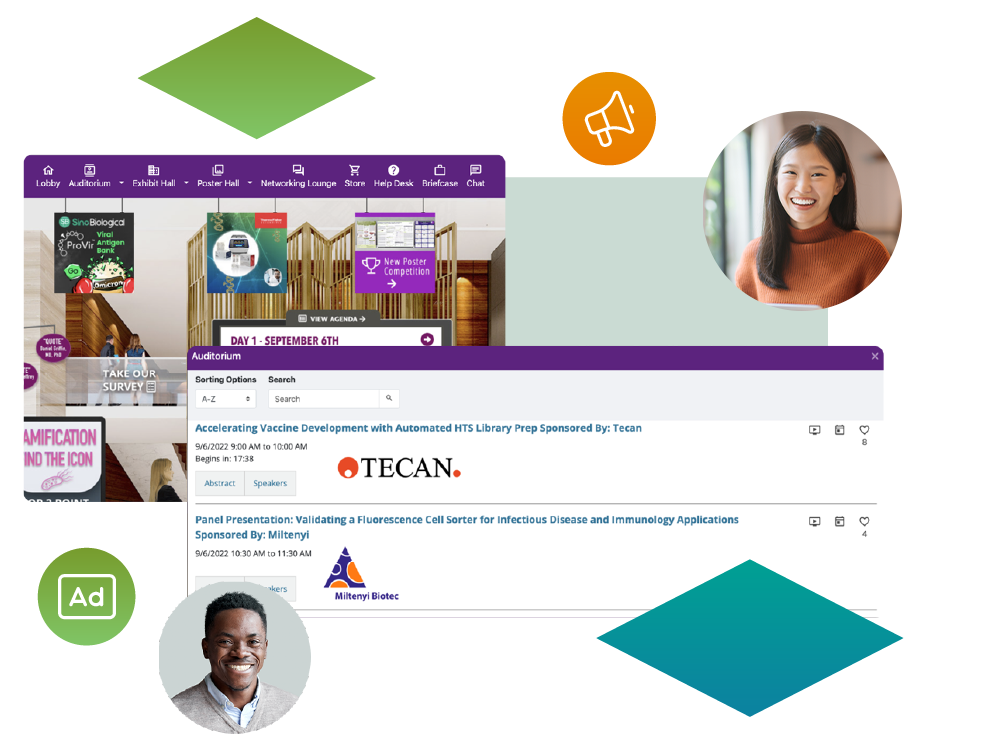
Virtual event sponsorship increases brand visibility and exposure, including swag bags, sponsored polls, surveys, logos, and banners displayed throughout the virtual event, and pre-event exposure through guest blogs, logo placement, brand mentions, and sponsored sessions. However, sponsoring virtual events that correspond with your brand is vital to maximize exposure. For example, if you are a biotechnology company, then focusing on biotech-related virtual events should be your goal to ensure you're reaching the right target audience.
The benefits of increased exposure to targeted audiences cannot be understated. Using virtual events to increase brand exposure is a win-win scenario for everyone. You increase brand awareness while increasing diversity, inclusivity, and connectivity for individuals worldwide.
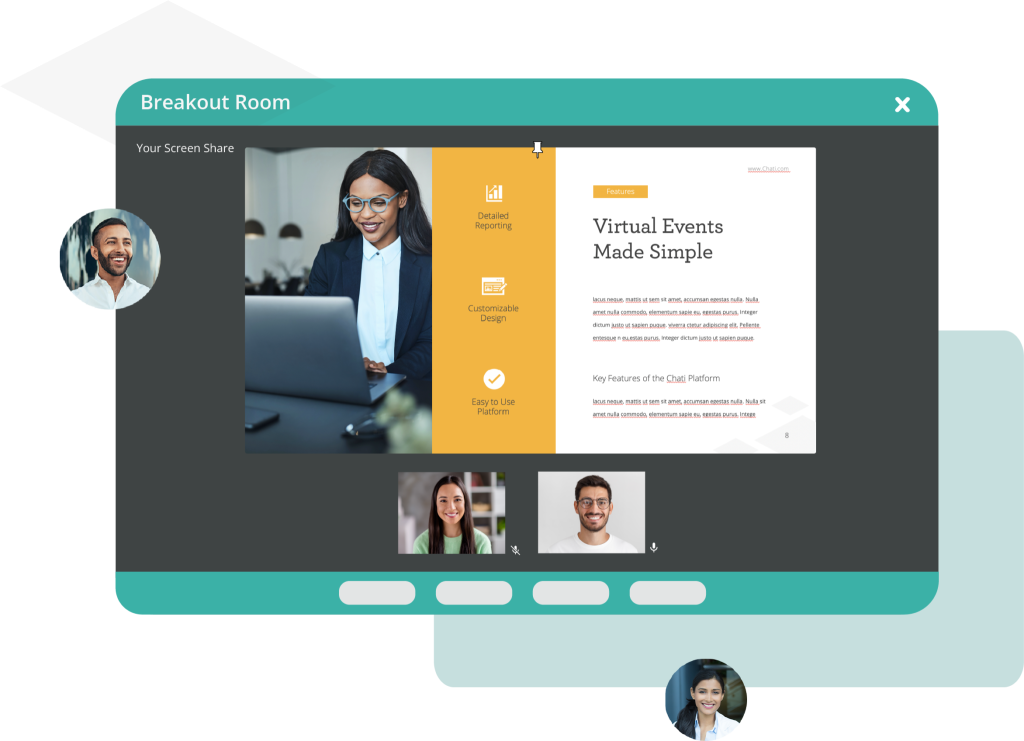
Virtual event sponsorship facilitates targeted audience engagement and lead generation by exposing your brand to potential future employees or clients. This results in lead generation for recruiting and other facets as well. This is one of the most crucial aspects of virtual event sponsorship, as it provides your company with the opportunity to generate leads for future employees or clients while requiring only a small investment on your part.
This is accomplished through sponsored contests, interactive booths, and virtual networking, which provides you with brand exposure while contributing to increased virtual networking opportunities for attendees and event organizers. This increases diversity, inclusivity, and connectivity for individuals worldwide.
The benefits of engaging with high-quality leads in virtual environments cannot be understated. These environments generate leads for potential future employees and clients while enabling virtual event attendees to improve their virtual networking skills with individuals from around the world.

Thought leadership is becoming a cornerstone of virtual events. Virtual event sponsorship positions brands as thought leaders and industry authorities through brand exposure and visibility. This makes virtual event attendees trustworthy, increasing the likelihood of them turning to your brand for future endeavors.
This is accomplished through sponsored speaking opportunities, panel discussions, and workshops, where individuals showcasing your brand can contribute to meaningful and impactful talks designed to share knowledge and ideas among attendees throughout the virtual event.
The benefits of establishing credibility and expertise in virtual event spaces cannot be understated. These spaces provide ample opportunities for thought leadership contributions while increasing diversity, inclusivity, and connectivity for individuals worldwide.
Virtual event sponsorship facilitates relationship-building and networking opportunities for individuals around the world, as they provide attendees with opportunities to chat with industry leaders and experts that lead to impactful discussions for everyone.
This is accomplished through features such as virtual lounges, one-on-one meetings, and networking events that take place throughout the virtual event. These provide attendees with ample networking opportunities to chat with each other and industry experts from the sponsored organization.
The benefits of building meaningful connections with attendees and industry peers cannot be understated. This helps improve networking opportunities for attendees while building brand awareness for the sponsor. In turn, this increases diversity, inclusivity, and connectivity for everyone.

Virtual event sponsorship offers cost-effective marketing and brand promotion for companies seeking to raise brand awareness or further establish their brand as a trustworthy brand. Additionally, this small investment in sponsoring a virtual event could increase marketing return on investment (ROI) through recruitment or future sponsorship opportunities.
Features such as lower sponsorship costs, reduced travel expenses, and digital marketing opportunities are ample ways to help build brand awareness. These provide virtual event incentives to sponsor your company for multiple virtual events.
The benefits of maximizing marketing ROI in virtual environments cannot be understated. Virtual event sponsorship allows companies to increase their brand awareness while making a small investment in the short and long term.
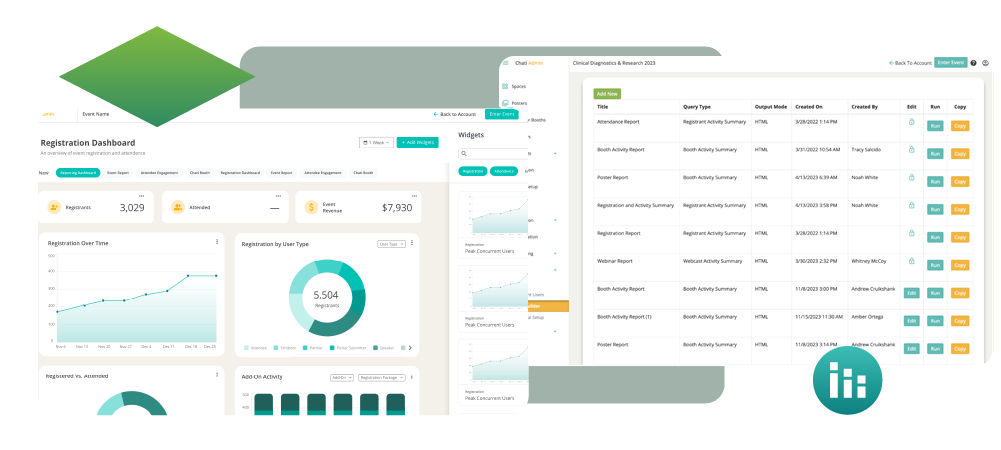
Virtual event sponsorship provides valuable data insights and analytics that enable sponsoring companies to monitor how well their sponsorship is contributing to the virtual event experience for everyone. This enables companies to ascertain what adjustments need to be made either during the current virtual event or future virtual events.
Features such as attendee engagement metrics, lead scores, and conversion tracking are excellent methods for tracking how well your sponsorship is impacting the virtual event. This enables companies to make on-the-spot adjustments or adjustments for future virtual events.
The benefits of data-driven decision-making for optimizing sponsorship strategies cannot be understated. Data-driven decision-making provides companies with the tools they need to make the best-informed decisions regarding their brand promotion, both during and after the virtual event.
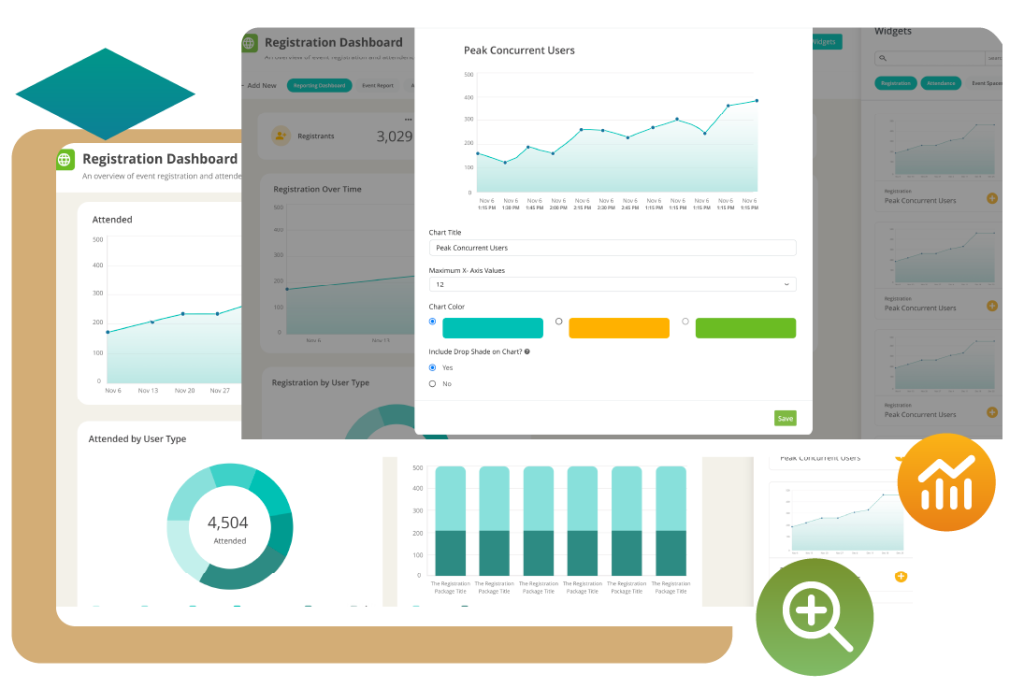
Virtual event sponsorship offers brands flexibility and customization options, enabling companies to prioritize brand promotion strategies leading up to and throughout the virtual event. This provides options for developing your sponsorship strategies that you can tweak and adjust along the way to provide the most impactful virtual event experience for everyone.
Features such as tailored sponsorship packages, branded virtual spaces, and custom content integration are vital strategies for achieving the most impactful brand promotion. They provide incentives for virtual event organizers to sponsor your brand for multiple virtual events.
The benefits of customizing sponsorship opportunities to fit brand objectives cannot be understated. These opportunities provide options for both current and future virtual events. In addition, this builds successful long-term relationships with virtual event organizers and attendees.
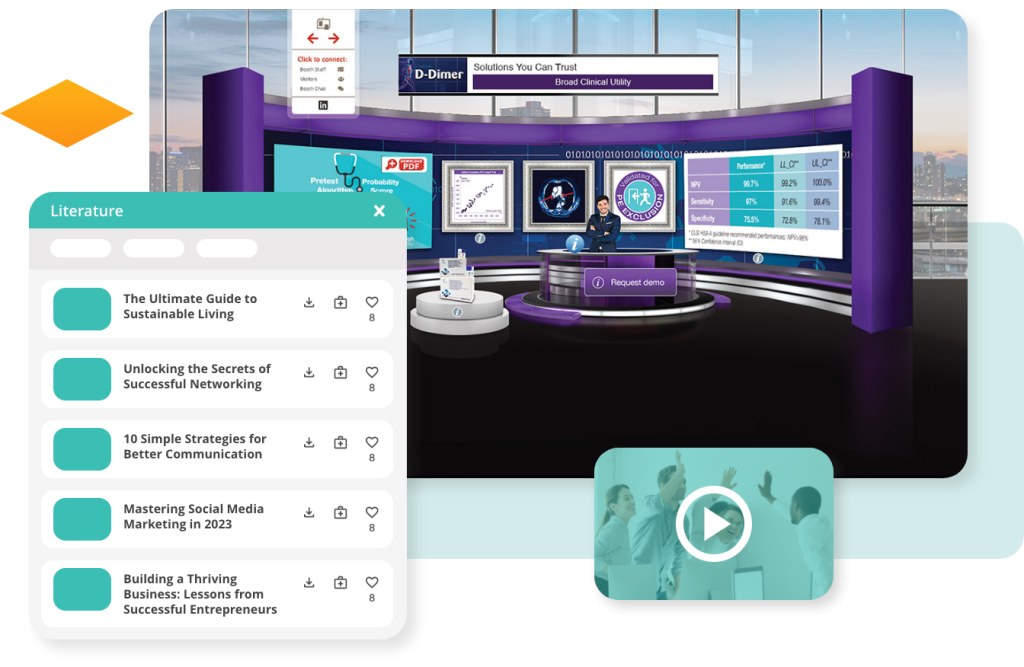
Virtual event sponsorship generates long-term brand awareness and recall by enabling virtual event organizers and attendees to rely on your brand for their future needs, whether for employment or sponsorship opportunities in other virtual events.
Features such as on-demand content, post-event marketing, and follow-up campaigns are vital to brand promotion strategies beyond the virtual event for individuals worldwide. By doing so, you maintain lasting relationships while building brand awareness for both the short and long term.
The benefits of sustained brand exposure and recall among attendees cannot be understated. This provides both attendees and virtual event organizers with the tools, resources, and strategies to make the best-informed decisions regarding brand promotion designed to last well beyond the sponsored virtual event.

Virtual event sponsorship delivers measurable ROI and performance metrics designed to maximize brand promotion and awareness while providing meaningful content for attendees to use to improve their virtual networking skills in the short and long term.
Features such as ROI tracking, attribution modeling, and performance dashboards are vital strategies for brand promotion and awareness that can be tailored to meet the needs of current and future virtual events, thus allowing for adjustments along the way.
The benefits of demonstrating tangible results and value to stakeholders cannot be understated. ROI and results lead to future virtual event sponsorships and increased brand awareness while also providing valuable means for attendees to improve their virtual networking skills.
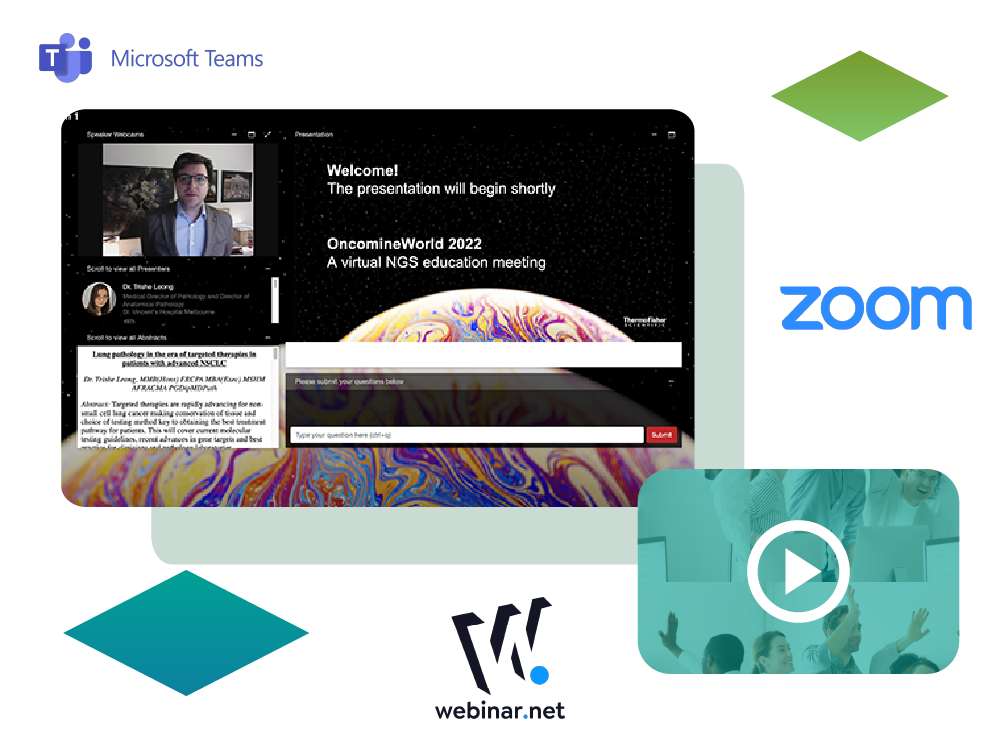
Virtual event sponsorship facilitates brand alignment and partnerships by establishing and building long-term relationships with both virtual event companies and other sponsors. This leads to successful brand promotion and awareness while building lasting relationships with both virtual event companies and other sponsors.
Features such as co-branded events, strategic alliances, and joint marketing campaigns are excellent methods to build brand awareness and partnerships during and after the sponsorship. Through this, you maintain successful long-term relationships that enable future sponsorship opportunities with multiple virtual event sponsors.
The benefits of aligning with complementary brands to amplify reach and impact cannot be understated. Partnerships provide the means to build lasting relationships with individuals worldwide, which increases diversity, inclusivity, and connectivity for everyone.
Here, we discussed the top 10 benefits of virtual event sponsorship for brands that you can use to increase brand promotion and awareness while helping virtual event attendees improve their virtual networking skills. This includes cost-effective marketing, data and analytics, and partnerships.
We emphasize the importance of strategic sponsorship for brand growth and success, which can be used to build your brand and provide impactful virtual event experiences for individuals worldwide. Through this, you increase diversity, inclusivity, and connectivity for everyone.
Every company's goal is to build its brand, and virtual event sponsorship opportunities are excellent methods for accomplishing this while helping individuals worldwide build their own brands.

This blog encourages readers to explore virtual event sponsorship opportunities for their brands, enabling them to build and foster lasting relationships with companies and individuals worldwide.
We invite readers' feedback and comments on sponsorship strategies to improve current and future strategies designed to build brand awareness while helping attendees improve their virtual networking skills.
Please feel free to contact Chati for any questions and information regarding virtual event sponsorship strategies. We hope this blog was helpful in helping you develop your own strategies, as well.
Over the last several years, webinar events have become increasingly influential in their transformative potential to change how we connect with individuals from different cultures and backgrounds worldwide. Webinar events have shaped how people build their virtual networks, how companies do business, and how knowledge and ideas are shared to create a better tomorrow.
Webinar events elevate the webinar experience through their immersive and engaging features. They are designed to connect individuals from all time zones and professional backgrounds to build your brand while building their virtual network. Here, we will discuss how the power of webinar events will help you shape a better tomorrow through the webinar events you host today.
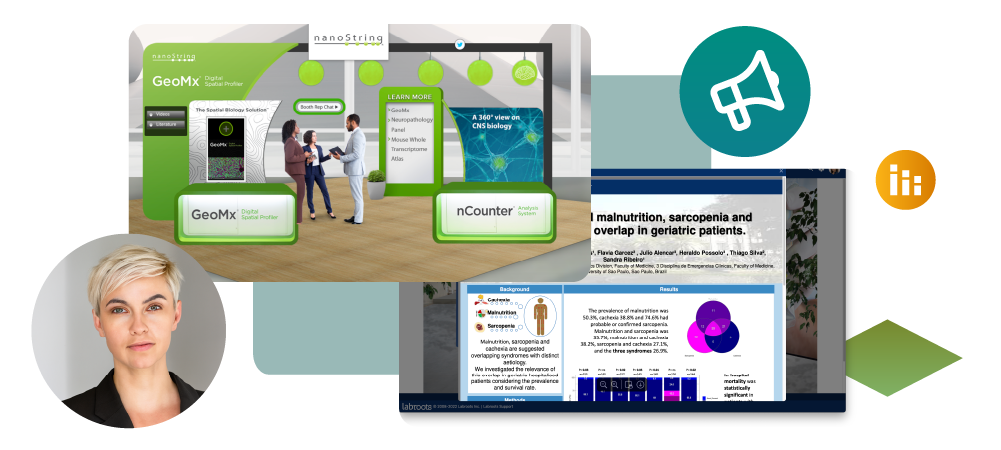
Webinar events offer interactive engagement features beyond traditional presentations, including real-time Q&A sessions, training sessions, product launches, seamless integrations, customizations, 3D spaces, and more. By doing so, you increase diversity, inclusivity, and connectivity for individuals worldwide while building your brand and helping them build their virtual network.
Some key features of webinar events include virtual lobbies, networking lounges, and interactive exhibits designed to spark conversations while sharing knowledge and ideas between attendees. Virtual lobbies serve as the introductory aspect of webinar events while networking lounges and interactive exhibits build on those introductory conversations to help foster lasting relationships.
The goal of these interactive elements is to foster attendee participation and immersion, which helps build lasting relationships while increasing diversity, inclusivity, and connectivity for individuals worldwide.
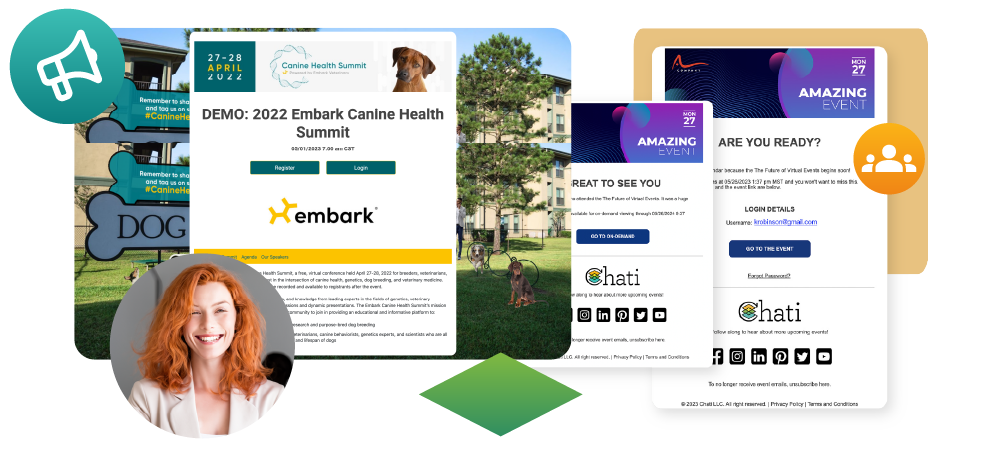
Webinar events offer a personalized experience tailored to attendees' preferences to increase the immersive aspect for event organizers and attendees. This is accomplished through pre-event surveys, tailored emails, real-time interaction, Q&A sessions, and post-event surveys and follow-ups. This provides your attendees with the necessary tools to stay immersed in your webinar event and gets them excited for future events, as well.
Examples of personalized features include customizable agendas, breakout sessions, and personalized content recommendations, which are accompanied by the aforementioned tailored emails and pre-event surveys but can also be accomplished through real-time feedback during the event.
The importance of personalized experiences in driving attendee satisfaction and engagement cannot be understated. They provide you with the opportunity to enable greater levels of engagement and immersion for your attendees, which only increases diversity, inclusivity, and connectivity for individuals worldwide.
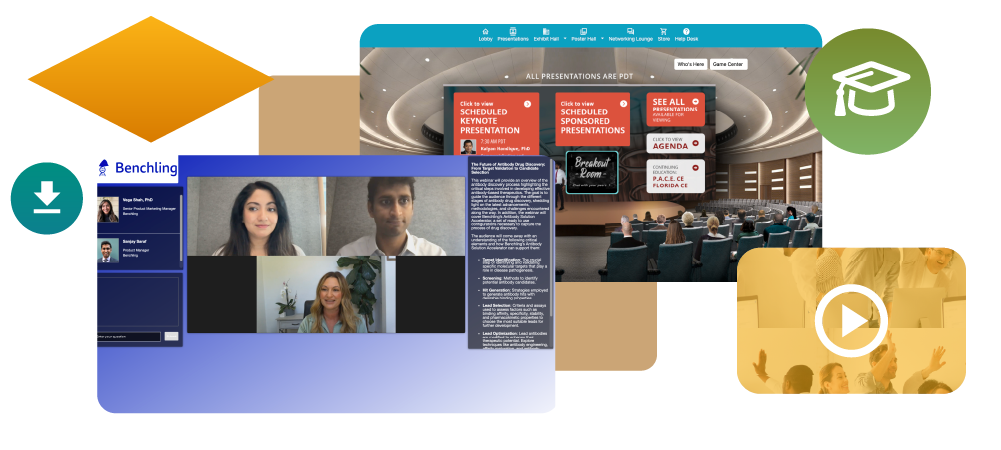
Webinar events extend accessibility beyond live sessions by providing on-demand videos for attendees who were unable to participate during the live event, either due to time zone differences or other obligations. This enables them to catch up on talks and provides the means for them to reach out to speakers with the goal of sharing knowledge and ideas while also helping them build their virtual network.
Examples include on-demand recordings, downloadable resources, asynchronous engagement opportunities, and educational tools and resources for non-live attendees to use to achieve their career goals and build their virtual network.
The benefits of extending engagement beyond live sessions and accommodating diverse schedules cannot be understated. These provide your attendees with opportunities outside of the webinar event to share knowledge and ideas with speakers and other attendees, which only increases diversity, inclusivity, and connectivity for individuals worldwide.
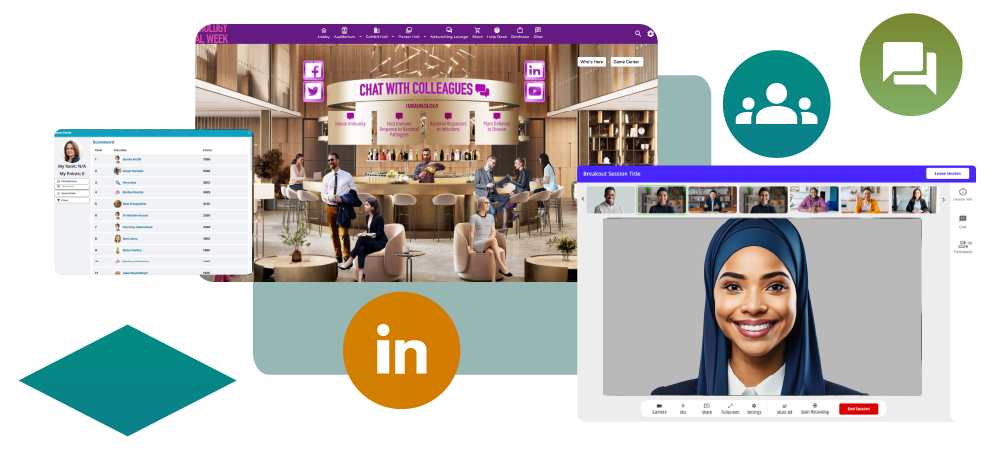
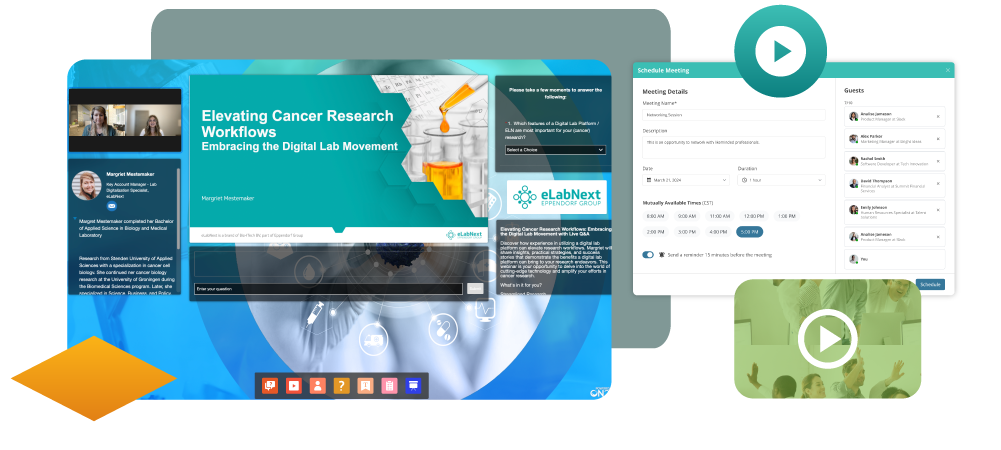
Webinar events facilitate networking and collaboration among attendees by providing a safe and secure environment in which to engage and interact while sharing knowledge and ideas with individuals worldwide. This helps keep attendees engaged with speakers and other attendees throughout the event while helping them build their virtual network and foster lasting relationships with individuals worldwide. Examples include virtual meetups, peer-to-peer interactions, and collaborative activities that help drive engagement and interaction for everyone.
The power of webinar events in fostering connections and building relationships among participants cannot be understated. Webinar events provide ample opportunities for individuals worldwide to share knowledge and ideas with each other, which only increases diversity, inclusivity, and connectivity.
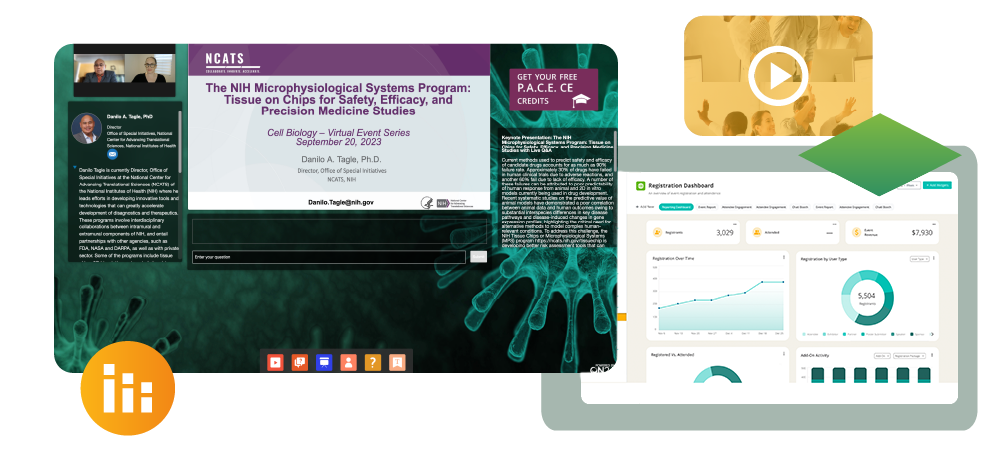
A key feature of webinar events is their ability to leverage data analytics for continuous improvement. This provides event organizers with the necessary feedback to help build better and more impactful webinar events in the future. By doing this, you enable your webinar event to adapt and evolve so you can provide more engaging experiences in the future.
Examples include exploring metrics like attendee engagement, interaction rates, and content performance, which enable event organizers to collect real-time data regarding the level of engagement and interaction their attendees achieve while gauging if the content you're providing is sufficient to allow that engagement.
The importance of data-driven insights in optimizing content, engagement strategies, and overall event success cannot be understated, as they provide critical strategies for enabling a safe and secure environment of engagement and interaction while increasing diversity, inclusivity, and connectivity for individuals worldwide.
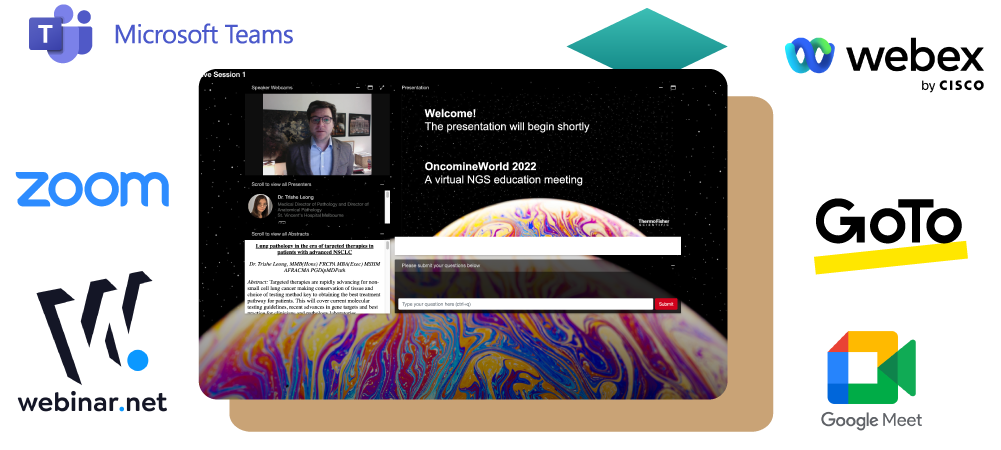
A key aspect that highlights webinar events' power is their ability to deliver an immersive multimedia and content experience that enables attendees to stay engaged and interact with other attendees and speakers throughout the event. The features above, including breakout sessions, live Q&A sessions, and peer-to-peer interactions, provide a safe and secure environment where individuals worldwide can connect while sharing knowledge and ideas to build a better tomorrow.
Other examples include features like live demos, interactive presentations, and multimedia storytelling, which provide your attendees with an extra level of engagement and immersion with other attendees and speakers.
The impact of immersive content experiences in capturing attendees' attention and delivering memorable experiences cannot be understated. They provide additional levels of engagement and interaction for your attendees, which they can use to help build their virtual networks and foster lasting relationships with individuals worldwide.
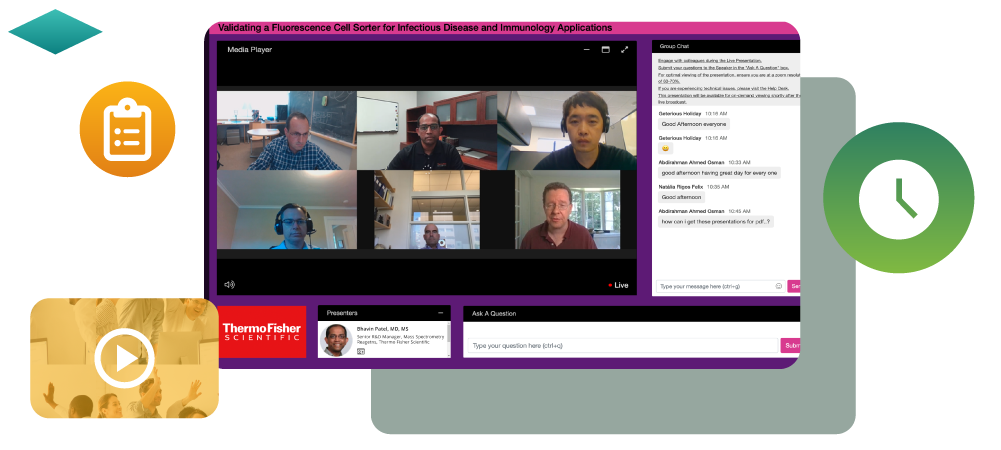
The power of webinar events helps companies build their brand while also delivering measurable return on investment (ROI) and impact for businesses worldwide. This is accomplished through providing engaging and immersive content that encourages your attendees to participate throughout the webinar event. This ROI can include monetizing the webinar event but can also include improved recruitment numbers.
Examples include exploring metrics like lead generation, conversion rates, and attendee satisfaction scores, which help gauge the success of the webinar event by monitoring attendee participation and engagement throughout the event.
The tangible benefits and returns that webinar events deliver for businesses, from increased revenue to enhanced brand reputation, cannot be understated. The power of webinar events provides businesses with the tools and resources they need to build their brand and help individuals from all over the world create their virtual networks.
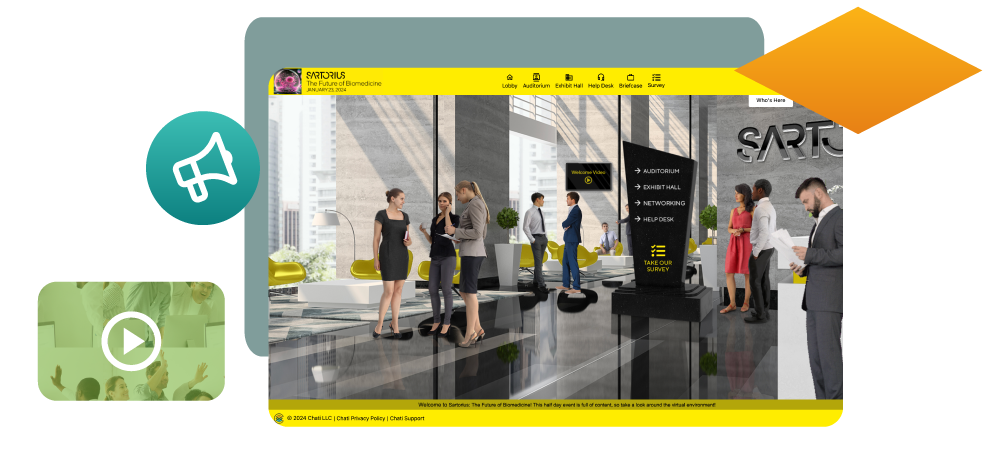
The unique aspects of webinar events that set them apart from traditional webinars include providing engaging, interactive, and personalized content for your attendees. This underscores the impact of webinar events' power. By doing so, you help build your brand while increasing diversity, inclusivity, and connectivity for individuals worldwide.
The transformative power of webinar events in elevating engagement, experience, and overall event success cannot be understated, as the power of webinar events help achieve new levels of enabling attendees to build their virtual network while providing the tools and resources for them to achieve their career goals, as well.
Chati strongly encourages readers to explore webinar events as a superior alternative to traditional webinars, as the power of webinar events provides the means to transform how individuals from all over the world engage and interact, which helps lead to building virtual networks, company brands, and inclusivity for everyone. We also invite readers' feedback and comments on webinar event experiences, as these stories will help us provide the most impactful webinar events for your networking needs. Please get in touch with Chati for further information regarding webinar events and how the power of webinar events can help you achieve your goals.
Virtual events are driven by engagement and connectivity, so the importance of interactive content cannot be understated. This is accomplished through interactive displays via artificial intelligence or virtual reality, which enables your attendees to engage with an avatar or a real person while providing them with an immersive experience that they can share with others.
Here, we will present a myriad of strategies and best practices for producing interactive content that we are confident will take your next virtual event to new heights of engagement and allow your attendees to immerse themselves like never before. These strategies include knowing your audience, interactive workshops, live demos, gamification, and more. Through this, your next virtual event will help increase diversity, inclusivity, and connectivity for individuals worldwide.
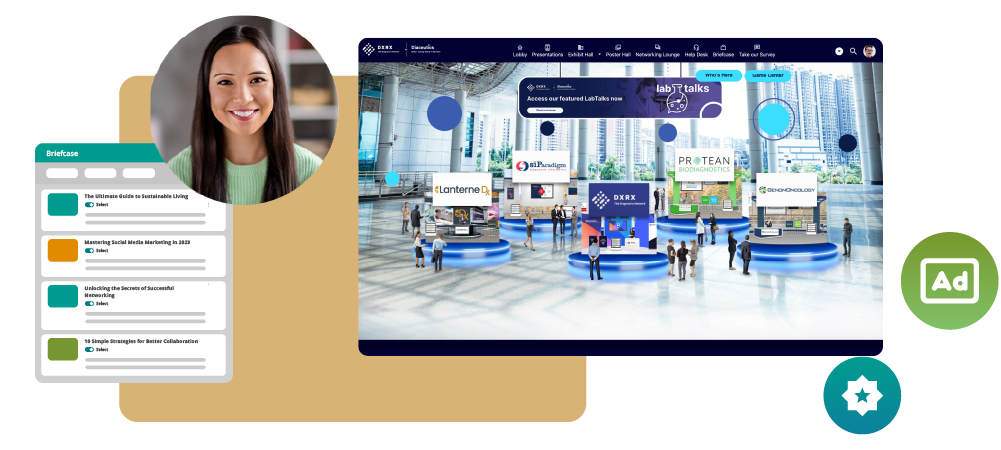
All public engagement requires knowing your audience, including understanding attendee preferences and expectations. You can get this level of understanding through pre-event surveys and emails asking your attendees their personal and professional goals for attending your upcoming virtual event, which will provide you with the necessary tools and resources to craft compelling content to suit their needs. Through this, you are tailoring content to address audience needs and interests by gathering feedback and insights to inform content creation, leading to increased diversity, inclusivity, and connectivity for everyone.
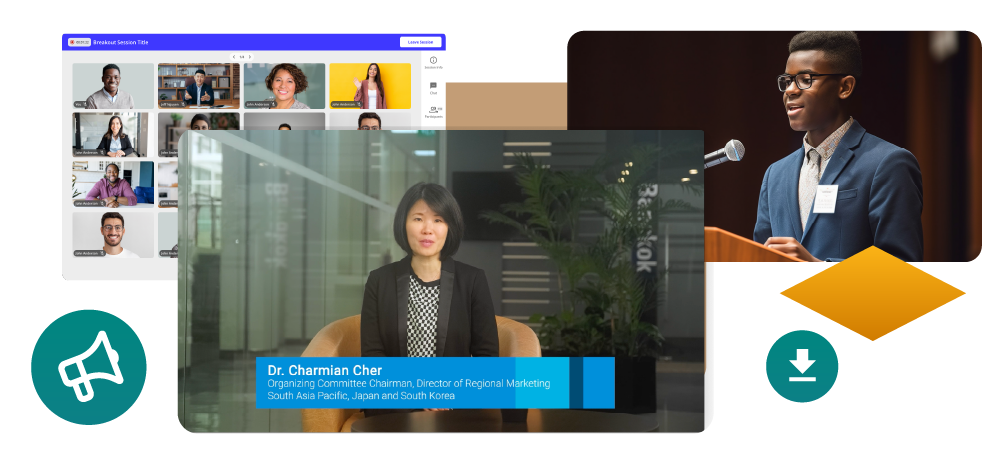
Interactive content includes multimedia elements like videos, animations, and slideshows. These provide your attendees with next-level immersion through visuals, enabling them to stay engaged throughout the virtual event and want more.
Other examples of interactive content include utilizing interactive polls, quizzes, and surveys to engage attendees. This provides attendees with various opportunities to increase their interactivity and multimedia content.
Finally, encouraging audience participation through Q&A sessions and discussions is an excellent strategy to keep your audience engaged and interacting with each other throughout the virtual event. This is accomplished through pre-event emails, periodic posts, and reminders throughout the virtual event, as Q&A sessions are excellent ways for your attendees to engage with speakers and each other. Through this, you increase diversity, inclusivity, and connectivity for everyone.

Providing hands-on learning experiences for attendees enables them to improve engagement and interaction while providing attendees with the necessary educational opportunities to build their virtual network.
Facilitating group collaboration and problem-solving activities throughout your virtual event allows your attendees to enhance their abstract thinking skills while engaging with other attendees, potential guests, and speakers.
Incorporating interactive tools and software for virtual workshops is an excellent strategy for enhancing interactive workshops and breakout sessions. These provide your attendees with the opportunity to enhance their engagement skills while building their virtual network with individuals worldwide.
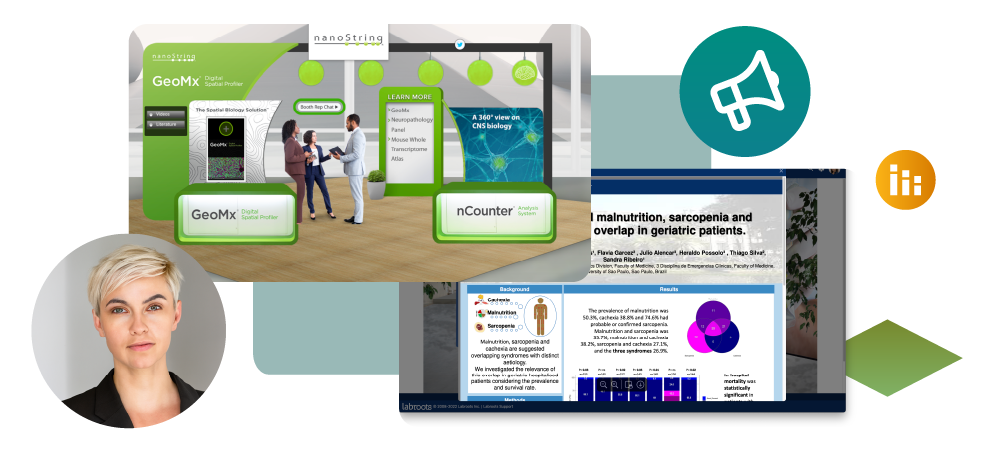
Along with providing engagement opportunities, your virtual event enables you to demonstrate products or services in real-time, enabling your attendees to learn about your brand throughout the event. However, it’s vital that you showcase your products sparingly throughout the virtual event so your attendees can stay focused on engaging with other attendees and guests since their goal is to build their virtual network.
Allowing attendees to interact with demonstrators and ask questions is a vital component of enhancing their engagement skills while building their virtual network. This will encourage a safe environment of active learning and cohesiveness while enabling your attendees to build their virtual network with demonstrators and guest speakers.
Finally, providing opportunities for attendees to try out features or tools is an excellent strategy to keep them engaged and ask what else your virtual event offers. This allows you to learn more about your attendees’ preferences and expectations for future virtual events in real-time, thus saving time on post-event surveys and questionnaires.
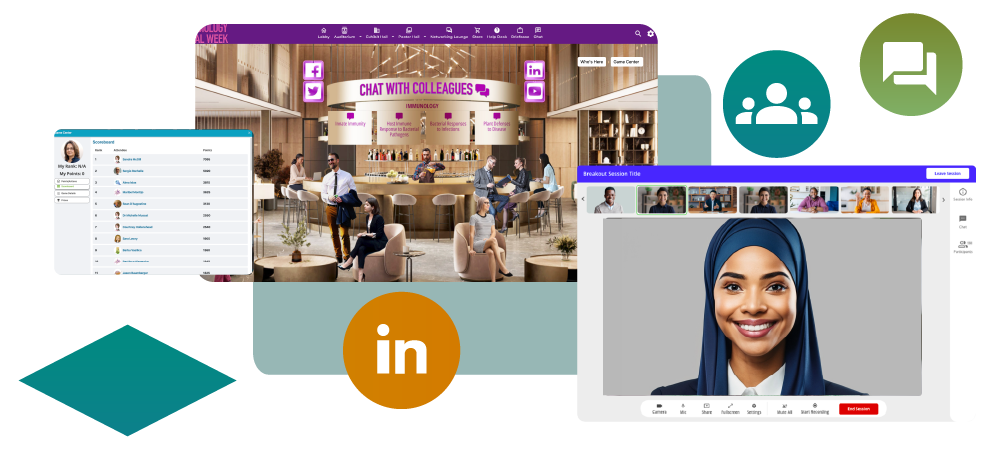
Virtual events are designed for attendees to enhance their virtual networking skills, and creating virtual networking lounges and breakout rooms allows them to engage with other attendees and guests one-on-one and in real-time. This enhances the virtual event experience while increasing diversity, inclusivity, and connectivity for individuals worldwide.
Another example of facilitating networking opportunities is offering structured networking activities and icebreakers that your attendees can use to engage with other attendees and guests in real time. With icebreakers, you can begin the discussion by asking your attendees to introduce themselves and share something interesting, which increases diversity, inclusivity, and connectivity for everyone. This provides a safe and secure learning environment while enabling your attendees to build their virtual network.
Finally, encouraging attendees to connect and exchange contact information is an excellent strategy for helping them build their virtual network beyond the virtual event. Through this, they can share knowledge and ideas in an informal capacity, which leads to enhanced career opportunities while improving their engagement skills.
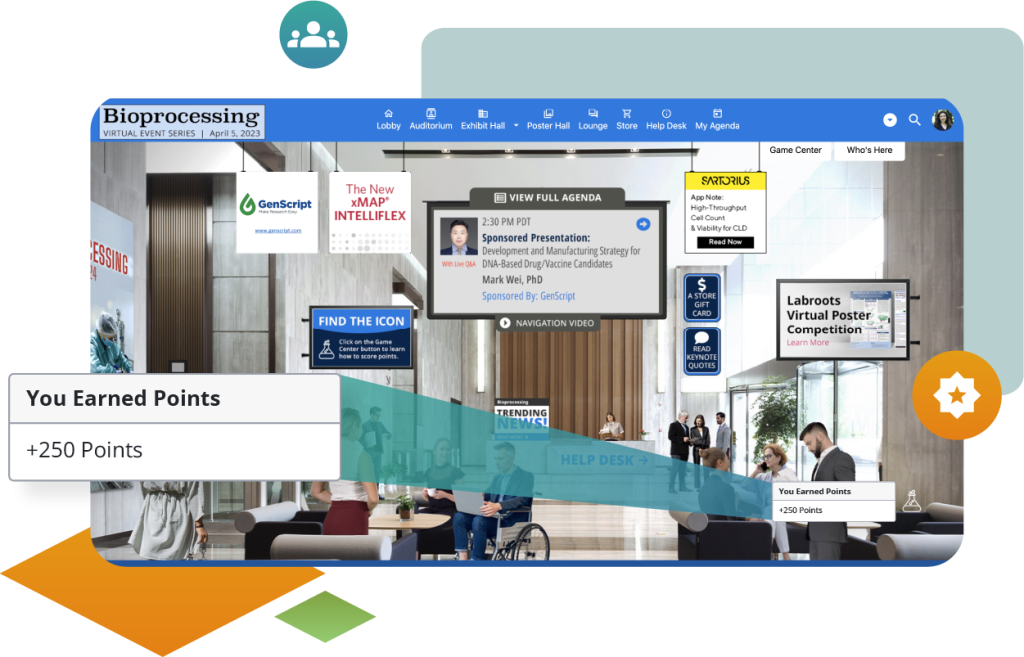
There is a myriad of strategies for making your virtual event fun and engaging, including incorporating gamification elements such as challenges, leaderboards, and rewards. This will encourage a safe learning environment while providing healthy competition for your attendees to build their virtual networks with individuals worldwide.
Gamification provides excellent opportunities for your attendees to engage in an informal capacity, and encouraging attendee participation through gamified activities is an excellent strategy for helping them build their virtual network. This can be accomplished through pre-event emails, surveys, and periodic notes and reminders throughout the virtual event.
With gamification, you are creating a sense of competition and achievement among attendees in a safe and secure manner. Thus, you are improving their engagement skills and enabling them to build their virtual network with individuals from all personal and professional backgrounds worldwide.
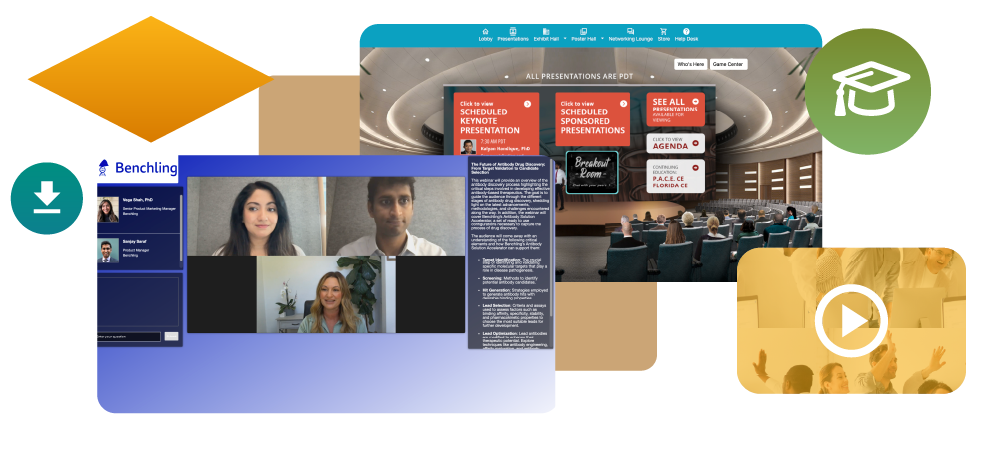
While virtual events provide an excellent opportunity for attendees to engage in real-time with individuals worldwide, offering recorded sessions and workshops for on-demand viewing is an excellent strategy for attendees from different time zones who can’t attend in real-time and wish to view sessions later. Through this, you’re still providing excellent content while enabling them to build their virtual network.
An example of keeping your attendees engaged with on-demand content is integrating interactive elements, such as quizzes and surveys, into the content. This enables attendees to stay engaged throughout the experience. For example, every 5-10 minutes, have a quiz or survey that asks questions about the content, enabling your on-demand attendees to learn in a safe and secure manner.
Finally, on-demand content is successful because it allows attendees to access content at their convenience. This enables them to learn at their own pace while staying up to date with the latest information that will allow them to improve their career opportunities. In addition, they can contact guest speakers outside of the virtual event in an informal setting.
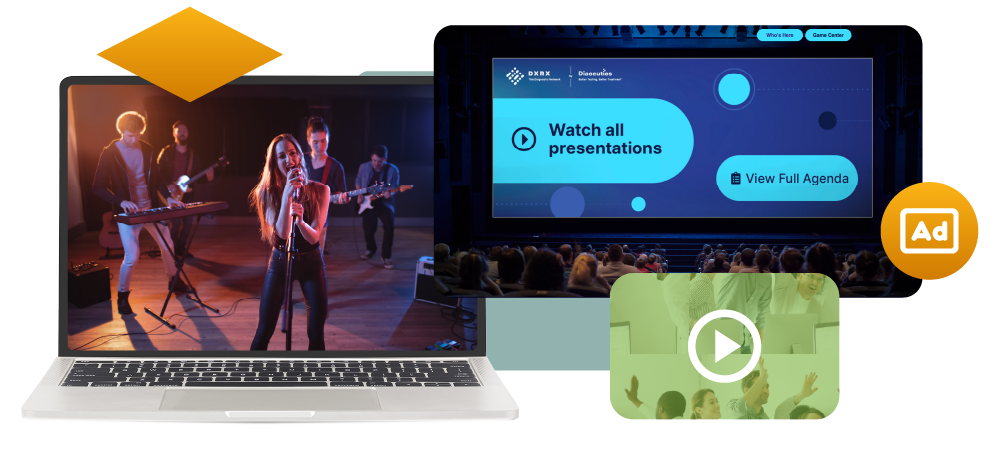
Virtual events are loaded with tools and resources to enhance engagement and interaction among attendees and guests, and utilizing virtual event platforms with built-in interactive features is an excellent strategy to make this happen. This will encourage your attendees to improve their engagement skills while helping them grow their virtual network with individuals worldwide.
Additionally, exploring third-party tools and software for creating interactive content is an excellent strategy for enhancing your virtual event. This allows you to provide a variety of content based on your attendees’ needs and preferences, enabling them to enhance their engagement skills and build their virtual networks with individuals worldwide.
Finally, partnering with technology providers to enhance the event experience is an excellent strategy for improving engagement opportunities for your attendees. Like third-party tools, technology providers enable you to offer a variety of content based on attendee preferences, which increases diversity, inclusivity, and connectivity for individuals worldwide.
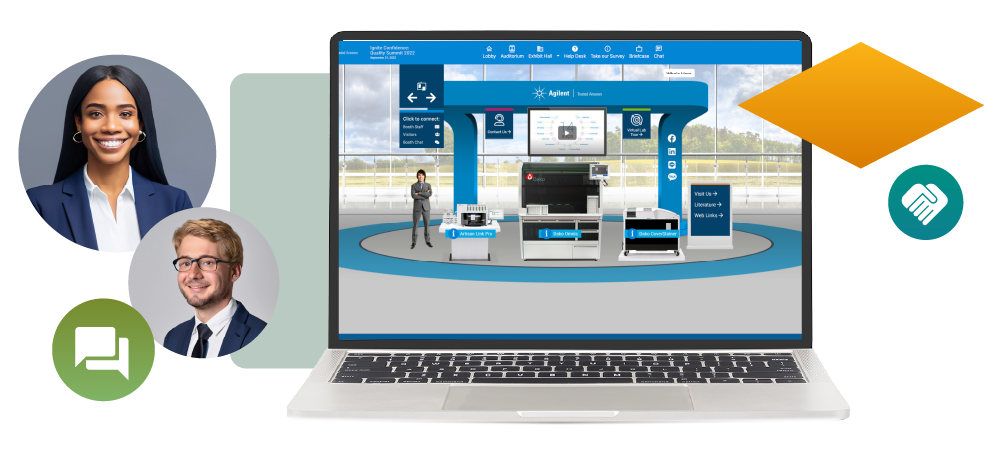
Like all endeavors, virtual events are successful due to their two-way engagement, and this can be accomplished by soliciting contributions from attendees, such as questions, ideas, or feedback that enables them to become immersed in your virtual event beyond just being there to learn and build their virtual network.
Additionally, incorporating user-generated content into presentations or sessions allows your attendees to engage with guest speakers and share their thoughts and ideas in a safe learning environment. Through this, you encourage two-way engagement that helps your attendees enhance their engagement skills and build their virtual network.
Finally, fostering a sense of community and collaboration among attendees is a sure-fire strategy for helping them enhance their engagement skills both during the virtual event and beyond. This can be accomplished through periodic notes and reminders throughout the virtual event, but it can also be accomplished with pre-event reminders and surveys.

The success of virtual events hinges on gathering feedback, both during and after the event. This can be accomplished by tracking key performance indicators (KPIs) for content engagement. This ensures that your attendees are well-engaged and learning from other attendees and guests, enabling them to build their virtual network while learning from individuals worldwide.
Additionally, analyzing data and insights to identify successful content strategies is another important method for ensuring your attendees stay engaged and interact with each other throughout the virtual event and beyond. This can be accomplished through artificial intelligence or real-time feedback from support personnel.
Finally, making data-driven adjustments to improve content engagement over time is an excellent way to ensure the success of your recent and successful virtual events in the future. Through this, you encourage an environment built on diversity, inclusivity, and connectivity with individuals worldwide.
Here, we presented best practices for creating interactive virtual event content that will not only enable your attendees to enhance their engagement skills but also provide them with the tools and resources to help enhance their virtual experience and grow their virtual network with individuals worldwide.
Our goal is to emphasize the importance of engagement and interaction in virtual events. We are confident that the above strategies will provide both virtual event organizers and attendees with the necessary tools and resources to enhance engagement while building virtual networks for individuals worldwide. Through proper engagement, you help increase diversity, inclusivity, and connectivity with individuals from all personal and professional backgrounds.
Chati strongly encourages virtual event organizers to implement interactive content strategies in their virtual events, as this promotes an environment built on learning and engagement with individuals worldwide.
Virtual event platforms enable companies worldwide to plan and host engaging and fun virtual events for many individuals, including students, clients, customers, employees, and others. As a result of the COVID-19 pandemic, the number of virtual event platforms has increased dramatically, allowing for greater diversity, inclusivity, and connectivity for individuals from all over the world.
When hosting a virtual event, choosing the right virtual event platform is crucial. This enables you to meet the goals of your virtual event needs, whether it’s specific features or seamless engagement. With the number of virtual event platforms increasing every year, researching the right platform to meet your goals will enable a successful event for both you and your attendees.
Here, we will examine the top 10 essential features for searching for the right virtual event platform. These include user experience, engagement tools, customization, content delivery, interaction features, and more. By doing so, you will better understand the key features that you could use to make your virtual event much more successful.
When choosing the right virtual event platform, intuitive navigation or finding things quickly and easily should be a top priority. This enables your attendees to seamlessly navigate your virtual event without the need for outside assistance, giving them a sense of comfort and ease even before they begin to engage with other attendees and guests.
Additionally, the virtual event platform that you choose should emphasize a user-friendly interface for attendees and organizers. This further enables a seamless user experience since all features and tools will be easily accessible for everyone without the need for outside assistance.
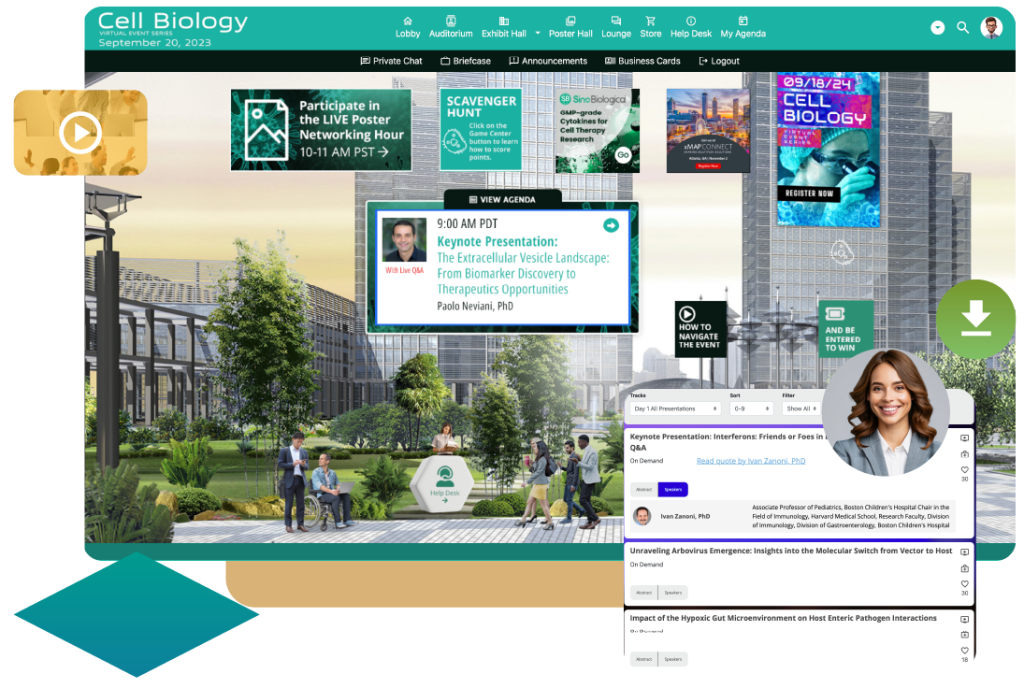
The final aspect of finding a virtual event platform with a seamless user experience is accessibility considerations, as your attendees and organizers will most likely require seeing- and hearing-impaired accommodations and might even require outside assistance to navigate the event. Additionally, some might have concerns regarding their internet connection, and choosing a virtual event platform that can assist them with this will prove instrumental in ensuring a better user experience.
All successful virtual events need interactive engagement tools, and choosing a virtual event platform with these features will ensure a successful virtual event. One of these features is live chat and Q&A, which enable attendees to engage and interact with each other and guest speakers throughout the virtual event.
Another engagement tool you should look for in a virtual event platform is polls, surveys, and audience feedback mechanisms. These enable attendees to provide valuable feedback throughout the event, which organizers can use to make real-time improvements without needing to wait for future virtual events.
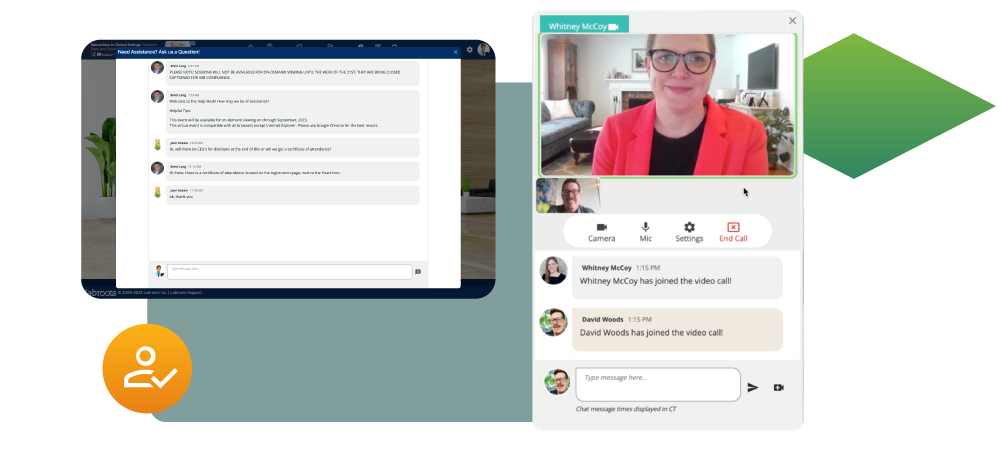
Finally, gamification elements have become an essential method to boost engagement for virtual events, and ensuring your virtual event platform has gamification features is strongly recommended. Gamification offers your attendees the opportunity to engage and interact in a fun and friendly environment where they can earn prizes and points for their work.
As a virtual event organizer, one of your goals should be customization, as you might find your goals and objectives for your virtual event differ from those of other organizers. Therefore, the ability to customize event pages and registration forms for your virtual event platform is highly recommended, as this will provide you with the freedom to create your virtual event according to your vision, goals, and objectives.
This also includes branding opportunities throughout the platform. You want a virtual event platform that will enable you to seamlessly showcase your brand throughout the virtual event, which your attendees will remember for future events.
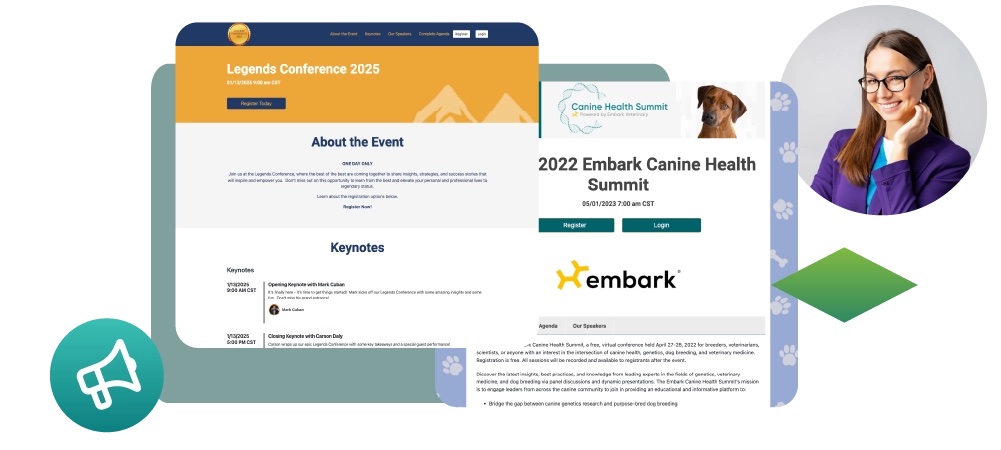
Finally, personalization features for tailored attendee experiences are even more critical than customization features for organizers, as virtual events are designed to maximize the experience for attendees worldwide. Therefore, choosing the right virtual event platform that enables personalization for attendees is highly recommended for a successful virtual event.
Other interactive features you should consider in a virtual event platform include support for live streaming and on-demand content. These features will enable your attendees to participate in real-time with guest speakers while having access to their talks later in case they need to refresh on the topic or miss it entirely.
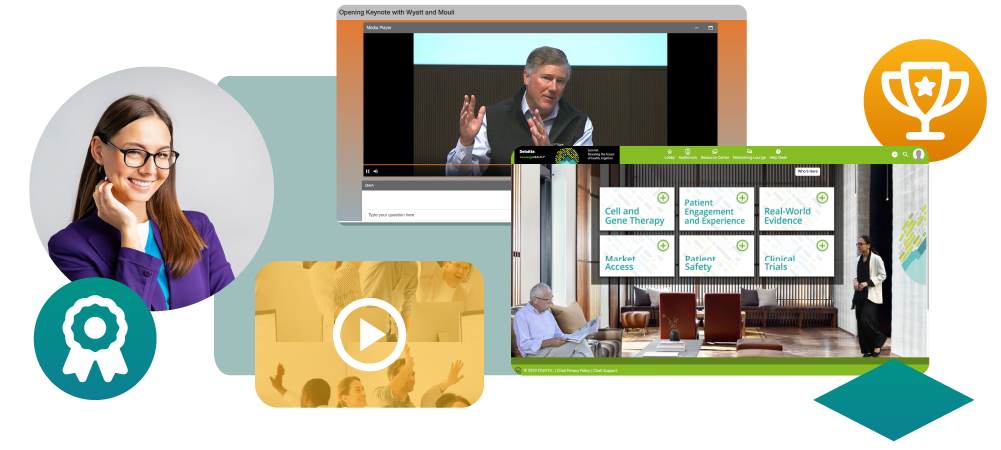
To ensure seamless live streaming and on-demand content, the importance of high-quality video and audio playback for the virtual event platform that you choose cannot be understated. This will ensure your attendees have a seamless visual and audio experience throughout and after the virtual event.
Finally, compatibility with various content formats, including presentations, videos, documents, and much more, is essential for a successful virtual event and is highly recommended to search for when finding your virtual event platform for your event. Through this, your attendees will be able to seamlessly access all content without the need for outside assistance or experiencing glitches.
All successful virtual events strive to maximize their engagement features, which is accomplished through virtual networking lounges and breakout rooms, enabling your attendees to interact in a one-on-one setting. Therefore, finding a virtual event platform with these features will ensure your attendees have the most engaging experience possible.
Another interaction feature you should pursue in a virtual event platform is AI-powered matchmaking for relevant connections, as this will enable you to connect the right attendees or even the right attendees with the right speaker. You significantly increase diversity, inclusivity, and connectivity for everyone through this.

Finally, social media integration for seamless sharing and engagement is an essential feature of whatever virtual event platform you choose. This enables you to use social media to promote the event and even post live updates for your attendees and speakers.

A perk of virtual events is the ability to collect expansive attendee data. Something in-person events may struggle with. Seamless analytics and reporting ensures the success of your next event. Real-time data insights during events are essential when choosing your virtual event platform. They let you monitor engagement metrics and interaction between attendees and guests in real time to see where your attendees are congregating, what people enjoy, and spaces they may avoid. Through this, you can take the necessary steps to provide real-time improvements, ensuring your attendees have the most engaging experience possible.
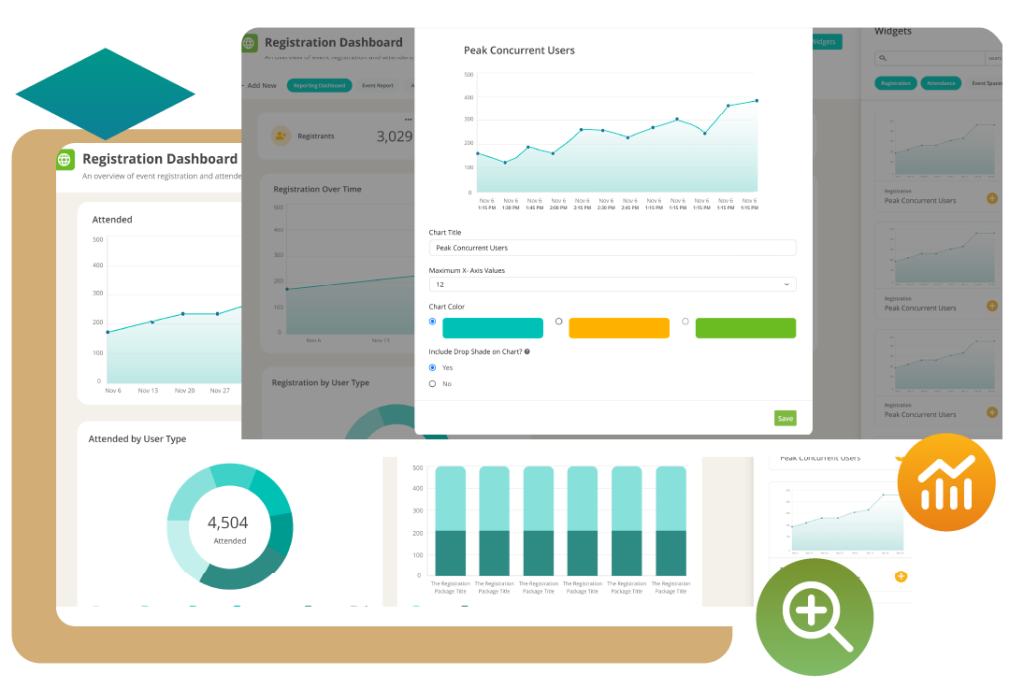
Additionally, post-event analytics for performance evaluation is another feature you should pursue in a virtual event platform, as this ensures you will gain the necessary knowledge and feedback for improving future virtual events.
This all ties into tracking attendee behavior and engagement metrics, which your virtual event platform should provide to enable you to provide your attendees with the most engaging experience possible.
Security and privacy are essential for all online endeavors, and ensuring your virtual event platform is safe and secure is critical to a successful virtual event. This includes end-to-end data security encryption, ensuring your virtual event is safe and secure from start to finish and that hackers won’t be able to sabotage it at any time.

Another virtual event platform feature you should pursue is secure access controls and authentication methods, as this enables you to easily control your security features throughout the event, ensuring a safer and more secure virtual environment for everyone.
Finally, compliance with the General Data Protection Regulation (GDRP) and other data protection regulations are essential features to look for when searching for a virtual event platform. This ensures the platform is following all security protocols for protecting your event, which brings you peace of mind when hosting your event and future ones.
Along with ensuring key features, the virtual event platform you choose should also be able to handle large attendee numbers in case your virtual event is anticipated to be larger than expected. This will ensure seamless features and engagement without overloading your platform with too much data at once.
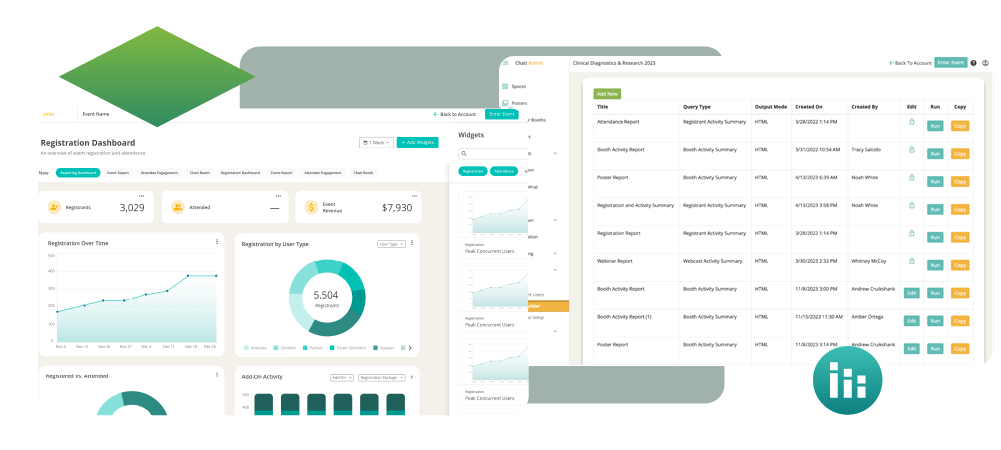
Additionally, your virtual event platform should possess reliable infrastructure for seamless performance. This ensures your virtual event will operate at full capacity without the need to fix glitches and bugs throughout the event, enabling your attendees to have the most seamless experience possible.
Finally, your virtual event platform should provide scalable solutions to accommodate growing event needs since a successful virtual event will mean more significant virtual events in the future. Therefore, a platform that can meet the growing event needs is essential for maintaining successful virtual events for years to come.
The virtual event platform you choose should provide excellent customer service for both you and your attendees. This includes responsive customer support channels that can be accessed in real-time and interact with real people.
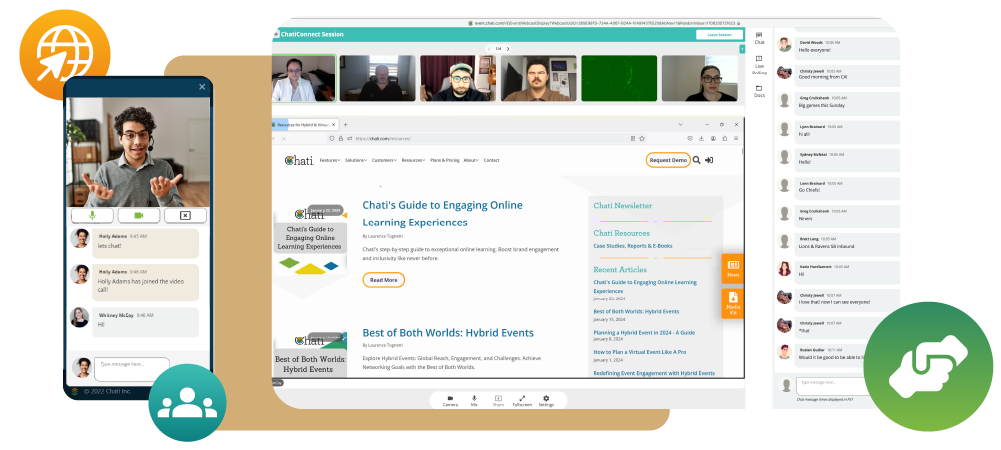
Additionally, onboarding assistance and training resources are essential support tools you should pursue when looking for an appropriate virtual event platform. This ensures both you and your attendees have a seamless experience when familiarizing yourselves with your virtual event and future virtual events.
Finally, proactive technical assistance from your virtual event platform during events is essential to ensure smooth operations throughout the event for both you and your attendees. Through this, you ensure seamless, real-time help for any technical and logistical glitches that someone might encounter without pausing the entire virtual event.
As noted above, integration is essential for choosing your virtual event platform. Seamless integration with customer relationship management (CRM), marketing, and payment systems is also essential for your attendees to have the most seamless experience possible, specifically when it comes to paying for the virtual event or other items related to the virtual event.
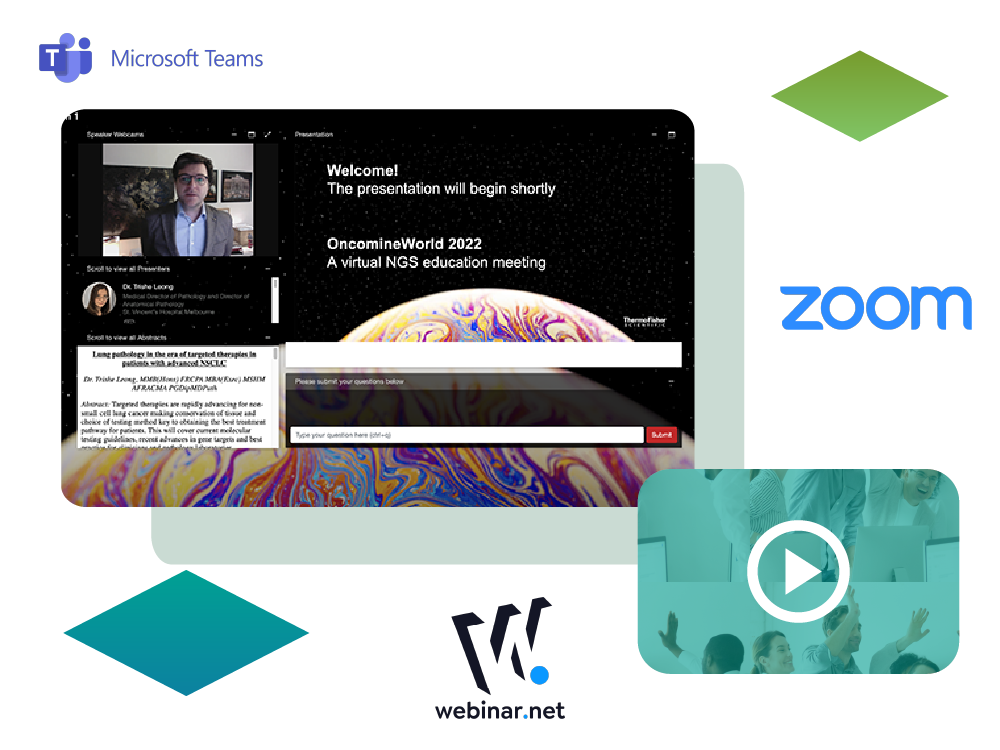
Additionally, compatibility with third-party apps and software is an essential tool that you should pursue for your virtual event platform. This enables you to seamlessly integrate outside tools and software into your virtual event, ensuring your attendees have a more enjoyable and engaging experience.
Finally, the virtual event platform you pursue should possess an application programming interface) API access for custom integrations and development will enable you to provide seamless communication and connectivity between multiple systems, both inside and outside your virtual event. Through this, you provide your attendees with seamless engagement and interactivity with each other, guests, and support personnel.
Here, we introduced several virtual event platform features crucial to event success, including user experience, engagement tools, customization, content delivery, interaction features, and much more. It's important to keep these features in mind when determining the right virtual event platform for you, as they will ensure seamless engagement experiences for your attendees and provide real-time feedback and support. With the right virtual event platform, you can provide successful and impactful virtual events for years to come while increasing diversity, inclusivity, and connectivity for individuals worldwide.

