Discover how Chati's self-service licenses give you full control - build, update, and launch virtual events on your terms. Register for our free webinar today!
Webinars are powerful tools for marketing, training, and thought leadership, enabling organizations to share expertise at scale. When executed effectively, they drive lead generation, deepen client engagement, and build brand authority. Here, we will explore best practices for businesses in webinars, including high-quality content, promotion strategies, attendee engagement, and much more. Through this, you will have the tools and resources to successfully organize and host a webinar that focuses on best practices for businesses.

Successful webinars start with clear, measurable goals and a well-defined target audience. Setting objectives such as lead generation, brand awareness, or training completion allows content to be purpose-built. Aligning goals with audience needs increases relevance, drives engagement, and improves conversion outcomes.

Effective webinars rely on well-structured presentations that deliver clear, actionable insights. Incorporating multimedia elements such as slides, videos, demos, and graphics helps sustain audience interest. Interactive features like live polls, Q&A sessions, and breakout discussions further boost engagement and participation.

Choosing the right webinar platform is essential for success. Compare options based on scalability, engagement tools, analytics, and CRM or marketing integrations. Key features include registration management, live chat, screen sharing, and automated reminders, while reliability and cross-device accessibility ensure a seamless attendee experience.

Driving webinar registrations requires a strategic promotional approach using email campaigns, social media, and partner networks. Compelling titles, clear descriptions, and strong calls-to-action to communicate value, while well-timed reminder emails and notifications help reduce no-shows and maximize live attendance.

Thorough preparation is critical for smooth webinar delivery. Conduct dry runs to test technology and rehearse presenters, while assigning clear roles for hosts, moderators, and technical support. Developing contingency plans for technical issues or unexpected challenges helps ensure a professional, uninterrupted experience.

Maximizing engagement requires active audience participation throughout the webinar. Polls, chat discussions, and live Q&A encourage interaction, while gamification and incentives boost involvement. Monitoring engagement metrics in real time allows presenters to adapt to delivery, maintain focus, and sustain audience interest.

Post-webinar follow-up extends value beyond the live event. Sharing recordings, slides, and supplemental resources reinforces key messages. Gathering feedback through surveys and reviewing engagement metrics enables analysis of conversions, retention, and ROI, helping organizations refine strategies and improve the effectiveness of future webinars.
Summary
Here, we explored the best practices for businesses in webinars, including high-quality content, promotion strategies, attendee engagement, and much more. Armed with this knowledge, you have the skills to successfully organize and host a webinar focused on best practices for businesses.

When executed well, webinars generate high-quality leads, educate clients, and strengthen brand authority. Consider Chati to host scalable, data-driven business webinars designed to deliver measurable, real-world results for modern organizations worldwide today. Please contact Chati if you would like to know more about how we can promote the best practices for businesses in our webinars.
Hybrid events have surged as organizations blend in-person experiences with virtual access to reach broader, more flexible audiences. Yet planners face challenges, including uneven audience engagement, technical disruptions, and limited cross-interaction. Here, we explore practical strategies to bridge these gaps, ensuring live and virtual attendees feel equally included, connected, and actively involved through thoughtful design and intentional audience participation.

Successful hybrid events start by understanding the distinct needs of in-person and remote participants. Segmenting content and engagement strategies for each audience helps maximize relevance and participation. Aligning delivery methods across both experiences ensures consistency, inclusivity, and equal value, creating a seamless event that effectively engages all attendees, regardless of how they join.

Hybrid events thrive on interactivity. Using live polls, Q&A sessions, chat features, and virtual breakout rooms encourages real-time participation from both in-person and remote audiences. Integrated engagement tools help unify these experiences, breaking down barriers and creating shared moments that foster interaction, inclusivity, and meaningful audience connection across all event formats.

Design presentations and activities that translate smoothly for both in-person and virtual audiences. Balanced pacing and clear delivery help sustain attention across formats. Visually compelling slides, demonstrations, and videos ensure content remains engaging and accessible, creating a cohesive experience that resonates equally with in-person and remote attendees.

Hybrid events benefit from intentional networking opportunities that connect live and virtual attendees. Discussion boards, virtual lounges, and matchmaking tools encourage interaction, while shared group activities and collaborative workshops foster connection. Assigning dedicated moderators helps bridge conversations, ensuring both audiences engage seamlessly, participate equally, and feel included throughout the event experience.

Reliable streaming, robust audio/visual (A/V) setups, and stable event platforms are essential for successful hybrid events. Conducting thorough dry runs helps identify and resolve technical issues in advance. Having clear backup plans in place minimizes disruptions, ensures continuity, and delivers a smooth, professional experience for both in-person and virtual audiences.

Measuring hybrid event success requires tracking attendance, chat activity, poll responses, and session completion rates. Comparing engagement patterns between in-person and virtual audiences reveals participation gaps. These insights help organizers refine content, technology, and interaction strategies, enabling more balanced, inclusive, and effective hybrid events in the future.
Summary
Successful hybrid events rely on understanding audience needs, leveraging interactive technology, designing adaptable content, fostering meaningful networking, and using analytics to guide improvements. With thoughtful planning, both live and virtual attendees feel equally valued and engaged.
To maximize impact, leverage platforms like Chati to bridge the hybrid gap and deliver seamless, high-engagement event experiences. Please contact Chati if you would like to learn how we bridge the gap between virtual and live audiences to enhance the hybrid event experience.
A webinar series delivers multiple sessions over time, unlike a single standalone event, enabling ongoing engagement and deeper learning. This sustained format strengthens audience relationships and enhances brand visibility. Here, we explore how to evaluate the return on investment (ROI) of hosting a webinar series to determine its overall value, including audience engagement, cost-effectiveness, monetization, and much more. Through this, you will gain the skills and knowledge to host a successful, impactful webinar series that focuses on ROI and attendee goals.

A webinar series nurtures leads across multiple sessions, steadily building trust and boosting conversion potential. You can capture valuable attendee data through registration and follow-up forms, then use targeted, session-specific content to guide prospects through each stage of the sales funnel more effectively.

Recurring sessions encourage audiences to return, steadily boosting engagement and loyalty. By incorporating interactive elements like Q&A, polls, and follow-up challenges, each session becomes more immersive and memorable. This ongoing connection strengthens long-term relationships with participants, increasing their trust and overall investment in your brand.

A consistent webinar series helps establish your organization as an industry authority, especially when supported by case studies, expert panels, and guest speakers. Its influence extends well beyond live sessions through recordings, on-demand access, and social sharing, allowing your expertise to reach broader audiences and strengthen long-term credibility.

A webinar series offers substantial cost advantages compared to physical events, eliminating expenses for travel, venues, and logistics. Its scalability allows you to reach more participants at a lower cost per session, while also reducing spending on printed materials, speaker arrangements, and staff time—boosting overall efficiency and value.

Track key metrics such as attendance, engagement, lead conversions, and session completion rates to measure performance. Segment participants to identify which topics or sessions delivered the strongest results. Use these analytics to refine future content, optimize your webinar strategy, and clearly demonstrate ROI to internal stakeholders.

A webinar series can generate revenue through sponsorships, premium content, and post-series materials. It also creates opportunities to upsell products, services, or training programs to an already engaged audience. With recurring sessions, you can generate ongoing revenue as participants return and deepen their investment in your offerings.
Summary
Here, we explored how to evaluate the return on investment (ROI) of hosting a webinar series to determine its overall value, including audience engagement, cost-effectiveness, monetization, and much more. Now, you have the tools and resources to host a successful, impactful webinar series that focuses on ROI and attendee goals.

A webinar series delivers strong ROI through lead generation, sustained engagement, brand authority, cost savings, and robust analytics. Organizations should strategically plan, promote, and measure their series to maximize impact. To elevate results even further, leverage platforms like Chati to host engaging, data-driven webinar series that drive long-term success. Please contact Chati if you would like to learn how we can improve our webinars so you can achieve the most ROI in the future.
Hybrid events are rapidly gaining popularity as they blend in-person energy with virtual accessibility. This format expands audience reach, offers flexible participation, and boosts engagement through interactive digital tools. This article explores the essential factors behind successful hybrid events, including technology, content design, and attendee experience. Here, we will discuss what makes hybrid events successful, including marketing, inclusivity, analytics, and much more. Through this, you will have the tools and resources to host a successful hybrid event while focusing on audience engagement and networking.

Effective hybrid events start with clear objectives—whether brand awareness, lead generation, education, networking, or community building. Understanding the distinct needs of both in-person and virtual audiences allows organizers to tailor content and engagement strategies. Aligning these elements ensures a cohesive, goal-driven experience for all participants.

Successful hybrid events require dependable streaming platforms for virtual participants and high-quality AV equipment, cameras, and microphones for in-person attendees. Seamless integration with registration systems, analytics, and interactive tools is essential. Thorough pre-event testing ensures smooth delivery and minimizes technical disruptions for all audiences.

Effective hybrid event content should be designed to engage both in-person and virtual audiences. Choose formats like presentations, panels, and workshops that transition smoothly to digital environments. Strengthen participation with interactive elements such as live polls, Q&A sessions, chat features, and gamification, ensuring every attendee remains actively involved regardless of location.
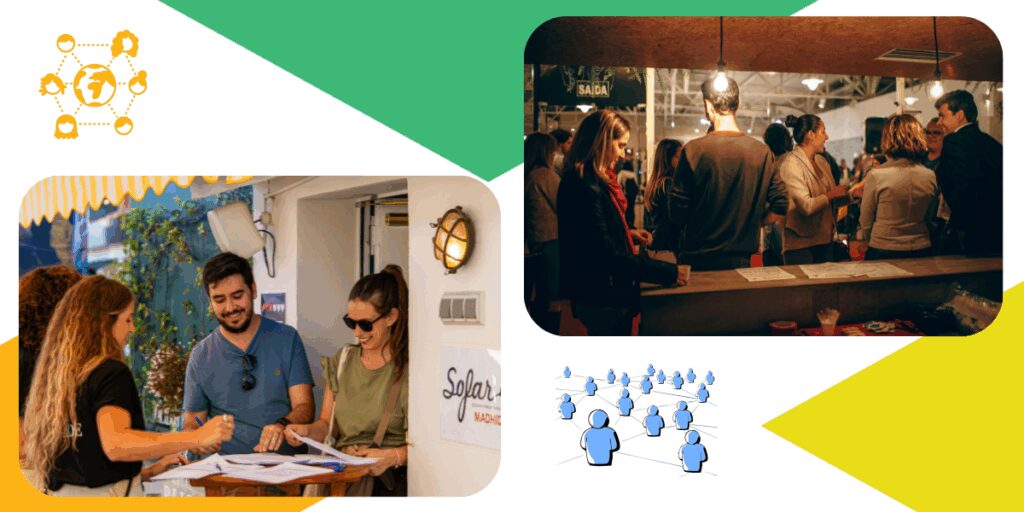
Hybrid events thrive when they foster meaningful interaction between in-person and virtual participants through chat, breakout rooms, and networking lounges. Live discussions, polls, and interactive Q&A sessions keep audiences engaged. Emphasizing collaboration and community-building opportunities strengthens connections, creating a unified experience that bridges both physical and digital spaces.

Hybrid events must prioritize accessibility with captions, translations, and screen-reader–friendly platforms for virtual attendees. Scheduling sessions with global time zones in mind broadens participation. Featuring diverse speakers and inclusive content ensures the experience resonates with all audience segments, creating a more engaging and equitable event for everyone.

Effective hybrid event marketing targets both in-person and virtual audiences. Use email campaigns, social media outreach, and partner networks to maximize visibility and attendance. Clearly communicate the unique benefits of each participation option, helping potential attendees choose the format that best fits their needs and encouraging strong overall turnout.

Hybrid event success depends on tracking registrations, attendance, engagement, and feedback from both in-person and virtual participants. Analyzing these insights helps assess ROI, pinpoint improvement opportunities, and guide future planning. Segmenting data further reveals audience preferences and behaviors, enabling more targeted and effective event strategies.
Summary
Here, we discussed what makes hybrid events successful, including marketing, inclusivity, analytics, and much more. You now know how to host a successful hybrid event, focusing on networking, inclusivity, and analytics to gauge success. Successful hybrid events rely on clear objectives, strong technology, engaging content, interactive features, accessible design, effective marketing, and meaningful analytics.

When organizers prioritize seamless, valuable experiences for both in-person and virtual attendees, hybrid formats thrive. To elevate your next event, use platforms like Chati to maximize engagement and deliver measurable results. Please contact Chati if you would like to know more about how we can provide successful hybrid events.
Virtual events are becoming a core part of corporate strategy as organizations seek scalable, cost-effective ways to connect with their audiences. Beyond marketing, they boost lead generation, strengthen brand visibility, and improve team engagement across distributed workforces. This article outlines how businesses can leverage virtual event strategies to drive measurable growth, deepen relationships, and remain competitive in a rapidly evolving digital landscape.

Virtual events enable businesses to reach global audiences instantly, eliminating travel and budget barriers. They create opportunities to engage clients, partners, and stakeholders across regions with minimal logistical effort. From virtual product launches to online trade shows and international webinars, these formats expand market access and help organizations establish stronger global connections while scaling their outreach efficiently.

Compared to traditional in-person events, virtual formats offer far lower costs and a more substantial return on investment (ROI) by eliminating travel, venue, and staffing expenses while still generating high-quality leads. Registration forms, live chats, polls, and interactive sessions provide real-time engagement, and automated follow-up emails help businesses capture, qualify, and nurture prospects more efficiently than most physical events.

Virtual events boost engagement through Q&A sessions, polls, and networking features that keep participants actively involved. They help maintain relationships when in-person meetings aren’t possible, ensuring consistent communication. Effective post-event follow-ups—such as recap emails, shared resources, and personalized outreach—strengthen connections and extend the value of every interaction.

Businesses can use webinars and virtual workshops to train employees efficiently, delivering consistent instruction across teams. Interactive elements, such as quizzes, breakout sessions, and hands-on demos, keep learners engaged. This approach strengthens knowledge retention, builds confidence, and boosts overall morale by making training more collaborative, accessible, and effective.

Virtual event analytics track attendance, engagement, and content performance, giving businesses clear insights into audience behavior. These metrics help refine marketing efforts, strengthen sales strategies, and inform future event planning. Actionable data—such as session popularity, poll responses, and resource downloads—guides smarter decisions and drives more effective, targeted outreach.

Webinars, panel discussions, and virtual summits help position a business as an industry leader by showcasing expertise and thought leadership. Creating shareable content and promoting it on social media expands visibility. Consistently delivering high-quality virtual events strengthens long-term brand credibility and reinforces the company’s presence in its market.
Summary
Virtual events offer global reach, cost savings, intense engagement, efficient employee development, and data-driven insights that elevate strategy. Businesses should integrate them into marketing, training, and networking to stay competitive and scalable.
To deliver impactful experiences of any size, organizations can explore platforms like Chati for streamlined, high-quality virtual event execution. Please contact Chati if you would like to learn more about how we can help your business thrive with our virtual events.
Virtual events are now essential for business outreach, remote learning, and telehealth. Their impact is significant, but even minor mistakes can significantly reduce engagement, attendance, and ROI. Here, we will discuss the most common pitfalls in planning and execution and offer straightforward strategies to avoid them and deliver consistently compelling virtual experiences. Through this, you will be prepared to address mistakes before they happen, resulting in an impactful and engaging virtual event for everyone.

Unclear objectives, missing timelines, and uncoordinated sessions weaken any virtual event by creating confusion and disrupting flow. A detailed agenda, clearly assigned roles, and a well-structured production schedule keep the team aligned from planning to execution. Early platform testing and full rehearsals reveal problems before they affect attendees, helping to ensure a smooth, confident, and reliable event experience.

Passive, low-interaction virtual events tend to lose audiences quickly and reduce their overall impact. Keeping participants engaged requires intentional design that utilizes polls, Q&A sessions, breakout rooms, and simple gamified activities to foster steady involvement. Collecting live feedback throughout the event enables you to adjust the pacing, clarify confusing points, and tailor the content in real-time, which strengthens attention, improves learning, and delivers a more dynamic and practical experience.

Technical issues such as poor audio or video quality, platform crashes, and login problems can interrupt momentum and frustrate attendees. Careful platform vetting, thorough dry runs, and real-time tech support reduce the chance of disruption. For mission-critical sessions, having clear backup plans ensures continuity even if something fails, thereby protecting the event’s professionalism, participant experience, and overall impact, while maintaining confidence among speakers and viewers alike.

Excessively long sessions or dense presentations drain focus and reduce retention during virtual events. Keeping each segment concise, visually engaging, and interactive helps maintain energy and attention. Mixing formats, such as keynotes, panels, demos, and short networking breaks, provides natural pacing, prevents fatigue, and gives attendees multiple ways to stay engaged, creating a more dynamic and memorable overall experience.

Overlooking accessibility limits on who can attend lowers overall engagement. Inclusive design enhances reach, so consider adding closed captioning, multilingual support, and screen reader compatibility to remove barriers. Plan schedules with global audiences in mind by offering sessions at varied times or providing quality on-demand access. These steps create a more welcoming and flexible environment that boosts participation and enhances event impact.

Post-event communication is essential for sustaining value after a virtual event. Sharing recordings, resources, and short surveys reinforces learning and keeps attendees engaged. Thoughtful follow-up also helps you track ROI by showing what resonated and where attention dipped. Utilize analytics derived from participation data, survey responses, and content views to gauge success. These insights strengthen relationships and planning.
Summary
Successful virtual events rely on avoiding common mistakes through precise planning, intense engagement, and dependable technology. Organizers should set focused goals, create structured schedules, and design interactive, accessible sessions. Careful preparation, innovative tools, and consistent follow-up strengthen impact.
To streamline everything from planning to delivery, consider using platforms like Chati, which simplifies logistics, improves reliability, and helps teams execute polished, high-performing events. Please contact Chati to learn how we mitigate mistakes in our virtual events, as well.
Virtual events have become essential in healthcare post-pandemic, enabling accessible medical training, global conferences, patient education, and community outreach. These platforms support collaboration, knowledge sharing, and engagement across distances. Here, we explore why healthcare professionals and organizations are increasingly adopting virtual formats, including their benefits in enhancing learning, communication, and public health impact. Through this, you will be able to host a successful healthcare-themed virtual event while prioritizing attendee engagement and education.

Virtual healthcare events now power global connection and learning. Medical conferences and seminars unite doctors, nurses, and researchers worldwide without travel barriers. Patient education sessions provide valuable insights into various conditions and wellness topics. Community health events effectively engage diverse populations. These formats expand reach, reduce costs, and connect broader audiences with fewer logistical constraints.

Virtual events help healthcare organizations save on venues, travel, accommodations, and printed materials. These savings can be redirected toward enhanced content, advanced technology, and broader outreach. Hospitals and medical associations increasingly leverage virtual platforms to maximize ROI, improving education, engagement, and access while reducing operational costs and environmental impact.

Interactive Q&A sessions, live polls, chat rooms, and breakout sessions encourage active participation. Virtual demonstrations and case studies enable real-time learning experiences. Gamification elements and certification opportunities further enhance attendee motivation, engagement, and knowledge retention in healthcare virtual events, thereby improving overall learning effectiveness and satisfaction.

Virtual healthcare events provide live-streamed and on-demand sessions, enabling multi-location staff and global participants to join without disrupting their work schedules. This flexibility simplifies recurring training, CME programs, and symposiums, ensuring consistent access to education and professional development across time zones and institutions.

Virtual platforms enable tracking of attendance, participation, and engagement for internal evaluation. Attendee feedback helps assess the quality and effectiveness of the content. These analytics support compliance tracking, CME reporting, and accreditation requirements, ensuring accountability and continuous improvement in healthcare education and professional development initiatives.

By reducing travel, virtual healthcare events lower carbon footprints and supporting socially responsible practices. They also promote global knowledge sharing and collaboration, enabling healthcare professionals to connect and learn without being constrained by geography or environment.
Summary
Here, we discussed how virtual healthcare events offer broader reach, cost efficiency, engagement, flexibility, and measurable outcomes. By integrating them into ongoing education and outreach efforts, organizations can enhance their impact and accessibility. Healthcare professionals should consider platforms like Chati to host secure, compliant, and interactive virtual events that advance learning and collaboration worldwide.
Please contact Chati to find out more about how we can organize and host exciting and impactful virtual events focused on healthcare while helping your attendees achieve their personal and professional goals.
Virtual events are transforming education through online lectures, workshops, and conferences that promote flexibility, accessibility, and engagement. They benefit students, educators, and administrators by removing physical barriers and enhancing participation. This article aims to simplify the planning and hosting of impactful virtual events, empowering educational institutions to create dynamic, inclusive, and compelling learning experiences.
Here, we will discuss how to simplify virtual events for educational purposes, including event types, strategies, measuring success, and more. Through this, you will have the knowledge and resources to host a successful virtual event while prioritizing educational activities for attendees.

Educational institutions now host a variety of virtual events, including online lectures and seminars accessible to global audiences; interactive workshops and labs that use digital tools for hands-on learning; and virtual career fairs that connect students with employers and alums. Open houses and orientations are also held online to engage prospective students and parents. Each format adapts seamlessly through live streaming, breakout rooms, chat features, and interactive platforms that enhance accessibility and participation.

Successful virtual education relies on user-friendly, secure platforms with integrated engagement tools such as live chat, Q&A, polls, breakout rooms, and on-demand content. These features enhance interaction and accessibility while ensuring scalability, enabling institutions to host anything from large lectures to campus-wide events and multi-session academic conferences with ease.

Virtual education thrives on interactive elements like quizzes, polls, and live discussions that sustain attention and engagement. Personalized experiences—such as tailored session tracks, recommended content, and adaptive learning paths—enhance learning outcomes. Collaboration is fostered through breakout groups, discussion forums, and peer-to-peer networking, creating dynamic, connected virtual learning environments.

To ensure full participation, virtual events should include closed captioning, multilingual support, and screen reader compatibility. Inclusive scheduling accommodates students across time zones, promoting equitable access for international or remote learners. Additionally, offering diverse resources—such as visual, auditory, and interactive materials—supports various learning styles and fosters an inclusive educational experience.

Measuring success in virtual education involves tracking attendance, engagement scores, feedback surveys, and content interaction. Analyzing these metrics helps educators refine future events for greater impact. Post-event strategies—such as sharing session recordings, supplementary materials, or follow-up surveys—extend learning opportunities and strengthen engagement beyond the live experience.
Summary
Here, we discussed how to simplify virtual events for educational purposes, covering event types, strategies, measuring success, and more. In the future, you will have the tools and resources to organize a successful virtual event while enabling your attendees to engage in educational activities to help them achieve their personal and professional goals.
Virtual events offer educational institutions unmatched accessibility, engagement, flexibility, and global reach. Schools can start small—such as hosting online lectures or workshops—and gradually expand to larger events. Please contact Chati to learn how you can host professional, interactive, and scalable virtual experiences that enhance learning and community connection.
Virtual events—digital gatherings enabling global participation—are increasingly vital across corporate, educational, and nonprofit sectors. As organizations transition from traditional in-person formats to digital-first experiences, they gain greater flexibility, cost savings, and operational efficiency. This article explores the primary benefits of hosting virtual events and how they enhance engagement, accessibility, and organizational impact in today’s connected world.
Here, we will discuss the top benefits of hosting virtual events, including cost savings, enhanced engagement, sustainability, and more. Through this, you will be able to host successful and engaging virtual events while helping your attendees achieve their personal and professional goals.

Virtual events remove travel barriers, enabling participation from anywhere in the world. They foster inclusivity by welcoming attendees across diverse regions, backgrounds, and time zones. From global webinars and international conferences to large-scale virtual trade shows, these digital platforms connect hundreds or even thousands of participants, creating accessible, borderless opportunities for learning, networking, and collaboration.

Virtual events significantly cut costs by eliminating expenses for venues, catering, travel, and printed materials. Organizations also save on staffing and logistics while still delivering engaging, high-quality experiences. These financial savings can be strategically reinvested in marketing, content development, or enhanced event features to maximize reach, engagement, and overall impact.

Virtual events offer unmatched flexibility by accommodating busy schedules through on-demand access and multiple session times. Organizers can easily host hybrid or multi-day formats without added costs. Attendees benefit from convenience—no travel required, effortless participation, and access to recorded sessions—making it easier to engage, learn, and connect on their own terms.

Virtual events enhance engagement through tools like live polls, chat rooms, breakout sessions, and gamified challenges that encourage active participation. Real-time feedback and two-way communication between speakers and attendees create dynamic, interactive experiences. Successful strategies—such as Q&A sessions, virtual networking lounges, and leaderboard-based games—help sustain attention and boost audience involvement throughout events.

Virtual event platforms track key metrics like attendance, engagement, and content consumption, providing valuable performance data. These insights help organizers refine future events, optimize marketing strategies, and demonstrate ROI. For sponsors, actionable analytics reveal audience interests and behaviors, enabling more targeted outreach and improved event effectiveness overall.

Virtual events significantly reduce carbon footprints by eliminating travel and minimizing resource use. They align seamlessly with corporate social responsibility and sustainability goals, promoting eco-friendly practices. Organizers can further enhance environmental impact through initiatives such as paperless registration, digital swag, and carbon offset programs that support greener, more responsible event strategies.
Summary
Here, we discussed the top benefits of hosting virtual events, including cost savings, enhanced engagement, sustainability, and more. You now have the tools and resources to host a successful virtual event, maximizing engagement and fostering diversity, inclusivity, and accessibility for individuals worldwide.
Virtual events deliver wide-ranging benefits—global reach, cost savings, flexibility, engagement, measurable insights, and sustainability. Far beyond a temporary alternative, they represent a strategic asset for long-term growth and connection in the digital age. Please contact Chati if you are seeking to elevate your online presence to host impactful, data-driven virtual experiences.
Since the pandemic, virtual events have evolved from a temporary solution into a cornerstone of modern communication. In 2025, they’re shifting toward more innovative, more immersive, and audience-centered experiences. This article explores the latest trends driving that transformation, focusing on innovation, inclusivity, and the seamless integration of advanced technologies that shape the future of digital engagement. Here, we will discuss the virtual event trends that are shaping 2025, including AI engagement, hybrid events, accessibility, and more. With this, you will know how to organize and execute an impactful virtual event while striving to meet your attendees’ personal and professional goals.

AI is revolutionizing virtual events by personalizing attendee experiences—from customized content suggestions to intelligent networking matches. Smart chatbots now offer real-time support, while AI-driven analytics provide instant insights into engagement. Together, these innovations create highly tailored experiences that boost attendee satisfaction, strengthen retention rates, and set a new standard for event personalization.

3D environments, virtual reality (VR), and augmented reality (AR) are rapidly transforming virtual events into interactive, lifelike experiences. Immersive settings foster deeper engagement and make online gatherings feel tangible and memorable. Examples include virtual trade show booths, interactive product demonstrations, and digital campuses—each redefining how participants explore, connect, and engage in dynamic event spaces.

Organizations are increasingly embracing hybrid event models that combine virtual and in-person experiences for greater reach and impact. These blended formats enhance accessibility, reduce environmental impact, and foster inclusive participation. Success relies on robust technology—seamless live streaming, synchronized engagement tools, and integrated platforms that ensure audiences everywhere can connect, interact, and engage in real time.

Virtual and hybrid events significantly cut travel emissions and on-site waste, making them vital to sustainable event strategies. As eco-conscious practices become central to corporate social responsibility, organizers are adopting greener approaches—such as offering digital swag, implementing carbon offset programs, and using paperless engagement tools—to reduce environmental impact while maintaining meaningful attendee experiences.

Advanced analytics are empowering organizers to fine-tune content and audience targeting with precision. By tracking key metrics such as session duration, engagement rates, and conversion performance, event teams can better understand attendee behavior. Post-event data analysis then drives more innovative strategies, enabling continuous improvement and more impactful, data-informed virtual and hybrid event experiences.

Closed captioning, multi-language support, and screen-reader optimization are making virtual events more accessible than ever. These inclusivity features expand audience reach, foster equitable participation, and enhance brand reputation. By adopting tools that prioritize accessibility, organizers ensure every attendee—regardless of ability or language—can fully engage in a seamless, inclusive event experience.
Summary
Here, we discussed the virtual event trends that are shaping 2025, including AI engagement, hybrid events, accessibility, and more. Armed with this knowledge, you can now organize and execute engaging virtual events that meet your attendees’ personal and professional goals while ensuring a return on investment.

The trends defining 2025 reflect a maturing digital event ecosystem driven by innovation and engagement. Successful virtual events now blend advanced technology, creative design, and authentic human connection. To stay ahead, organizers should explore modern platforms like Chati, which embody these evolving trends and empower truly immersive, inclusive, and data-driven event experiences. Please contact Chati if you have any questions regarding how we can improve virtual event trends for the future.
Audience engagement in virtual events extends beyond mere attendance, encompassing active participation and a genuine emotional connection. Yet, organizers face digital fatigue, distractions, and a decline in in-person energy. This article examines practical strategies to enhance the dynamic, interactive, and memorable aspects of online events, enabling hosts to captivate audiences and create impactful virtual experiences that sustain attention and contribute to overall event success.
Here, we will discuss the top ways virtual events boost audience engagement, including the use of interactive tools, captivating content, measuring success, and more. With this, you will have the tools and resources to host a successful and impactful virtual event while prioritizing audience engagement.
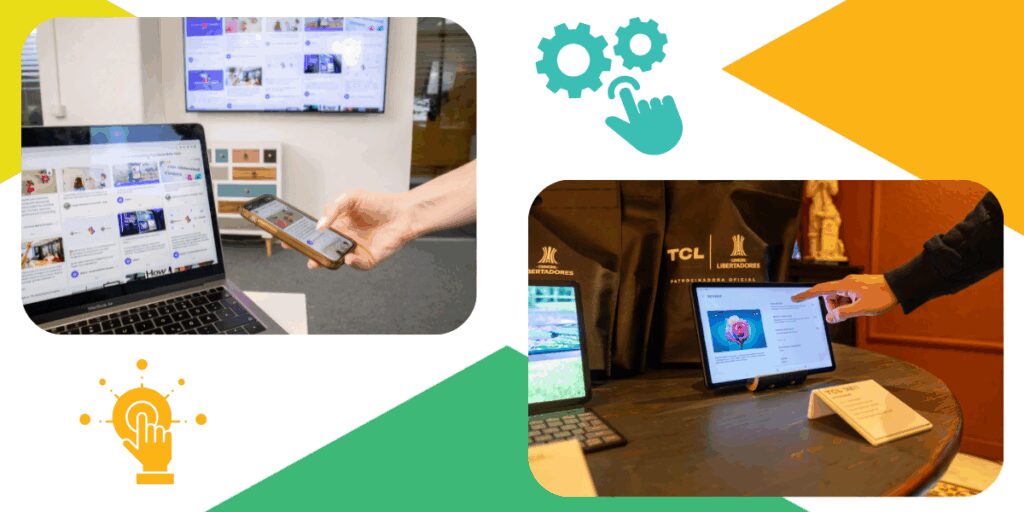
Interactive elements, such as polls, live chat, Q&A sessions, and gamification, keep virtual audiences active and engaged. These tools transform events into two-way experiences, encouraging participation rather than passive viewing. Advanced features such as breakout rooms, networking lounges, and live quizzes replicate real-world interactions, fostering deeper connections. Selecting a virtual event platform with strong real-time engagement capabilities ensures seamless, immersive, and impactful audience experiences.

Personalized event experiences make attendees feel valued and understood. Tailored agendas, custom content tracks, and interest-based recommendations create more meaningful interactions. By responsibly using attendee data, organizers can customize event journeys and follow-up materials to match individual preferences. This personalization enhances engagement, increases retention, and boosts post-event satisfaction, ultimately fostering stronger connections and encouraging future participation in virtual events.

Concise, visually engaging presentations and well-paced sessions are essential for holding audience attention. Incorporating multimedia elements, such as videos, animations, and infographics, helps prevent monotony. Mixing formats—such as keynotes, panels, demos, and networking breaks—keeps the experience dynamic and engaging. Additionally, limiting session length helps sustain focus, ensuring attendees remain attentive and engaged throughout the virtual event.

Digital networking tools, such as chat groups, one-on-one meetings, and topic-based lounges, foster meaningful relationships. Social media integration and virtual “hallways” replicate spontaneous interactions found at in-person events. These connections foster stronger communities, enrich attendee experiences, and encourage repeat participation, ultimately creating lasting engagement beyond the event itself.

Key engagement metrics—such as participation rates, chat activity, poll responses, and content downloads—reveal audience involvement. Post-event surveys gather valuable feedback. Analyzing these data-driven insights helps organizers refine future events, enhance attendee experiences, and clearly demonstrate return on investment to stakeholders.
Summary
Here, we discussed the top ways in which virtual events enhance audience engagement, including the use of interactive tools, creating captivating content, measuring success, and more. With this, you will have the tools and resources to host a successful and impactful virtual event while prioritizing audience engagement.
We encourage organizers to invest in interactive, personalized, and community-driven approaches to enhancing virtual events through audience engagement. Please contact Chati to discuss how we can further improve audience engagement in our virtual events.
Gamification uses game-like elements to make virtual events more interactive and rewarding, boosting attendee engagement and participation. As audience expectations rise, simply presenting content isn’t enough—gamified experiences capture attention, improve knowledge retention, and enhance satisfaction. This increased engagement ultimately drives stronger ROI for organizers through higher participation and lasting impact.
Here, we will discuss the top ways to gamify your virtual event content, including elements, integrations, rewards, and more. Through this, you will be able to organize a successful virtual event while using gamification to enhance your attendees’ experience.
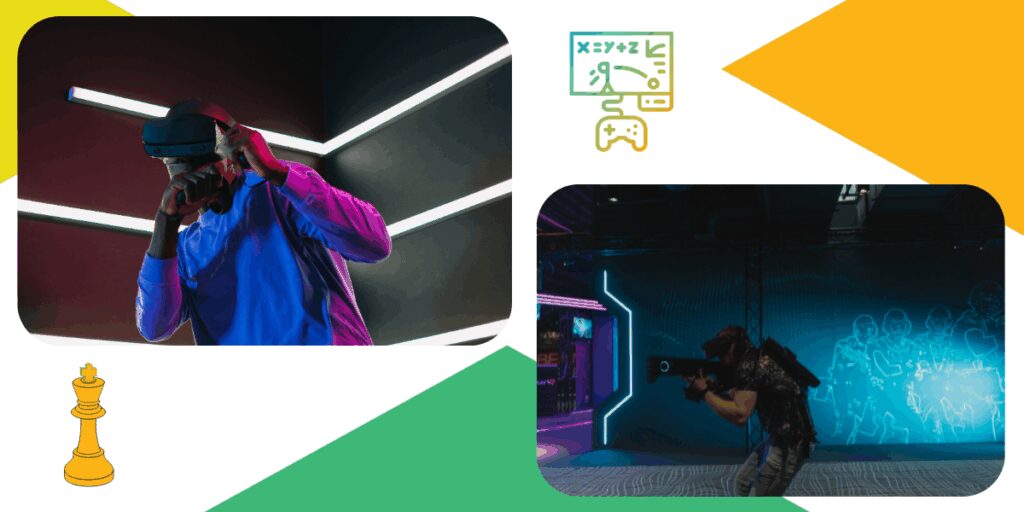
Gamification in online events applies game mechanics like points, rewards, and challenges to boost interaction. Rooted in psychology, it taps into competition, achievement, and dopamine-driven motivation to sustain interest. Unlike basic engagement tactics, structured gamification systems use clear goals and feedback loops to create immersive, rewarding participant experiences.

Gamification elements include points, badges, and leaderboards (PBL) to spark competition, quizzes and trivia for learning, scavenger hunts for exploration, and raffles or spin-the-wheel for excitement. Selecting the right mix depends on audience demographics and event goals, ensuring activities resonate, motivate participation, and align with desired engagement outcomes.

Choose event software with robust, built-in gamification tools that fit your goals. Embed games seamlessly to enhance engagement without interrupting sessions. Prioritize platforms that integrate smoothly with mobile apps and hybrid event technologies, enabling interactive features, real-time participation, and a cohesive experience across in-person and virtual audiences.

Rewards like digital badges, gift cards, exclusive content, and networking perks motivate participants by tapping into achievement and recognition psychology. Incentives trigger positive emotions and drive continued engagement. Effective reward structures balance instant gratification with meaningful benefits, encouraging active participation, sustained interest, and a stronger connection to the event experience.

Leaderboards and team challenges boost motivation and friendly competition while fostering networking through collaboration. Social gamification strategies, like team-based contests, successfully build community, increase engagement, and create memorable shared experiences that strengthen participant connections and event impact.

Tracking engagement metrics like participation rates, dwell time, and conversions provides valuable insights into attendee behavior. Real-time analytics help refine gamified experiences during events, while post-event analysis identifies strengths and gaps to optimize strategies for future engagement and success.
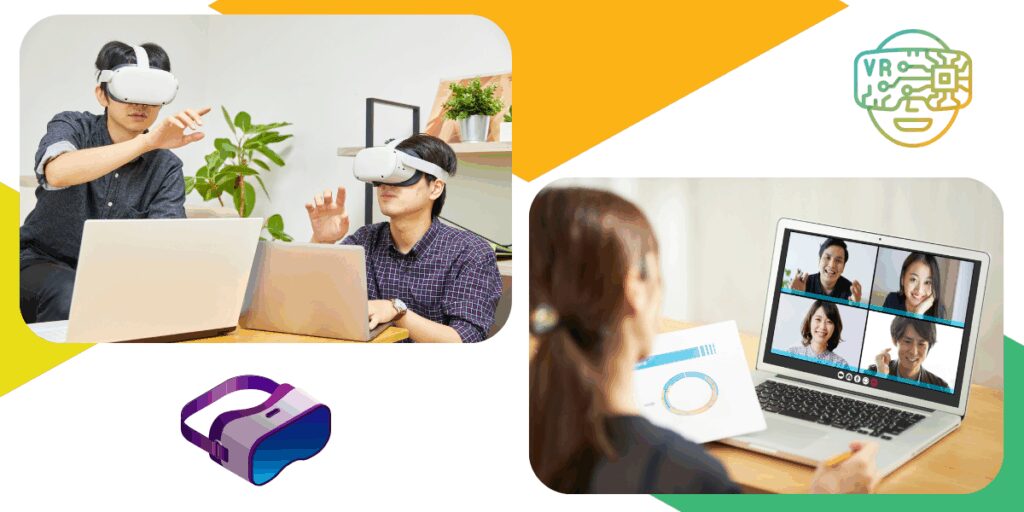
Common gamification mistakes include overcomplicating game structures, which can confuse participants, neglecting inclusivity and accessibility, which limits engagement, and prioritizing rewards over overall experience, which can undermine meaningful interaction and long-term attendee satisfaction. Simplicity, inclusivity, and balance drive success.

Brands using gamification report higher engagement, improved attendee satisfaction, and increased conversions. Success stories show how interactive strategies drive measurable results, proving gamification’s effectiveness in creating memorable, goal-driven virtual event experiences.
Summary
Here, we discussed the top ways to gamify your virtual event content, including elements, integrations, rewards, and more. Armed with this knowledge, you now have the tools and resources to host a successful virtual event while prioritizing gamification to enhance your attendees’ experience.
We encourage readers to incorporate gamification into their next virtual event, and please contact Chati if you have any ideas how we can do the same.