

Event management has evolved from basic coordination to strategic planning, now essential for success. This post explores its transformation, highlights the value of strategy, and offers readers practical insights to plan and execute impactful events. Here, we will explore proven strategies for successful event management, including key phases, must-have tools, navigating logistics, common challenges, and more. Through this, you will have the tools and resources to plan and execute successful event management strategies with the goal of helping your audience achieve their personal and professional goals.
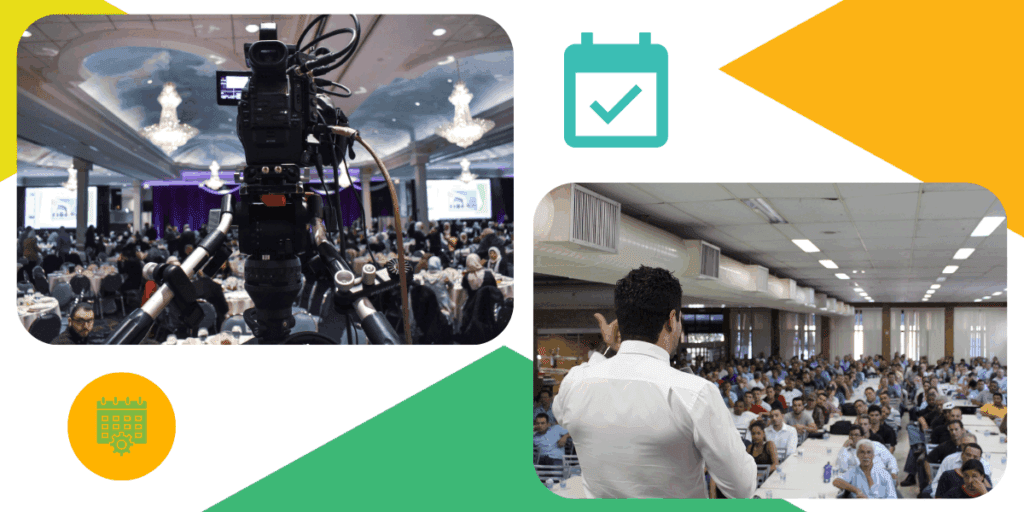
From corporate events to virtual and hybrid experiences, conferences, trade shows, weddings, and galas, today’s events embrace diverse formats, each designed to connect people, foster engagement, and create lasting memories for businesses, organizations, and individuals alike.

Successful events require thoughtful conceptualization and goal setting, precise budgeting, and efficient resource allocation. From venue selection and vendor coordination to marketing, on-site logistics, and post-event evaluation, each stage plays a crucial role in delivering impactful, well-executed experiences.

Modern events thrive by incorporating technology like AR/VR, event apps, and live streaming, while personalizing attendee experiences. Leveraging data analytics, feedback tools, and prioritizing accessibility and inclusivity ensures every participant feels engaged, valued, and seamlessly connected to the event’s purpose.

Event success is enhanced through event management software platforms, CRM and registration tools, live polling, and engagement apps. Combined with project management software, these technologies streamline planning, boost attendee interaction, and ensure seamless coordination from concept to post-event evaluation.

Effective event promotion leverages social media campaigns, targeted email marketing workflows, and influencer or speaker partnerships. By creating buzz with engaging pre-event content, organizers can maximize visibility, build anticipation, and drive strong attendance for a memorable, impactful experience.

Successful events rely on clear vendor contracts and contingency plans, detailed timelines and run-of-show, and seamless staff and volunteer coordination. Prioritizing guest management and safety protocols ensures smooth execution, minimized risks, and a positive experience for all attendees.

Sustainable events embrace eco-friendly practices like digital invitations and zero-waste initiatives, while integrating DEI considerations into programming. By prioritizing local sourcing and community engagement, organizers create inclusive, responsible experiences that positively impact both attendees and the surrounding environment.

Event success requires anticipating challenges like budget constraints, last-minute cancellations, venue or technology issues, and low attendance. Proactive planning, contingency strategies, and targeted promotion help mitigate risks, ensuring smooth execution and strong participation despite unexpected obstacles.
Summary
Here, we discussed essential event strategies and tools for event management, including key phases, must-have tools, navigating logistics, common challenges, and more. Armed with this knowledge, you now have the tools and resources to host successful events that enables strong attendee engagement.

We encourage readers to stay agile and innovative in their planning involving event management. To deepen your expertise, please contact Chati regarding how you can incorporate these strategies into your next virtual event.
The manufacturing industry is rapidly evolving, driven by automation, data, and innovation. Staying ahead of trends and technology is crucial, with Industry 4.0 and digital transformation reshaping operations, efficiency, and global competitiveness. Here, we will discuss the future of manufacturing, including key technologies, supply chain resilience, sustainability, future strategies, and more. Through this, you will have the tools and resources to embrace and adapt the future of manufacturing.

Smart manufacturing systems are transforming production with increased use of IoT and real-time data, enabling greater efficiency. Additive manufacturing continues to grow, supporting mass customization and flexible production lines tailored to evolving consumer demands and market trends.

Artificial intelligence and machine learning are powering robotics and industrial automation, streamlining processes and boosting productivity. Cloud and edge computing enable faster data access, while digital twins and simulation technologies enhance design, testing, and real-time operational insights.

Manufacturing innovations deliver speed, efficiency, and cost savings across assembly, packaging, and logistics. Real-world applications highlight how automation enhances productivity. Human-machine collaboration, especially through cobots, ensures safety and flexibility while maximizing output in modern, tech-driven production environments.

Recent global disruptions have underscored the need for resilient supply chains. Predictive analytics and AI now play key roles in anticipating risks and optimizing operations. Meanwhile, nearshoring and reshoring trends are reshaping manufacturing strategies for greater stability.

Manufacturers are embracing green materials and eco-friendly production methods to reduce environmental impact. Energy-efficient systems support carbon reduction, while aligning with regulatory compliance and ESG goals, driving sustainability as a core priority in today’s industrial landscape.

Manufacturers face challenges including labor shortages, a growing skills gap, and rising cybersecurity risks. Capital investment decisions are increasingly weighed against ROI concerns, while regulatory pressures add complexity, requiring strategic planning to maintain competitiveness and ensure long-term resilience.

To stay competitive, manufacturers are upskilling in their workforce, investing in modular, scalable technologies, and building strong supplier partnerships. By leveraging data for proactive decision-making, they enhance agility, efficiency, and resilience in an ever-evolving industrial landscape.
Summary
Here, we discussed the future of manufacturing, including key technologies, supply chain resilience, sustainability, future strategies, and more. Now, you are well-prepared to embrace the future of manufacturing, including key trends like AI, IoT, and sustainable practices that are reshaping manufacturing.

We encourage readers to embrace the future of manufacturing, including changes in trends and technologies, and how this can be incorporated into your next virtual event. To stay ahead, businesses must innovate and adapt. Explore deeper insights and contact Chati today for a personalized consultation on future-ready manufacturing strategies.
The shift from static video conferencing to immersive 3D environments, powered by virtual reality and augmented reality (VR/AR), is reshaping attendee expectations and event outcomes. Increasingly accessible, these technologies now enhance engagement at events of all sizes. Here, we will discuss how to incorporate immersive VR/AR into your virtual events, including why they work, best strategies, measuring engagement, and more. With this, you will have the tools and resources to organize impactful virtual events for worldwide audiences.

Immersive experiences boost attendee engagement and content retention through hands-on learning, creating emotional connections and memorable “wow” moments. These benefits extend across industries like education, healthcare, manufacturing, and marketing, transforming how people learn and connect.

1. Virtual Trade Shows and Expo Halls
Fully navigable 3D booths features interactive product displays and holographic demonstrations, offering immersive exploration. Advanced attendee tracking and engagement analytics provide valuable insights, enabling exhibitors to understand visitor behavior and optimize interactions for greater event success.
2. Virtual Venue Tours
VR enables attendees and clients to virtually walk through real-world locations, enhancing hospitality, real estate, and event planning showcases by providing immersive, detailed tours that improve decision-making and elevate the overall experience.
3. Immersive Training and Workshops
AR overlays and VR environments offer hands-on learning experiences, enhancing training and skill development. These technologies are especially popular in healthcare, manufacturing, and technical fields, where immersive practice improves accuracy, safety, and knowledge retention.
4. AR-Powered Presentations and Keynotes
Augmented infographics, interactive slides, and visual storytelling create dynamic presentations that engage audiences more deeply than traditional slide decks or pre-recorded videos, transforming passive viewing into active participation for better understanding and lasting impact.
5. Networking in Virtual Reality
Avatar-based interactions in digital social lounges use realistic movement, spatial audio, and a strong sense of presence to simulate face-to-face conversations, creating immersive, natural social experiences that enhance virtual networking and connection.
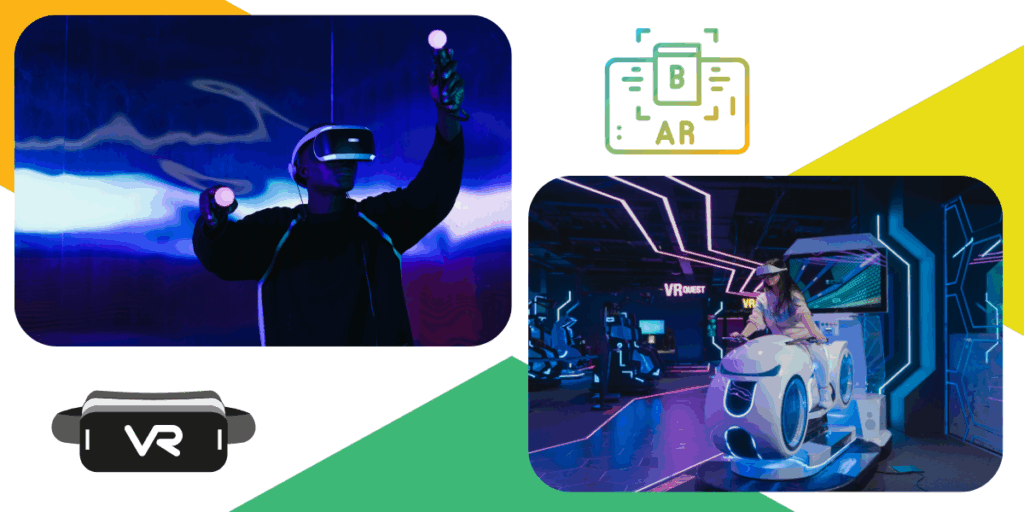
Leading immersive platforms like Virbela, MootUp, Spatial, and Engage offer diverse virtual experiences. Key considerations include headset compatibility, browser-based access, and real-time interaction support to ensure seamless, engaging participation for all users.
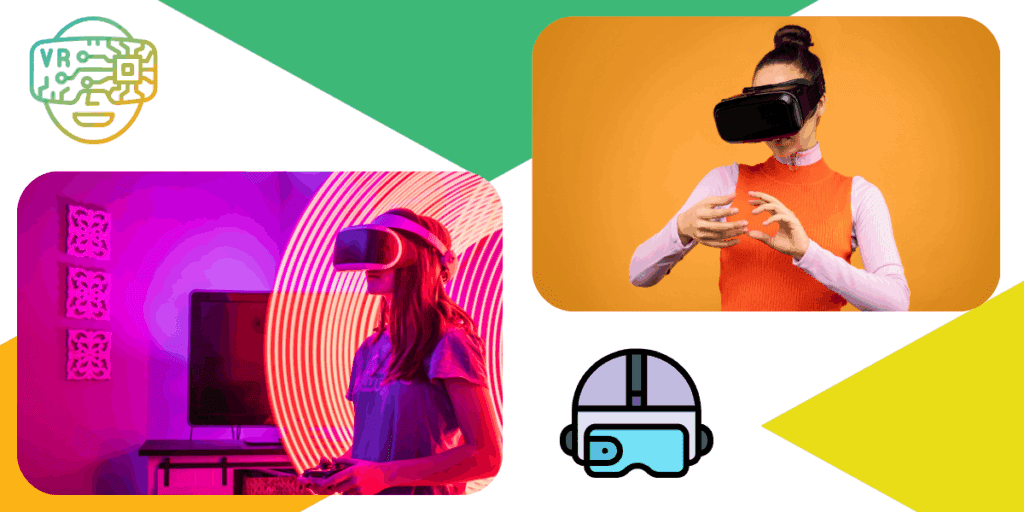
Understanding your audience’s tech readiness—whether VR headsets or mobile AR—is essential. Keep experiences intuitive and optional, providing tutorials and support for first-time users to ensure smooth adoption and maximize engagement across diverse participants.
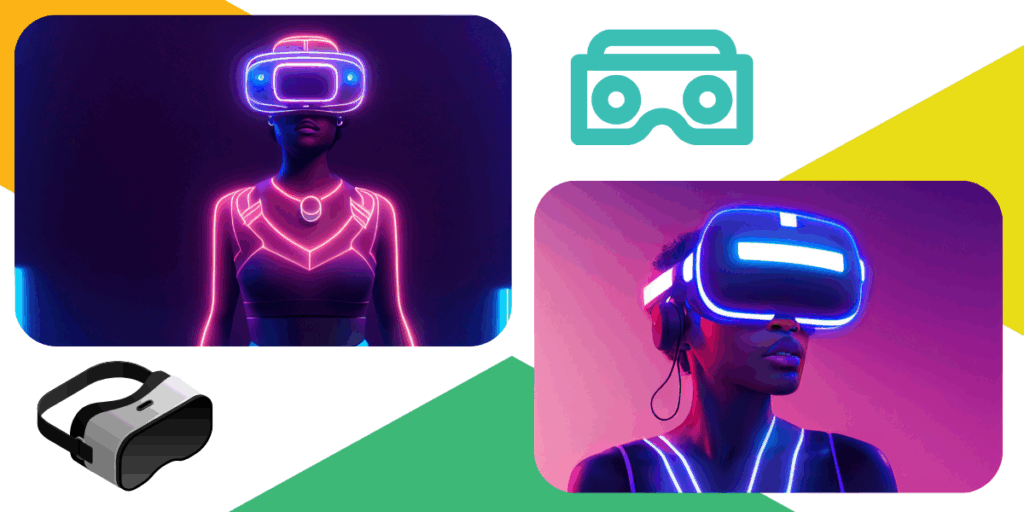
Key metrics like session time, booth dwell time, interaction rates, and feedback surveys provide valuable event insights. Heatmaps and movement tracking further reveal attendee behavior patterns, helping organizers optimize layouts and enhance overall engagement effectiveness.

Prioritize accessibility and device compatibility across headsets, mobile, and desktops while managing costs and avoiding tech fatigue. Focus on creating immersive content that delivers meaningful impact rather than relying solely on novelty to engage audiences effectively.
Summary
Here, we discussed how to incorporate immersive VR/AR into your virtual events, including why they work, best strategies, measuring engagement, and more. Now armed with this knowledge, you have the tools and resources to organize impactful virtual events, enabling worldwide audiences to achieve their personal and professional goals.

We encourage organizers to pilot immersive elements to boost engagement and differentiation, resulting in increased diversity, inclusivity, and connectivity for audiences worldwide. Please contact Chati for more information about incorporating VR and AR into your next virtual event, as VR and AR are no longer niche, they’re essential tools in the modern virtual event toolbox.
In recent years, there has been a significant shift toward data-driven event strategies, as organizers increasingly rely on measurable insights to plan, execute, and evaluate their events. Tracking performance in real time and conducting thorough post-event analysis have become essential practices for identifying what works, optimizing engagement, and making informed decisions.
Here, we will discuss how virtual and hybrid events can be successful through event analytics & dashboards, including what they are, real-time optimization, return on investment (ROI), and more. With this, you will have the tools and resources to organize a successful virtual or hybrid event, while also obtaining pertinent data and information.

Event dashboards are centralized digital platforms that collect, visualize, and track key metrics throughout the event lifecycle, offering real-time insights into everything from registration and attendee engagement to post-event ROI. By consolidating data into a single, easy-to-navigate interface, these dashboards empower organizers to monitor performance instantly, make on-the-fly adjustments, and align event outcomes with strategic goals. This comprehensive visibility enables teams to see the full picture, connecting each phase of the event journey to measurable impact and value.

1. Registration and Attendance Trends
Analyzing the difference between total registrants and actual attendance is crucial for understanding audience behavior and refining event strategies. By identifying drop-off points and tracking session attendance patterns, organizers can pinpoint when and where attendees lose interest or disengage. These insights help improve future programming, optimize scheduling, and tailor content to keep participants engaged throughout the event.
2. Engagement Metrics
Measuring interactive elements such as poll participation, Q&A activity, and chat volume offers valuable insight into attendee engagement and the overall effectiveness of event content. Coupled with data on average session duration and the most and least attended sessions, organizers can gauge which topics and formats resonate most with their audience. These metrics help refine future programming and enhance the attendee experience by focusing on what drives the highest levels of interaction and sustained interest.
3. Content Performance
Tracking views, downloads, and replays of sessions or materials provides valuable post-event insight into what content continues to engage attendees beyond the live experience. This data helps identify top-performing speakers, popular topics, and the most effective presentation formats, allowing organizers to replicate successful elements in future events. Understanding these patterns ensures content remains relevant, impactful, and aligned with audience interests.
4. Networking & Interaction Insights
Metrics like the number of 1:1 meetings, messages sent, and group chat engagement offer a clear view of how effectively an event fosters meaningful connections among participants. For platforms that include AI-powered matchmaking, tracking the success of these connections—such as accepted meeting requests or follow-up interactions—provides additional insight into the quality of networking opportunities. Together, these engagement indicators help organizers assess the strength of community-building efforts and enhance the networking experience in future events.
5. Sponsor & Exhibitor ROI Metrics
Booth visits, resource downloads, and CTA clicks are key indicators of attendee interest and sponsor visibility during an event. When combined with metrics like lead generation, dwell time, and interactive engagements, organizers and exhibitors can gain a deeper understanding of which booths or offerings captured the most attention. These insights are essential for evaluating exhibitor ROI, optimizing booth strategies, and enhancing future sponsorship opportunities.

Leading analytics-enabled event platforms such as Chati, Webex Events, ON24, Hopin, and Cvent offer robust tools to help organizers track and optimize event performance. These platforms provide a range of features designed to turn raw data into actionable insights, including customizable dashboards, real-time updates, and exportable reports. When choosing a platform, it's important to look for those that offer flexibility in data visualization, seamless integration with other tools, and the ability to generate clear, shareable summaries that demonstrate value to stakeholders.

Real-time analytics empower event organizers to make dynamic adjustments during the event, such as promoting under-attended sessions based on live attendance data. This agility also allows teams to enhance networking features or address other underperforming areas on the spot, improving the overall attendee experience. By quickly identifying content gaps and bottlenecks in attendee flow, organizers can fine-tune event execution in real time, ensuring higher engagement and smoother navigation throughout the event.

Event data plays a crucial role in creating comprehensive wrap-up reports that showcase performance to sponsors and inform internal teams. These reports highlight key metrics and engagement trends, offering valuable insights that can be applied to future event planning, such as refining agenda design, enhancing marketing strategies, and prioritizing high-performing content. Over time, collecting and comparing this data helps build historical benchmarks, enabling organizers to track progress, set realistic goals, and continuously improve the impact and effectiveness of their events.

Dashboards are powerful tools for proving event value to stakeholders by translating complex data into clear, actionable insights. By connecting attendee engagement to tangible outcomes—such as conversions, lead generation, sales, or audience growth—dashboards demonstrate the real impact of an event. When paired with effective data storytelling, these insights help retain sponsors and justify budgets by illustrating success in a compelling narrative, making it easier for decision-makers to see the return on investment and support future initiatives.
Summary
Here, we discussed how virtual events and hybrid events can be successful through event analytics & dashboards, including what they are, real-time optimization, return on investment (ROI), and more. Going forward, you will be able to organize successful virtual and hybrid events while also successfully tracking event data.

We encourage event planners to adopt tools that go beyond vanity metrics, and please contact Chati if you are interested in learning more about how we incorporate analytics into our virtual and hybrid events.
Virtual events enable audiences worldwide to engage and connect while striving to achieve their personal and professional goals. Artificial intelligence (AI) is playing an increasingly vital role in the virtual events industry, transforming how organizers plan, manage, and deliver experiences. One of AI’s most powerful contributions is enabling personalized interactions, which are essential for boosting attendee engagement and improving retention by catering to individual preferences and behaviors.
Here, we will discuss how AI-based personalization can be used to enhance virtual events, including why it matters, personalization strategies, measuring success, challenges, and more. Through this, you will have the tools and resources to use AI for enhancing your virtual event experience for everyone.

Traditional personalization in virtual events has often been limited by manual processes, generic content, and a lack of real-time insights, making it difficult to tailor experiences for large and diverse audiences effectively. AI overcomes these challenges by rapidly analyzing data to deliver content that is more relevant, timely, and accurate for each attendee. This not only enhances individual satisfaction by meeting specific interests and needs but also significantly boosts overall event ROI by increasing engagement, participation, and long-term value.

1. Smart Agenda Recommendations
AI curates personalized event schedules by analyzing user interests, past behavior, and real-time interactions to recommend sessions that align with each attendee’s preferences. This intelligent scheduling leads to higher session attendance. It encourages participants to stay engaged for more extended periods, as they are more likely to find content that is relevant and compelling to them.
2. Dynamic Content Curation
AI enables event platforms to deliver tailored content—such as videos, resources, and sessions—to different attendees based on their profiles and interactions. This dynamic delivery ensures each participant receives the most relevant and valuable information, enhancing their overall experience.
3. AI-Driven Networking Suggestions
AI enhances virtual networking by intelligently matching attendees based on job roles, shared interests, or behavior patterns observed during the event. This targeted approach powers features like speed networking, personalized 1:1 matchmaking, and timely follow-up reminders, making interactions more relevant and impactful. As a result, attendees are more likely to form valuable connections, contributing to a more prosperous and more productive event experience.
4. Behavior-Based Notifications
AI-driven automated nudges and reminders, triggered by attendee actions such as abandoned sessions or periods of inactivity, play a key role in maintaining engagement throughout virtual events. By delivering timely prompts tailored to user behavior, these real-time interventions help re-engage participants, guiding them back to relevant sessions or content and ensuring a smoother, more continuous experience.
5. Personalized Exhibit Hall Experiences
AI enhances virtual exhibitor booths by tailoring content, product displays, and interactions to each visitor’s profile, including their interests, industry, and past behavior. This personalized approach captures attendee attention more effectively, resulting in more extended booth visits and higher-quality leads. For sponsors and exhibitors, this means increased visibility, more meaningful engagements, and a more substantial return on investment.

Leading virtual event platforms like Swapcard, Chati, Webex Events, and ON24 are integrating advanced AI capabilities to enhance user experiences and event performance. These platforms offer powerful features such as real-time analytics to track engagement, audience segmentation for targeted content delivery, and recommendation engines that personalize sessions and networking opportunities. Together, these tools help organizers create smarter, more dynamic events that drive deeper engagement and better outcomes.

Tracking key metrics such as engagement rates, content views, networking interactions, and satisfaction scores provides valuable insights into attendee behavior and preferences. By analyzing this post-event data, organizers can refine personalization strategies for future events, delivering more targeted content, improving matchmaking, and enhancing overall user experience. This continuous feedback loop helps drive greater engagement and higher ROI over time.

As AI personalization becomes more prevalent in virtual events, it’s essential to address privacy and ethical considerations surrounding data collection and usage. Ensuring transparent data practices and offering opt-in experiences helps build trust with attendees while respecting their autonomy. Striking the right balance between automated personalization and the human touch is also key, leveraging AI to enhance, not replace, authentic, meaningful interactions.
Summary
Here, we discussed how AI-based personalization can be used to enhance virtual events, including why it matters, personalization strategies, measuring success, challenges, and more. Through this, you now have the knowledge to use AI personalization for enhancing your virtual event experience for audiences worldwide while helping them achieve their personal and professional goals.

We encourage event organizers to experiment with at least one AI-based personalization strategy in their next virtual event to enhance engagement and overall experiences. Please contact Chati to explore how AI-powered tools can deliver smarter, more engaging virtual event experiences for everyone.
The event technology landscape continues to evolve, rapidly transforming how events are planned, managed, and experienced. Technologies like AI-powered chatbots, real-time translation services, and a suite of emerging digital tools are poised to dominate the industry. Embracing these advancements is crucial for organizers seeking to enhance attendee engagement, optimize operational efficiency, and deliver memorable, future-ready events. Here, we will discuss the top event tech in 2025, including AI chatbots, real-time translation, the role of data and analytics, and more. With this, you will have the tools and resources to prepare for events for the rest of the year.

AI chatbots are intelligent virtual assistants designed to interact with users in real time, providing automated support and enhancing event experiences through personalized communication. In the context of events, they play a pivotal role in answering attendees’ questions, managing ticketing and registration, and delivering instant information, resulting in reducing the burden on event staff. Whether for virtual or hybrid events, chatbots streamline operations by assisting with scheduling, guiding attendees through platforms, and troubleshooting issues as they arise.

Real-time language translation has become essential for global events that aim to engage diverse, multilingual audiences. By leveraging advanced AI and speech recognition technologies, real-time translation tools integrate seamlessly with event platforms to provide instant subtitles, audio translations, and live captioning. This not only breaks down language barriers but also makes events significantly more accessible and inclusive, allowing attendees to participate fully in their native language.

Emerging technologies, such as augmented and virtual reality (AR/VR), are poised to revolutionize event experiences by enabling interactive virtual booths, immersive networking environments, and engaging 3D content. Coupled with AI-powered personalization, events can now offer customized agendas and content tailored to each attendee’s interests and behavior. Additionally, data-driven event management is becoming a game-changer, allowing organizers to monitor engagement, measure return on investment (ROI), and make real-time adjustments to enhance performance and attendee satisfaction.

As event technology continues to evolve, data collection and analysis are becoming central to delivering smarter, more impactful events. Platforms increasingly harness data from AI tools, chatbots, and attendee interactions to gain insights that inform strategic decision-making and refine future event planning. These insights also enable highly personalized experiences, as data is used to tailor content and interactions to individual preferences, ultimately enhancing satisfaction and maximizing the event’s value for every participant.

Integrating AI, real-time translation, VR, and analytics into a unified event platform is key to creating a seamless and efficient experience for both organizers and attendees. By streamlining these tools into a cohesive ecosystem, event planners can simplify their operations while delivering enriched and personalized experiences. Investing in this integrated tech infrastructure now is a strategic move that future-proofs event strategies, allowing organizers to stay competitive and meet evolving audience expectations in the years ahead.
Summary
Here, we will discuss the top event tech in 2025, including AI chatbots, real-time translation, the role of data and analytics, and more. Armed with this knowledge, you are now better prepared to attend virtual or hybrid events that feature the latest event tech that will help you achieve your personal and professional goals.

We emphasize the importance of adopting these technologies to improve attendee engagement, streamline event management, and boost ROI. Please contact Chati to learn how we can enhance the future of event tech and its potential to transform the events industry.
Networking remains a cornerstone of successful virtual and hybrid events, enabling attendees to build valuable relationships despite physical distance. Artificial intelligence (AI) is revolutionizing this aspect by facilitating smarter, more personalized connections based on shared interests, goals, and professional backgrounds. Here, we will discuss how AI-powered networking can help build better events, including tools and features, as well as hybrid and virtual events, and explore the future of AI-powered networking.

AI-driven matchmaking is transforming event experiences by connecting attendees based on shared interests, professional goals, and behavior patterns. Through automated recommendations, participants receive personalized suggestions for sessions to attend and people to meet, enhancing the relevance and value of each interaction. Real-time data analysis further refines this process, enabling organizers to adapt content and networking opportunities in real time to improve engagement and maximize the attendee experience.

AI is streamlining event networking through intelligent chatbots that facilitate introductions and spark meaningful conversations between attendees. These virtual assistants help break the ice and keep discussions flowing naturally. Additionally, AI-powered scheduling tools simplify the process of setting up one-on-one meetings and roundtables, ensuring optimal timing and relevance. Complementing these features are virtual business card exchanges and intelligent contact management systems, which organize and retain networking information for easy follow-up and long-term relationship building.
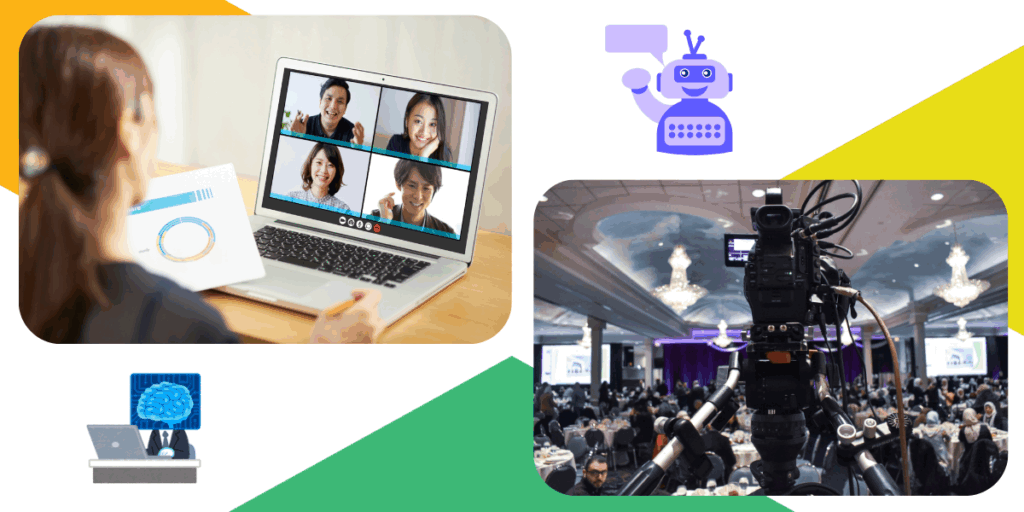
AI is helping to bridge the gap between in-person and remote attendees by creating more inclusive and engaging hybrid event experiences. Through personalized networking recommendations driven by AI analysis, participants receive tailored suggestions that enhance connection opportunities regardless of their location. Interactive tools, such as live polls and breakout discussions, further unify audiences, fostering collaboration and real-time engagement across both physical and virtual environments.

As AI and machine learning continue to evolve, they are set to further transform networking experiences by enabling deeper personalization, predictive matchmaking, and more meaningful interactions. One emerging trend is the rise of AI-driven mentorship and career matchmaking at events, where algorithms connect attendees with mentors or job opportunities tailored to their goals and expertise. However, as these technologies advance, ethical considerations around data privacy, consent, and algorithmic fairness become increasingly important, requiring event organizers to prioritize transparency and responsible AI use.
Summary
Here, we discussed how AI-powered networking can help build better events, including tools and features, as well as hybrid and virtual events and the future of AI-powered networking. We offer encouragement to event planners to integrate AI-powered networking tools into their virtual and hybrid events, enhancing attendee and engagement experiences.

Please contact Chati if you are interested in learning more about how we can explore AI-driven networking solutions for smarter connections.
Augmented reality and virtual reality (AR/VR) are immersive technologies that are increasingly shaping the future of virtual events. These technologies are becoming vital tools for enhancing engagement and interactivity, offering attendees more dynamic and memorable experiences. From virtual trade shows and product launches to interactive conferences and networking sessions, AR/VR are transforming how events are hosted and experienced. Here, we will discuss how AR/VR are impacting virtual event experiences, including boosting engagement, benefits, and the future of AR/VR.

AR/VR offer distinct yet complementary experiences in virtual events. AR enhances real-world environments by overlaying digital elements through devices like smartphones or AR glasses, making it ideal for live product demos or guided tours. In contrast, VR fully immerses users in a simulated environment, often via headsets, allowing for completely virtual conferences, expos, or training sessions. Both technologies elevate attendee engagement by creating interactive, visually rich experiences.

AR is a powerful tool for creating interactive displays and live product demonstrations, allowing attendees to visualize and engage with products in real-time through smartphones or AR-enabled devices. VR, on the other hand, enables fully immersive experiences such as virtual tours of facilities, hands-on interactive training sessions, and in-depth product explorations that transport users into a simulated environment. Both technologies also support gamification, incorporating game-like elements into events making the experience more engaging, enjoyable, and memorable for participants.

AR/VR technologies are transforming virtual events by delivering personalized and memorable experiences tailored to individual attendees. These immersive tools encourage greater interaction between speakers and participants through features like virtual Q&A sessions, real-time polls, and interactive 3D content. They also enhance networking opportunities by creating shared virtual spaces where attendees can connect, collaborate, and engage more naturally, simulating the spontaneity of in-person interactions in a dynamic digital environment.

Emerging trends in AR/VR technologies are opening new possibilities for event planners, from AI-driven personalization to fully immersive hybrid formats. By integrating AR/VR with artificial intelligence and machine learning, events can offer seamless, adaptive experiences. Additionally, the combination of VR environments with live streaming is enabling innovative hybrid event formats, where remote participants can explore virtual venues in real time while engaging with live sessions and in-person attendees, creating a truly unified and interactive experience.
Summary
Here, we discussed how AR/VR can enhance virtual events, including boosting engagement, benefits, and the future of AR/VR. From personalized content and real-time collaboration to gamified environments and virtual networking, these technologies are reshaping how events are designed and experienced.

Event planners are encouraged to explore the vast potential of AR and VR to elevate their future events, and now is the time to discover AR and VR-enabled virtual event platforms that can bring these transformative experiences to life. We encourage readers to learn how they can incorporate AR/VR into their virtual events, and please contact Chati if you would like to know more about how we incorporate AR/VR into our virtual events.
Hybrid events are becoming increasingly popular as organizations seek to expand reach and accessibility. To keep audiences engaged across both formats, delivering a seamless and unified experience is essential. Here, we will discuss the best practices for seamless hybrid event experiences, including planning considerations, technology implementation, bridging the gap between in-person and virtual experiences, common challenges, and the future of hybrid events. Through this, you will have the tools and resources to launch a successful hybrid event while enabling attendees to achieve their personal and professional goals.

Successful hybrid events start with choosing the right virtual event platform and tools that support high-quality streaming, interactive features, and seamless integration with in-person components. Additionally, it's also essential to set clear goals that address the needs and expectations of both in-person and virtual audiences, ensuring that each group finds value in the experience. Through this, you highlight the importance of crafting an engaging agenda that works for both formats, helping to maintain attention and encourage meaningful participation across the board.

Delivering a successful hybrid event involves following live-streaming best practices that ensure high-quality broadcasts, including maintaining strong internet connections, utilizing professional audio-visual setups, and implementing redundancy. Incorporating interactive tools, such as live polls, Q&A sessions, and real-time chat, keeps both virtual and in-person attendees actively engaged. Additionally, leveraging AI-powered networking and matchmaking tools can help attendees connect based on shared interests, enhancing the overall event experience and fostering meaningful interactions across formats.

Encouraging engagement between in-person and virtual attendees is essential to creating an impactful hybrid event experience. This includes strategies such as shared chat channels, cross-platform team activities, and joint Q&A sessions that can help bridge the gap between both groups. Using breakout rooms and roundtable discussions enables deeper, more focused conversations and can be tailored to accommodate mixed-format participants. Gamification techniques can further boost participation by making engagement fun and rewarding for everyone involved.

Managing technical difficulties and ensuring smooth streaming is essential for maintaining the flow of a hybrid event, which means having strong IT support, testing all equipment beforehand, and preparing contingency plans. To keep remote attendees engaged throughout the event, organizers should provide interactive content, offer real-time support, and provide opportunities for virtual networking. Ultimately, balancing content delivery for both online and in-person audiences necessitates thoughtful planning to ensure that all participants feel equally valued and involved.

Emerging trends in hybrid event technology are rapidly transforming the way audiences connect, with platforms becoming more immersive, interactive, and data-driven. Innovations like AI, augmented reality (AR), and virtual reality (VR) are enhancing hybrid event experiences by enabling personalized content, realistic virtual environments, and more intelligent networking. As these technologies continue to evolve, hybrid events are proving to be a flexible and inclusive format that meets the diverse needs of modern audiences.
Summary
Here, we discussed the best practices for seamless hybrid event experiences, including planning considerations, technology implementation, bridging the gap between in-person and virtual experiences, common challenges, and the future of hybrid events. We encourage event planners to implement best practices for hybrid events, ensuring a seamless experience for attendees and organizers while enabling them to achieve their personal and professional goals.

Please contact Chati for inquiries about exploring hybrid event solutions for future success, which can lead to a more diverse and inclusive world where individuals from all backgrounds can connect and engage with one another, regardless of geographic location.
Virtual events enable countless individuals worldwide to engage and connect on a global scale, helping them achieve their personal and professional goals. However, virtual events also provide opportunities for businesses to generate revenue, particularly through sponsorship and ticket sales.
Here, we will discuss the importance of sponsorship and ticketing as key revenue streams in virtual events, including types of sponsorships, types of ticketing, maximizing return on investment (ROI), and the benefits of hybrid events. This will emphasize the growing trend of virtual events and how organizers can maximize their profits through effective sponsorship and ticketing strategies.

Understanding virtual event sponsorship involves defining its benefits for both organizers and sponsors while exploring the types of sponsorships. This entails examining different sponsorship levels, such as title sponsors, as well as gold, silver, and bronze packages, along with bespoke sponsorships tailored to specific event segments.
Additionally, sponsor visibility and branding opportunities involve how to offer sponsors prominent visibility through event platforms, such as branded sessions, booths, virtual lounges, and product placements, and value of data and analytics for sponsors involve offering valuable attendee data to sponsors (e.g., session views, engagement rates, demographic information) as part of sponsorship packages.
Finally, creating attractive sponsorship packages involves building tiered sponsorship packages with clear, measurable benefits to attract potential sponsors and engage sponsors before, during, and after the event. It consists of creating year-round value for sponsors, including pre-event promotions, in-event visibility, and post-event reports.

Types of virtual event tickets involve offering different ticket categories (e.g., general admission, VIP access, group discounts) to cater to diverse audiences. Pricing strategies, on the other hand, involve determining how to price tickets based on event value, content exclusivity, speaker lineup, and audience demand.
Additionally, early bird and discounted tickets utilize limited-time pricing strategies, such as early bird discounts or special offers for members, to drive early ticket sales. Bundling and upselling opportunities involve offering bundled tickets (e.g., access to multiple sessions) or VIP upgrades to increase revenue.
Finally, creating exclusive content involves offering exclusive content, such as workshops, private Q&A sessions, or downloadable materials, to add value and justify ticket prices. Free vs. paid events also involve considering the pros and cons of offering free events versus paid ticketing models, as well as assessing what works best for your audience.

Hybrid event monetization strategies involve combining virtual and in-person event elements to expand revenue streams. Selling virtual access to in-person events involves offering virtual access to in-person conferences or exhibitions to increase reach and revenue.
Additionally, exclusive access for virtual attendees involves creating special content, such as behind-the-scenes footage or virtual networking opportunities, to encourage ticket purchases. Revenue from exhibitors and vendors can be generated by providing virtual booths or expos where exhibitors can sell products or services, thereby generating revenue for your event.

Measuring ROI for sponsors includes how to demonstrate the return on investment to sponsors, including metrics like engagement rates, brand visibility, and lead generation; tracking attendee engagement for better marketing includes using event data to showcase how sponsors and exhibitors can interact with and engage attendees, driving future marketing decisions, and long-term relationship building includes creating opportunities for ongoing partnerships with sponsors by delivering measurable results and engagement for each event.
Summary
Here, we discussed the importance of sponsorship and ticketing as key revenue streams in virtual events, including types of sponsorships, types of ticketing, maximizing return on investment (ROI), and the benefits of hybrid events. Through this, we encourage event organizers to focus on creating value for sponsors and attendees, maximizing revenue potential without sacrificing the attendee experience.

The future of monetizing virtual events and the continued importance of flexible and innovative pricing and sponsorship models cannot be understated. Please contact Chati for inquiries about how they can monetize their virtual events while helping attendees achieve their personal and professional goals.
Virtual events are built on attendees engaging and connecting while striving to achieve their personal and professional goals. They are also built on the significance of data in enhancing event engagement and maximizing return on investment (ROI) for event organizers and attendees.
The role of event data in providing actionable insights that help event organizers optimize attendee experiences and increase return on investment is essential for hosting a successful virtual event.
Here, we will discuss how data-driven strategies are becoming integral to event success, both for virtual and in-person events, including understanding their importance, driving better engagement, optimizing event ROI, and actionable strategies. Through this, you will know how to host a successful virtual event while maximizing ROI for everyone.

The first step in understanding event data is to define it, including metrics such as attendee behavior, session engagement, registration trends, and post-event feedback. Another aspect of understanding event data is recognizing the various types of event data, including the distinction between qualitative and quantitative data, such as survey responses versus behavior tracking. Ultimately, understanding the importance of data involves recognizing why tracking event data is essential for enhancing engagement, meeting audience needs, and maximizing ROI.

Tracking attendee engagement involves key metrics, including session views, participation in live Q&A sessions, interactions in networking spaces, and poll responses. Personalizing the experience involves segmenting data based on attendee demographics and behaviors to offer personalized content and recommendations.
Real-time data utilization includes the benefit of using real-time data to adjust event experiences on the fly, such as changing session formats or promoting under-attended sessions. Gamification and interactivity involve leveraging data on attendee preferences to create more engaging experiences, such as offering rewards or interactive features based on engagement patterns.

Measuring ROI beyond attendance involves assessing ROI by analyzing key metrics, such as lead generation, conversion rates, and post-event sales. Tracking sponsor and exhibitor performance involves using event data to demonstrate the value provided to sponsors and exhibitors, ensuring they see a positive return on their investment.
Cost efficiency includes how data can help streamline event processes and reduce costs, such as identifying areas where resources can be optimized. Ultimately, long-term ROI entails evaluating how data collected from multiple events over time can inform and refine future event strategies, ultimately enhancing overall ROI.

The first step in establishing actionable strategies is setting clear objectives, which involves defining specific goals for your events (e.g., lead generation, attendee engagement, brand awareness) and tracking data relevant to these objectives. Additionally, monitoring engagement in real-time involves using live analytics to track attendee behavior and adjust strategies during the event, such as offering additional networking opportunities or adjusting session schedules.
Post-event follow-up involves leveraging post-event surveys and content consumption data to follow up with leads, converting interest into sales, and gathering valuable feedback. Ultimately, optimizing marketing strategies involves utilizing data to assess the effectiveness of pre-event marketing campaigns, including registration rates and attendee demographics, in order to refine future promotions.
Summary
Here, we discussed how data-driven strategies are becoming integral to event success, both for virtual and in-person events, including understanding their importance, driving better engagement, optimizing event ROI, and actionable strategies. You now have the tools and resources to host and organize a successful virtual event while maximizing engagement and ROI.

We encourage event organizers to incorporate data-driven strategies into their planning and execution to achieve improved outcomes. Additionally, we invite you to contact Chati to discuss how we can further evolve event data and its impact on future event success.
Chati empowers organizations and professionals with dynamic solutions for hosting virtual, hybrid, and internal events; from webinars and conferences to job fairs and team-building experiences. The Chati team is always rolling out new features to enhance the experience for users and clients, continuously improving how we connect people and power virtual events.
Now, Chati is proud to offer User Journeys, a new feature designed to boost engagement, provide educational opportunities, and incentivize participation. Here, we highlight the top 10 ways to use User Journeys, showcasing the tools and resources to advance your virtual event experience.
Event Agenda
Users can be guided through the event experience by completing agenda items as tasks, including presentations, lounges, and speed networking sessions. For example, spending a specific amount of time listening to a presentation will complete a task.
Continuing Education Credits

You can offer continuing education (CE) credits to users with the goal of enabling attendees to enhance their skills while staying current with industry progress. A certificate can be awarded to the user after completion of a webcast and survey.
Exhibitors
Exhibitors can discover effective strategies for showcasing their products and services during the event. User Journeys helps them build and strengthen their brand presence and enables them to connect with a targeted audience, including potential clients, employees, and investors, fostering valuable business relationships and growth.
Simple Courses

The user-friendly interface enables users to complete simple tasks for a certificate, including posting in a group chat, completing a user profile, viewing a handout, visiting a virtual space, and more. The goal of this journey is to maintain a quick and easy experience while providing lasting knowledge.
Team Trainings
Make completing trainings fun and easy to access for your employees, which clients can make mandatory or optional. Journeys help build teamwork skills, task prioritization, career advancement opportunities, collaboration, communication, problem-solving, decision-making, and more. This emphasizes individual and team capabilities with the goal of boosting overall team performance and efficiency.
Product Launches
Use Journeys to help attendees learn more about a new product, its features, how to purchase, contact information, and future goals. This enables a company to effectively present a product’s value, reach target audiences, and ensure a successful market impression.
Sponsor-Guided Journeys

Help your sponsors enhance your event experience by assigning them tailored engagement journeys designed to maximize their participation and impact. Through this, clients can address issues immediately during the event with the knowledge they gained during this journey.
Improved Engagement
Successful virtual events rely on strong engagement. User Journeys provide a strategic framework that encourages attendees through purposeful interaction and structured exploration.
Certificates of Completion

Spread the word of your event by awarding certificates of completion for several types of journeys, including attending an event or completing a course, that could be shared on social media and added to a CV or résumé. Chati is proud to offer a variety of templates and variables, enabling flexibility and ease-of-use.
In-Event Game Tracker
Along with certificates of completion, a journey’s in-event game tracker provides users with a tracker to monitor completed tasks with potential rewards. This enhances user engagement by offering incentives for completion.