

Virtual events have become essential in healthcare post-pandemic, enabling accessible medical training, global conferences, patient education, and community outreach. These platforms support collaboration, knowledge sharing, and engagement across distances. Here, we explore why healthcare professionals and organizations are increasingly adopting virtual formats, including their benefits in enhancing learning, communication, and public health impact. Through this, you will be able to host a successful healthcare-themed virtual event while prioritizing attendee engagement and education.

Virtual healthcare events now power global connection and learning. Medical conferences and seminars unite doctors, nurses, and researchers worldwide without travel barriers. Patient education sessions provide valuable insights into various conditions and wellness topics. Community health events effectively engage diverse populations. These formats expand reach, reduce costs, and connect broader audiences with fewer logistical constraints.

Virtual events help healthcare organizations save on venues, travel, accommodations, and printed materials. These savings can be redirected toward enhanced content, advanced technology, and broader outreach. Hospitals and medical associations increasingly leverage virtual platforms to maximize ROI, improving education, engagement, and access while reducing operational costs and environmental impact.

Interactive Q&A sessions, live polls, chat rooms, and breakout sessions encourage active participation. Virtual demonstrations and case studies enable real-time learning experiences. Gamification elements and certification opportunities further enhance attendee motivation, engagement, and knowledge retention in healthcare virtual events, thereby improving overall learning effectiveness and satisfaction.

Virtual healthcare events provide live-streamed and on-demand sessions, enabling multi-location staff and global participants to join without disrupting their work schedules. This flexibility simplifies recurring training, CME programs, and symposiums, ensuring consistent access to education and professional development across time zones and institutions.

Virtual platforms enable tracking of attendance, participation, and engagement for internal evaluation. Attendee feedback helps assess the quality and effectiveness of the content. These analytics support compliance tracking, CME reporting, and accreditation requirements, ensuring accountability and continuous improvement in healthcare education and professional development initiatives.

By reducing travel, virtual healthcare events lower carbon footprints and supporting socially responsible practices. They also promote global knowledge sharing and collaboration, enabling healthcare professionals to connect and learn without being constrained by geography or environment.
Summary
Here, we discussed how virtual healthcare events offer broader reach, cost efficiency, engagement, flexibility, and measurable outcomes. By integrating them into ongoing education and outreach efforts, organizations can enhance their impact and accessibility. Healthcare professionals should consider platforms like Chati to host secure, compliant, and interactive virtual events that advance learning and collaboration worldwide.

Please contact Chati to find out more about how we can organize and host exciting and impactful virtual events focused on healthcare while helping your attendees achieve their personal and professional goals.
Virtual events are transforming education through online lectures, workshops, and conferences that promote flexibility, accessibility, and engagement. They benefit students, educators, and administrators by removing physical barriers and enhancing participation. This article aims to simplify the planning and hosting of impactful virtual events, empowering educational institutions to create dynamic, inclusive, and compelling learning experiences.
Here, we will discuss how to simplify virtual events for educational purposes, including event types, strategies, measuring success, and more. Through this, you will have the knowledge and resources to host a successful virtual event while prioritizing educational activities for attendees.

Educational institutions now host a variety of virtual events, including online lectures and seminars accessible to global audiences; interactive workshops and labs that use digital tools for hands-on learning; and virtual career fairs that connect students with employers and alums. Open houses and orientations are also held online to engage prospective students and parents. Each format adapts seamlessly through live streaming, breakout rooms, chat features, and interactive platforms that enhance accessibility and participation.

Successful virtual education relies on user-friendly, secure platforms with integrated engagement tools such as live chat, Q&A, polls, breakout rooms, and on-demand content. These features enhance interaction and accessibility while ensuring scalability, enabling institutions to host anything from large lectures to campus-wide events and multi-session academic conferences with ease.

Virtual education thrives on interactive elements like quizzes, polls, and live discussions that sustain attention and engagement. Personalized experiences—such as tailored session tracks, recommended content, and adaptive learning paths—enhance learning outcomes. Collaboration is fostered through breakout groups, discussion forums, and peer-to-peer networking, creating dynamic, connected virtual learning environments.

To ensure full participation, virtual events should include closed captioning, multilingual support, and screen reader compatibility. Inclusive scheduling accommodates students across time zones, promoting equitable access for international or remote learners. Additionally, offering diverse resources—such as visual, auditory, and interactive materials—supports various learning styles and fosters an inclusive educational experience.

Measuring success in virtual education involves tracking attendance, engagement scores, feedback surveys, and content interaction. Analyzing these metrics helps educators refine future events for greater impact. Post-event strategies—such as sharing session recordings, supplementary materials, or follow-up surveys—extend learning opportunities and strengthen engagement beyond the live experience.
Summary
Here, we discussed how to simplify virtual events for educational purposes, covering event types, strategies, measuring success, and more. In the future, you will have the tools and resources to organize a successful virtual event while enabling your attendees to engage in educational activities to help them achieve their personal and professional goals.
Virtual events offer educational institutions unmatched accessibility, engagement, flexibility, and global reach. Schools can start small—such as hosting online lectures or workshops—and gradually expand to larger events. Please contact Chati to learn how you can host professional, interactive, and scalable virtual experiences that enhance learning and community connection.
Virtual events—digital gatherings enabling global participation—are increasingly vital across corporate, educational, and nonprofit sectors. As organizations transition from traditional in-person formats to digital-first experiences, they gain greater flexibility, cost savings, and operational efficiency. This article explores the primary benefits of hosting virtual events and how they enhance engagement, accessibility, and organizational impact in today’s connected world.
Here, we will discuss the top benefits of hosting virtual events, including cost savings, enhanced engagement, sustainability, and more. Through this, you will be able to host successful and engaging virtual events while helping your attendees achieve their personal and professional goals.

Virtual events remove travel barriers, enabling participation from anywhere in the world. They foster inclusivity by welcoming attendees across diverse regions, backgrounds, and time zones. From global webinars and international conferences to large-scale virtual trade shows, these digital platforms connect hundreds or even thousands of participants, creating accessible, borderless opportunities for learning, networking, and collaboration.

Virtual events significantly cut costs by eliminating expenses for venues, catering, travel, and printed materials. Organizations also save on staffing and logistics while still delivering engaging, high-quality experiences. These financial savings can be strategically reinvested in marketing, content development, or enhanced event features to maximize reach, engagement, and overall impact.

Virtual events offer unmatched flexibility by accommodating busy schedules through on-demand access and multiple session times. Organizers can easily host hybrid or multi-day formats without added costs. Attendees benefit from convenience—no travel required, effortless participation, and access to recorded sessions—making it easier to engage, learn, and connect on their own terms.

Virtual events enhance engagement through tools like live polls, chat rooms, breakout sessions, and gamified challenges that encourage active participation. Real-time feedback and two-way communication between speakers and attendees create dynamic, interactive experiences. Successful strategies—such as Q&A sessions, virtual networking lounges, and leaderboard-based games—help sustain attention and boost audience involvement throughout events.

Virtual event platforms track key metrics like attendance, engagement, and content consumption, providing valuable performance data. These insights help organizers refine future events, optimize marketing strategies, and demonstrate ROI. For sponsors, actionable analytics reveal audience interests and behaviors, enabling more targeted outreach and improved event effectiveness overall.

Virtual events significantly reduce carbon footprints by eliminating travel and minimizing resource use. They align seamlessly with corporate social responsibility and sustainability goals, promoting eco-friendly practices. Organizers can further enhance environmental impact through initiatives such as paperless registration, digital swag, and carbon offset programs that support greener, more responsible event strategies.
Summary
Here, we discussed the top benefits of hosting virtual events, including cost savings, enhanced engagement, sustainability, and more. You now have the tools and resources to host a successful virtual event, maximizing engagement and fostering diversity, inclusivity, and accessibility for individuals worldwide.

Virtual events deliver wide-ranging benefits—global reach, cost savings, flexibility, engagement, measurable insights, and sustainability. Far beyond a temporary alternative, they represent a strategic asset for long-term growth and connection in the digital age. Please contact Chati if you are seeking to elevate your online presence to host impactful, data-driven virtual experiences.
Since the pandemic, virtual events have evolved from a temporary solution into a cornerstone of modern communication. In 2025, they’re shifting toward more innovative, more immersive, and audience-centered experiences. This article explores the latest trends driving that transformation, focusing on innovation, inclusivity, and the seamless integration of advanced technologies that shape the future of digital engagement. Here, we will discuss the virtual event trends that are shaping 2025, including AI engagement, hybrid events, accessibility, and more. With this, you will know how to organize and execute an impactful virtual event while striving to meet your attendees’ personal and professional goals.

AI is revolutionizing virtual events by personalizing attendee experiences—from customized content suggestions to intelligent networking matches. Smart chatbots now offer real-time support, while AI-driven analytics provide instant insights into engagement. Together, these innovations create highly tailored experiences that boost attendee satisfaction, strengthen retention rates, and set a new standard for event personalization.

3D environments, virtual reality (VR), and augmented reality (AR) are rapidly transforming virtual events into interactive, lifelike experiences. Immersive settings foster deeper engagement and make online gatherings feel tangible and memorable. Examples include virtual trade show booths, interactive product demonstrations, and digital campuses—each redefining how participants explore, connect, and engage in dynamic event spaces.

Organizations are increasingly embracing hybrid event models that combine virtual and in-person experiences for greater reach and impact. These blended formats enhance accessibility, reduce environmental impact, and foster inclusive participation. Success relies on robust technology—seamless live streaming, synchronized engagement tools, and integrated platforms that ensure audiences everywhere can connect, interact, and engage in real time.

Virtual and hybrid events significantly cut travel emissions and on-site waste, making them vital to sustainable event strategies. As eco-conscious practices become central to corporate social responsibility, organizers are adopting greener approaches—such as offering digital swag, implementing carbon offset programs, and using paperless engagement tools—to reduce environmental impact while maintaining meaningful attendee experiences.

Advanced analytics are empowering organizers to fine-tune content and audience targeting with precision. By tracking key metrics such as session duration, engagement rates, and conversion performance, event teams can better understand attendee behavior. Post-event data analysis then drives more innovative strategies, enabling continuous improvement and more impactful, data-informed virtual and hybrid event experiences.

Closed captioning, multi-language support, and screen-reader optimization are making virtual events more accessible than ever. These inclusivity features expand audience reach, foster equitable participation, and enhance brand reputation. By adopting tools that prioritize accessibility, organizers ensure every attendee—regardless of ability or language—can fully engage in a seamless, inclusive event experience.
Summary
Here, we discussed the virtual event trends that are shaping 2025, including AI engagement, hybrid events, accessibility, and more. Armed with this knowledge, you can now organize and execute engaging virtual events that meet your attendees’ personal and professional goals while ensuring a return on investment.

The trends defining 2025 reflect a maturing digital event ecosystem driven by innovation and engagement. Successful virtual events now blend advanced technology, creative design, and authentic human connection. To stay ahead, organizers should explore modern platforms like Chati, which embody these evolving trends and empower truly immersive, inclusive, and data-driven event experiences. Please contact Chati if you have any questions regarding how we can improve virtual event trends for the future.
Audience engagement in virtual events extends beyond mere attendance, encompassing active participation and a genuine emotional connection. Yet, organizers face digital fatigue, distractions, and a decline in in-person energy. This article examines practical strategies to enhance the dynamic, interactive, and memorable aspects of online events, enabling hosts to captivate audiences and create impactful virtual experiences that sustain attention and contribute to overall event success.
Here, we will discuss the top ways virtual events boost audience engagement, including the use of interactive tools, captivating content, measuring success, and more. With this, you will have the tools and resources to host a successful and impactful virtual event while prioritizing audience engagement.

Interactive elements, such as polls, live chat, Q&A sessions, and gamification, keep virtual audiences active and engaged. These tools transform events into two-way experiences, encouraging participation rather than passive viewing. Advanced features such as breakout rooms, networking lounges, and live quizzes replicate real-world interactions, fostering deeper connections. Selecting a virtual event platform with strong real-time engagement capabilities ensures seamless, immersive, and impactful audience experiences.

Personalized event experiences make attendees feel valued and understood. Tailored agendas, custom content tracks, and interest-based recommendations create more meaningful interactions. By responsibly using attendee data, organizers can customize event journeys and follow-up materials to match individual preferences. This personalization enhances engagement, increases retention, and boosts post-event satisfaction, ultimately fostering stronger connections and encouraging future participation in virtual events.

Concise, visually engaging presentations and well-paced sessions are essential for holding audience attention. Incorporating multimedia elements, such as videos, animations, and infographics, helps prevent monotony. Mixing formats—such as keynotes, panels, demos, and networking breaks—keeps the experience dynamic and engaging. Additionally, limiting session length helps sustain focus, ensuring attendees remain attentive and engaged throughout the virtual event.

Digital networking tools, such as chat groups, one-on-one meetings, and topic-based lounges, foster meaningful relationships. Social media integration and virtual “hallways” replicate spontaneous interactions found at in-person events. These connections foster stronger communities, enrich attendee experiences, and encourage repeat participation, ultimately creating lasting engagement beyond the event itself.

Key engagement metrics—such as participation rates, chat activity, poll responses, and content downloads—reveal audience involvement. Post-event surveys gather valuable feedback. Analyzing these data-driven insights helps organizers refine future events, enhance attendee experiences, and clearly demonstrate return on investment to stakeholders.
Summary
Here, we discussed the top ways in which virtual events enhance audience engagement, including the use of interactive tools, creating captivating content, measuring success, and more. With this, you will have the tools and resources to host a successful and impactful virtual event while prioritizing audience engagement.
We encourage organizers to invest in interactive, personalized, and community-driven approaches to enhancing virtual events through audience engagement. Please contact Chati to discuss how we can further improve audience engagement in our virtual events.
Gamification uses game-like elements to make virtual events more interactive and rewarding, boosting attendee engagement and participation. As audience expectations rise, simply presenting content isn’t enough—gamified experiences capture attention, improve knowledge retention, and enhance satisfaction. This increased engagement ultimately drives stronger ROI for organizers through higher participation and lasting impact.
Here, we will discuss the top ways to gamify your virtual event content, including elements, integrations, rewards, and more. Through this, you will be able to organize a successful virtual event while using gamification to enhance your attendees’ experience.

Gamification in online events applies game mechanics like points, rewards, and challenges to boost interaction. Rooted in psychology, it taps into competition, achievement, and dopamine-driven motivation to sustain interest. Unlike basic engagement tactics, structured gamification systems use clear goals and feedback loops to create immersive, rewarding participant experiences.

Gamification elements include points, badges, and leaderboards (PBL) to spark competition, quizzes and trivia for learning, scavenger hunts for exploration, and raffles or spin-the-wheel for excitement. Selecting the right mix depends on audience demographics and event goals, ensuring activities resonate, motivate participation, and align with desired engagement outcomes.

Choose event software with robust, built-in gamification tools that fit your goals. Embed games seamlessly to enhance engagement without interrupting sessions. Prioritize platforms that integrate smoothly with mobile apps and hybrid event technologies, enabling interactive features, real-time participation, and a cohesive experience across in-person and virtual audiences.

Rewards like digital badges, gift cards, exclusive content, and networking perks motivate participants by tapping into achievement and recognition psychology. Incentives trigger positive emotions and drive continued engagement. Effective reward structures balance instant gratification with meaningful benefits, encouraging active participation, sustained interest, and a stronger connection to the event experience.

Leaderboards and team challenges boost motivation and friendly competition while fostering networking through collaboration. Social gamification strategies, like team-based contests, successfully build community, increase engagement, and create memorable shared experiences that strengthen participant connections and event impact.

Tracking engagement metrics like participation rates, dwell time, and conversions provides valuable insights into attendee behavior. Real-time analytics help refine gamified experiences during events, while post-event analysis identifies strengths and gaps to optimize strategies for future engagement and success.
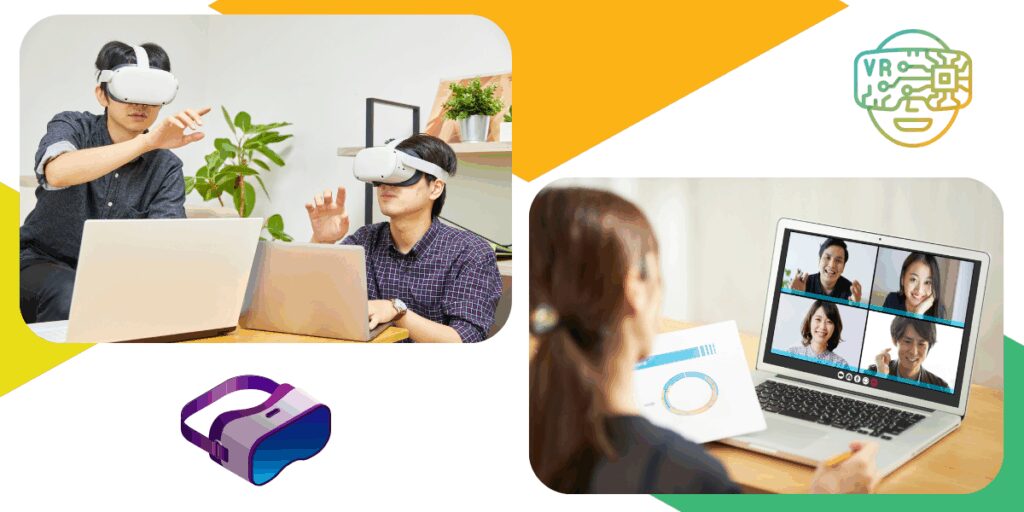
Common gamification mistakes include overcomplicating game structures, which can confuse participants, neglecting inclusivity and accessibility, which limits engagement, and prioritizing rewards over overall experience, which can undermine meaningful interaction and long-term attendee satisfaction. Simplicity, inclusivity, and balance drive success.

Brands using gamification report higher engagement, improved attendee satisfaction, and increased conversions. Success stories show how interactive strategies drive measurable results, proving gamification’s effectiveness in creating memorable, goal-driven virtual event experiences.
Summary
Here, we discussed the top ways to gamify your virtual event content, including elements, integrations, rewards, and more. Armed with this knowledge, you now have the tools and resources to host a successful virtual event while prioritizing gamification to enhance your attendees’ experience.
We encourage readers to incorporate gamification into their next virtual event, and please contact Chati if you have any ideas how we can do the same.
Accessibility in virtual events ensures inclusivity, enhances participant engagement, and supports compliance with legal standards. Prioritizing accessible design empowers diverse audiences, fosters equitable experiences, and strengthens event impact while meeting organizational responsibilities and broadening overall reach. Here, we will discuss the top ways to design virtual events with accessibility in mind, including event platforms, visual design, engagement tools, and more. With this, you will have the tools and resources to organize and execute a successful virtual event while putting accessibility at the forefront for your attendees.

When selecting virtual event software, prioritize accessibility features like closed captioning, screen reader compatibility, and keyboard navigation. Testing platforms before the event ensures smooth functionality, enhances inclusivity, and guarantees all participants can fully engage and benefit from the experience.

Live and AI-generated captions, paired with downloadable transcripts, significantly improve accessibility for virtual events. These tools support deaf and hard-of-hearing attendees, ensure inclusive communication, and provide lasting resources that enhance engagement, understanding, and participation during and after sessions.
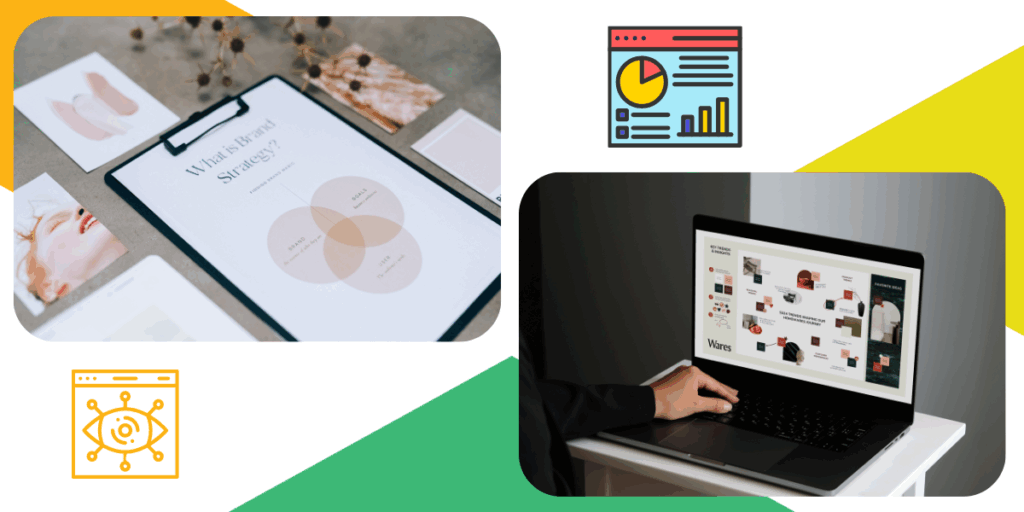
Use high-contrast colors and readable fonts, avoid cluttered or text-heavy slides, and include descriptive alt text for images and graphics. These strategies improve accessibility, readability, and engagement, ensuring presentations are clear, inclusive, and visually effective for all audiences.

Presentations should include sign language interpretation, clear audio with minimal background noise, and audio descriptions for visual elements. These practices enhance accessibility, ensuring participants with hearing or vision impairments can fully engage, understand, and benefit from the presented content inclusively.

Accessible polls, chats, and Q&A platforms, combined with WCAG-compliant forms and tools, foster inclusivity. By encouraging diverse participation, events become more engaging, equitable, and meaningful, ensuring that all attendees can contribute, interact, and benefit from the shared experience.

Providing on-demand recordings supports global audiences across time zones, while adjustable playback speeds and screen customization enhance flexibility. Incorporating accessibility features in breakout rooms ensures all participants can fully engage, creating an inclusive, adaptable, and user-friendly virtual event experience.

Training presenters in inclusive communication, promoting slower pacing with clear articulation, and avoiding jargon while using diverse examples ensures accessibility. These practices foster understanding, respect, and engagement, enabling all participants to connect meaningfully with content in an inclusive environment.

Conducting accessibility checks before launch, gathering post-event survey feedback on accessibility, and committing to continuous improvement ensures events remain inclusive. These practices identify barriers, highlight participant needs, and guide meaningful enhancements for more accessible and engaging future experiences.
Summary
Here, we discussed the top ways to design virtual events with accessibility in mind, including event platforms, visual design, engagement tools, and more. Armed with this knowledge, you can now host impactful and educational virtual events while enhancing accessibility and helping your attendees achieve their personal and professional goals.
We emphasize that event organizers prioritize inclusive design in all virtual events, and we encourage readers to contact Chati to see how we can improve our accessibility features. Through this, you not only improve your attendee turnout, but you enable them to achieve their personal and professional goals.
Sustainability reporting tracks and communicates environmental and social impacts. In virtual event planning, it’s increasingly vital for transparency, accountability, and meeting stakeholder expectations. Virtual events offer unique opportunities to lead in greener practices, reducing travel emissions, resource use, and waste, while setting a benchmark for sustainable virtual event management worldwide.
Here, we will discuss the top ways to use sustainability reporting in virtual events, including tools and platforms, communication, and future trends. Through this, you will have the tools and resources to organize a successful virtual event while demonstrating exceptional sustainability reporting and enabling your attendees to achieve their personal and professional goals.

In the context of virtual events, sustainability reporting evaluates and communicates environmental performance using key metrics such as carbon footprint, energy consumption, waste reduction, and digital efficiency. It enhances credibility for organizers, provides attendees with sustainable experiences, and strengthens brand alignment for sponsors, collectively fostering accountability, innovation, and greener virtual event practices.

Virtual event sustainability reporting encompasses monitoring digital carbon footprints, highlighting the use of renewable energy and low-impact technologies, and advancing waste reduction through paperless solutions. It further emphasizes the sustainable practices of vendors and partners. Post-event surveys capture attendee perceptions, offering valuable insights that strengthen accountability, inform improvements, and demonstrate a commitment to environmentally responsible virtual event management.

Virtual event technology solutions facilitate the tracking of sustainability data through sophisticated analytics dashboards and reporting software. By embedding key sustainability KPIs (key performance indicators) into virtual event platforms, organizers can monitor performance in real time, strengthen decision-making, and ensure accountability, thereby promoting more efficient, transparent, and environmentally responsible approaches to virtual event management.

Effective sustainability reporting entails communicating insights to attendees and sponsors through infographics, dashboards, and social media channels. Transparent disclosure of environmental and social performance not only informs stakeholders but also reinforces credibility, builds trust, and enhances brand reputation, establishing the organization as a responsible and accountable leader in sustainable virtual event management.

Advancements in sustainability reporting tools, alongside adherence to ESG (Environmental, Social, Governance) standards, are reshaping virtual and hybrid event planning. These innovations facilitate more precise tracking, increased transparency, and data-driven decision-making, supporting responsible, accountable, and environmentally conscious approaches to virtual and hybrid event management.
Summary
Here, we discussed the top ways to use sustainability reporting in virtual events, including tools and platforms, communication, and future trends. Armed with this knowledge, you are now able to organize and execute a successful virtual event while simultaneously enabling your attendees to achieve their personal and professional goals and enhancing the role of sustainability reporting.

We encourage readers to implement sustainability reporting in their next virtual or hybrid event, and please contact Chati to learn more about how we can incorporate sustainability reporting in our virtual and hybrid events.
Hybrid event innovation is transforming the way people connect, blending virtual accessibility with the immersive power of in-person experiences. By uniting digital convenience and face-to-face interaction, hybrid events maximize engagement, broaden reach, and create dynamic, interactive opportunities that keep audiences more connected, involved, and inspired than ever before. Here, we will discuss how you can embrace hybrid event innovation, including the benefits, top ways, best practices, and more.

Hybrid events merge in-person and virtual experiences, supported by strategies that ensure inclusivity and engagement. Unlike traditional virtual events, hybrid models expand networking, interaction, and reach, blending live participation with digital accessibility to create more dynamic, flexible, and impactful event experiences.

Hybrid events boost attendee engagement, expand reach and accessibility, and deliver stronger return on investment (ROI) for sponsors through enhanced branding opportunities. They also provide valuable data-driven insights, empowering organizers to refine strategies, personalize experiences, and maximize impact across both in-person and virtual audiences.

Interactive Live Streaming & Real-Time Engagement
Hybrid events leverage live polls, Q&A sessions, and gamification to bridge in-person and virtual audiences, fostering interaction, inclusivity, and meaningful engagement across every event format.
Virtual Networking Lounges & AI Matchmaking
Hybrid events create authentic connections by combining digital and in-person interactions. Smart matchmaking links attendees and sponsors, driving meaningful relationships, personalized networking, and enhanced value for all participants.
Immersive Event Technology (AR/VR)
Hybrid events elevate engagement with augmented reality product demos for onsite participants and immersive virtual reality experiences for remote audiences, delivering interactive, memorable, and inclusive experiences that showcase innovation and deepen audience connection.
Hybrid Event Platforms & Custom Apps
Event apps simplify scheduling, networking, and engagement while platforms streamline the hybrid experience. Together, they connect audiences, enhance interaction, and ensure seamless participation across both virtual and in-person formats.
On-Demand Content & Extended Event Lifespan
Repurposing event content, including recorded sessions, extends engagement beyond the live event and increases ROI by providing lasting value, broader reach, and opportunities for continued audience interaction.

Creating a successful hybrid event involves selecting the right platform, carefully balancing online and onsite experiences, and providing robust technical preparation and support. These elements ensure seamless execution, maximize engagement, and deliver a smooth, memorable experience for all participants.
Summary
Embracing hybrid event innovation offers new opportunities to enhance engagement and reach. Event planners are encouraged to begin integrating hybrid strategies, fostering flexibility, inclusivity, and long-term success in a rapidly evolving event landscape.
We encourage readers to embrace hybrid events with the goal of helping their attendees achieve their personal and professional goals, and please contact Chati to discover how you can host a successful hybrid event in the future.
In 2025, event branding is more important than ever, serving as a key driver of engagement and recognition. Through thoughtful customization, organizers can craft unique experiences that resonate with attendees, spark emotional connections, and transform ordinary gatherings into unforgettable, meaningful events that strengthen loyalty and long-term brand value. Here, we will discuss the top ways to customize event branding in 2025, including interactive platforms, immersive experiences, social media integration, and more. With this, you will have the tools and resources for hosting a successful event while maximizing event branding.

Custom graphics, typography, and color schemes are essential in shaping distinctive event branding, ensuring every detail reflects the event’s identity. In 2025, AI-assisted logo design trends streamline creativity, offering dynamic, personalized visuals that enhance recognition, elevate branding strategies, and deliver unforgettable attendee experiences through innovation and design precision.

Virtual events and hybrid events branding in 2025 extend beyond visuals, creating immersive digital environments that reflect an event’s identity. Branded event apps enhance engagement by offering personalized schedules, networking tools, and tailored experiences, ensuring attendees feel connected, valued, and fully immersed in both virtual and in-person interactions.

Eco-conscious merchandise and signage are redefining event branding in 2025, emphasizing sustainability while maintaining strong visual impact. Reusable and recyclable event décor not only reduces waste but also reflects brand responsibility, allowing organizers to create memorable, eco-friendly experiences that resonate with environmentally aware attendees and enhance long-term brand reputation.

Augmented reality (AR) and virtual reality (VR) activations transform event branding in 2025 by immersing attendees in interactive experiences. Branded photo booths and digital walls further engage audiences, blending creativity and technology to capture memorable moments while reinforcing brand identity in innovative, visually striking, and highly shareable ways.

AI-powered attendee experiences are revolutionizing event branding in 2025 by delivering hyper-personalized interactions. Tailored content and branded agendas ensure participants receive relevant insights and connections, fostering deeper engagement. This smart customization strengthens brand impact, creating meaningful, memorable experiences that resonate long after the event concludes.

Branded hashtags amplify event promotion in 2025, encouraging attendees to share experiences across social platforms. Collaborations with influencers and the integration of user-generated content boost engagement, extend reach, and create authentic connections. Together, these strategies strengthen brand visibility, foster community, and transform events into widely recognized, shareable experiences.

Personalized swag elevates event experiences in 2025, offering attendees memorable, brand-aligned keepsakes. Tech-based giveaways, including wearables and smart badges, combine functionality with engagement, enhancing interactivity while reinforcing brand presence. These thoughtful, innovative gifts leave lasting impressions, fostering loyalty and creating meaningful, memorable connections between attendees and the event.

Custom menus, packaging, and themed catering elevate event branding in 2025, creating immersive dining experiences that reflect a brand’s identity. Unique drink branding, such as logo latte art and branded cocktails, adds a playful, memorable touch, engaging attendees’ senses while reinforcing the event’s theme and leaving a lasting impression.

Branded recap videos and highlight reels capture key moments, extending an event’s impact beyond its conclusion. Personalized thank-you campaigns reinforce attendee appreciation and strengthen brand loyalty. Together, these strategies create lasting emotional connections, celebrate engagement, and ensure that participants leave with memorable experiences closely tied to the event’s identity.
Summary
Looking beyond 2025, event branding will increasingly embrace immersive technologies, sustainability, and hyper-personalization. To stay ahead, organizations must invest in customizable branding strategies that adapt to evolving attendee expectations, create memorable experiences, and strengthen brand loyalty, ensuring events remain impactful, innovative, and relevant in an ever-changing landscape.

We encourage readers to embrace event branding in their next virtual or hybrid event while maximizing engagement and enabling your attendees to achieve their personal and professional goals. Please contact Chati to learn more about how we can improve our event branding experience for audiences worldwide.
Associations and societies are organized groups supporting shared professional or community interests. They play a vital role in fostering growth, collaboration, and knowledge exchange. With this blog, readers will discover key benefits, including networking opportunities, skill development, resource access, and enhanced credibility within their chosen fields or communities. Through this, you will have a former grasp on the importance of associations and societies and their pivotal role in helping individuals achieve their personal and professional goals.

Trade associations, professional societies, nonprofit associations, and membership organizations each serve unique purposes in advancing shared goals. While associations broadly unite groups around industries or causes, societies emphasize professional or scholarly pursuits. Understanding their distinctions helps clarify roles, benefits, and contributions to both professional and community development.

Membership in associations and societies offers valuable networking opportunities, exclusive access to resources, events, and publications, and pathways for professional development through training and certifications. They also provide advocacy and representation, ensuring members’ voices are heard while strengthening careers, communities, and industries through collective support and collaboration.

Associations and societies span diverse fields, including industry-specific groups in healthcare, law, education, and engineering, as well as academic and student societies. Nonprofit and charitable associations further community goals, while international and local societies provide opportunities for collaboration, professional growth, and impact at varying scales.

Associations and societies support career advancement through mentorship programs, providing valuable guidance and connections. They offer continuing education opportunities to enhance skills and stay current in evolving fields. Additionally, recognition and awards celebrate member achievements, boosting credibility, motivation, and professional growth within industries and communities.

Associations and societies foster collaboration and knowledge-sharing among members, strengthening collective expertise. They advocate for industry standards and ethical practices, ensuring professionalism and accountability. Additionally, many lead community service and outreach programs, promoting social responsibility while advancing both professional development and positive community impact.

Choosing the right association or society involves aligning membership with personal or professional goals, carefully evaluating benefits versus costs, and researching the organization’s reputation and credibility. This thoughtful approach ensures members gain meaningful value, growth opportunities, and strong connections within their chosen field or community.

Associations and societies are embracing digital transformation through virtual communities, expanding access and engagement. Hybrid events foster global networking opportunities, connecting members across borders. Additionally, there is a growing emphasis on inclusivity and diversity, ensuring broader representation and creating supportive, equitable spaces for professional and community development.
Summary
Here, we discussed how associations and societies play a vital role in career growth, networking, and community impact. Exploring membership in one that aligns with personal or professional goals offers lasting benefits.

We emphasize readers joining an association today to boost your career success and strengthen community engagement. Please contact Chati regarding how we can improve our virtual events and hybrid events to better represent associations and societies worldwide.
The retail landscape is rapidly transforming, driven by advancing technology, shifting consumer expectations, and global market changes. This article explores these evolving dynamics, examining their impact on businesses and outlining strategies to navigate challenges, seize opportunities, and remain competitive in a fast-paced marketplace. Here, we will discuss the future of retail, including technology impact, consumer strategies, supply chain, and more. Through this, you will have a firm grasp on achieving success within the retail industry for years to come.

Retail is embracing experiential and immersive shopping, blending entertainment with commerce. E-commerce and mobile commerce continue to expand, while subscription models and personalized experiences gain traction. Consumers increasingly prioritize sustainability and ethical sourcing, driving brands to adopt responsible practices that align with evolving values and market demands.

Artificial intelligence and machine learning are revolutionizing retail, enabling smarter decision-making and personalization. AR/VR enhances product visualization, creating engaging shopping experiences. Smart shelves and checkout-free stores streamline operations, while robotics in warehousing and delivery boost efficiency, transforming the entire retail ecosystem into a faster, more innovative marketplace.

Retailers are designing seamless online and offline customer journeys, combining convenience with efficiency. Services like curbside pickup, BOPIS, and same-day delivery meet modern consumer expectations. By integrating CRM and inventory systems, brands create unified, personalized experiences that strengthen loyalty and ensure a smooth, consistent interaction across every touchpoint.

Retailers are leveraging data-driven insights to understand what influences purchases across generations, from Gen Z to Millennials. Shoppers increasingly expect convenience, transparency, and speed in every interaction. By aligning strategies with these preferences, brands can deliver targeted, efficient, and trustworthy experiences that resonate with diverse audiences and drive loyalty.

Retailers are harnessing social commerce and influencer marketing to reach engaged audiences. Loyalty programs and personalized offers strengthen customer retention, while user-generated content and reviews build trust and authenticity. By combining these strategies, brands can drive engagement, enhance brand credibility, and create meaningful, customer-focused experiences that boost long-term growth.

Retailers are adopting real-time inventory tracking and automation to streamline operations and reduce errors. AI-powered demand forecasting enhances planning accuracy, while diversifying suppliers mitigates supply chain risks. These strategies enable businesses to respond quickly to market changes, maintain product availability, and build resilient, efficient, and customer-focused supply chains.

Retailers are embracing eco-friendly packaging and carbon-neutral operations to reduce environmental impact. Transparent sourcing and fair labor practices demonstrate ethical responsibility, while certifications validate these efforts. By prioritizing sustainability and accountability, brands build customer trust, strengthen reputation, and align with growing consumer demand for responsible and conscientious business practices.

Retailers face challenges from rising costs and inflation, impacting profitability and operations. Shrinkage and cybersecurity threats further strain resources, while staff retention and skills development remain critical for maintaining efficiency and service quality. Addressing these issues strategically ensures resilience, safeguards assets, and fosters a capable, motivated workforce for long-term success.
Summary
This article highlights key retail insights, emphasizing trends, technologies, and strategies shaping the retail industry. Businesses are encouraged to adapt and innovate to stay competitive in a rapidly evolving market.

We encourage readers to incorporate retail strategies into their next virtual event while embracing challenges and industry trends. Explore actionable solutions by signing up for updates or requesting a consultation to guide your next steps. Please contact Chati to discuss how we can improve our retail experience, so we are better prepared for future trends and technologies.